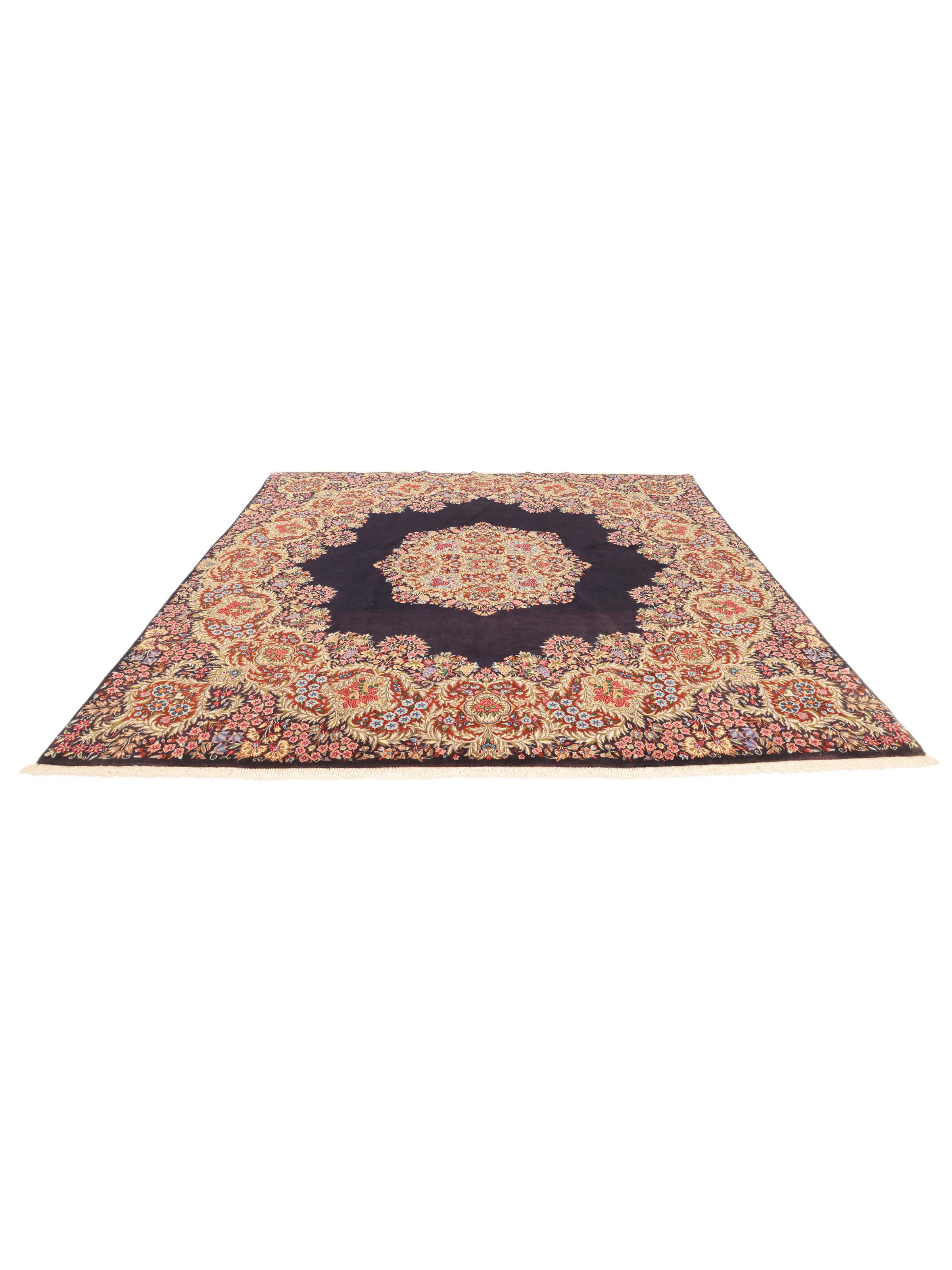
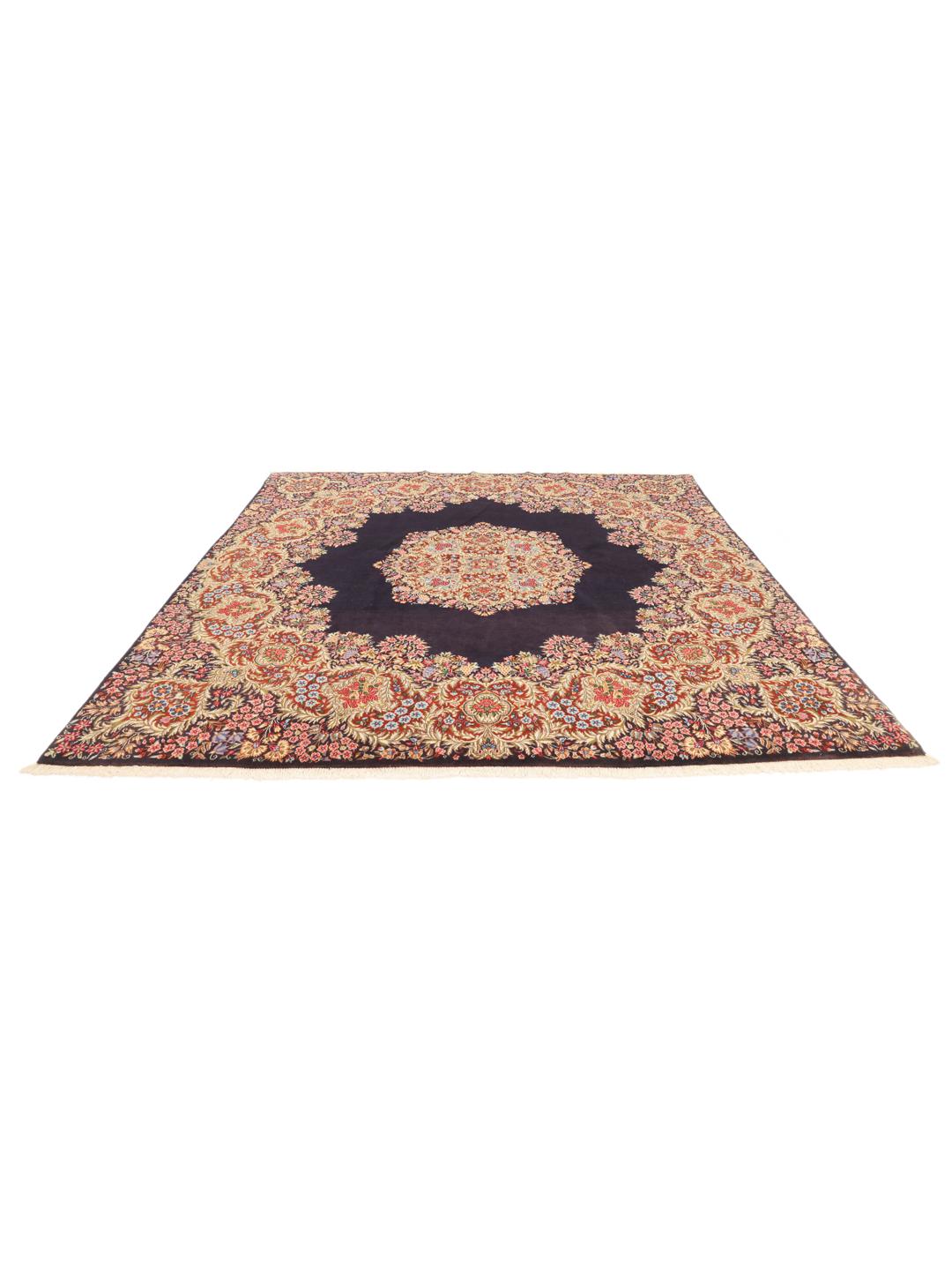
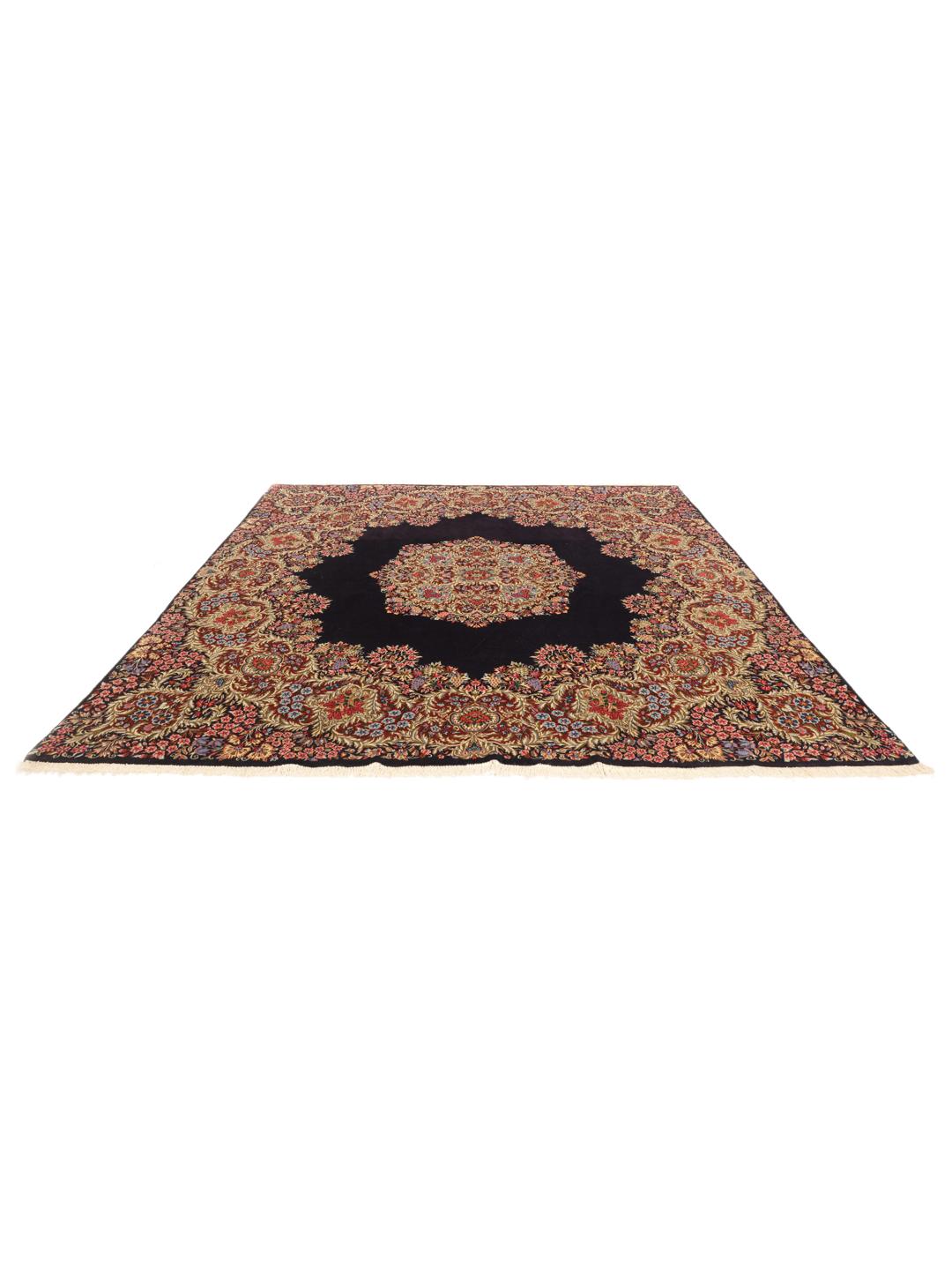
Kerman, a city located in the southeastern region of the Middle East, has long been recognised as a centre for some of the most sophisticated rug weaving in history. The tradition of Kerman rugs is deeply rooted in the artistic heritage of the region, where weavers have historically drawn inspiration from the lush gardens and intricate tile work of their local architecture.
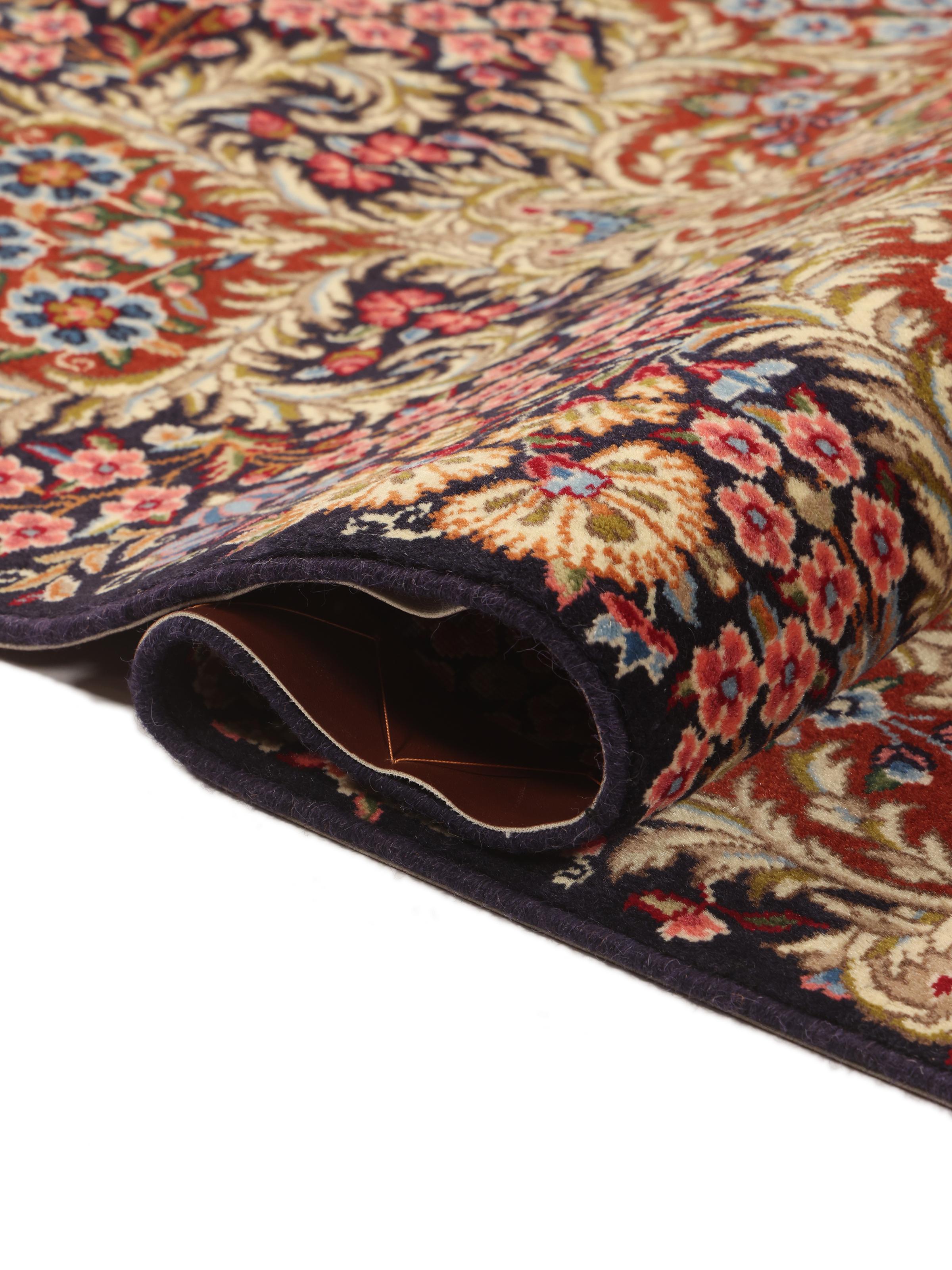
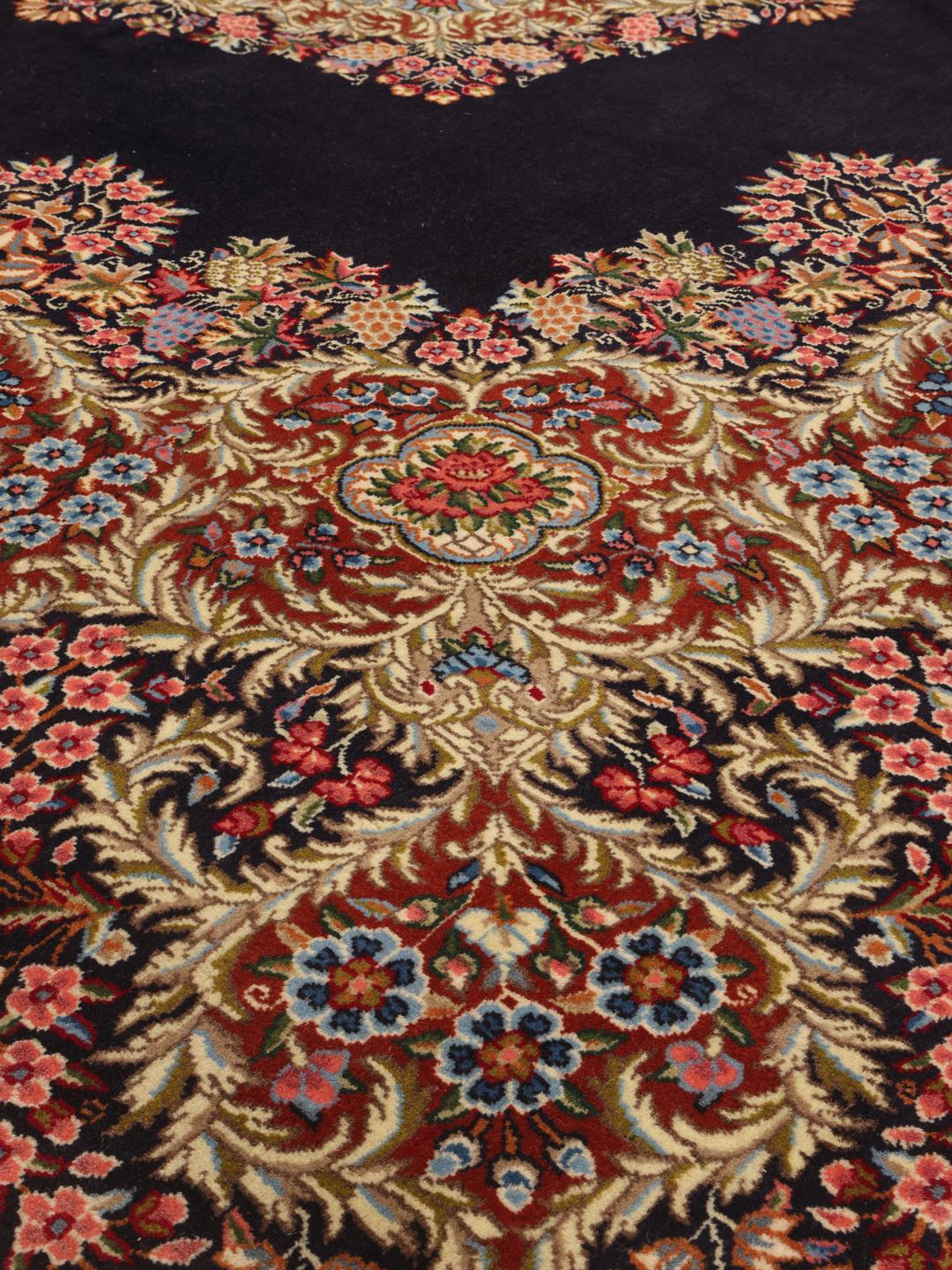
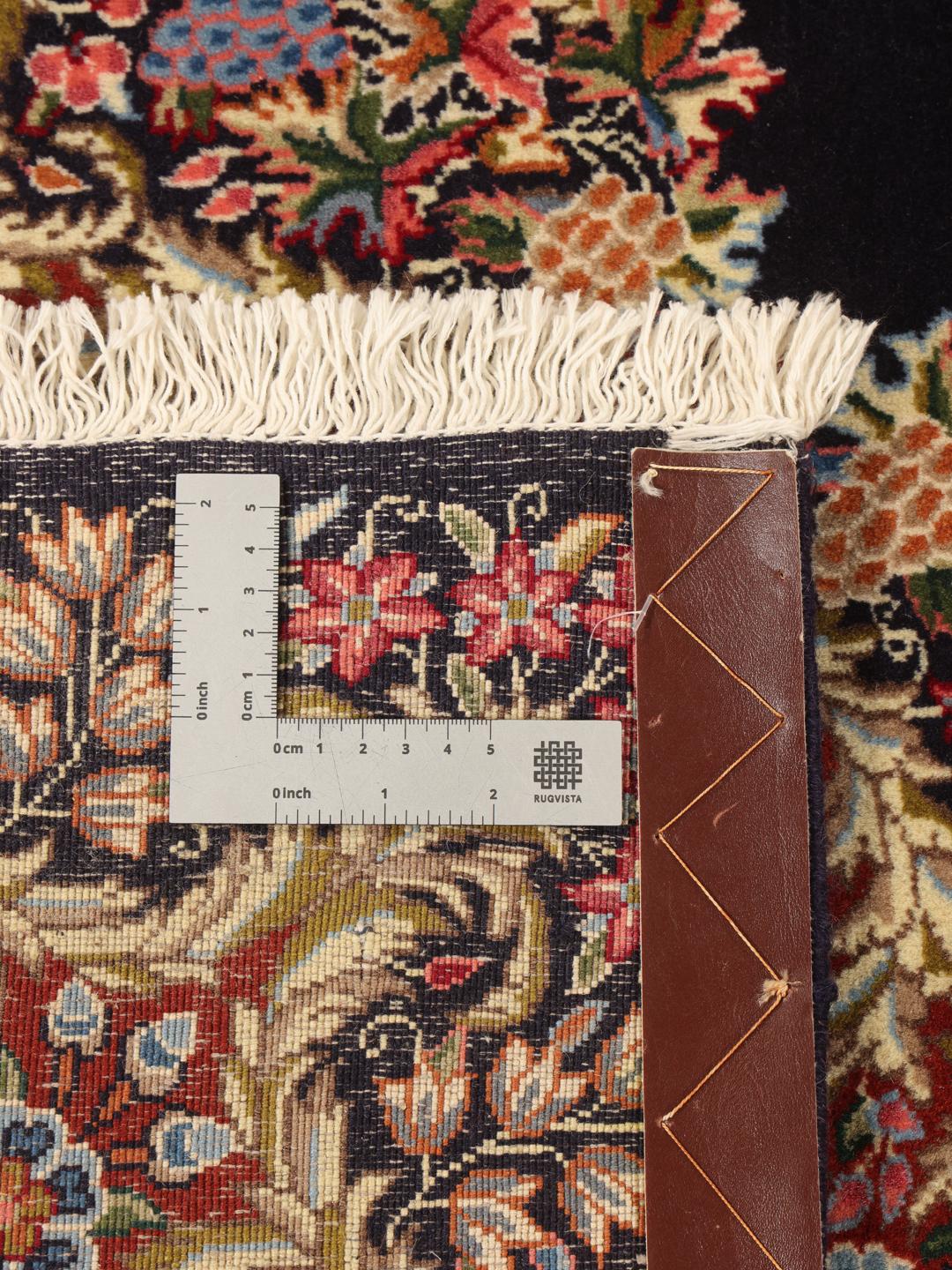
The term Sherkat Farsh refers to a prestigious organisation established in the mid-20th century to preserve and elevate the standards of traditional rug weaving. By setting rigorous requirements for materials and knotting techniques, this institution ensured that rugs bearing this name represent the pinnacle of regional craft. The 360,000 knots per m2 density mentioned here is a hallmark of this commitment, providing the fine detail and durability that collectors seek.
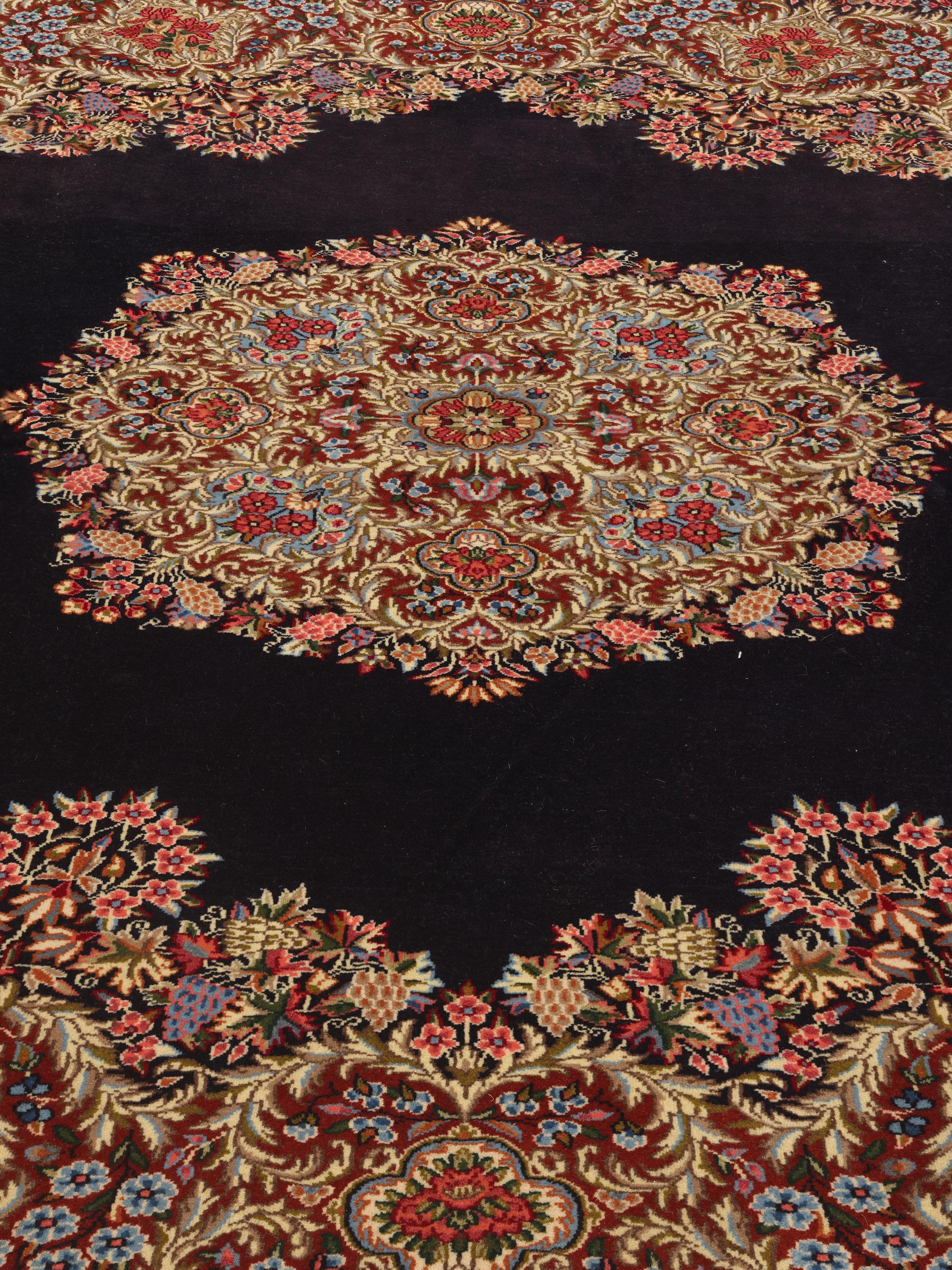
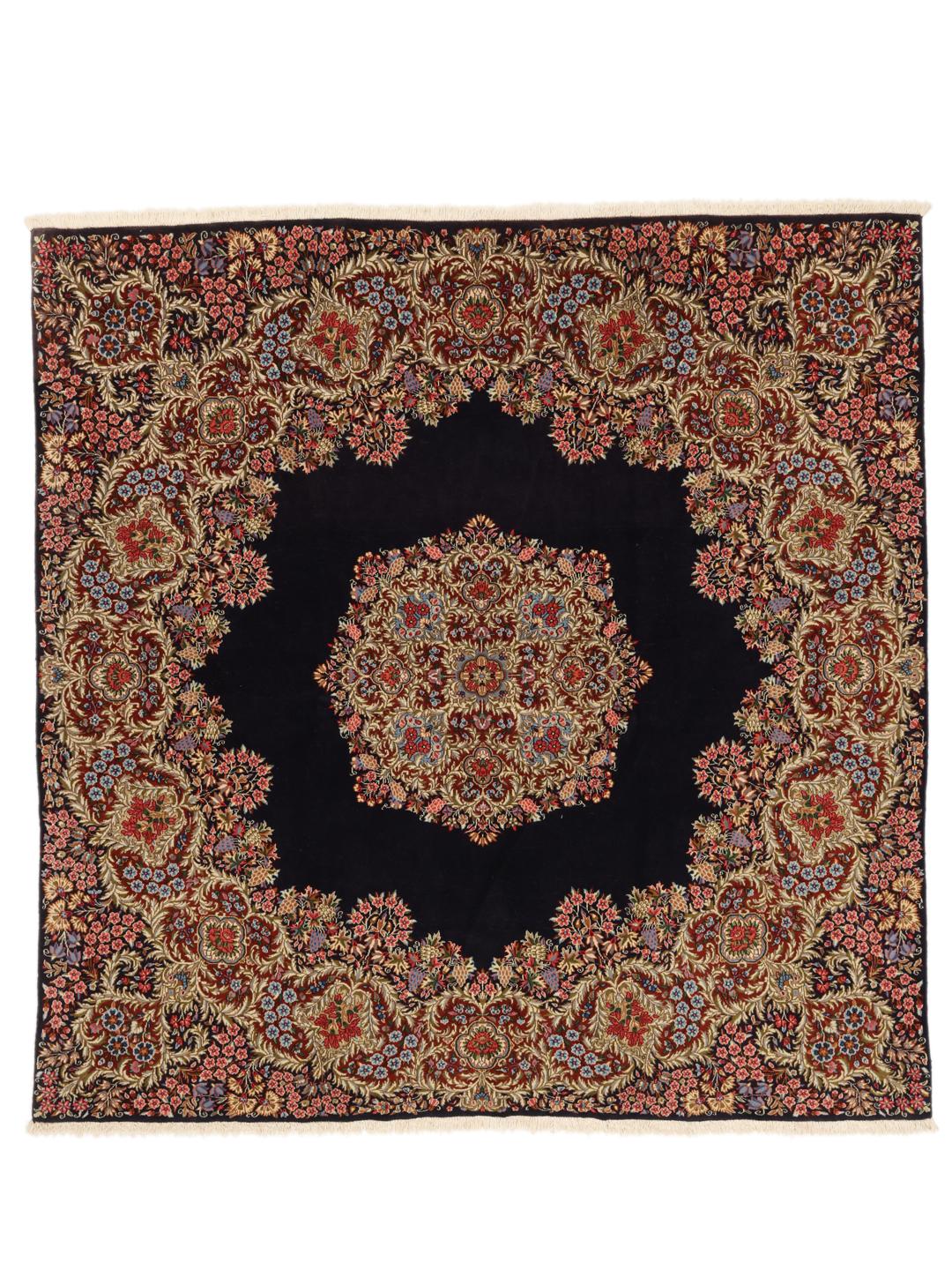
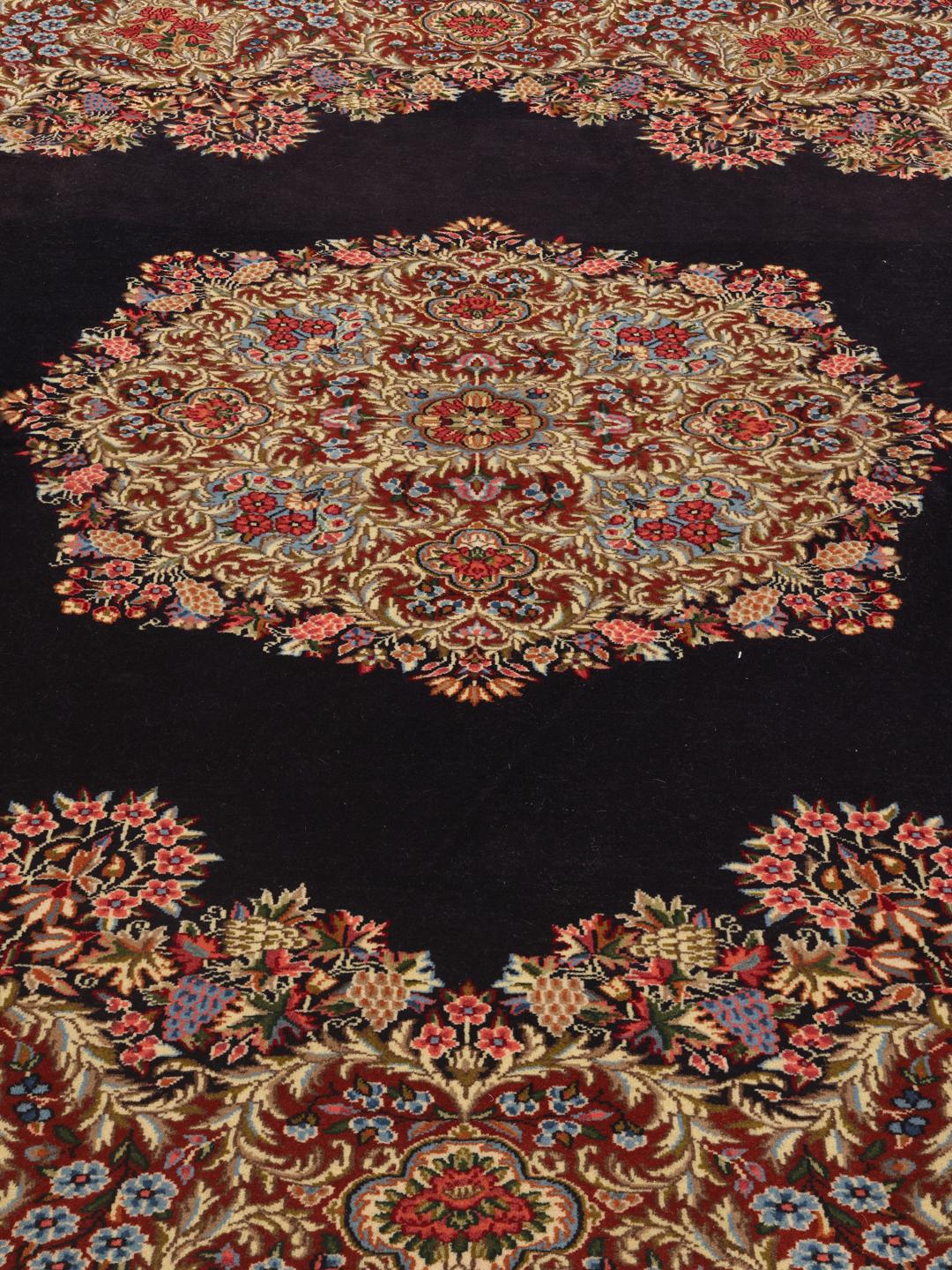
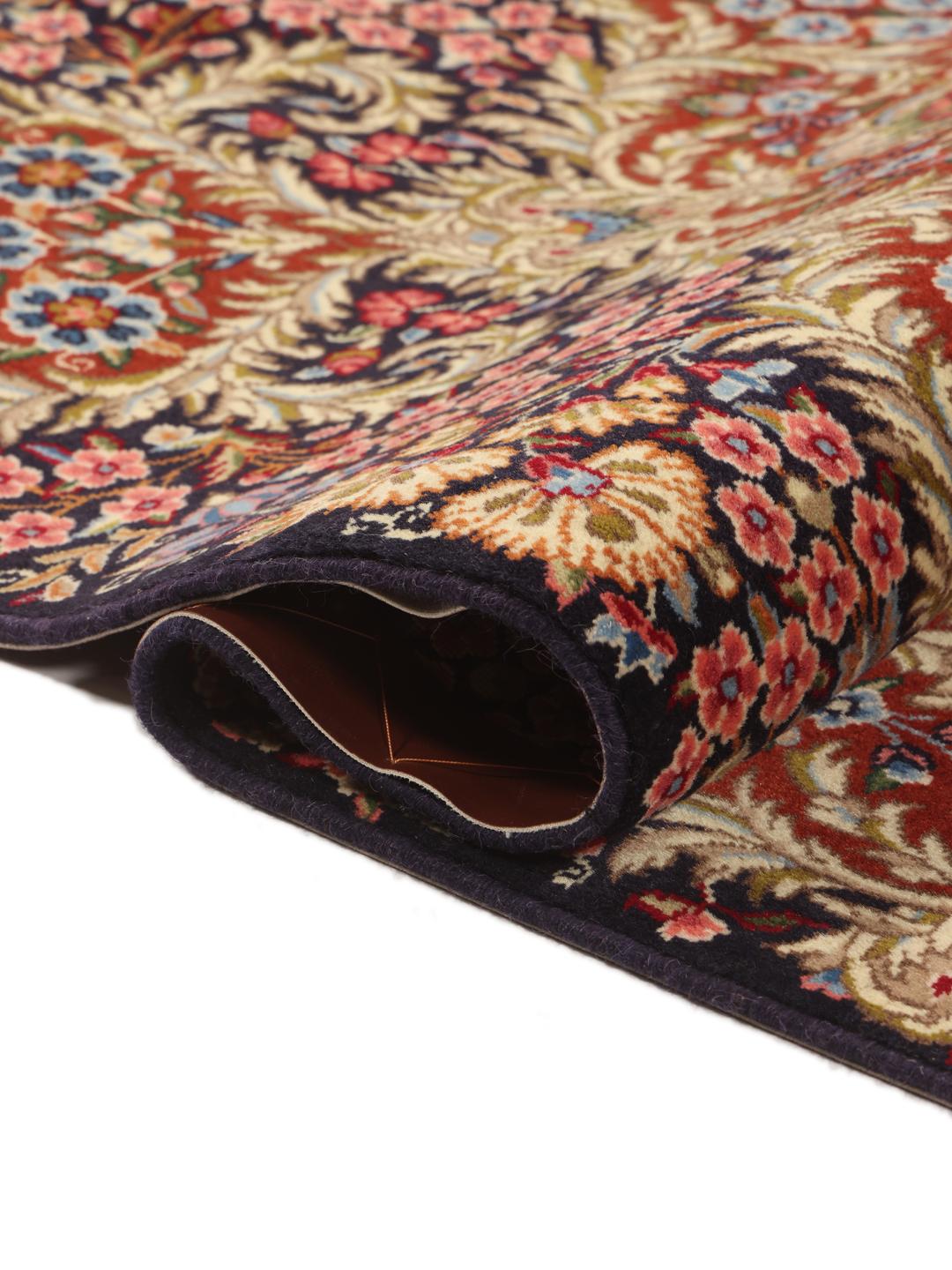
Visually, Kerman rugs are celebrated for their elaborate floral designs and the use of a wide spectrum of colours. A common signature is the large, ornate central medallion surrounded by a field teeming with blooming vines, palmettes, and delicate blossoms. While many traditional examples feature softer, lighter backgrounds, this piece is particularly striking for its deep black field, which makes the vibrant red and intricate floral details appear to glow with added intensity.
Collecting a Kerman Sherkat Farsh rug is an investment in cultural history. These rugs are highly valued for their artistic complexity and the skill required to execute such detailed patterns by hand. Owning one is a testament to an appreciation for human craftsmanship and the enduring nature of traditional designs that have been passed down through centuries.