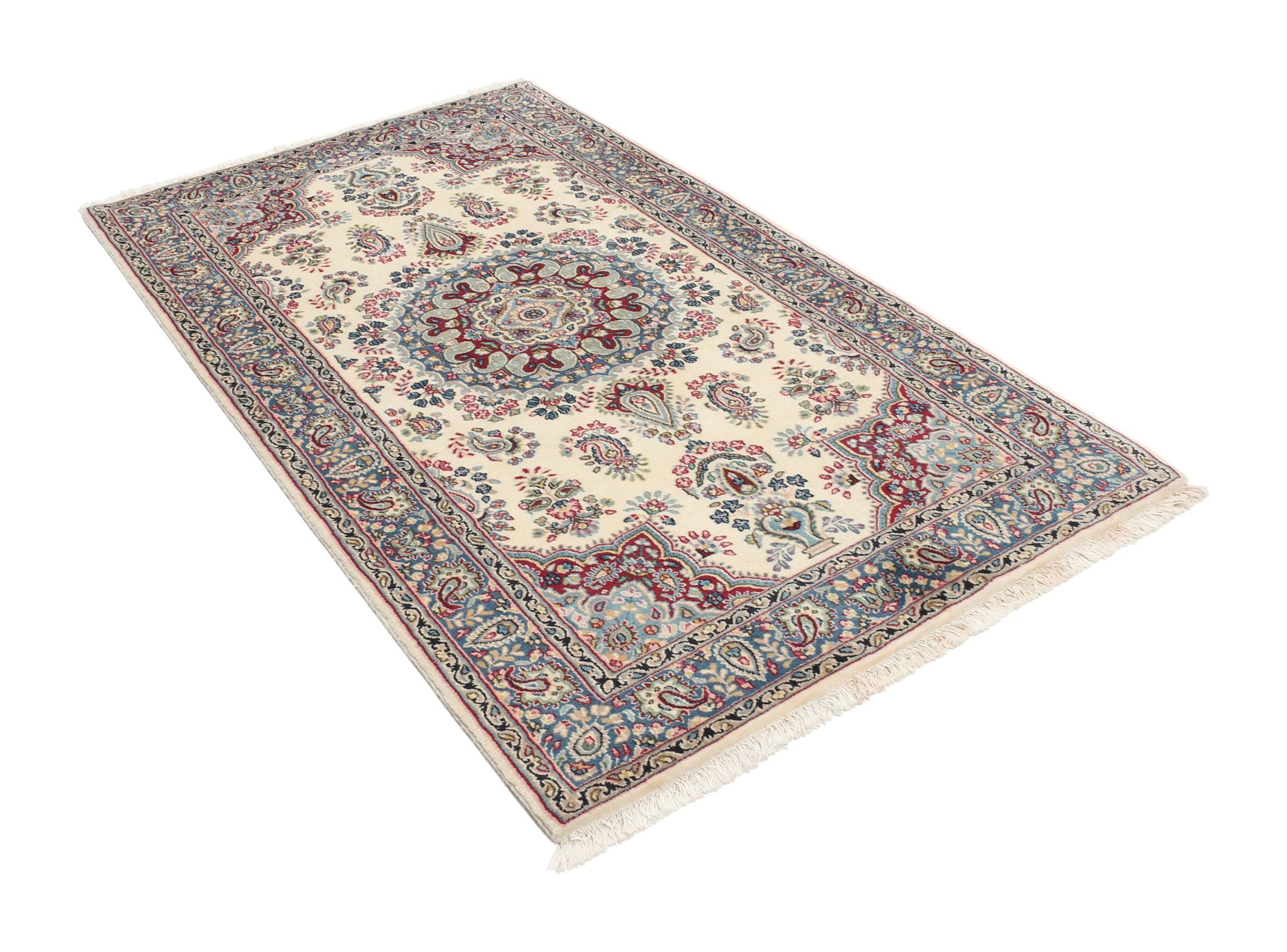
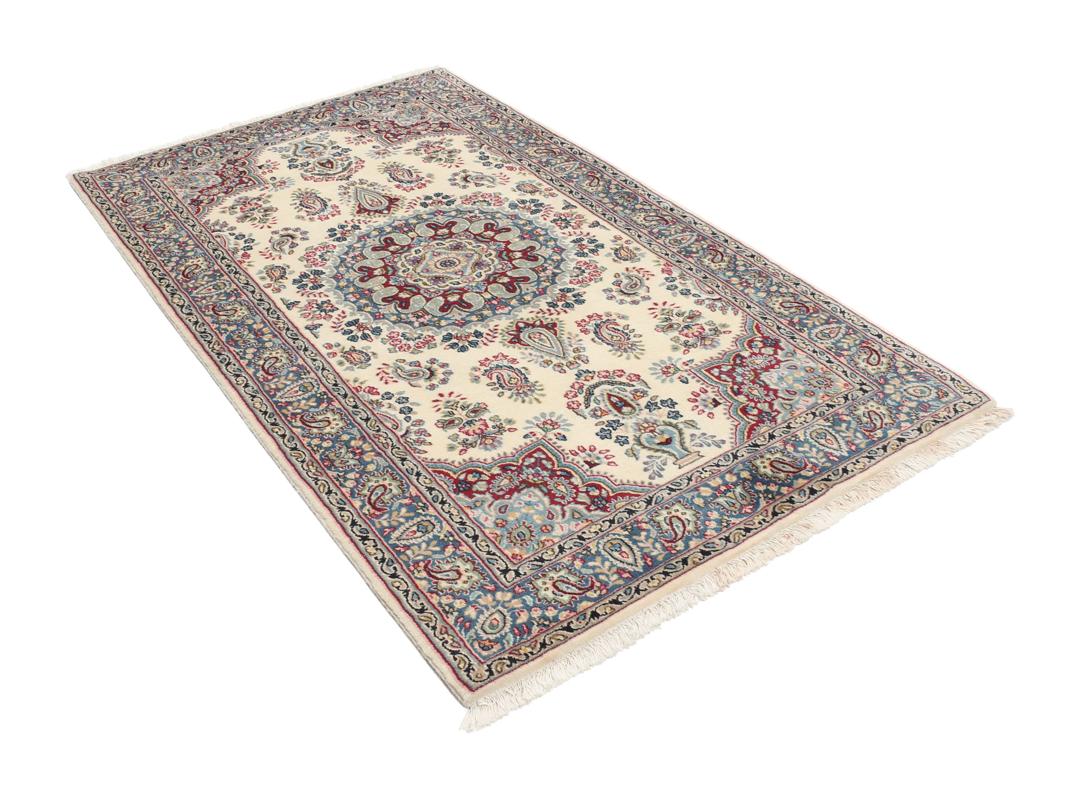
Kerman rugs originate from the desert city of Kerman in the southeastern part of the Middle East. This region has historically been a nexus for trade and artistic exchange, allowing the local weavers to draw inspiration from a wide variety of cultures and aesthetic traditions. The area is renowned for its long-standing legacy of rug production, which has evolved over centuries to become synonymous with elegance and technical excellence.
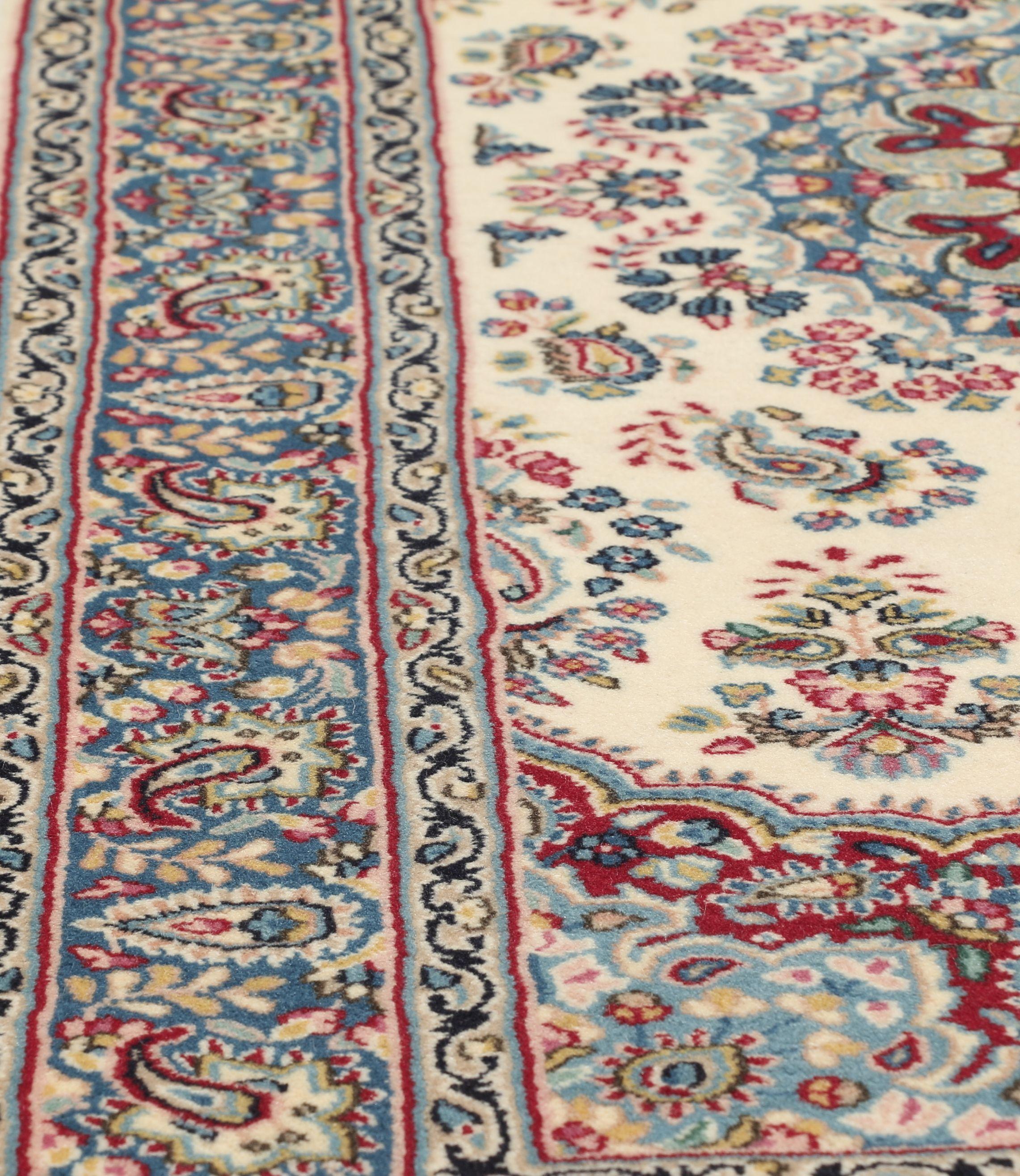
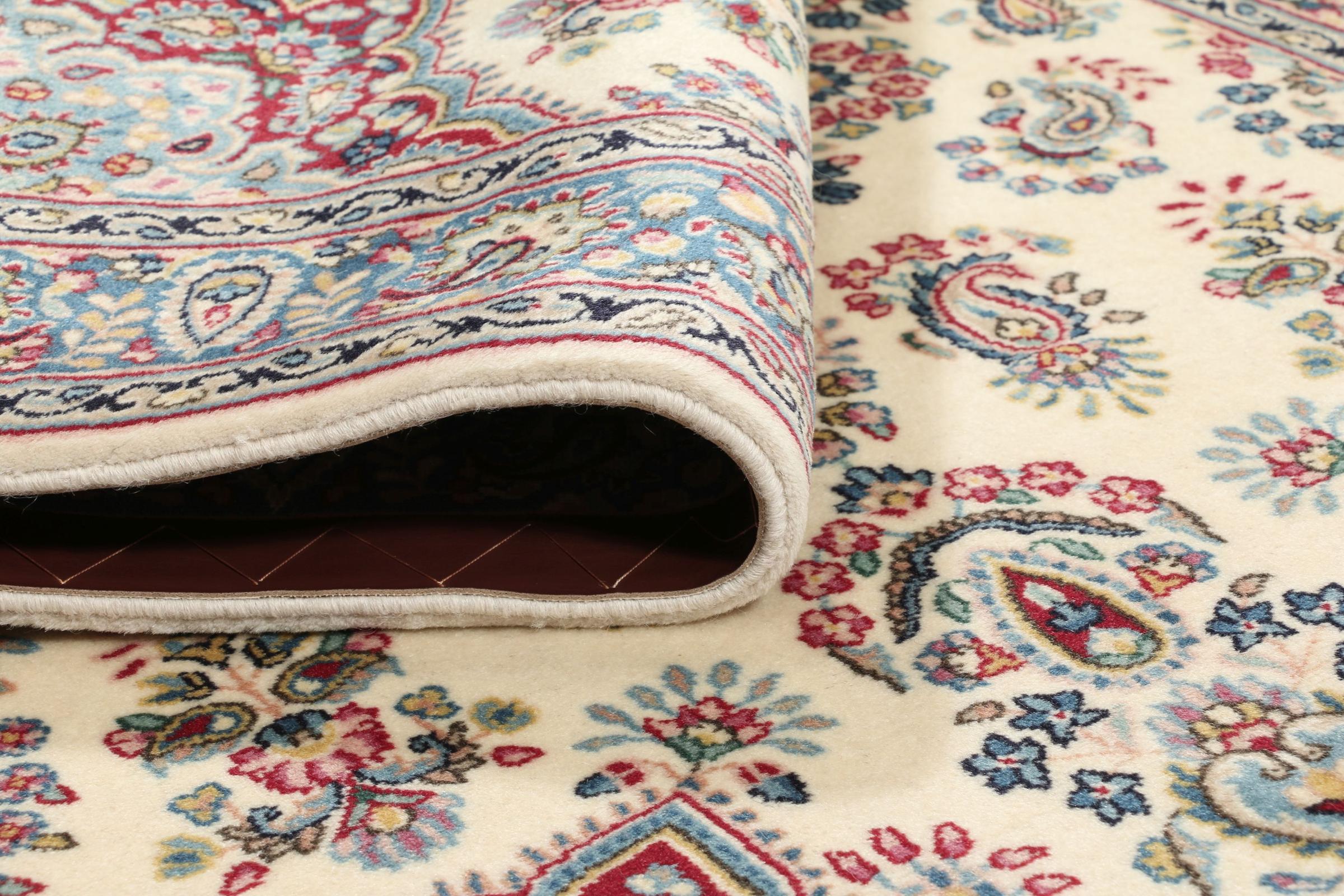
The term Kerman refers to both the city of origin and a specific school of design that emphasises fine detail and a balanced, often floral, layout. These rugs are highly regarded for their use of natural dyes and the exceptional skill of the weavers who execute complex curvilinear patterns with precision. The construction is known for its durability, which is achieved through a combination of high-quality materials and a refined knotting technique.
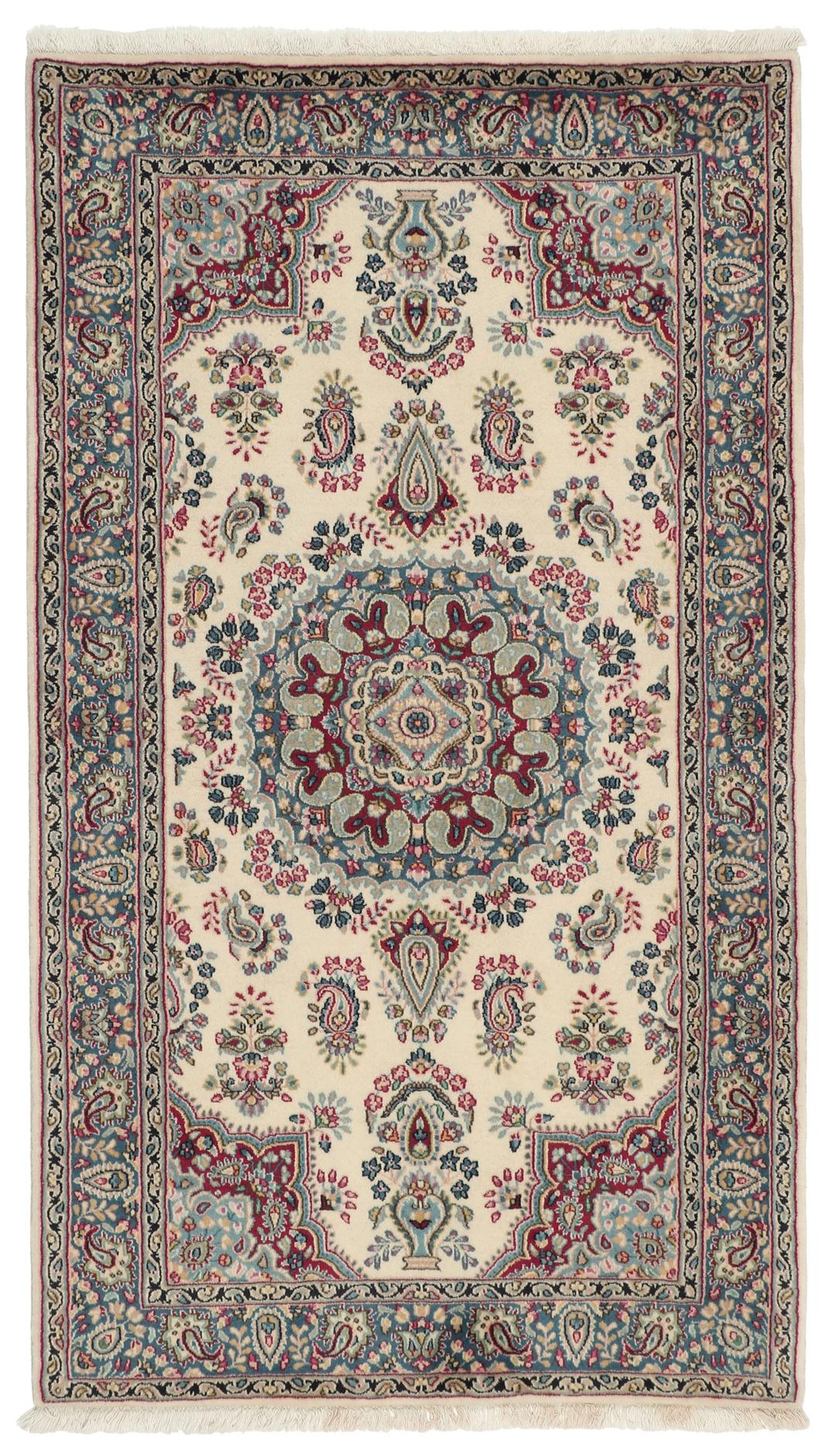
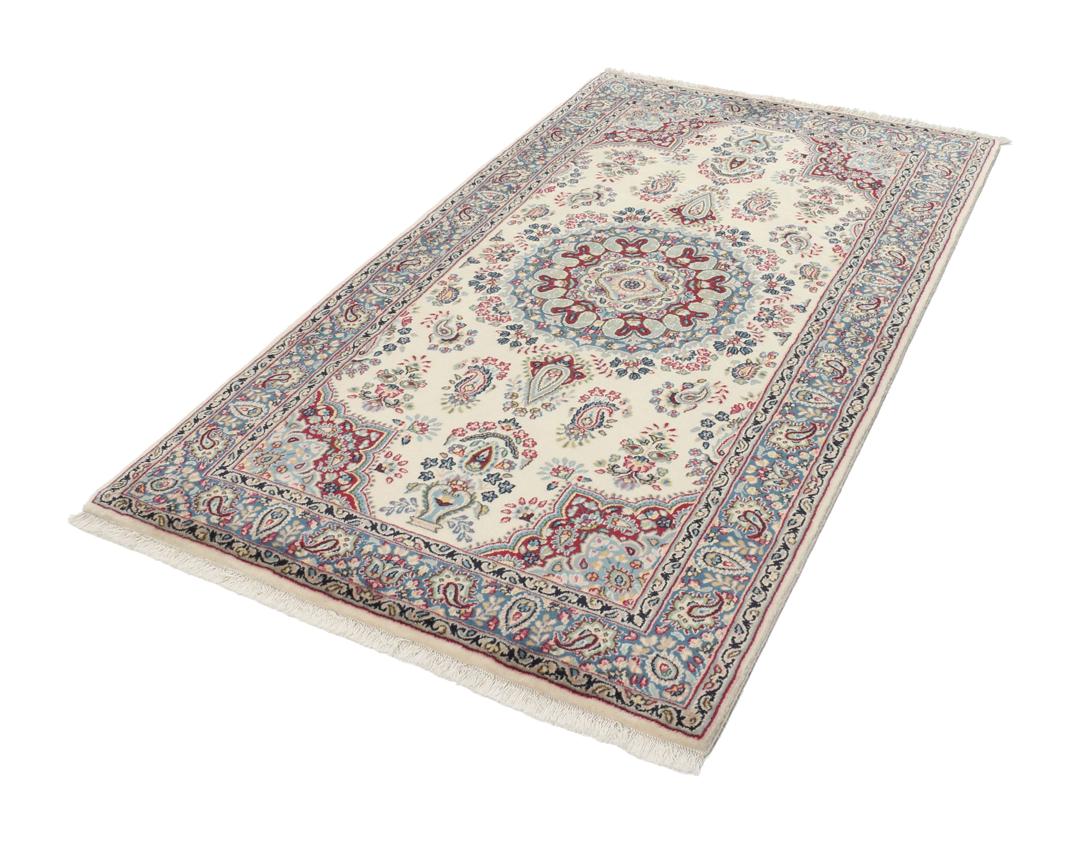
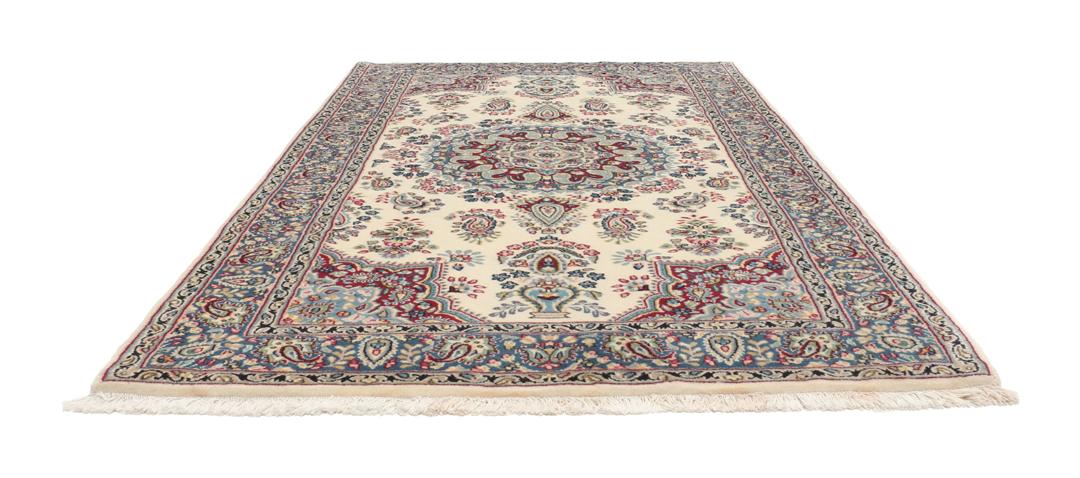
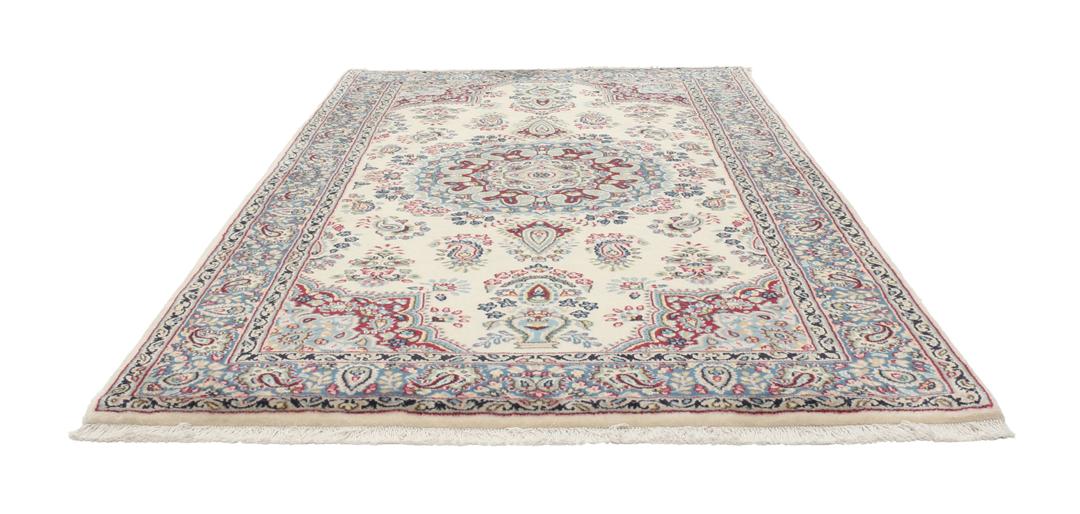
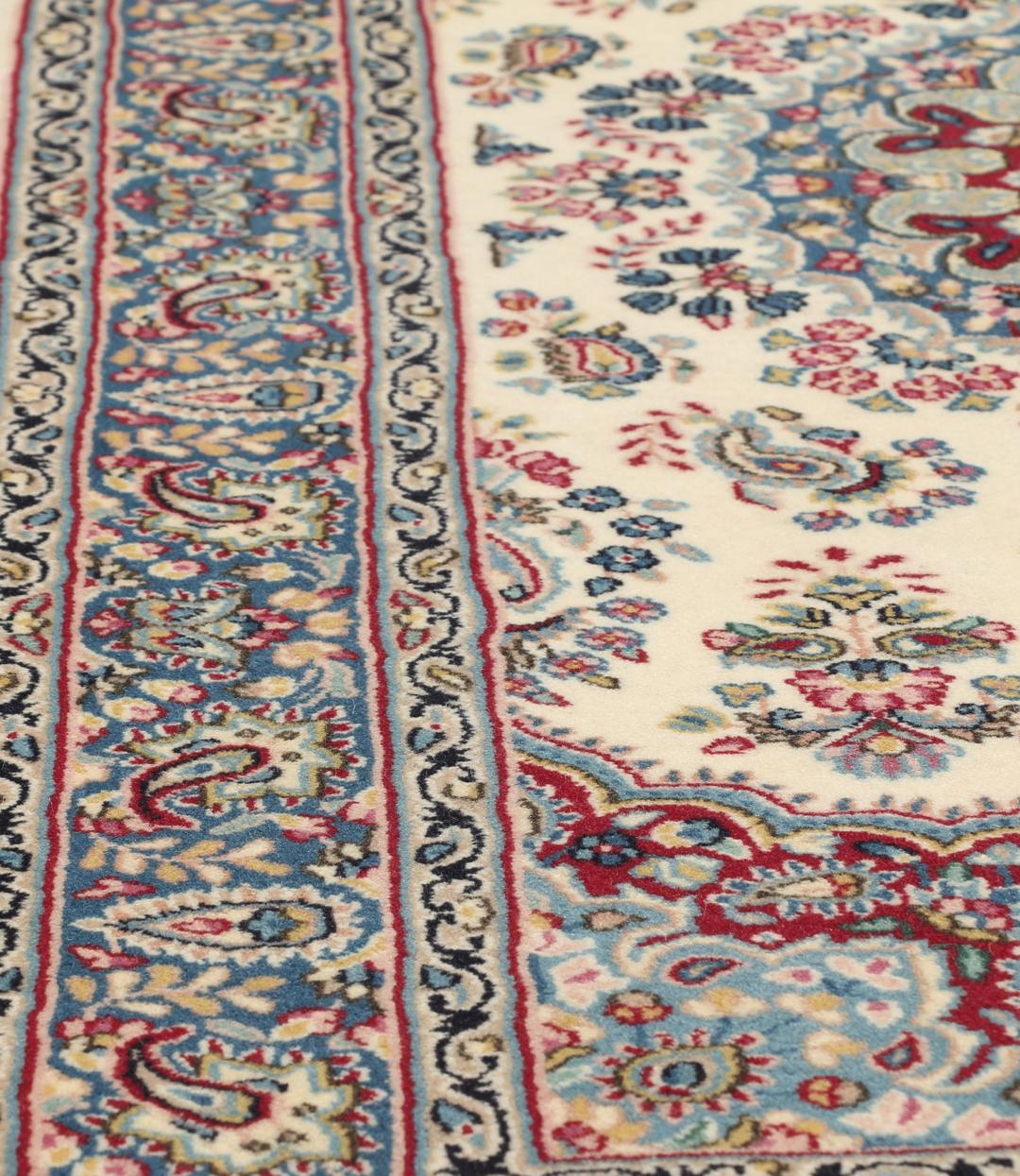
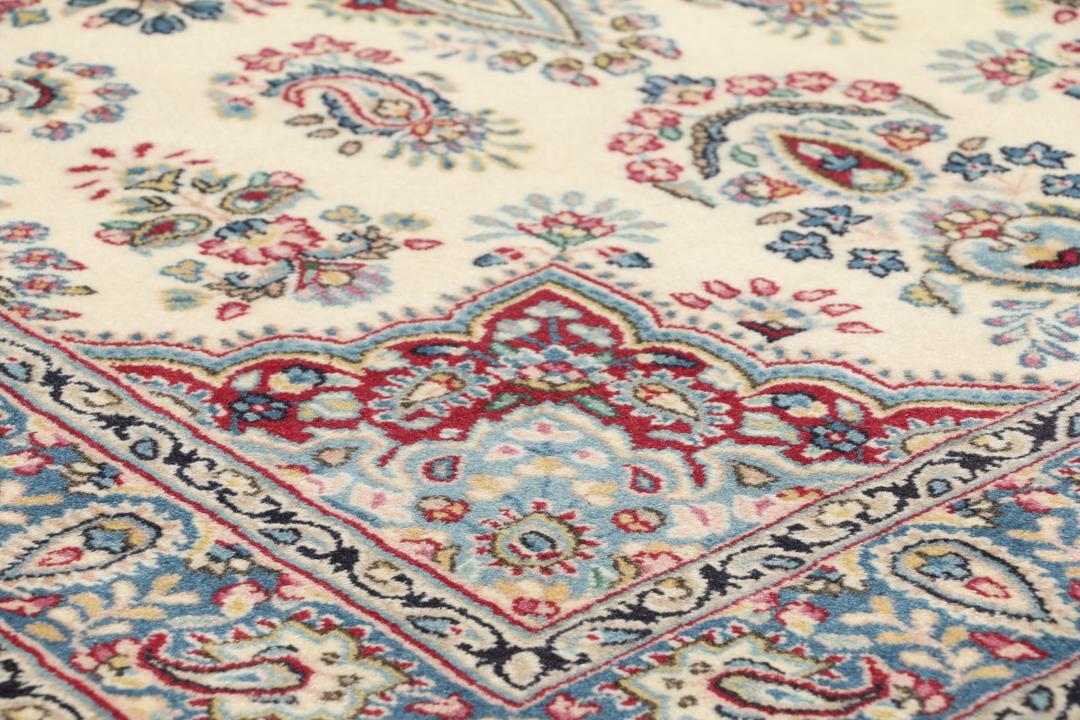
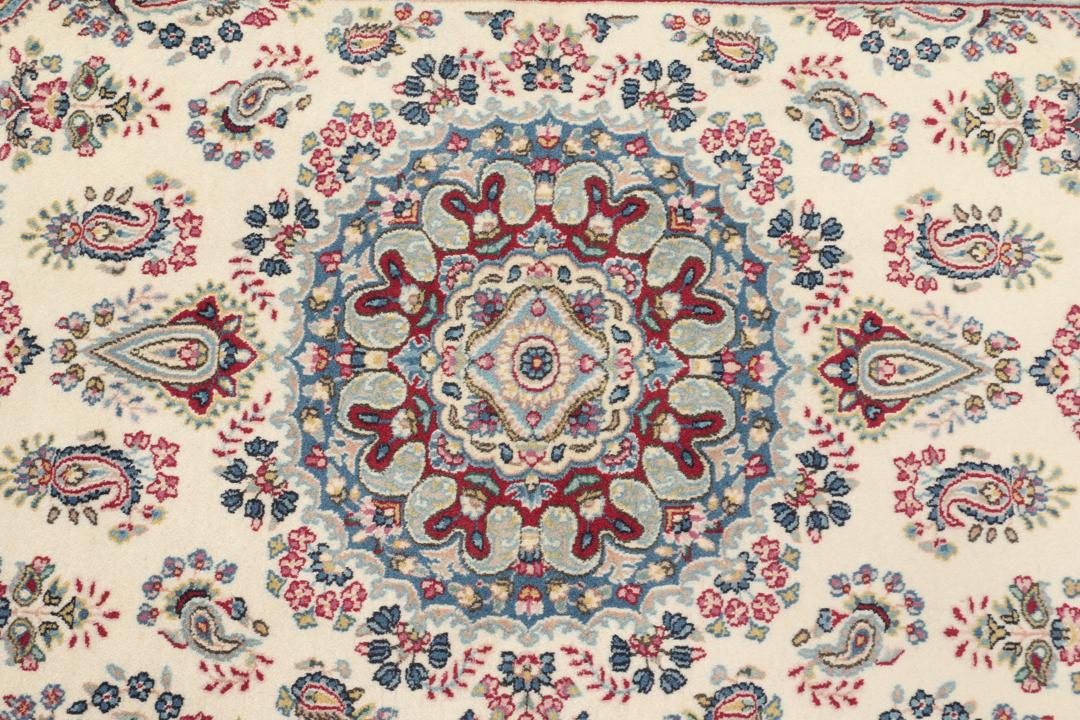
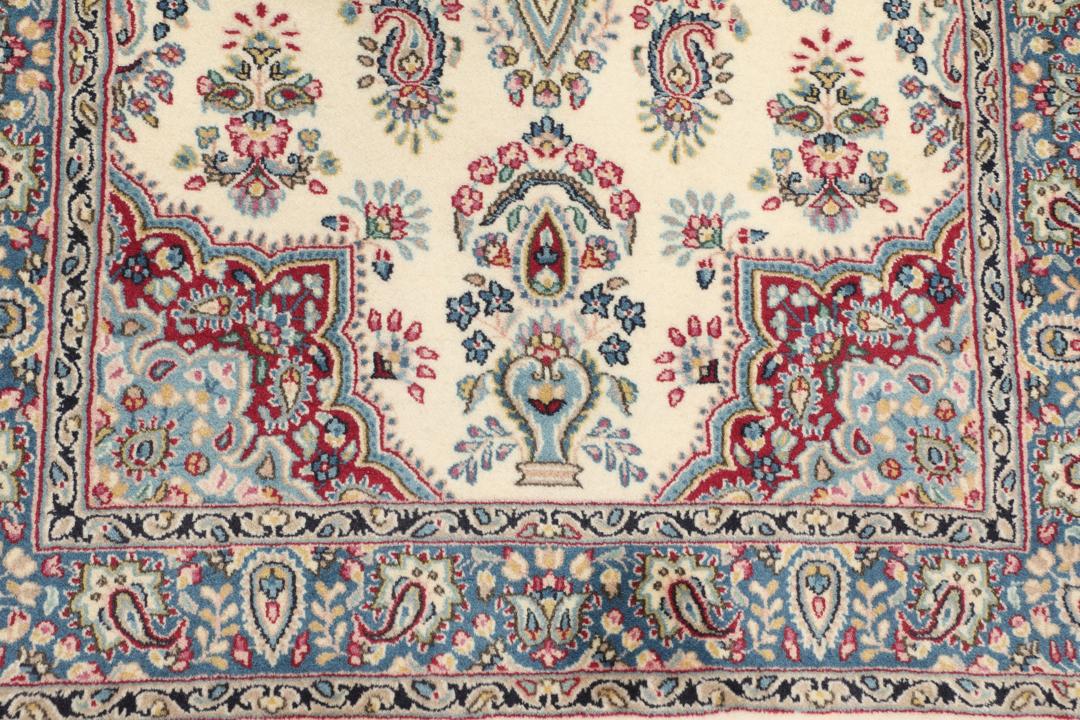
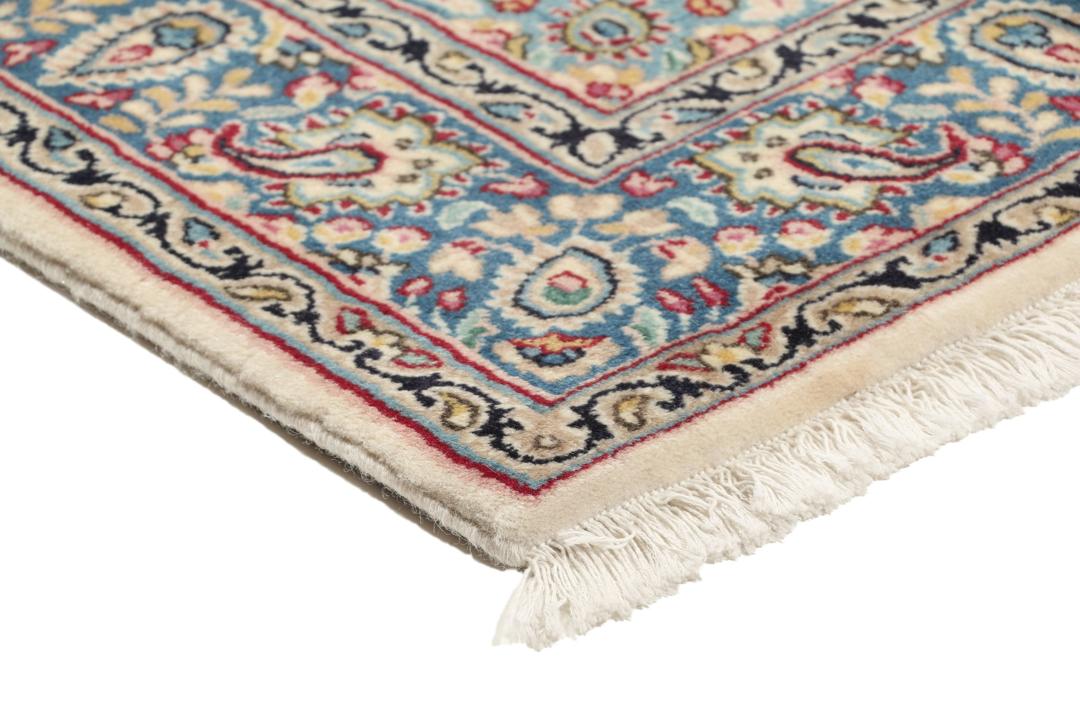
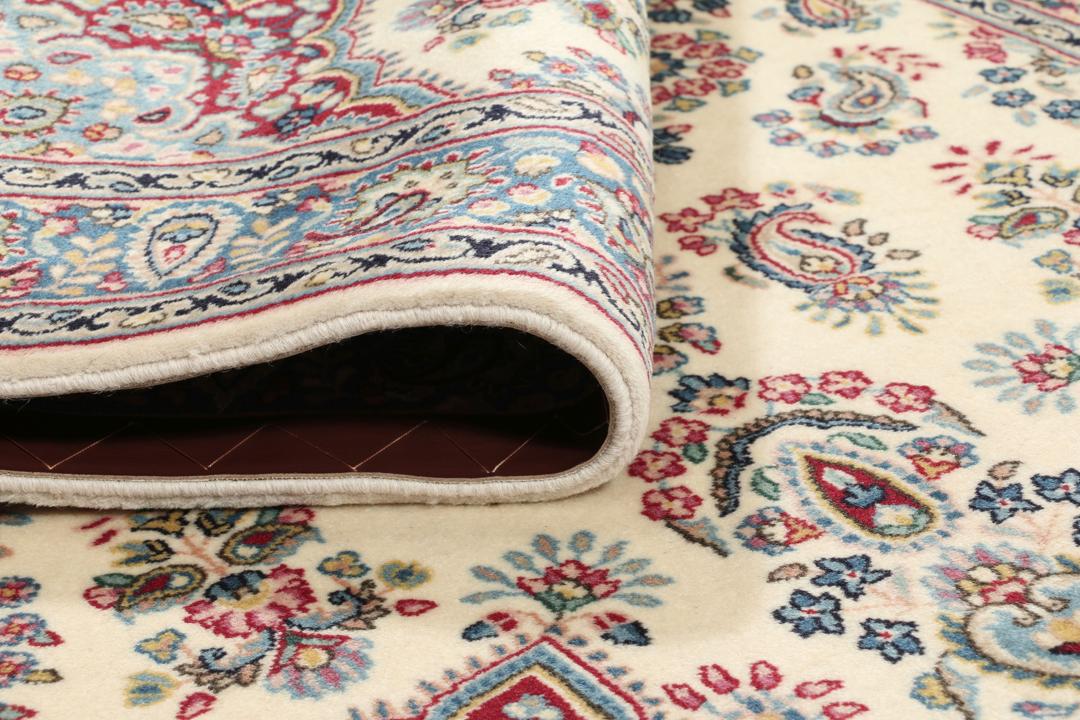
Signature design elements of a Kerman rug often include a central medallion, which acts as the focal point, surrounded by elaborate fields of scrolling vines, palmettes, and floral sprays. The borders are typically just as detailed as the centre, creating a cohesive frame that emphasises the elegance of the primary design. While traditional red and blue tones are common, these rugs are celebrated for their sophisticated and varied colour palettes.
Owning a Kerman rug is an act of preserving a rich cultural heritage. Because of the incredible skill required to produce them, these pieces have long been prized by collectors and homeowners alike for their beauty and longevity. They represent a bridge between the past and the present, offering a timeless aesthetic that continues to be relevant in modern interiors while retaining a deep connection to their historical roots.