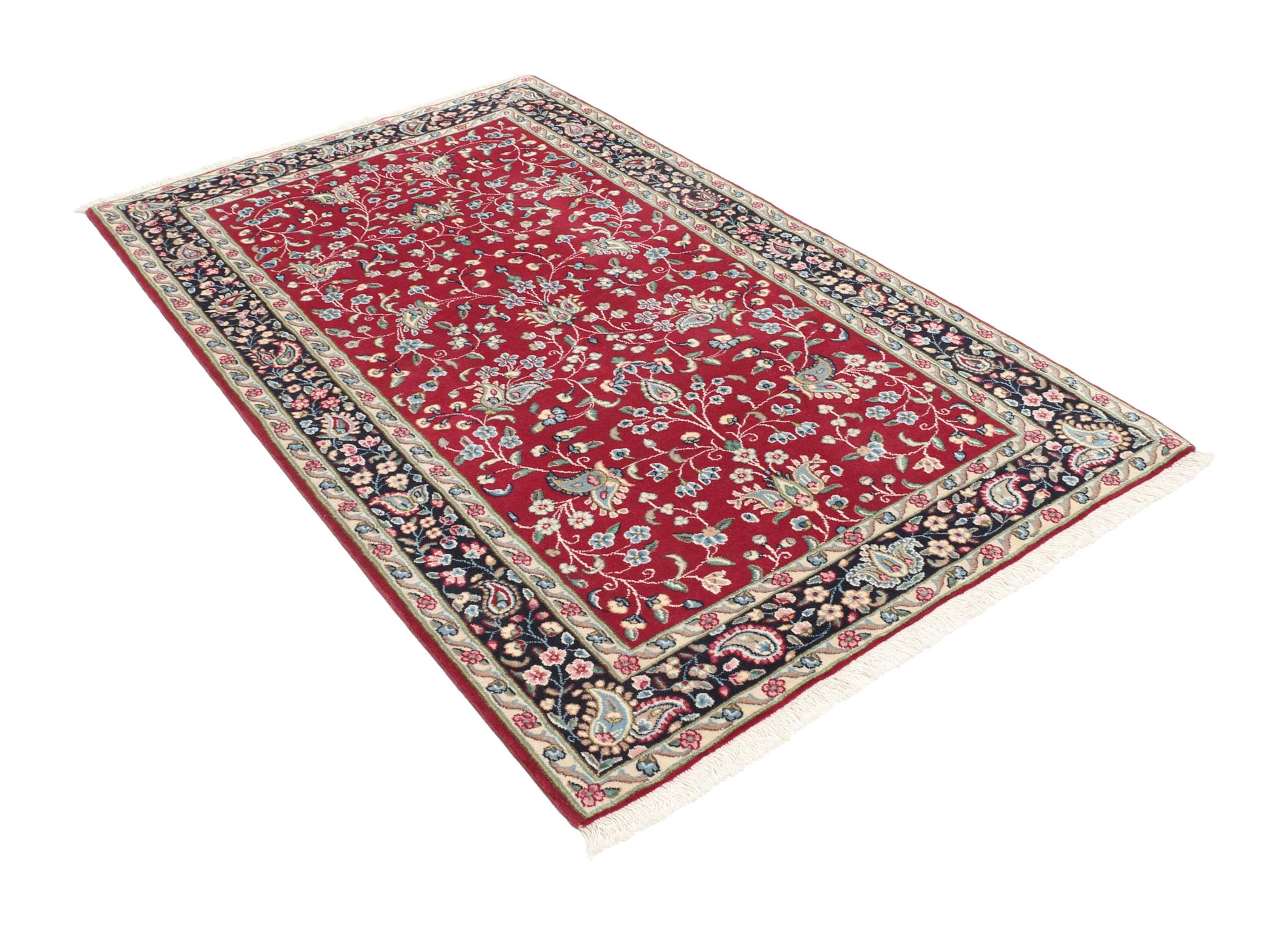
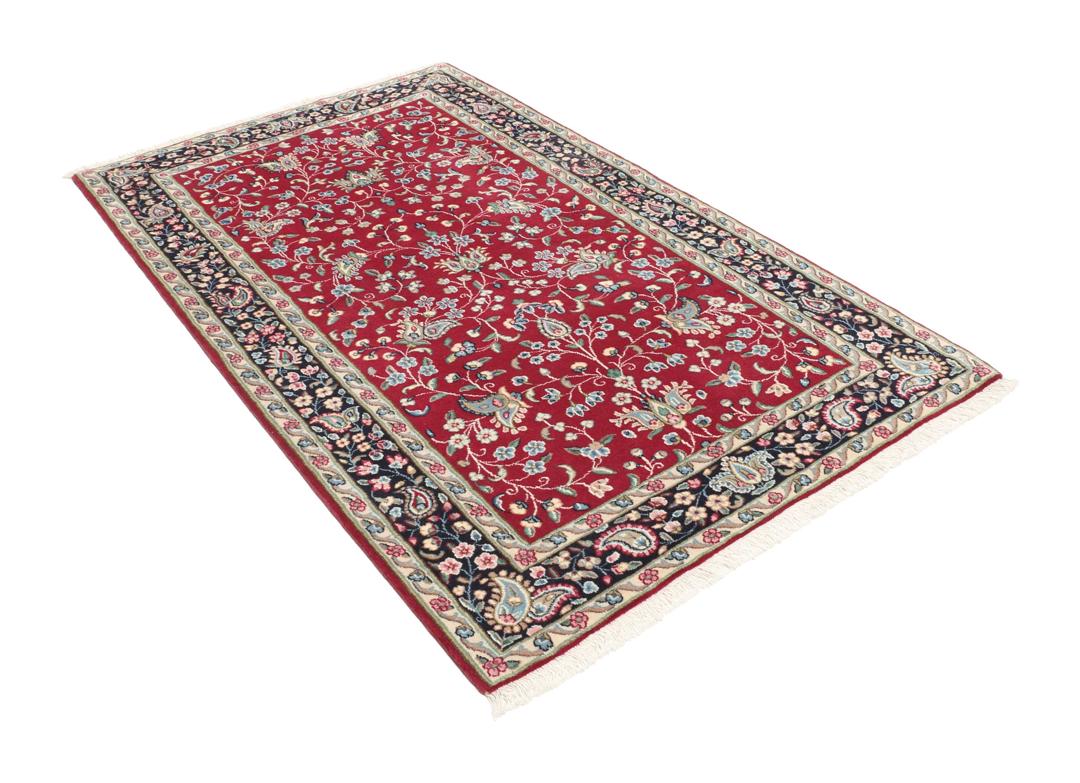
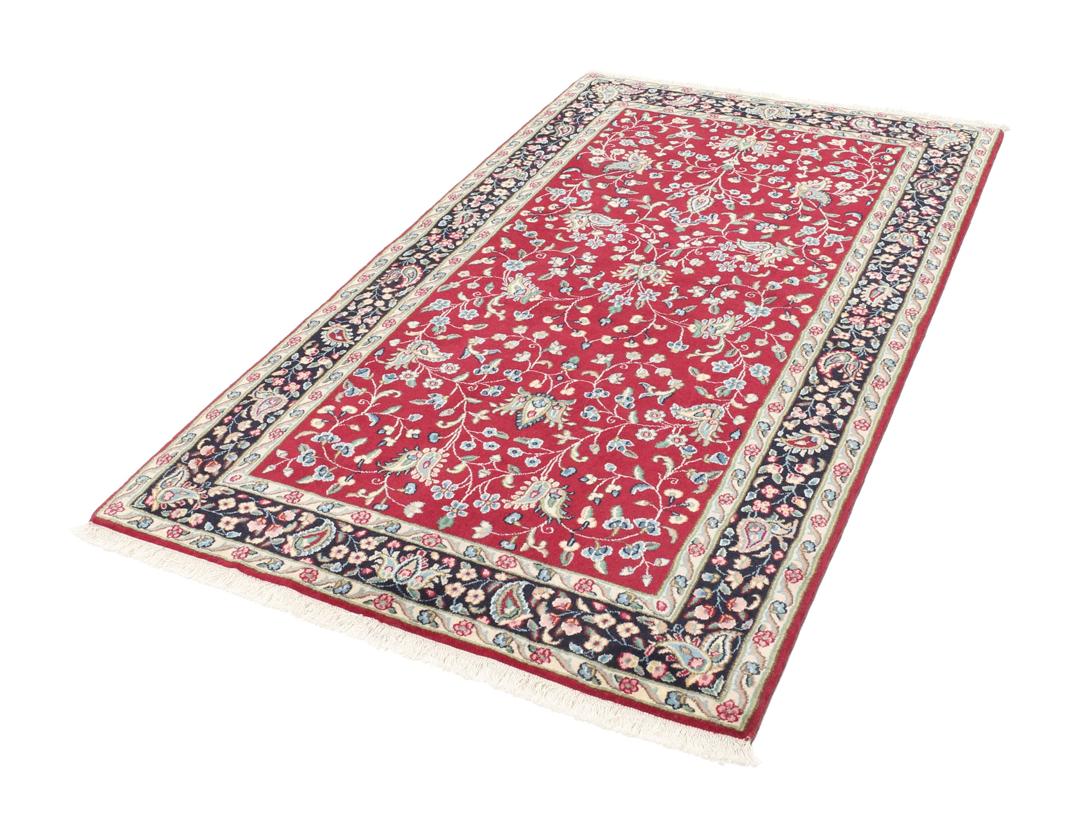
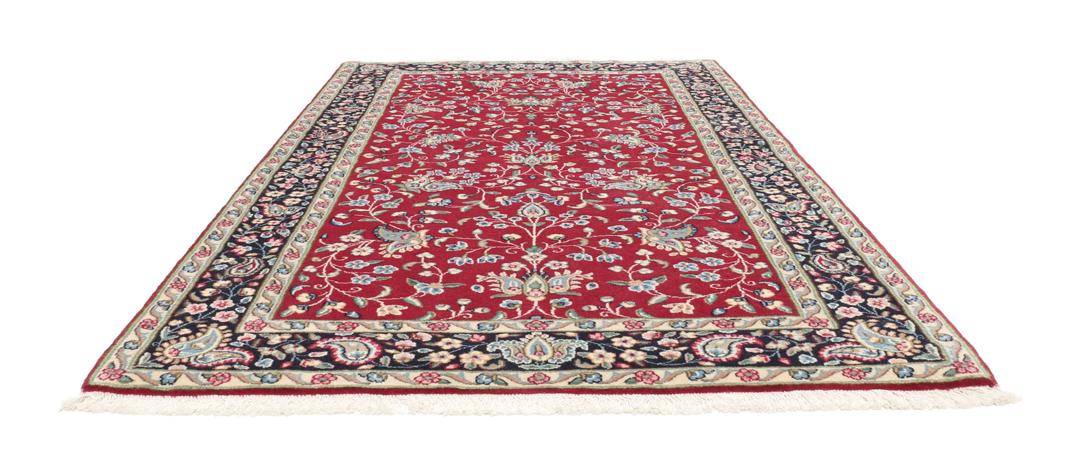
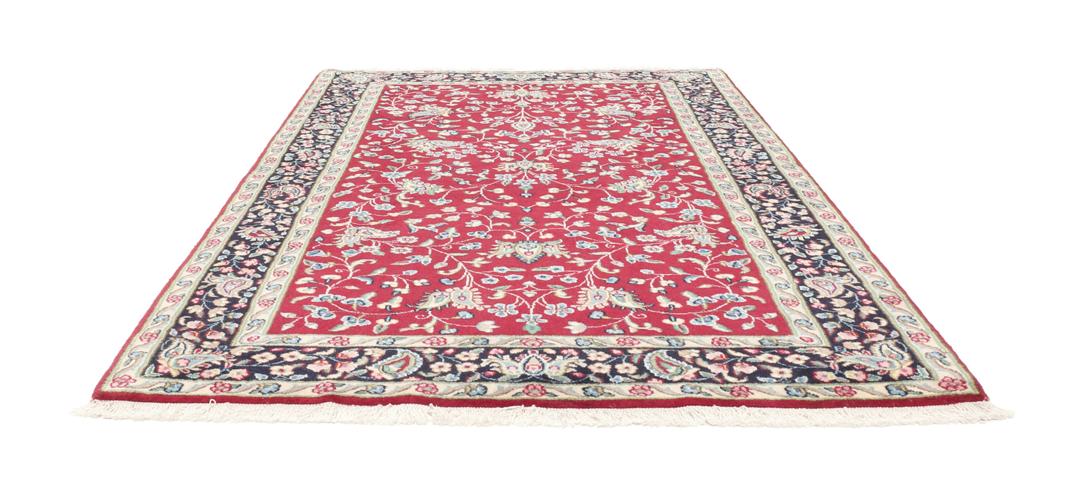
Kerman rugs originate from the desert city of Kerman in the southeastern part of the Middle East. This region has a long-standing reputation for producing some of the most sophisticated and artistic rugs in the world. Historically, Kerman was a hub for trade along the caravan routes, which allowed for a rich exchange of design influences that eventually shaped the distinct, highly detailed aesthetic seen in these rugs today.
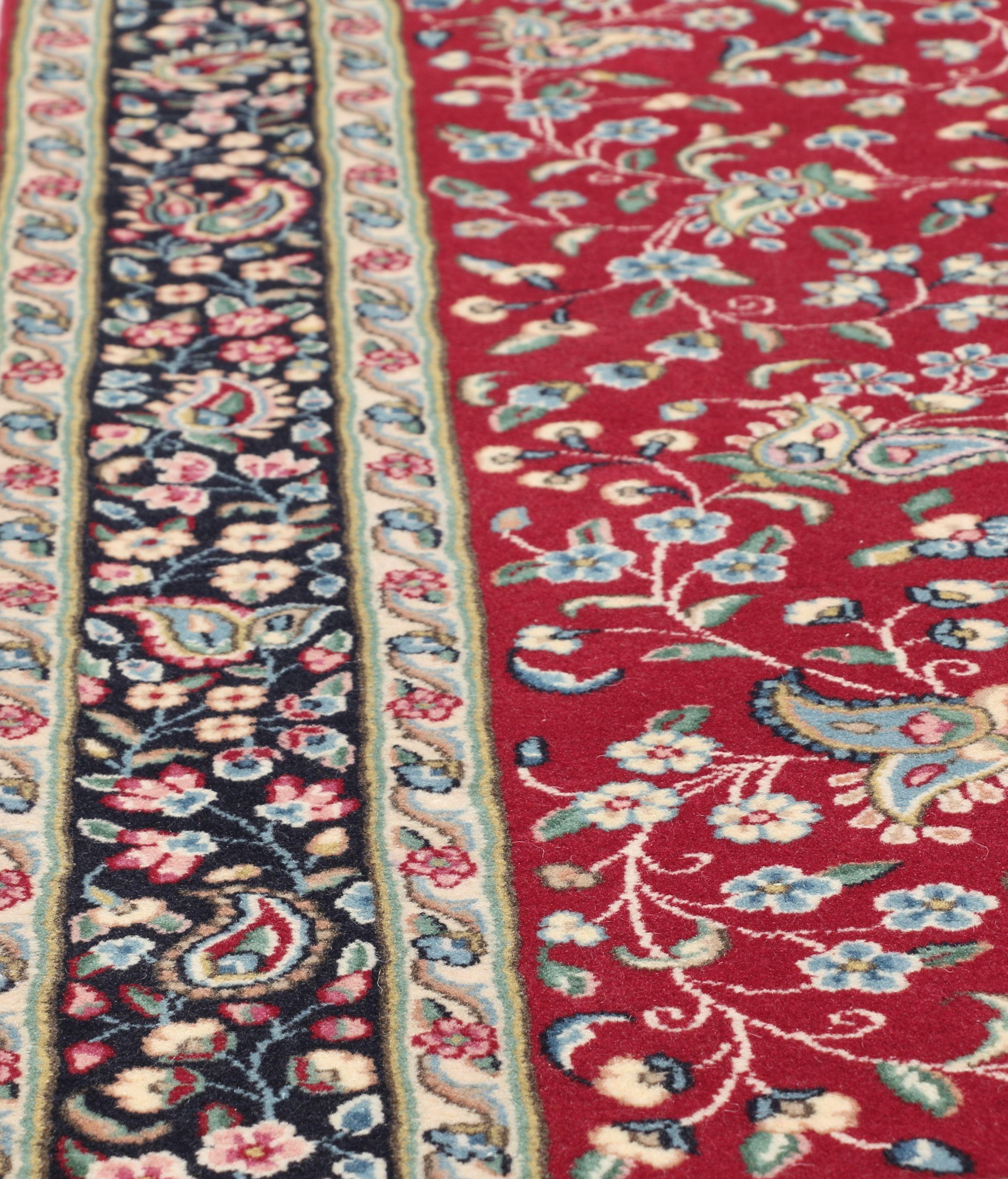
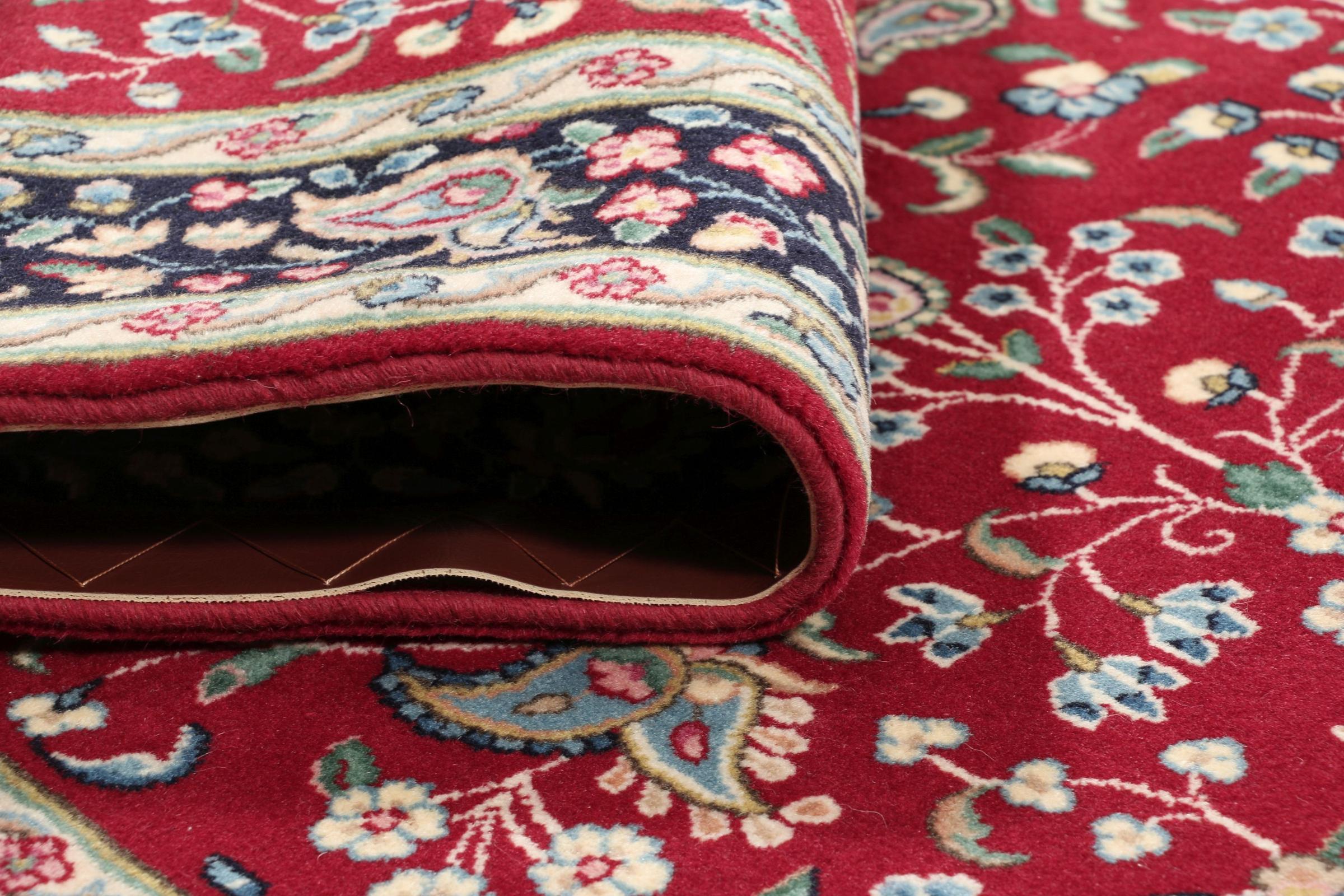
The term Kerman refers to both the city of origin and a specific style of weaving that emphasises technical excellence. The artisans in this region are known for their mastery of intricate floral patterns, which often require a very fine knot count to execute correctly. This technical skill allows for the creation of complex, curved lines and layered botanical motifs that are much harder to achieve than the angular, geometric patterns found in other regional traditions.
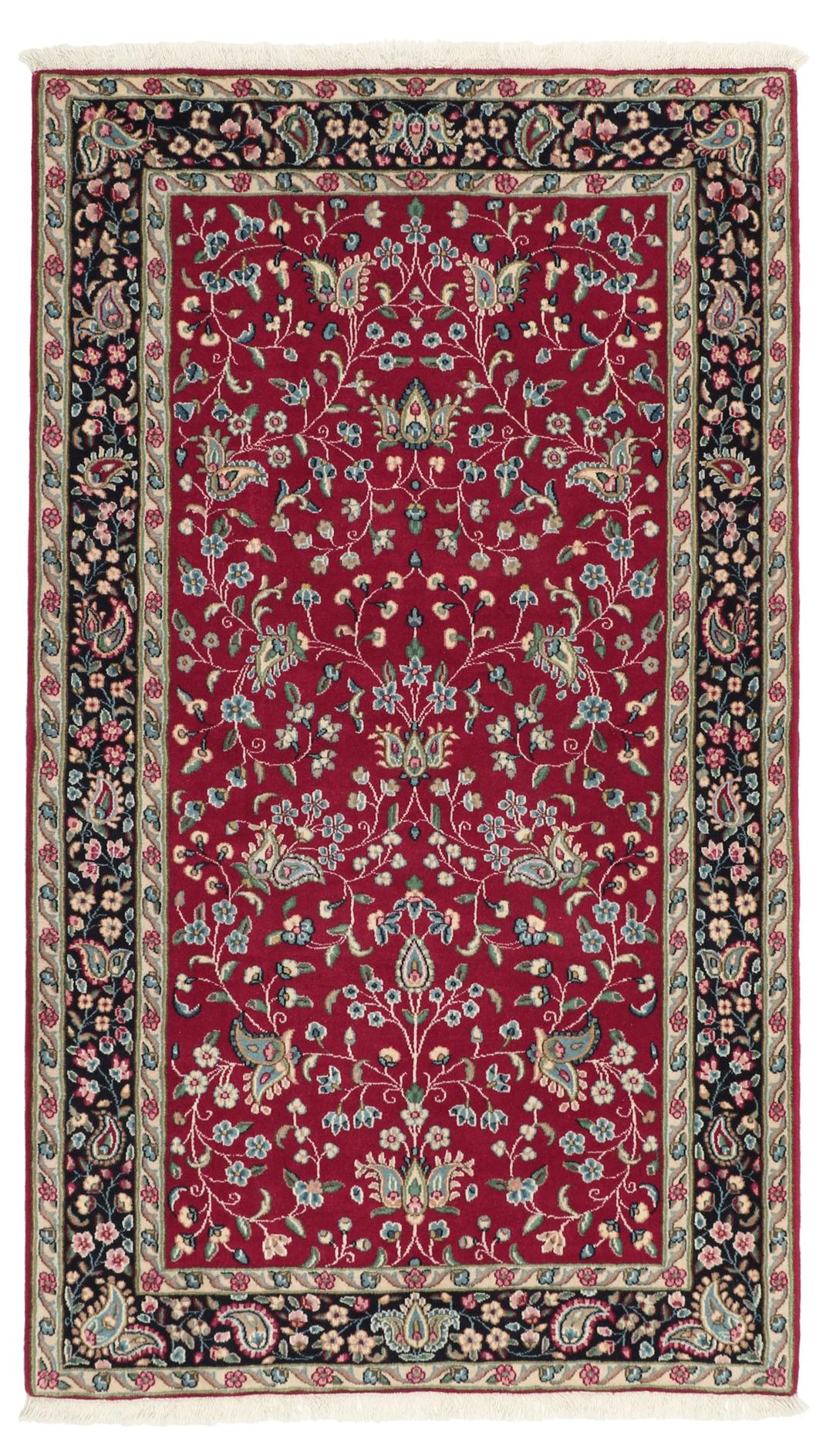
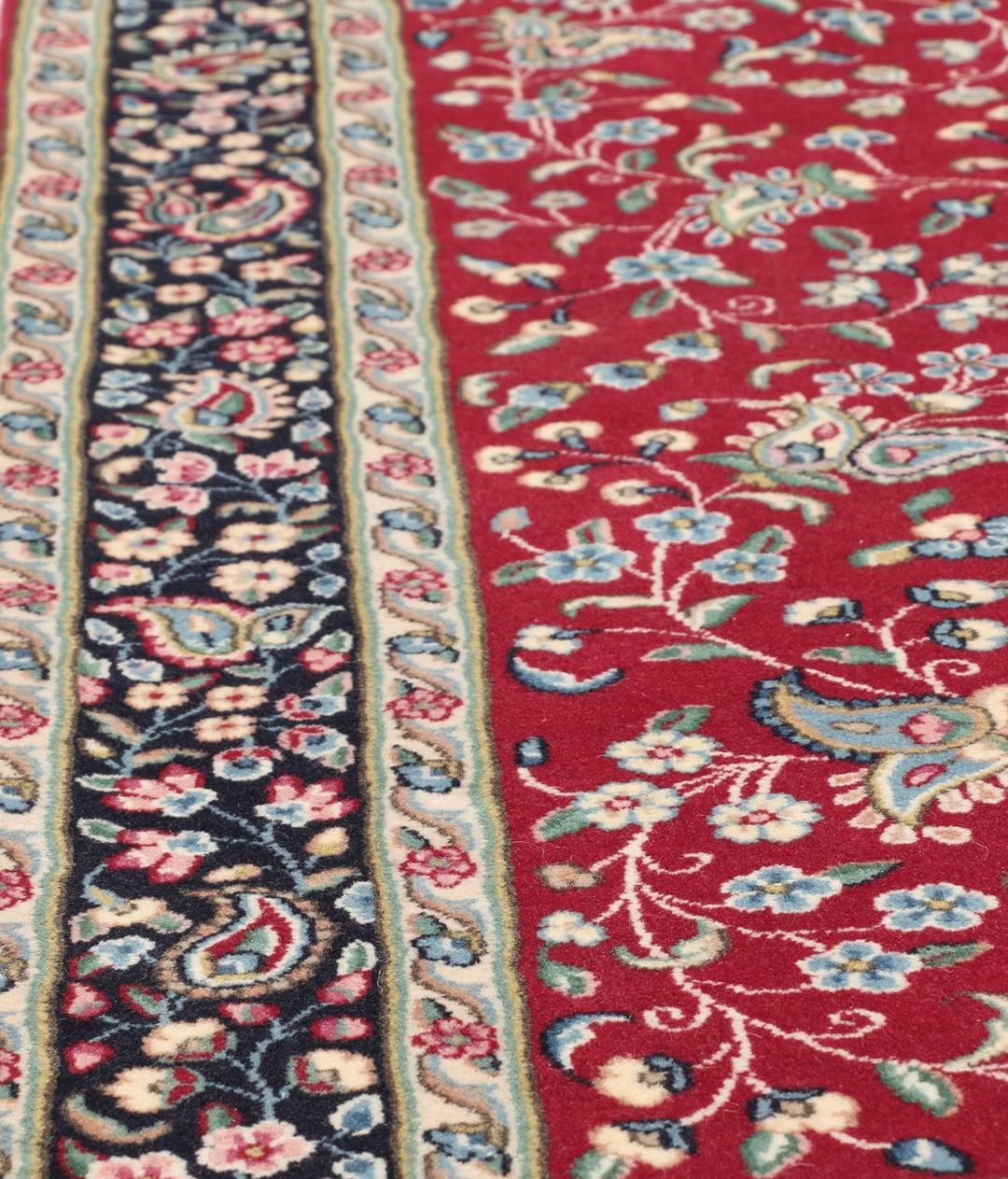
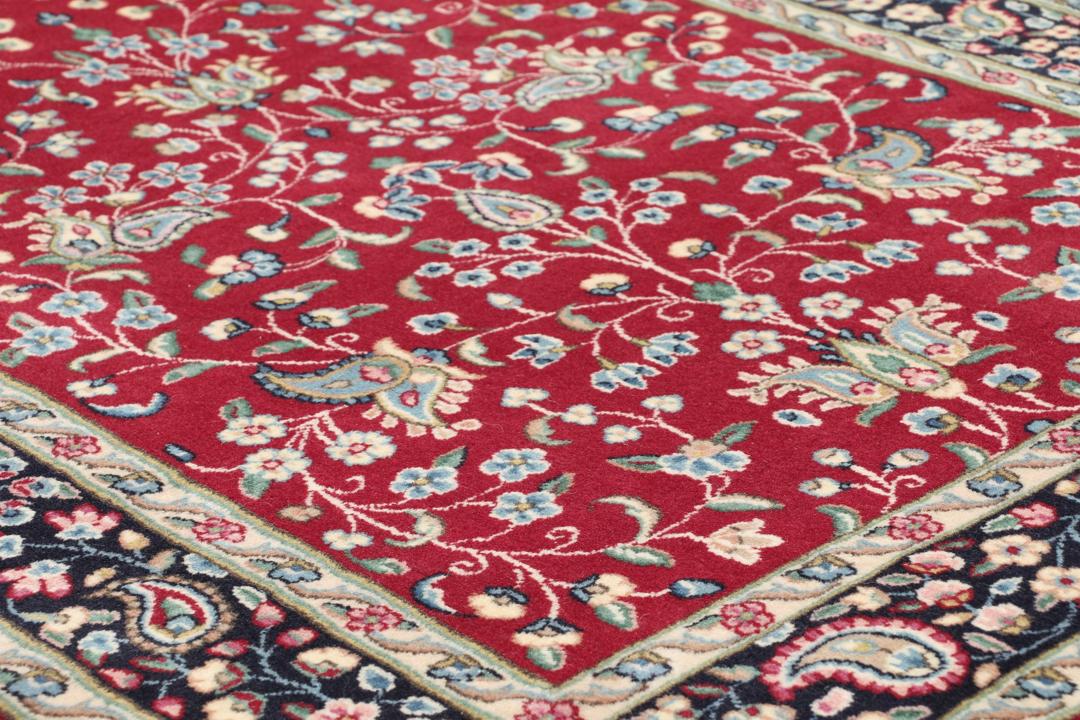
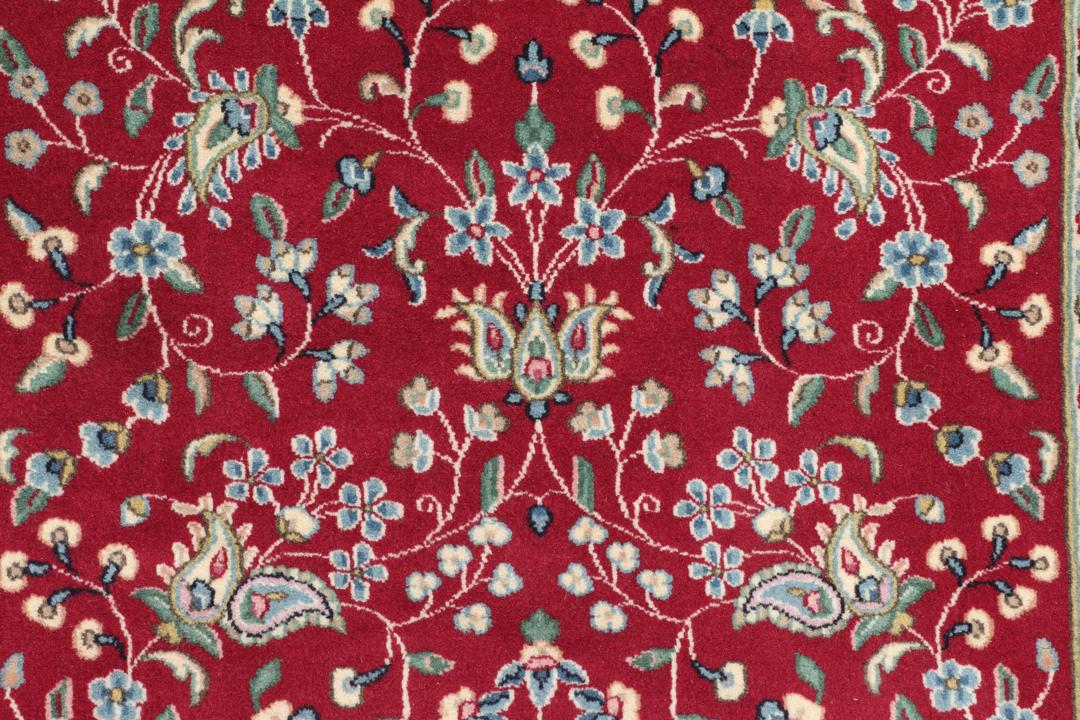
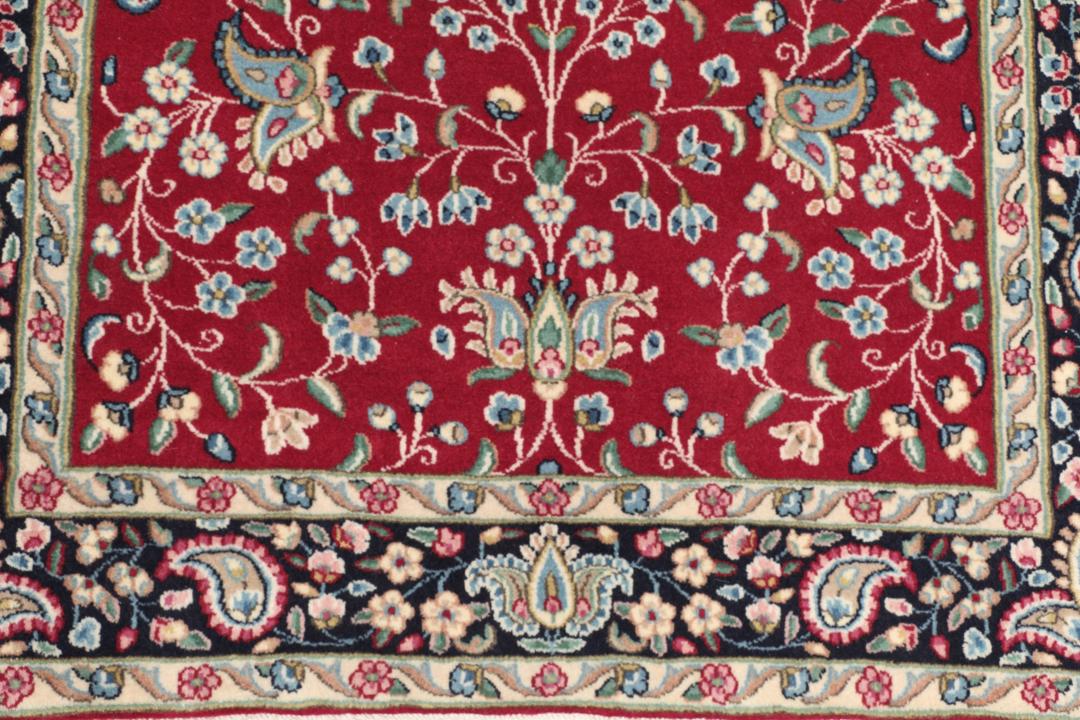
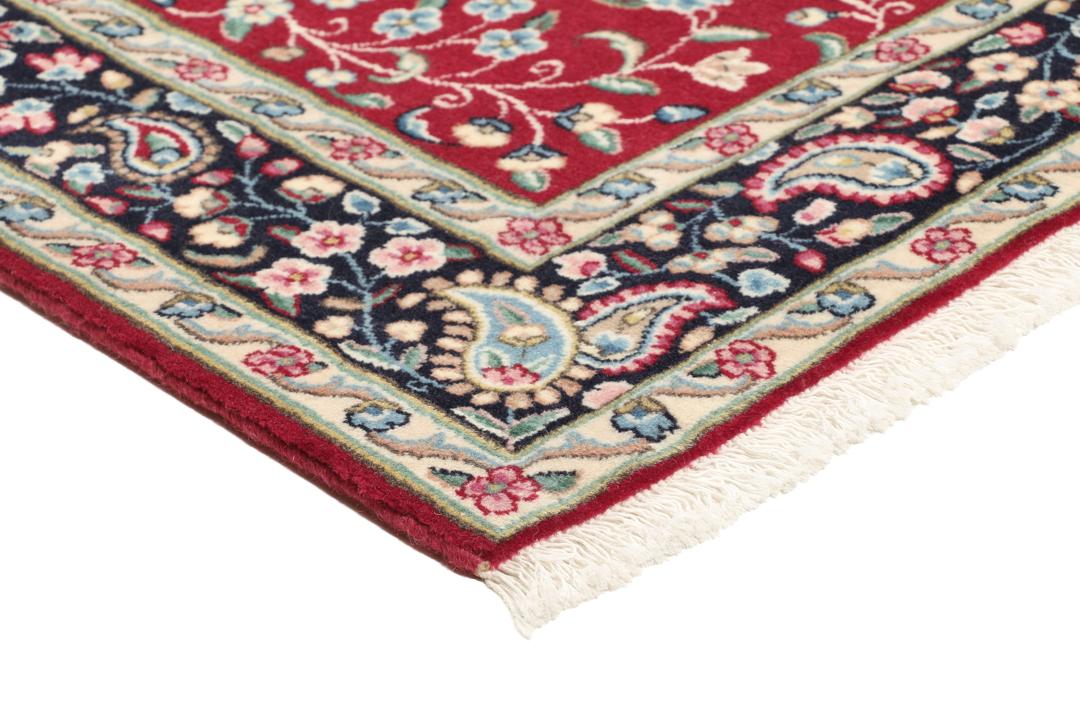
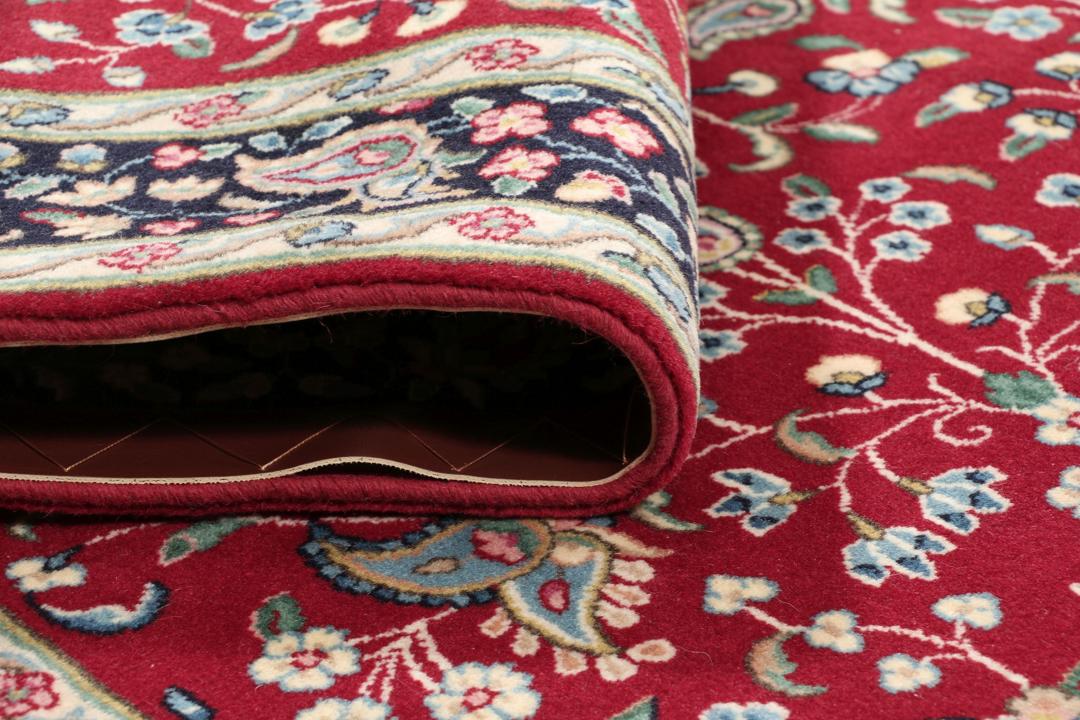
Signature design elements of a Kerman rug often include a central floral medallion or an all-over garden pattern, frequently framed by elaborate, multi-layered borders. While red is a classic and highly prized field colour, the true hallmark of a Kerman is the sheer variety and density of the floral work, which often resembles a lush, blooming garden. The use of soft, harmonious colour palettes ensures that even with such intricate detail, the overall effect remains elegant and balanced.
Owning a Kerman rug is a testament to the appreciation of historical craft and artistic heritage. These rugs are highly sought after by collectors and interior enthusiasts alike, not just for their beauty, but for the immense skill required to produce them. By choosing a Kerman, you are preserving a centuries-old tradition of excellence, bringing a piece of cultural history into your home that reflects both patience and unparalleled artistry.