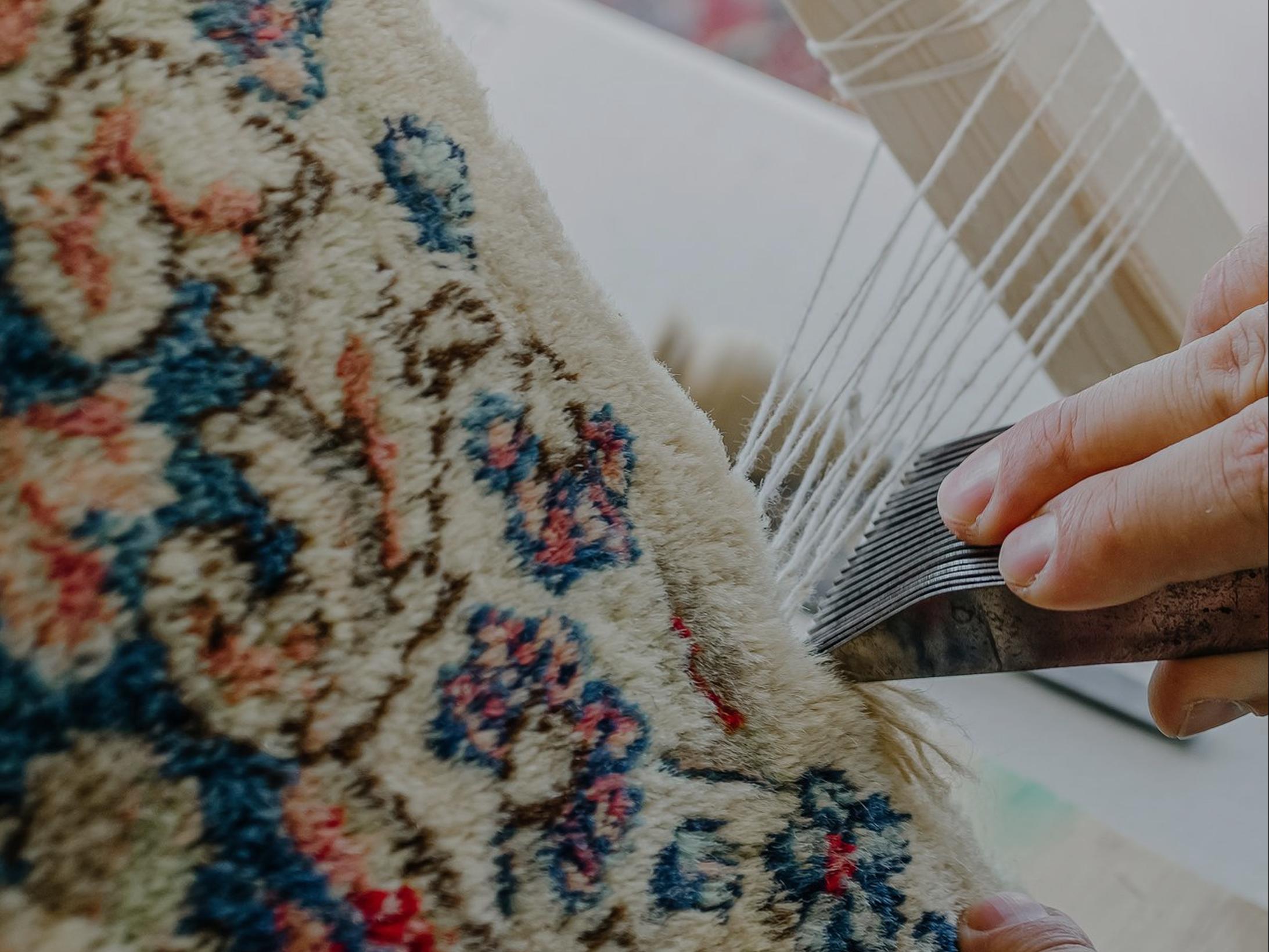
Kazak rugs originate from the Caucasus region, a mountainous area with a storied history of textile production. While the term historically refers to rugs woven by various tribal groups in the Southern Caucasus, the tradition has evolved significantly over time. Today, some of the most vibrant and high-quality examples are produced in Afghanistan, where weavers carry on these ancient design legacies with dedication.
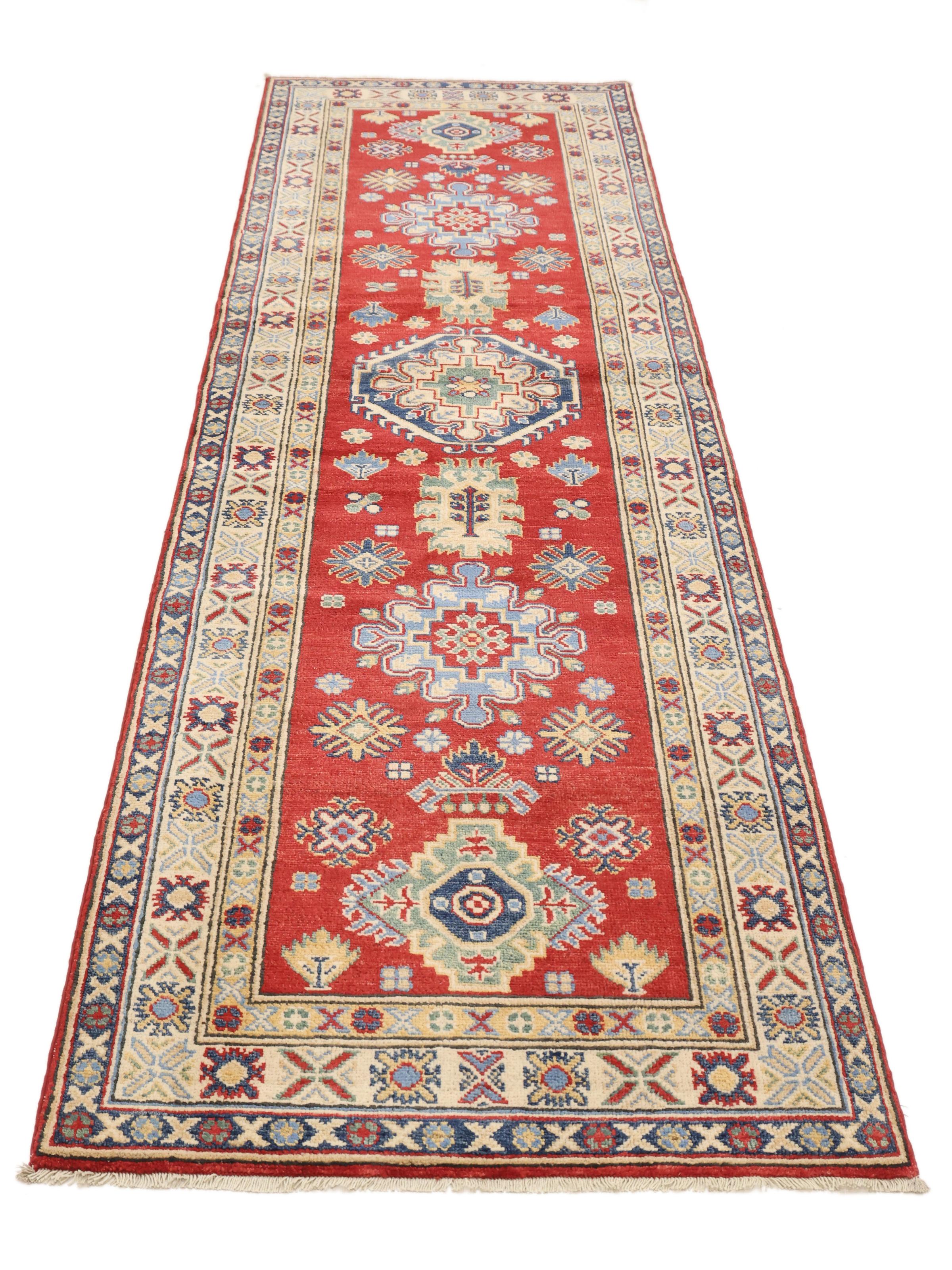
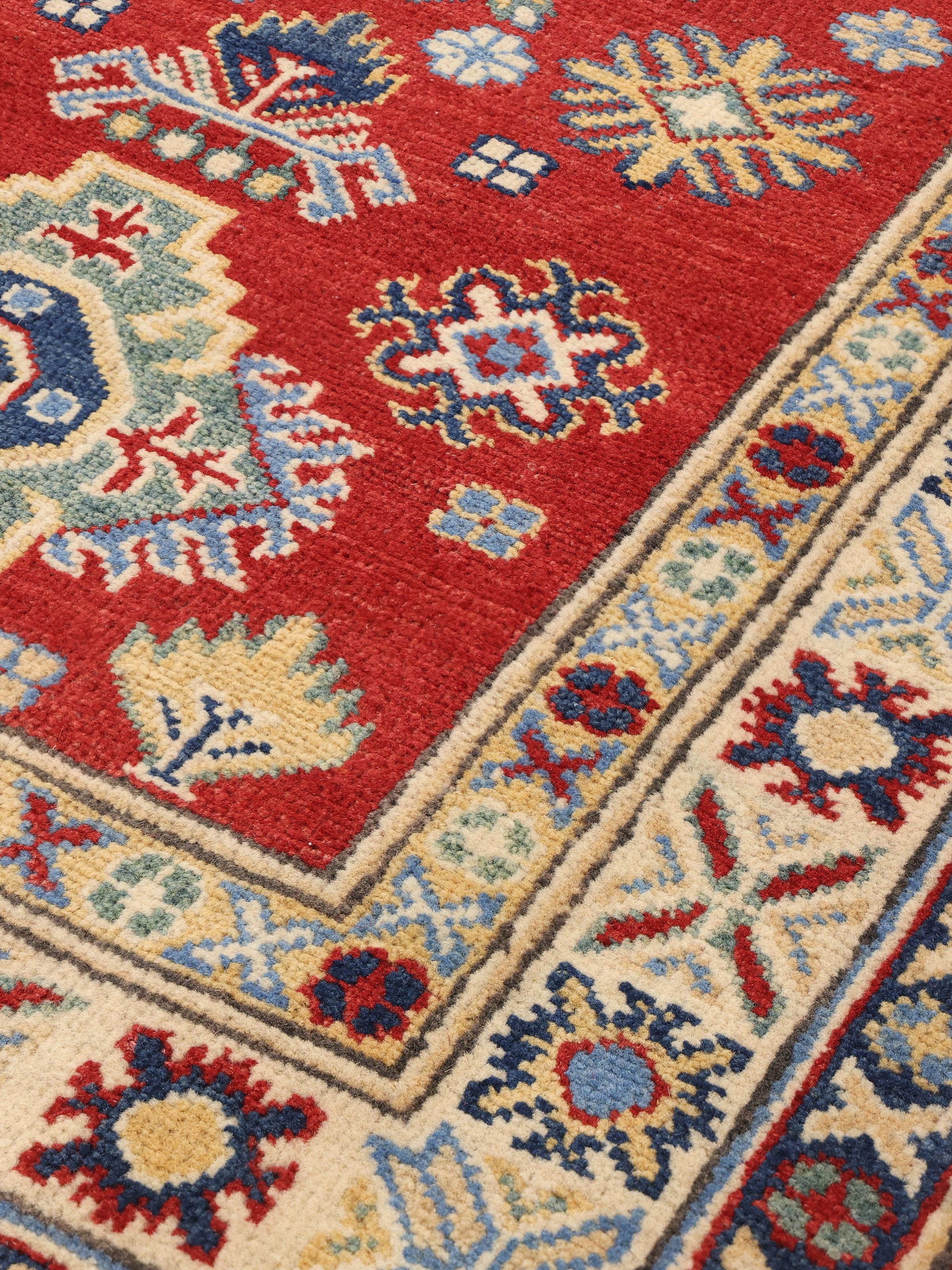
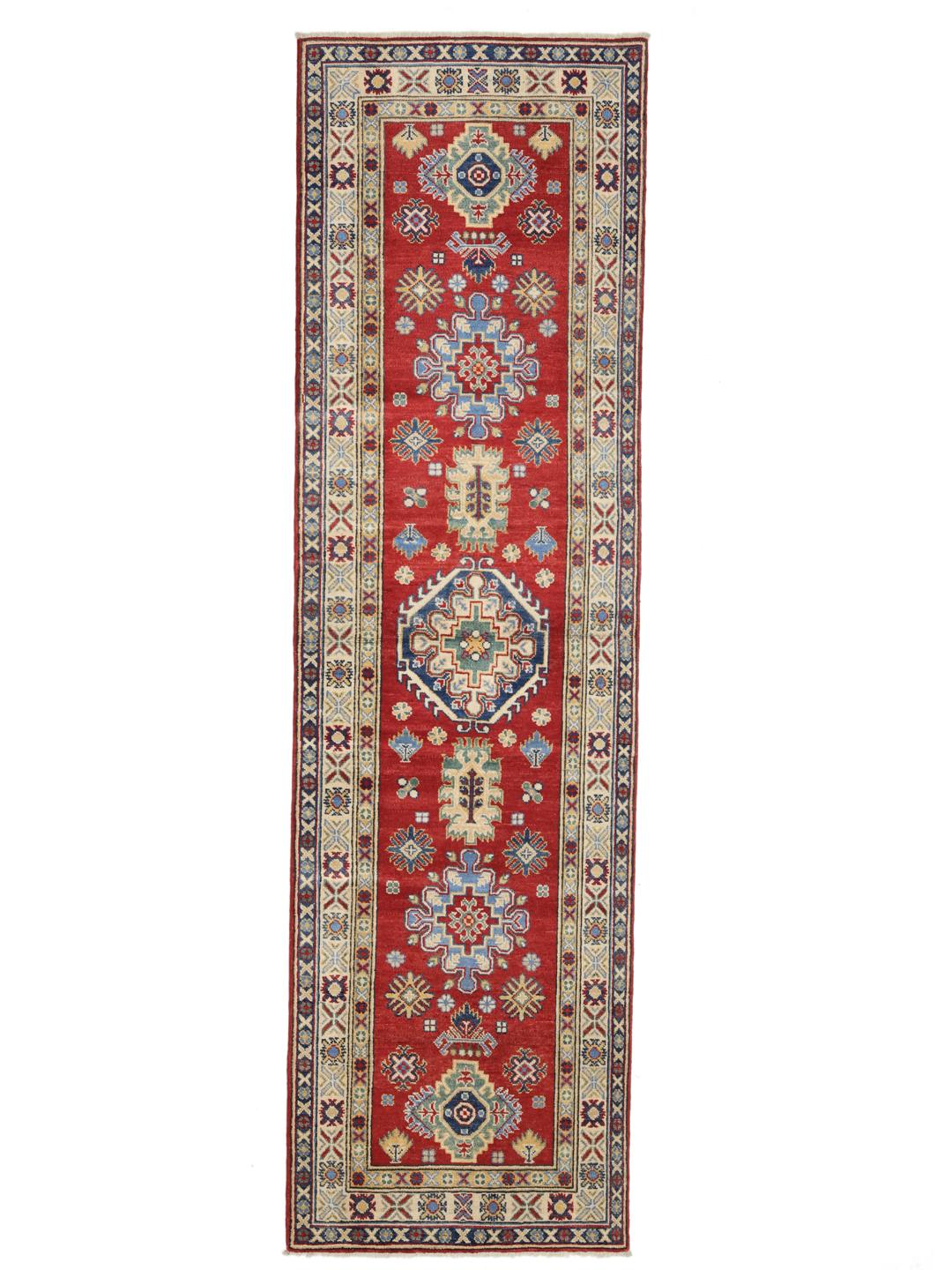
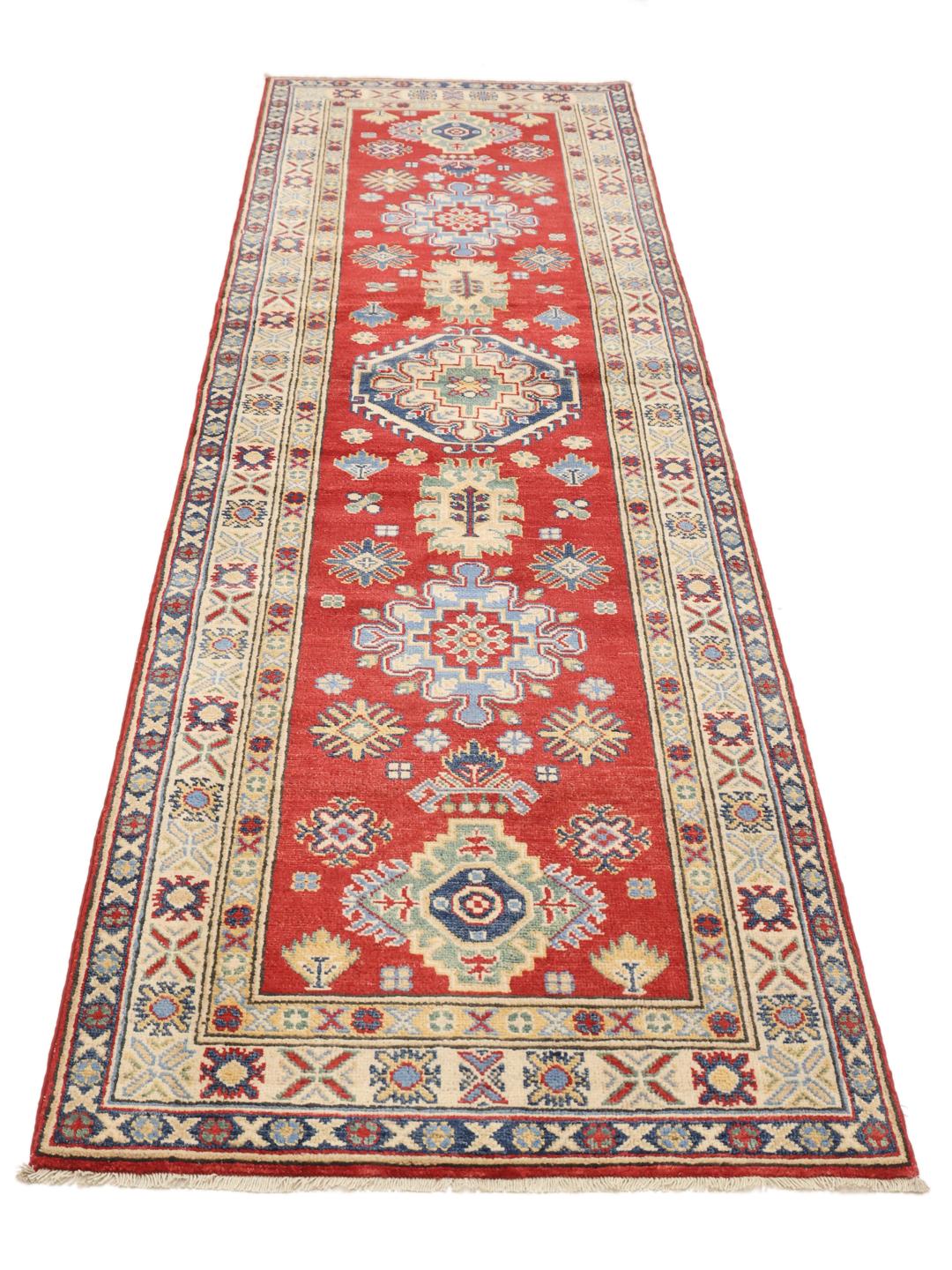
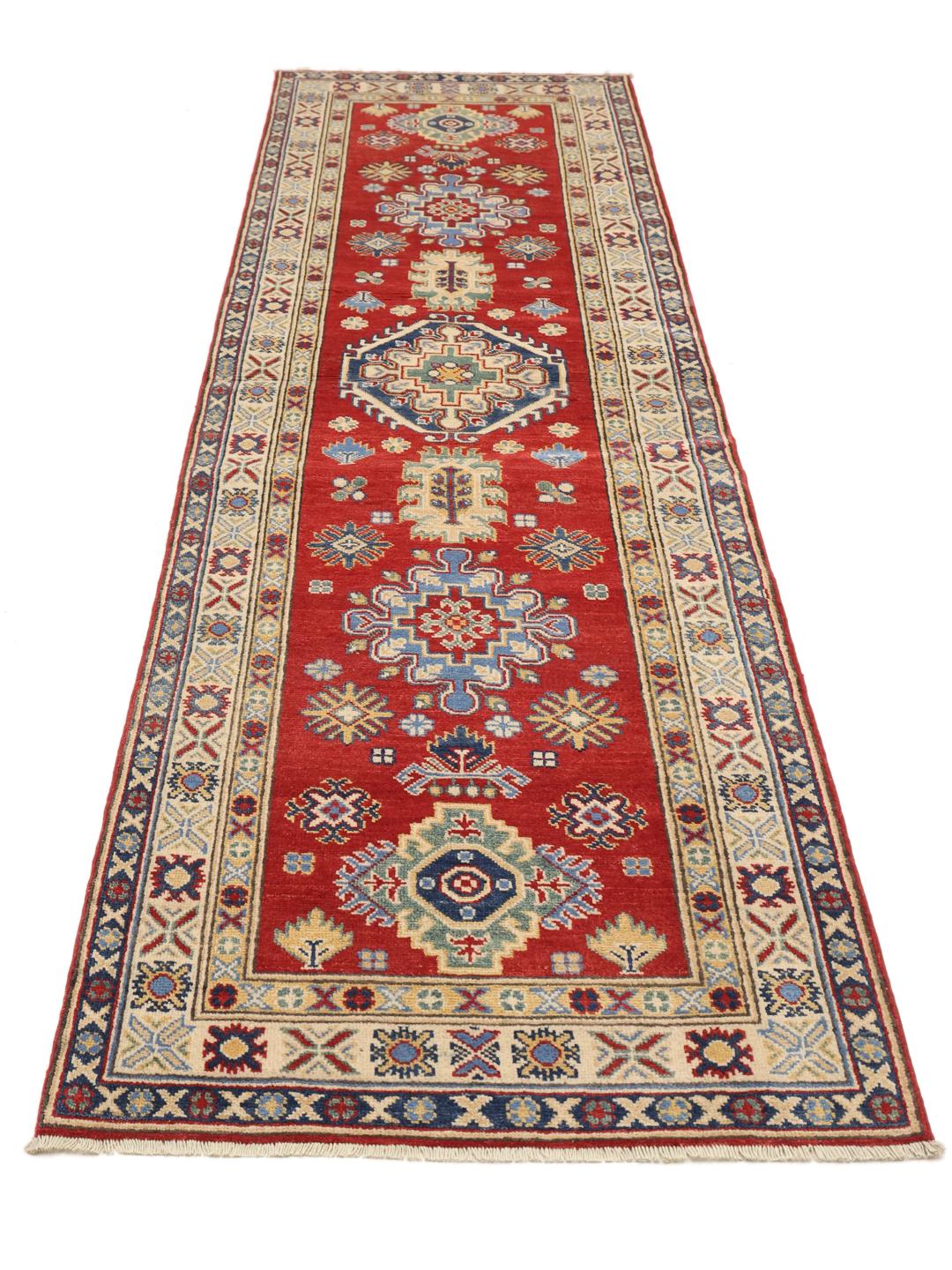
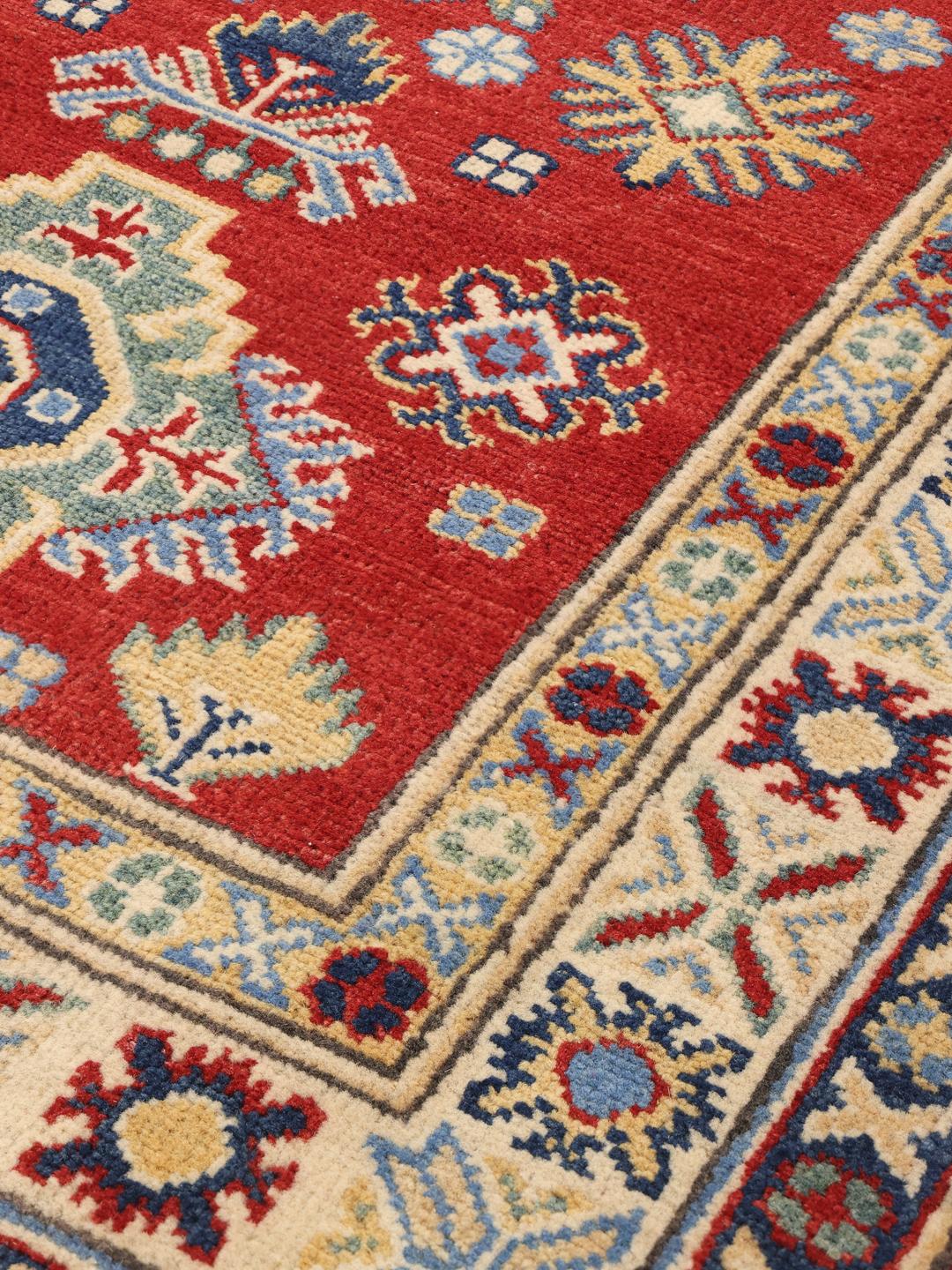
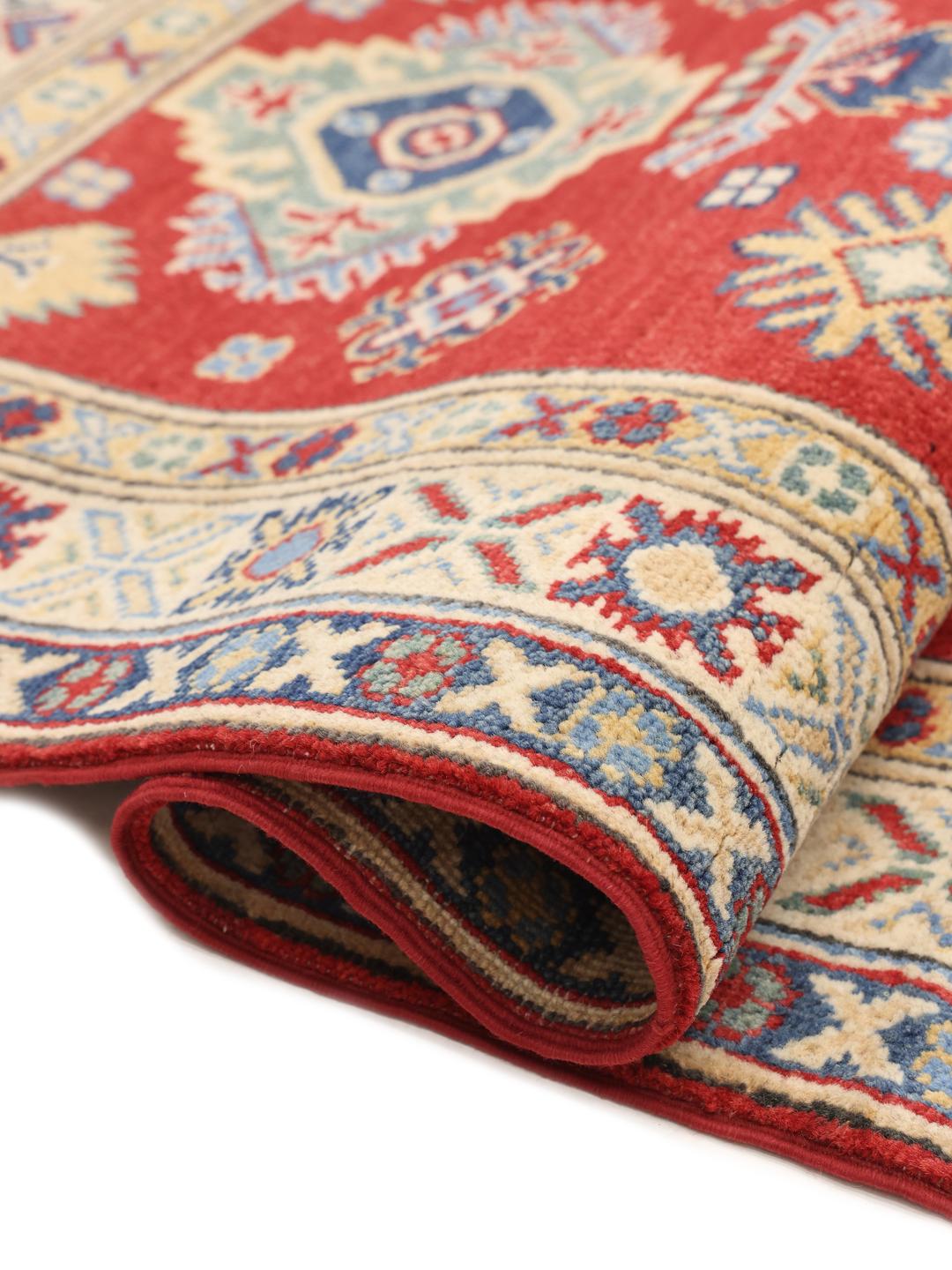
The term Kazak is synonymous with bold, geometric aesthetics rather than delicate floral patterns. These rugs are highly regarded for their use of distinct, large-scale motifs and a powerful colour palette, which often includes deep reds, blues, and earthy tones. The construction typically features a firm, durable pile that speaks to a history of nomadic and village life where rugs were essential for both comfort and insulation.
Signature elements of this tradition include the use of large, stylized medallions, latch-hook motifs, and stepped polygons. These designs are not merely decorative but often carry symbolic meanings rooted in local folklore and tribal identity. The borders are frequently just as expressive as the centre, often featuring intricate geometric patterns that frame the composition with precision.
Owning a piece from this tradition is an investment in cultural heritage. Collectors value these rugs for their ability to bridge the gap between ancient craft and modern living. By choosing this runner, you are participating in a long-standing tradition of artistry that prizes individual skill, cultural storytelling, and the enduring beauty of hand-worked materials.