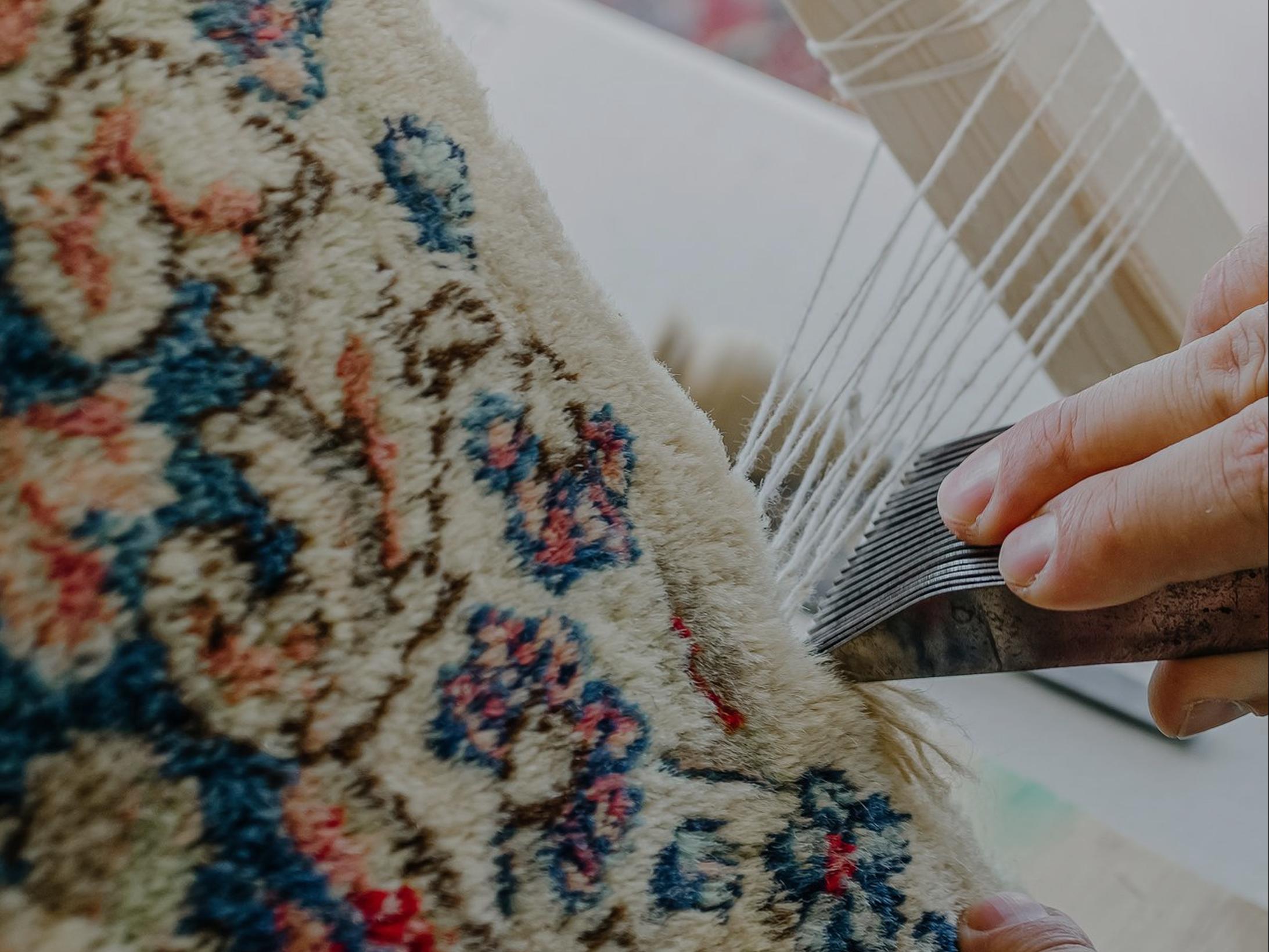
Kazak rugs represent a storied tradition that has evolved over centuries across the mountainous regions of the Middle East and Central Asia. Originally woven by nomadic tribes as functional items for shelter and warmth, these rugs were highly valued for their durability and protective qualities. Over time, these designs became celebrated for their bold, graphic character and have since become some of the most sought-after pieces for interior design.
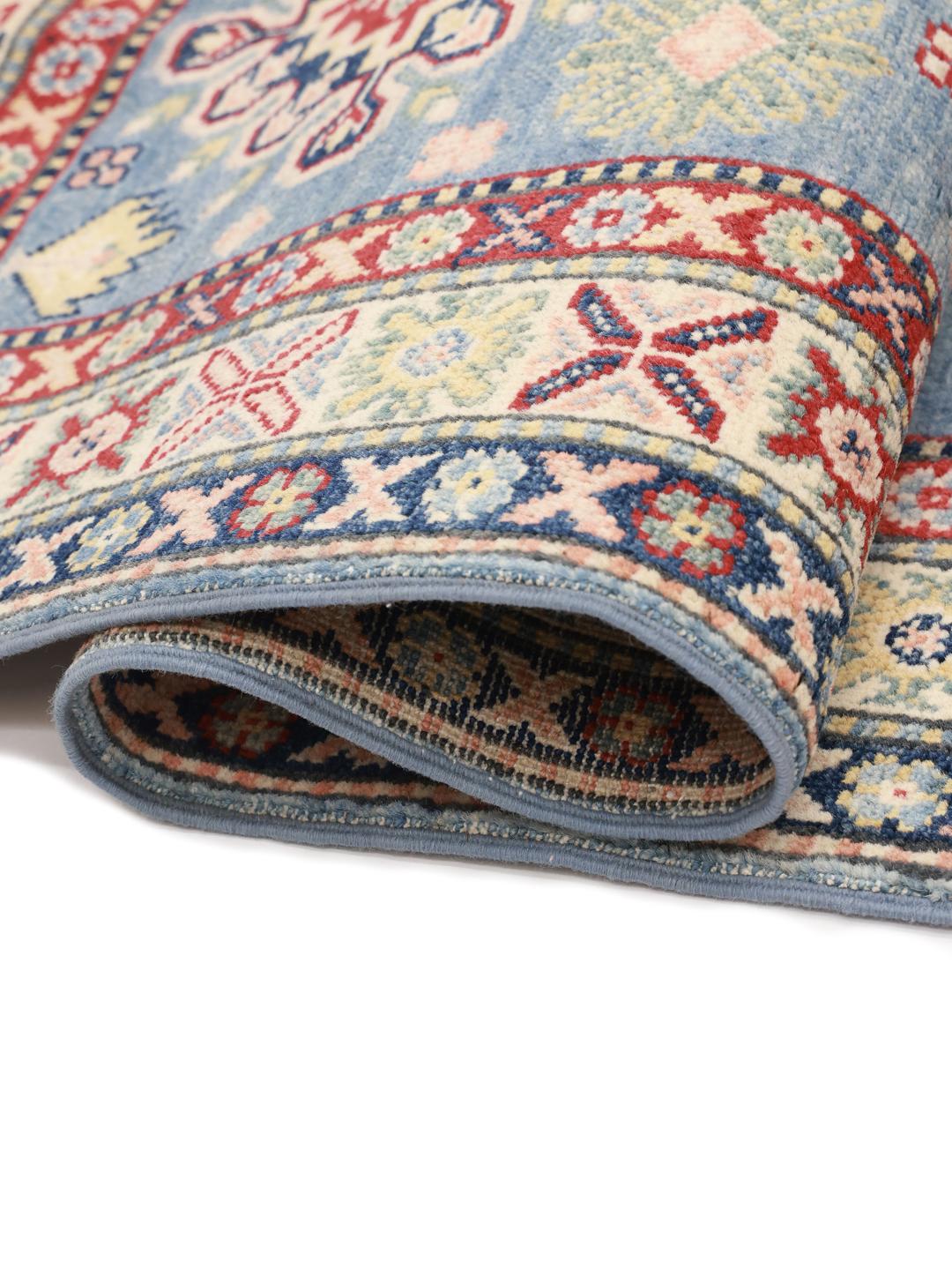
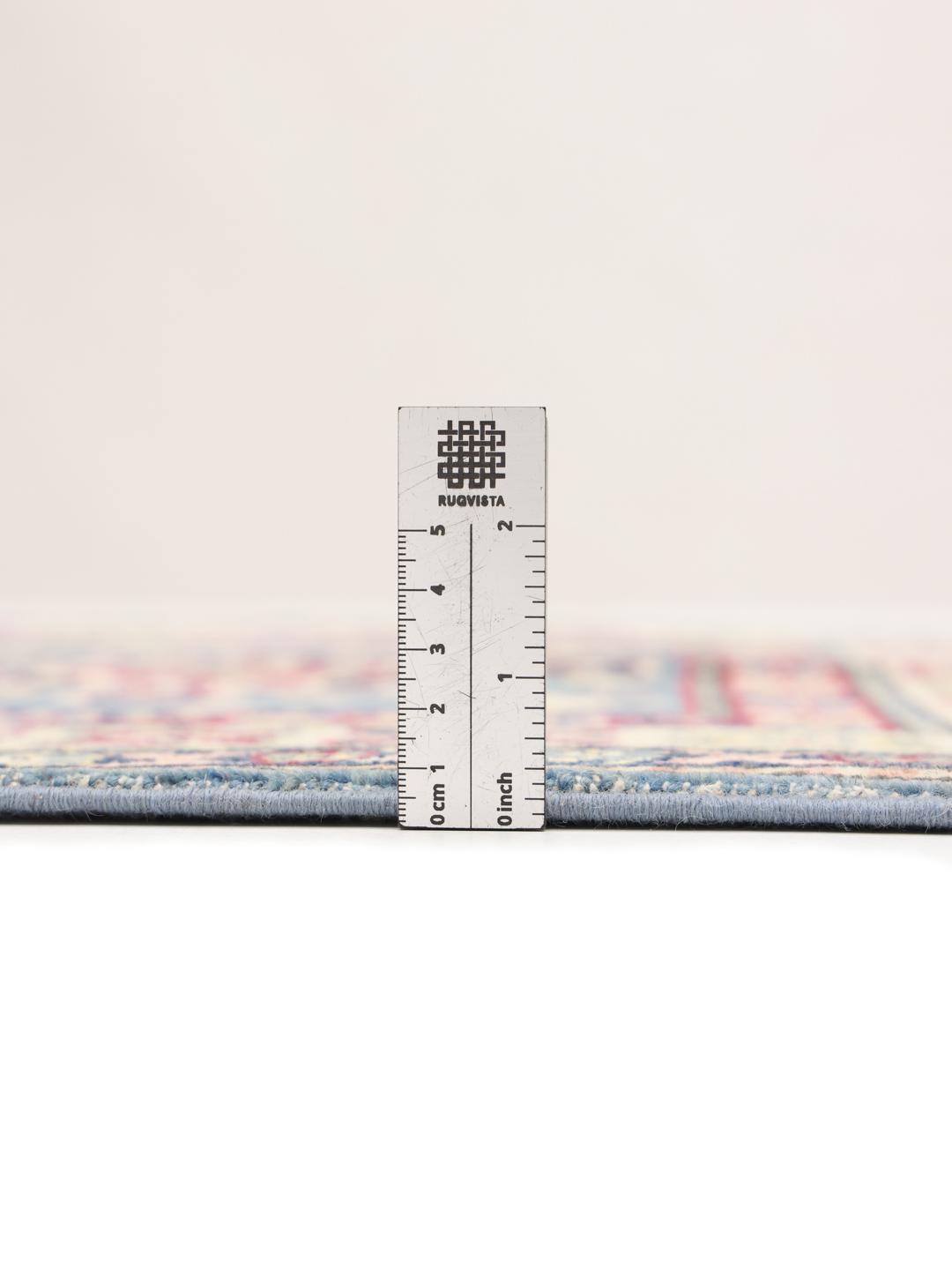
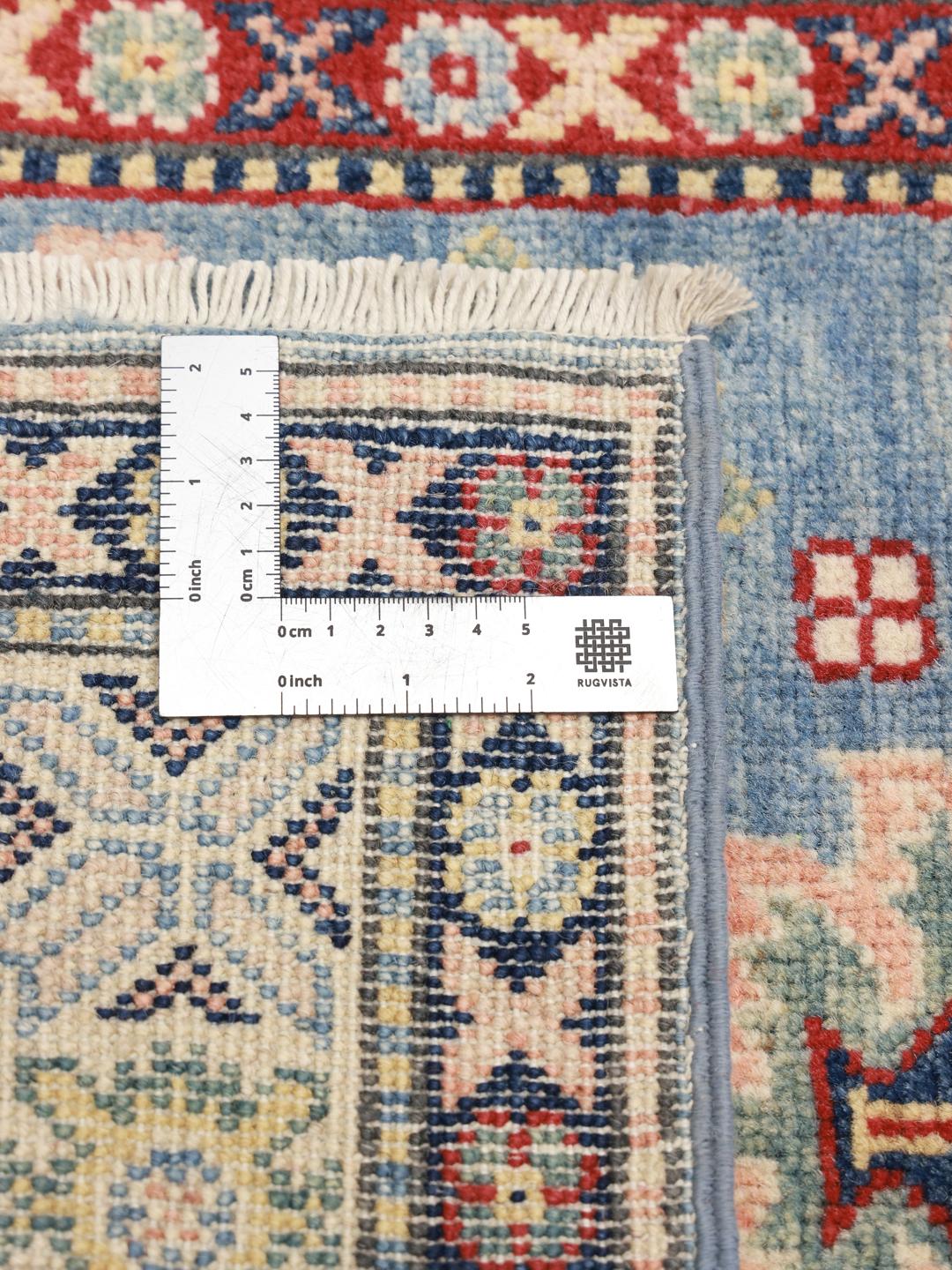
The term Kazak refers to a specific style of hand-knotted rug that is characterised by its high-quality wool and distinctive, sturdy construction. Unlike more delicate styles, these rugs are built to be robust, utilising a dense pile that holds up to years of use. This construction is a hallmark of the tradition, ensuring that the rugs remain a part of a family home for generations, often only becoming more beautiful with time.
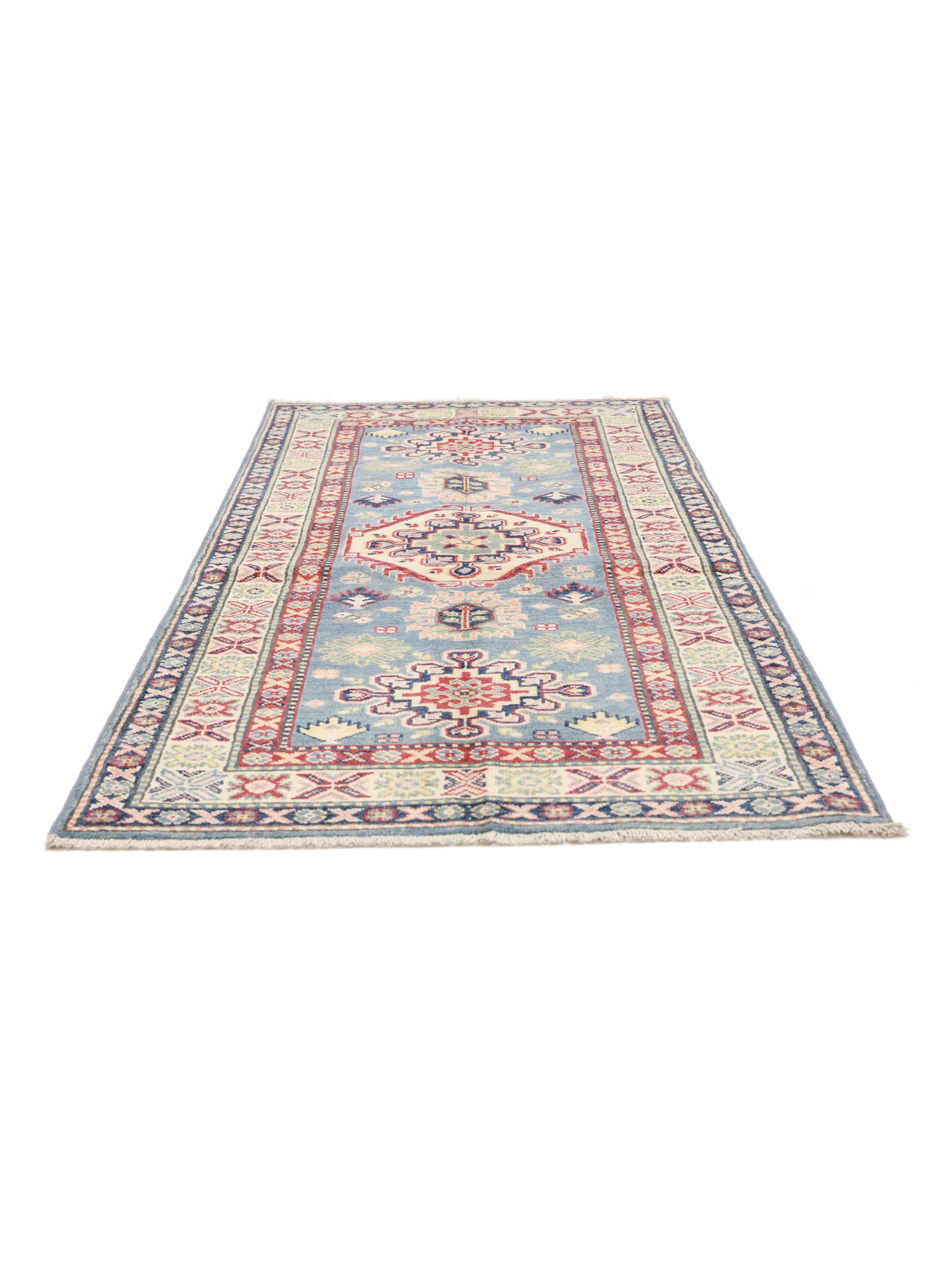
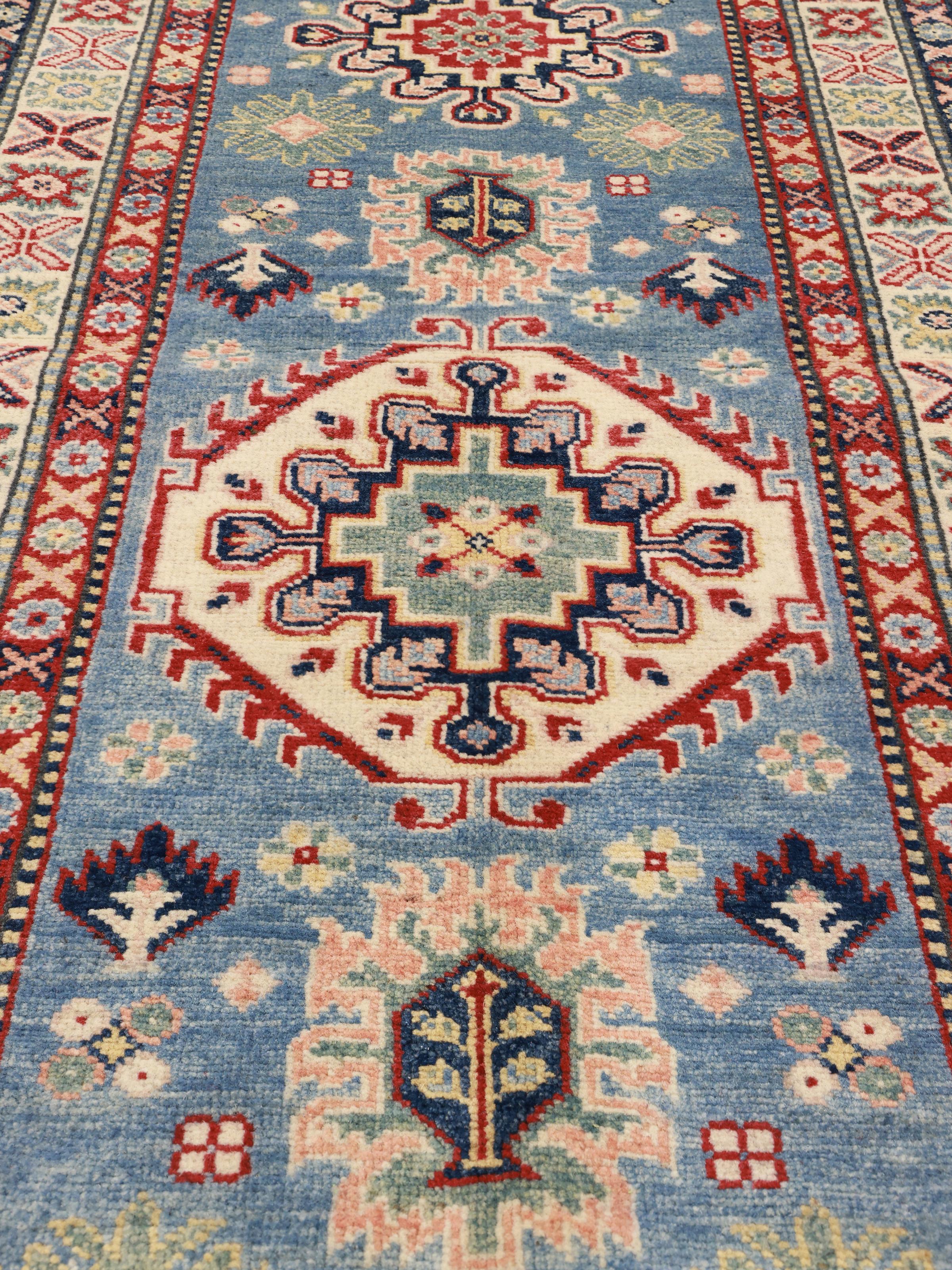
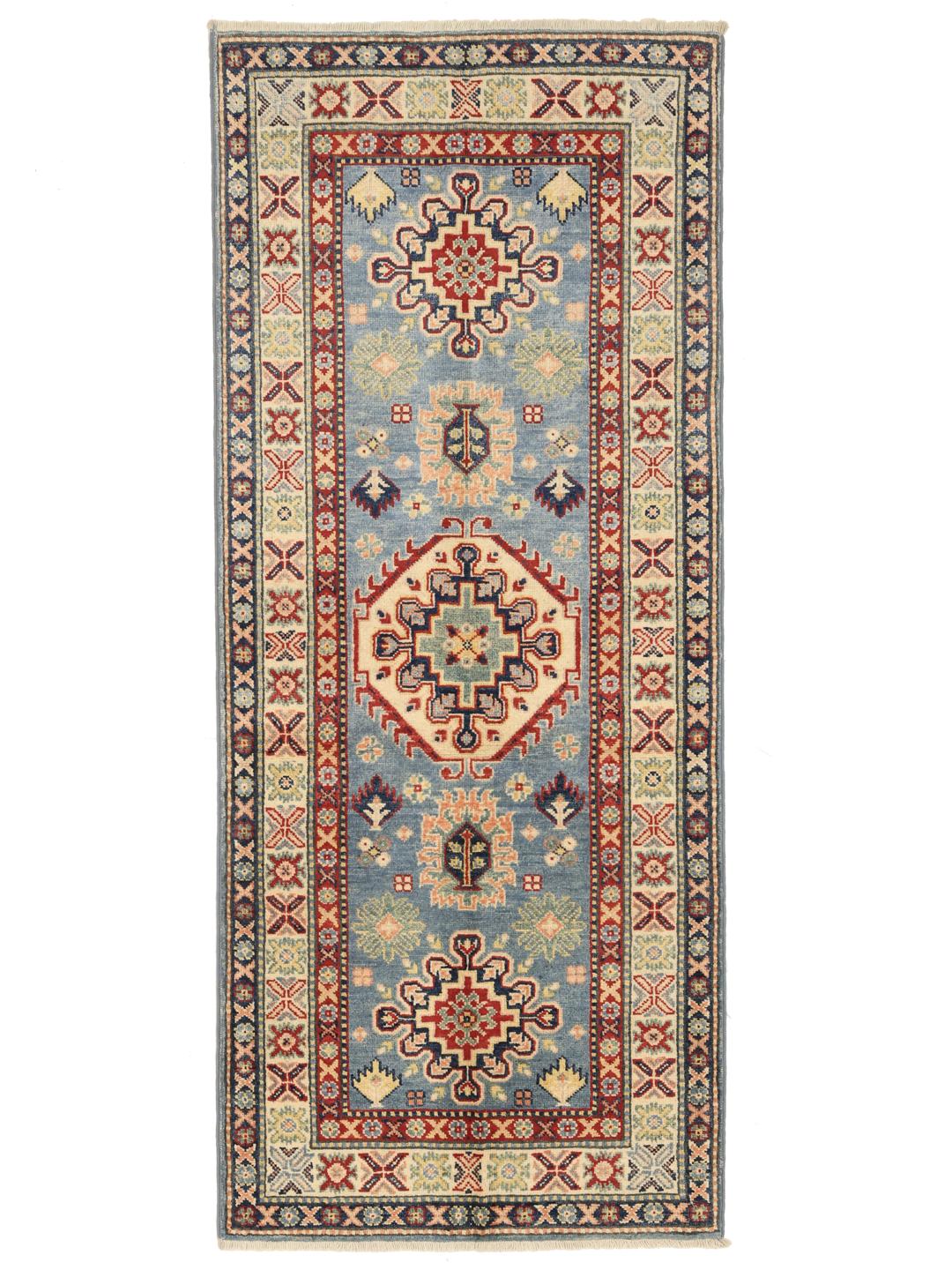
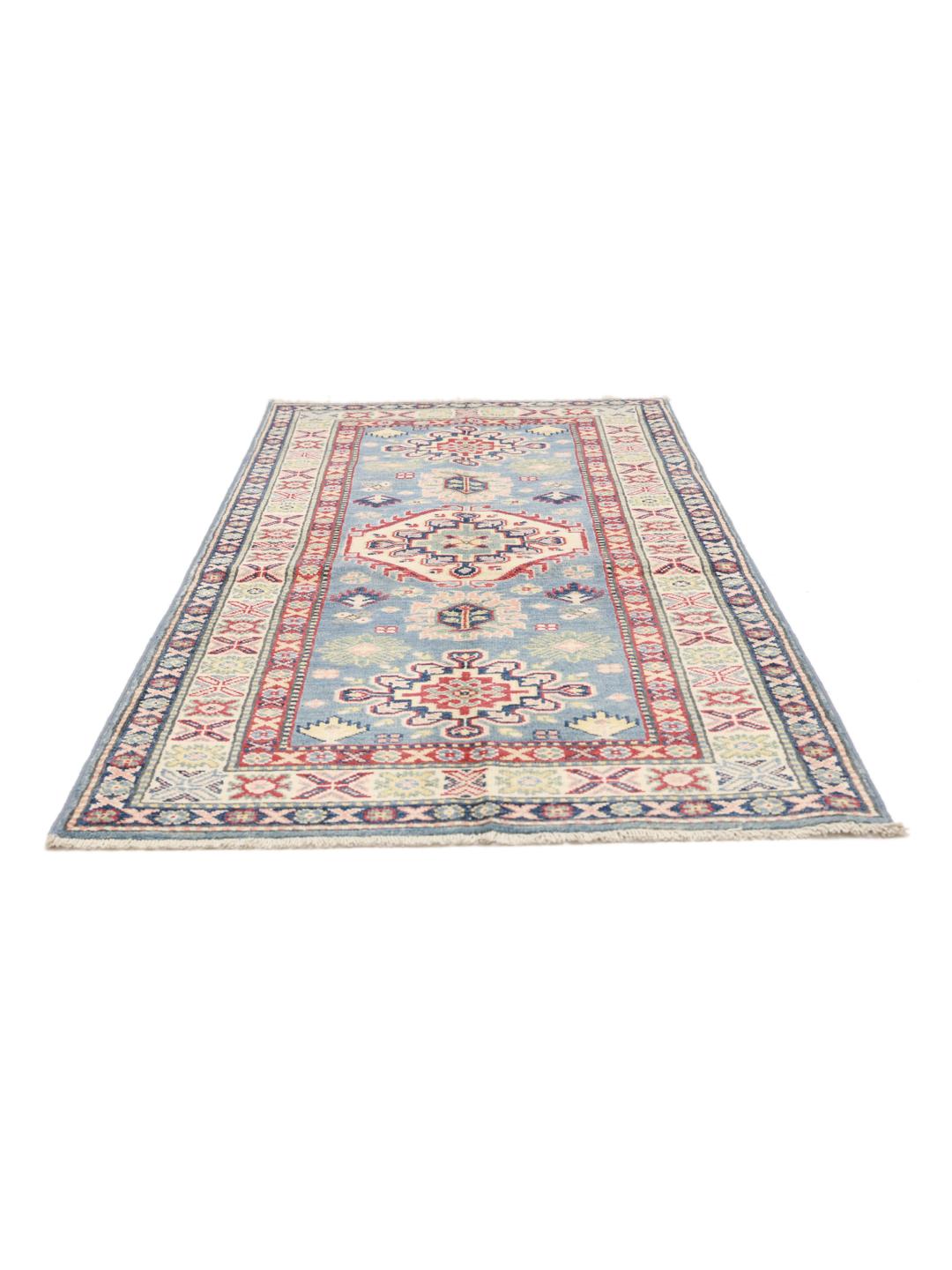
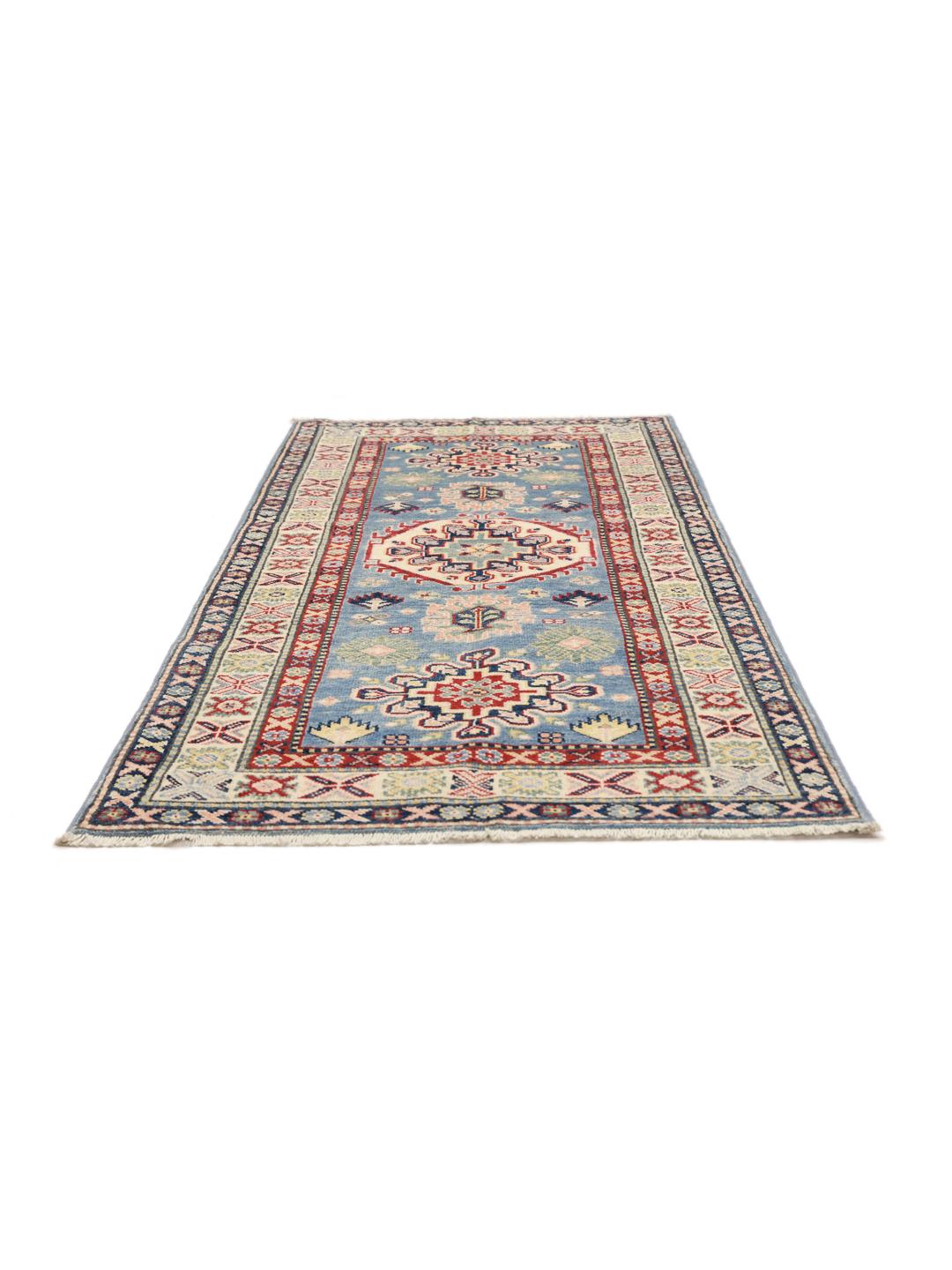
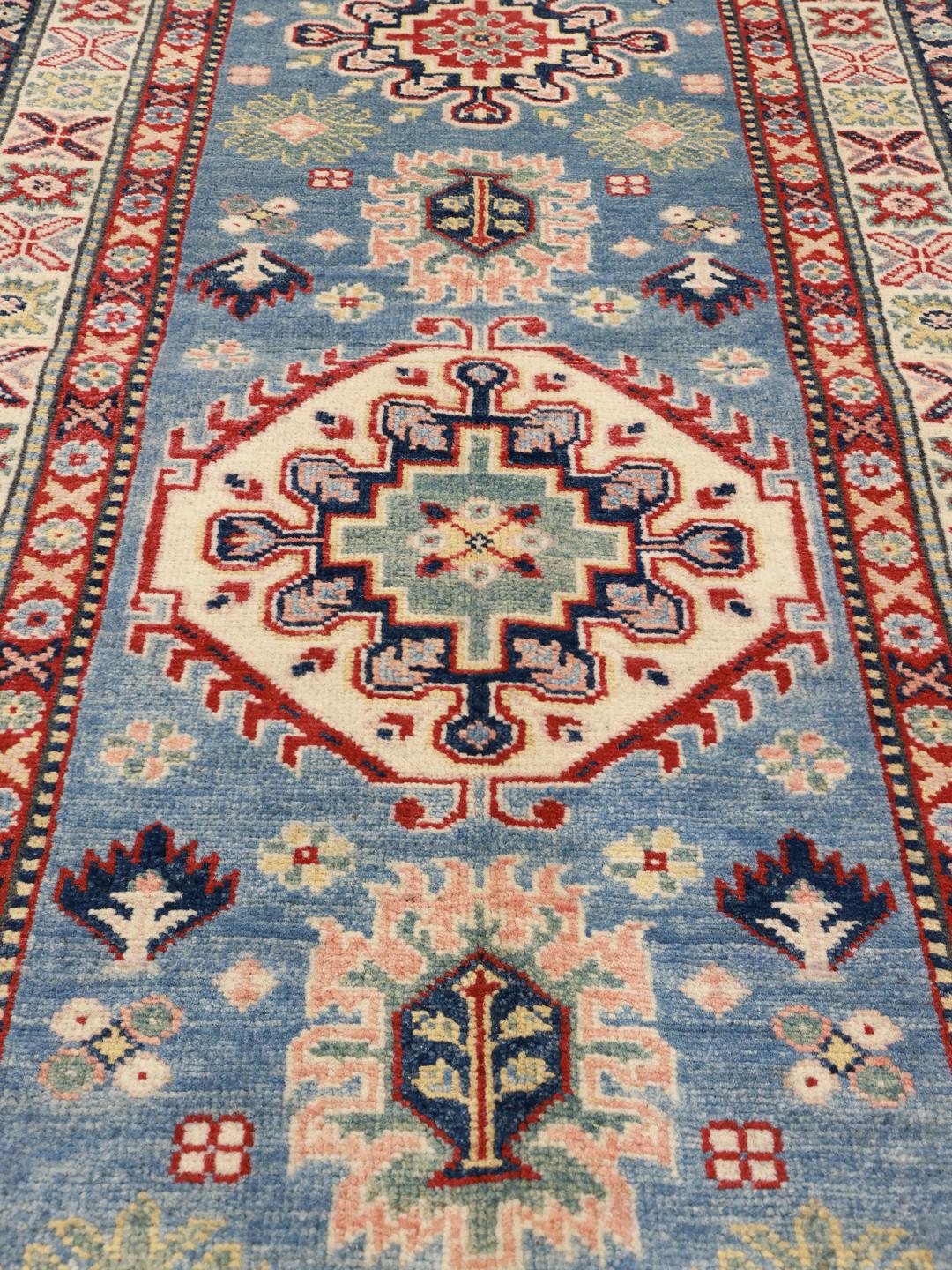
Visually, Kazak rugs are defined by their use of geometric motifs, such as the recurring medallion patterns seen in this piece. These designs are deeply symbolic, often drawing on local folklore and the natural landscape of the weaving region. The borders are typically formal and structured, providing a frame that emphasises the central field, while the colour palettes are usually drawn from natural dyes that age gracefully.
Today, rugs from this tradition are collected for their authenticity and the sheer human skill required to produce them. Owning a Kazak is an investment in cultural heritage, representing a connection to a craft that prioritises patience and precision. It is a piece that stands out not just for its appearance, but for the history and expertise woven into every single knot.