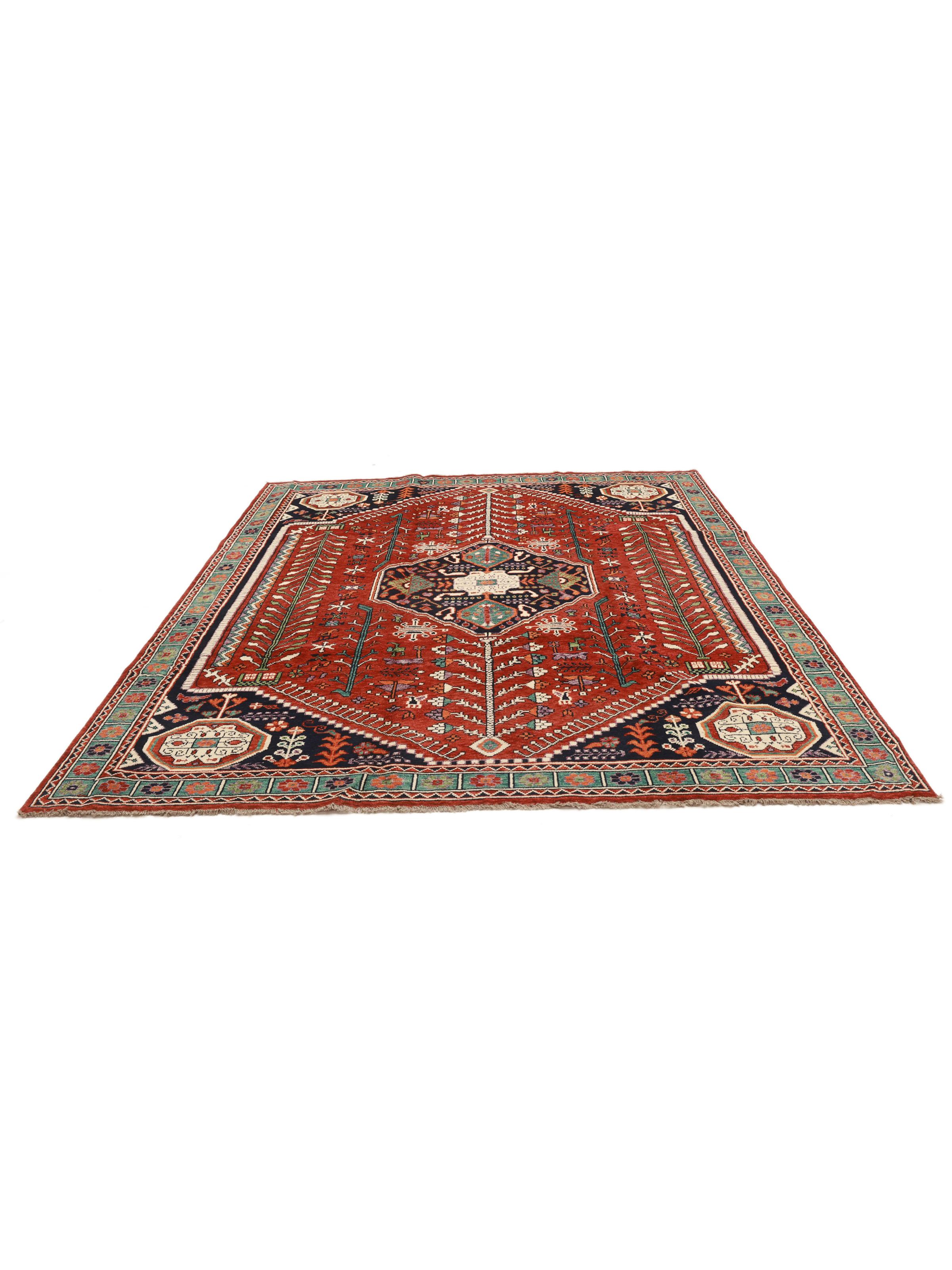
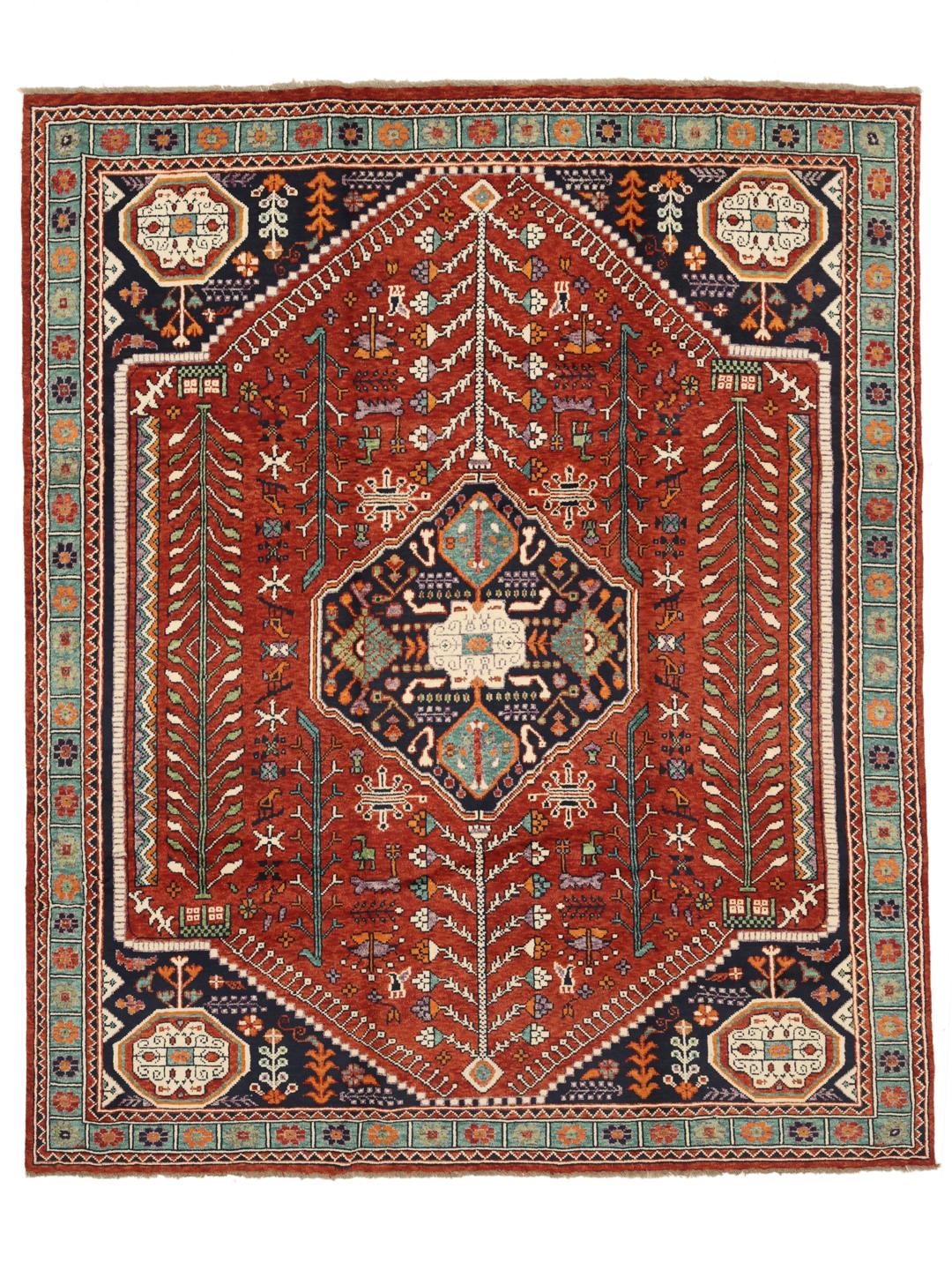
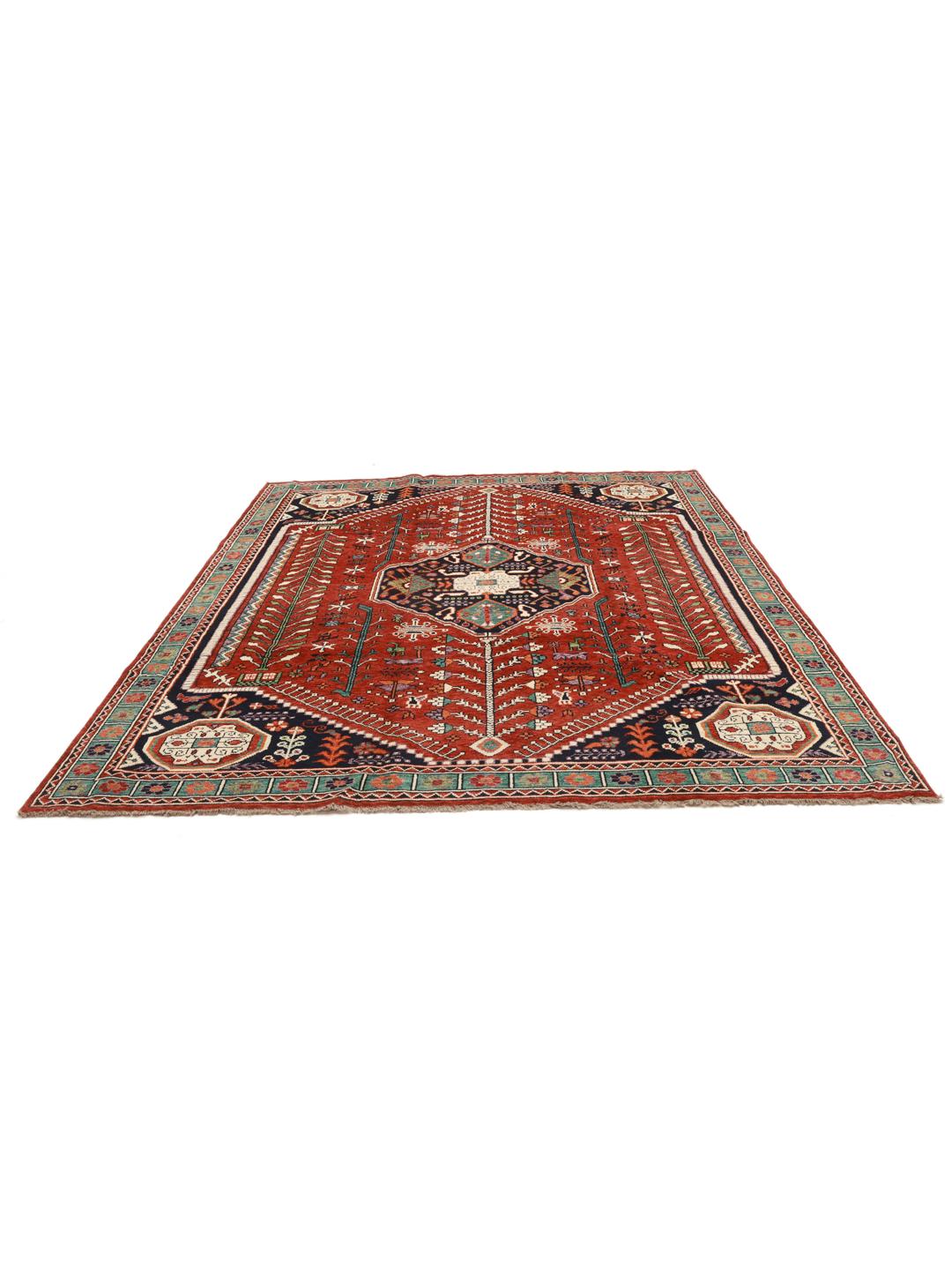
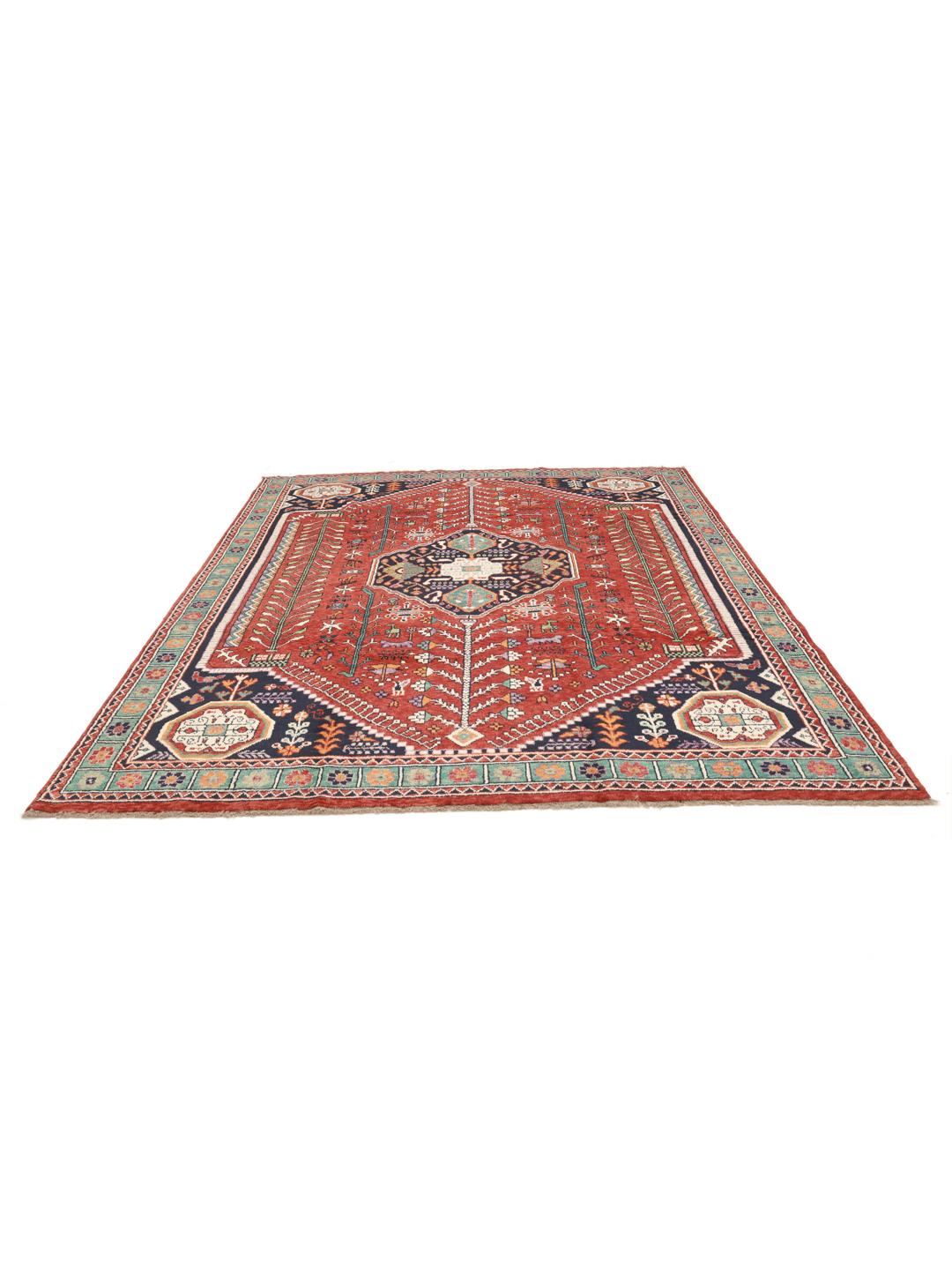
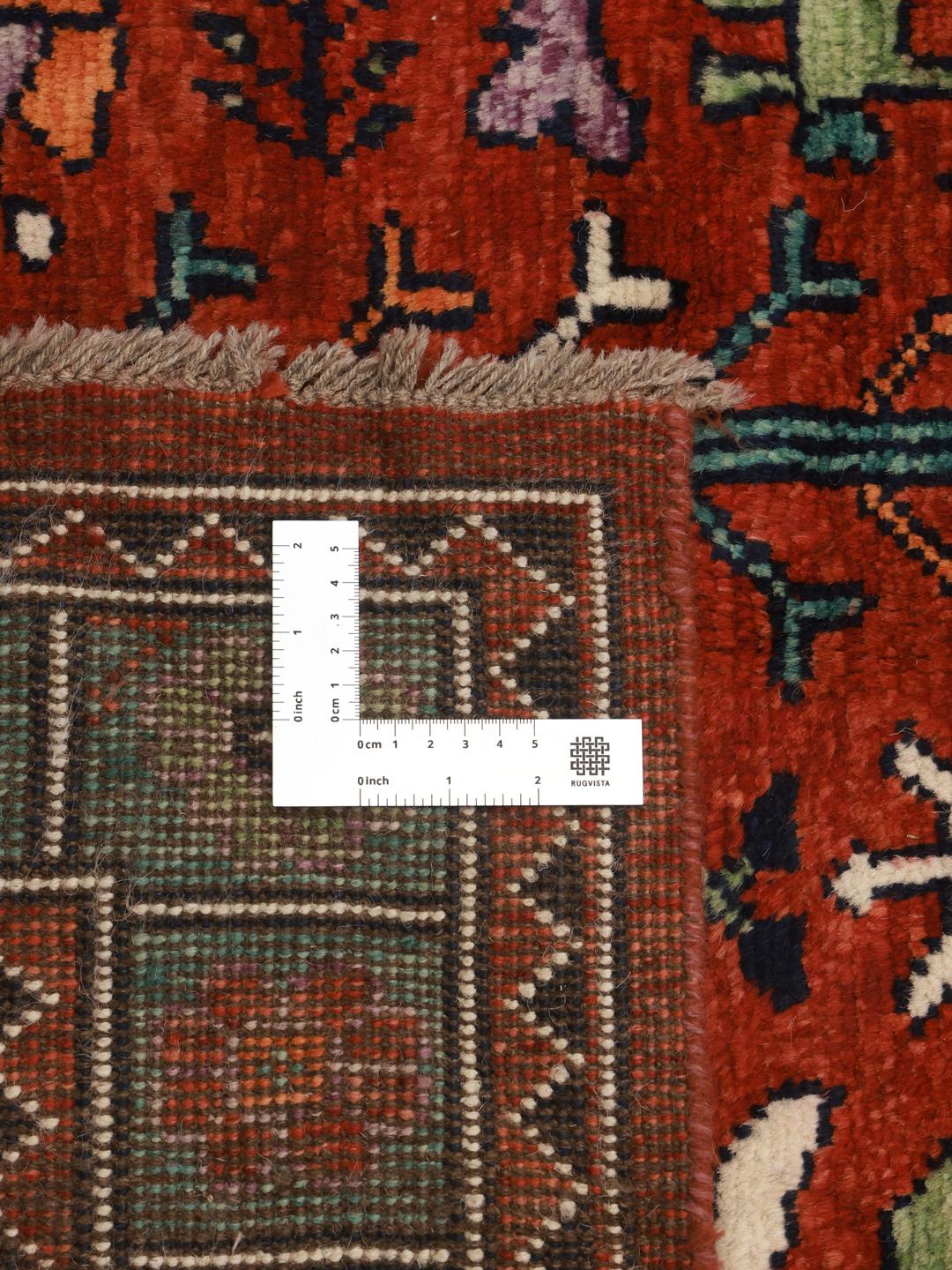
Kazak rugs originate from the Caucasus region, a mountainous area known for its rich tapestry of weaving traditions. While the term originally referred to rugs woven by specific tribal groups in the southern Caucasus, the tradition has evolved significantly over time. Today, the most vibrant and high-quality Kazak rugs are masterfully produced in Afghanistan, where weavers have kept these historical design languages alive, blending ancient techniques with a renewed focus on natural materials.
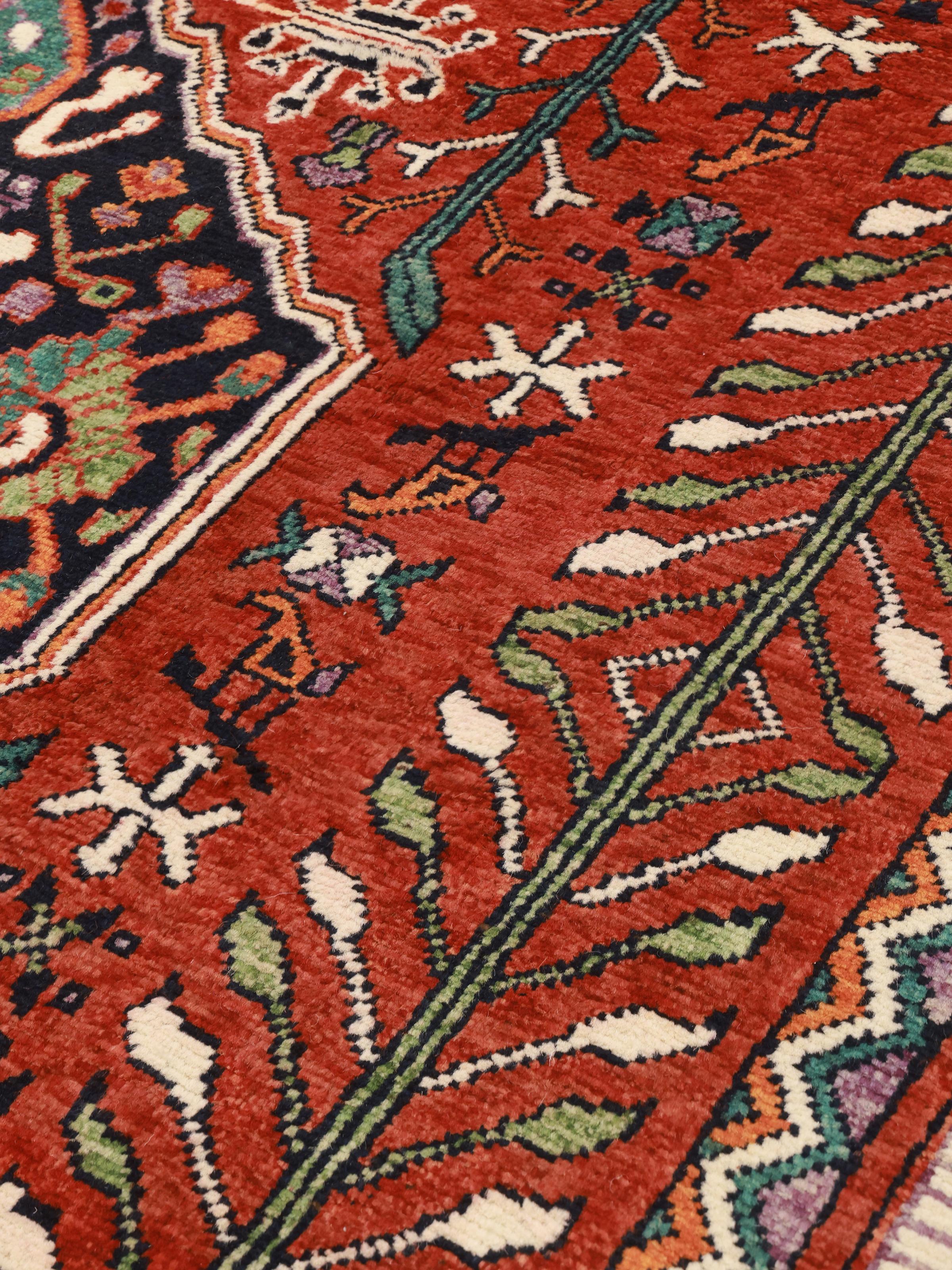
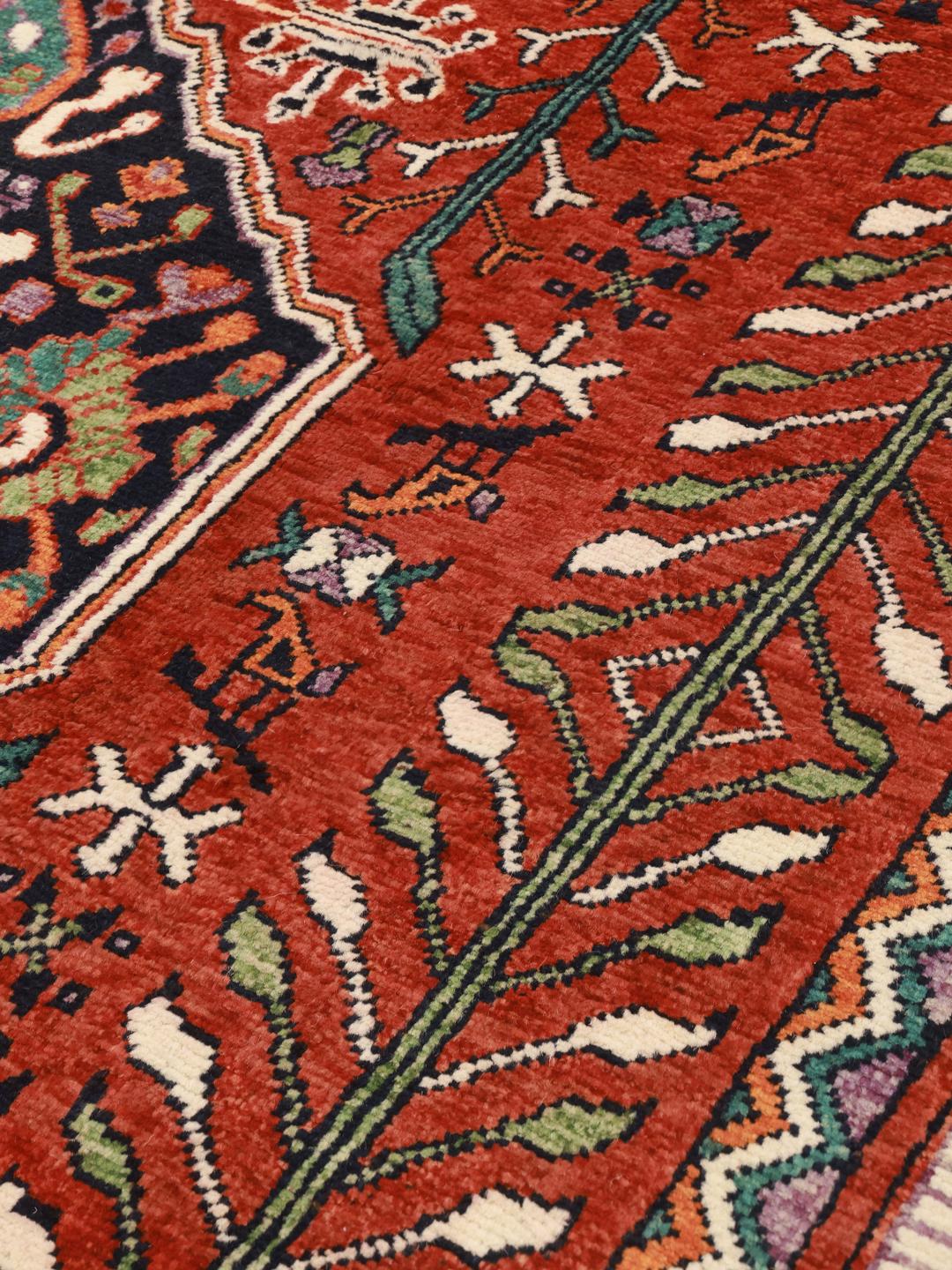
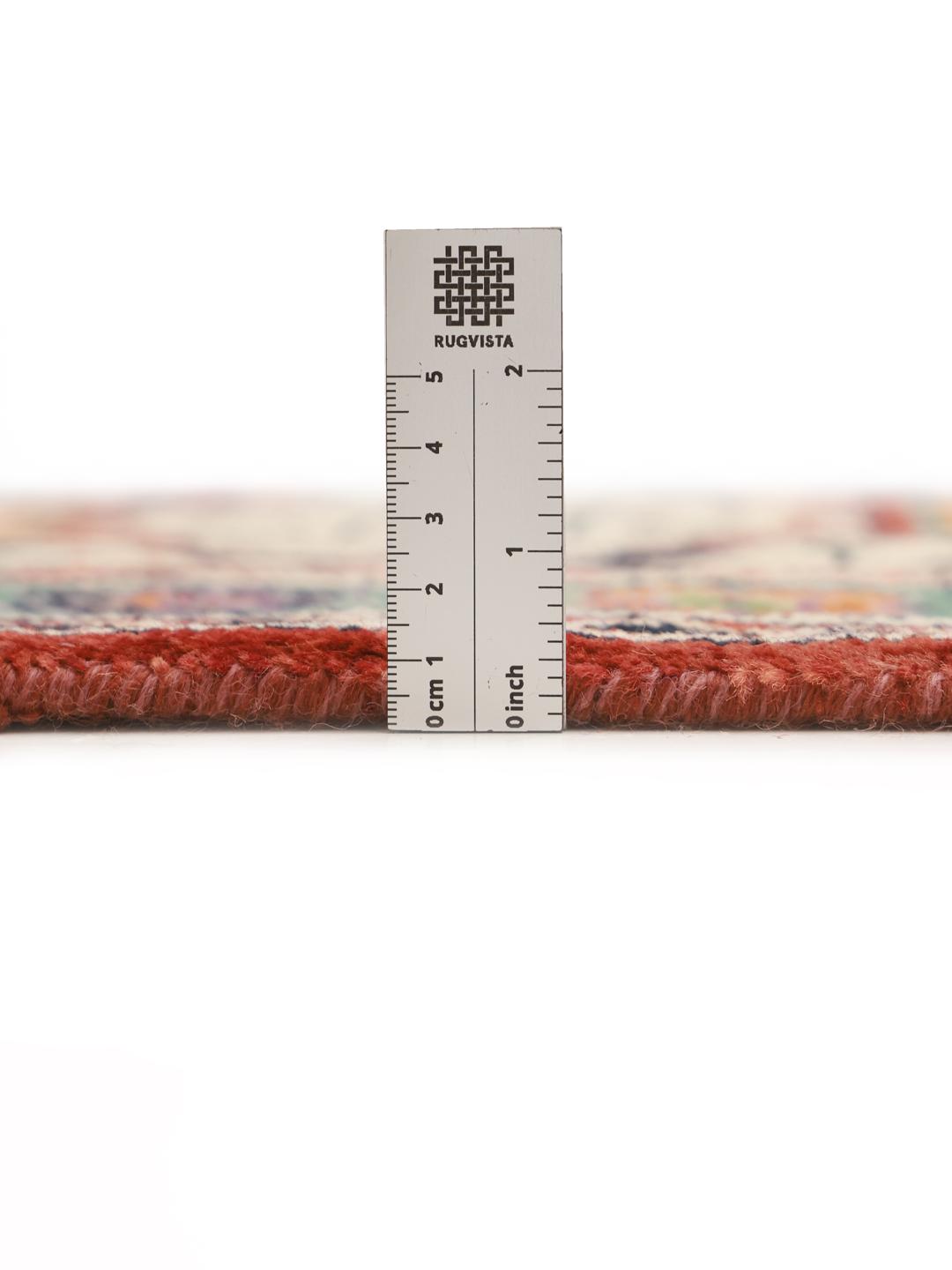
Technically, the Kazak style is characterised by its bold, large-scale geometric patterns and a limited but powerful colour palette. These rugs are traditionally woven with a wool pile that is both durable and soft, often using high-quality sheep's wool that retains natural lanolin for a subtle, healthy sheen. The construction is typically robust, designed for longevity and frequent use, which is why these rugs have remained highly sought after by collectors for centuries.
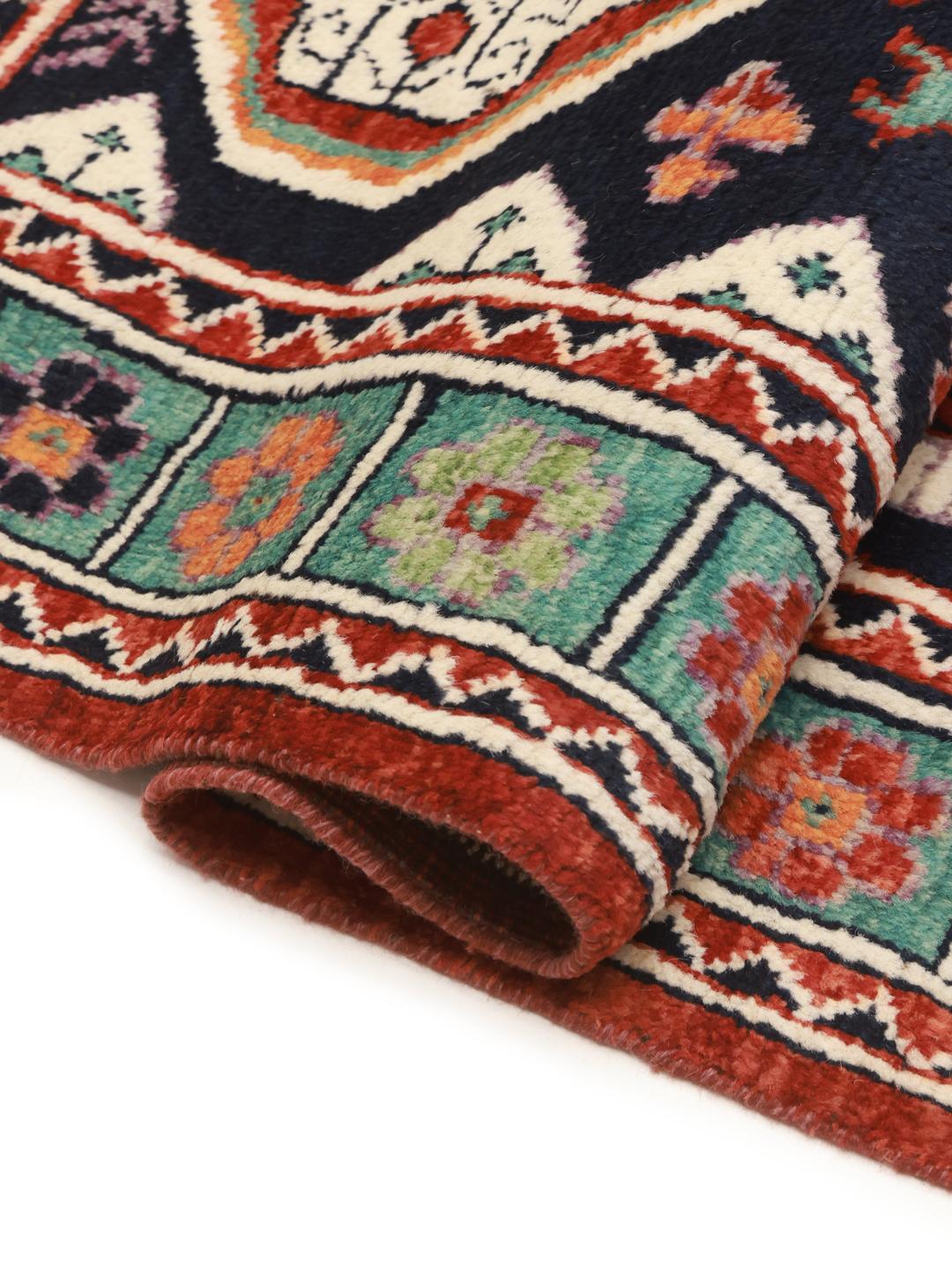
Signature design elements of the Kazak tradition include large, stylised medallions, geometric animals, and repeating floral motifs that are often abstracted into sharp, angular forms. The borders are usually wide and highly decorative, framing the central field with repeating patterns that create a strong sense of balance. The use of deep red and dark blue tones is iconic, providing a visual warmth that is distinctively recognisable to those familiar with this regional style.
Owning a rug from this tradition is an investment in cultural heritage and human skill. Because each piece is created by hand without the use of templates or machinery, every rug reflects the individual weaver's interpretation of these ancient designs. They are valued not just for their aesthetic appeal, but as symbols of endurance and cultural continuity, making them a centrepiece for any home that values craftsmanship over mass production.