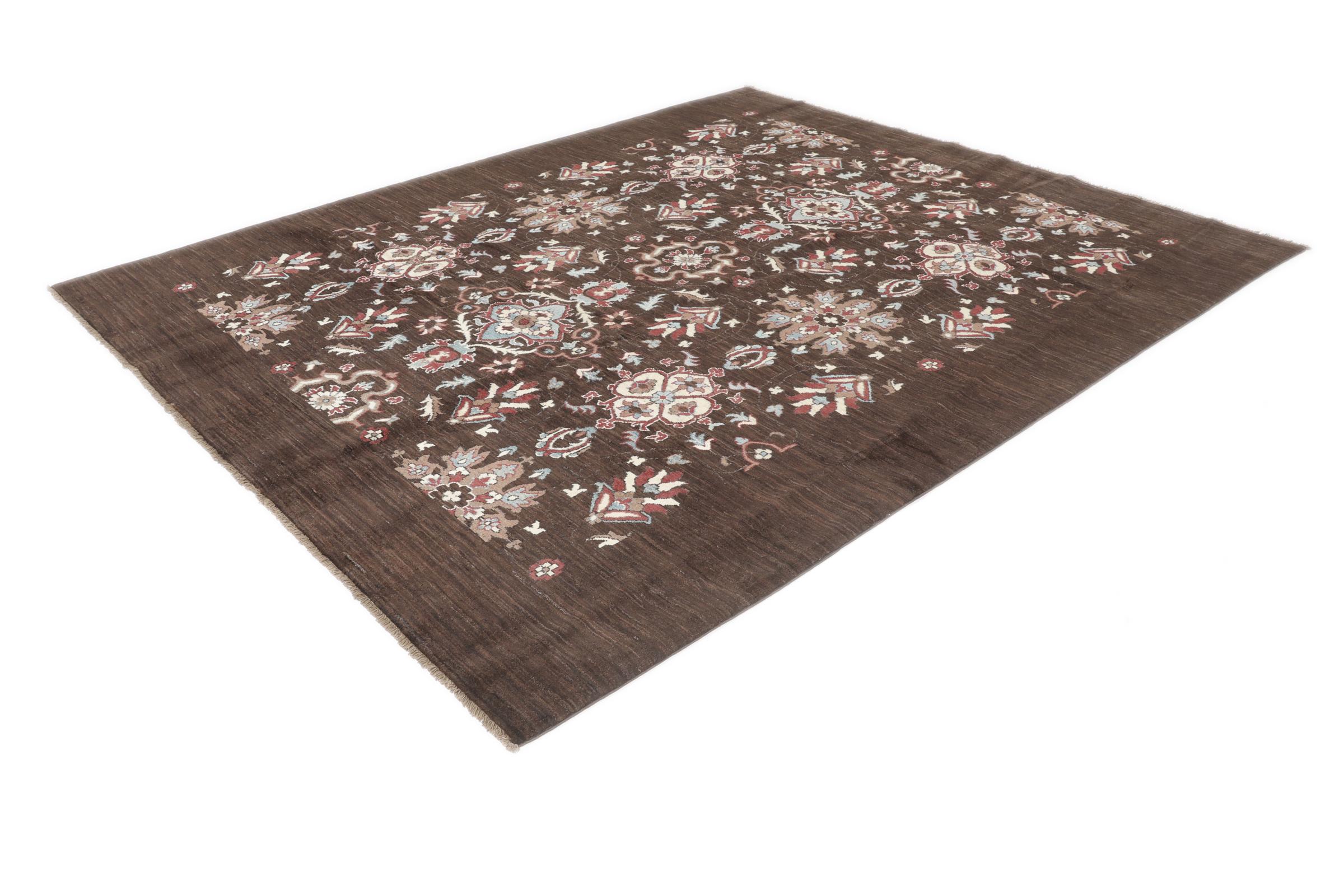
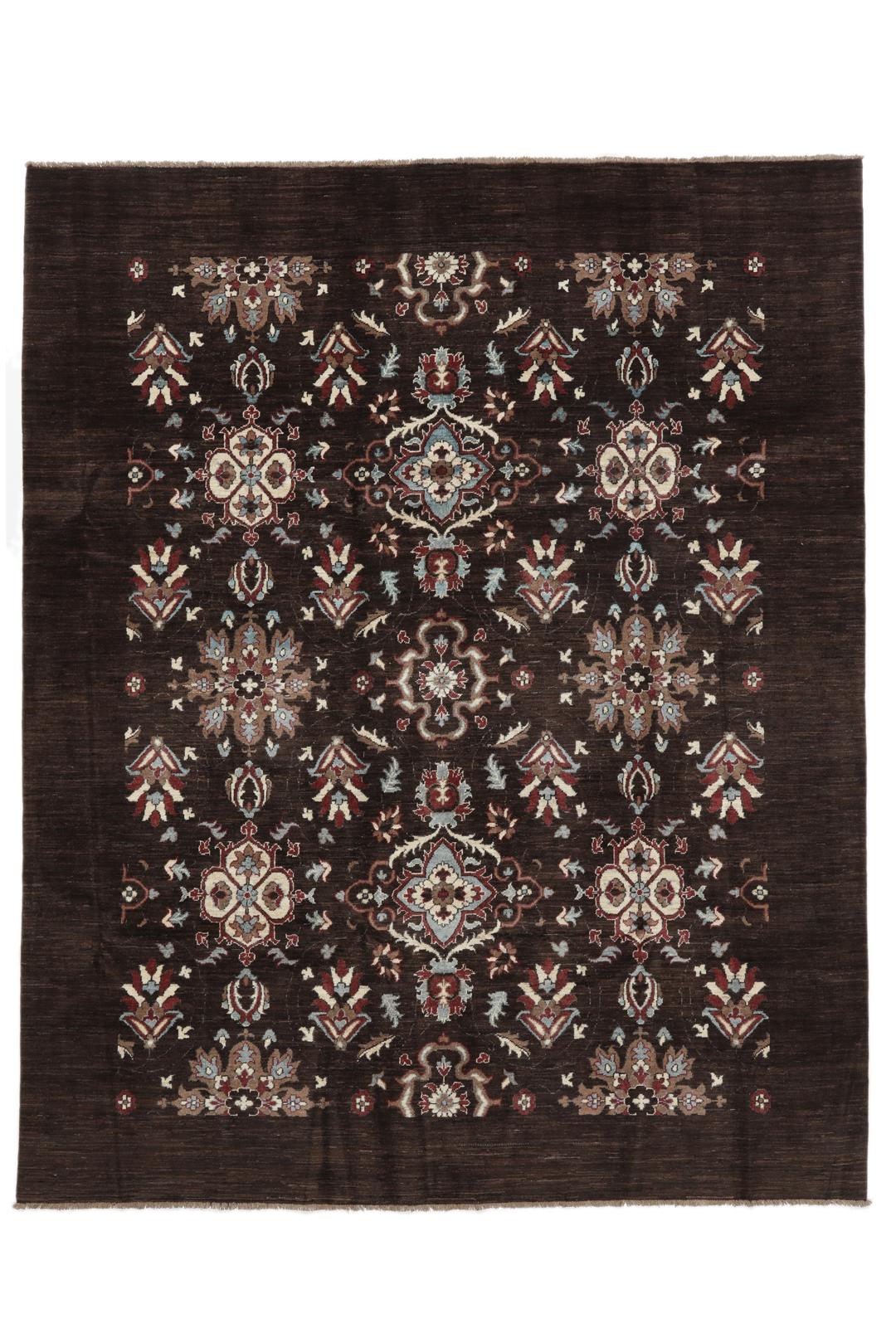
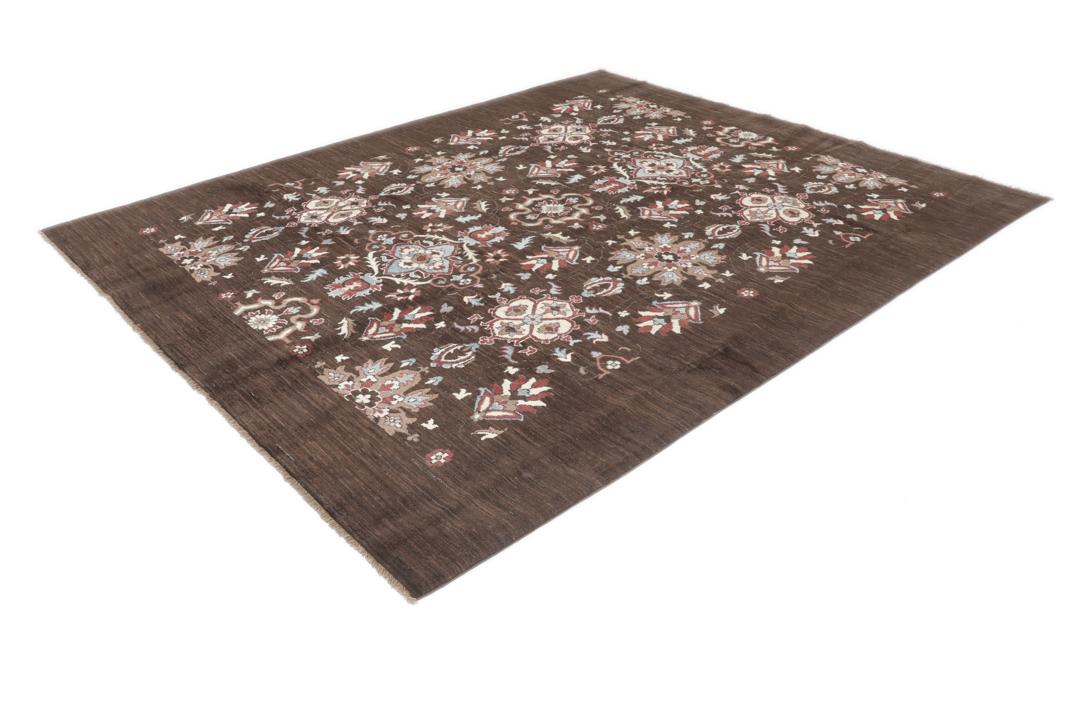
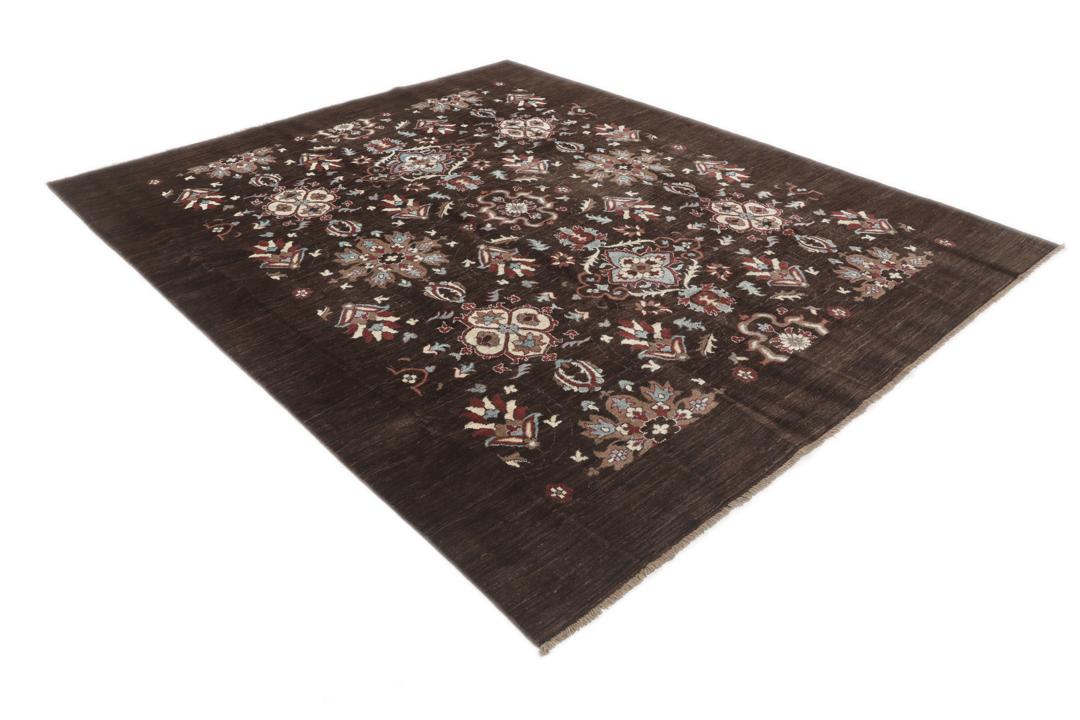
Kazak rugs originate from the mountainous regions of the Caucasus, a historical crossroads between the Middle East, Central Asia, and Europe. While the name originally refers to these Caucasian origins, the tradition has evolved significantly, with some of the finest contemporary examples now being produced in Afghanistan. These modern iterations honour the bold, geometric spirit of their ancestors while incorporating unique regional weaving techniques.
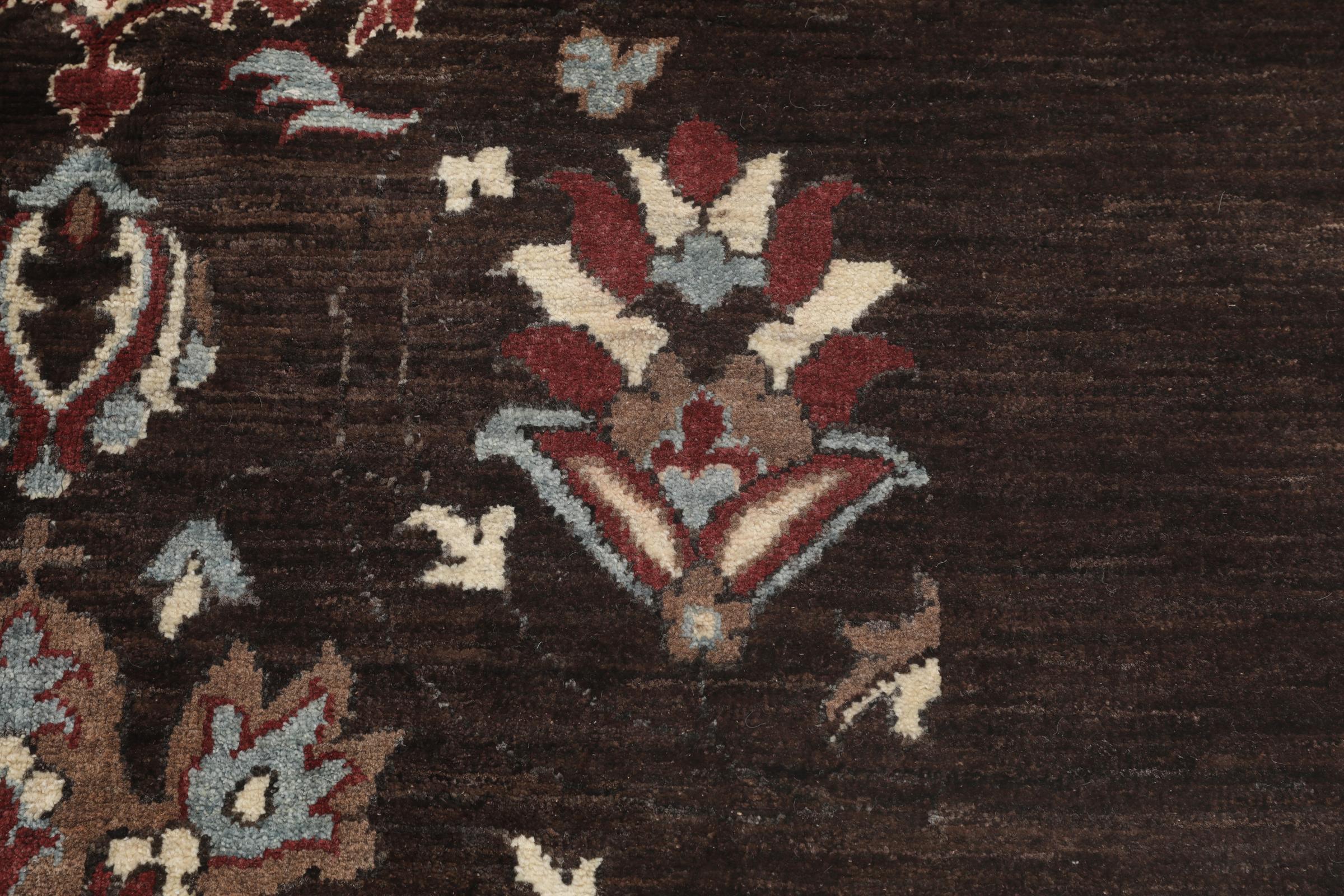
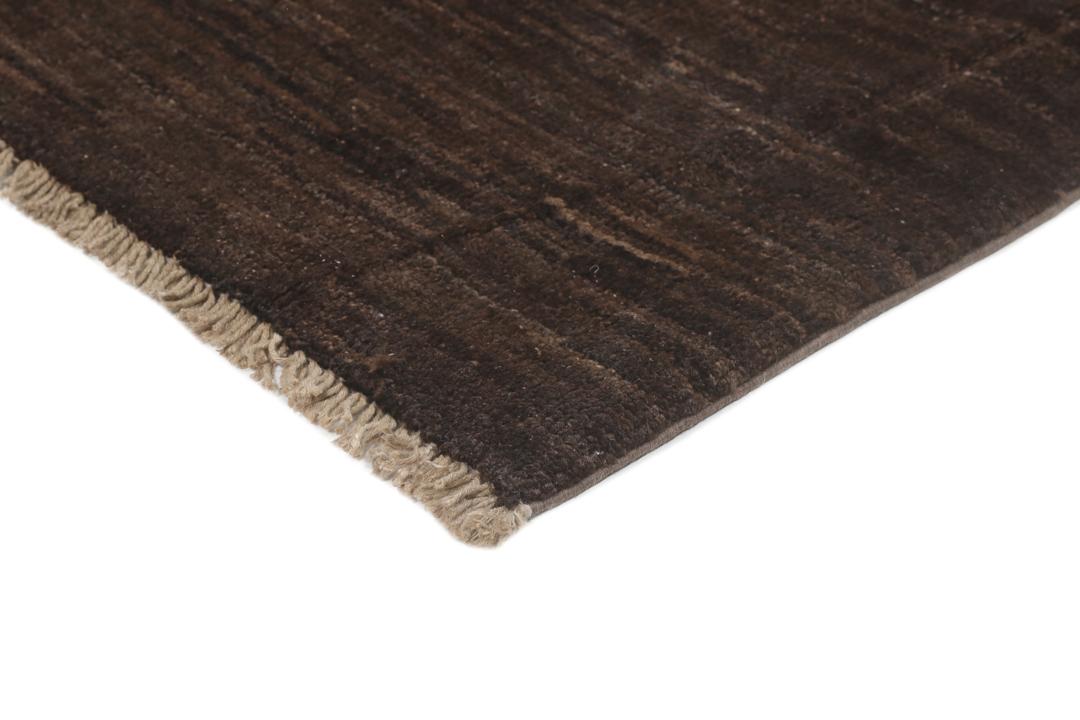
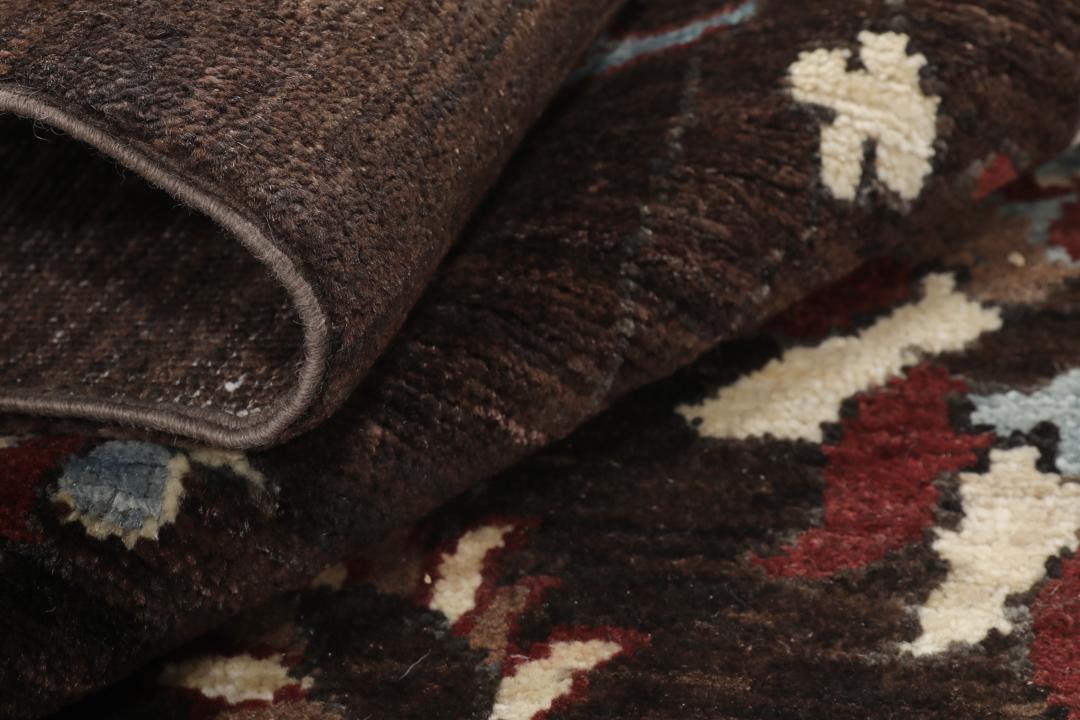
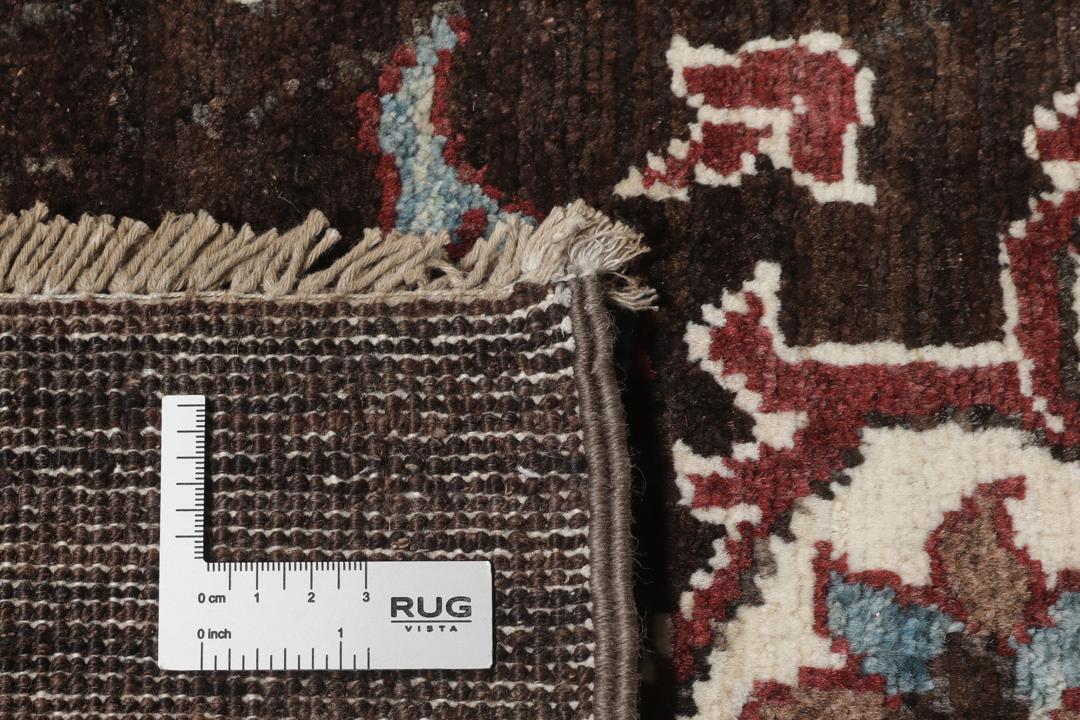
The terminology used to describe these rugs often centres on their construction, which is designed for longevity and visual impact. A hand-knotted construction means that every single knot is tied individually onto the foundation, a method that is far superior to machine-made alternatives. This careful, manual assembly is what gives the rug its characteristic density and structural integrity, allowing it to withstand decades of use.
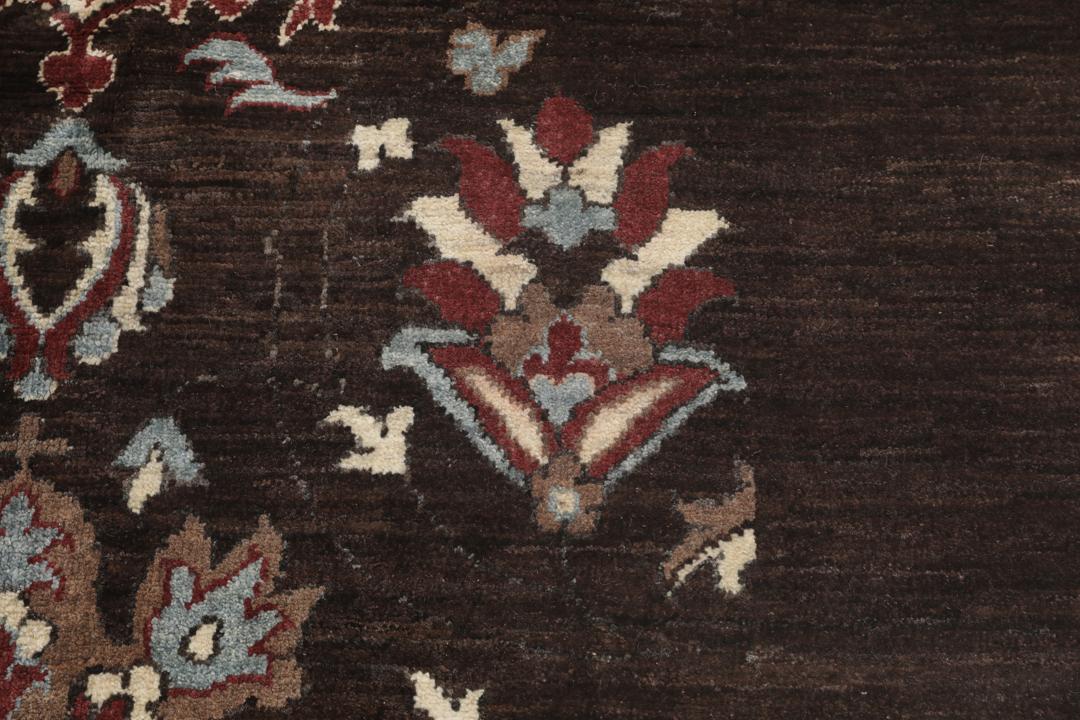
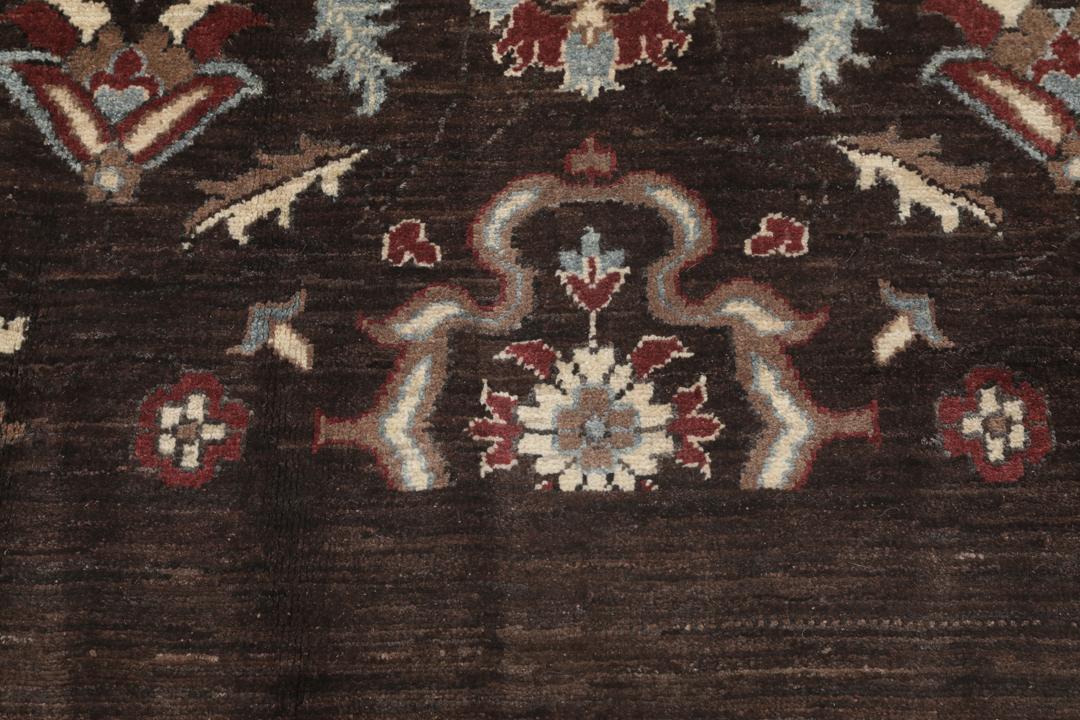
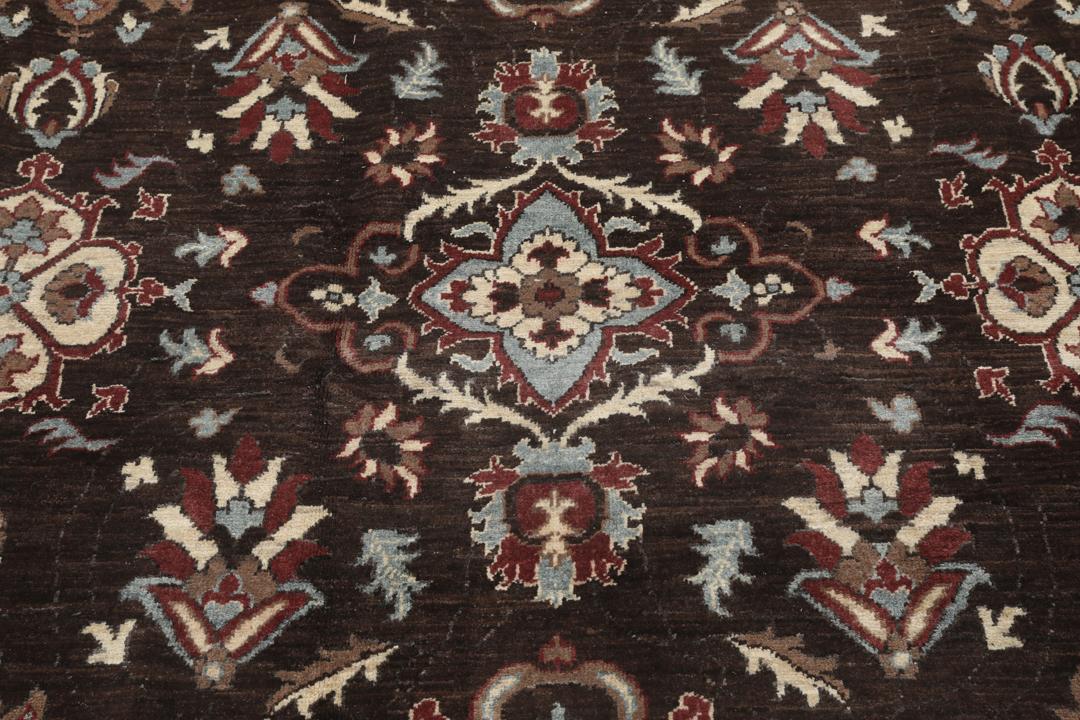
Signature design elements of the Kazak tradition include dramatic, large-scale motifs and a vibrant, yet earth-toned, colour palette. Unlike many other rug styles that rely on delicate curves, these pieces are known for their strong, geometric forms, including medallions, hooks, and stylized floral elements. The dark field seen here is a particularly bold choice that highlights the precision of these traditional patterns.
These rugs are highly sought after by collectors and homeowners alike for their ability to balance raw, rustic charm with a refined sense of history. Owning a piece from this tradition is an opportunity to connect with a craft that has been passed down through generations, representing a level of human skill and cultural heritage that remains as relevant today as it was centuries ago.