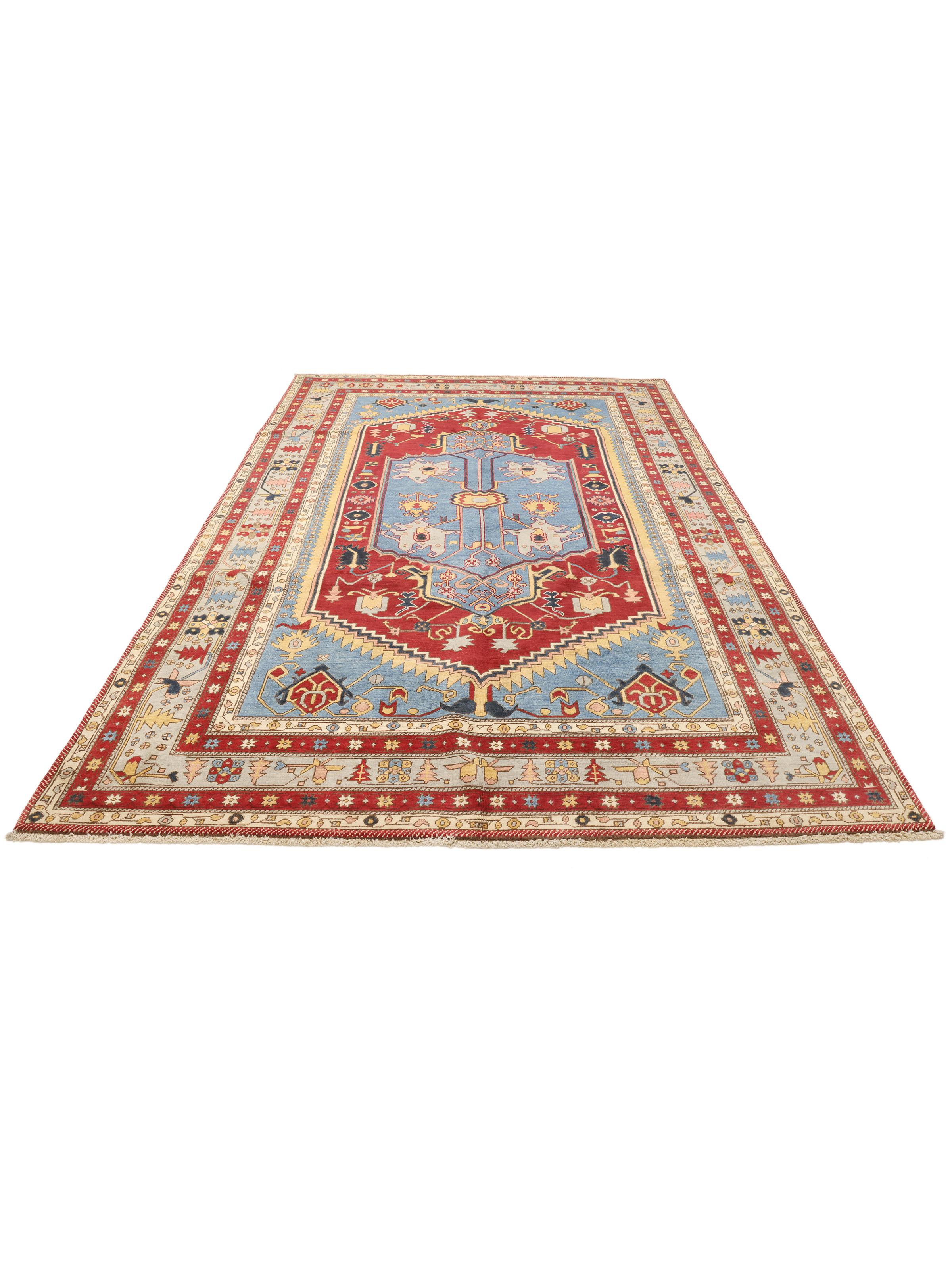
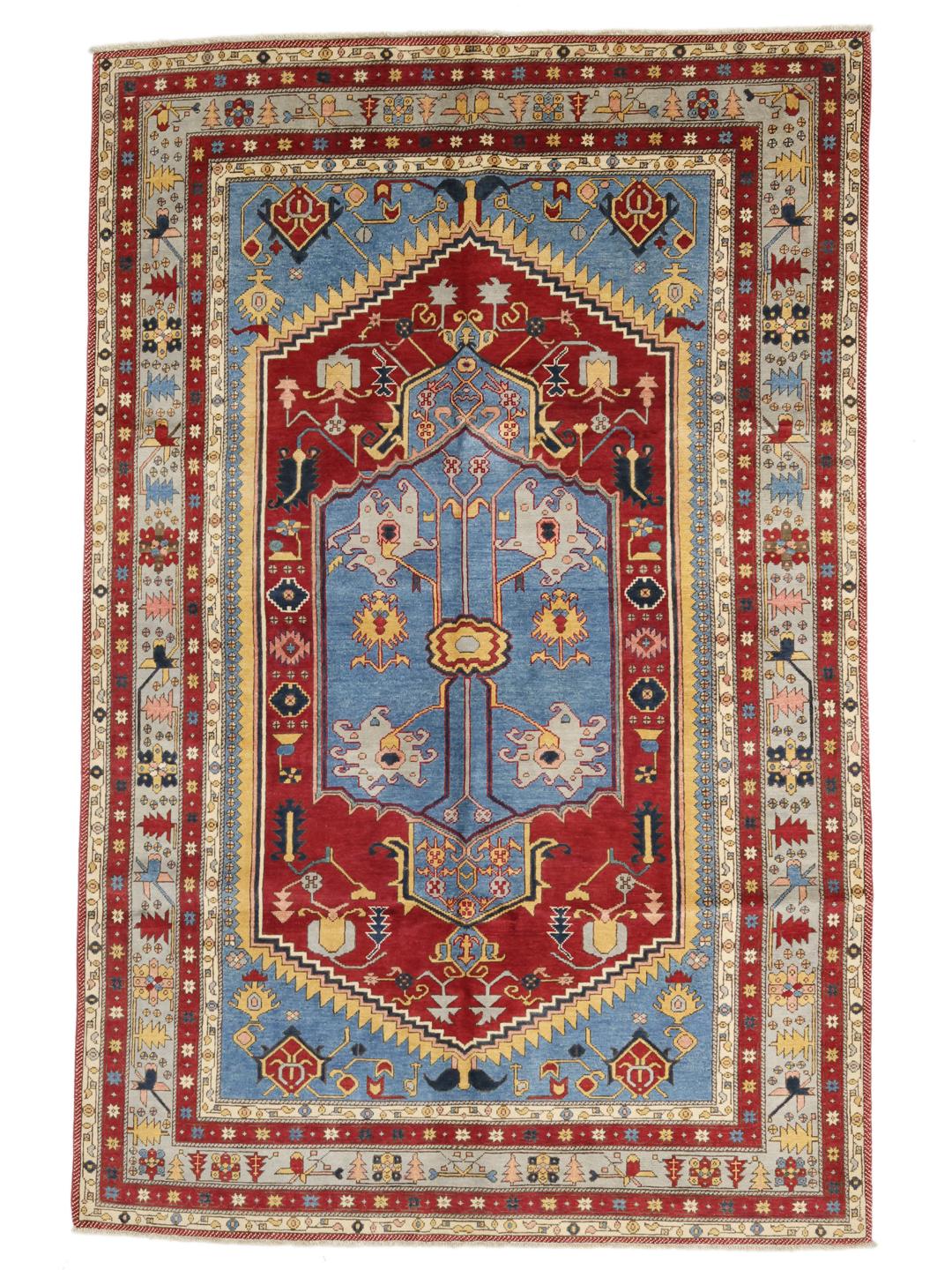
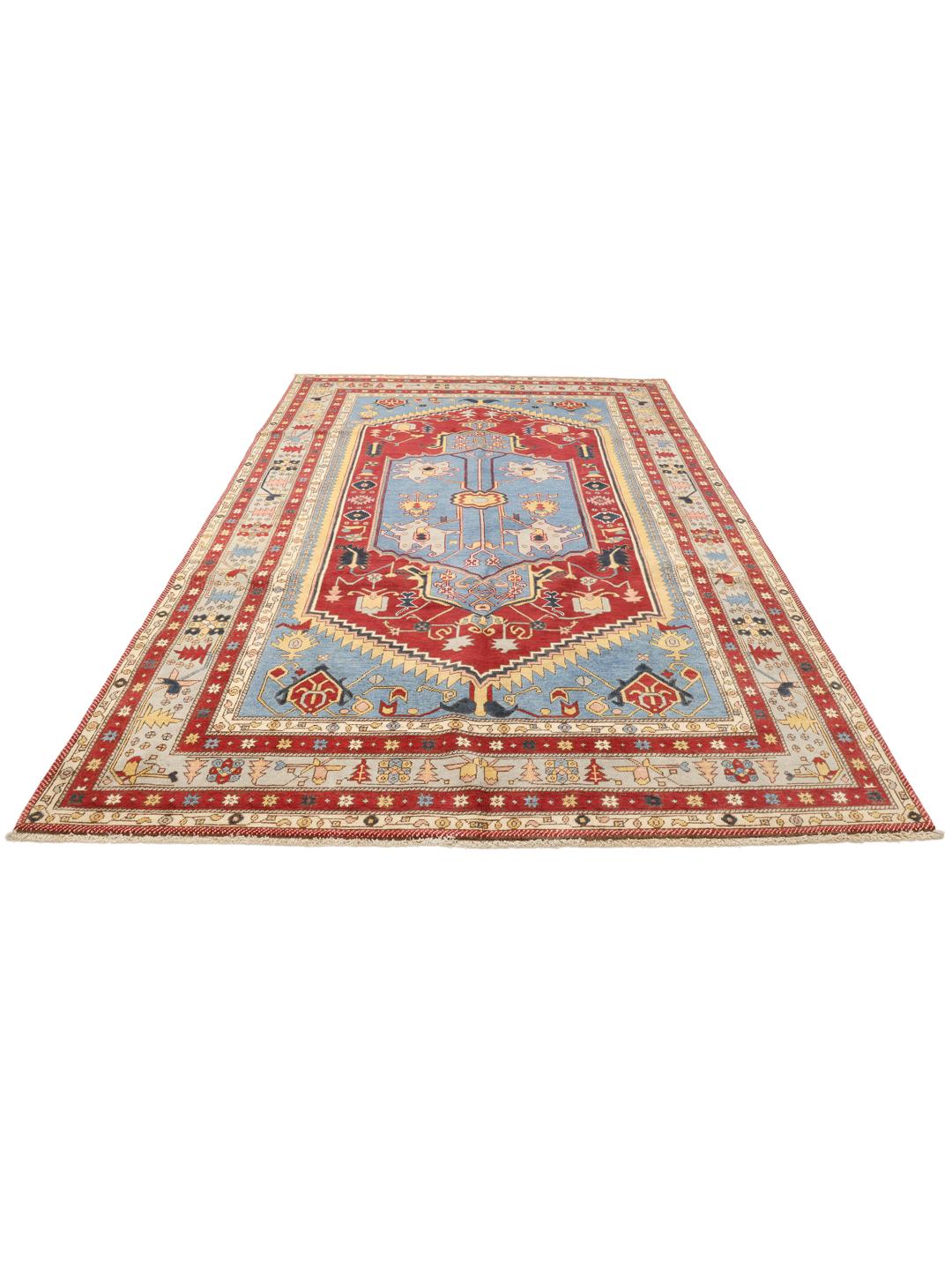
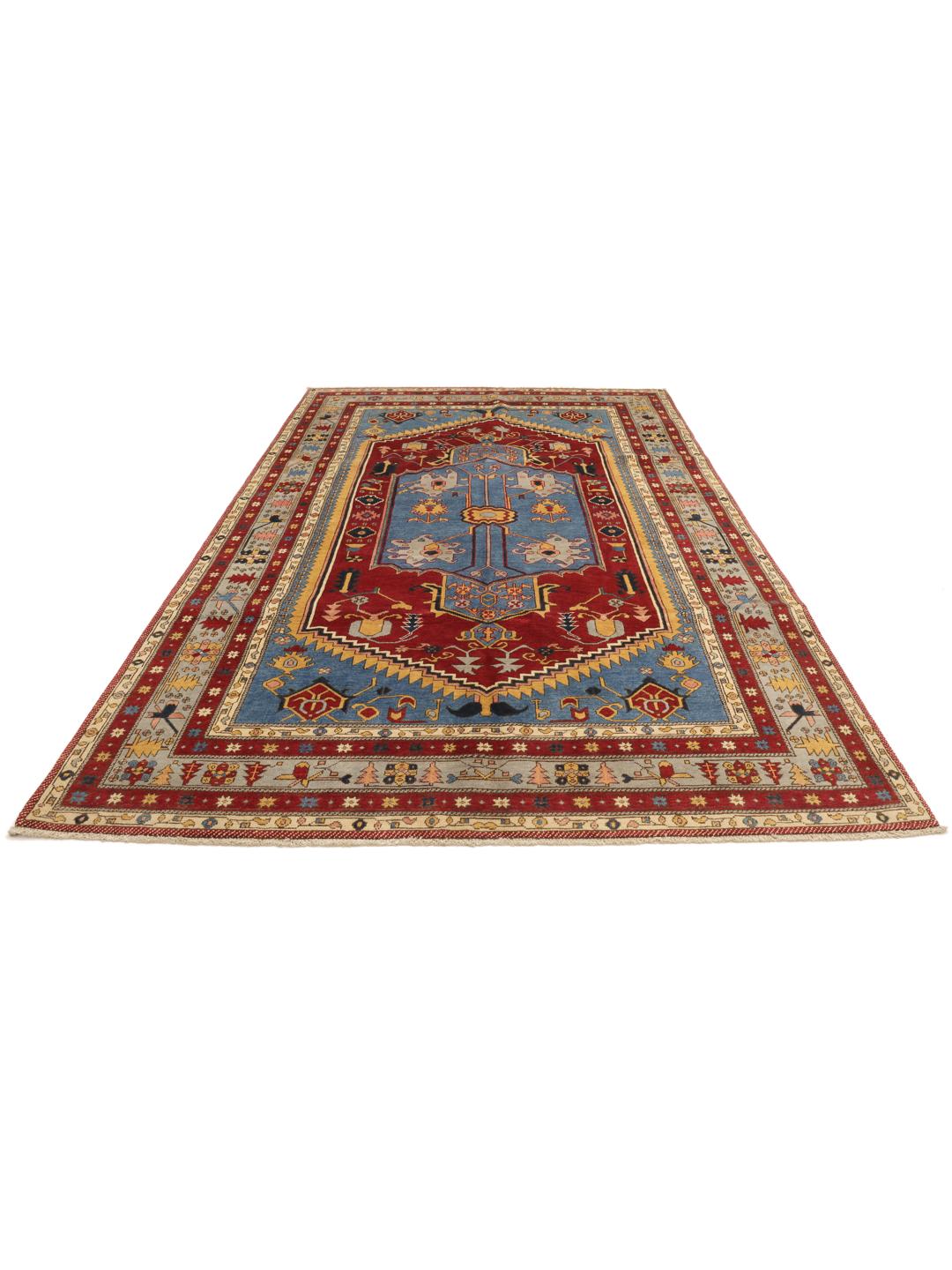
The Kazak tradition has its roots in the mountainous regions of the Caucasus, where nomadic tribes developed a distinct style of weaving characterised by bold geometric forms and striking, saturated colours. While the original Kazak rugs were produced by tribal groups for their own use, the style evolved over centuries, eventually influencing weaving traditions across the wider Middle East. Today, Afghanistan has become a primary hub for these rugs, where artisans continue to honour the original aesthetic while infusing it with local techniques and cultural nuances.
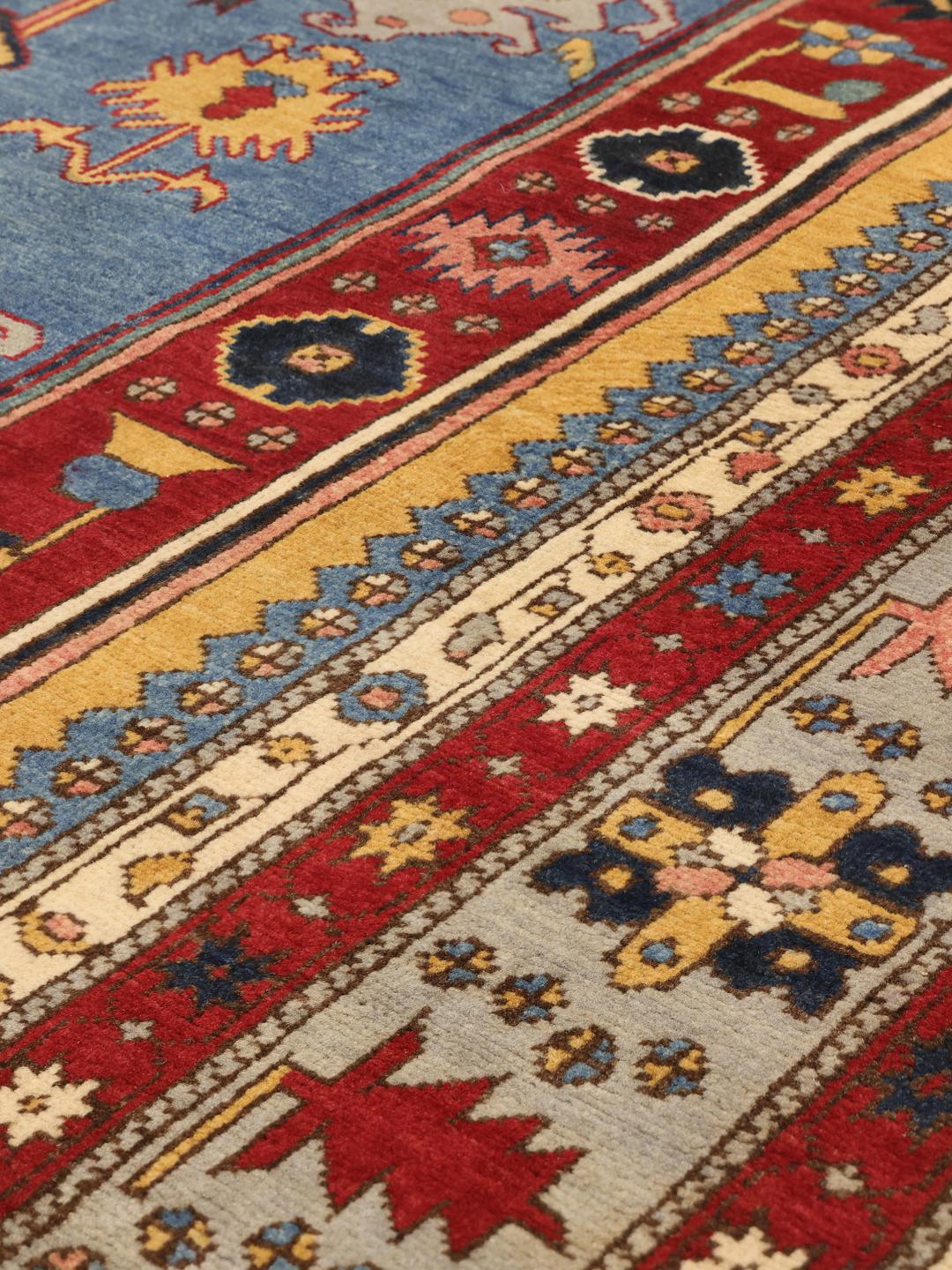
The term 'Kazak' has become synonymous with a specific, powerful visual language. These rugs are renowned for their use of large, stylized medallions and geometric motifs, often set against a field of deep, rich colour. Unlike the more delicate, curvilinear designs found in urban workshops, these rugs celebrate a more rustic and expressive form of artistry. The borders are typically filled with intricate geometric patterns, providing a formal frame that balances the energy of the central field.
The enduring value of these rugs lies in their combination of raw, tribal energy and sophisticated colour palettes. Collectors and enthusiasts prize them not only for their visual impact but for the skill required to translate complex geometric patterns into a hand-knotted format. Owning a rug from this tradition is an act of preserving a heritage of craftsmanship that has survived transitions across borders and generations, making each piece a tangible link to a rich, historical past.
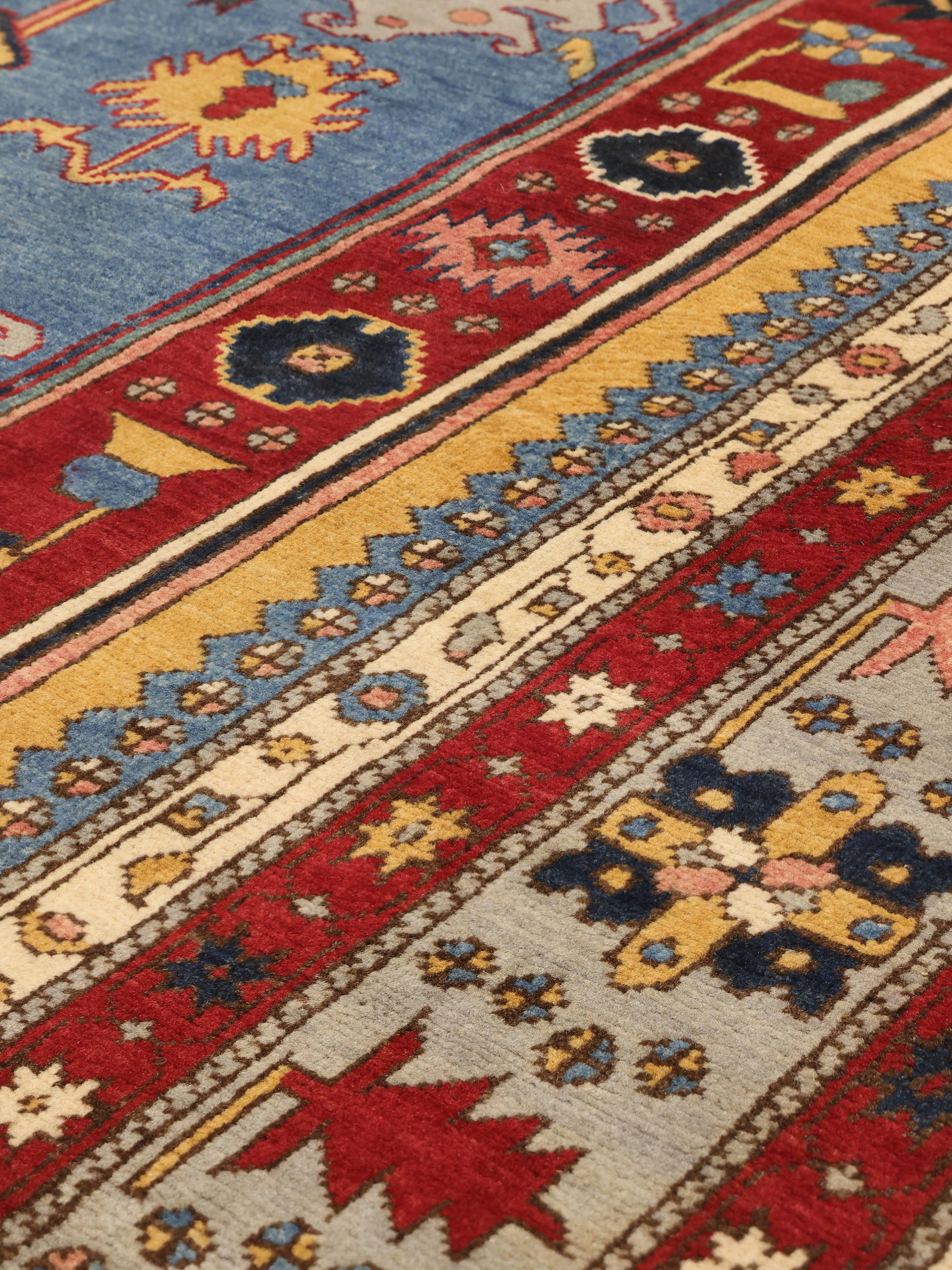
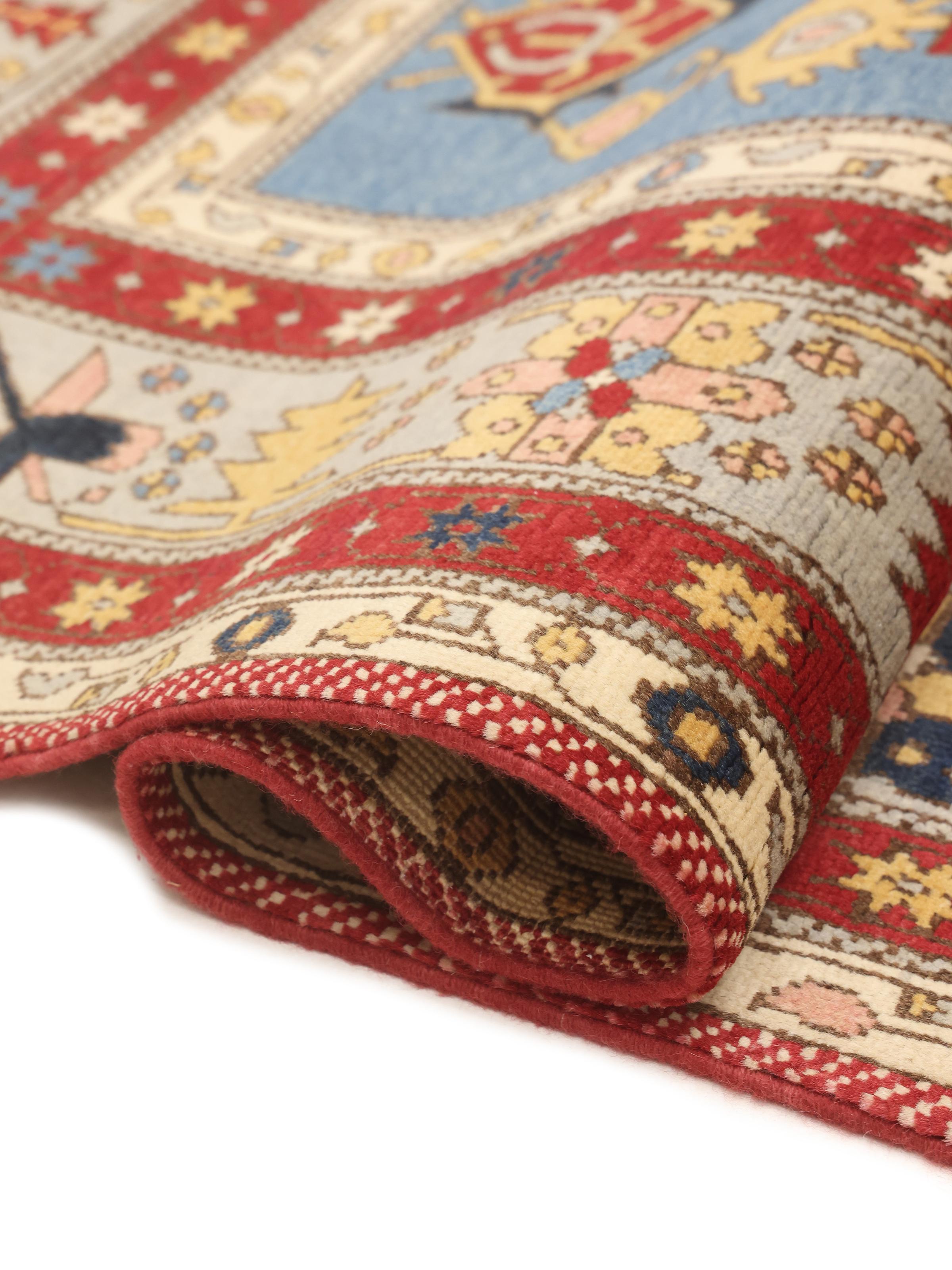
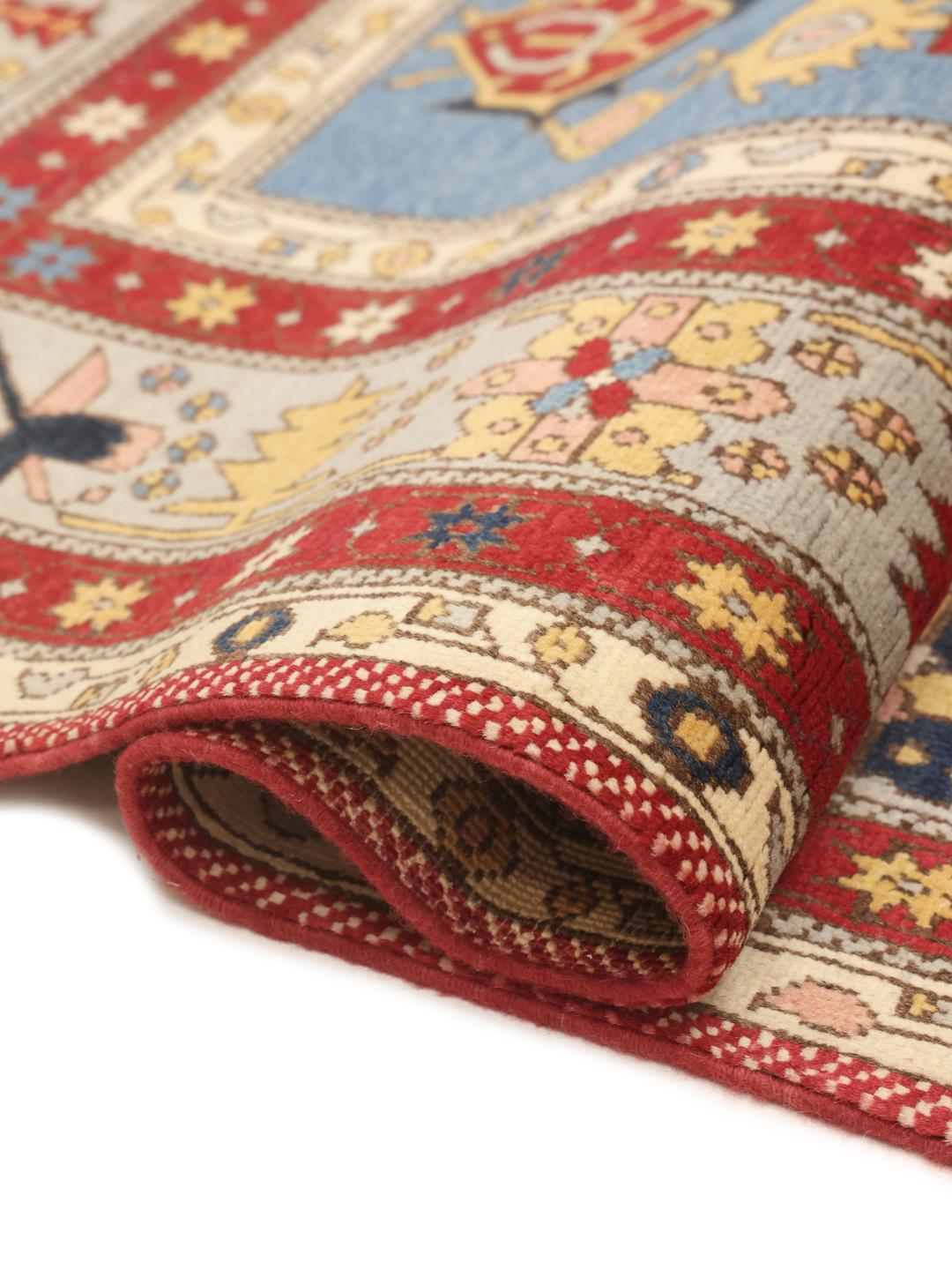
Because each rug is created without the aid of modern mass-production tools, they carry the unique signature of the person who wove it. Subtle variations in the tension of the knots or the slight shifts in dye lots are not imperfections, but rather the hallmarks of a human-made object. This makes every Kazak rug a unique piece of history, offering the owner a sense of connection to the artisan's hand and the ancient traditions that continue to inform this style today.