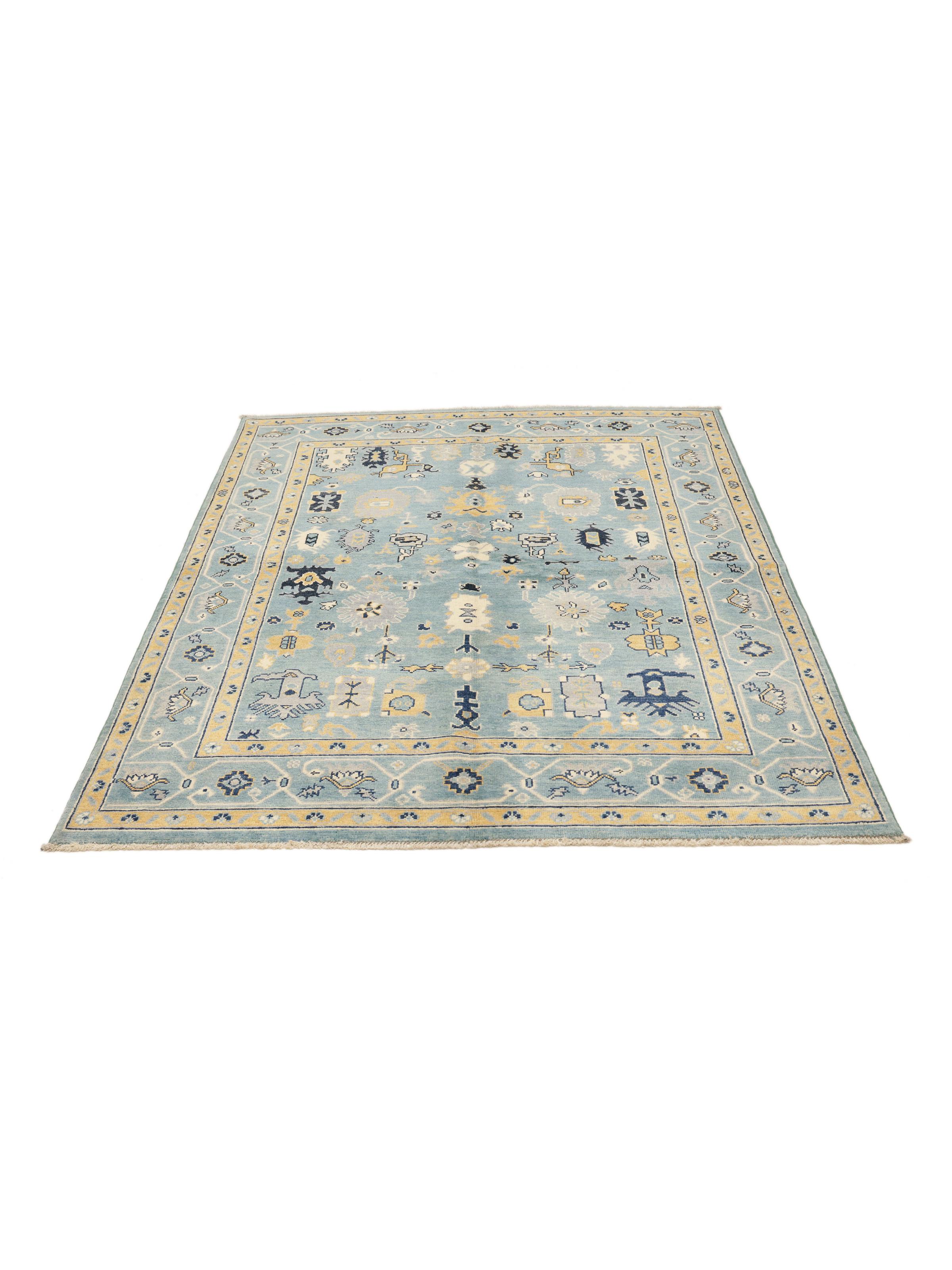
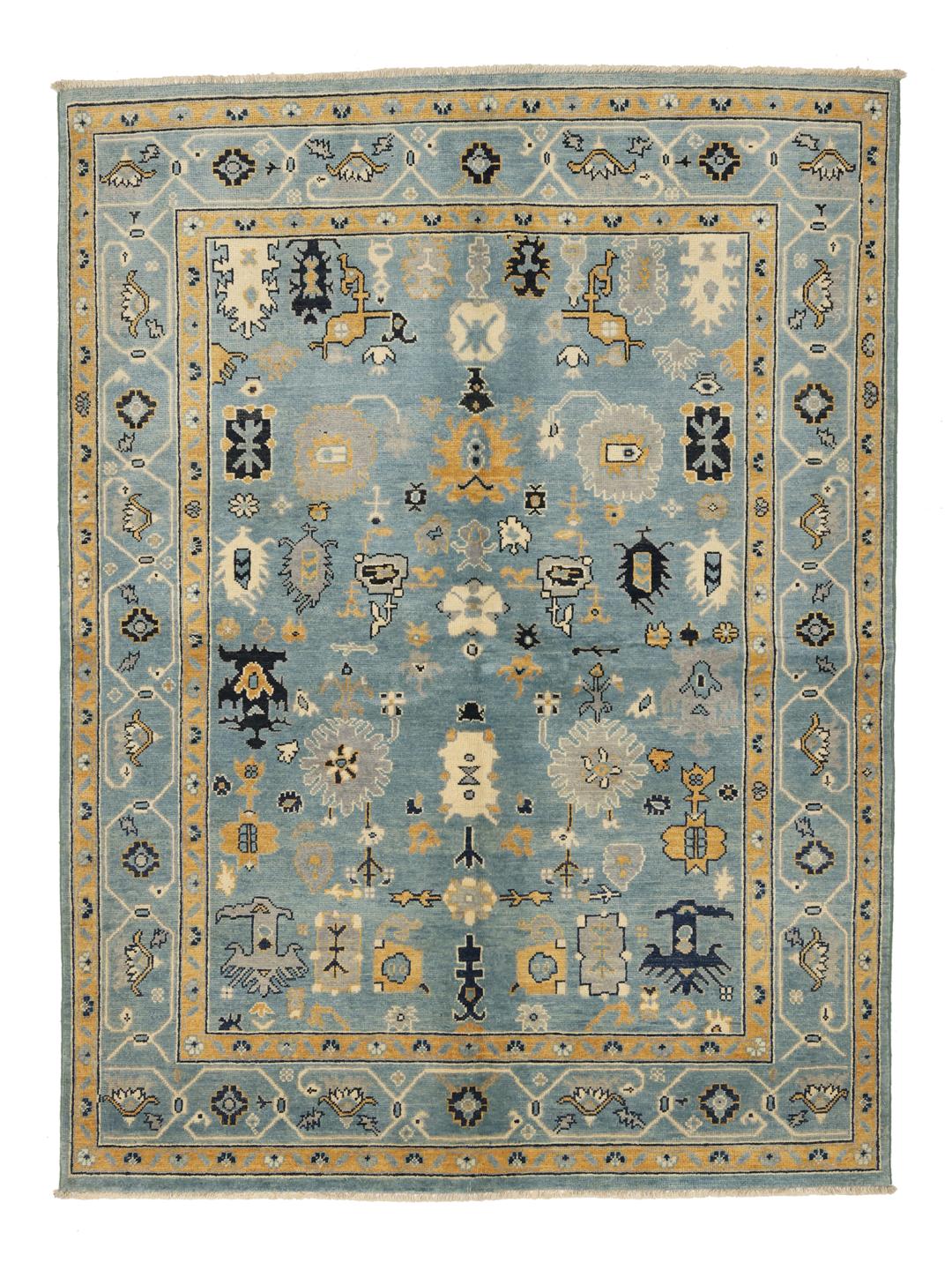
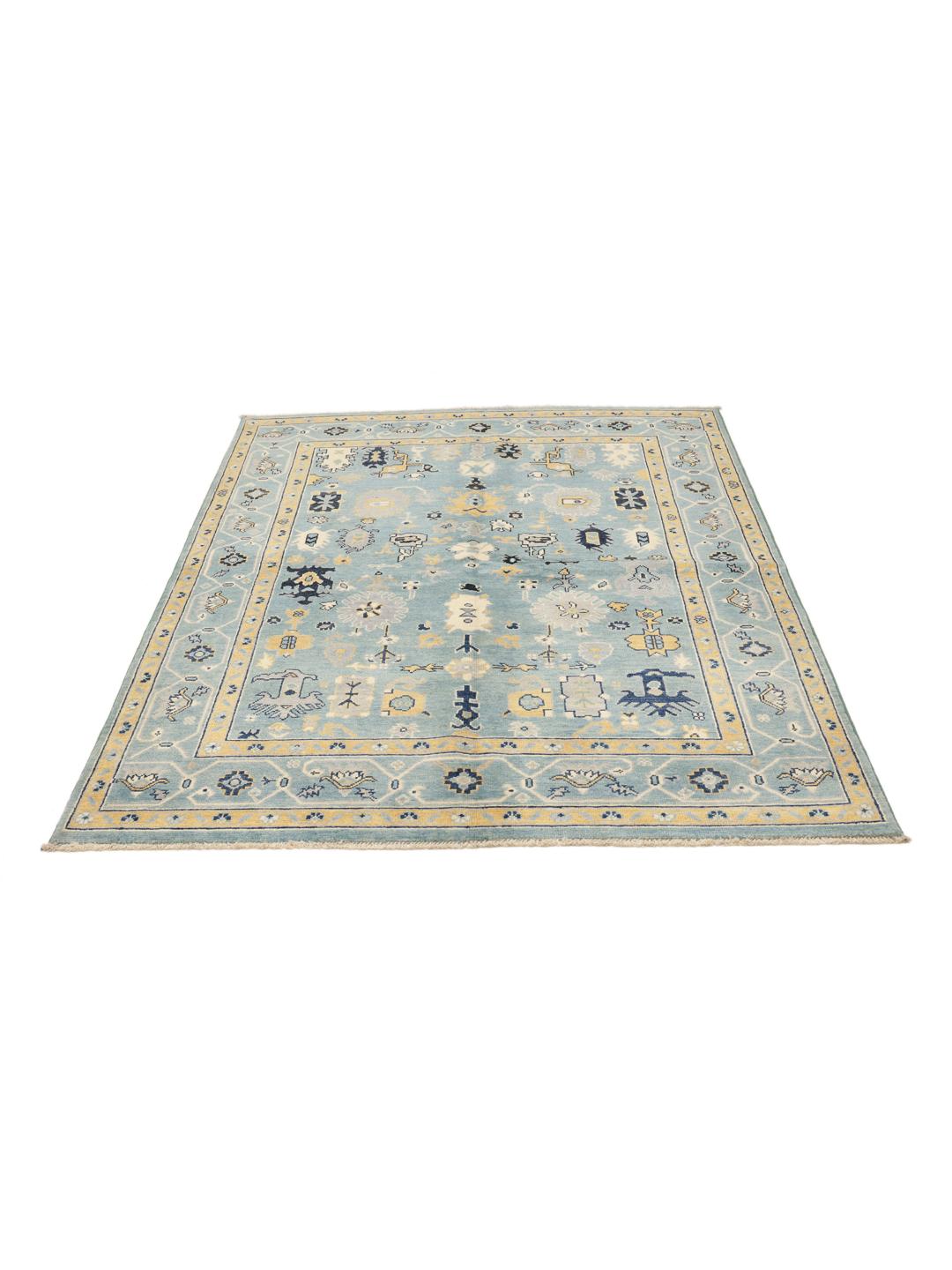
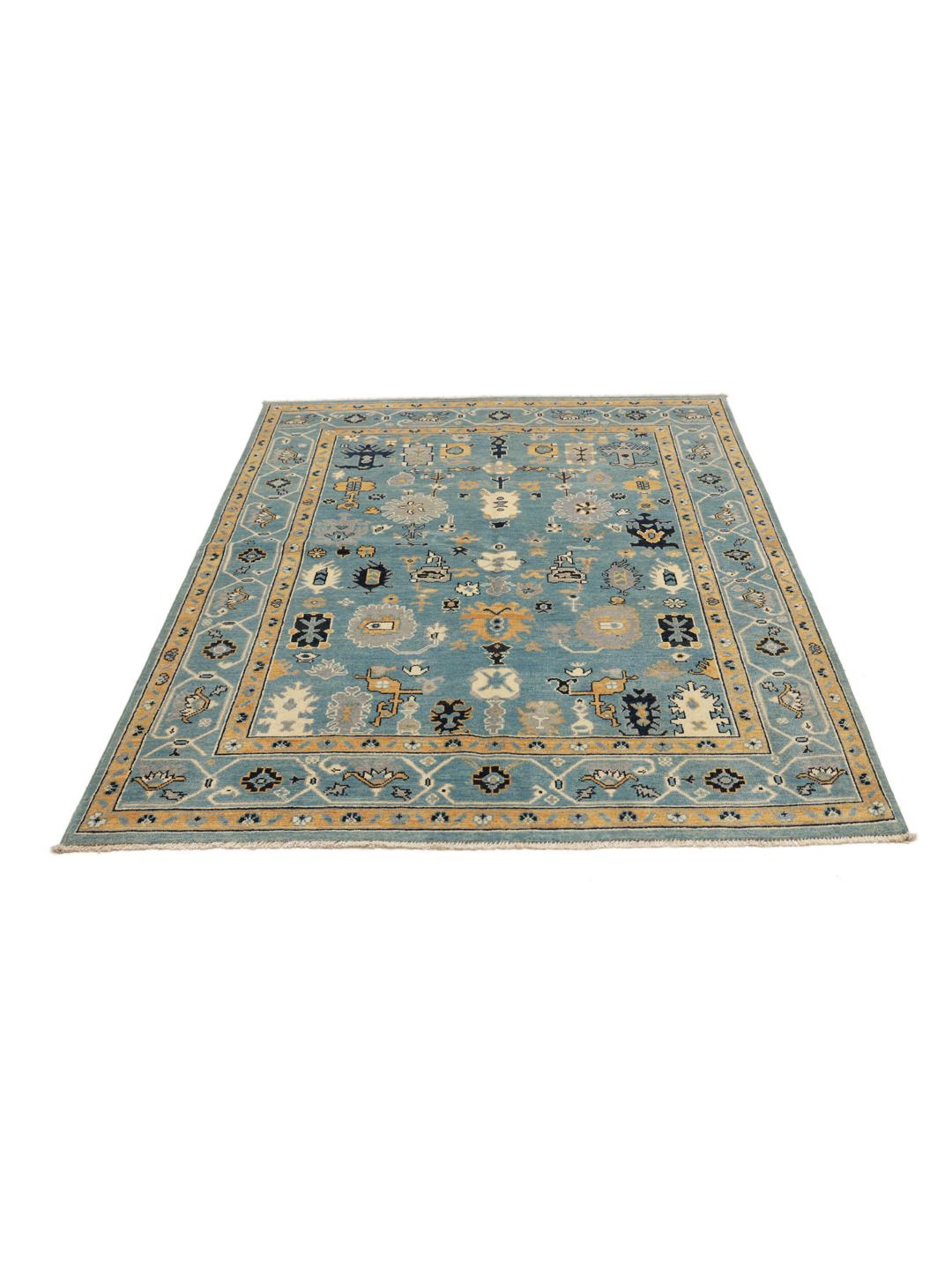
Kazak rugs find their origins in the Caucasus region, a historical crossroads of culture and craft. While the name originally referred to specific tribal weaving traditions from the mountainous areas between the Black and Caspian Seas, the term has evolved to represent a broader style of bold, geometric rugs. Today, the finest examples of this tradition are masterfully produced in Afghanistan, where weavers have adopted and adapted these classic motifs with great success.
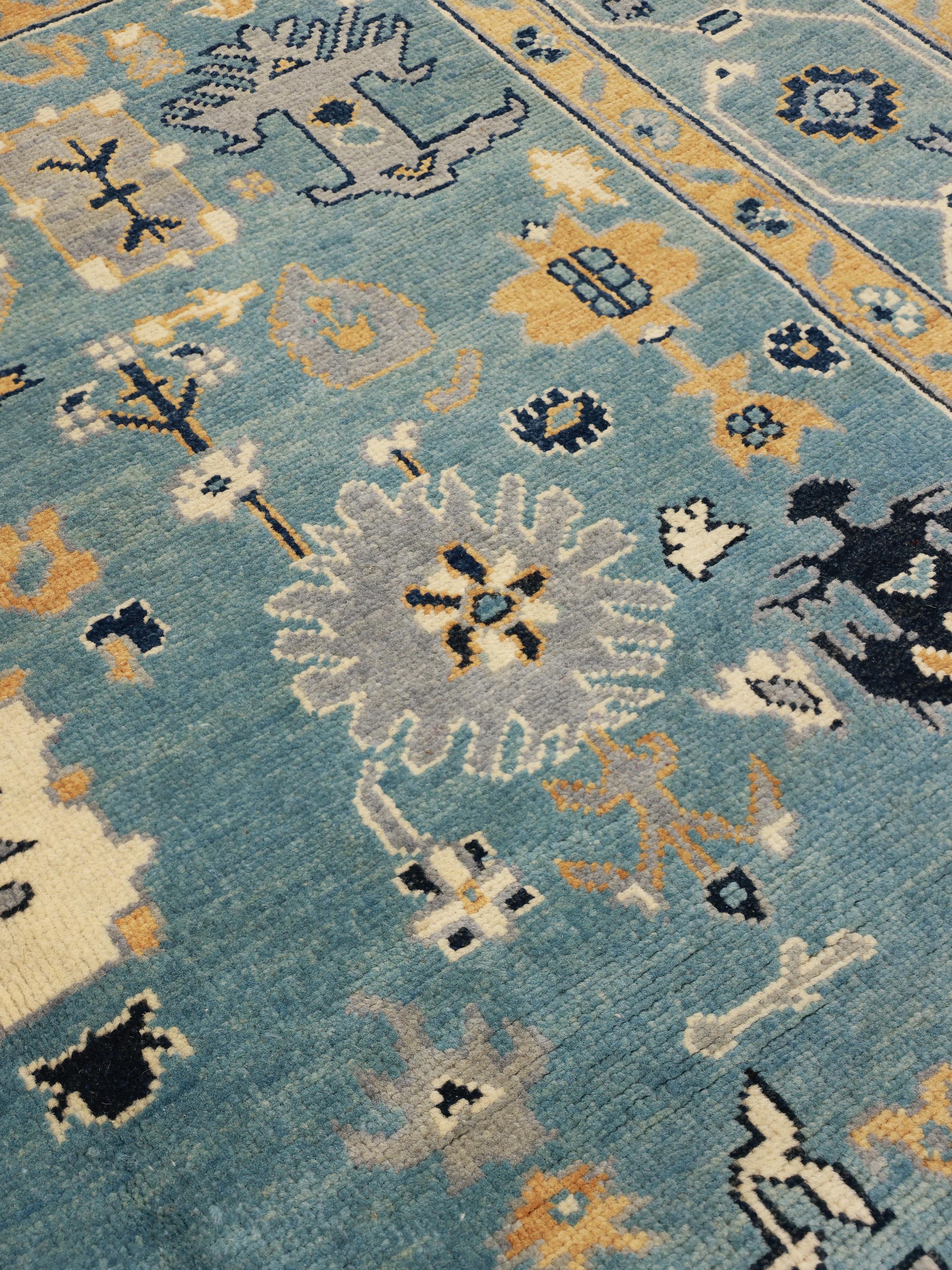
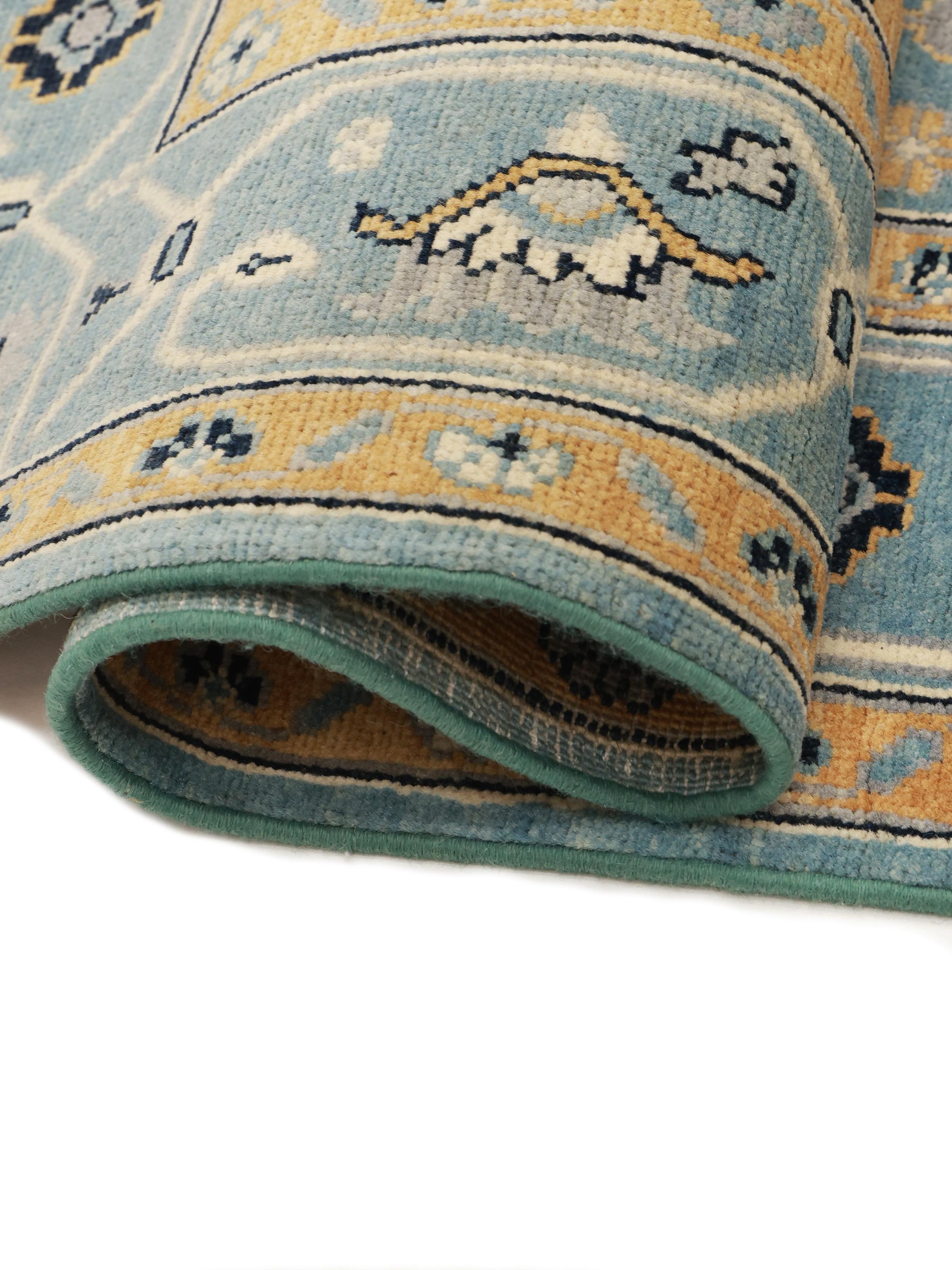
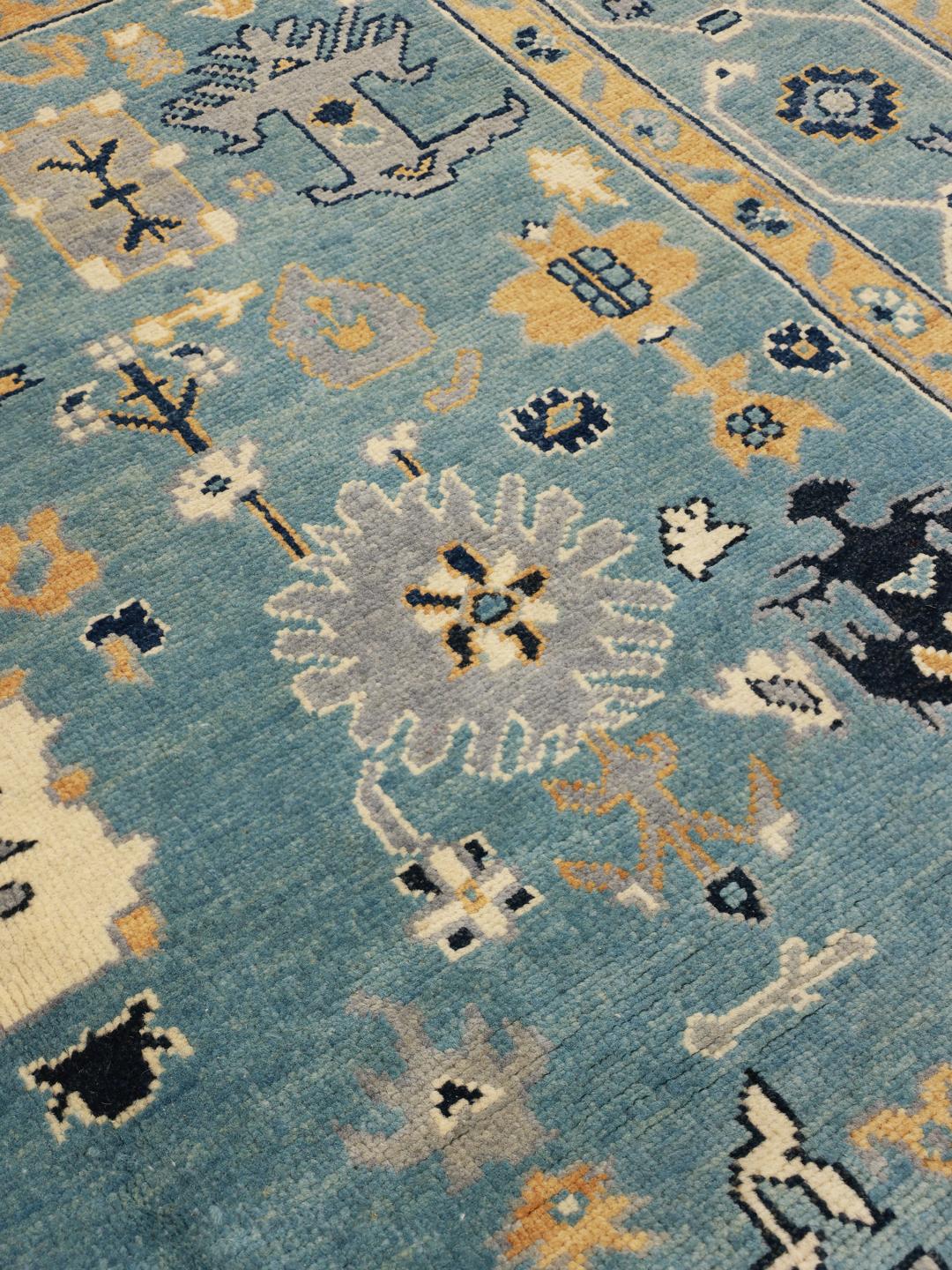
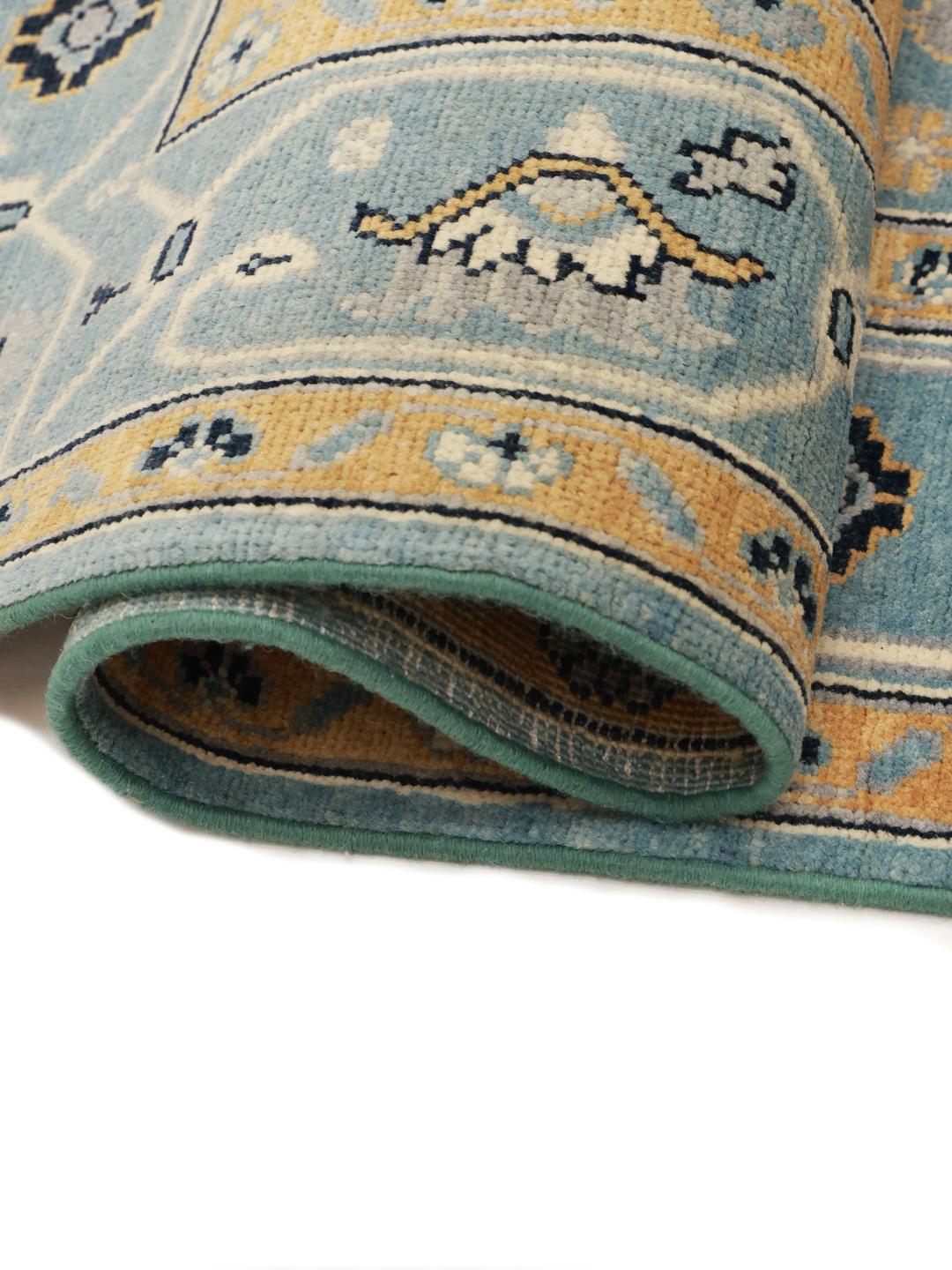
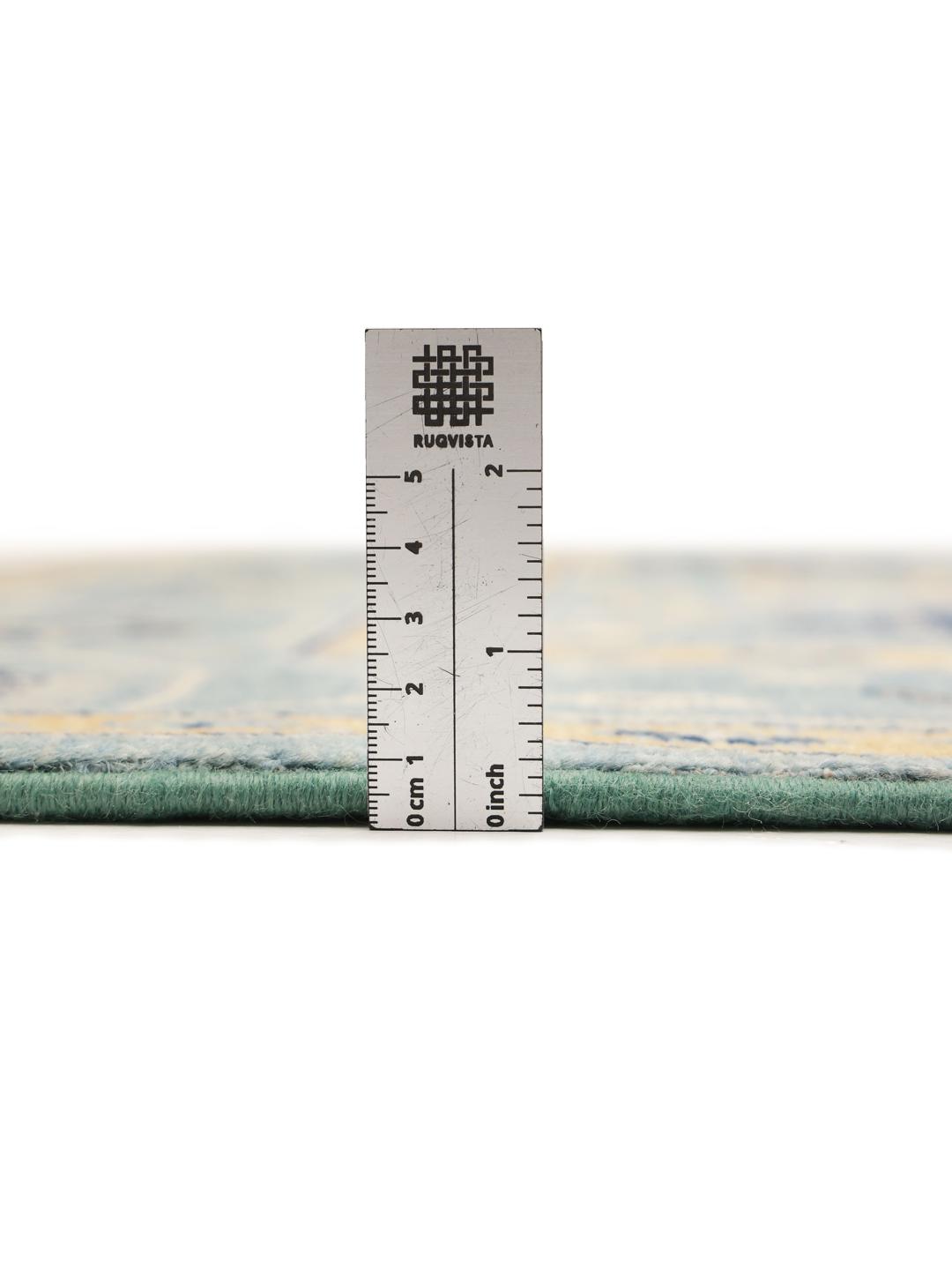
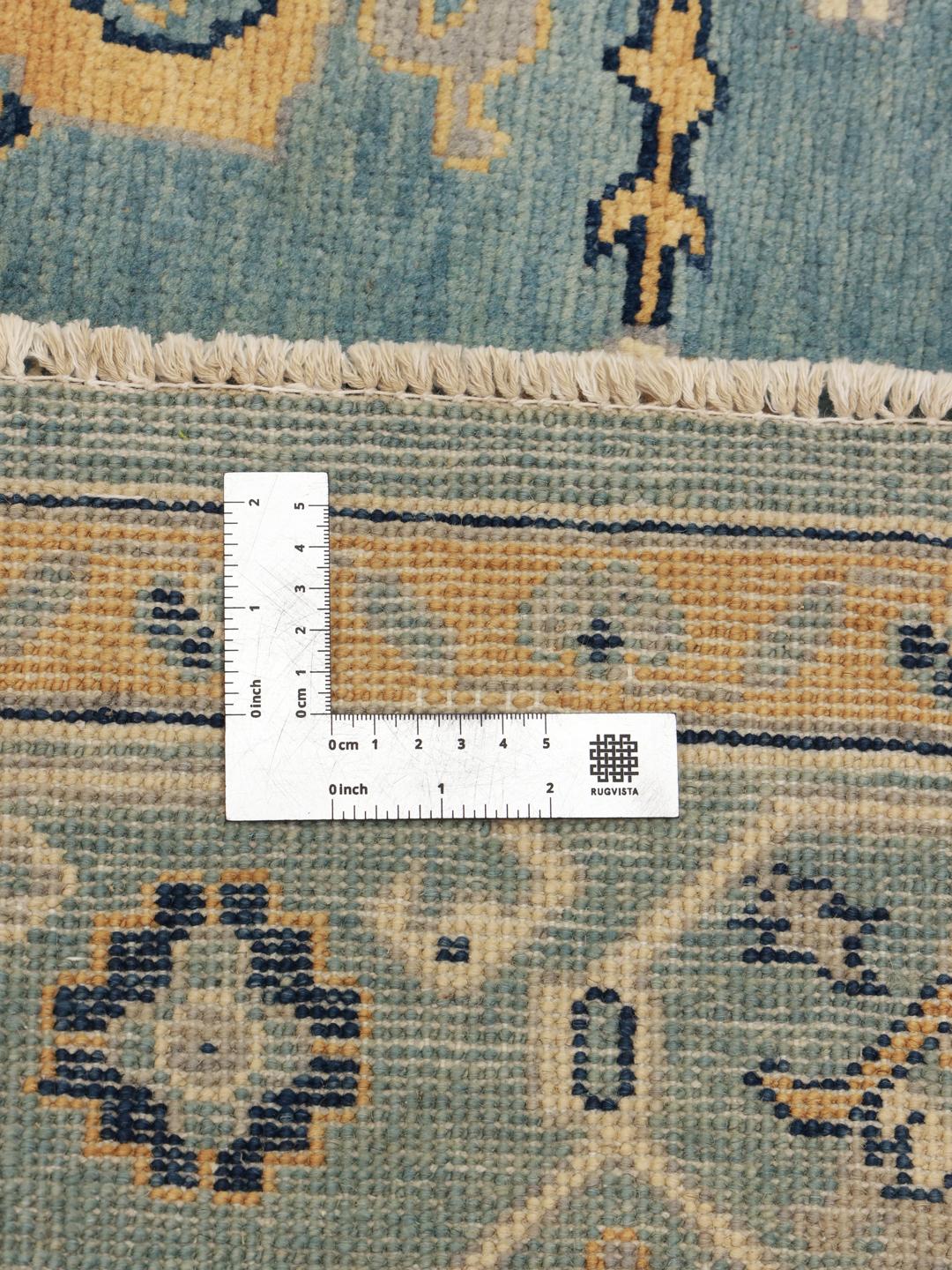
The term Kazak is synonymous with a specific approach to pile construction and design. These rugs are known for their sturdy, durable nature, which is achieved through the use of high-quality wool and dense, secure knotting. This construction method ensures that the rugs are not only beautiful but also capable of withstanding the rigours of daily life, making them prized possessions for those who value both form and function.
Visually, Kazak rugs are defined by their vibrant, geometric language. You will typically find bold, stylized medallions, geometric animals, and intricate floral motifs arranged in a way that feels both spontaneous and orderly. The borders are often wide and complex, framing the central field with repeating patterns that draw the eye inward. This specific rug reflects those traditions with its distinct, rhythmic composition and balanced use of space.
Owning a Kazak rug is an opportunity to connect with a long-standing tradition of nomadic and village artistry. These pieces are highly valued by collectors and enthusiasts alike for their expressive power and the high level of skill involved in their creation. By choosing a hand-knotted piece, you are supporting a craft that has been passed down through generations, ensuring that these meaningful artistic traditions continue to thrive in modern homes.