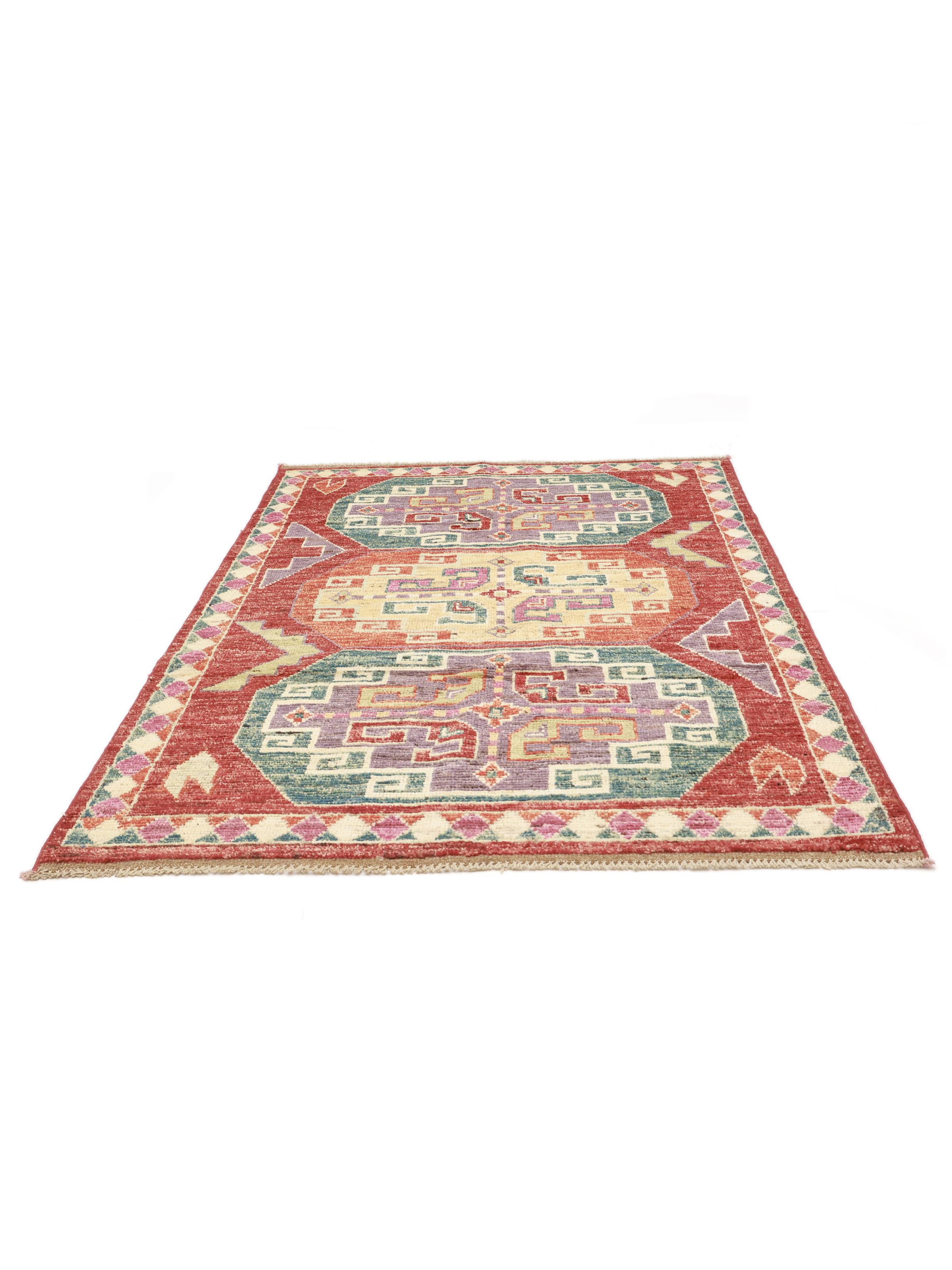
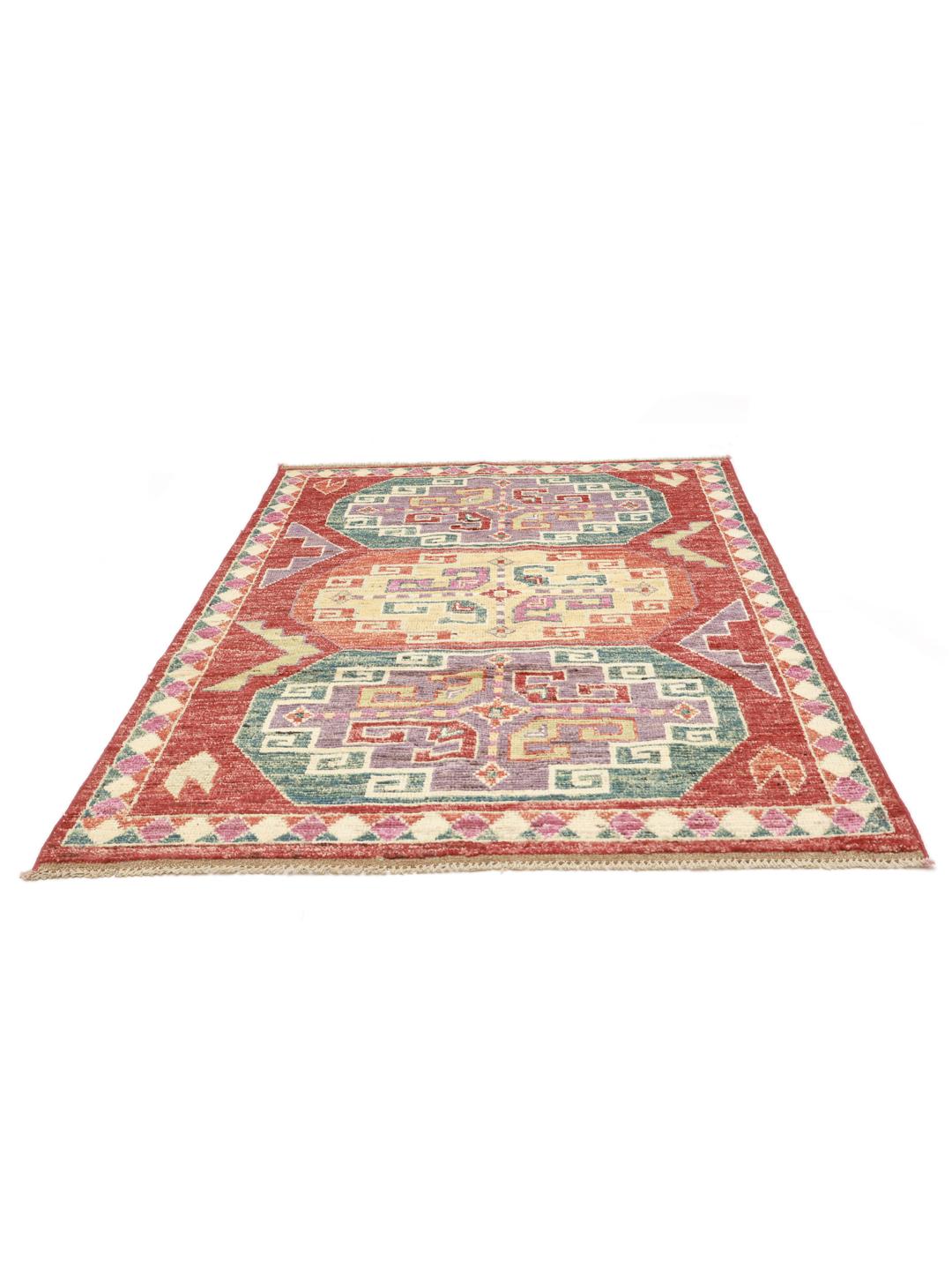
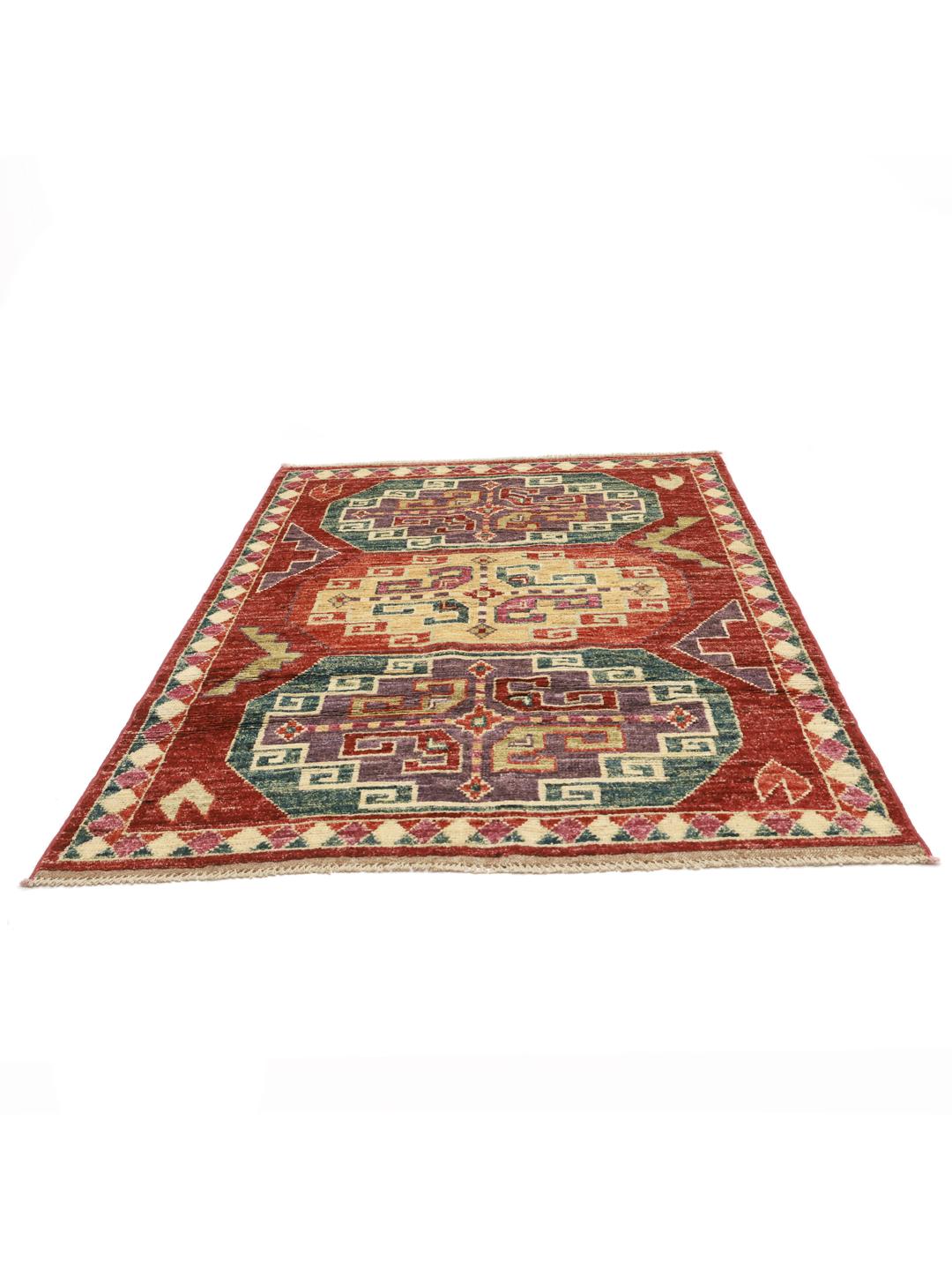
Kazak rugs have a storied history rooted in the Caucasus region, where they were traditionally woven by nomadic tribes. While the original style emerged from the mountainous landscapes of the Caucasus, the tradition evolved and flourished as weavers brought these distinctive designs to other regions, including Afghanistan. Today, these rugs are celebrated for their bold, graphic aesthetic and the way they bridge the gap between ancient tribal artistry and contemporary design.
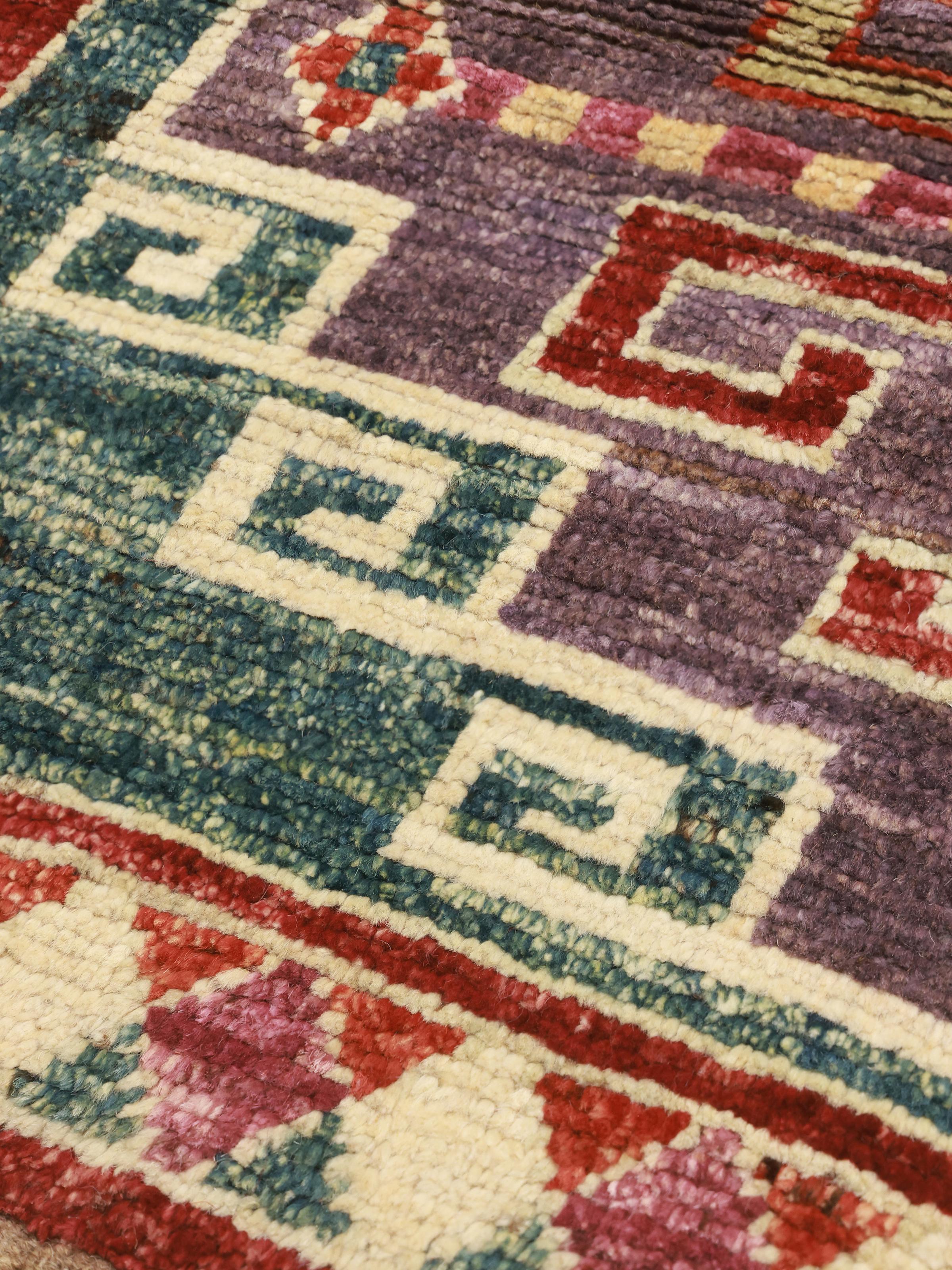
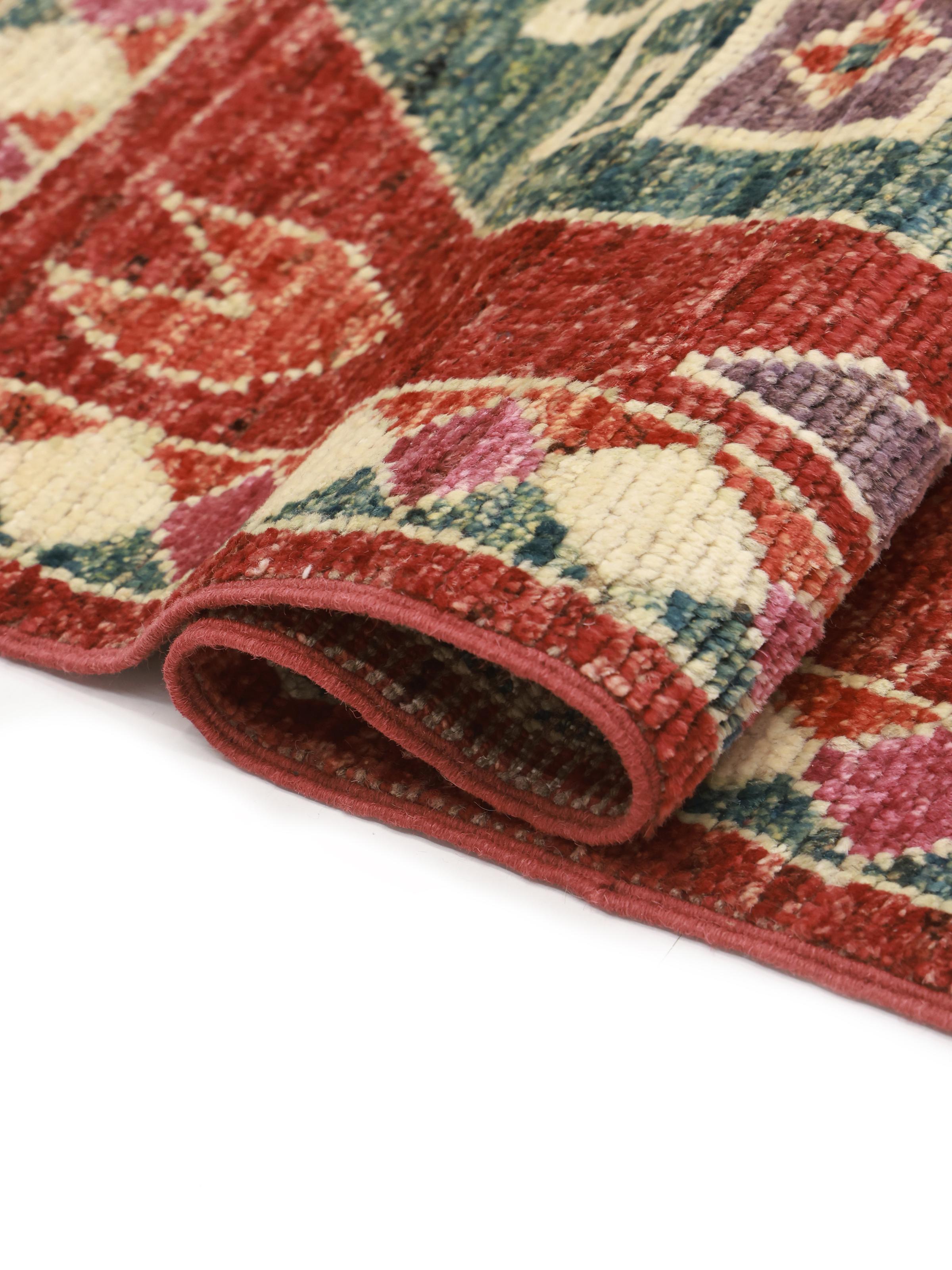
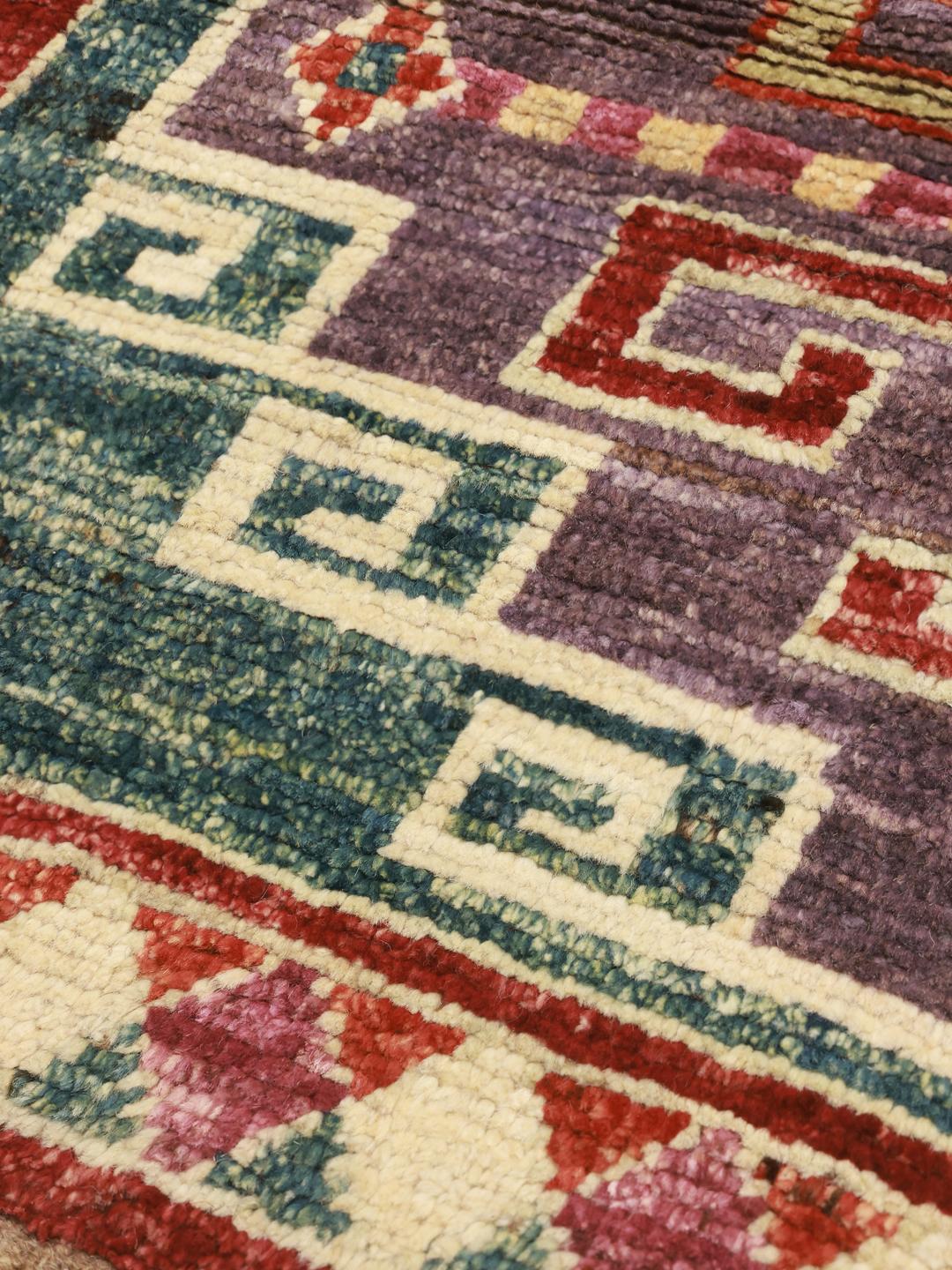
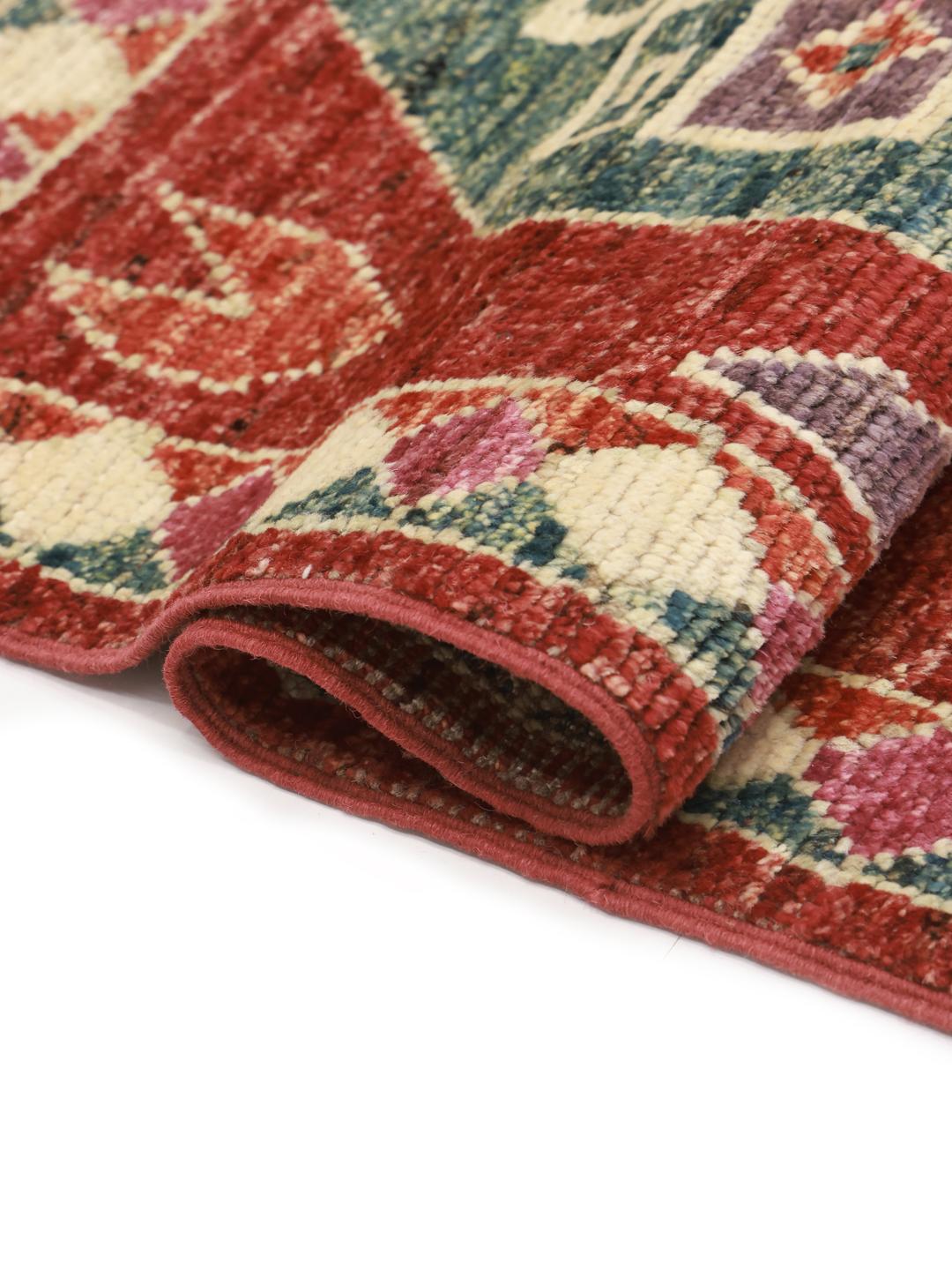
The term Kazak refers to a specific style of weaving that prioritises a sturdy, durable construction and a vibrant, expressive visual language. Unlike some more delicate weaving traditions, the Kazak style is known for its heavier pile and long-lasting nature, which has made it a favourite among collectors who value both beauty and functionality in their home textiles.
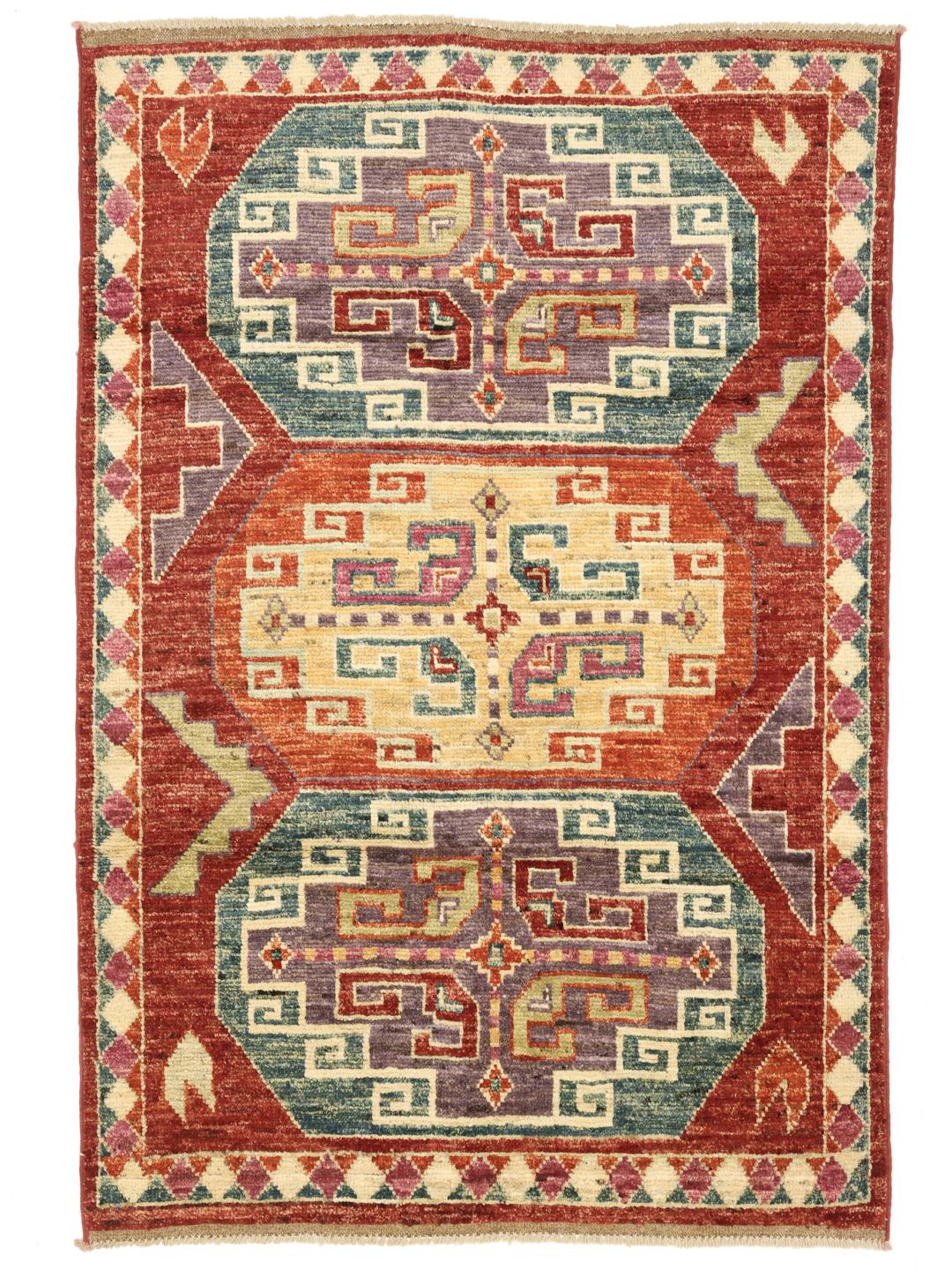
Visually, these rugs are defined by their large-scale geometric medallions, often referred to as guls or tribal motifs, which are set against field colours that are traditionally deep and saturated. The use of strong, contrasting borders and angular, simplified shapes is a hallmark of the tradition, creating a powerful visual rhythm that can ground a room and add a sense of history and depth to modern living spaces.
Owning a Kazak rug is an invitation to engage with a long-standing tradition of skill and cultural storytelling. These rugs are highly valued for their ability to bring a sense of warmth and heritage into the home, acting as more than just a floor covering but as a testament to the weaver’s creative vision. They remain a staple for those who appreciate the legacy of hand-crafted textiles and the enduring quality of natural materials.