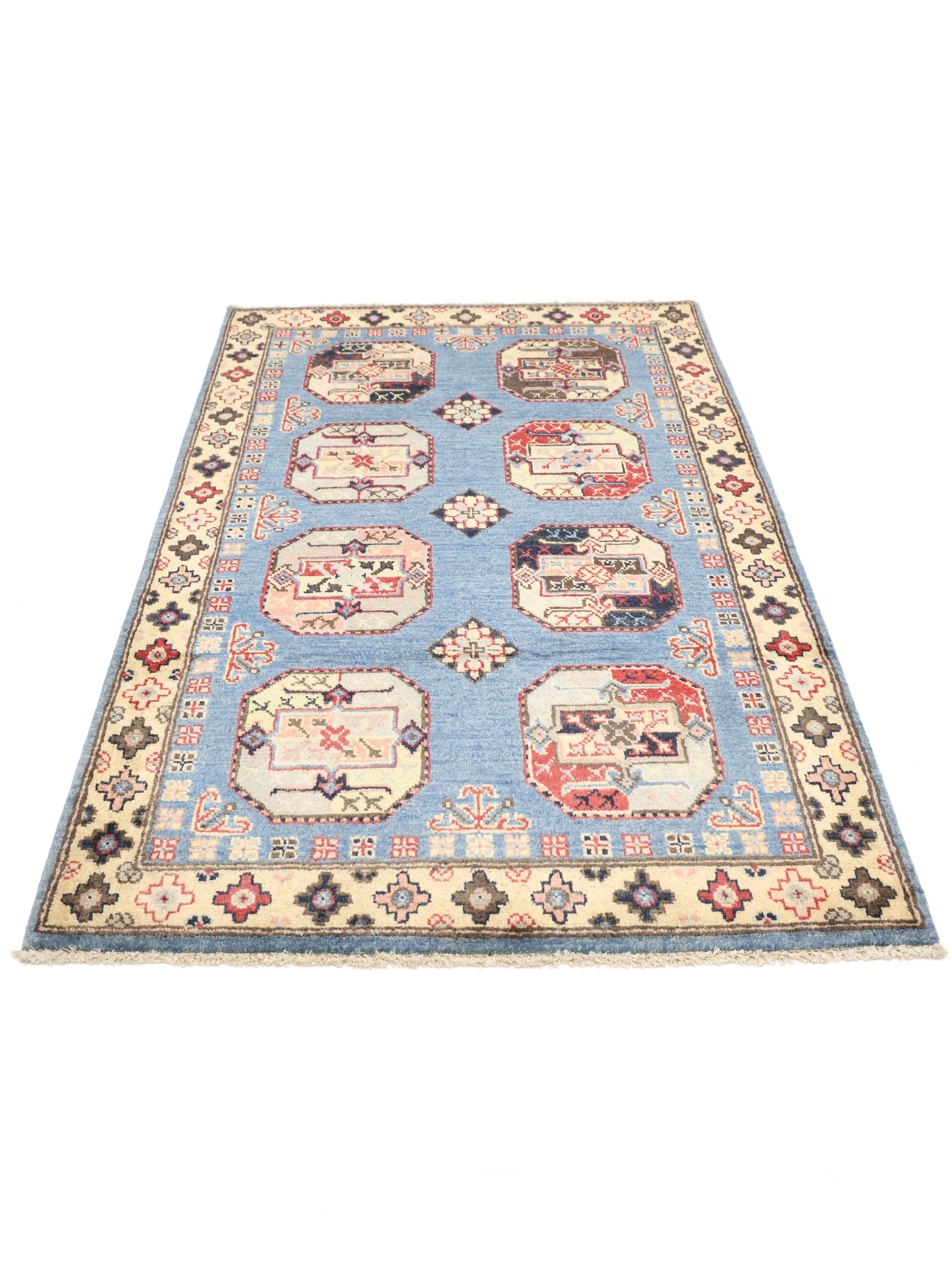
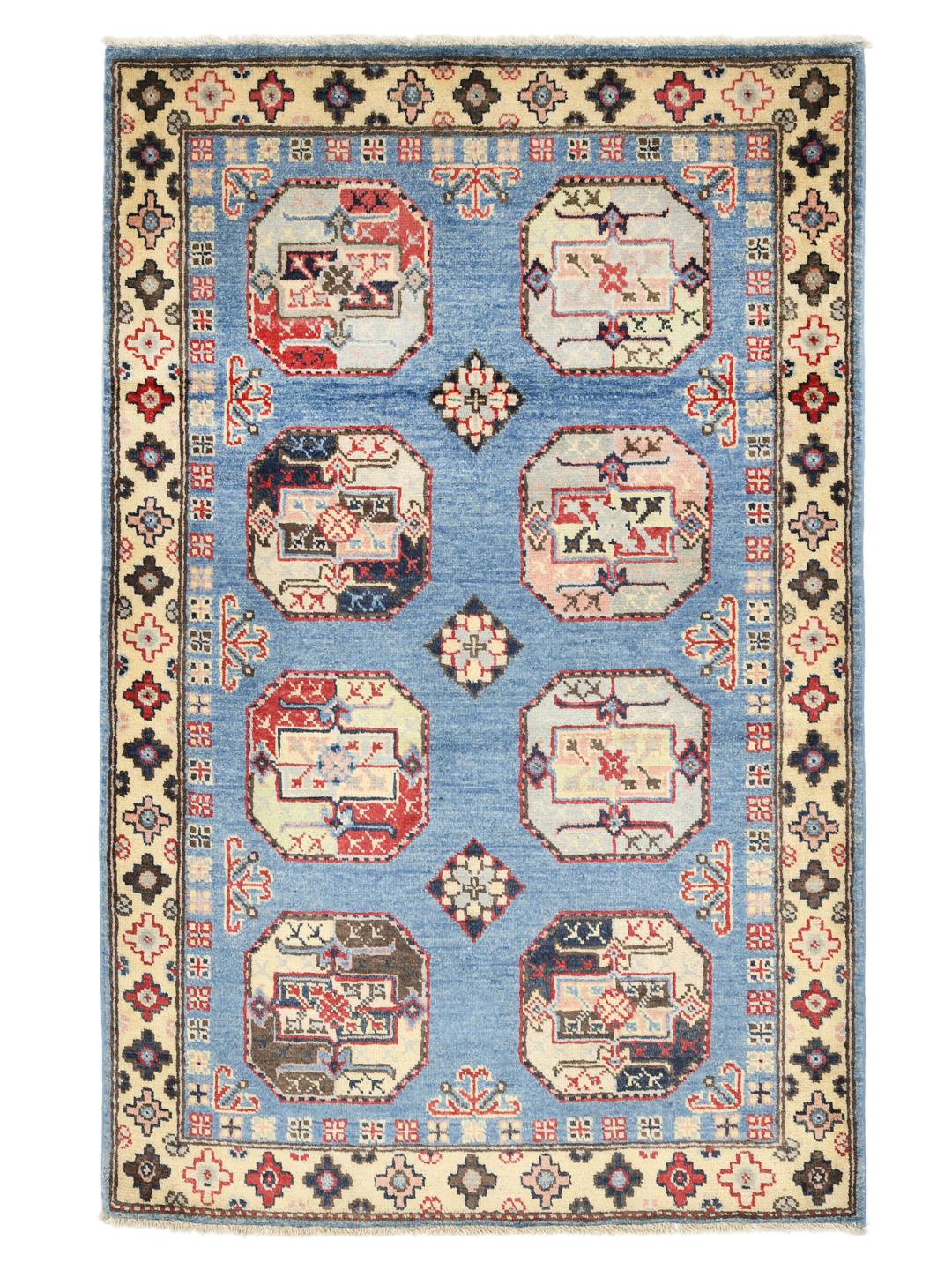
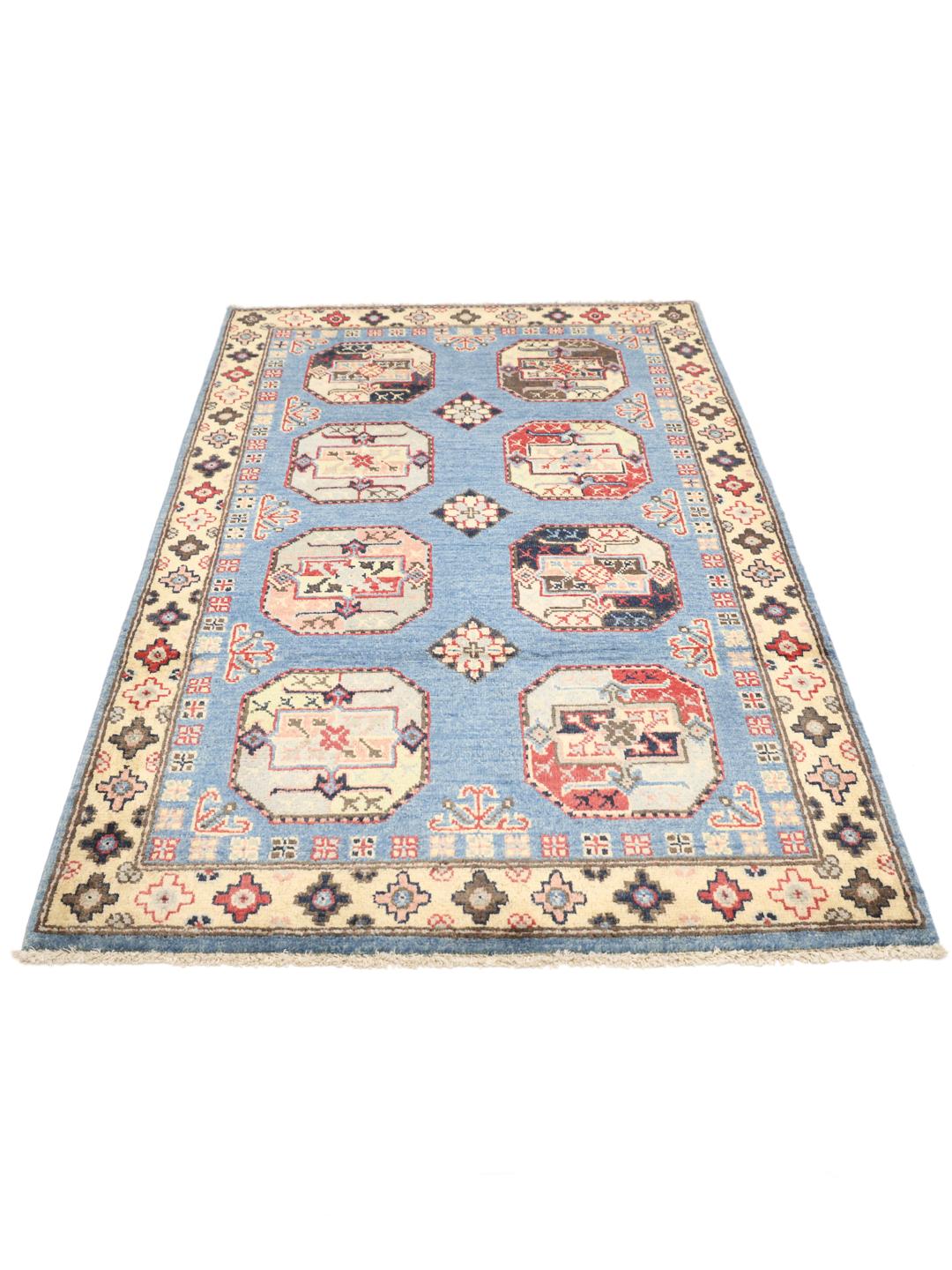
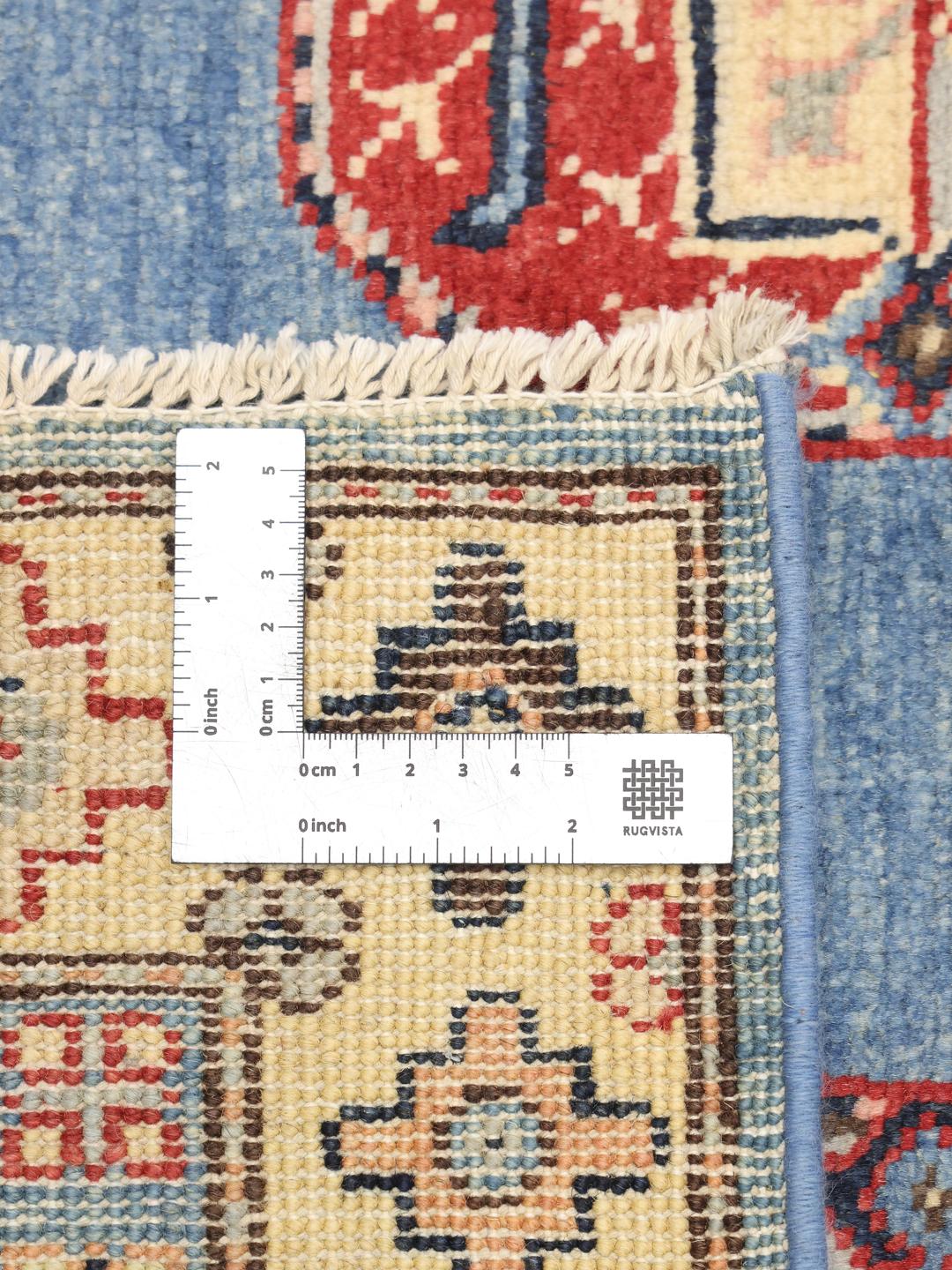
The Kazak rug tradition finds its roots in the mountainous regions of the Caucasus, though today, some of the most vibrant and high-quality examples are woven in Afghanistan. These rugs are renowned for their bold, graphic aesthetics and their ability to bridge the gap between ancient traditions and modern living spaces. The migration of these weaving techniques to Afghanistan has allowed a new generation of artisans to preserve these iconic styles while infusing them with local materials and regional expertise.
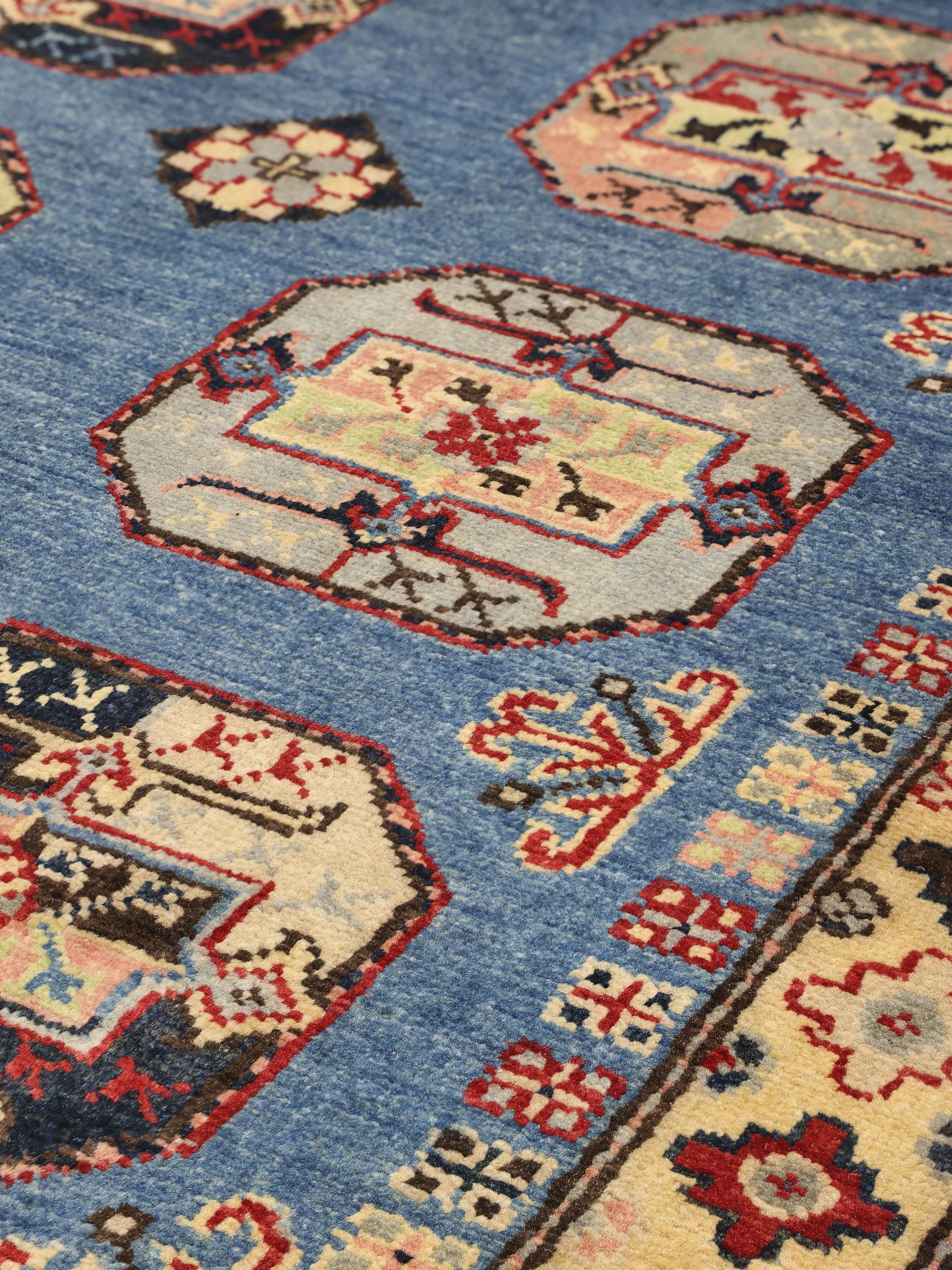
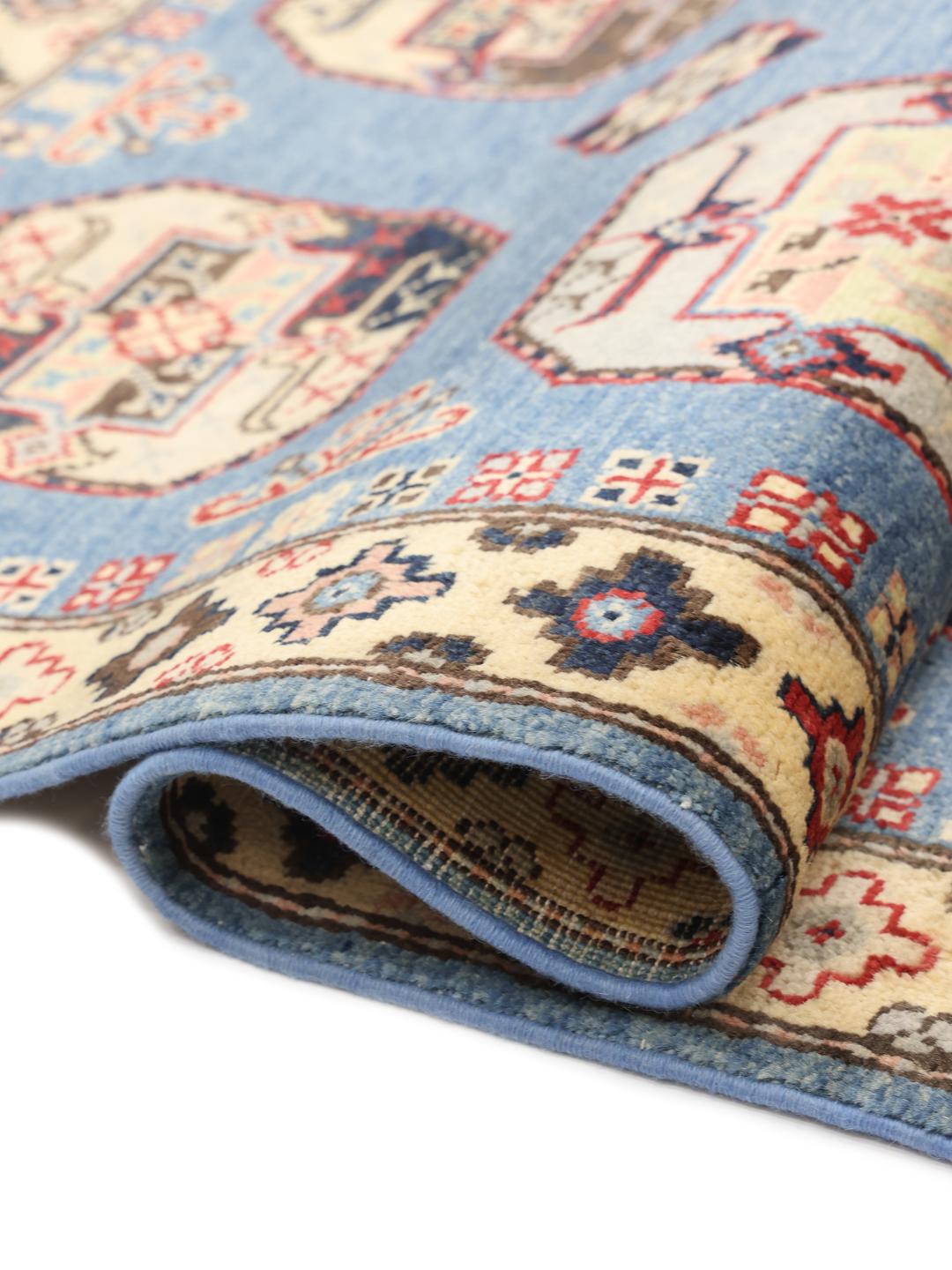
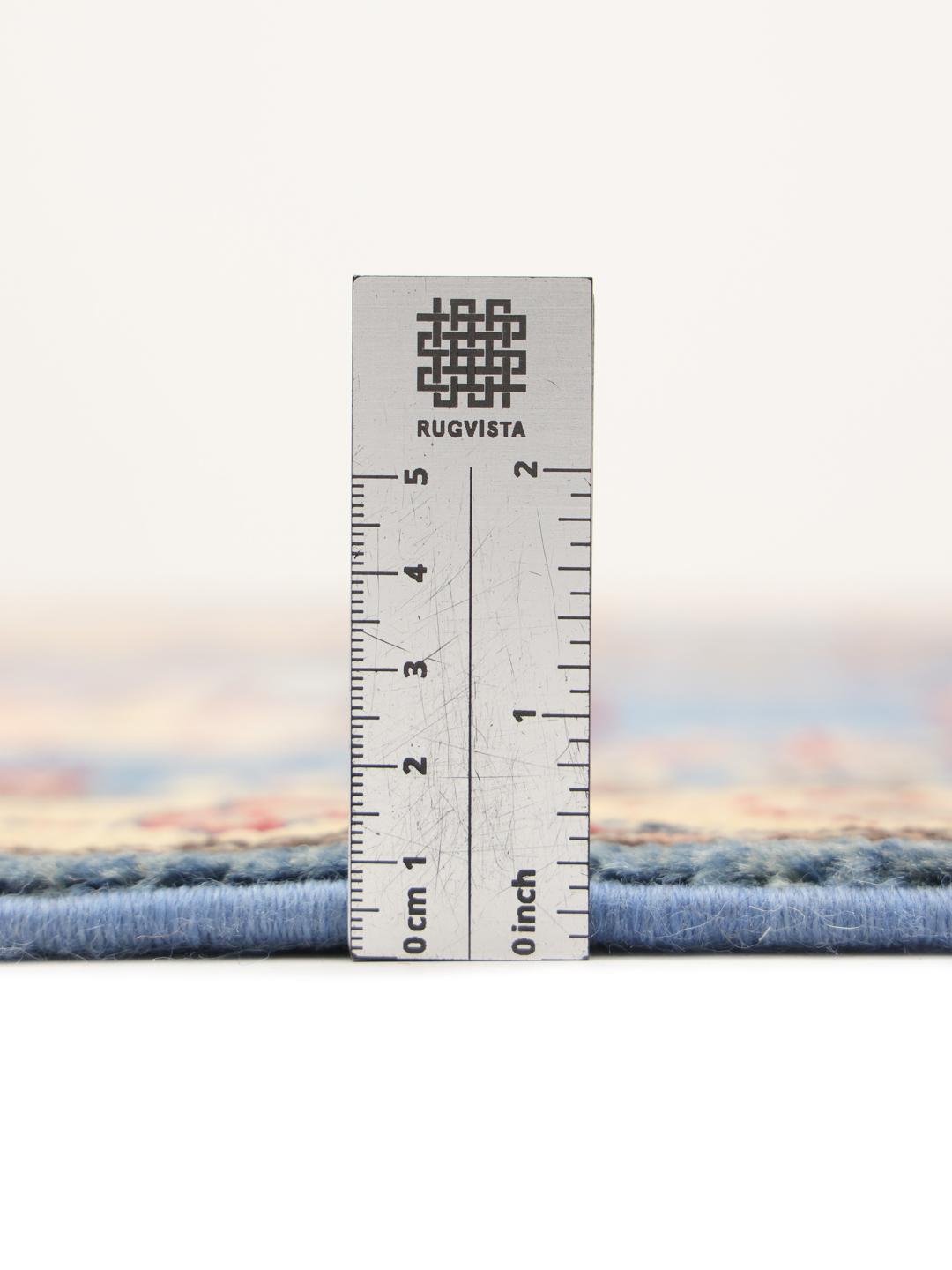
The term 'Kazak' often refers to a style characterised by a heavy, durable pile and a specific, spirited approach to design. In these rugs, the foundation is typically made from robust natural fibres, which provide the structural stability necessary for the thick, wool-rich pile. This construction is highly valued because it creates a rug that is both substantial and comfortable, capable of aging gracefully even in high-traffic areas of the home.
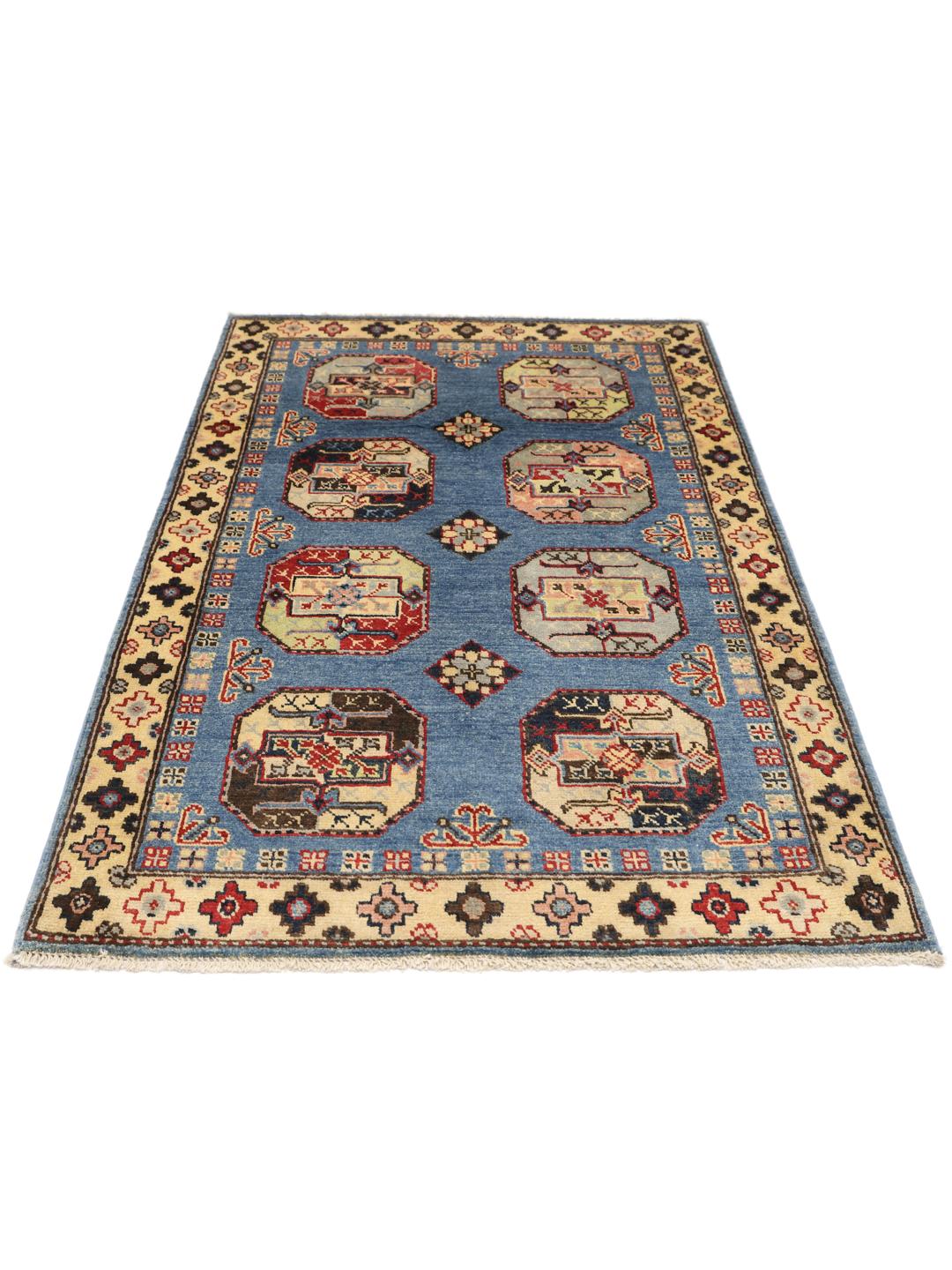
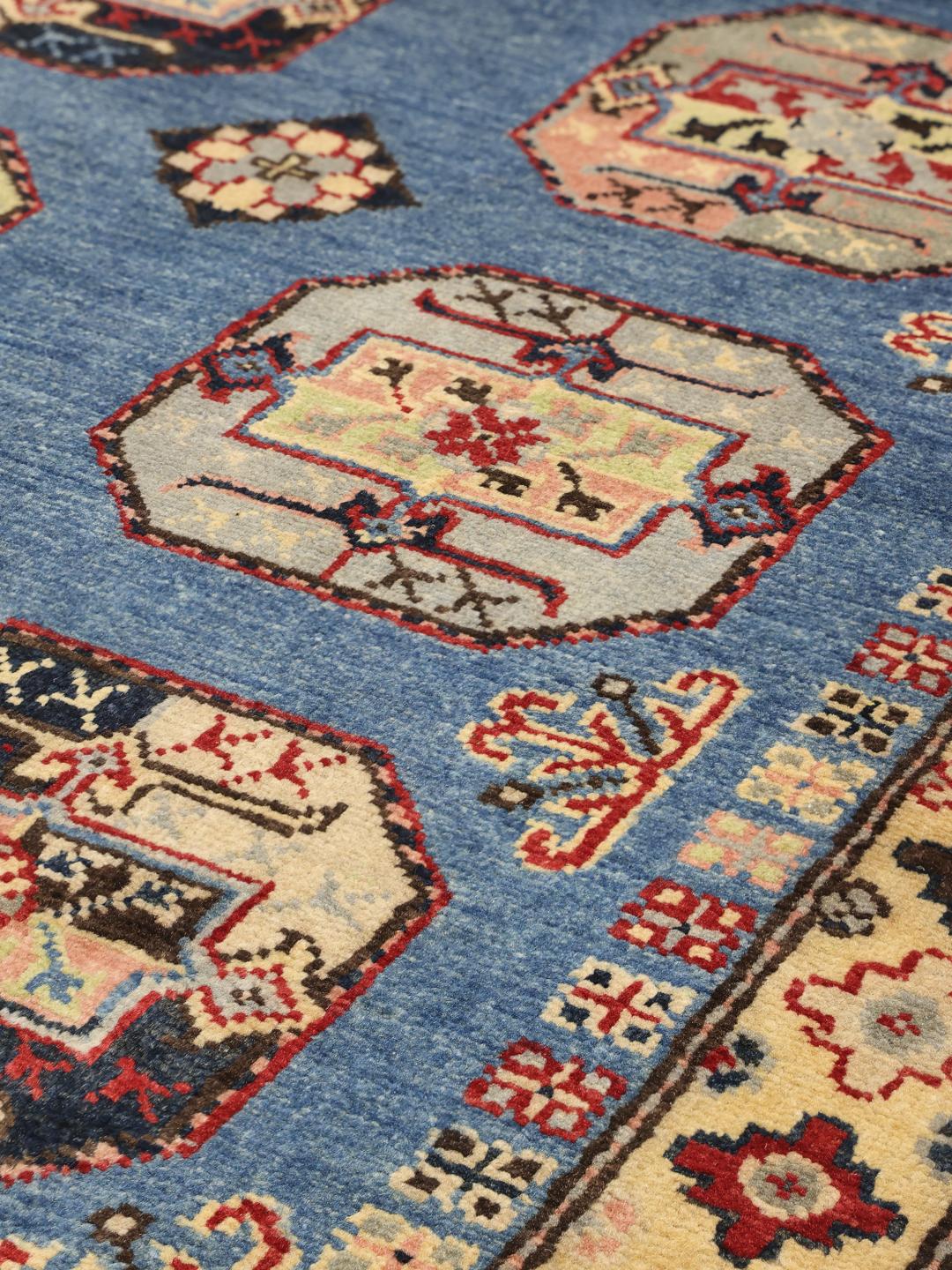
Visually, these rugs are best known for their dramatic, large-scale geometric motifs. Central to the design are often repeating medallions, stylised stars, and geometric representations of animals or plants, all framed by intricate, multi-layered borders. The use of a bold blue field is a classic design choice, providing a calm yet striking backdrop that allows the warmer tones in the motifs to pop with clarity and purpose.
Owning a piece from this tradition is an act of supporting a long-standing cultural heritage. Collectors and enthusiasts value these rugs not only for their striking look but for the human skill required to produce them. Each rug is a repository of history and technique, offering a sense of connection to the artisans who have kept these complex weaving traditions alive for generations.