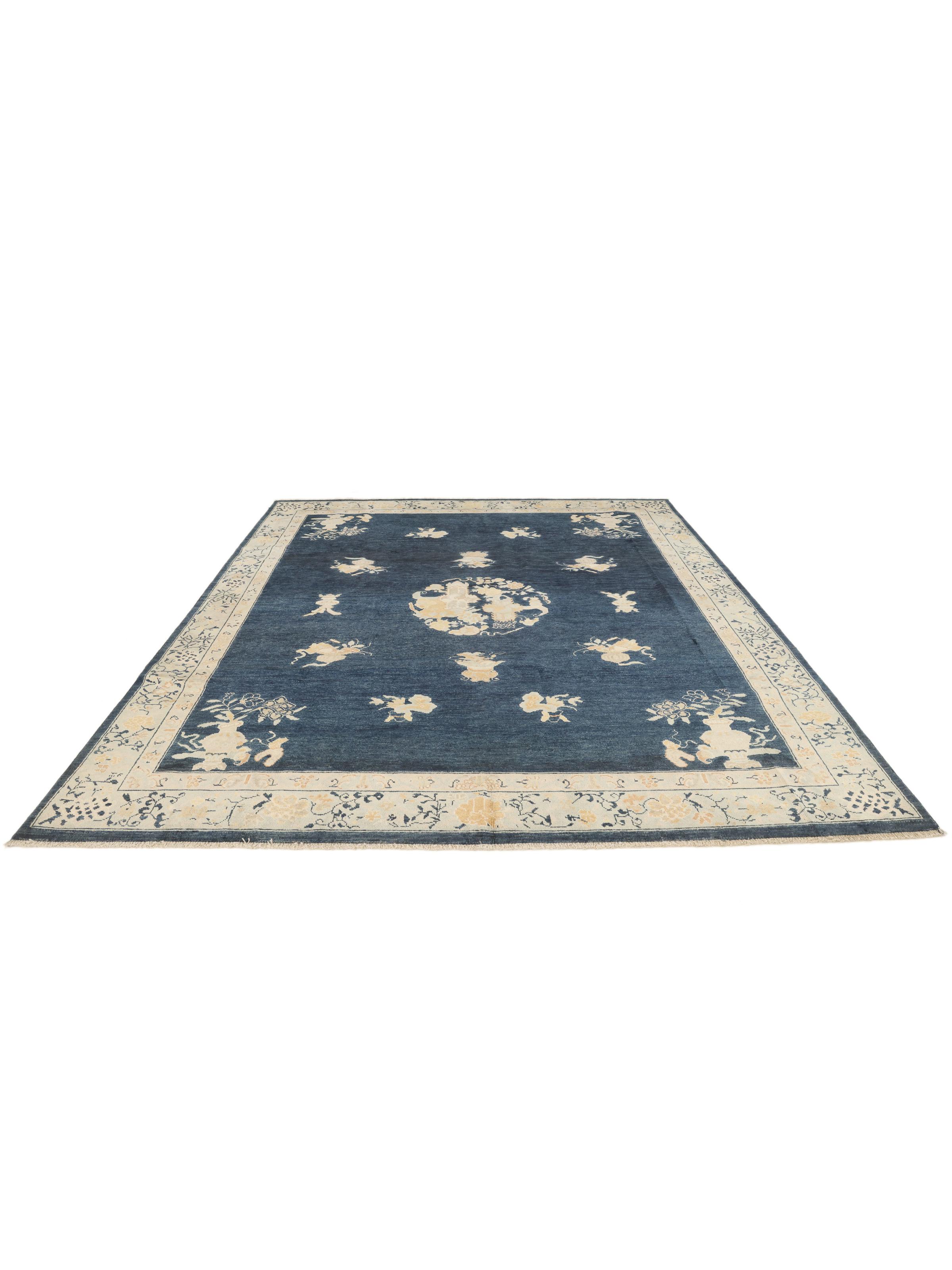
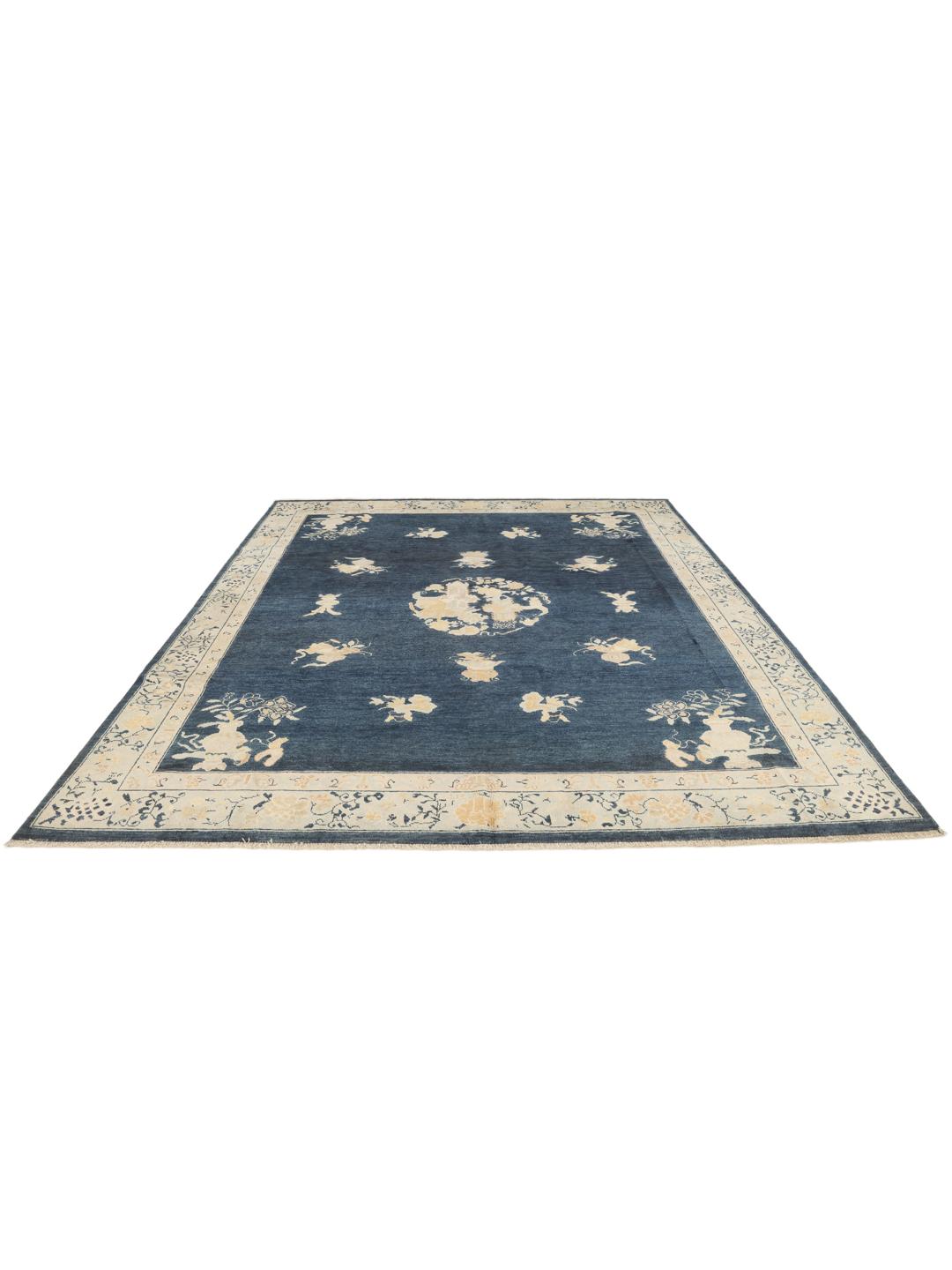
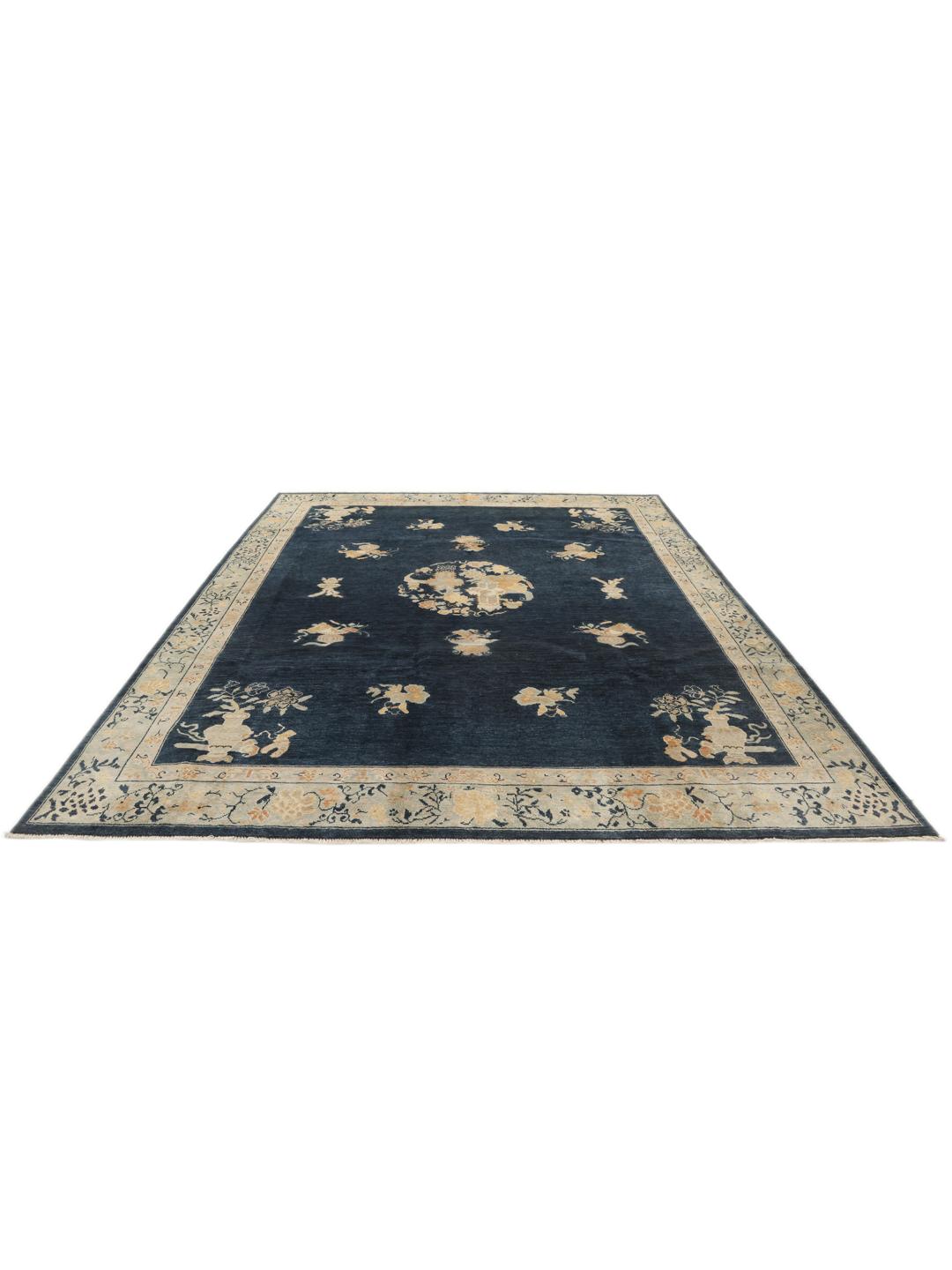
The Kazak rug tradition is rooted in the rich textile heritage of the Middle East, where weaving has served as both a practical necessity and a form of artistic expression for centuries. While the name originally refers to specific tribal styles, these rugs have evolved through a long history of migration and cultural exchange, eventually finding a vibrant home in the weaving workshops of Afghanistan.
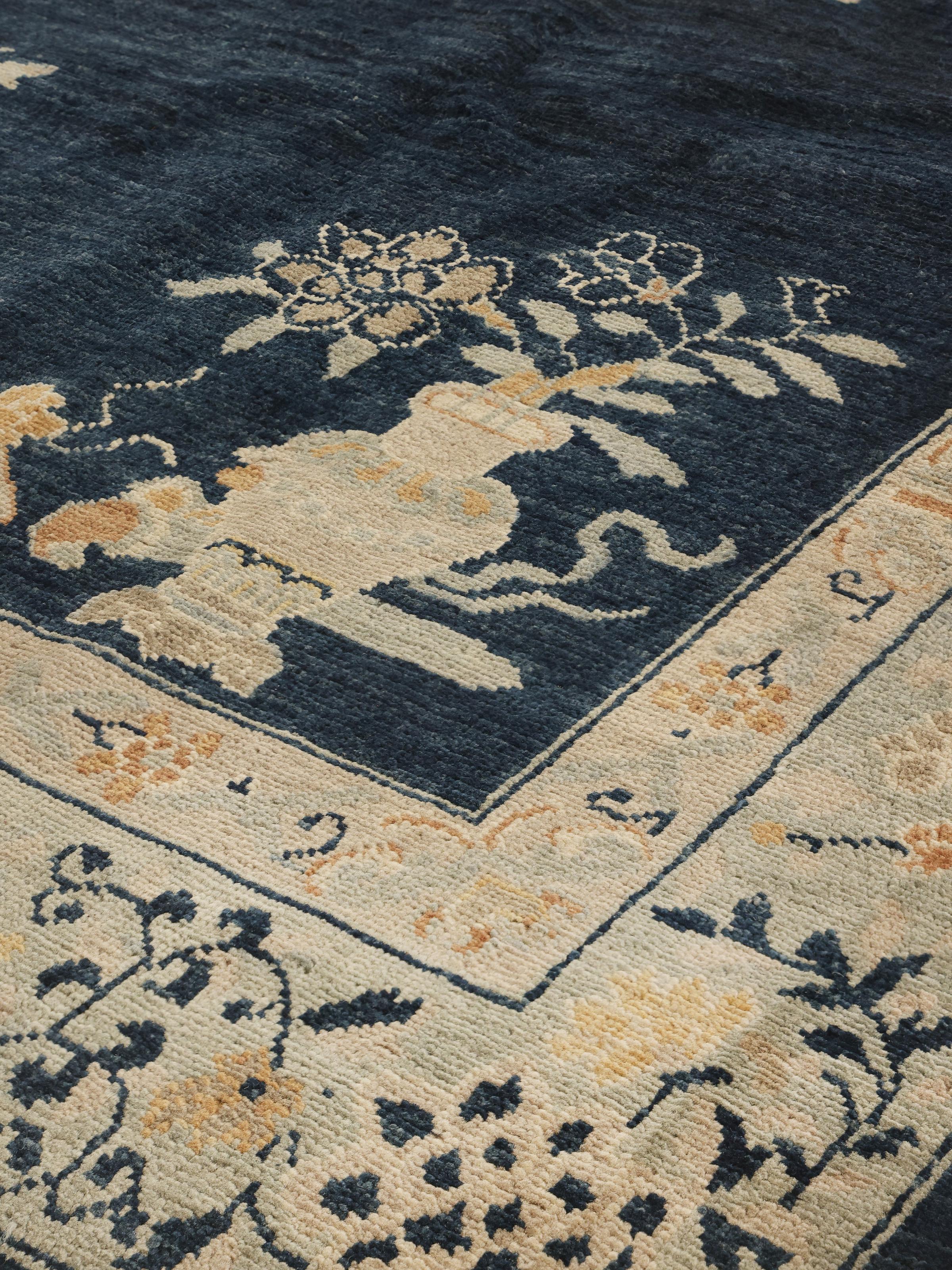
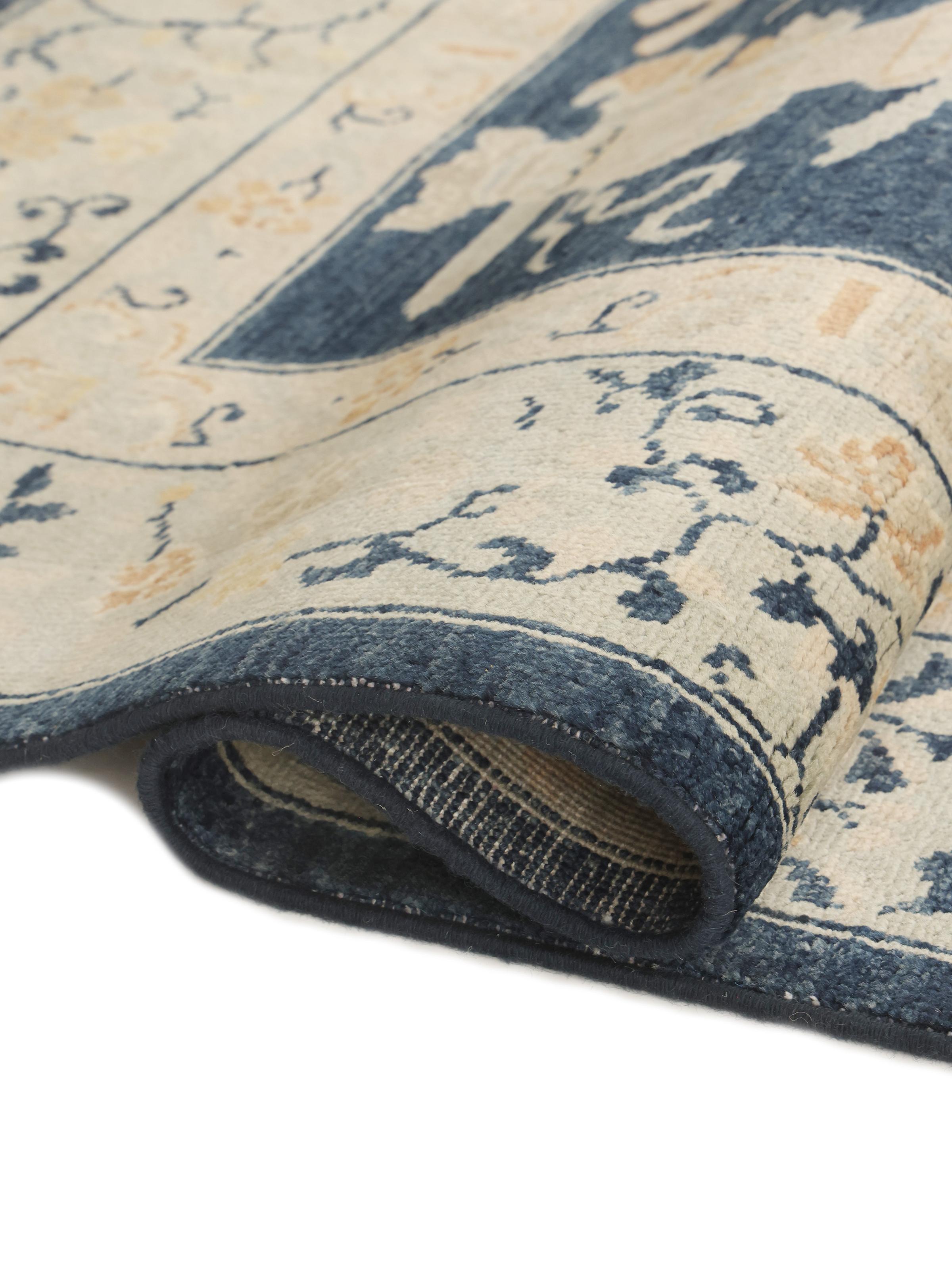
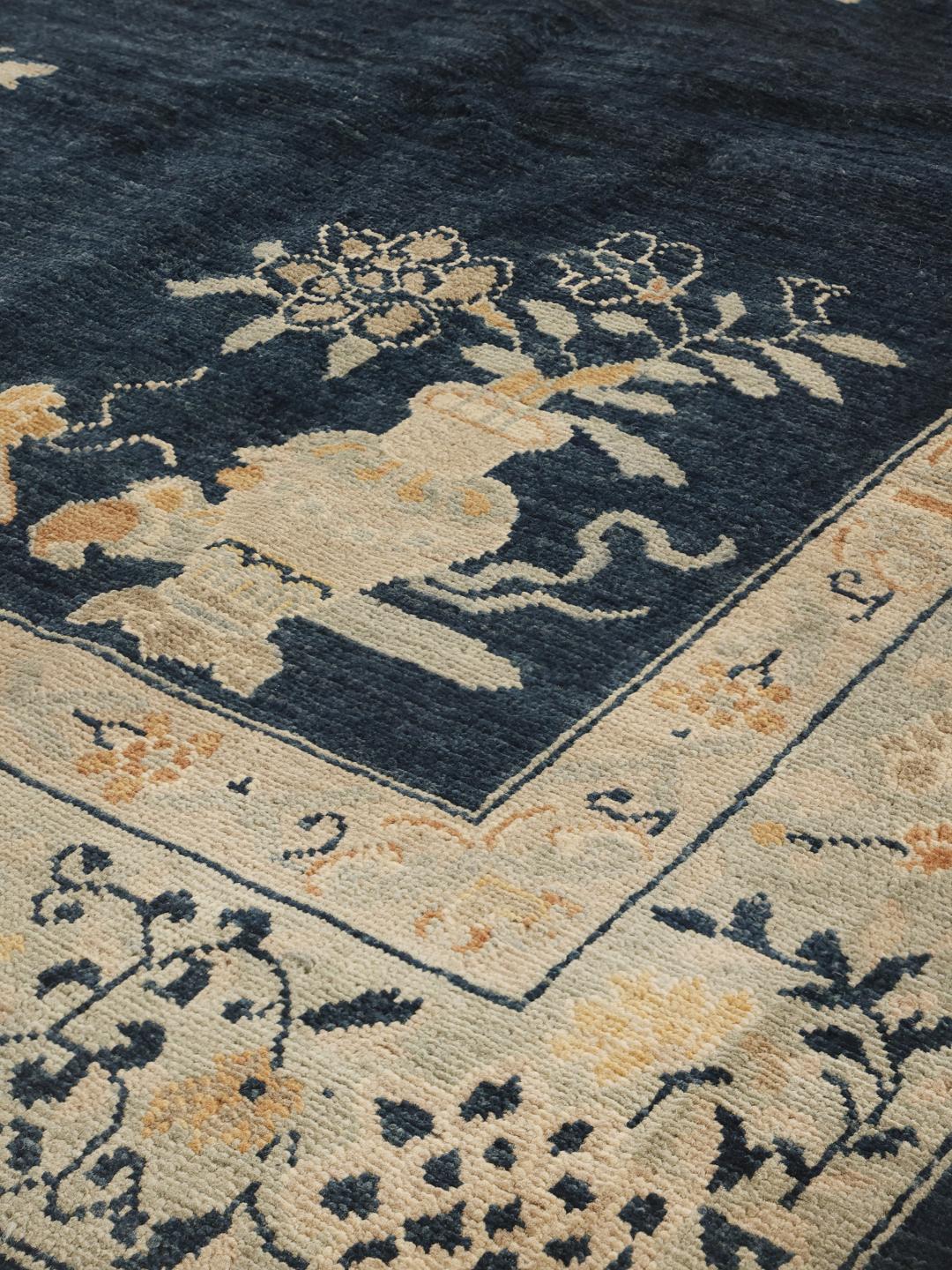
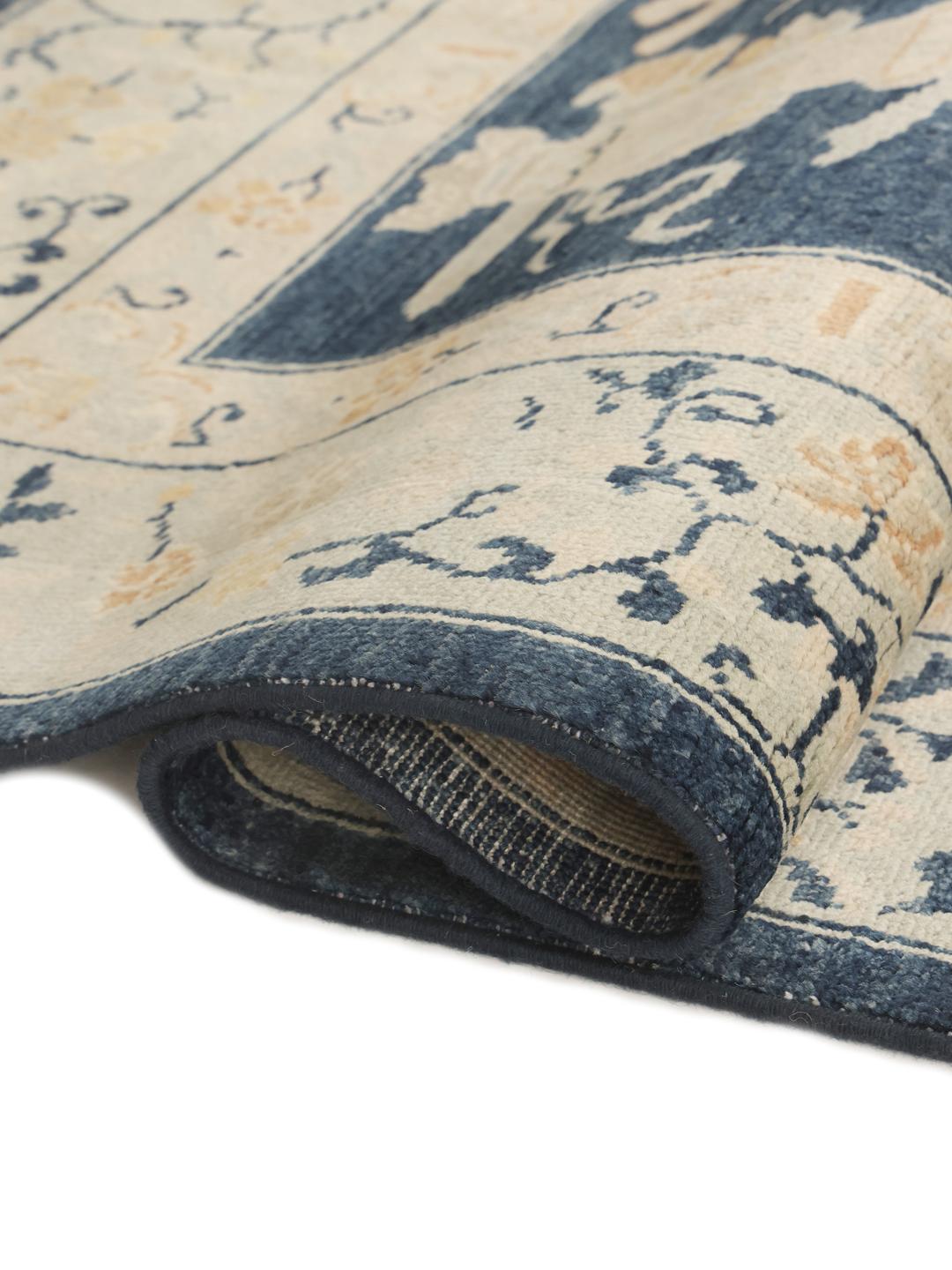
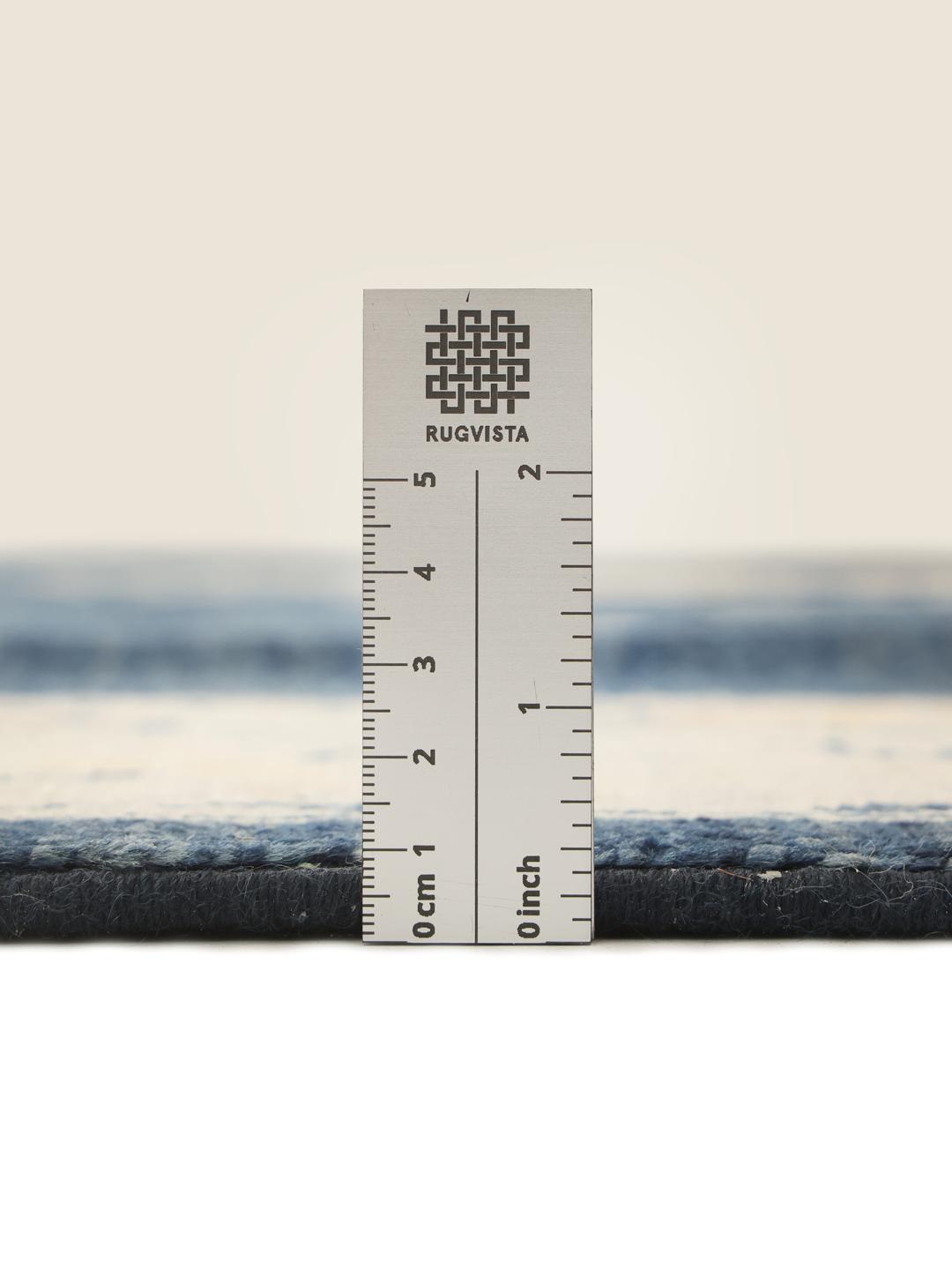
The term hand-knotted represents the pinnacle of rug-making, where each strand is individually tied to the foundation. This method is far more than a technique; it is a commitment to longevity. By knotting the wool directly onto the foundation, the artisans create a pile that is exceptionally resistant to wear, ensuring that the rug maintains its depth and lustre for decades.
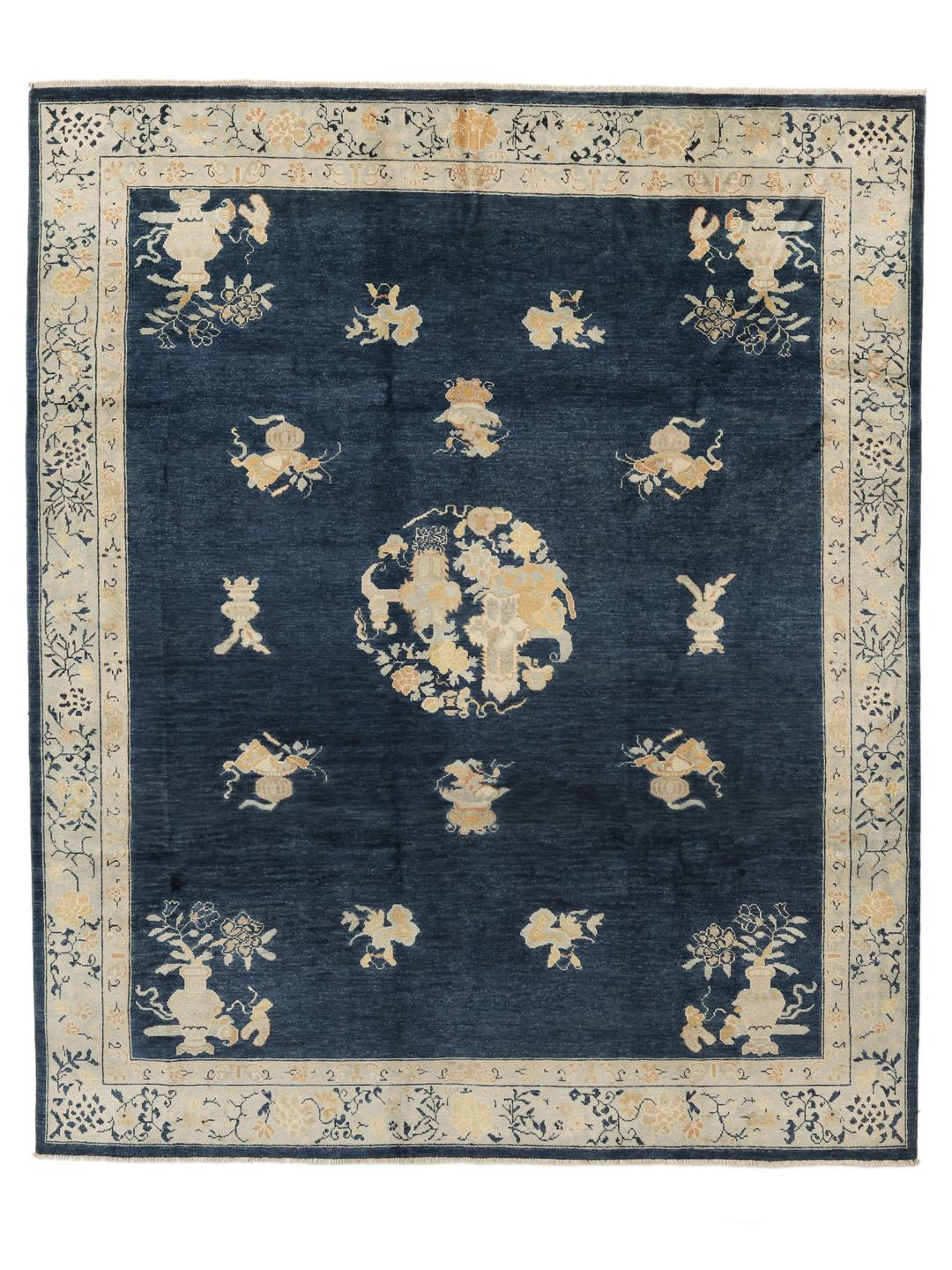
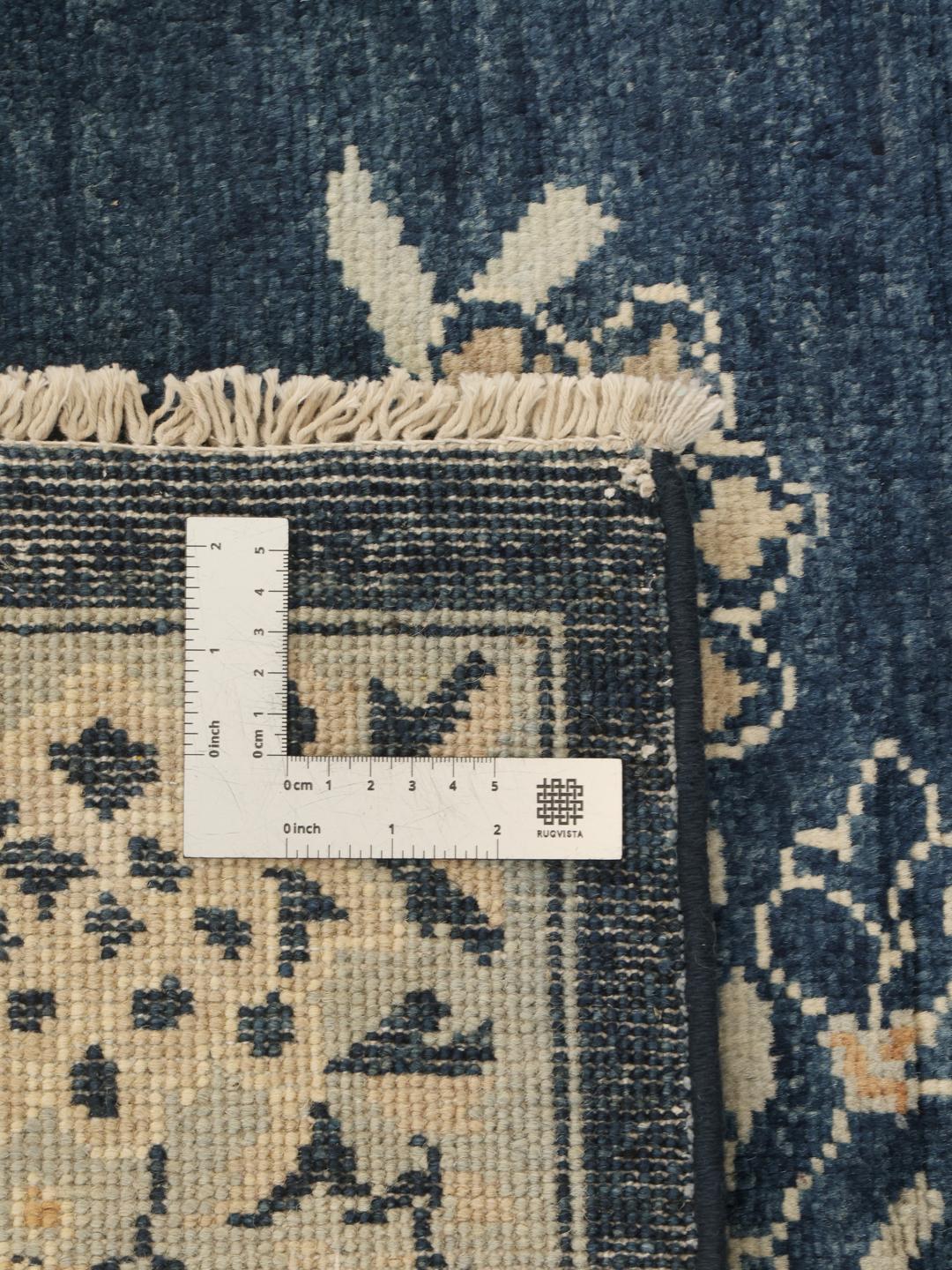
The visual language of these rugs is defined by a balance of strong fields and symbolic motifs. In this particular piece, the floral elements draw on centuries of design evolution, where nature-inspired themes are stylised into elegant, repetitive patterns. The contrast between the deep, saturated blue and the lighter, cream-toned floral details is a hallmark of this tradition, designed to draw the eye while grounding the room.
Collectors value these rugs for their ability to bridge the gap between historical craft and modern living. Owning such a rug is an investment in cultural heritage, representing the skills passed down through generations of weavers. It is a piece that carries a sense of permanence and genuine human connection, standing in stark contrast to mass-produced alternatives.