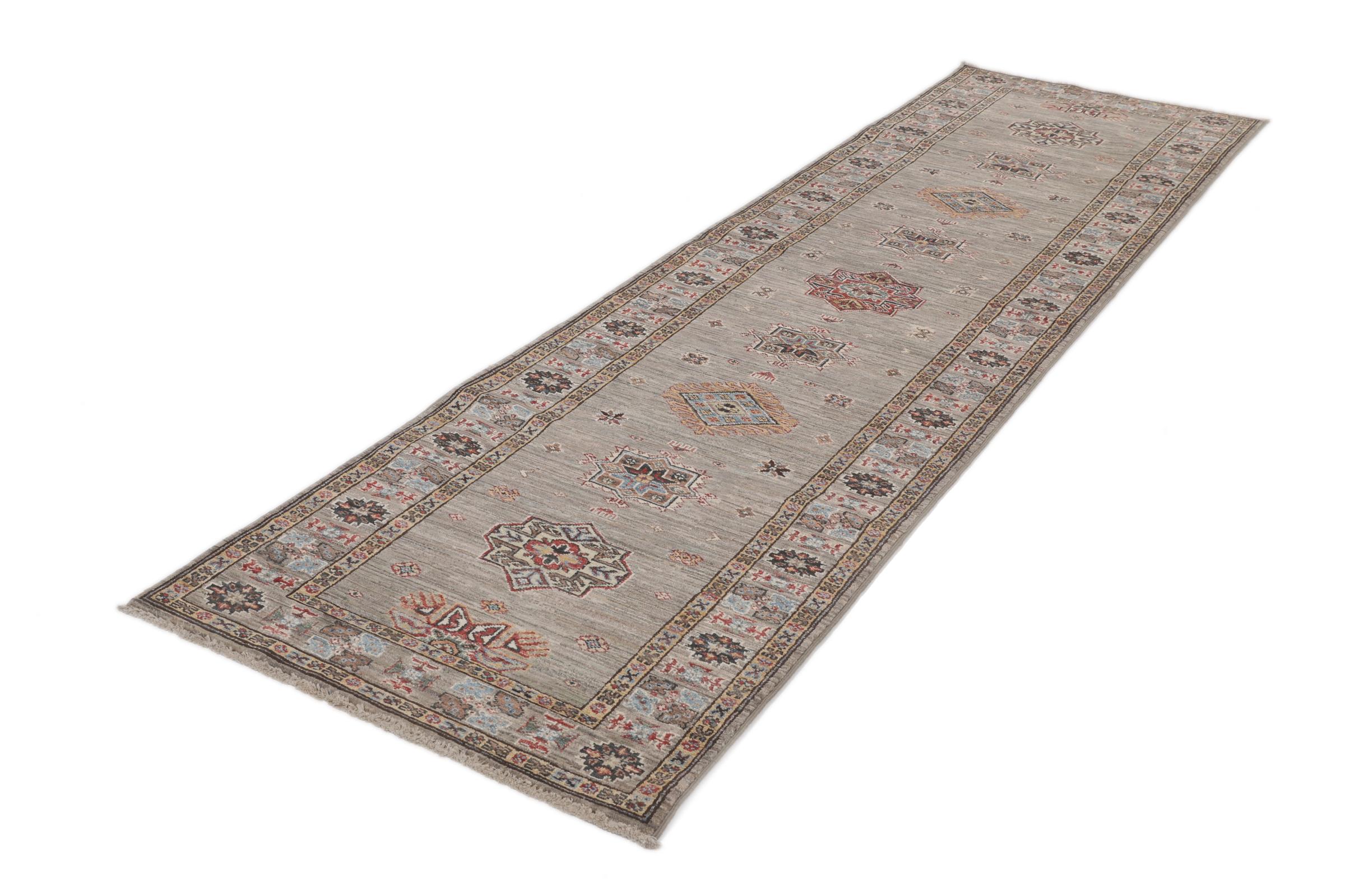
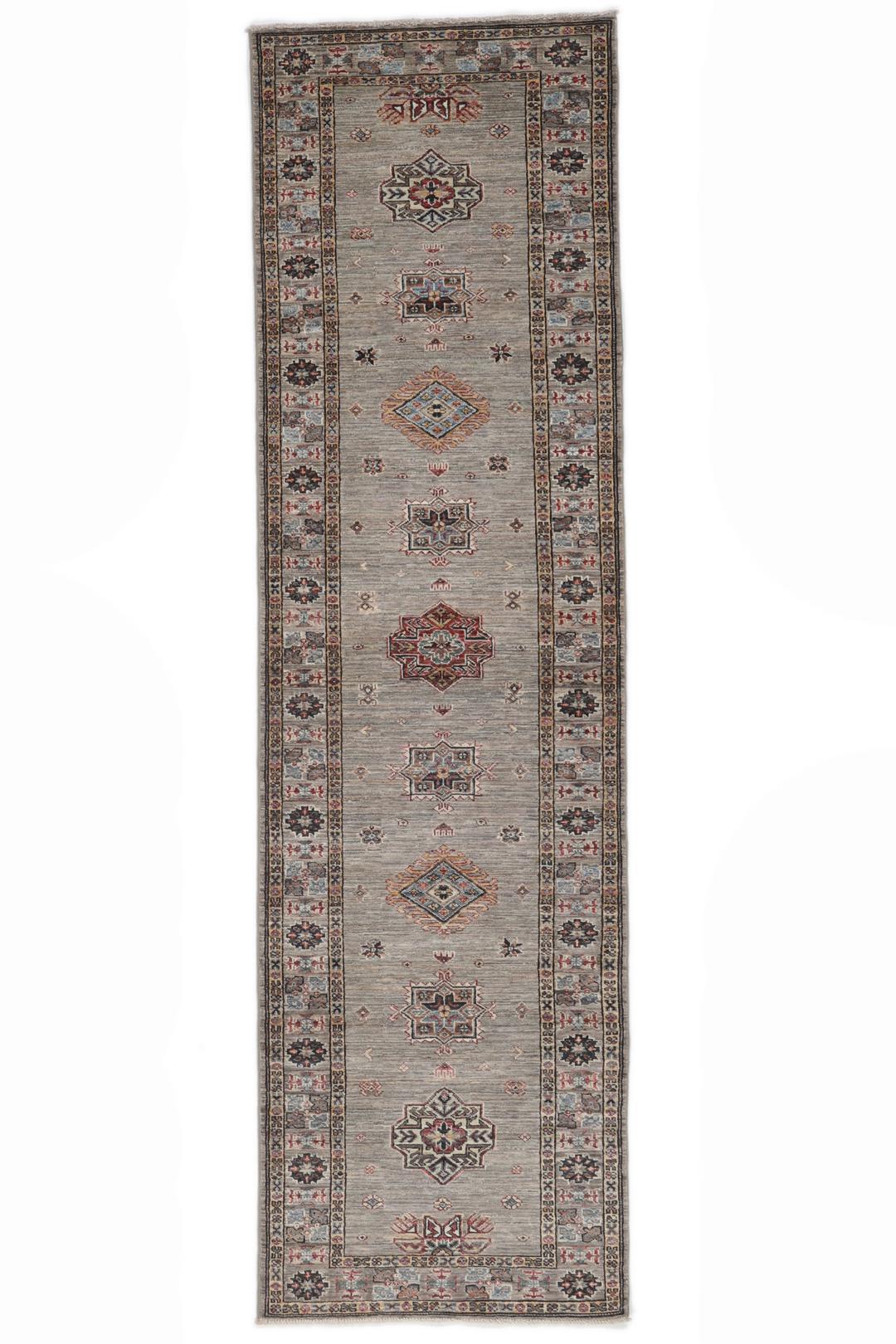
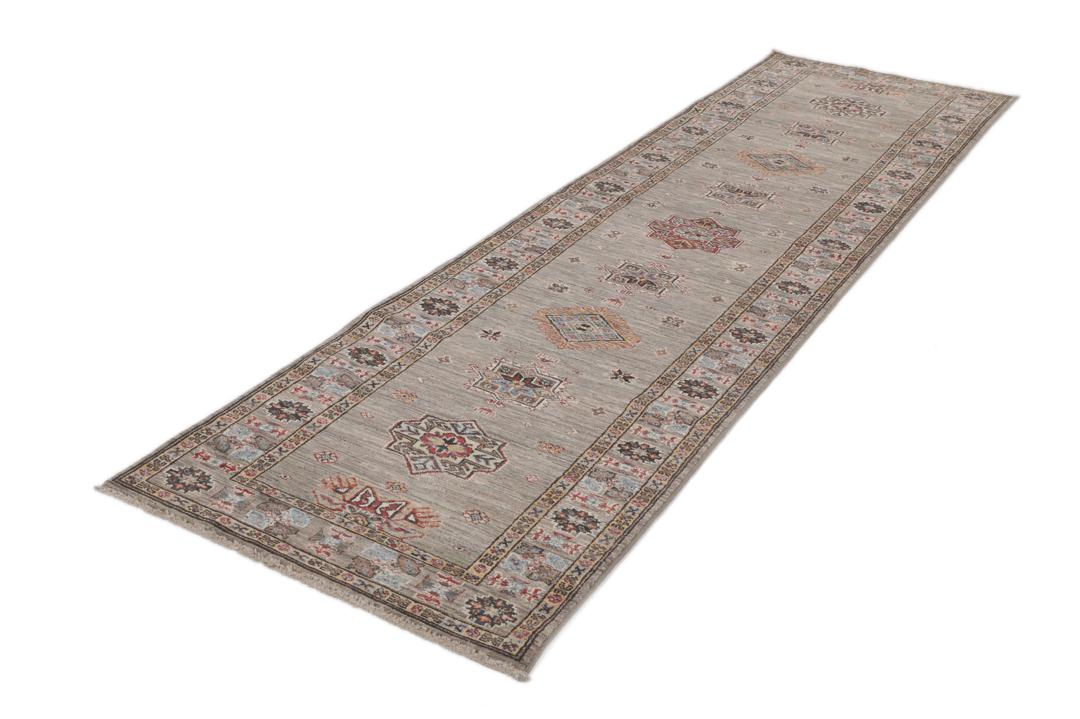
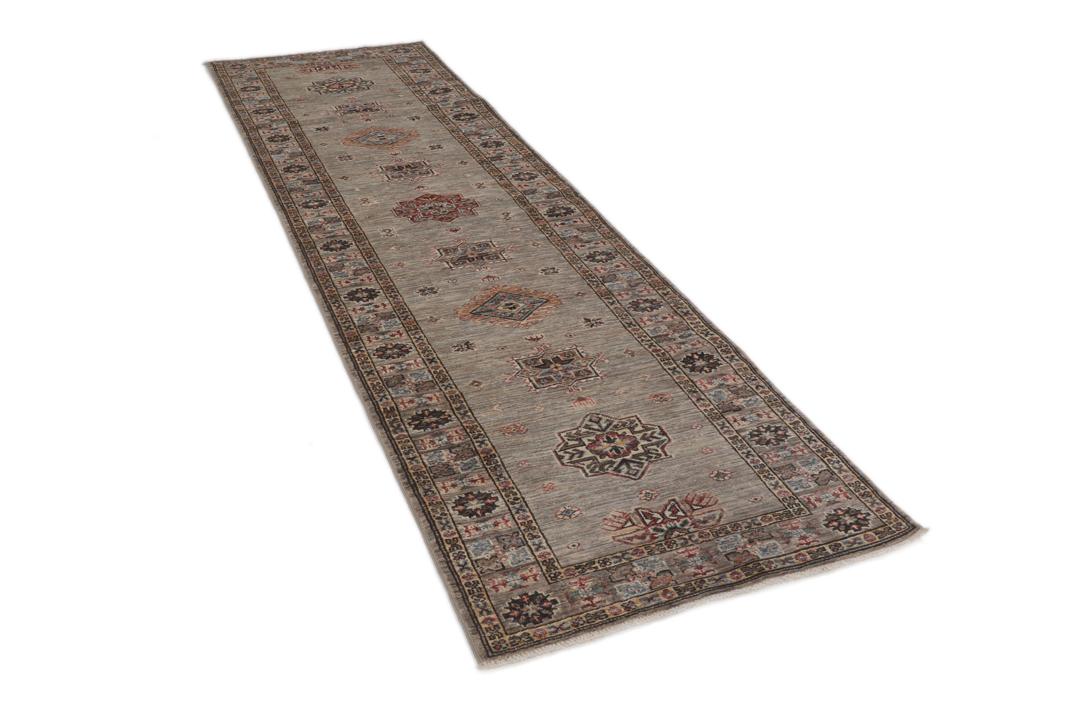
Kazak rugs represent a storied tradition of weaving that has its roots in the Caucasus Mountains, though today the finest examples, such as this piece, are expertly crafted in Afghanistan. Historically, these rugs were produced by nomadic and semi-nomadic tribes who translated their environment and cultural identity into bold, geometric art. The migration of these techniques to Afghanistan has allowed the tradition to flourish, blending historic nomadic motifs with refined modern production standards.
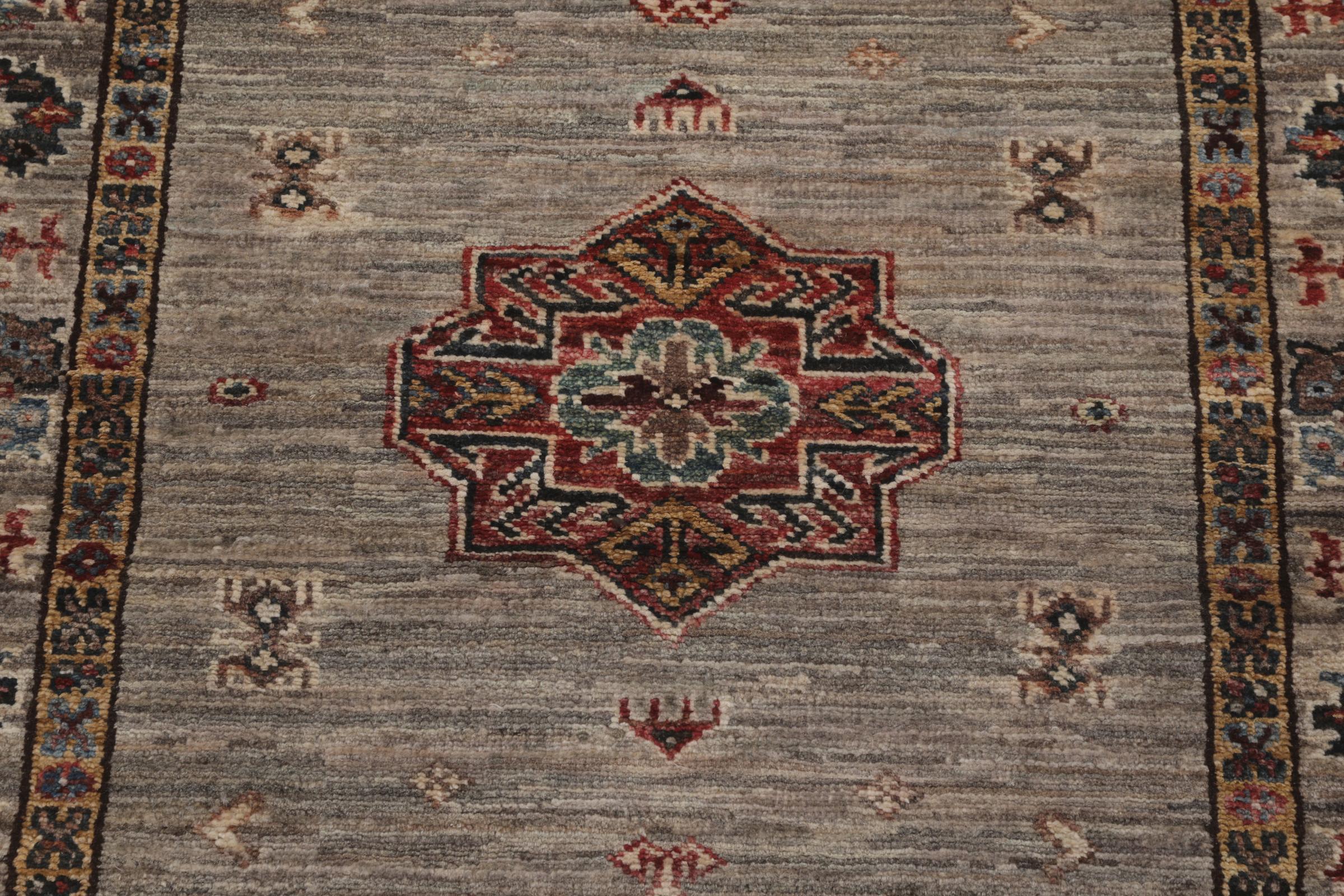
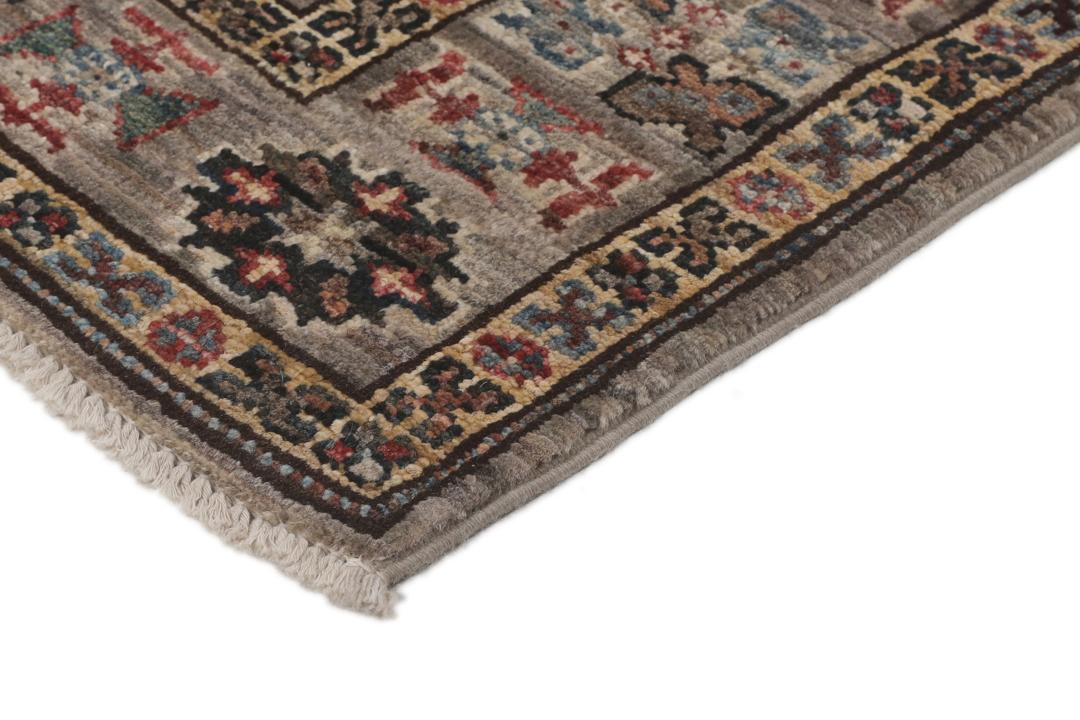
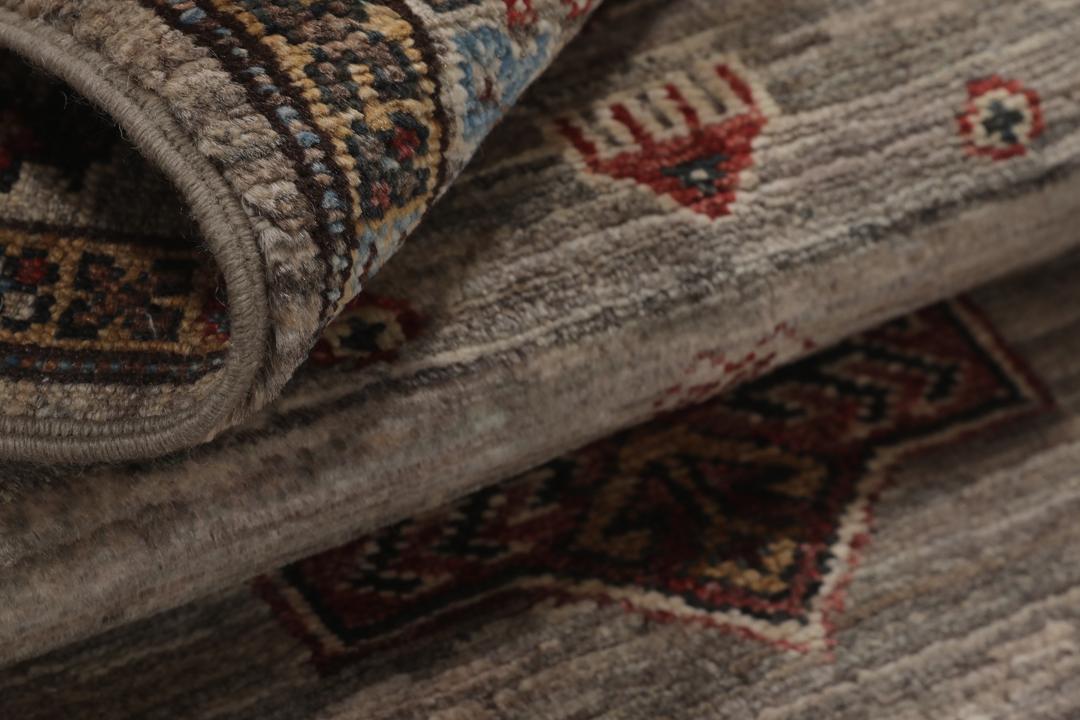
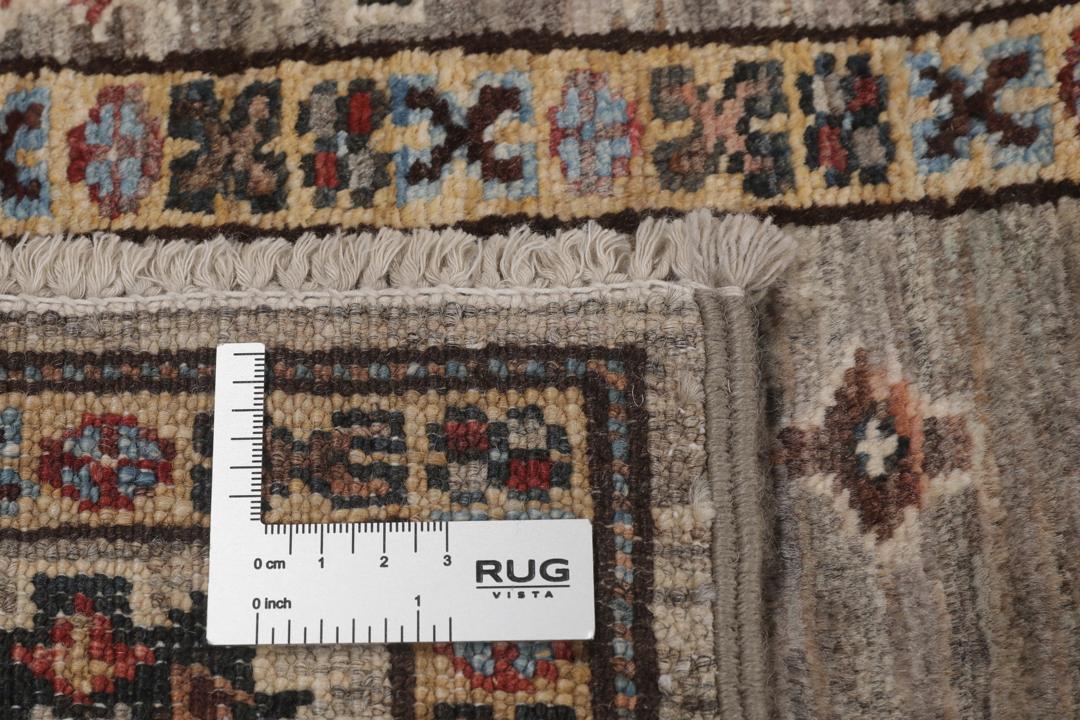
The term 'Kazak' refers to a specific style of construction and design rather than a single location. These rugs are known for their sturdy, heavy construction and the use of high-quality, hand-spun wool. This material choice is vital, as it allows the natural lanolin in the wool to remain, providing a resilient, lustrous finish that ages gracefully. The density of the weave ensures that the rug is not only aesthetically pleasing but also robust enough to withstand generations of use.
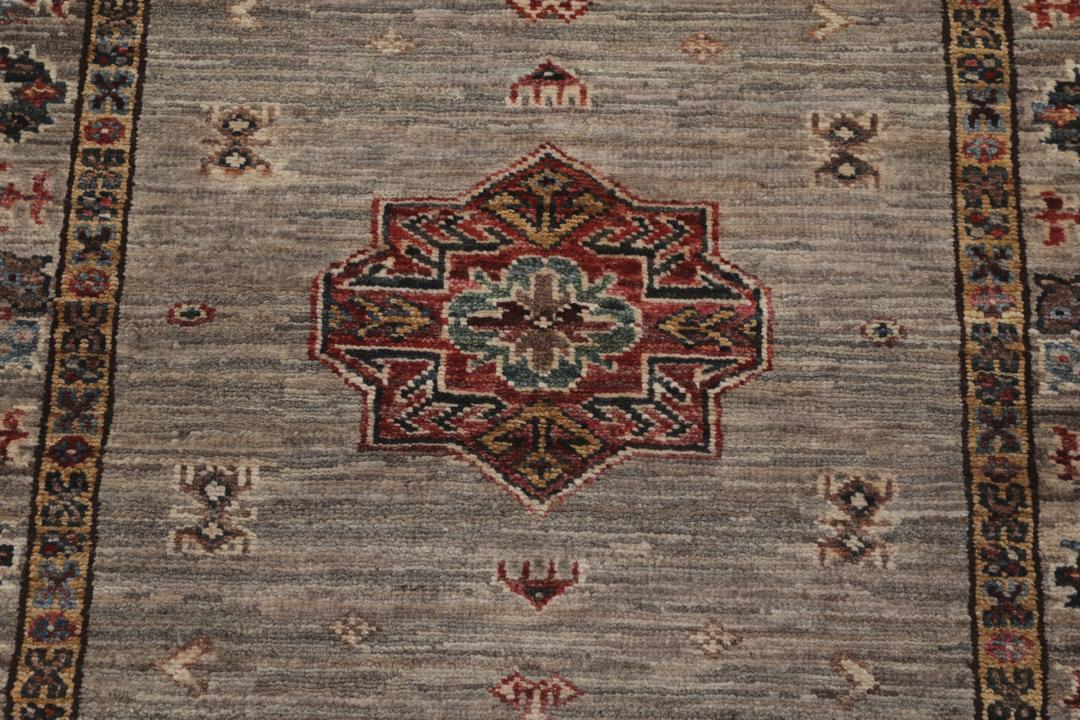
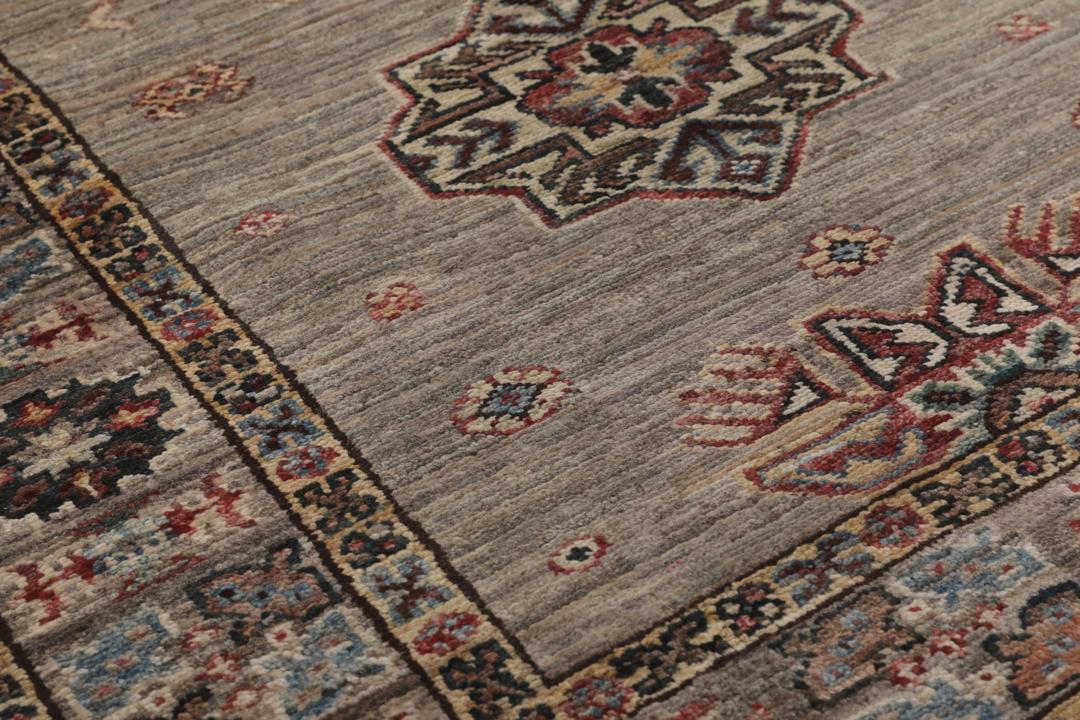
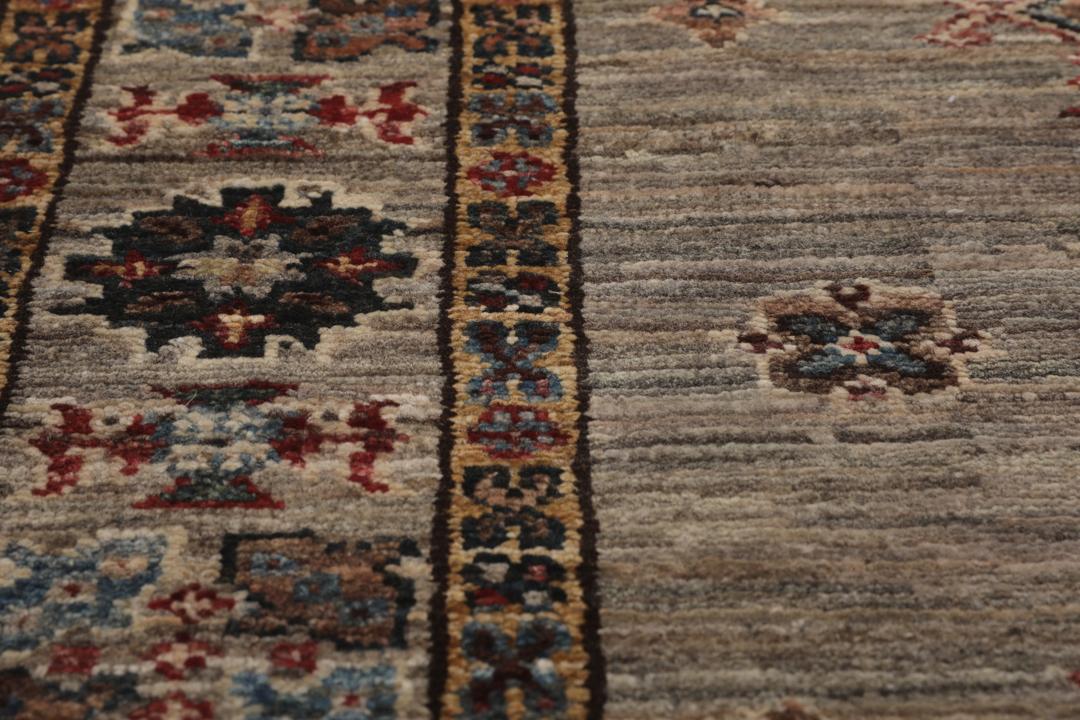
Design-wise, Kazak rugs are defined by their powerful, large-scale geometric motifs and a rich, earthy colour palette. You will often find stylised medallions, tribal symbols, and intricate borders that tell a story of the weaver's heritage. This particular runner features a balanced composition where the central medallions are framed by structured, repeating motifs, showcasing the classic symmetrical beauty that makes this tradition so recognisable and highly sought after by collectors.
Owning a piece from this tradition is an opportunity to connect with a history of artistry that transcends geography. These rugs are valued for their ability to bring warmth and a sense of history into a space, acting as a focal point that anchors a room. The skill required to execute these complex patterns without the aid of modern technology is a testament to the enduring value of human craftsmanship, making each rug a significant cultural asset.