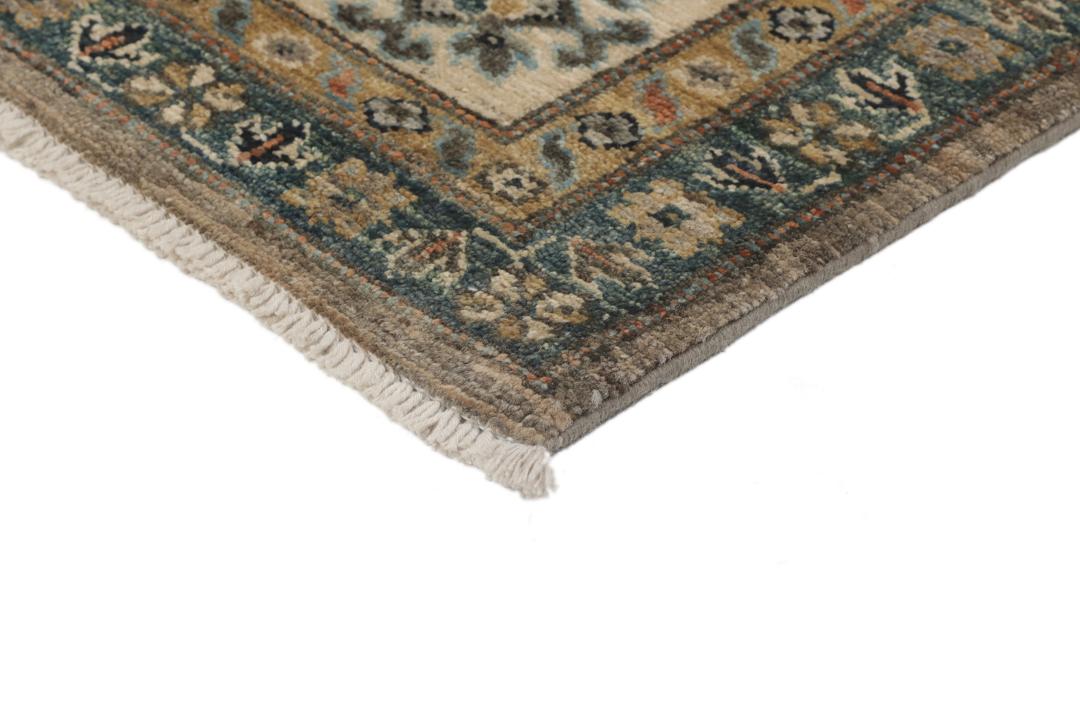
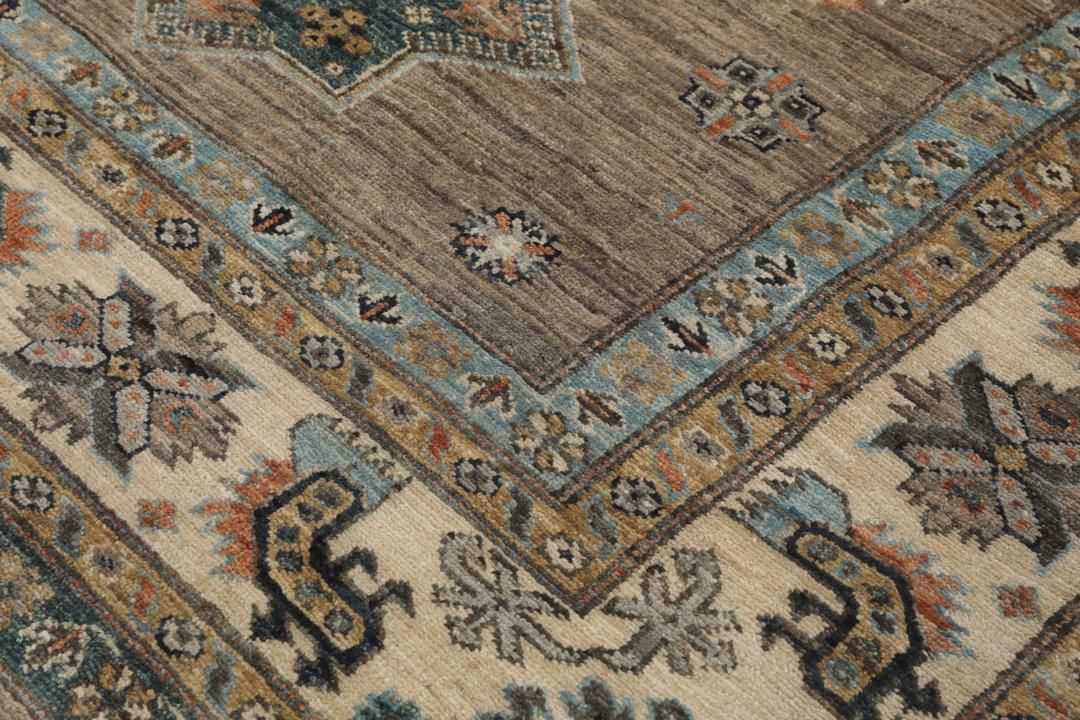
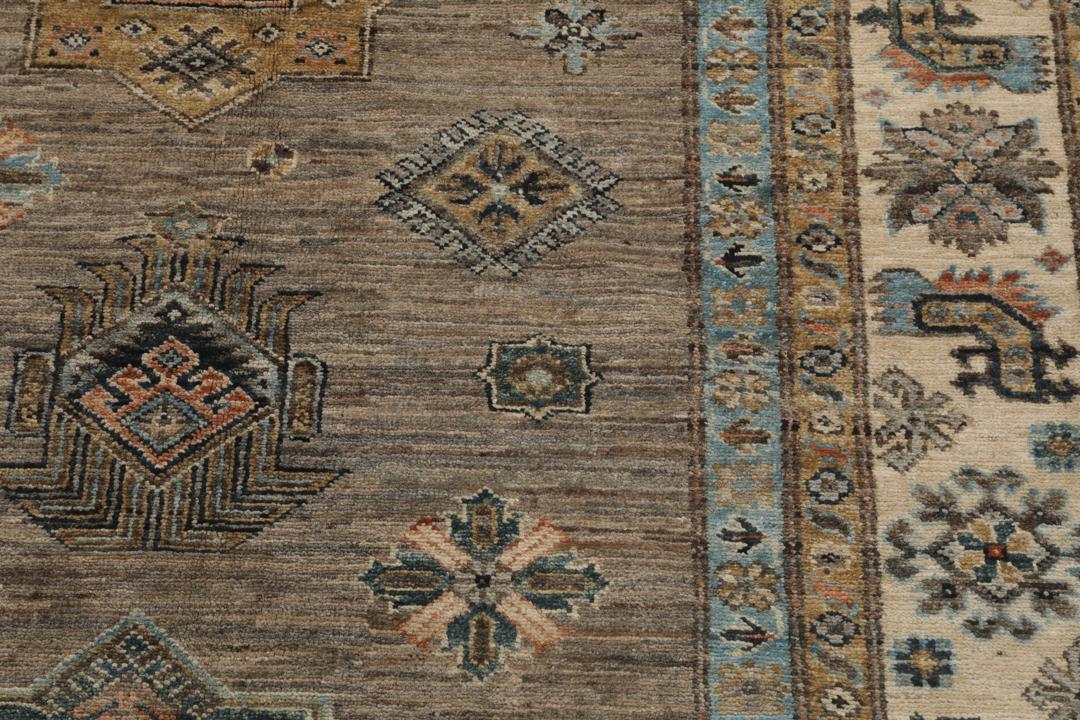
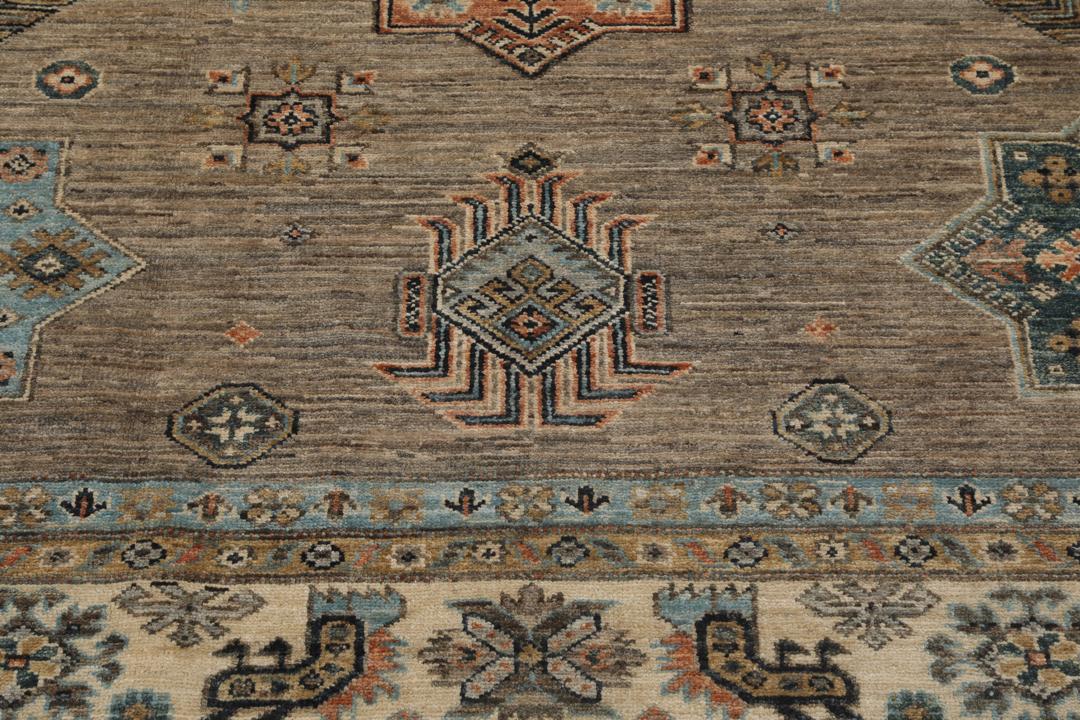
The Kazak tradition has its roots in the Caucasus region, where nomadic tribes historically wove rugs for both practical use and as expressions of their cultural identity. Over time, these weaving techniques migrated and evolved, with the Ariana style representing a modern interpretation of these ancient traditions. Today, Afghanistan has become a primary hub for these rugs, where weavers combine historic motifs with contemporary design sensibilities to create pieces that feel relevant in today's homes.
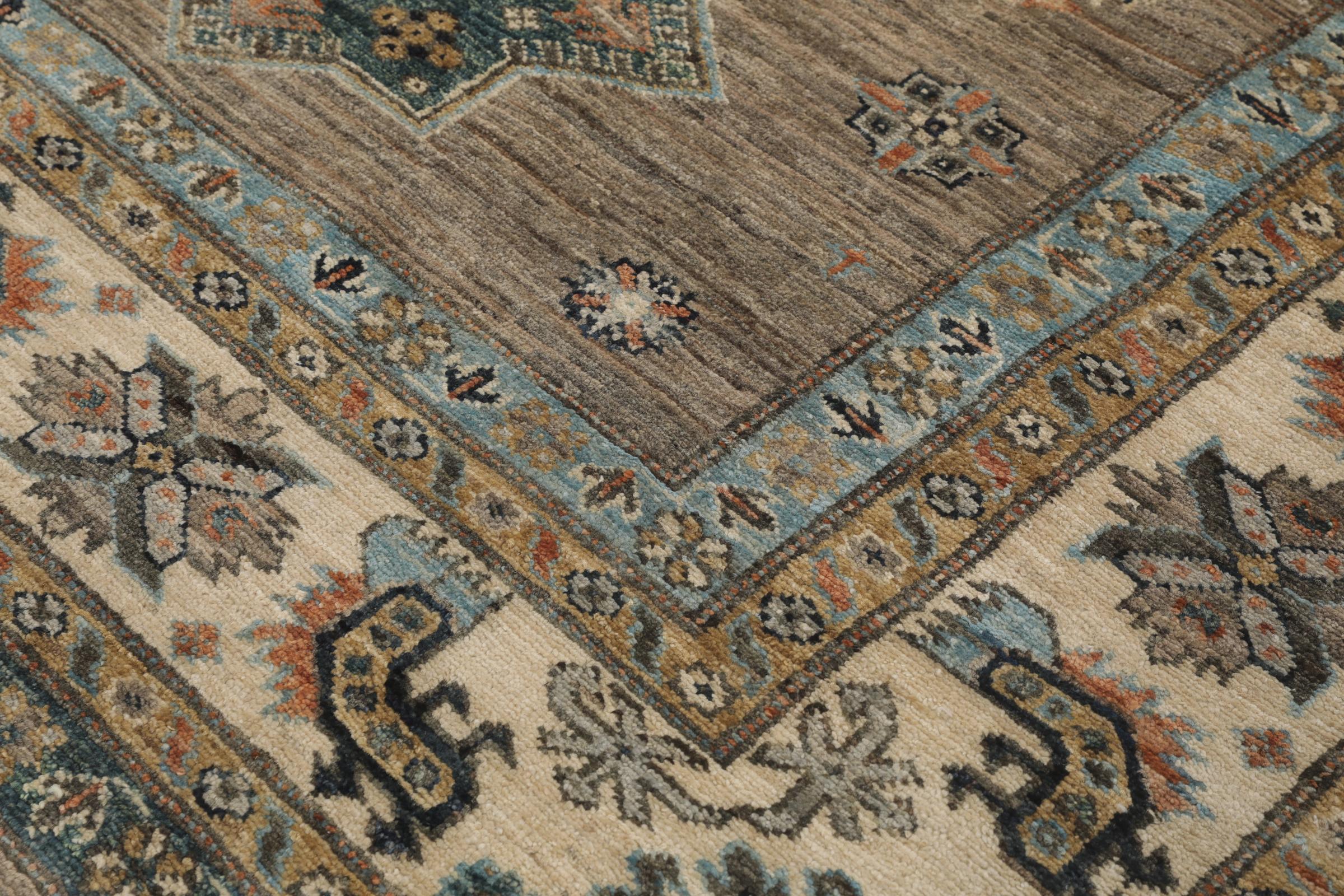
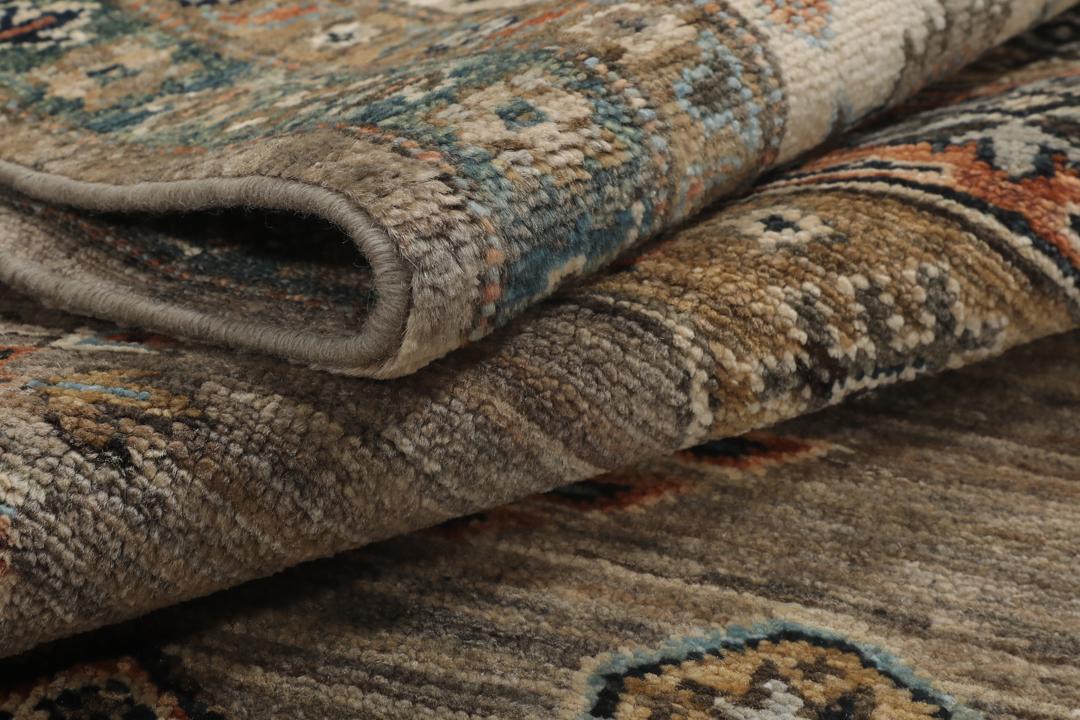
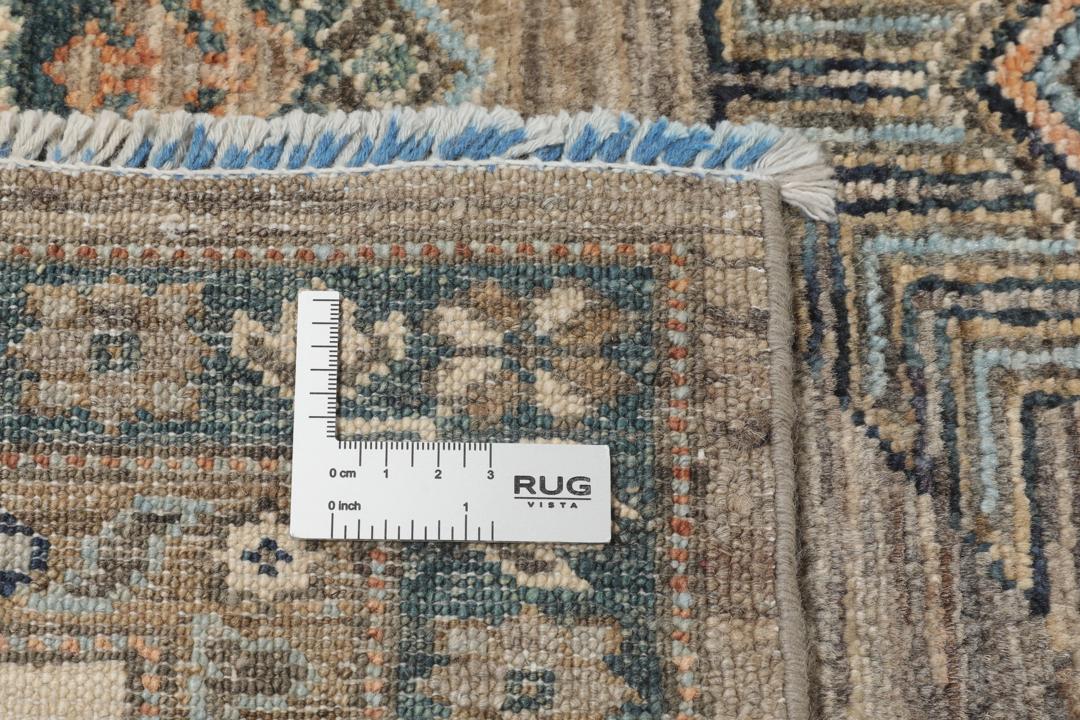
The term Kazak refers to a style characterised by its bold, geometric aesthetic and the use of high-quality, long-staple wool. These rugs are often known for their substantial pile, which is achieved through a labour-intensive knotting process. Understanding this terminology is key to appreciating the quality of the rug, as the density and the way the wool is handled directly influence the rug's longevity and its ability to age gracefully, developing a deeper character over the years.
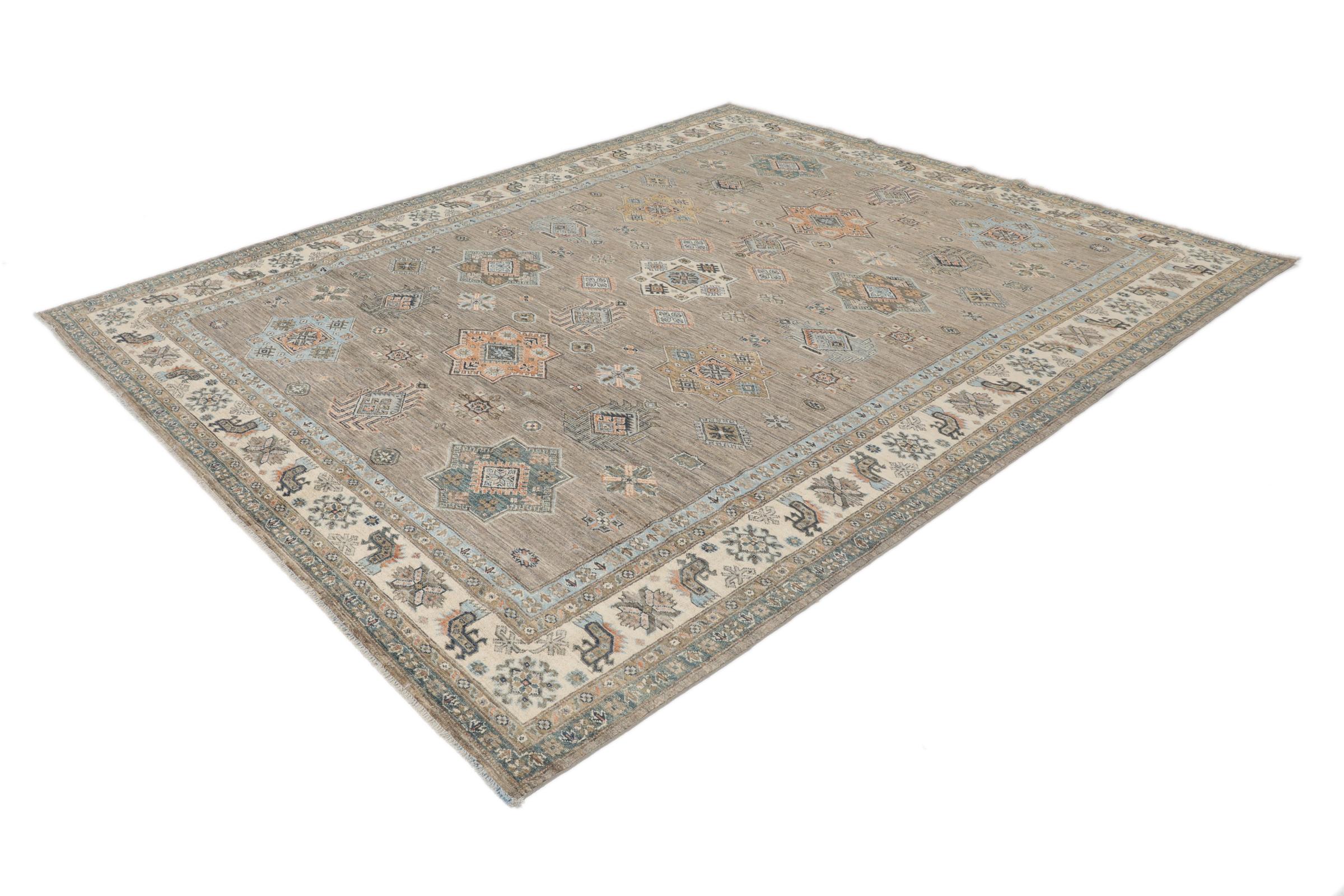
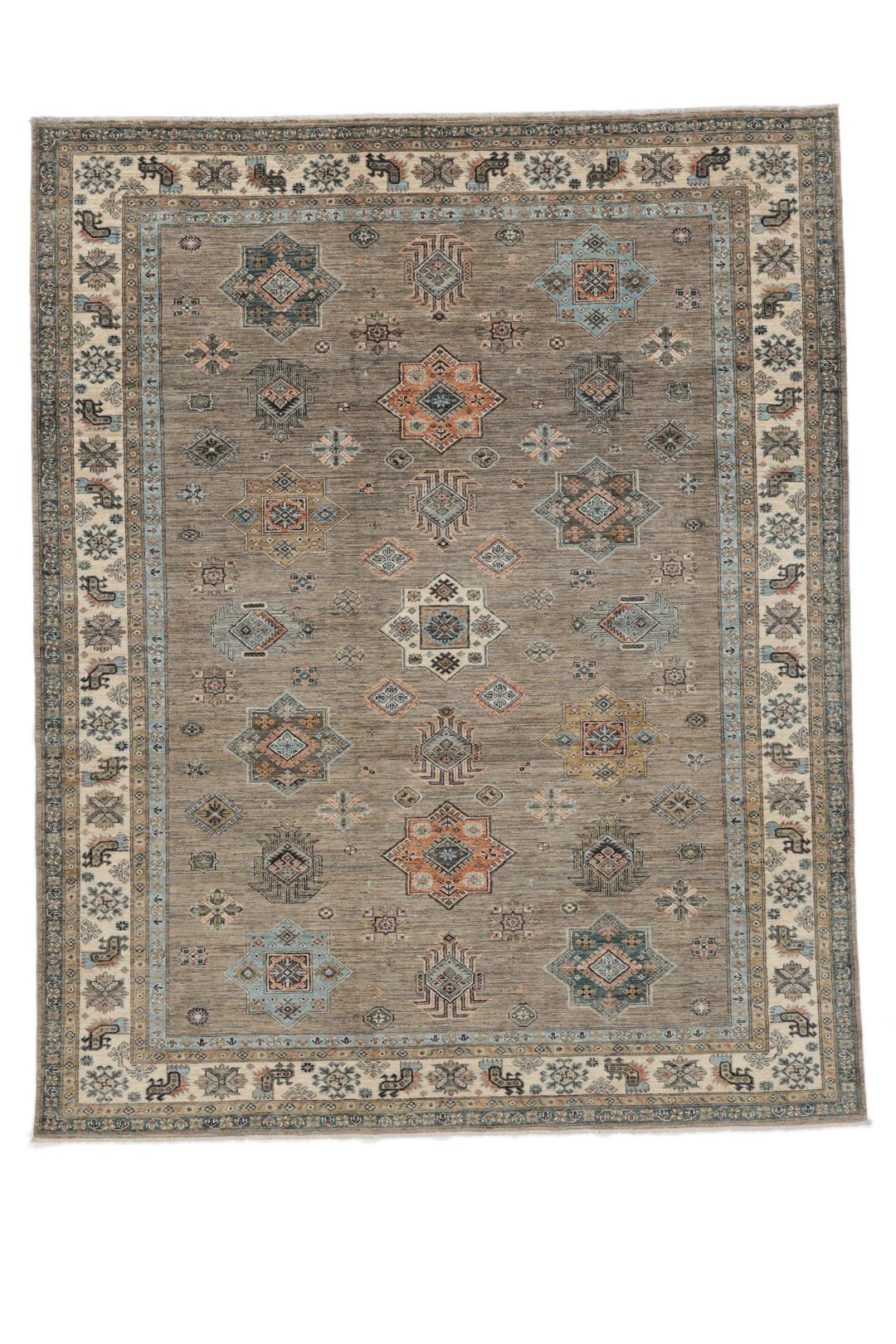
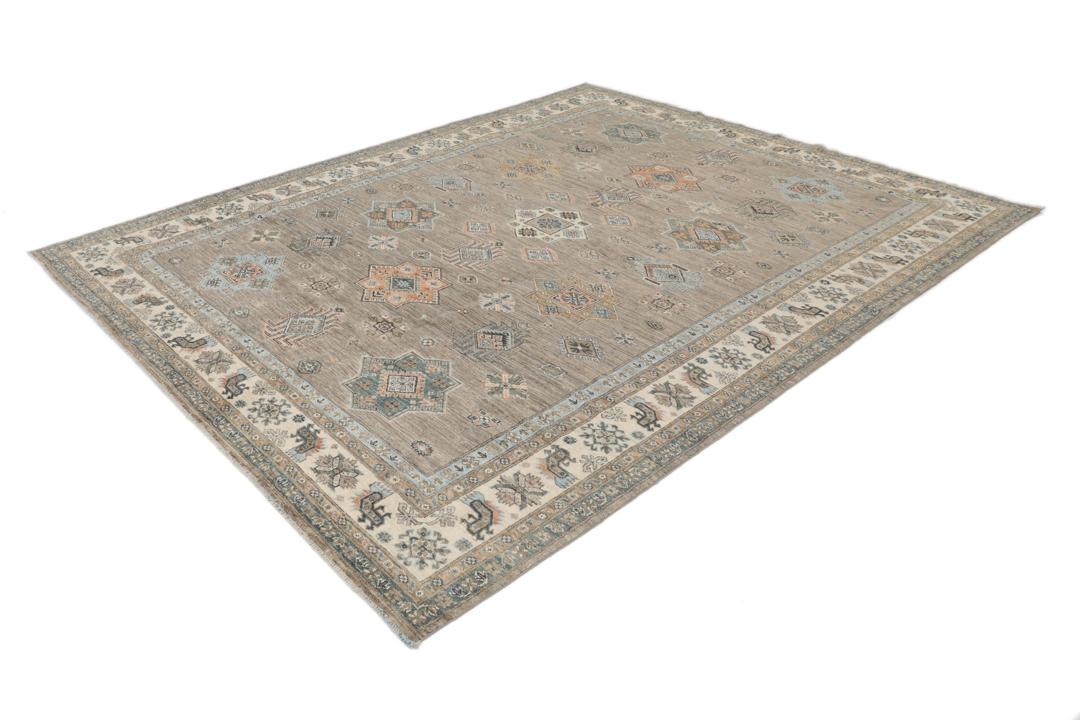
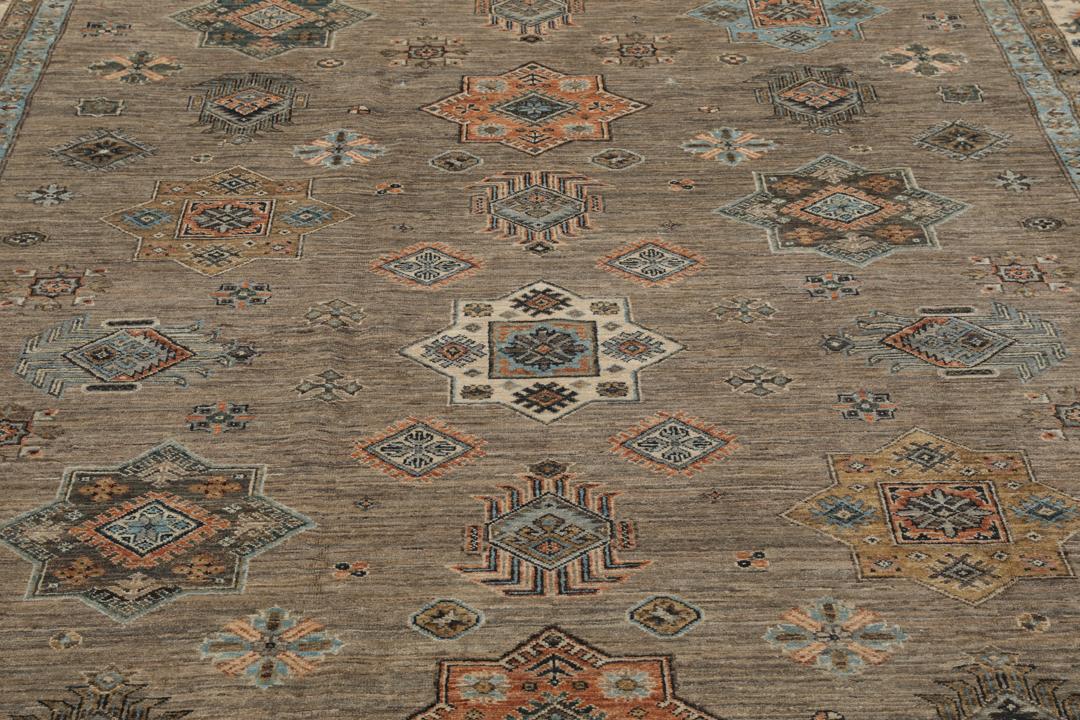
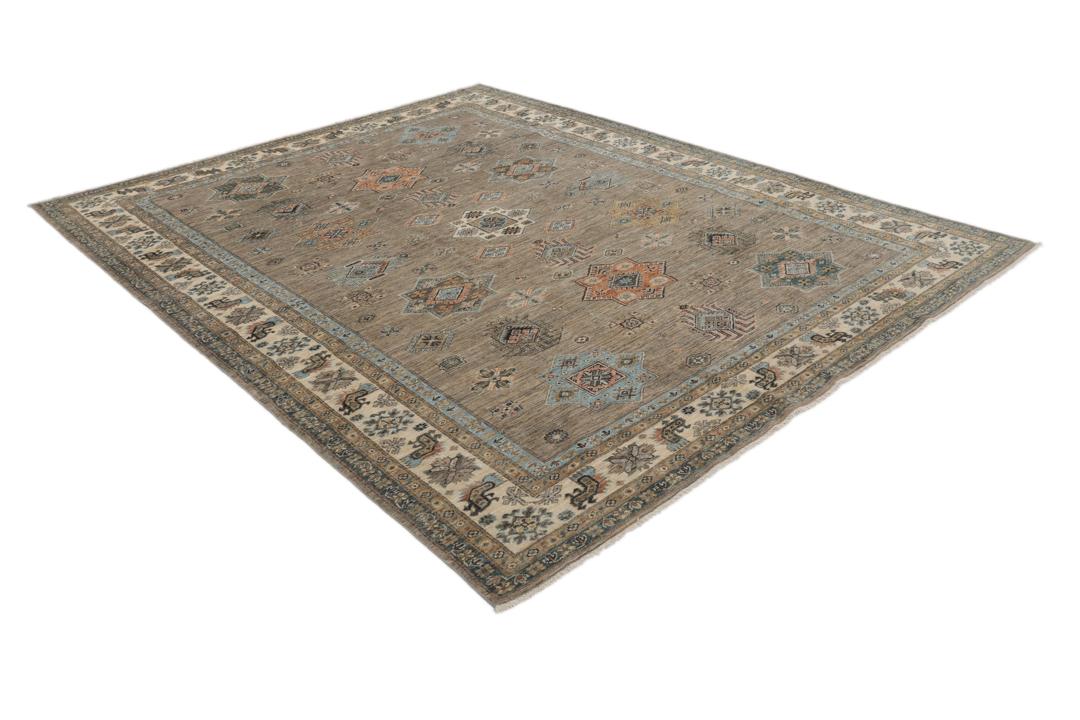
Signature design elements in Kazak rugs typically include large-scale geometric medallions, often referred to as 'guls', and stylised floral or animal motifs. The borders are usually formal and provide a strong frame for the central field. This specific piece features a refined, muted palette that elevates the traditional geometric patterns, allowing them to fit seamlessly into a wide range of interior styles while still retaining the authentic spirit of the Kazak tradition.
Owning a Kazak rug is more than just a decor choice; it is an acquisition of cultural history. These rugs are highly valued by collectors because they represent a living craft that relies on human skill rather than industrial automation. Each piece serves as a bridge between the past and the present, offering a sense of heritage and connection to the artisans who dedicated their time and expertise to creating it.