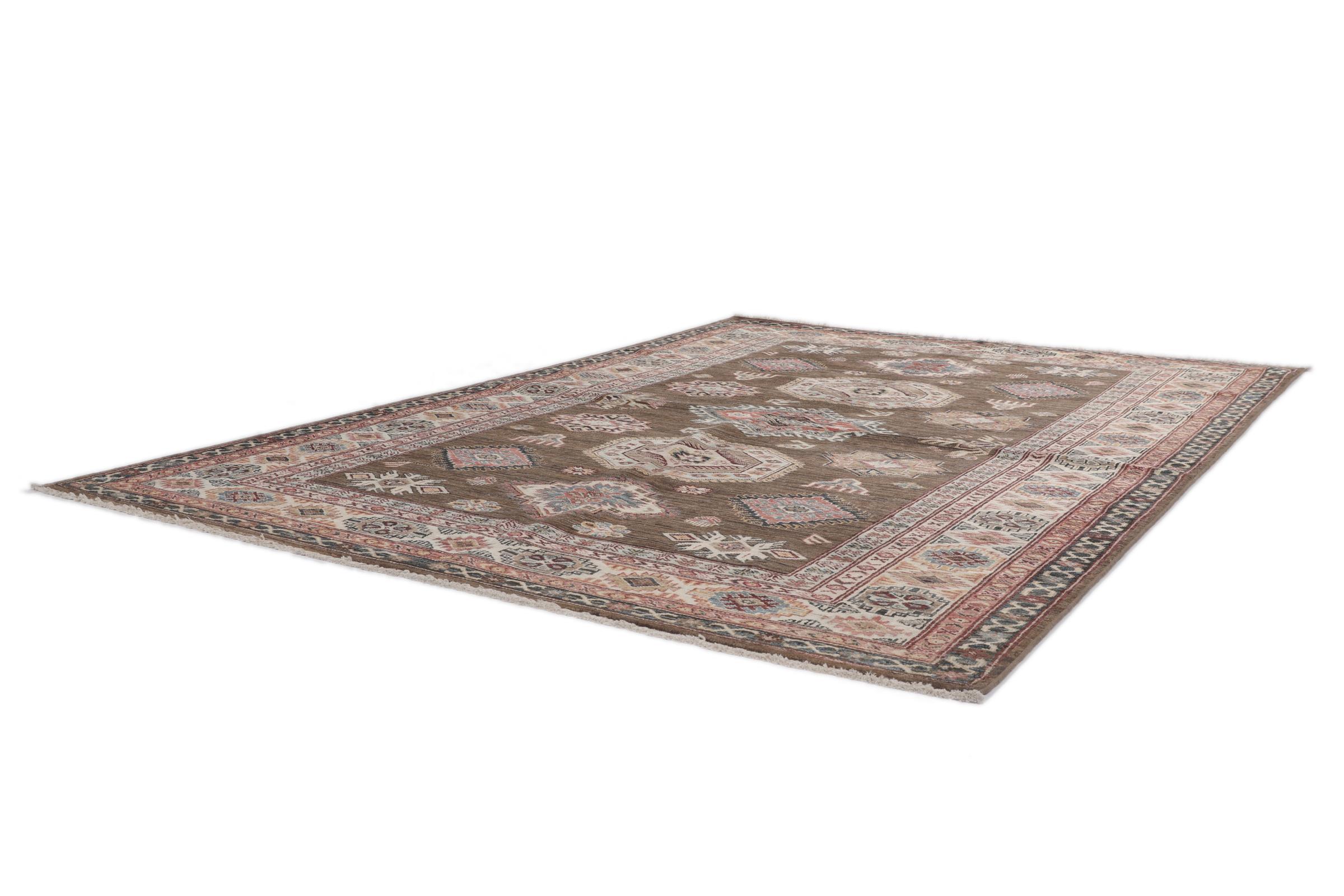
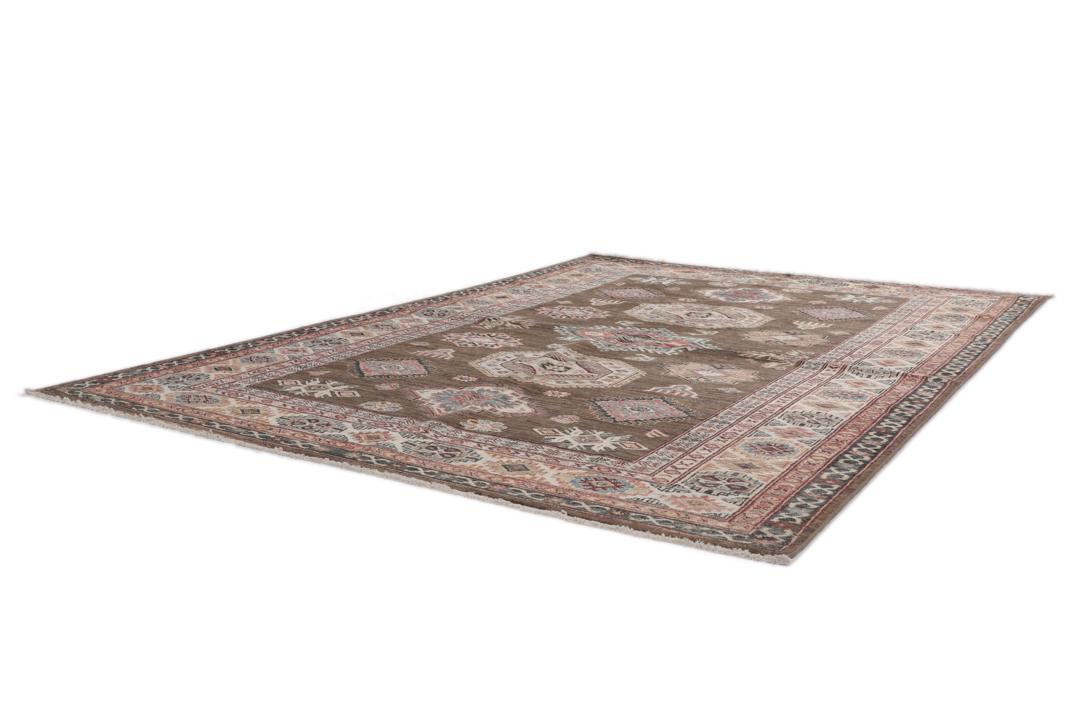
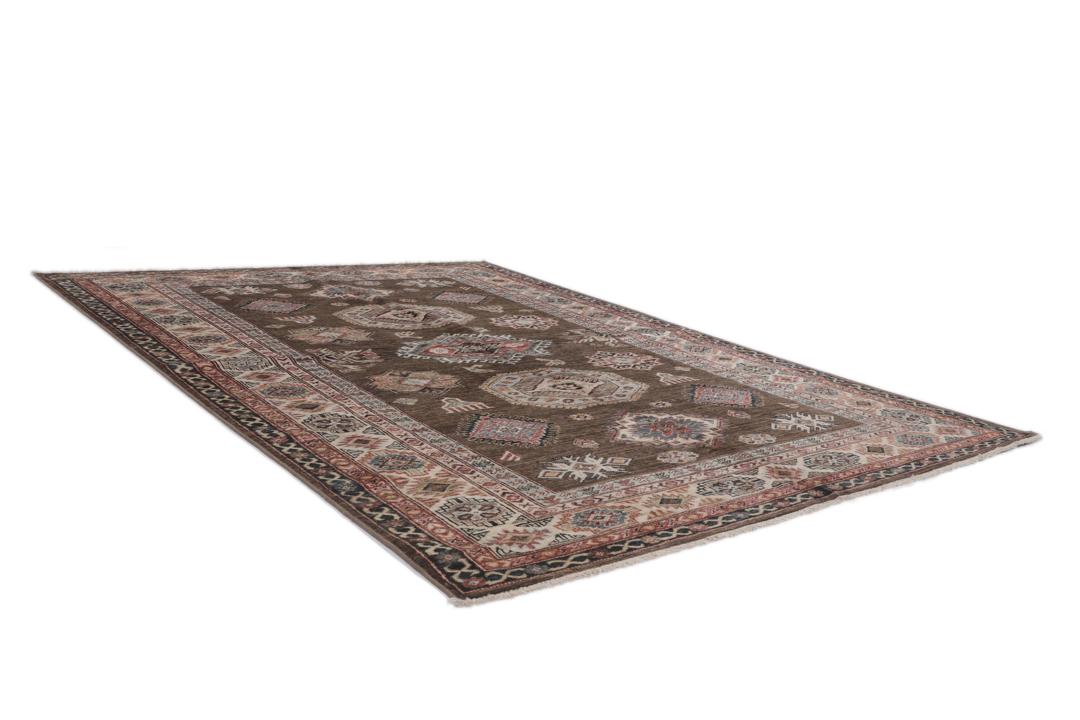
Kazak rugs find their origins in the Caucasus region, where they were traditionally woven by nomadic tribes. While the original style was characterised by bold, geometric designs and a vibrant colour palette, the tradition has evolved over centuries. Today, some of the finest examples of these rugs are masterfully produced in Afghanistan, where weavers have adapted the historical techniques to create pieces that honour the past while fitting perfectly into modern homes.
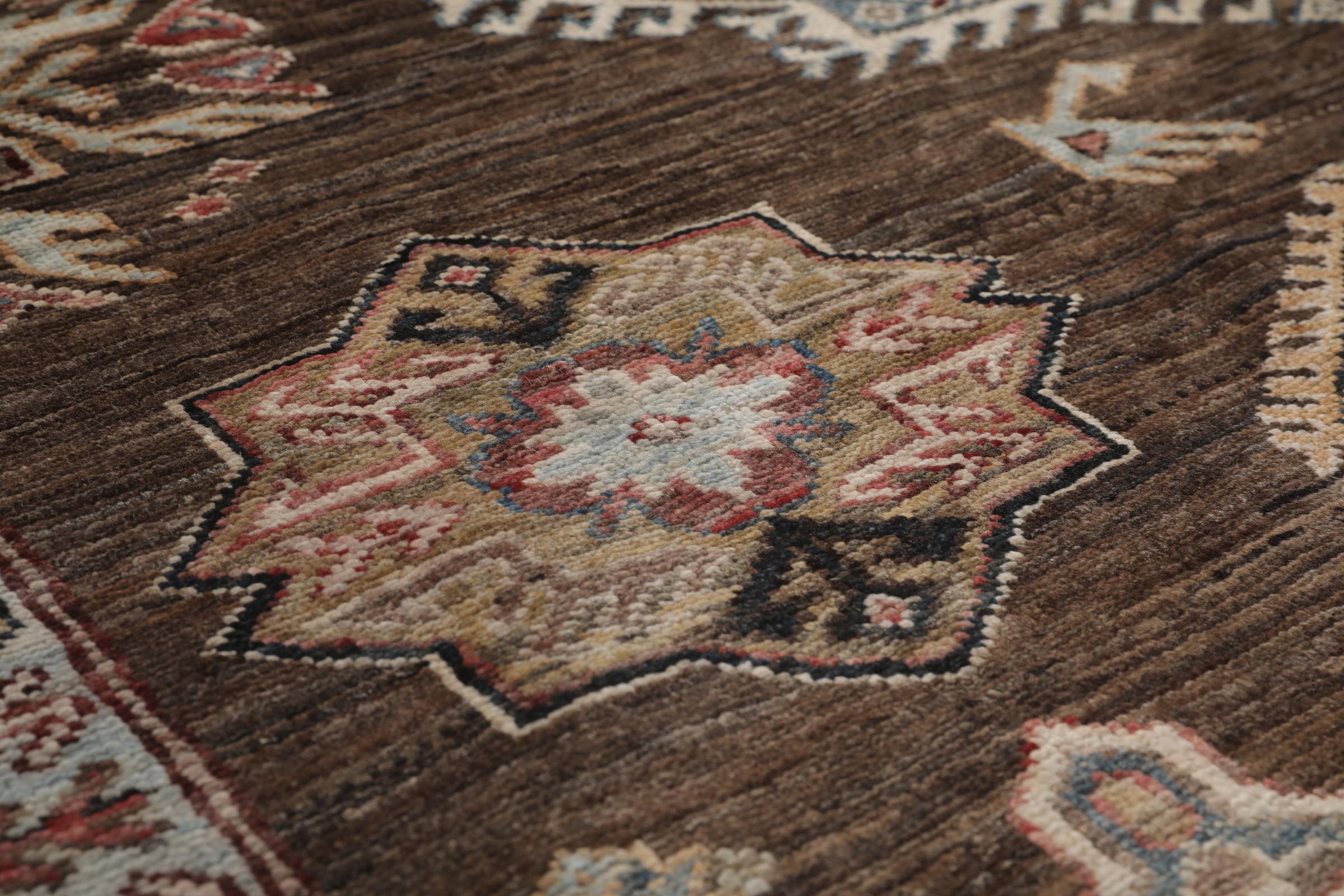
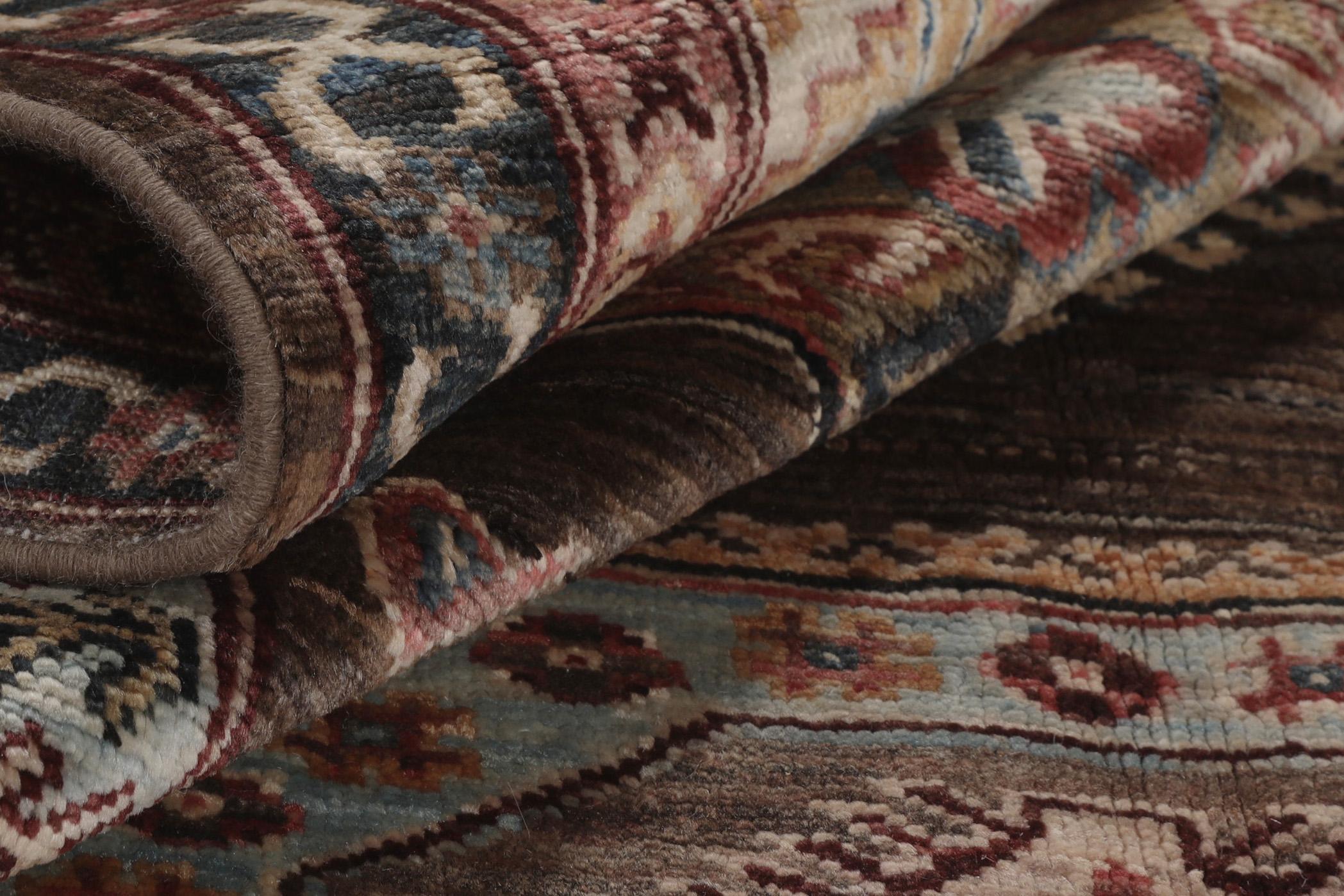
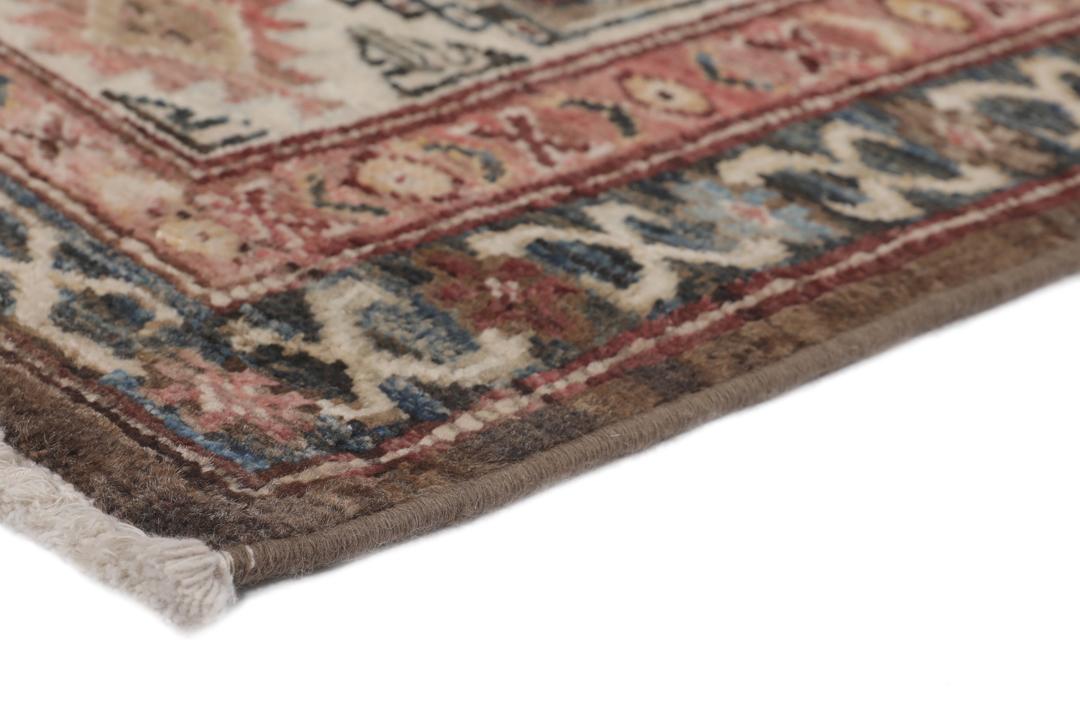
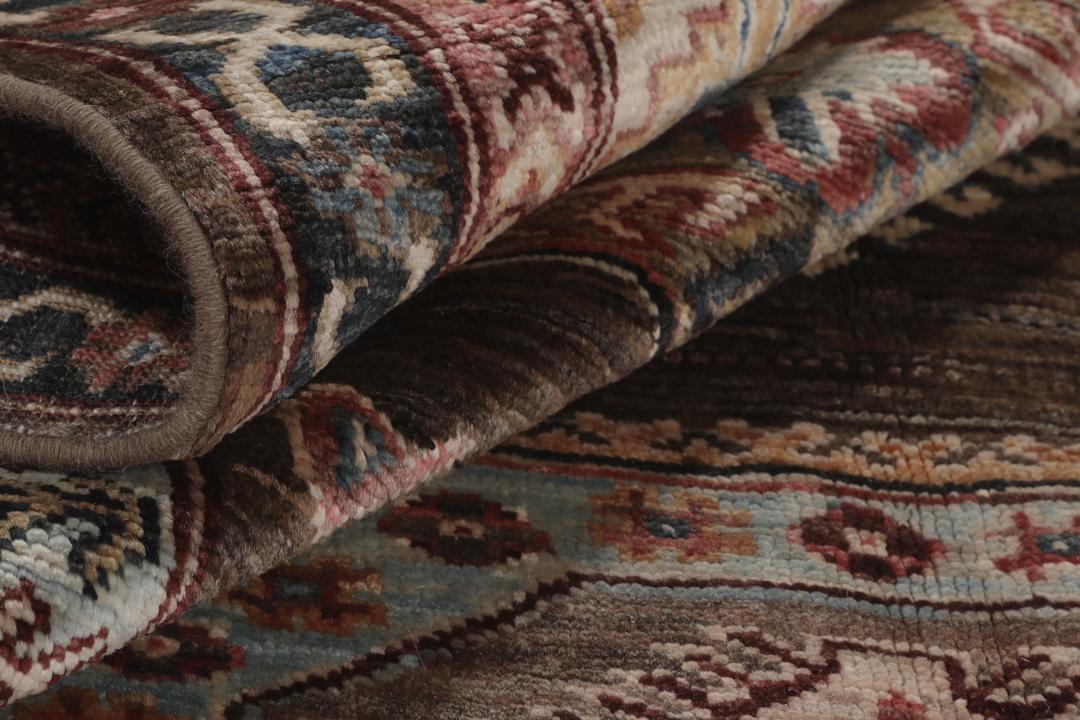
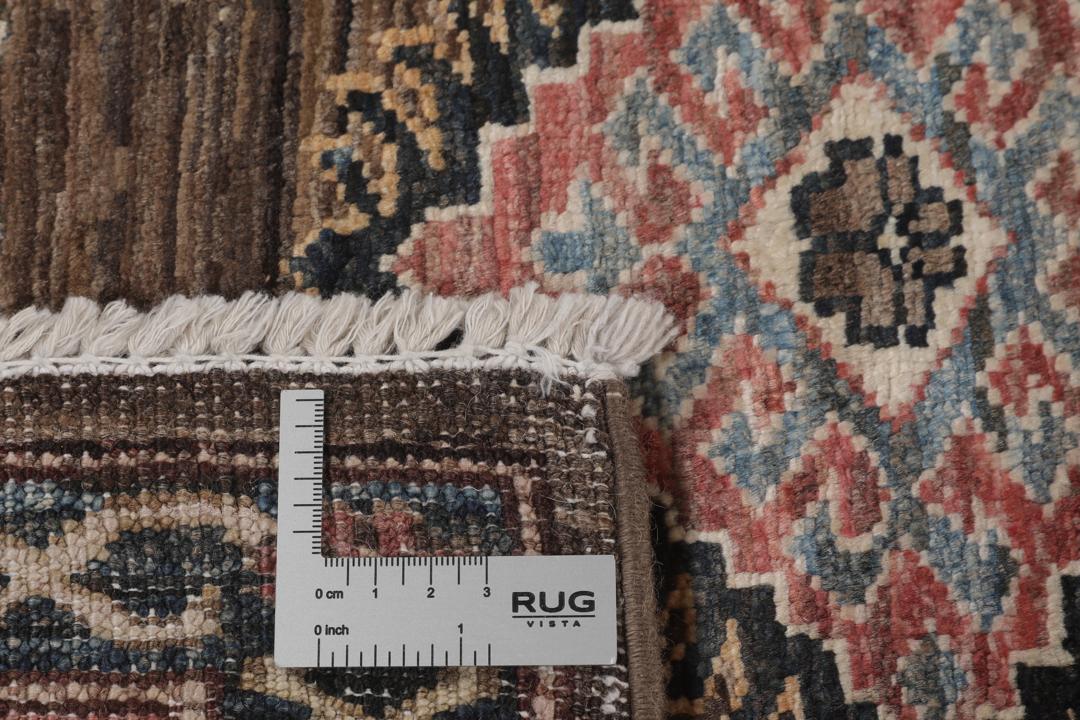
The term Kazak refers to a specific aesthetic rather than a single village or tribe. These rugs are highly regarded for their use of high-quality Wool, which is often processed to retain its natural lustre and durability. The construction typically involves a sturdy foundation, which allows the pile to be dense and long-lasting, ensuring the rug can endure for generations.
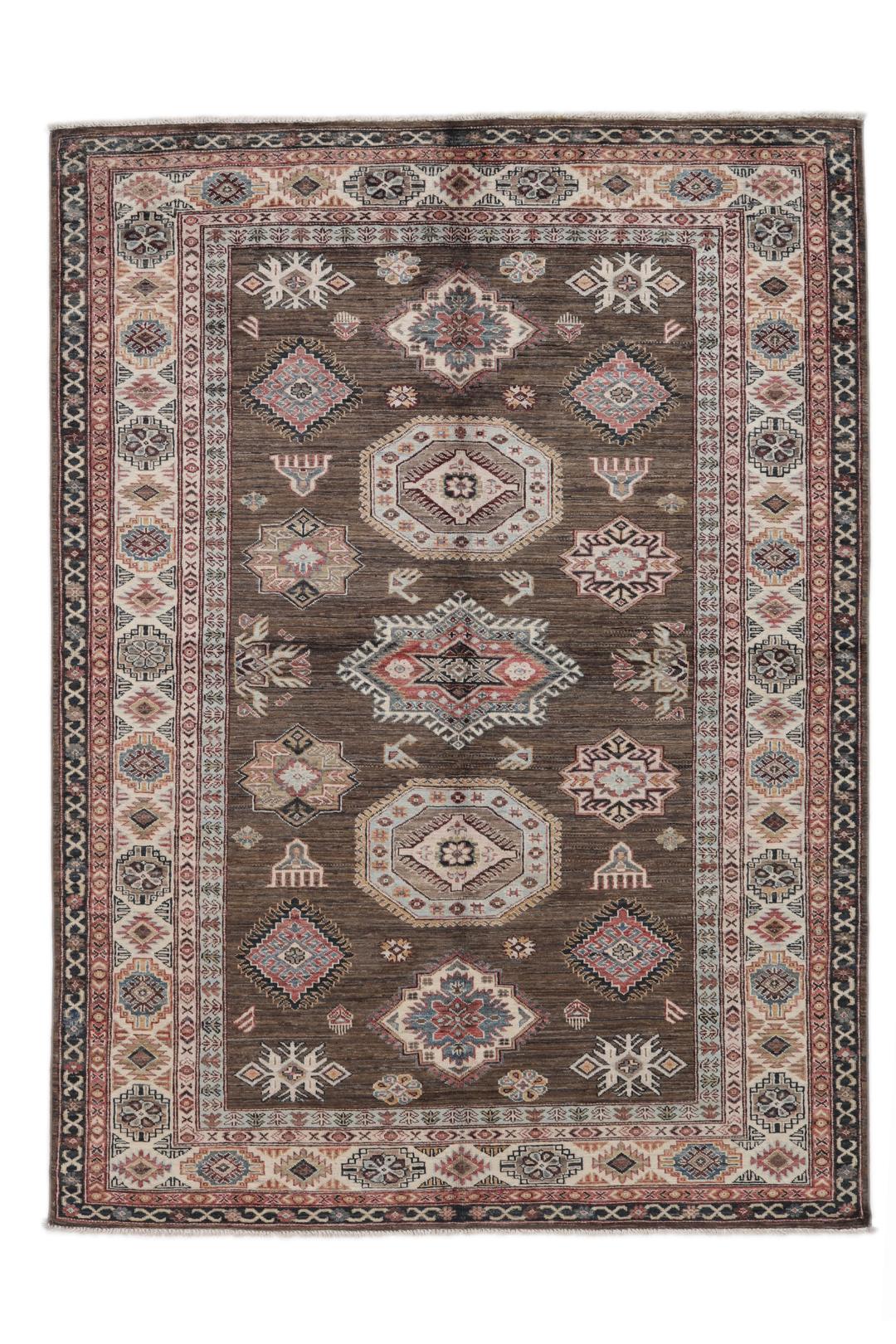
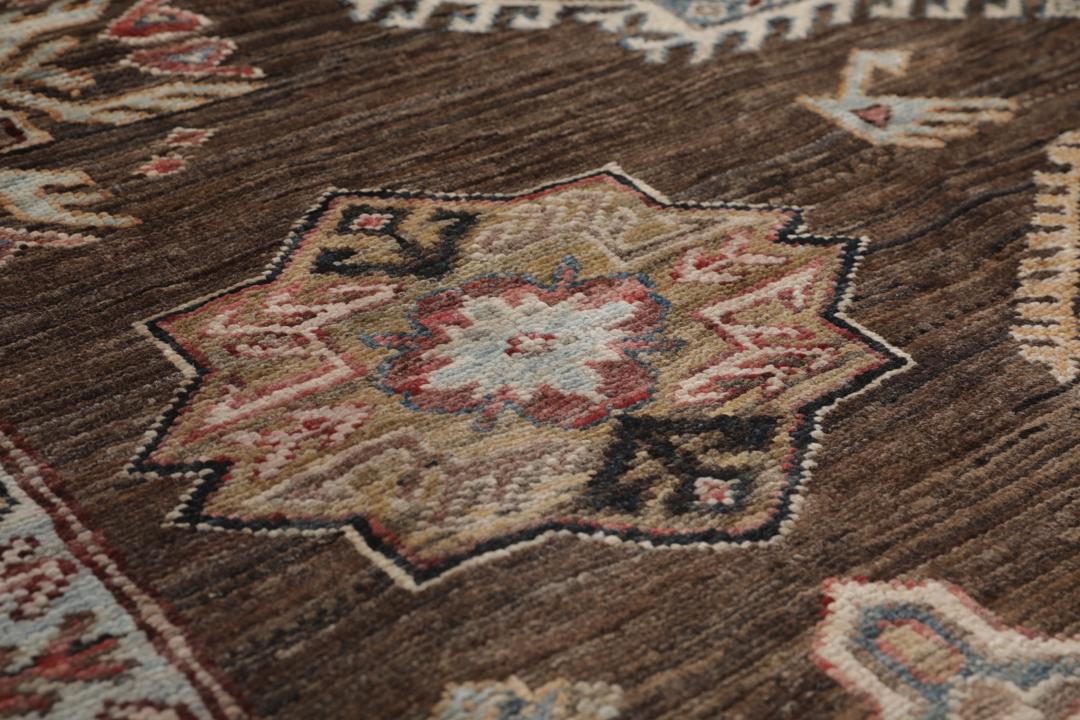
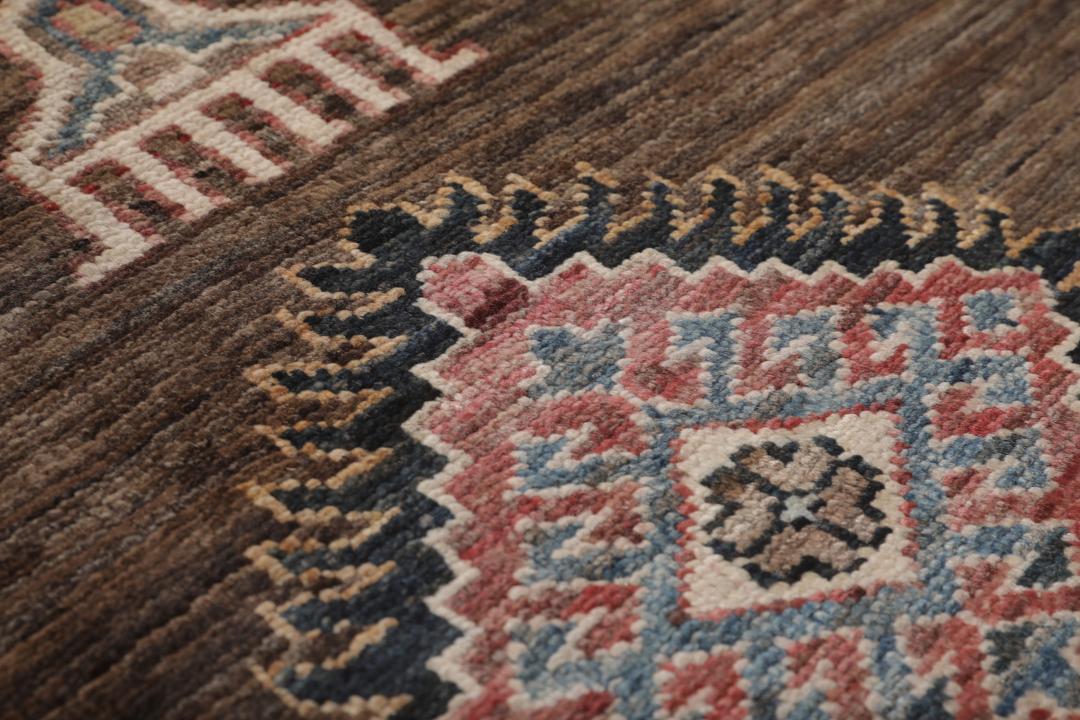
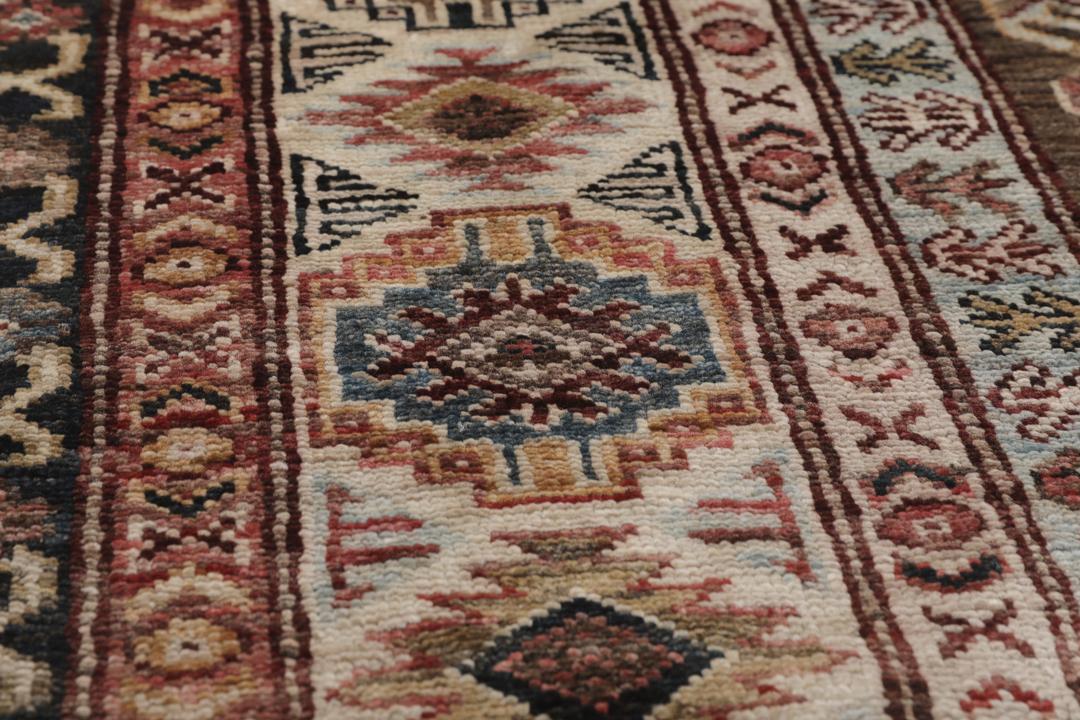
Design-wise, these rugs are defined by their geometric vocabulary. You will often see large, bold medallions, stylised floral motifs, and latch-hook patterns that carry symbolic meaning from the weaver's cultural heritage. The borders are usually formal and intricate, framing the field with repeating motifs that create a sense of harmony and balance.
Collecting a Kazak rug is an investment in human skill and cultural history. Because they are not mass-produced, they carry a sense of authenticity that is hard to find in modern decor. Owning one means holding a piece of a living tradition, crafted with methods that have been passed down through families for generations, and valued for its enduring aesthetic and robust construction.