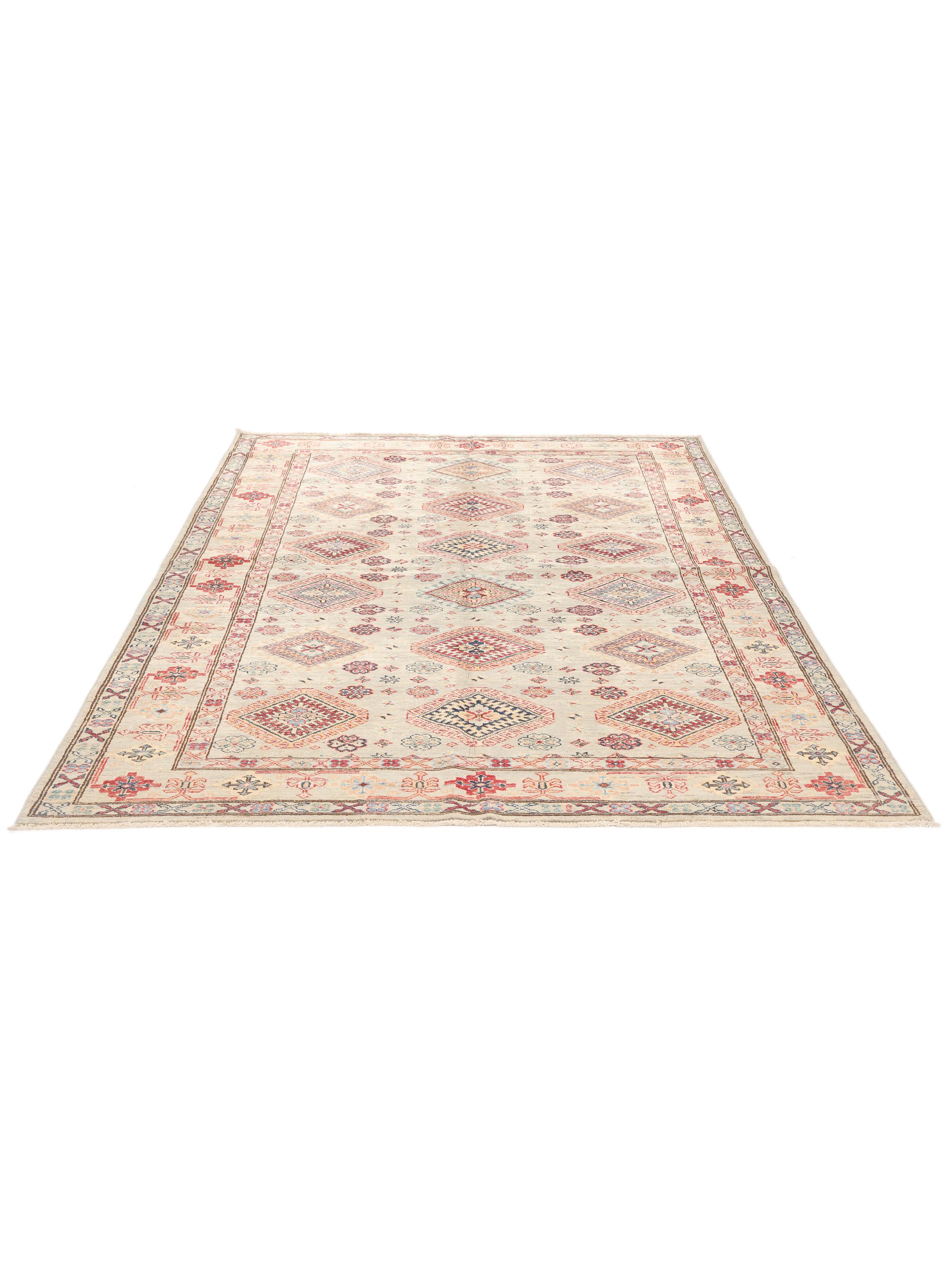
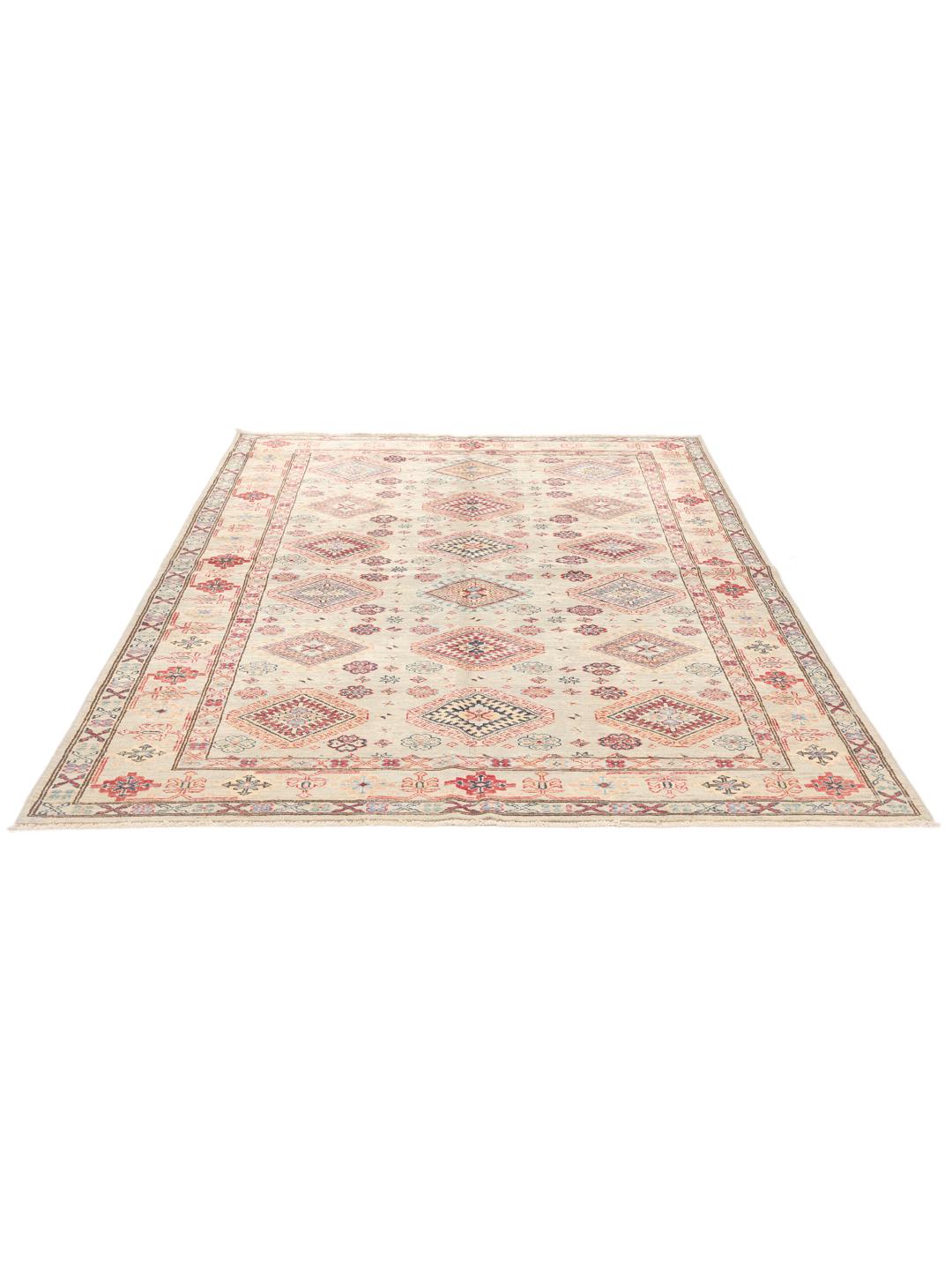
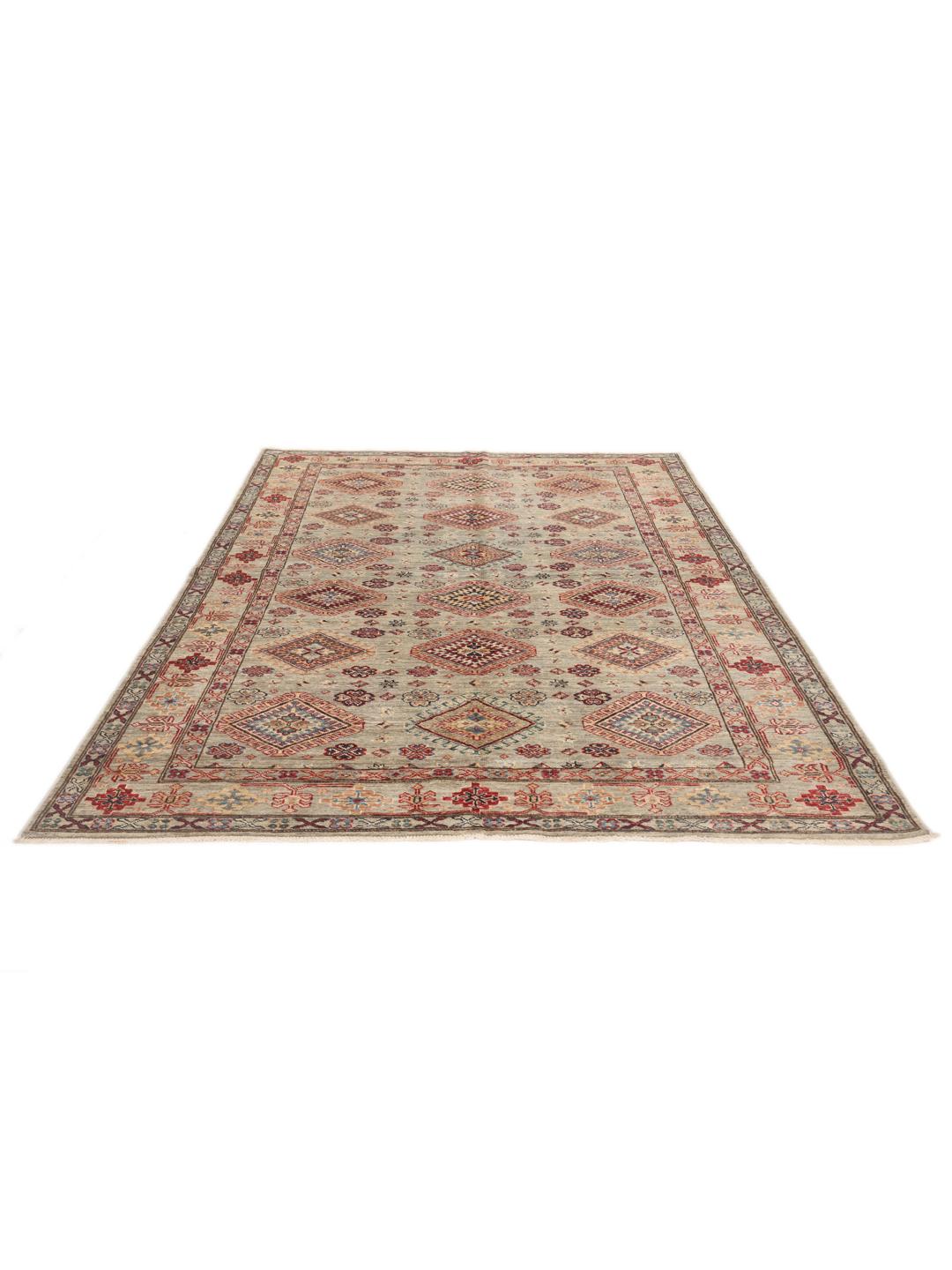
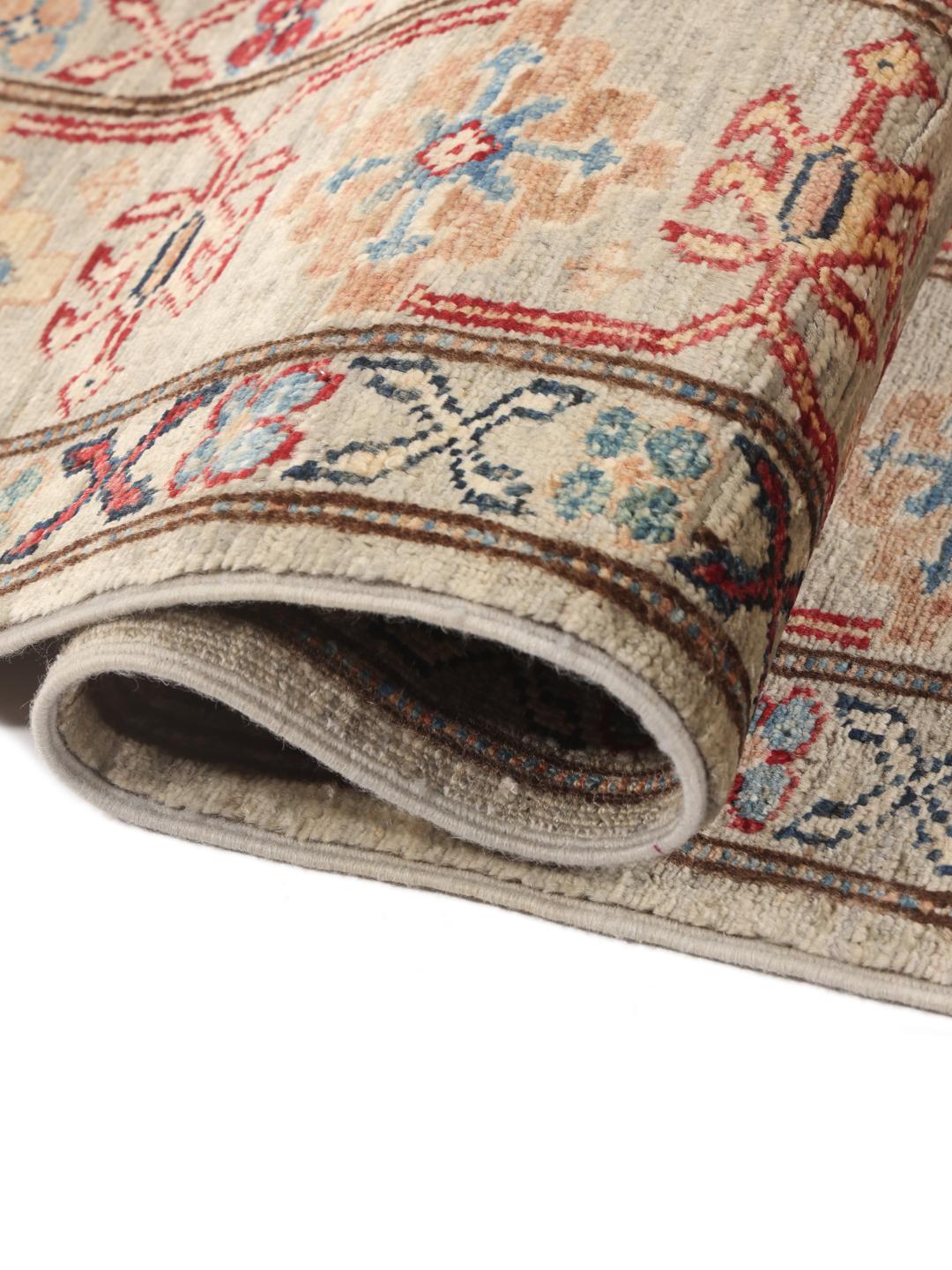
Kazak rugs originate from the Caucasus region, historically serving as a bridge between nomadic traditions and settled craftsmanship. While the designs have evolved over centuries, they are celebrated for their bold, geometric language. Today, the tradition of weaving these rugs has found a vibrant home in Afghanistan, where artisans continue to honour the classic motifs while adapting them to modern homes.
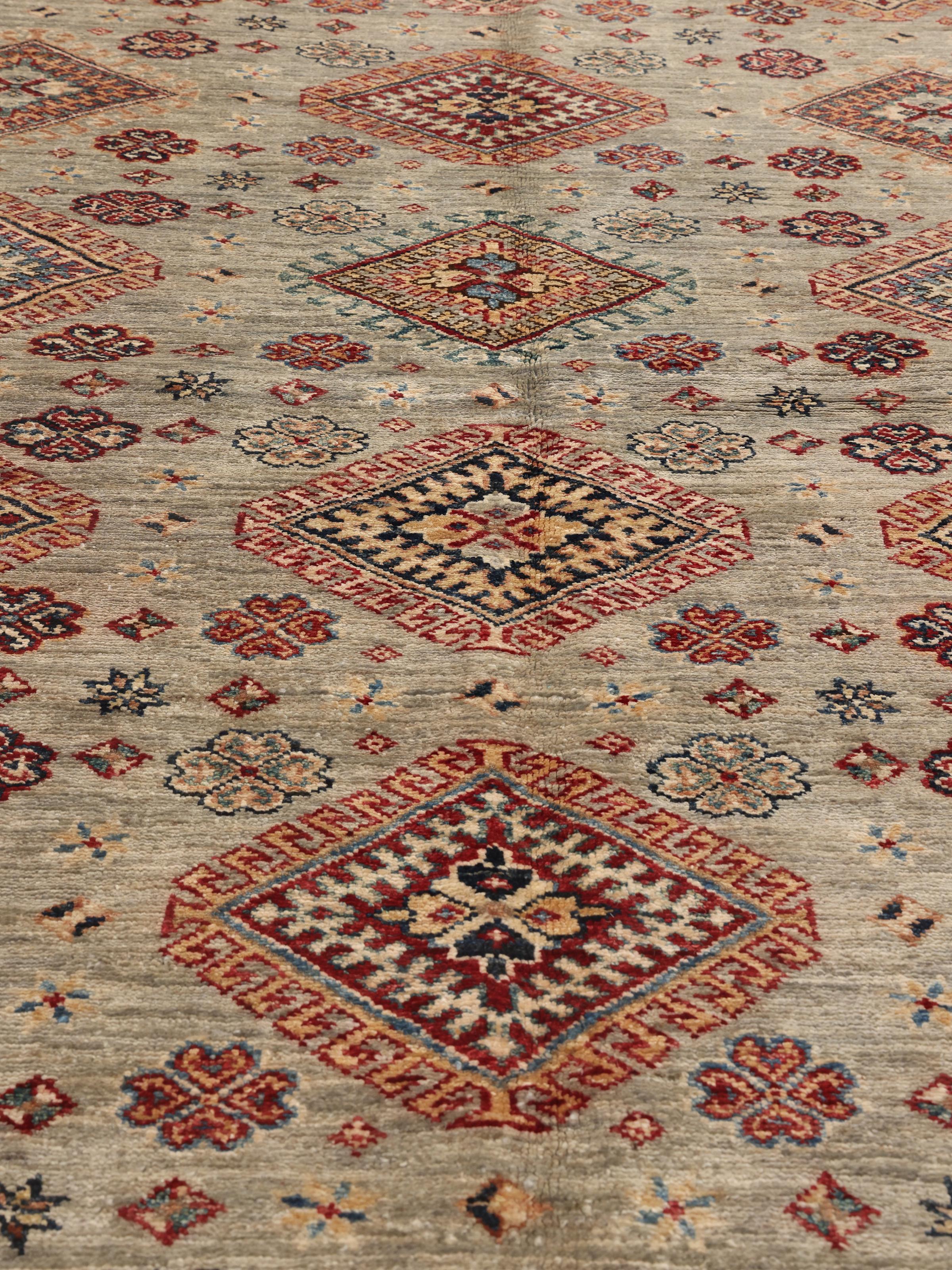
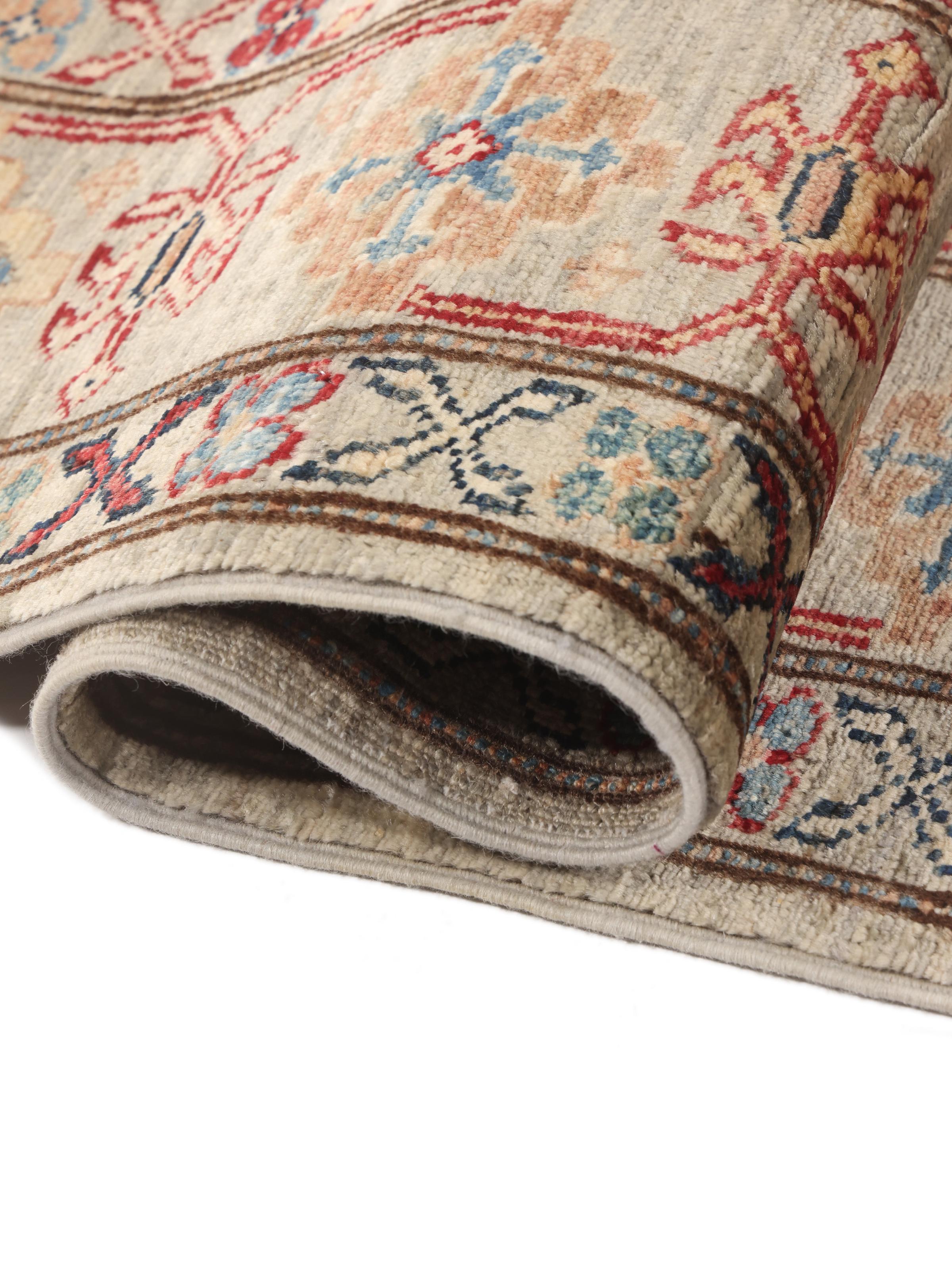
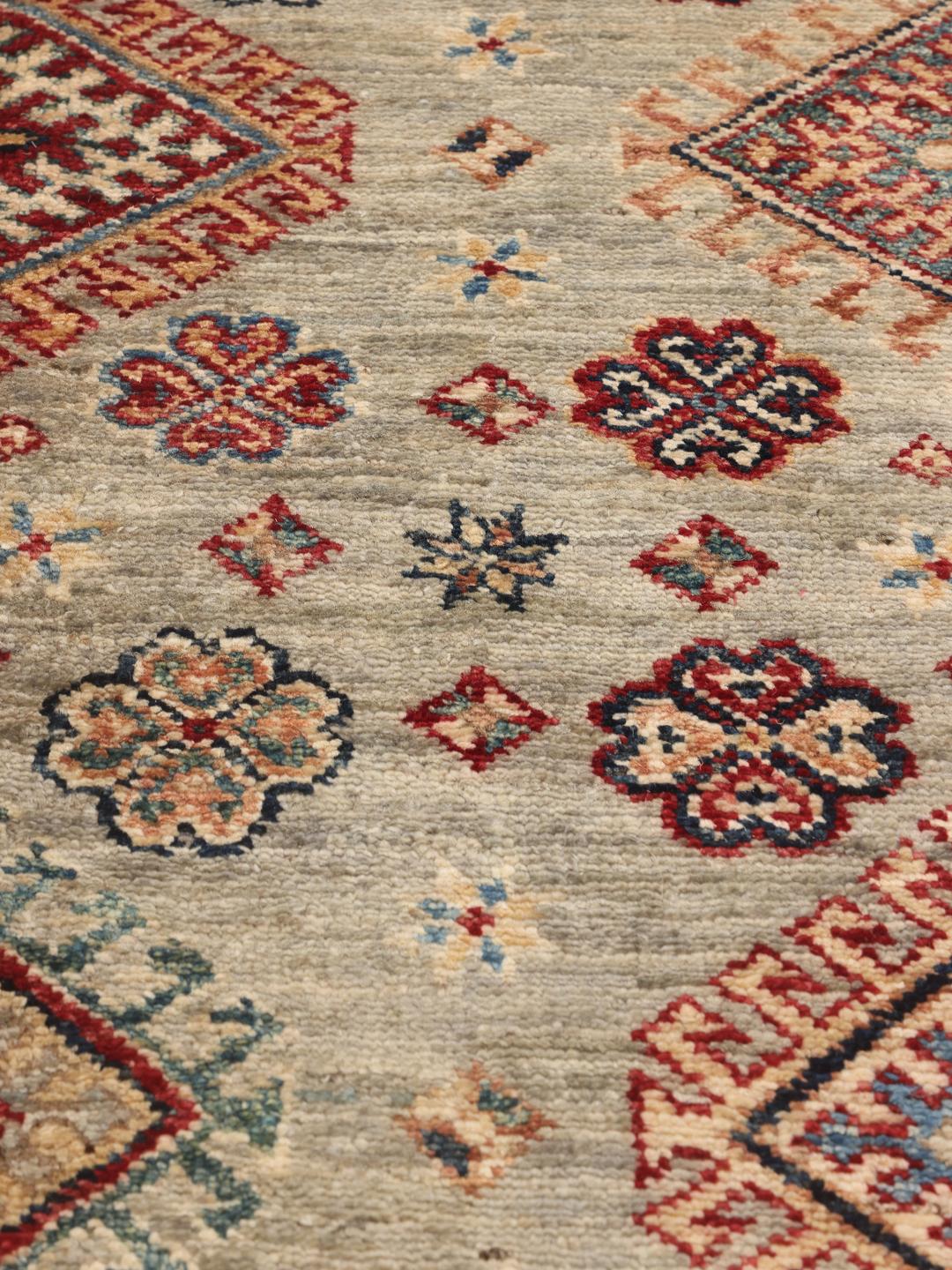
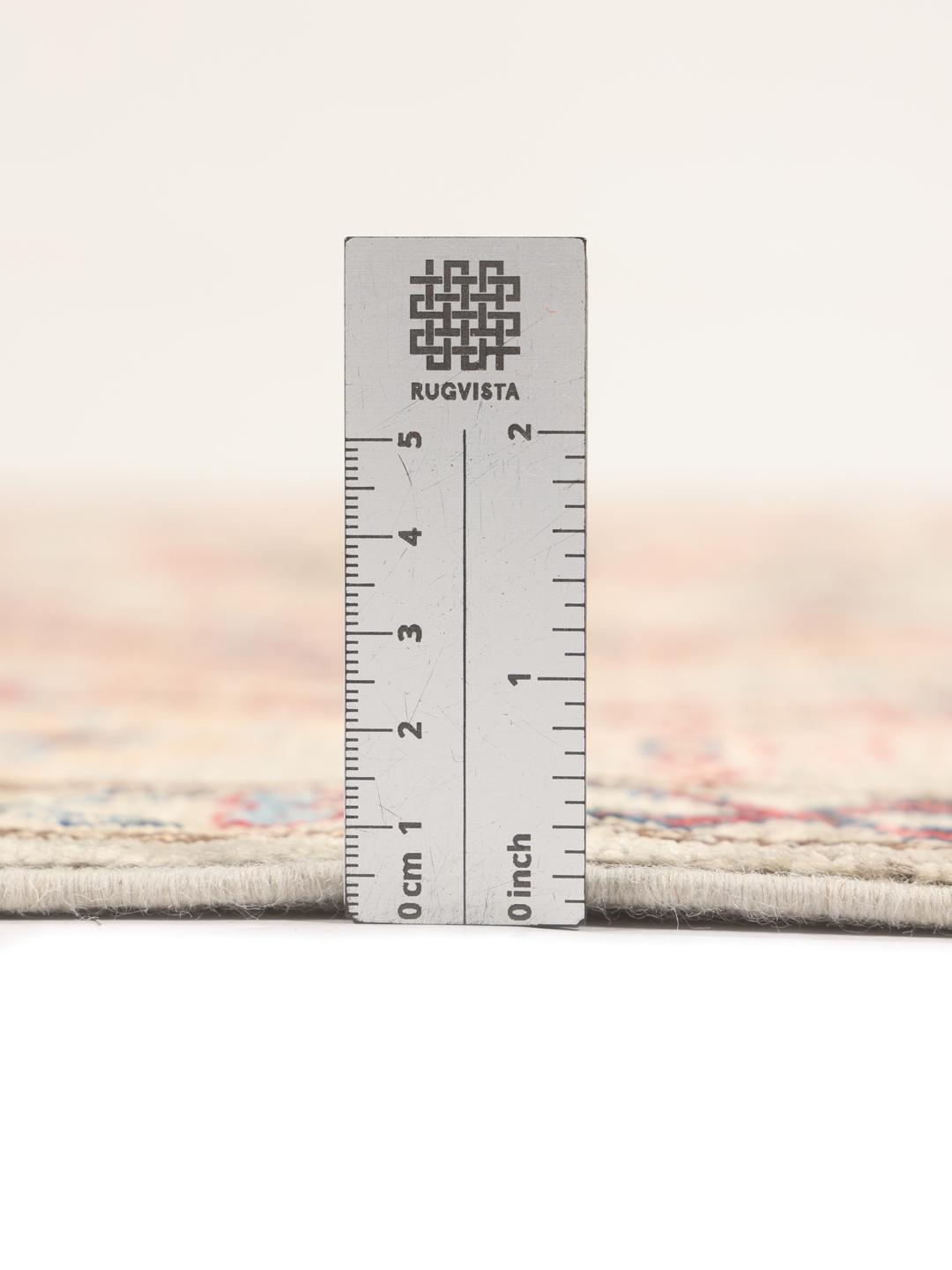
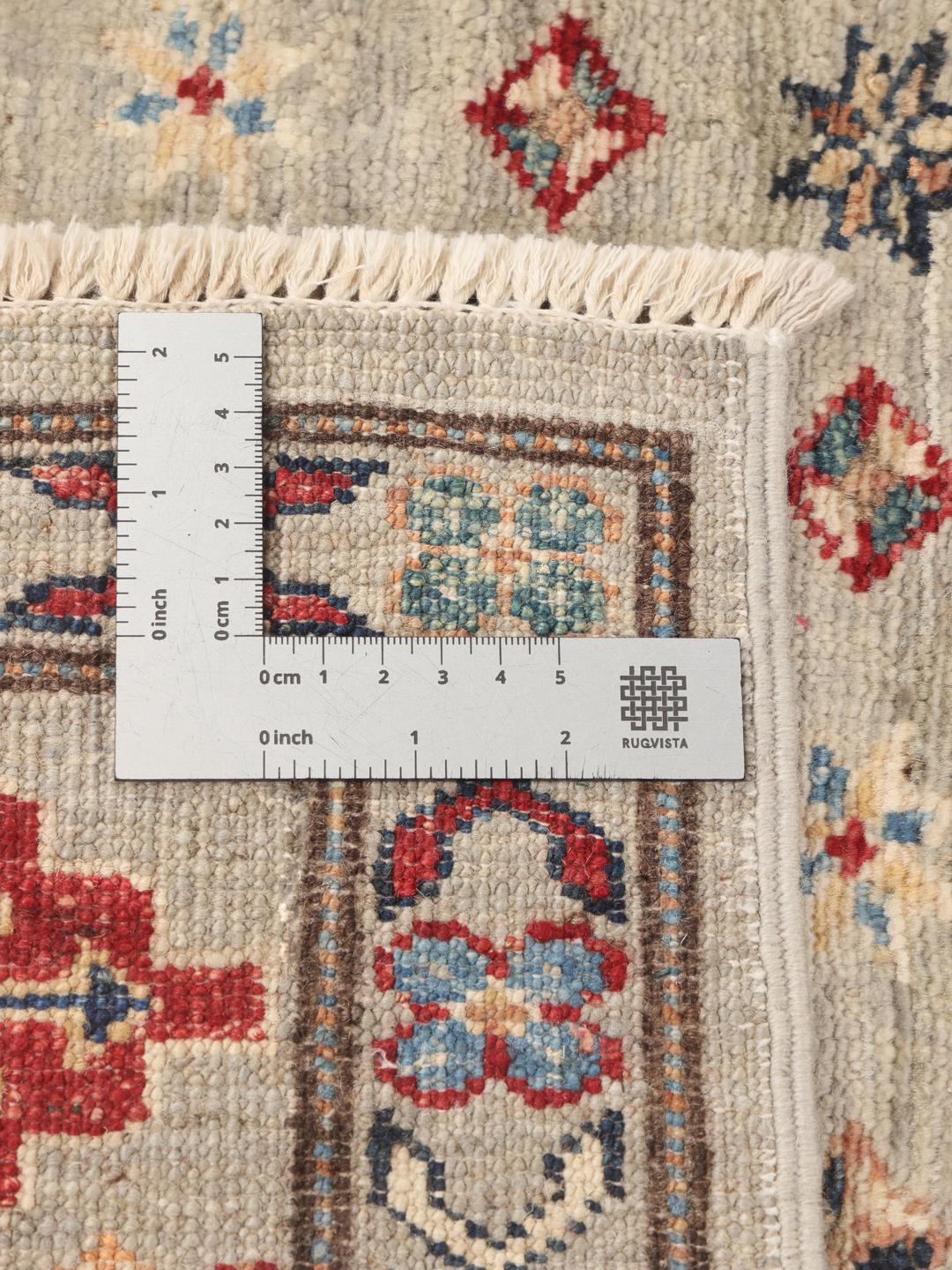
The term 'Kazak' refers to a specific style of weaving that prioritises a thick, durable pile and large-scale, striking patterns. These rugs are typically characterised by a robust construction that emphasises longevity. The use of high-quality wool, often hand-spun, ensures that the rugs develop a soft, lustrous sheen as they age, enhancing the depth of the colours and the clarity of the design over time.
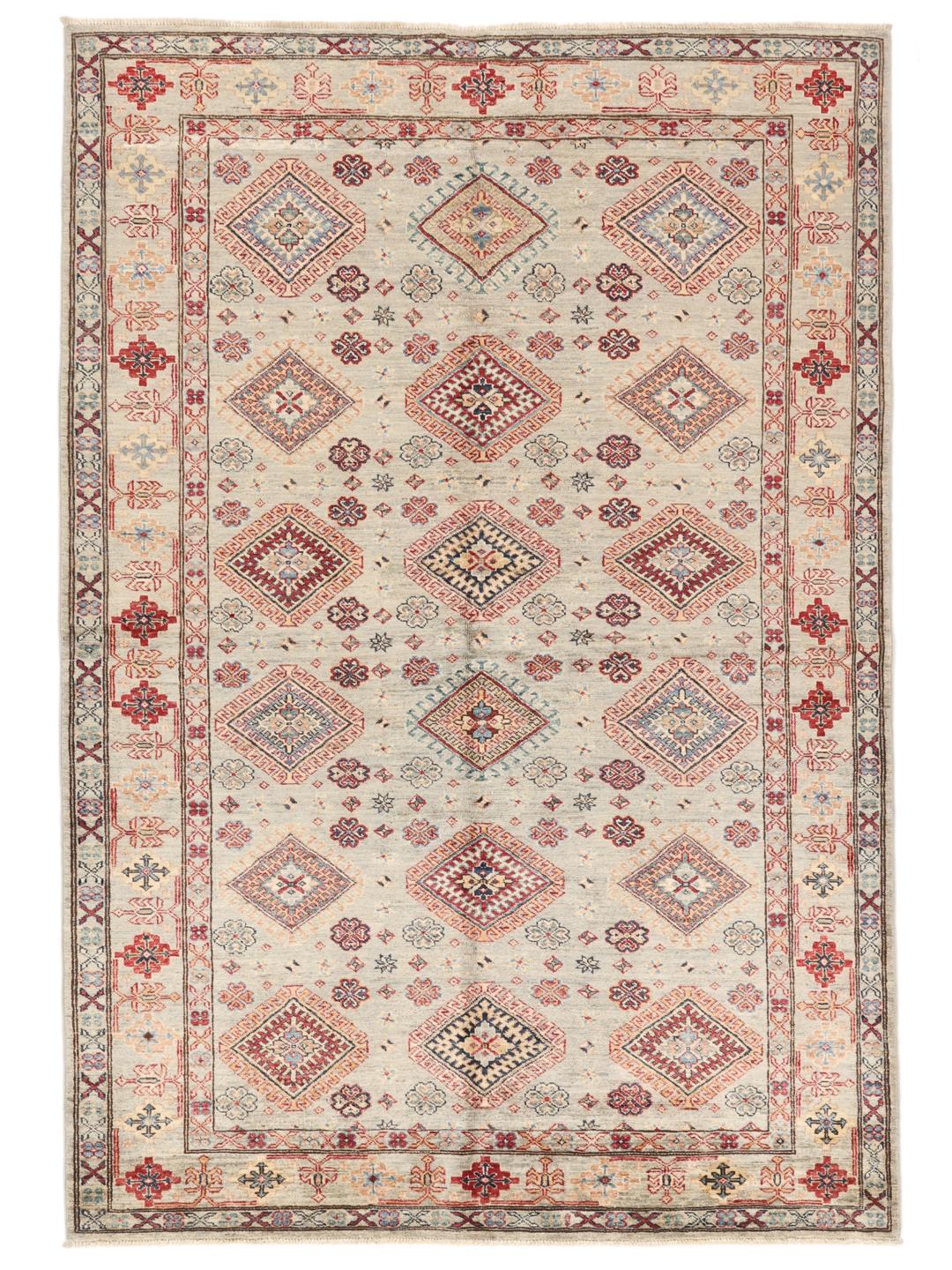
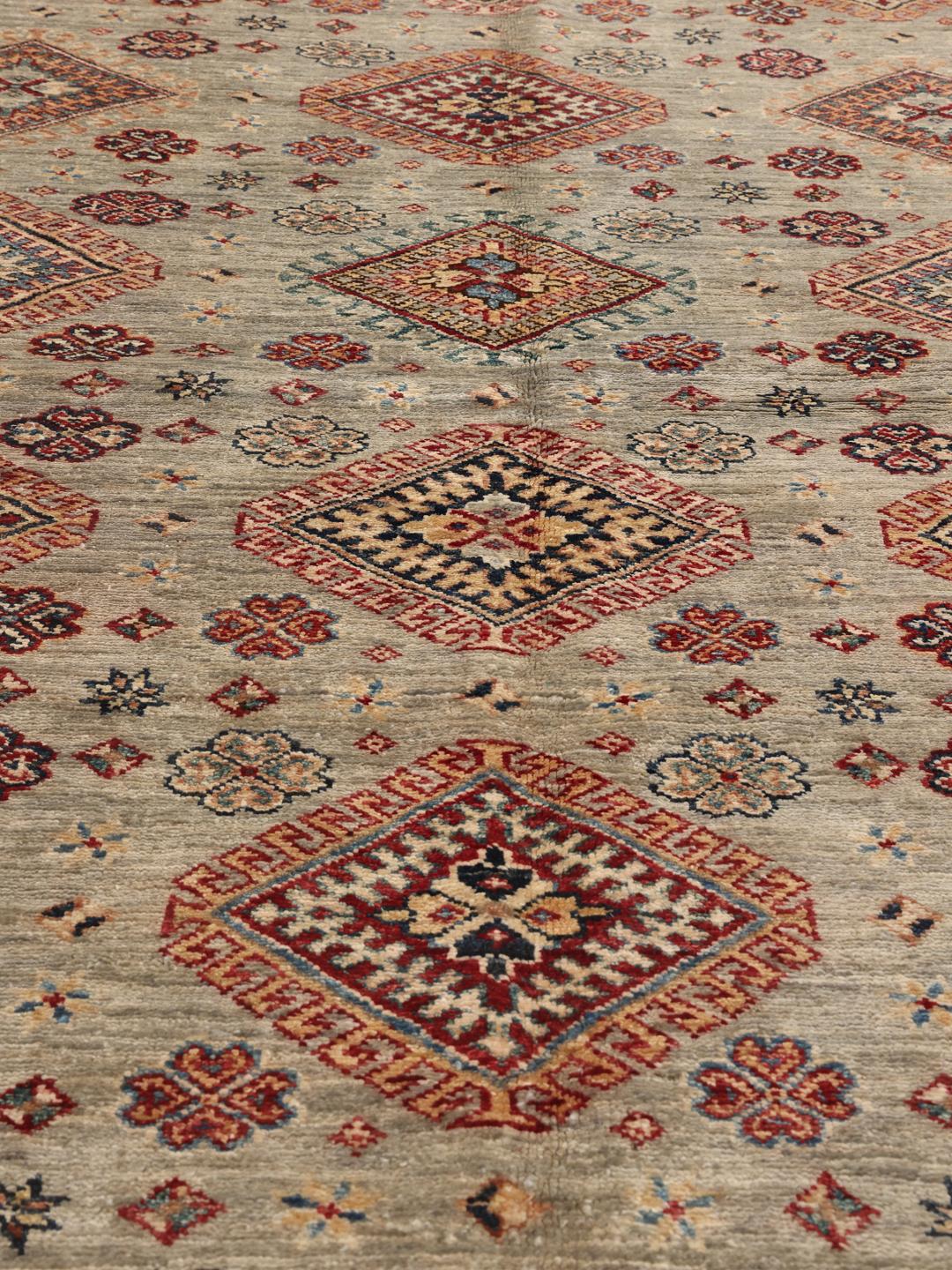
Visually, these rugs are defined by their geometric medallions, often referred to as guls, and stepped diamond shapes that create a rhythmic, balanced field. These motifs are frequently framed by intricate, decorative borders that draw from a heritage of tribal symbolism. The colour palette often leans on earthy tones, with deep reds and soft neutrals that provide a grounding effect in any interior setting.
Collectors value these rugs for their cultural weight and the undeniable skill required to produce them. Owning a piece from this tradition is an investment in human artistry and historical continuity. These rugs are not merely floor coverings but artefacts of a living tradition, offering a sense of heritage and enduring quality that connects the modern home to ancient weaving practices.