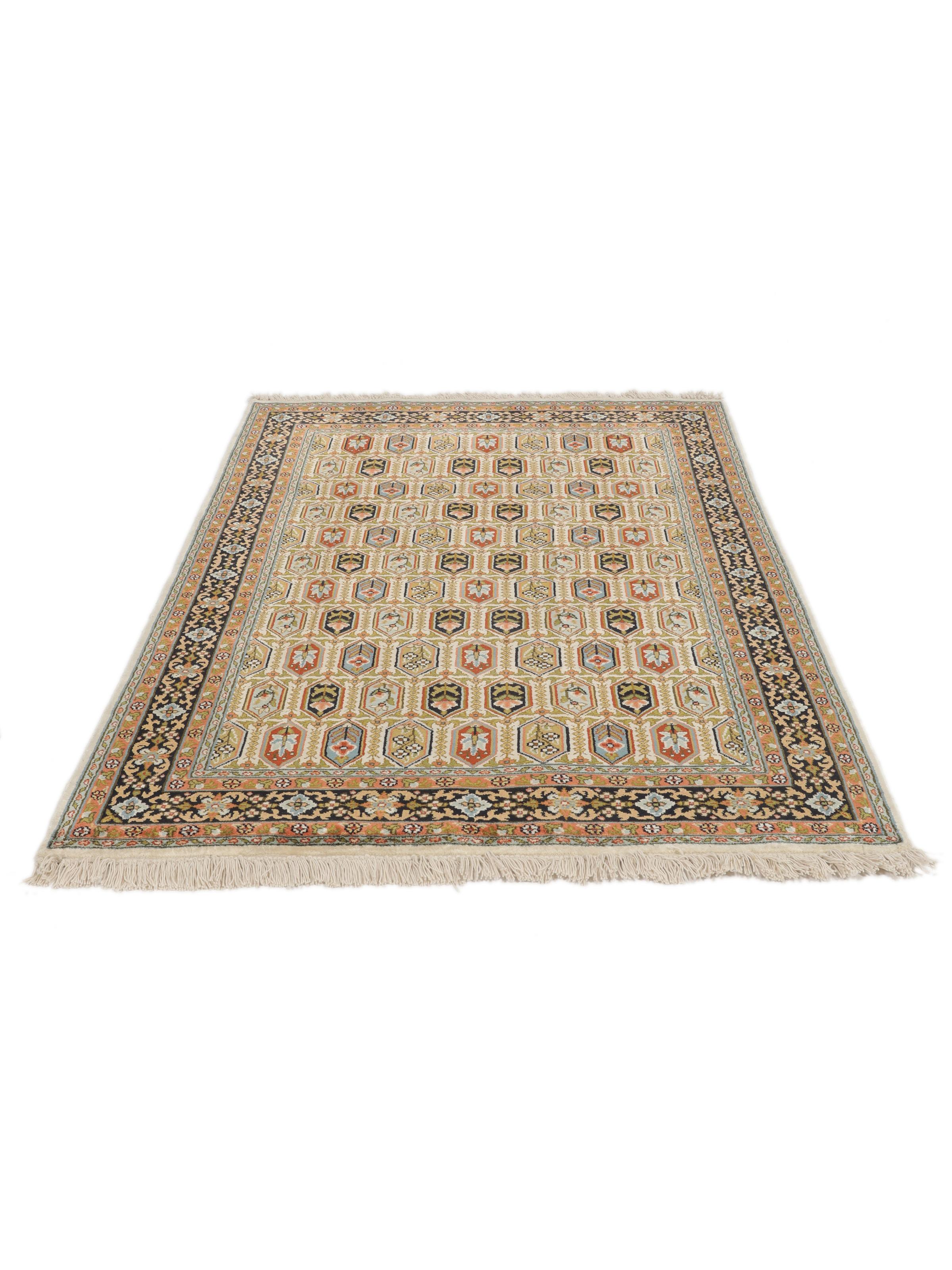
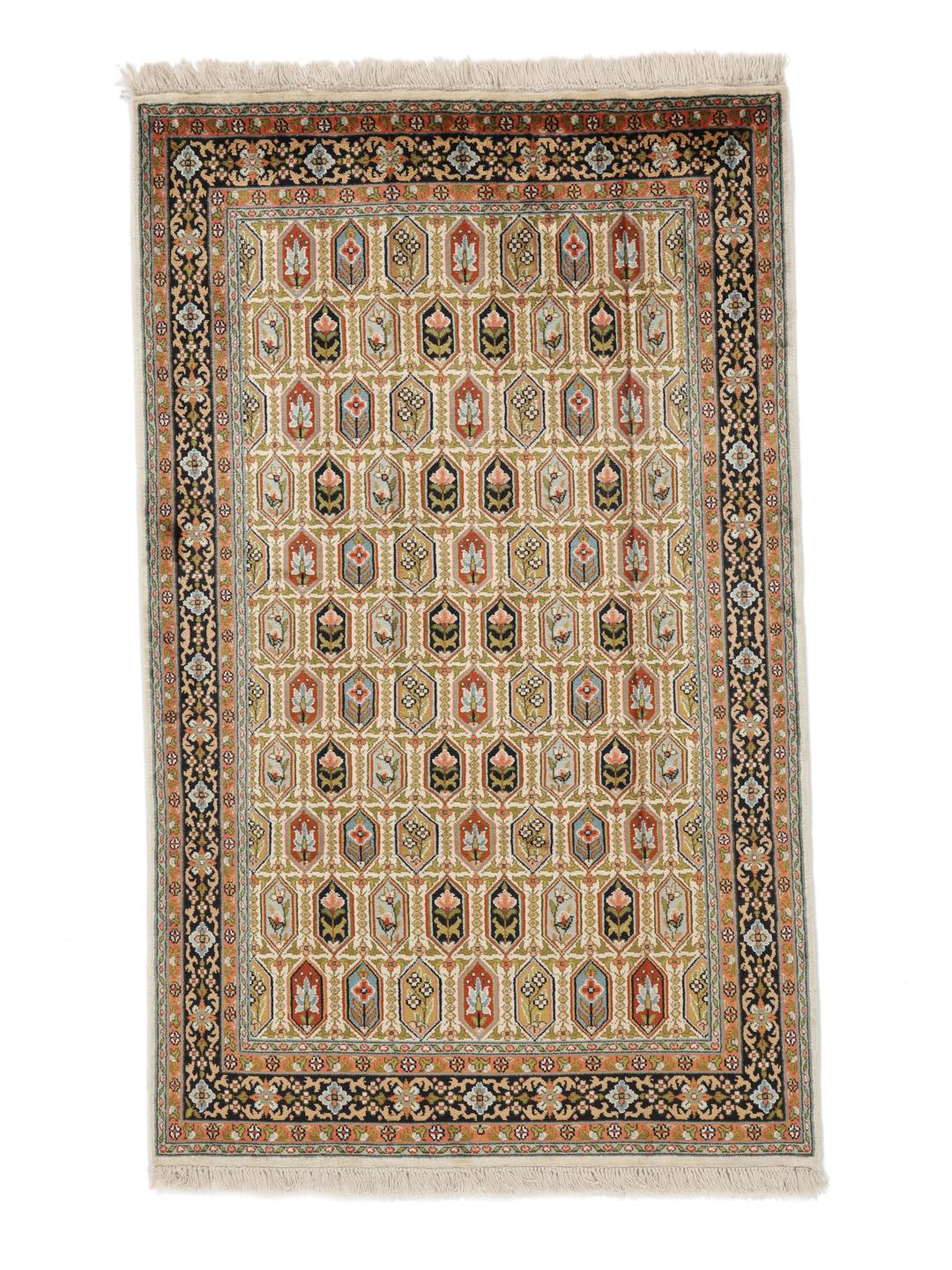
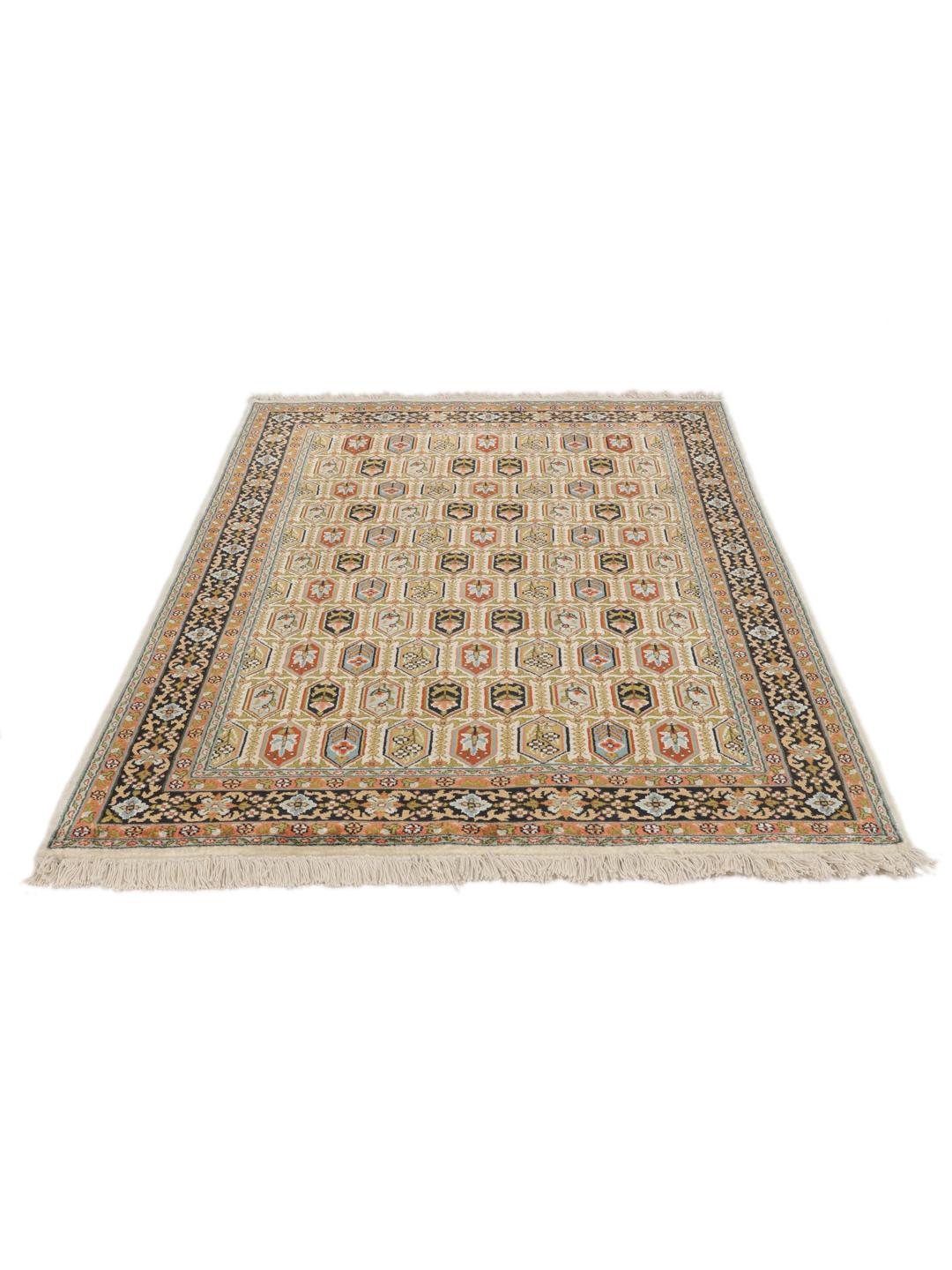
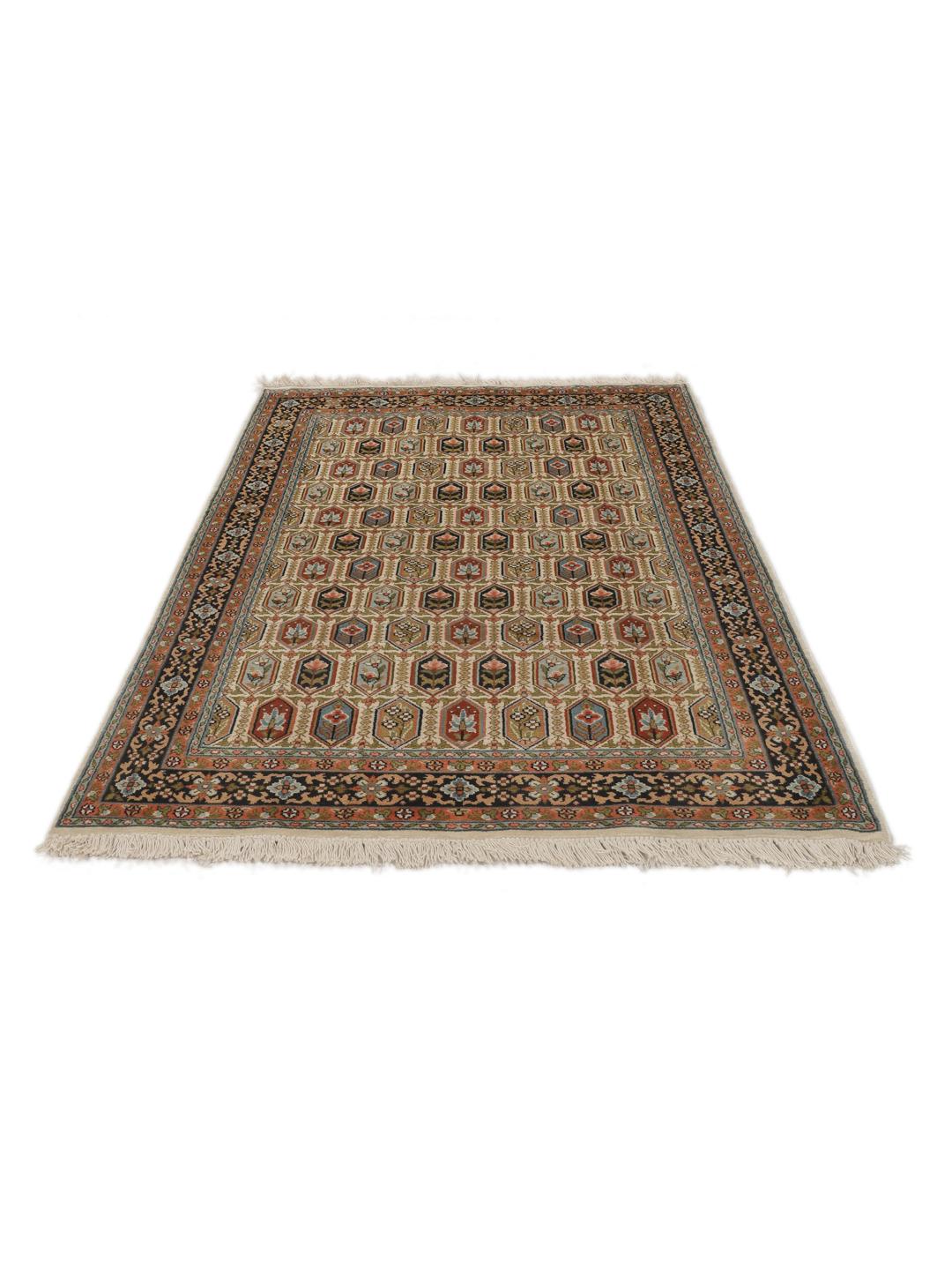
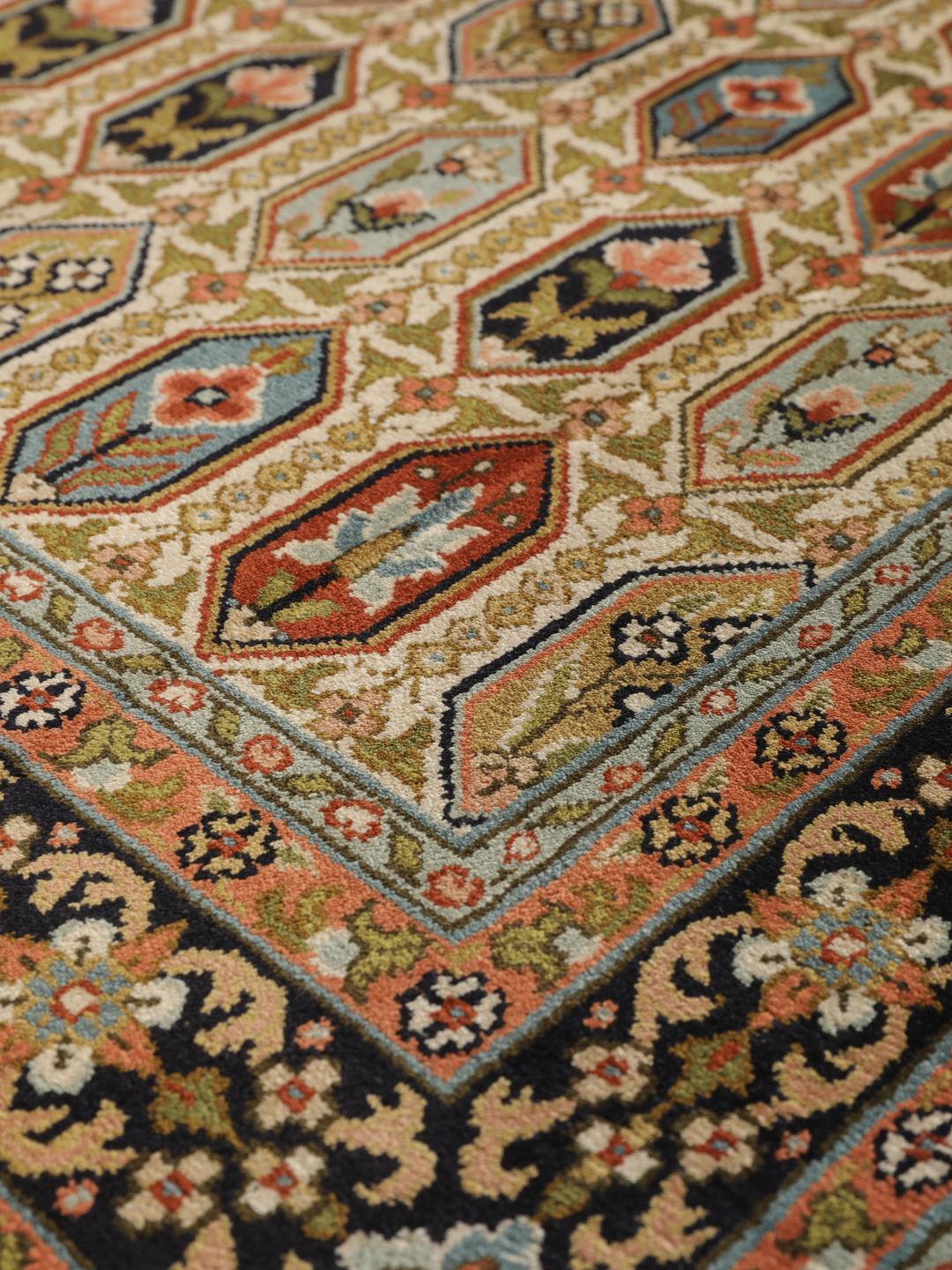
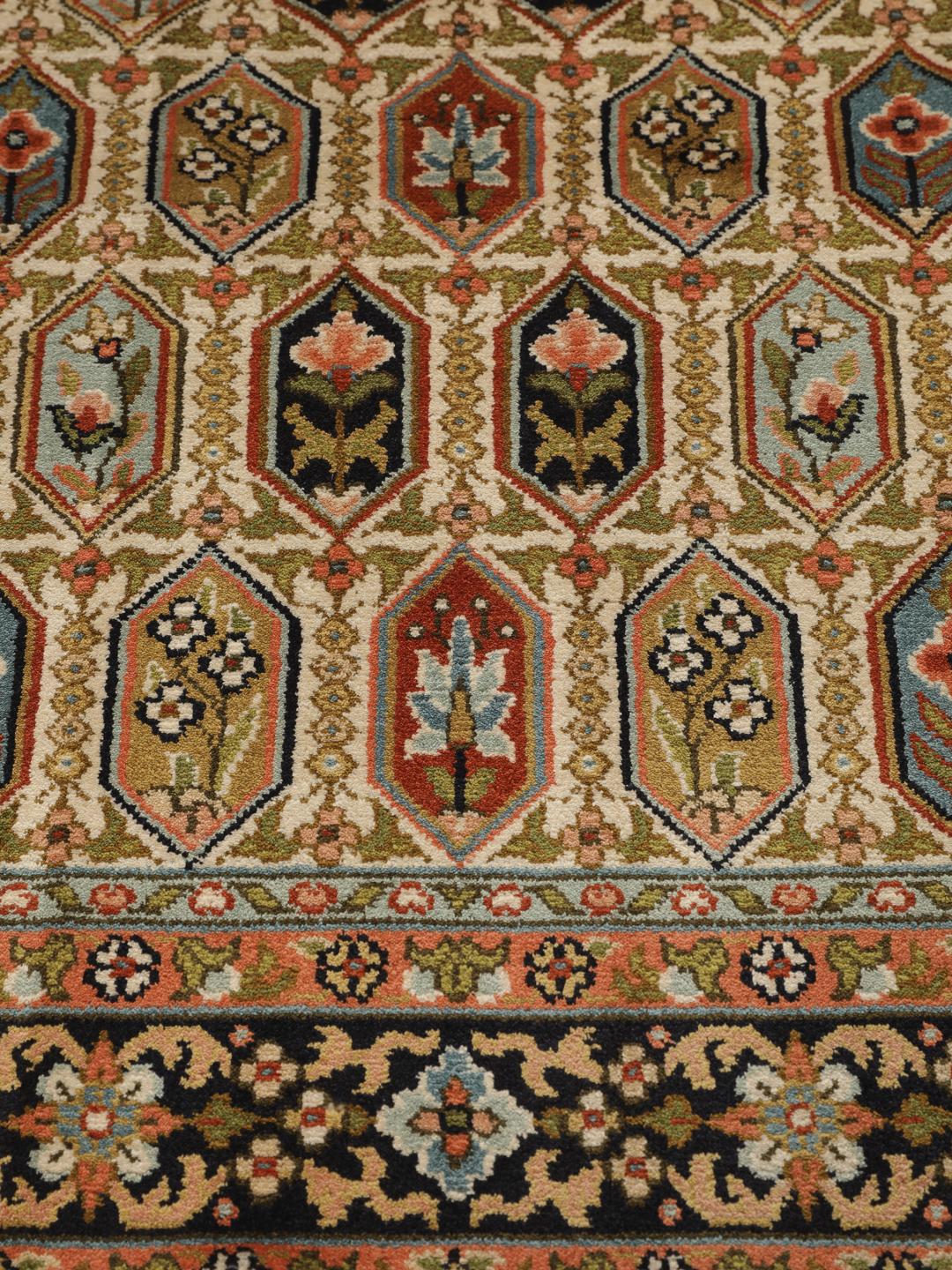
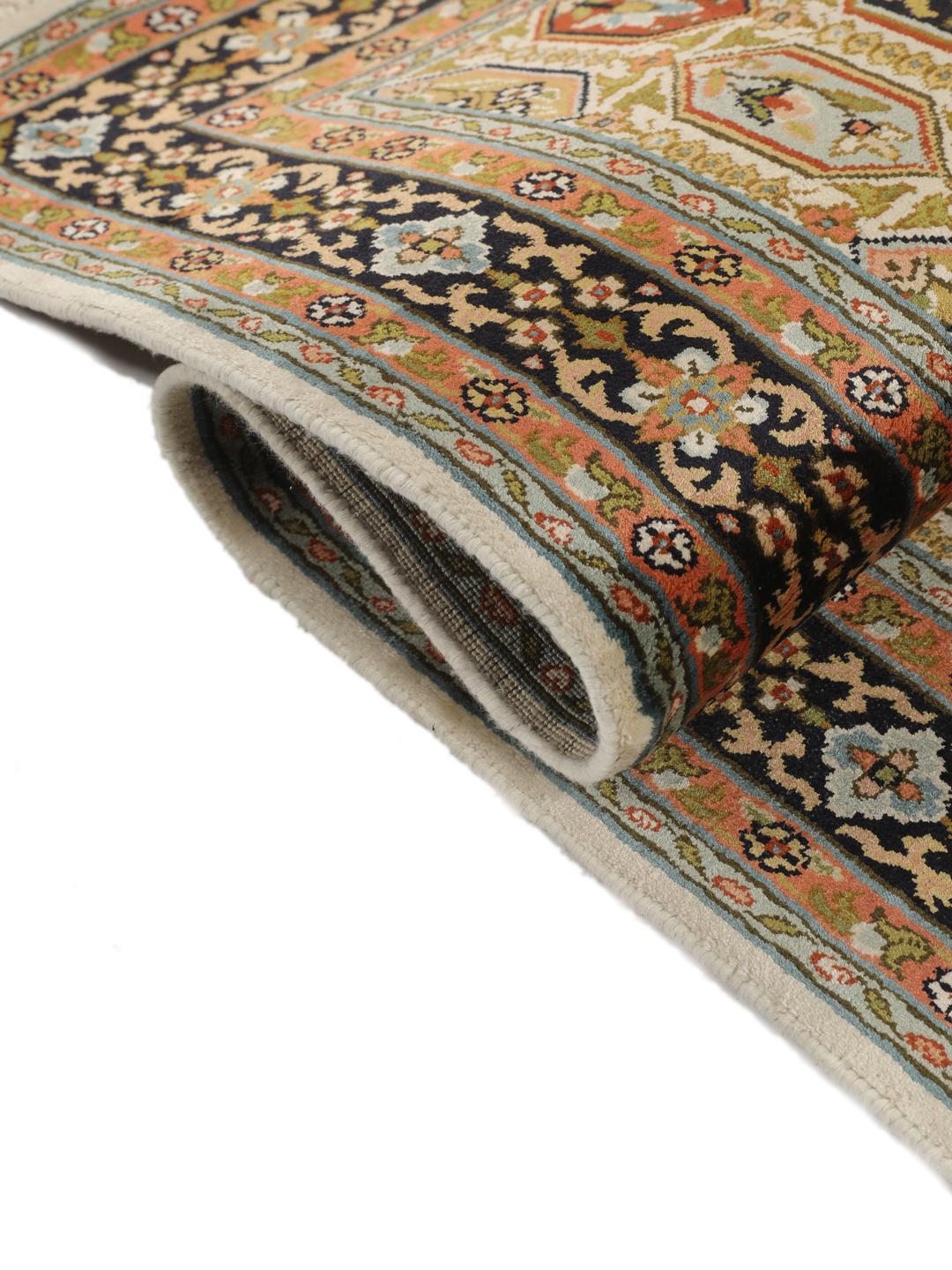
Kashmir silk rugs are celebrated globally as the pinnacle of Indian textile artistry. Their history is deeply rooted in the cultural exchange that travelled along the ancient trade routes, where techniques from the Middle East were introduced to the Kashmir Valley. Over centuries, local artisans integrated these methods with their own aesthetic traditions, resulting in a unique style that is recognised today for its incredible delicacy and refined beauty.
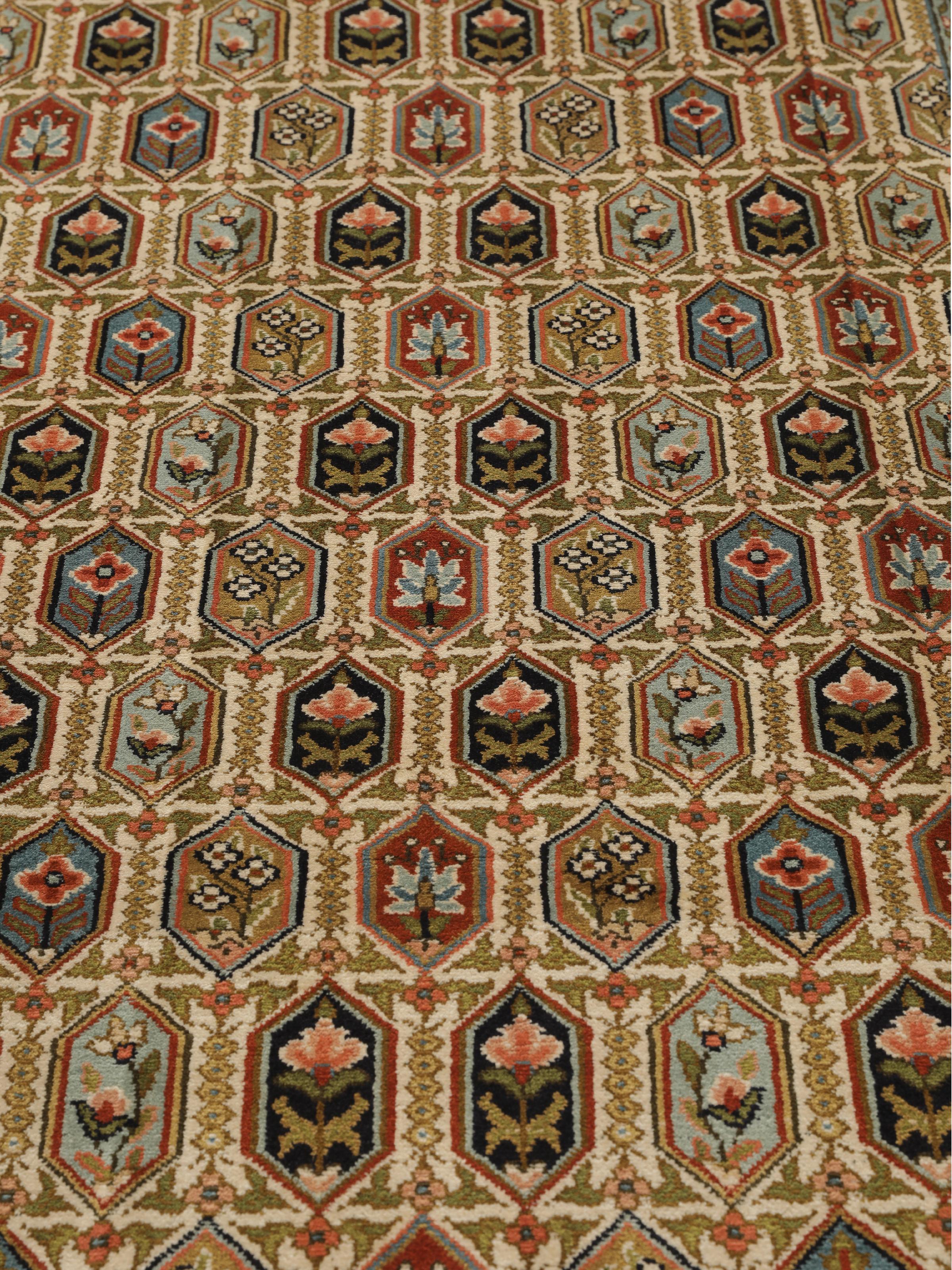
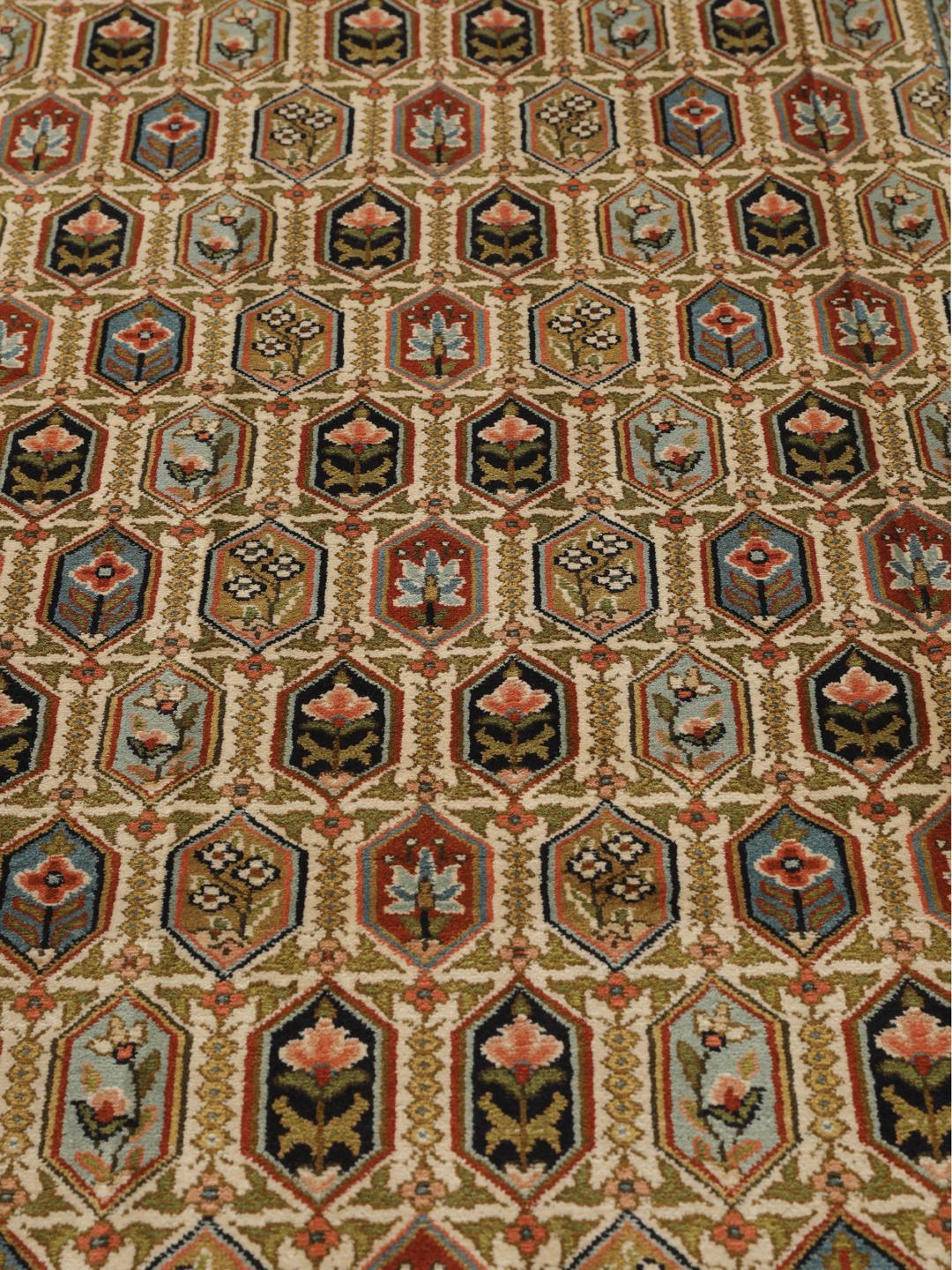
The term 'Kashmir silk' refers not just to the material, but to a specific, highly demanding tradition of hand-knotting that emphasises detail and colour saturation. Silk is a challenging material to work with because of its fine, slippery nature, requiring a level of dexterity and patience that only master weavers possess. This technical mastery is what enables the creation of such complex, curvilinear patterns that appear almost like paintings on the floor.
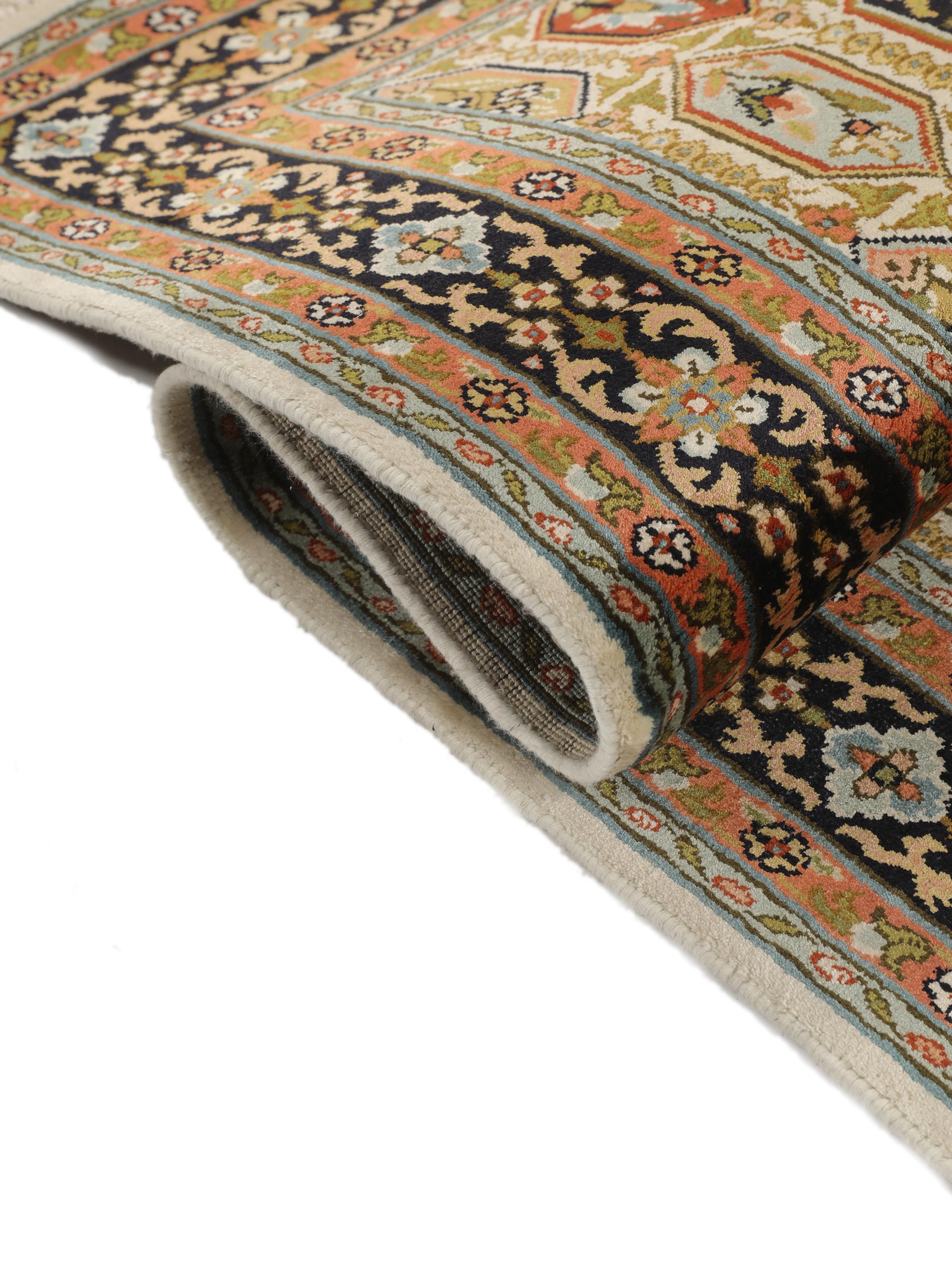
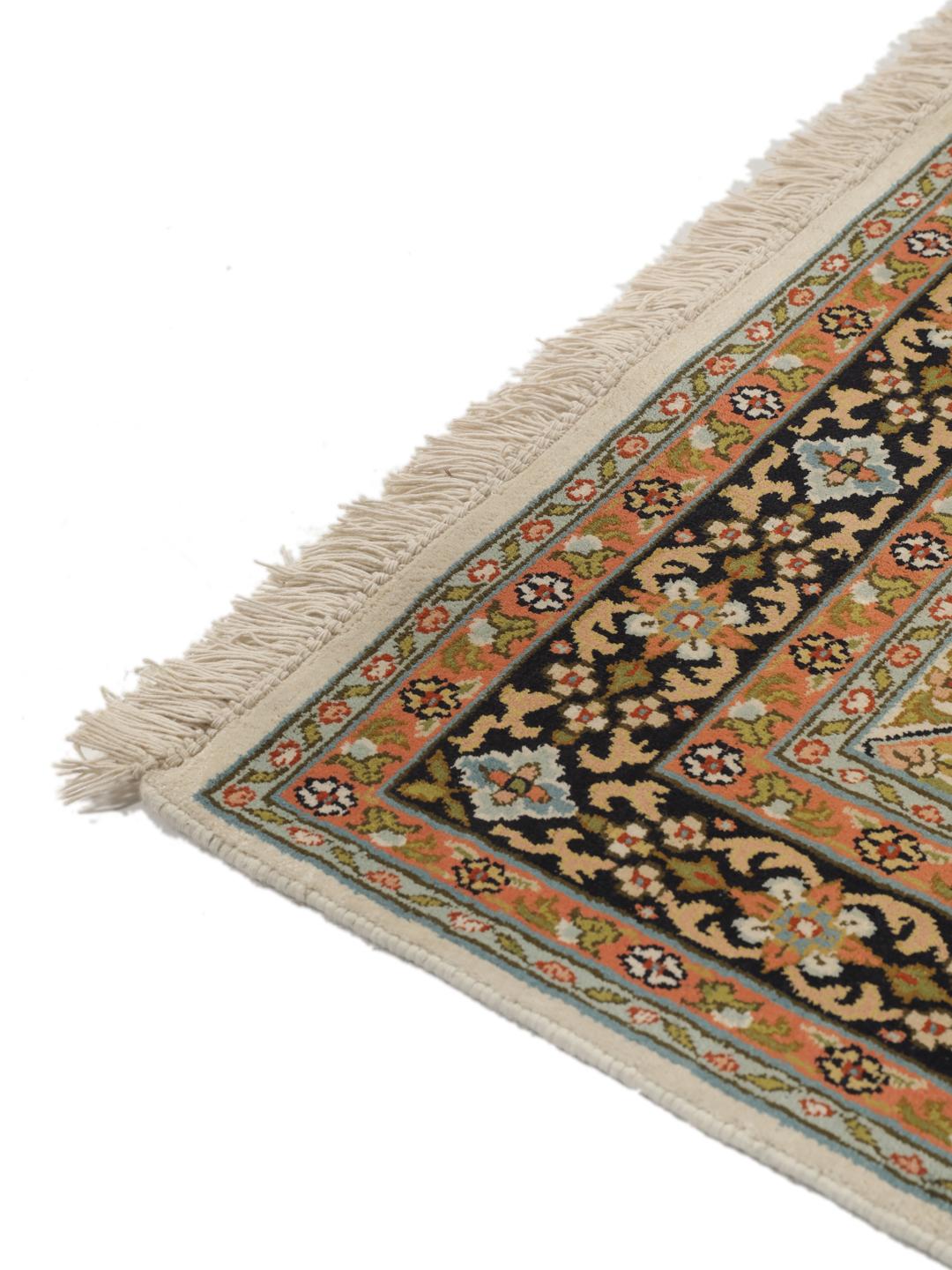
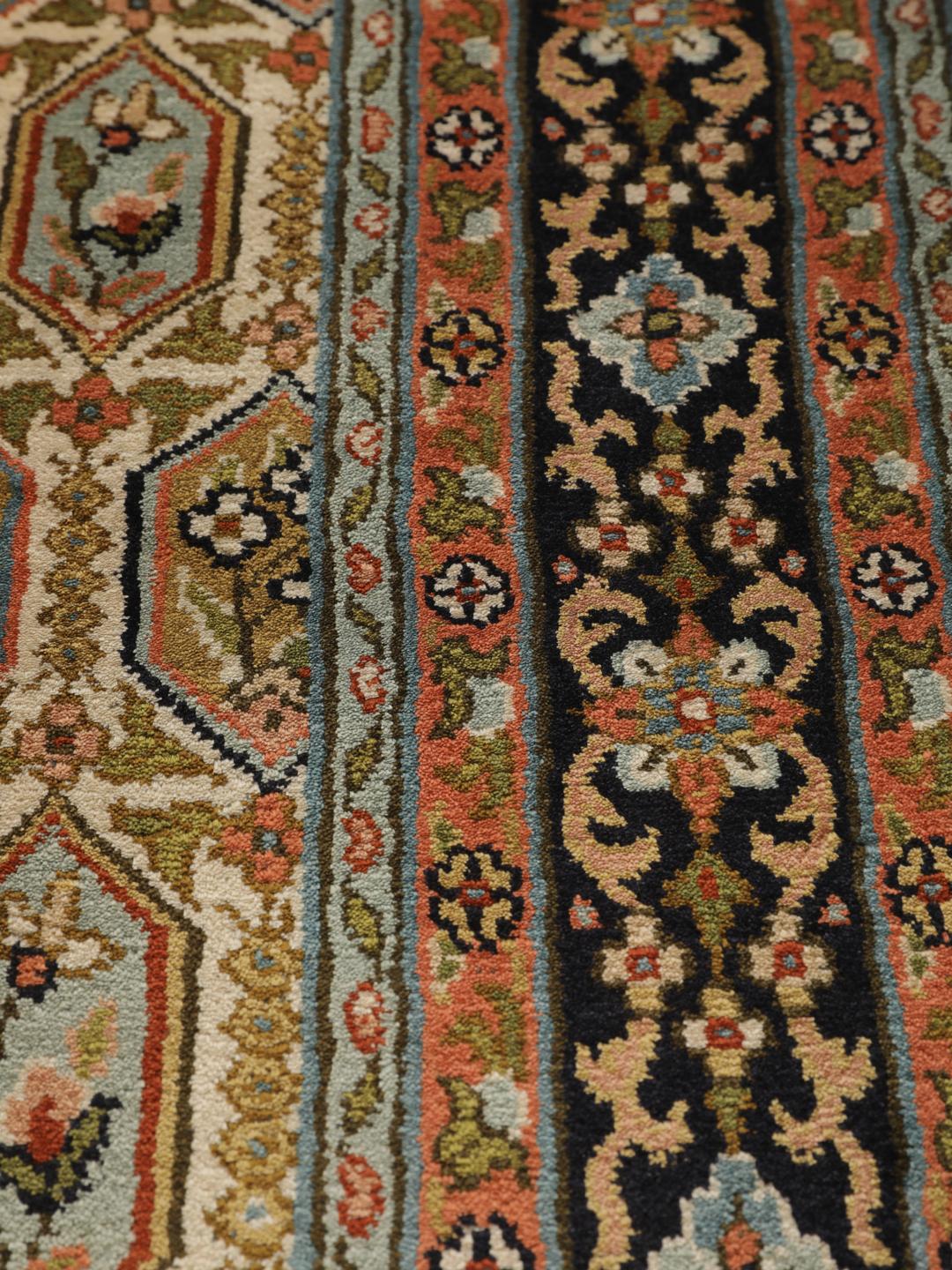
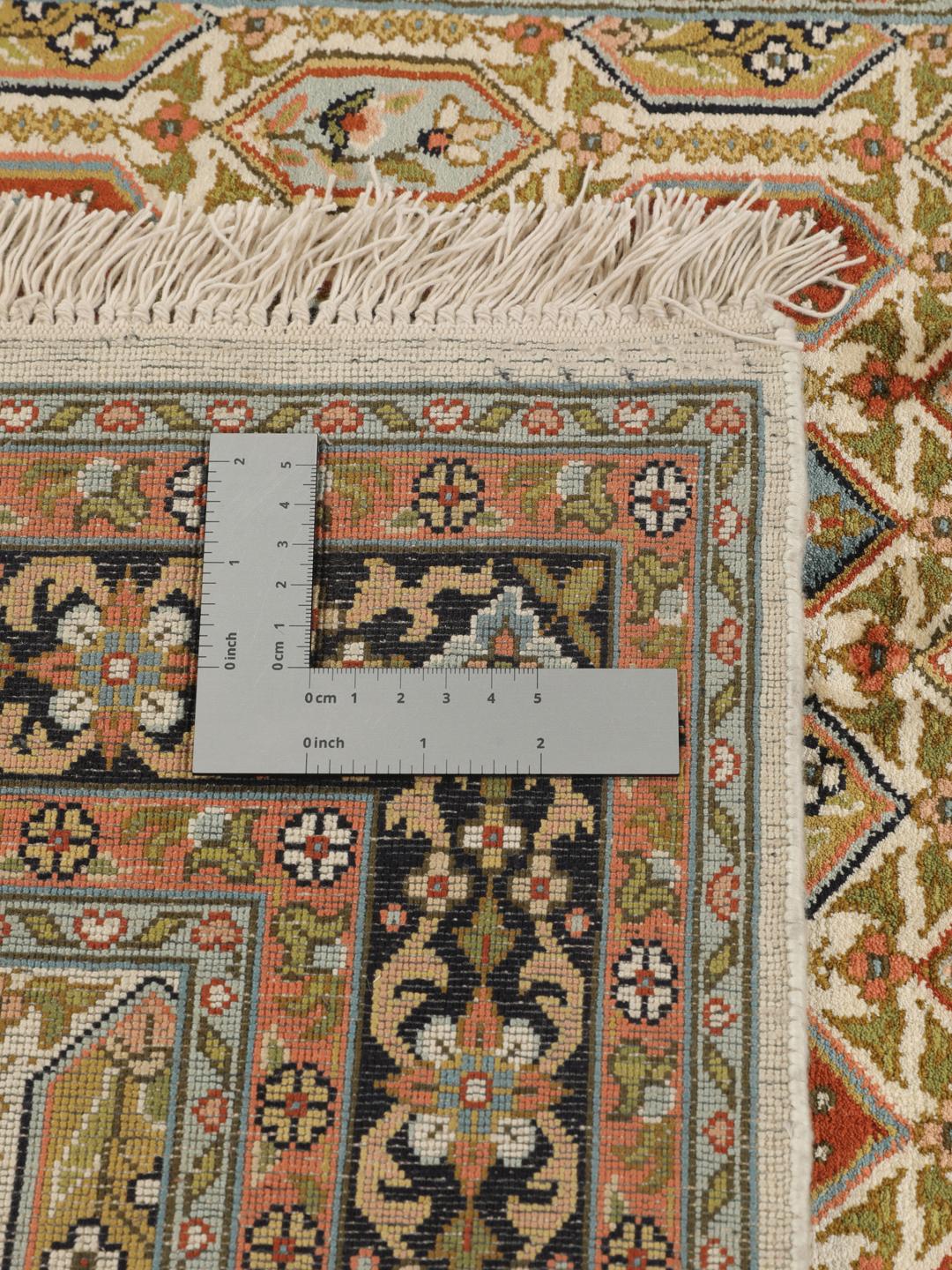
Signature design elements of these rugs often include intricate floral motifs, such as the famous 'Tree of Life' or elaborate garden patterns. These designs are frequently framed by decorative borders that mirror the complexity of the central field. The use of vibrant yet harmonious colours is a hallmark of the tradition, designed to highlight the natural sheen of the silk and create a sense of depth and movement that changes depending on the angle of the light.
To own a piece of Kashmir silk is to hold a fragment of a rich, enduring cultural heritage. These rugs are highly prized by collectors for their blend of technical perfection and artistic vision. They represent a significant achievement in human craft, serving as a reminder of the value of slow, deliberate creation in a fast-paced world. By choosing such a rug, you are preserving a legacy of skill that has been passed down through generations of dedicated families.