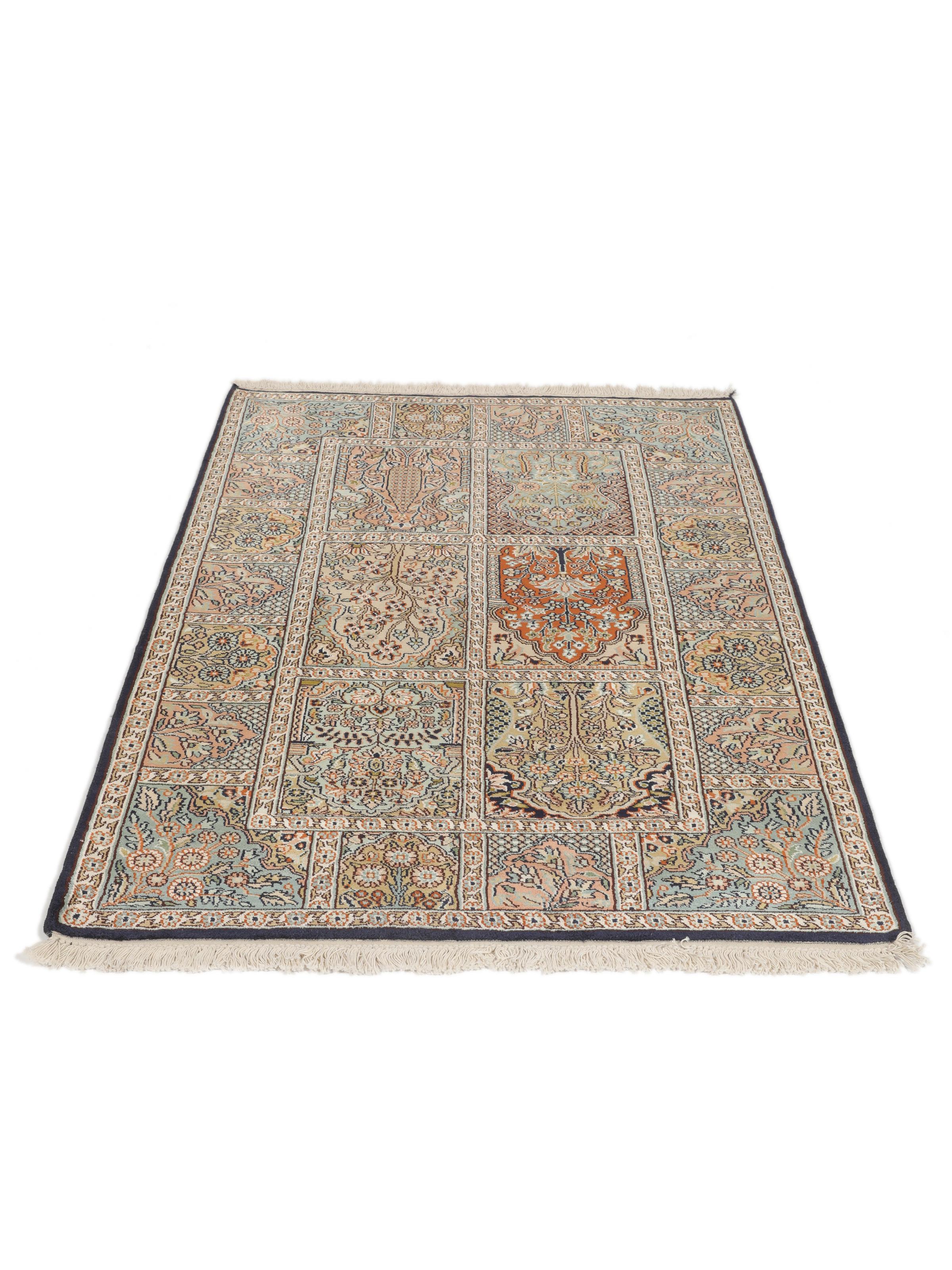
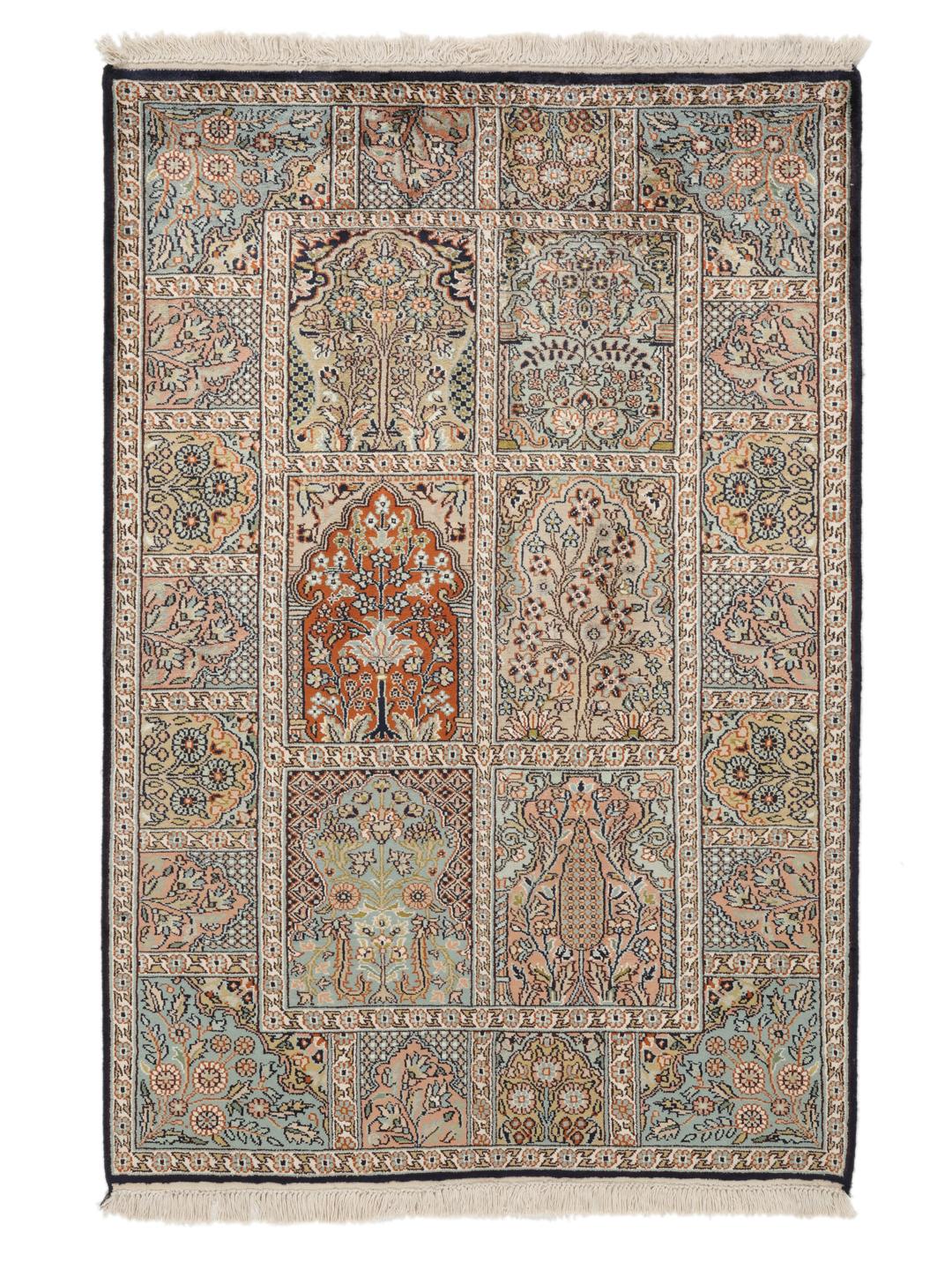
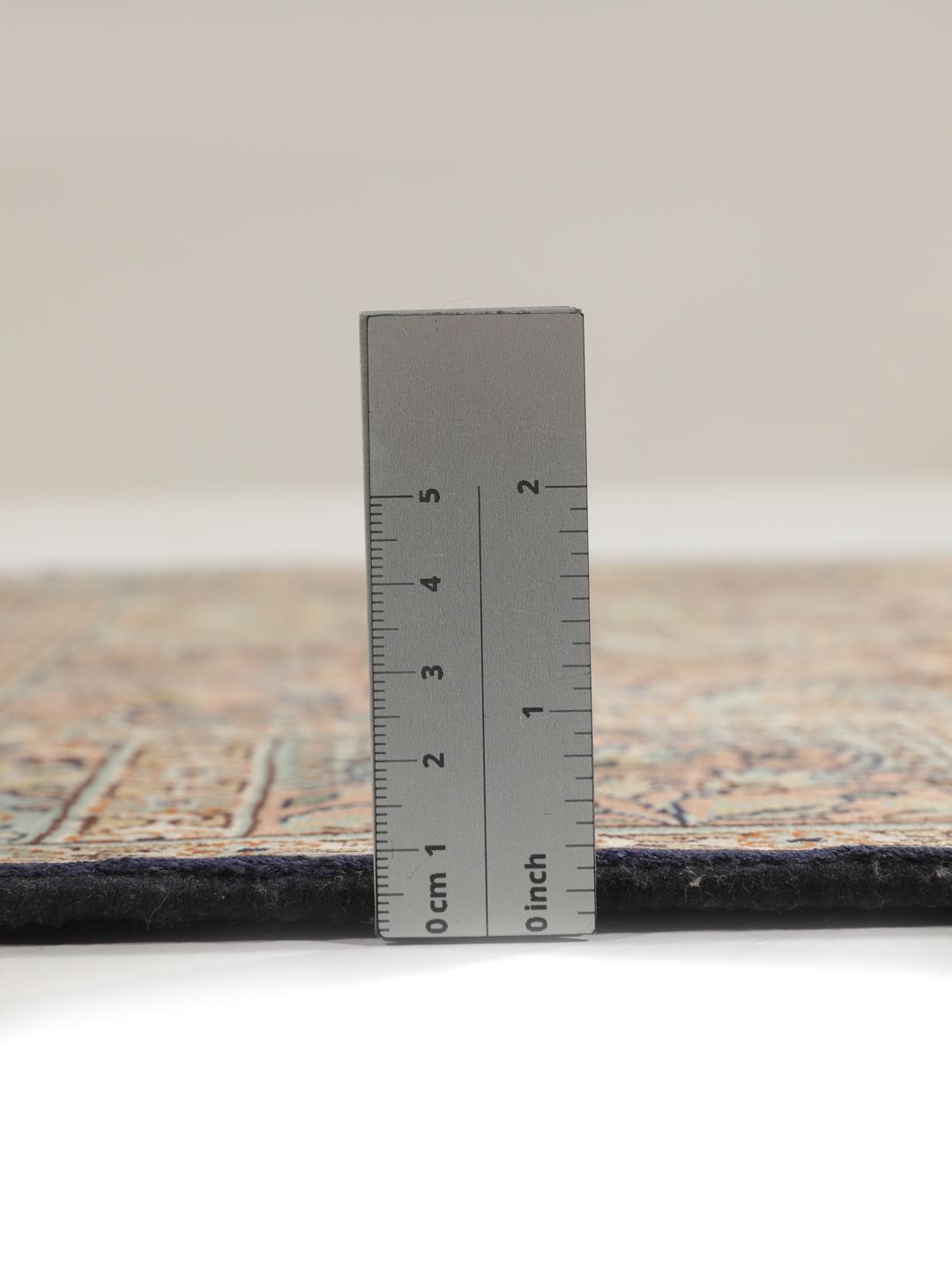
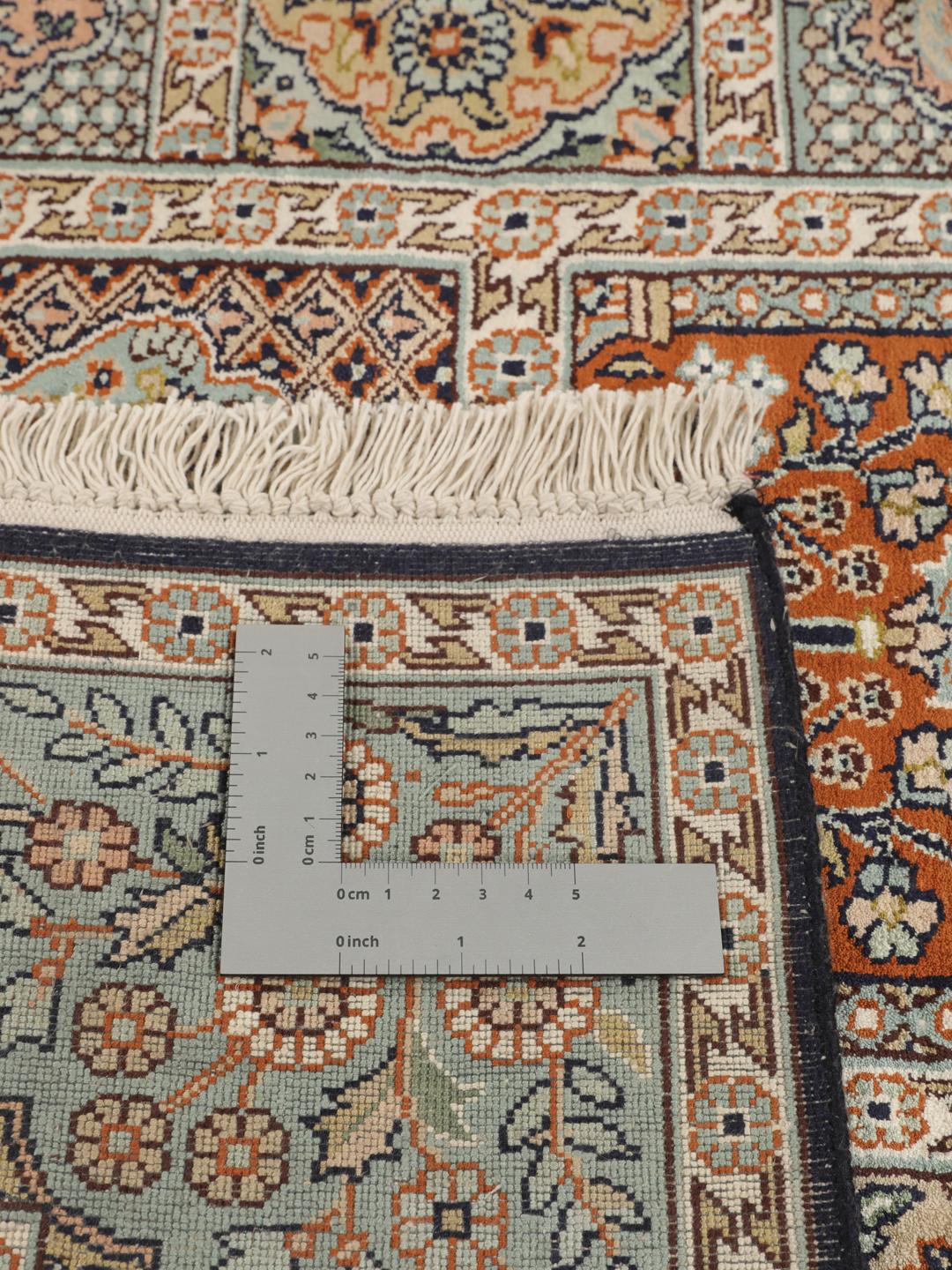
Kashmir silk rugs are celebrated globally as the pinnacle of Indian weaving, with a heritage that dates back to the 15th century. Originating in the lush valleys of the Kashmir region, this craft was influenced by Middle Eastern techniques brought along the Silk Road, which eventually blended with local artistic sensibilities. Over centuries, these rugs have evolved into a distinct style, characterised by their incredible fineness and sophisticated use of colour.
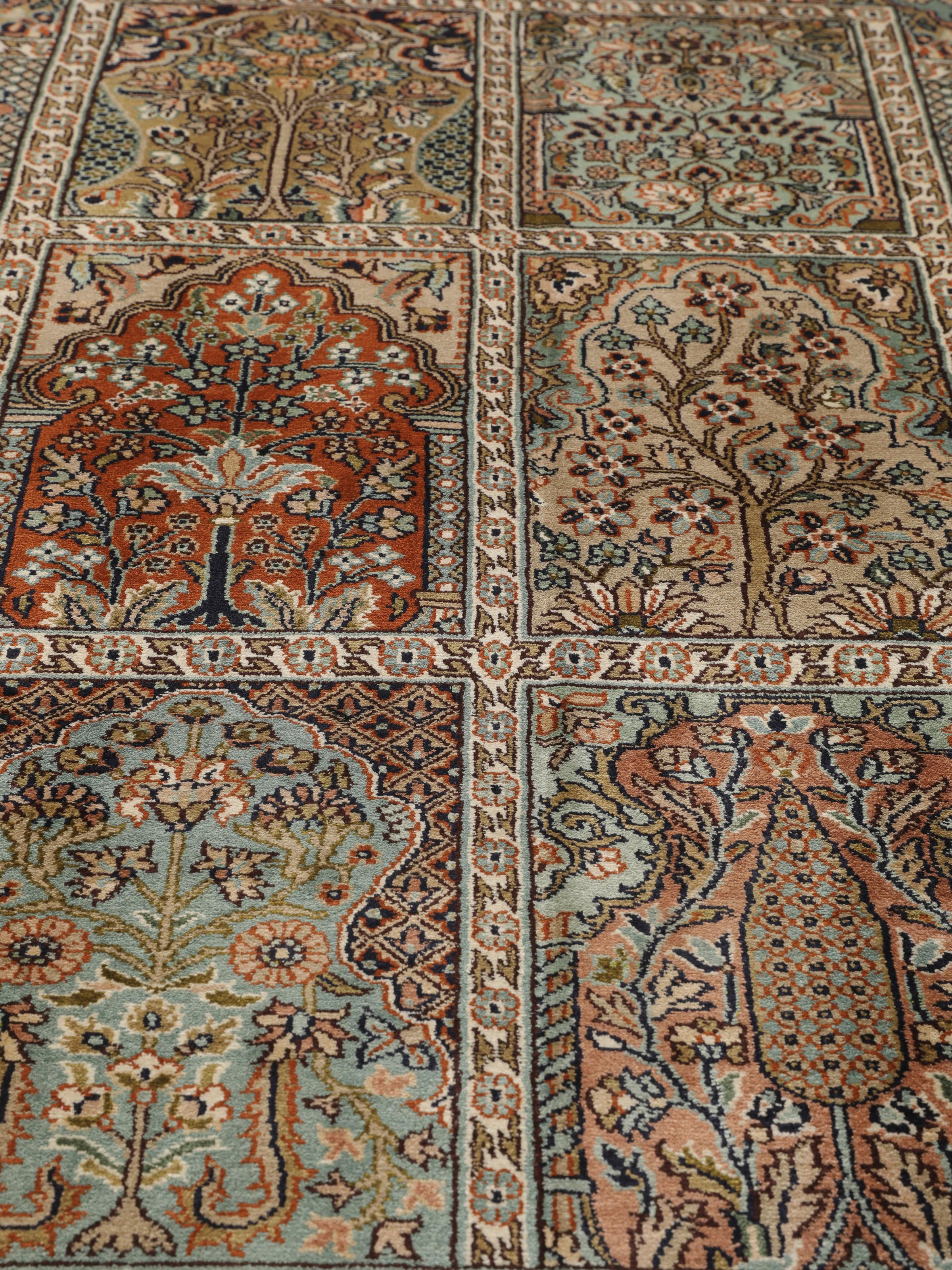
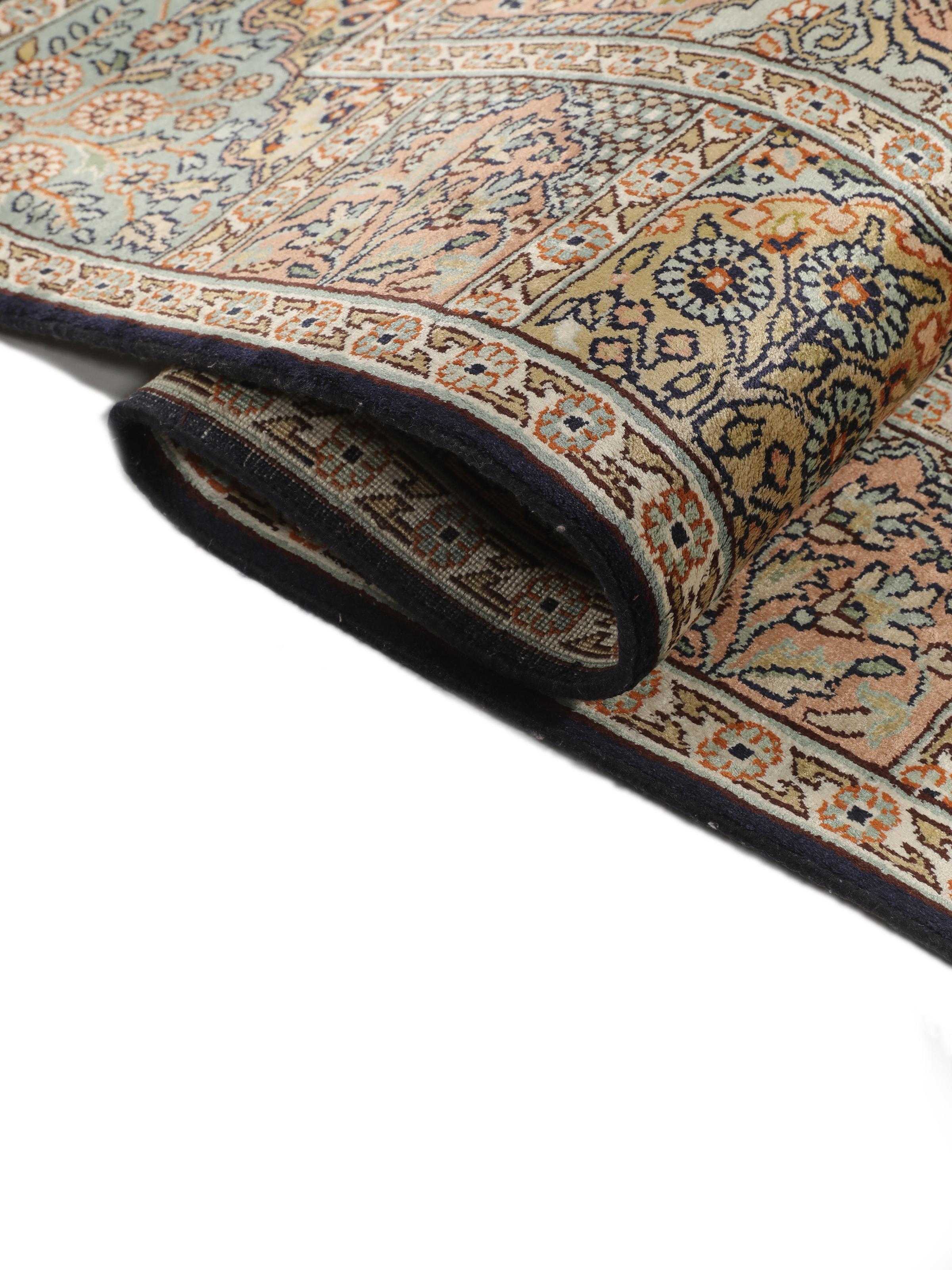
The term Kashmir silk refers not only to the origin but to a specific, high-standard tradition of weaving that emphasises intricacy. These rugs are known for their use of pure silk, which allows weavers to create patterns with a level of detail that would be impossible with coarser materials. This material choice is vital to the identity of the rug, as silk naturally reflects light to highlight the complexity of the knots and the sharpness of the design.
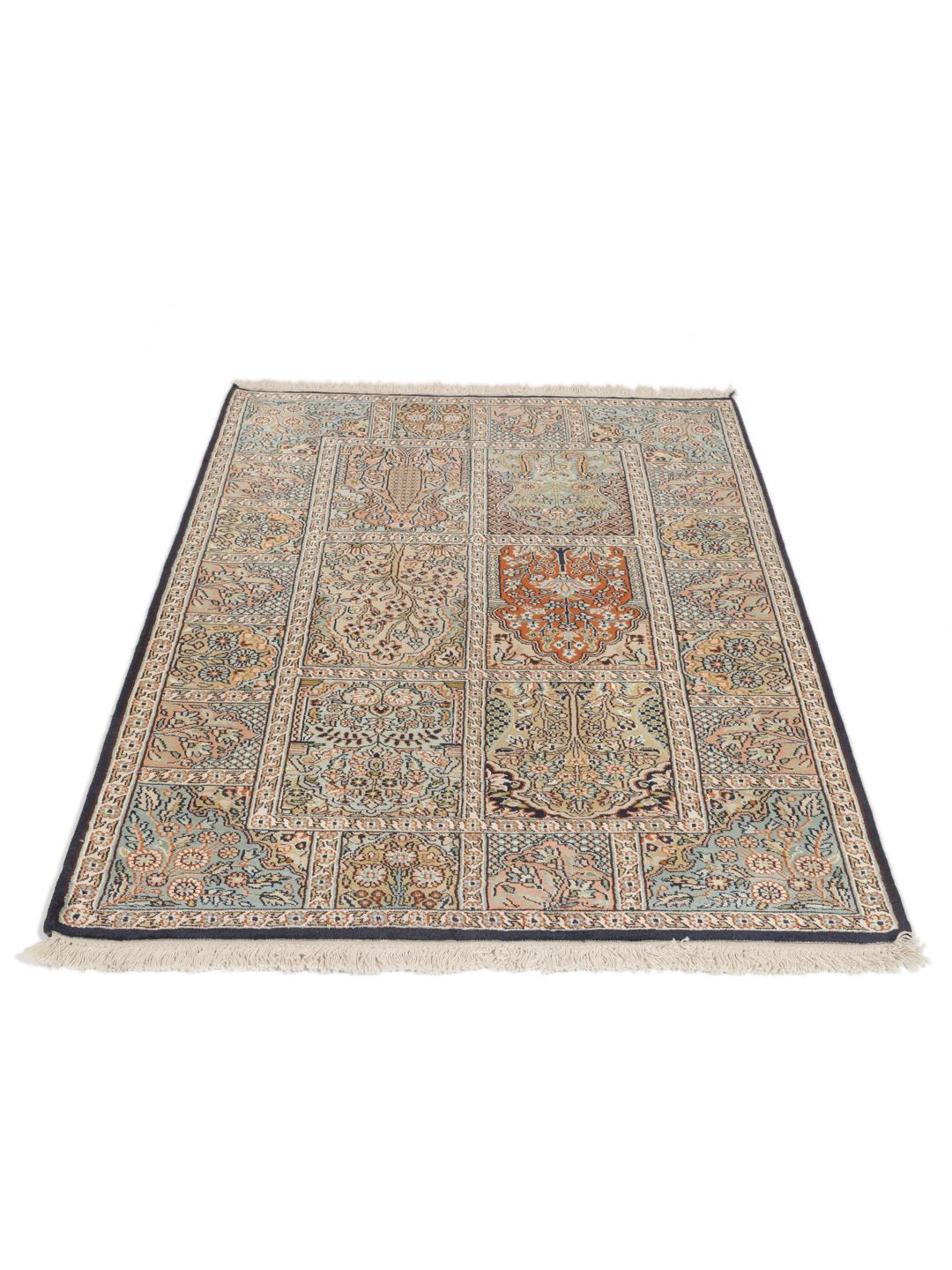
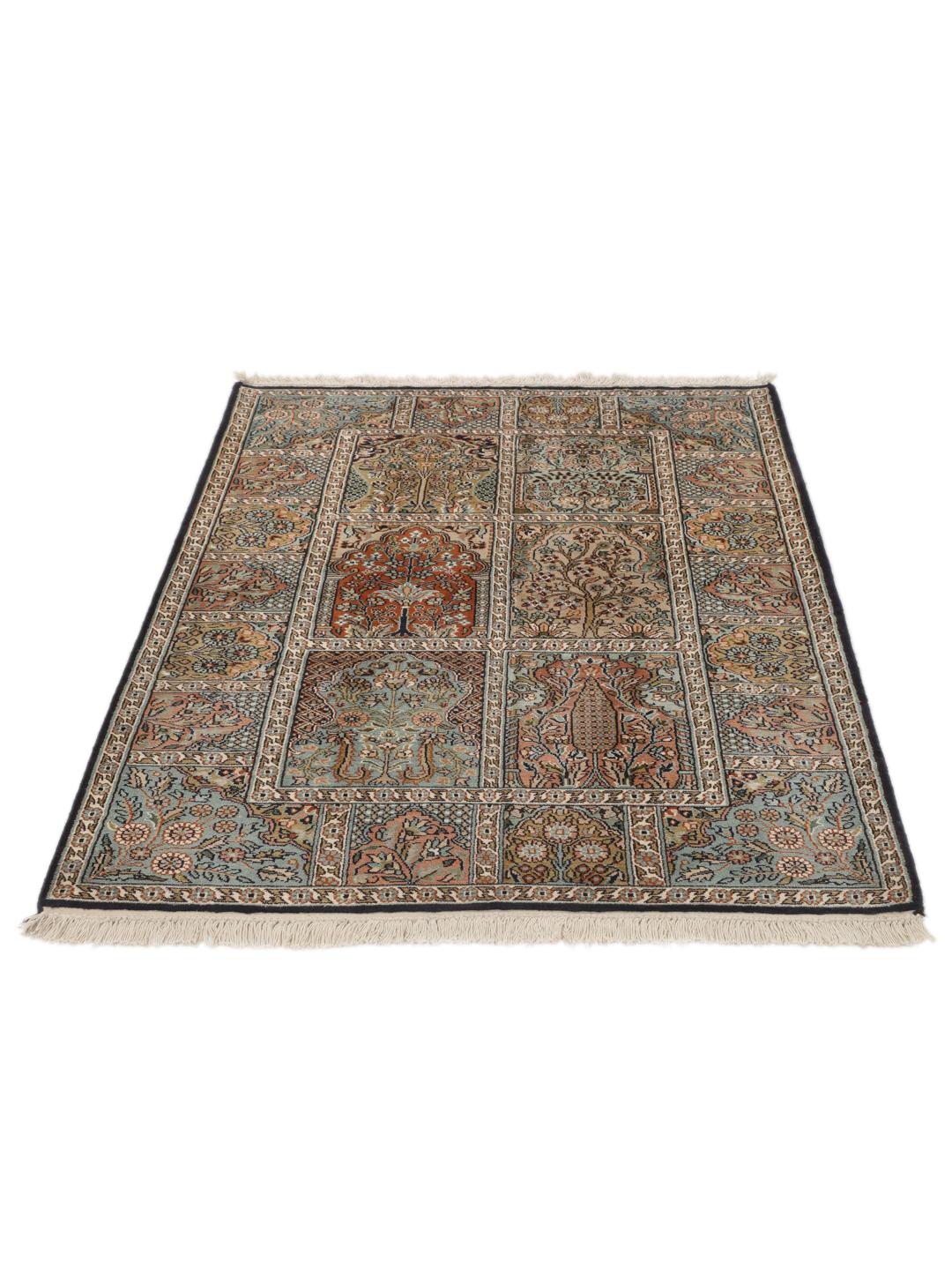
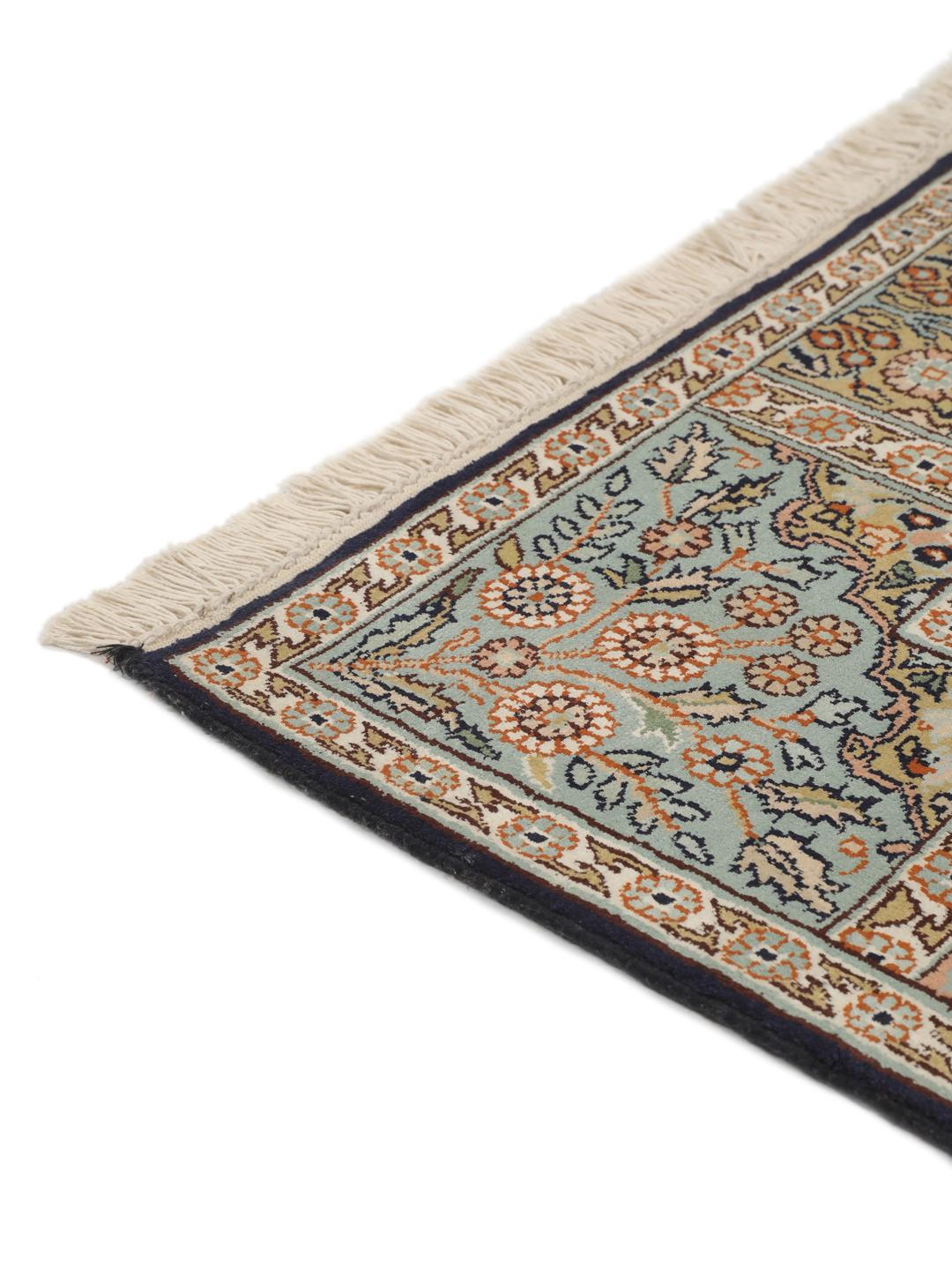
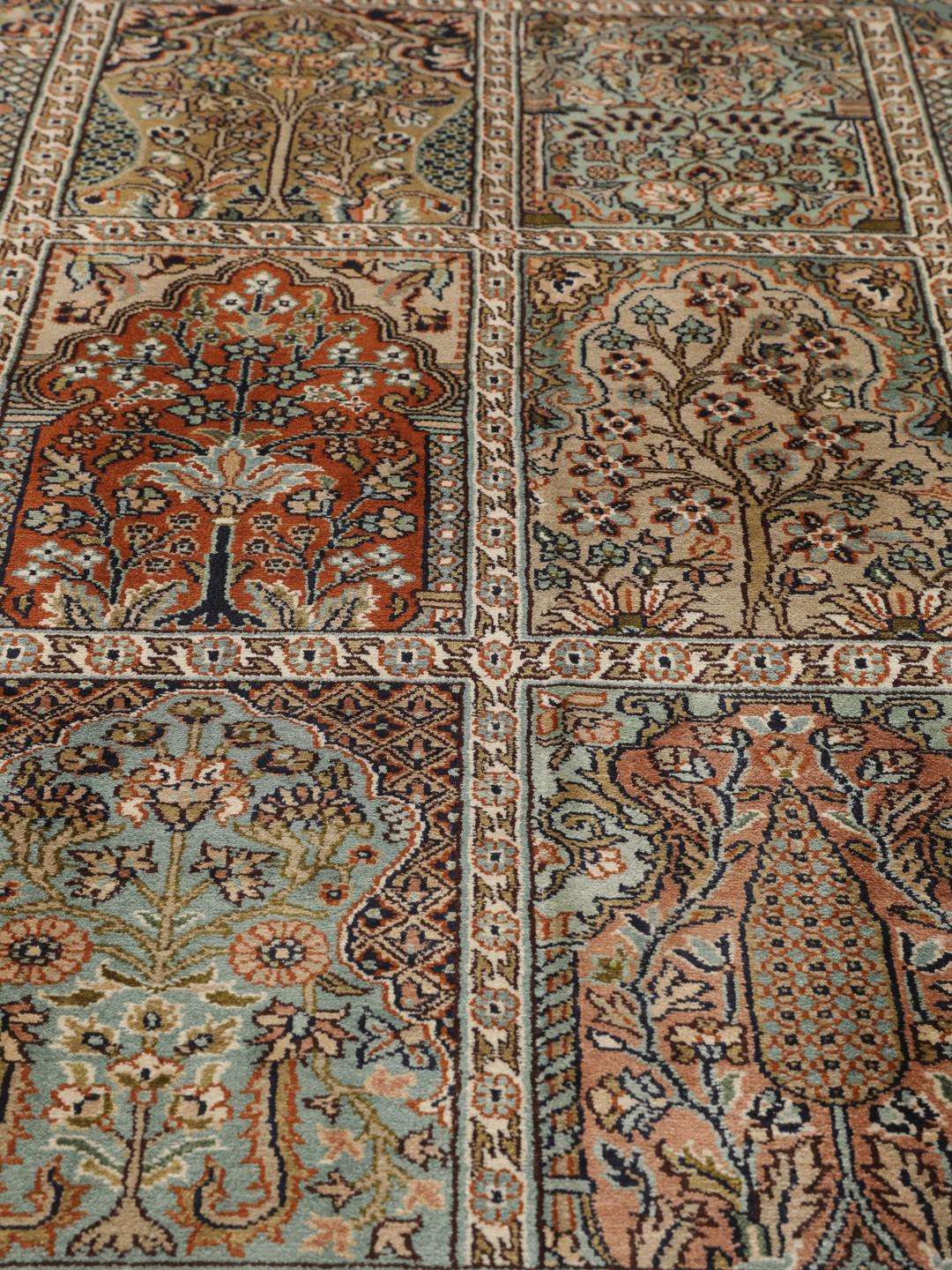
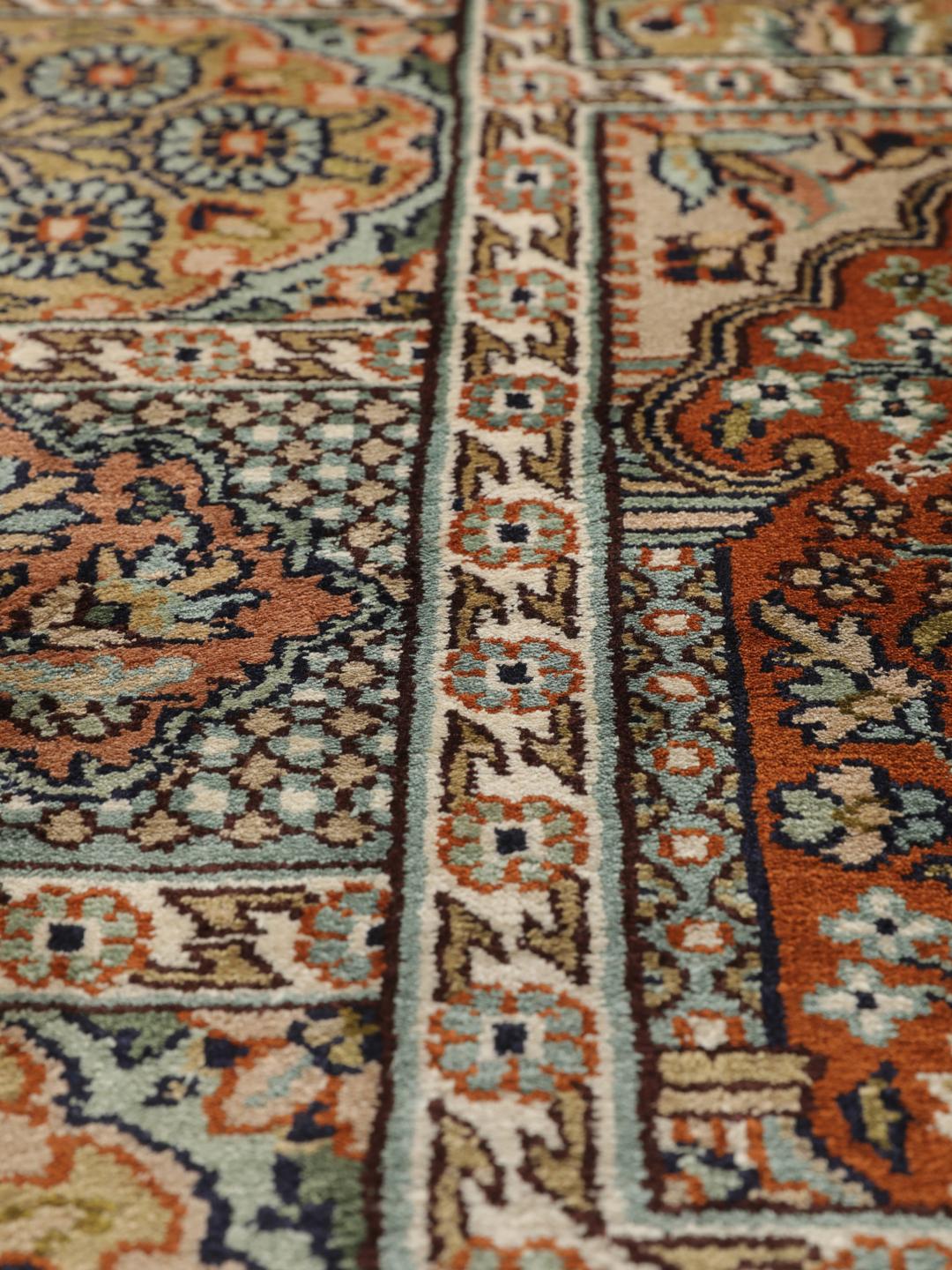
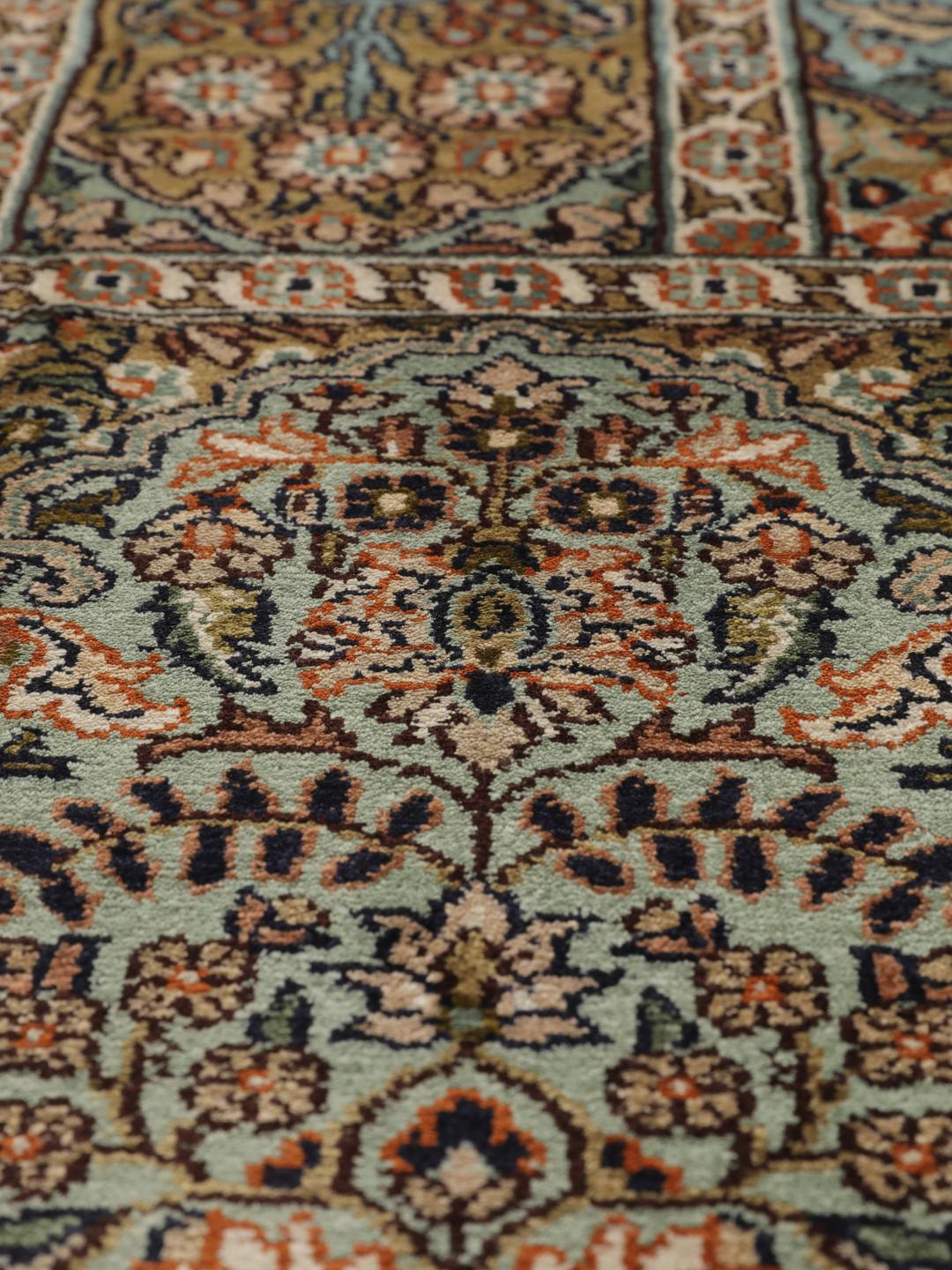
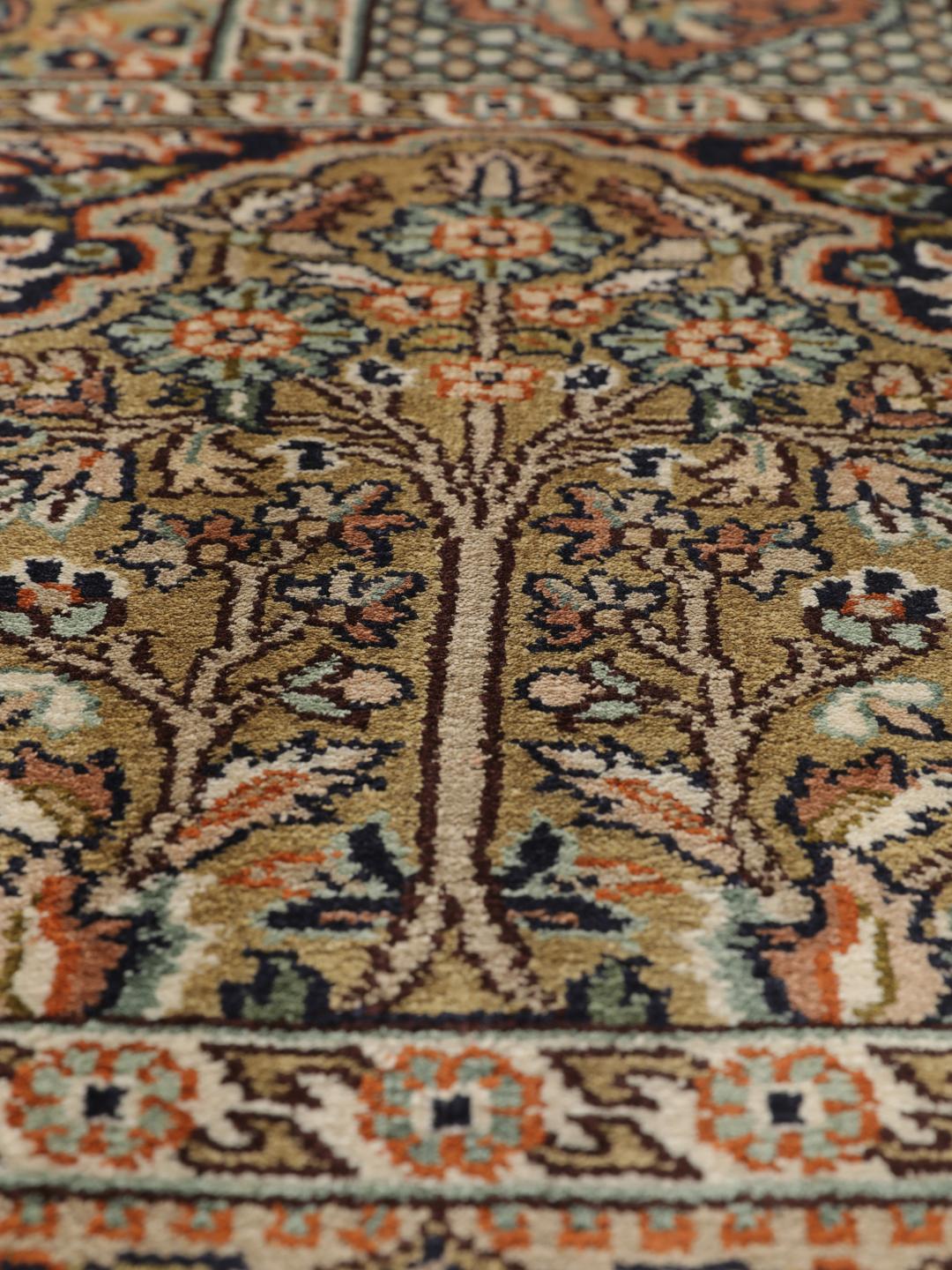
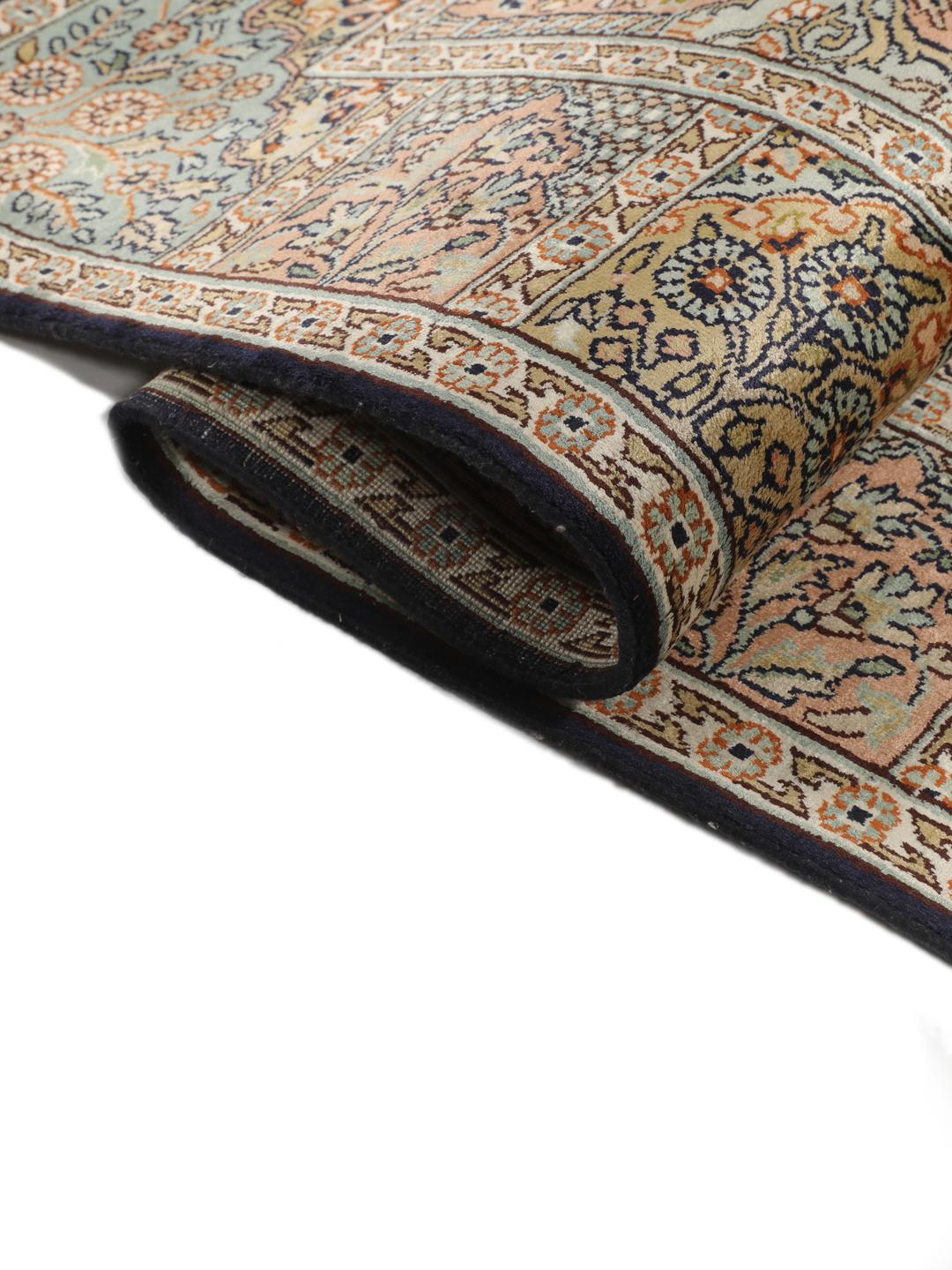
Visually, these rugs are defined by their elaborate floral and garden-inspired motifs, often featuring the famous 'tree of life' or intricate medallion layouts. The patterns are typically enclosed by detailed borders that frame the composition, creating a balanced and harmonious look. The use of soft, luminous colour palettes is a hallmark of this tradition, lending the rugs a timeless quality that feels both historic and fresh in a modern home.
Collecting a Kashmir silk rug is an act of preserving a deep-rooted cultural legacy. These pieces are highly valued because they represent a marriage of patience, skill, and history. Owning one means holding a piece of a story that has been passed down through generations of families in India, where the art of the loom is a revered profession. They are not merely floor coverings but are regarded as heirlooms that retain their beauty and cultural significance for decades.