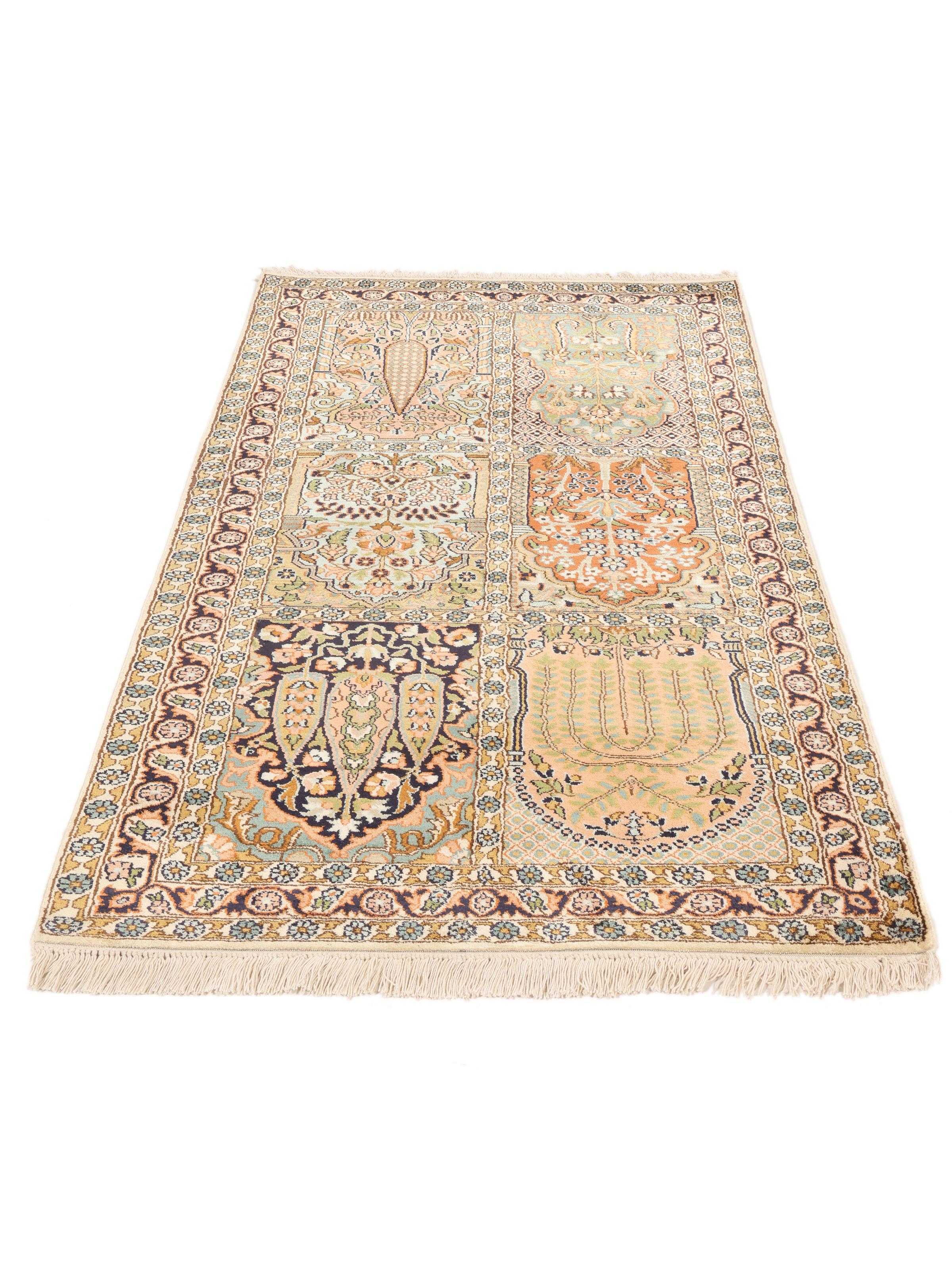
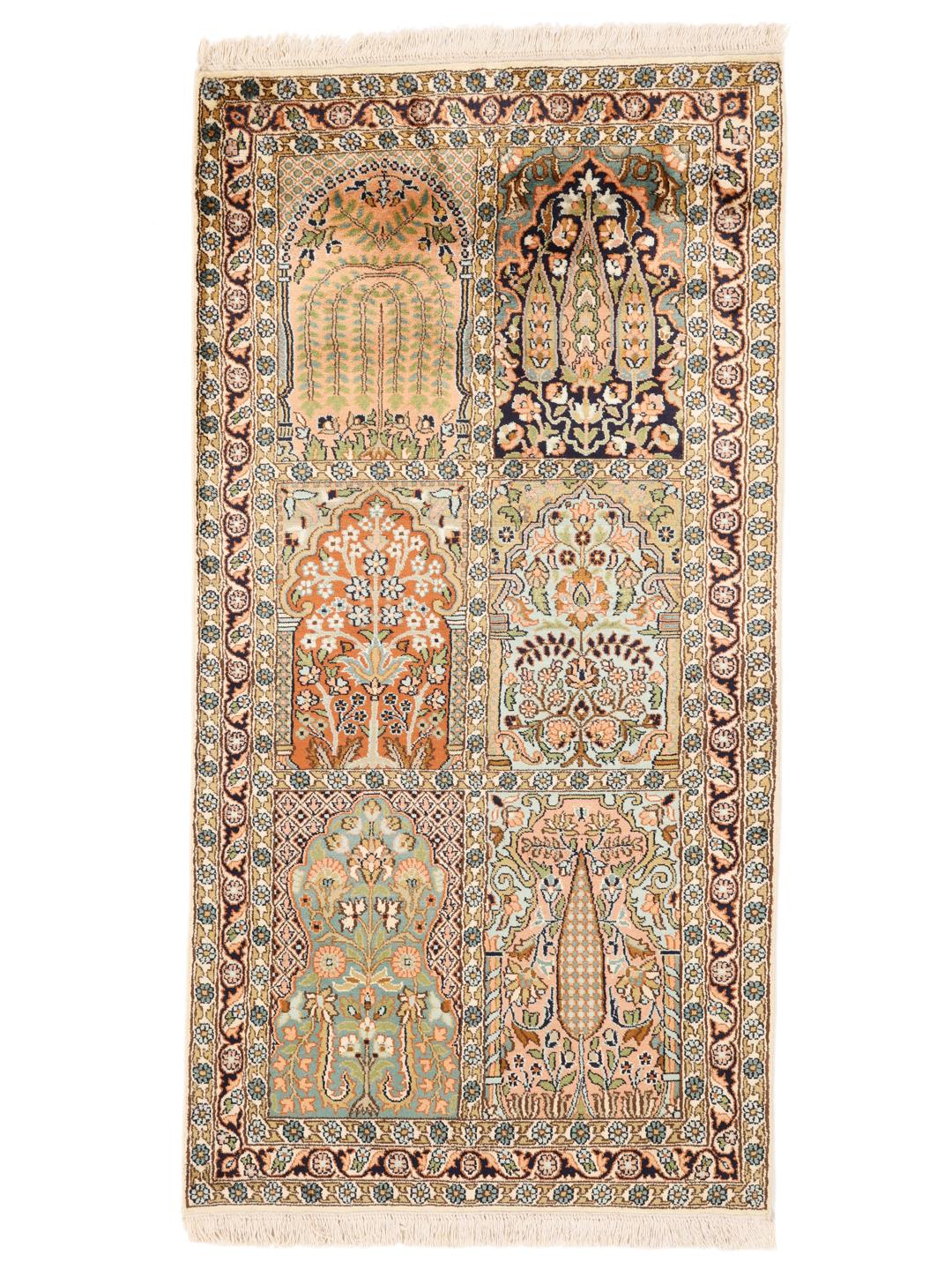
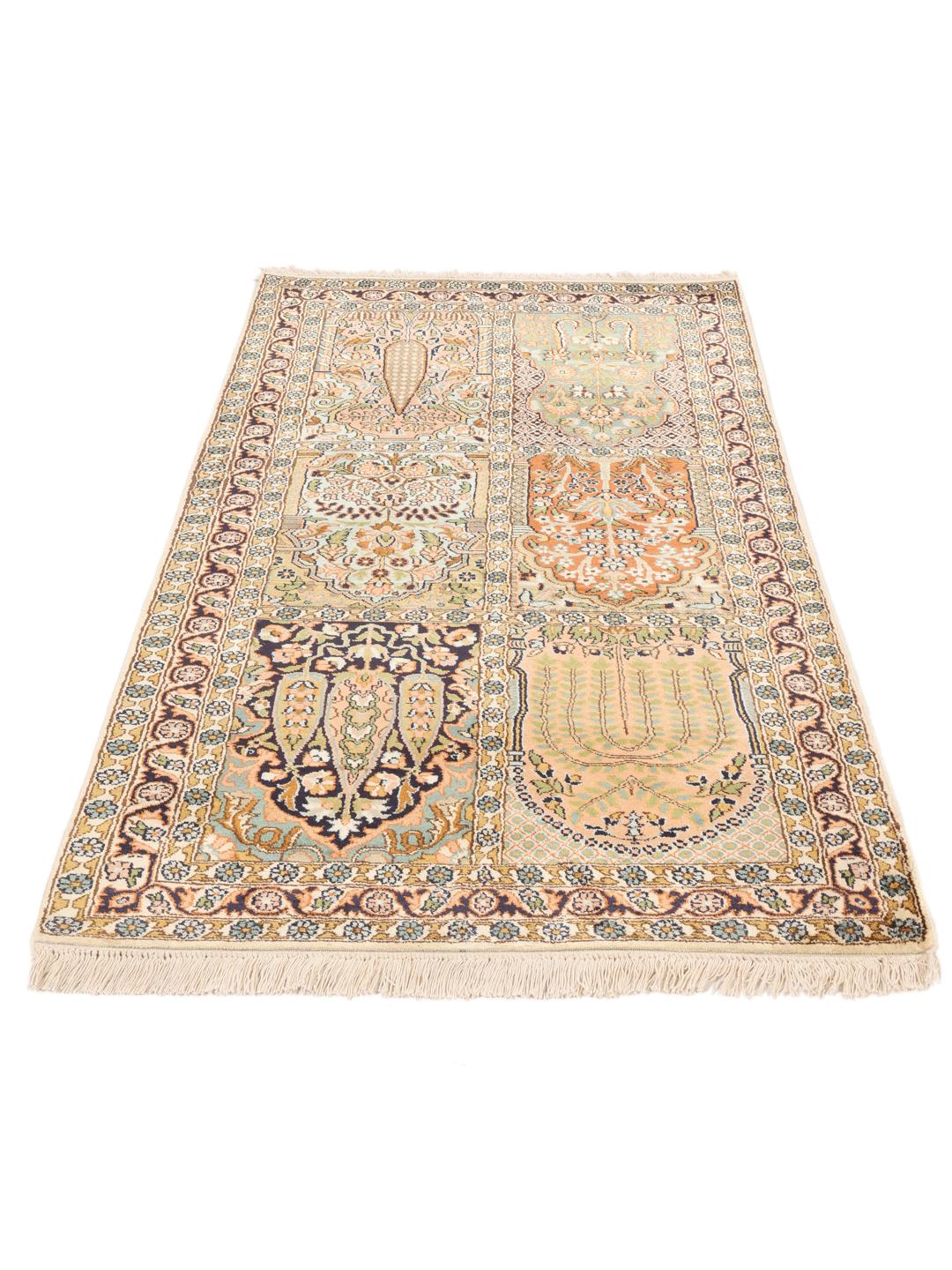
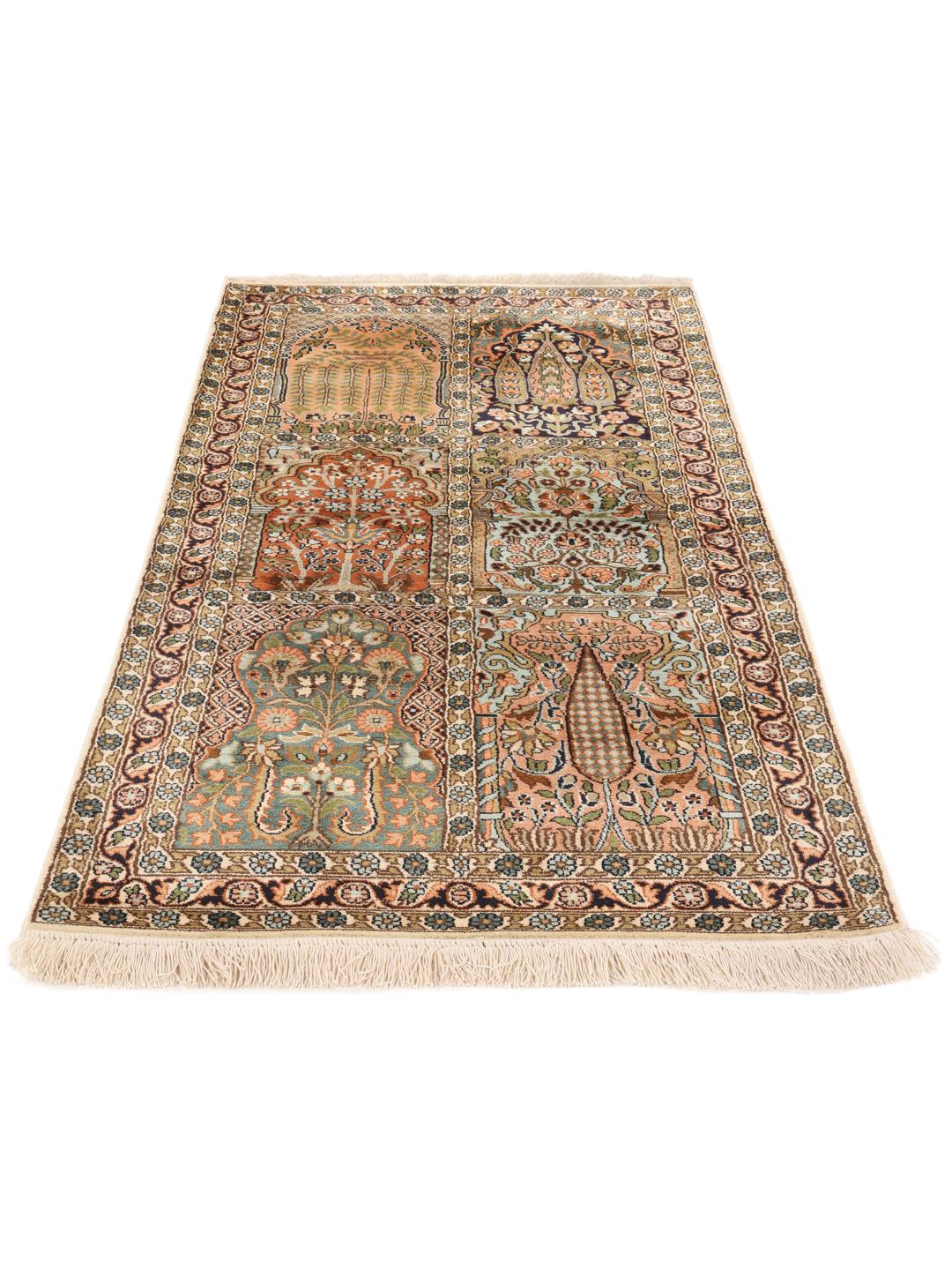
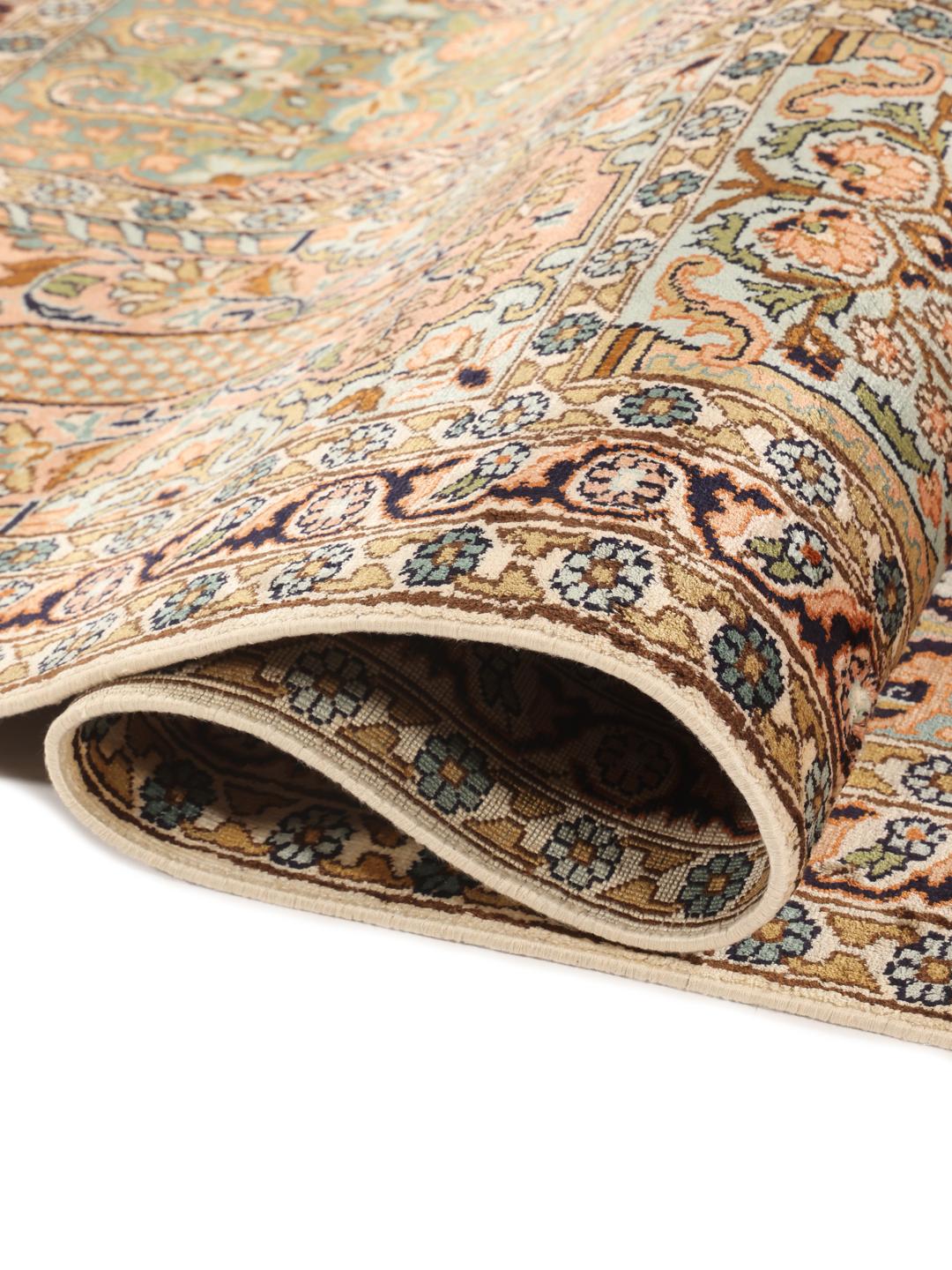
Kashmir rugs are celebrated worldwide for their connection to the ancient traditions of the Kashmir Valley in India. This region has long been a centre for textile excellence, blending local artistry with influences from across the Middle East. The evolution of these rugs is a story of cultural exchange, where traditional weaving techniques were refined over generations to produce some of the finest silk textiles in the world.
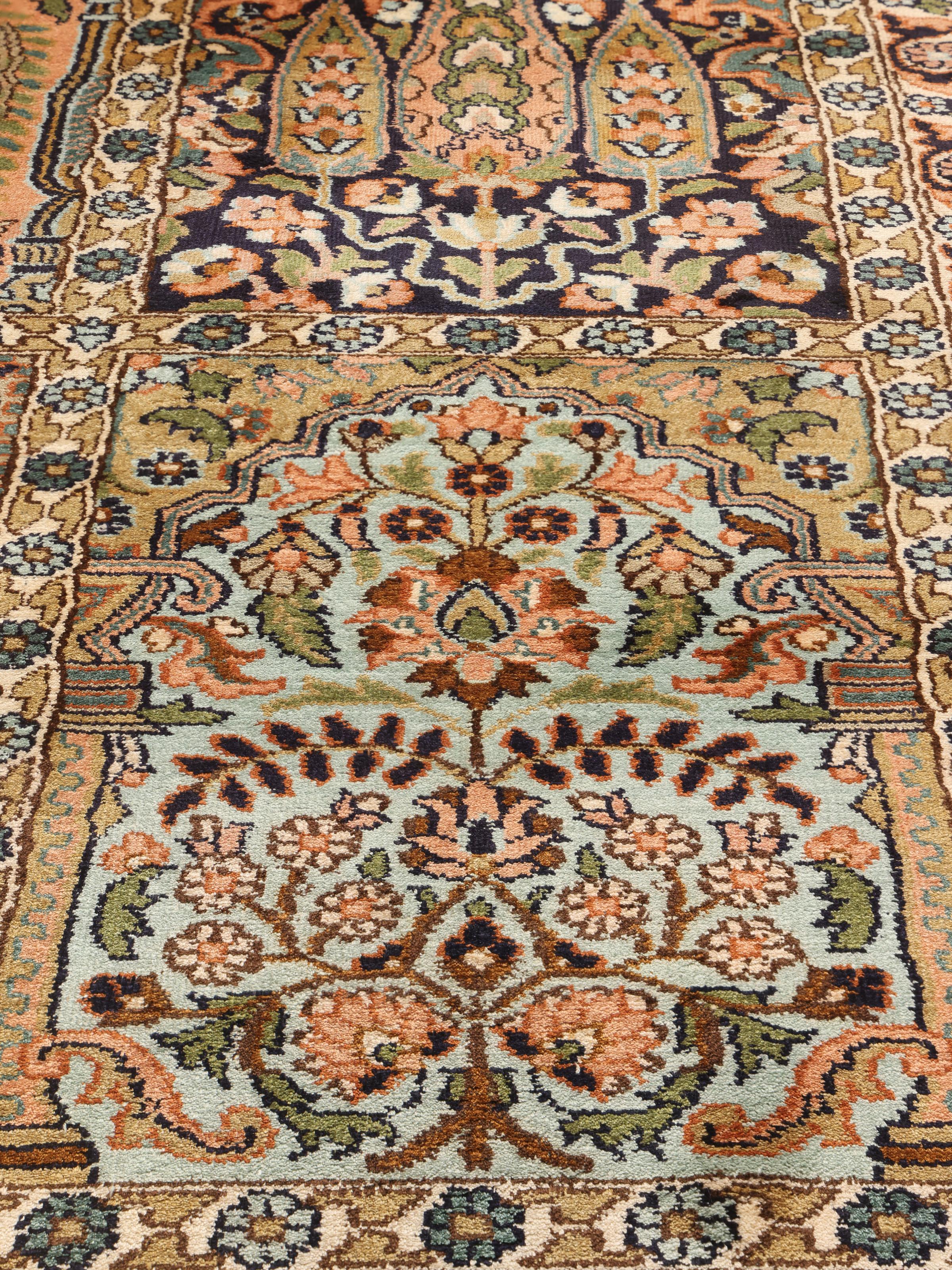
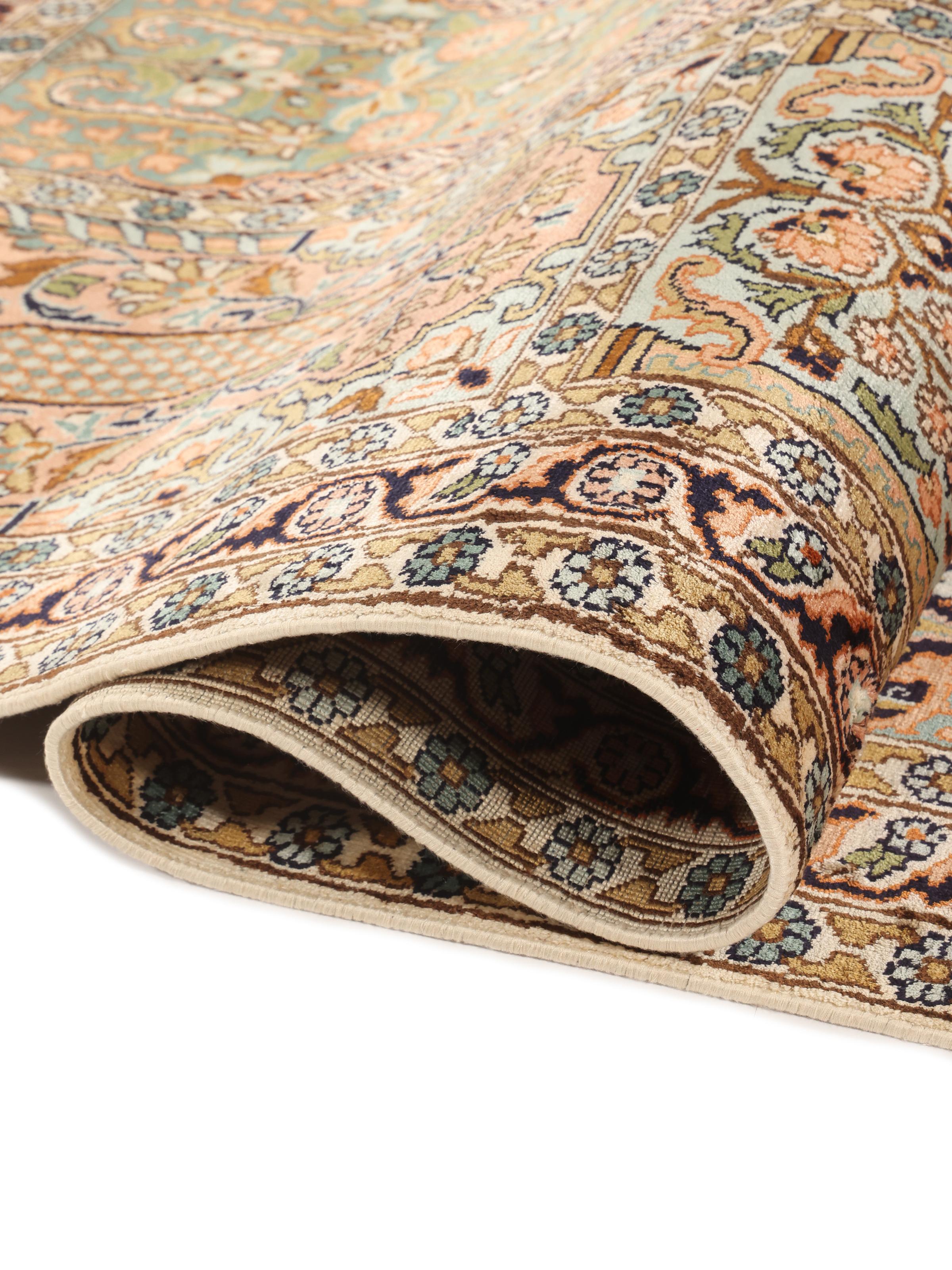
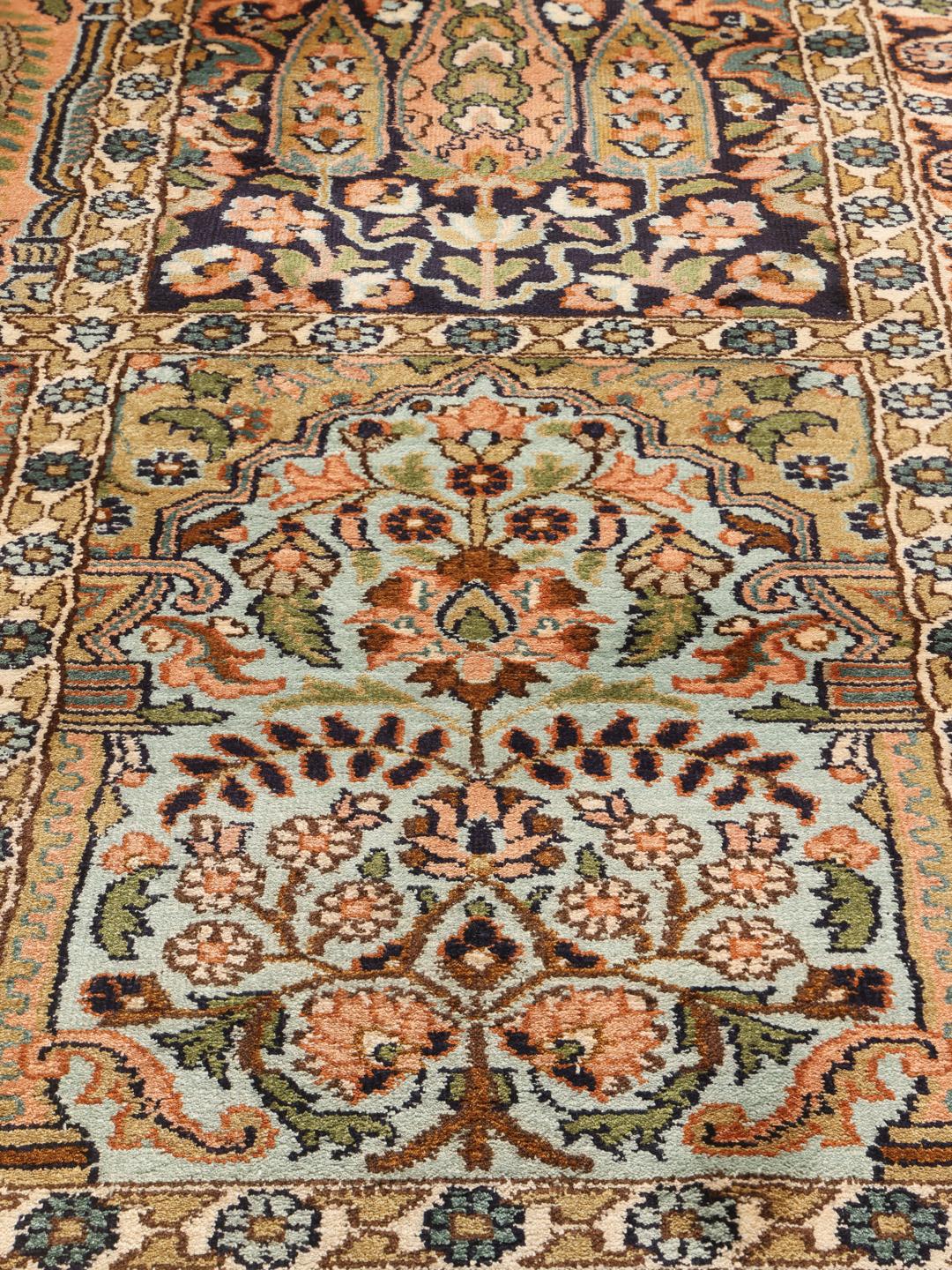
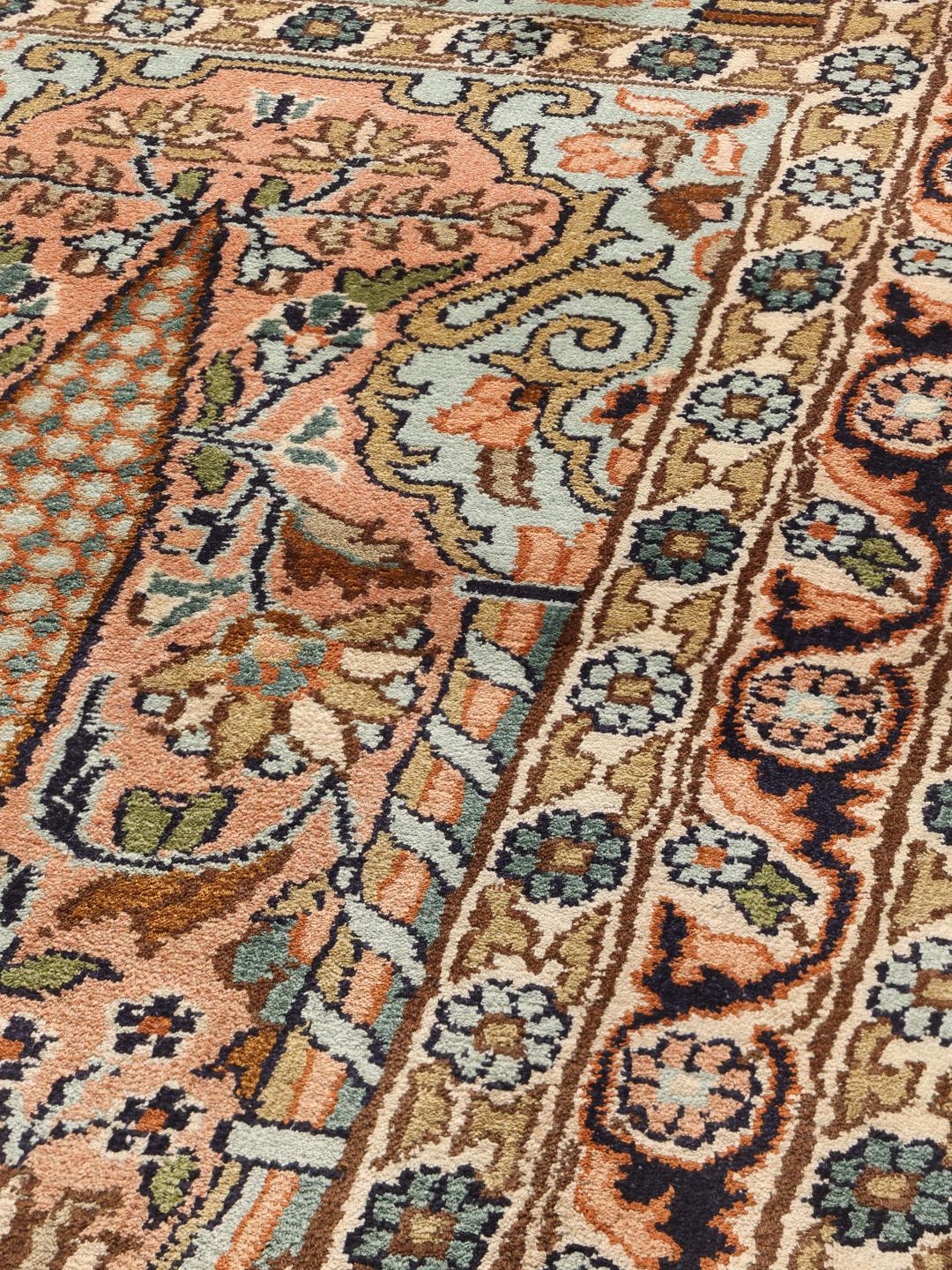
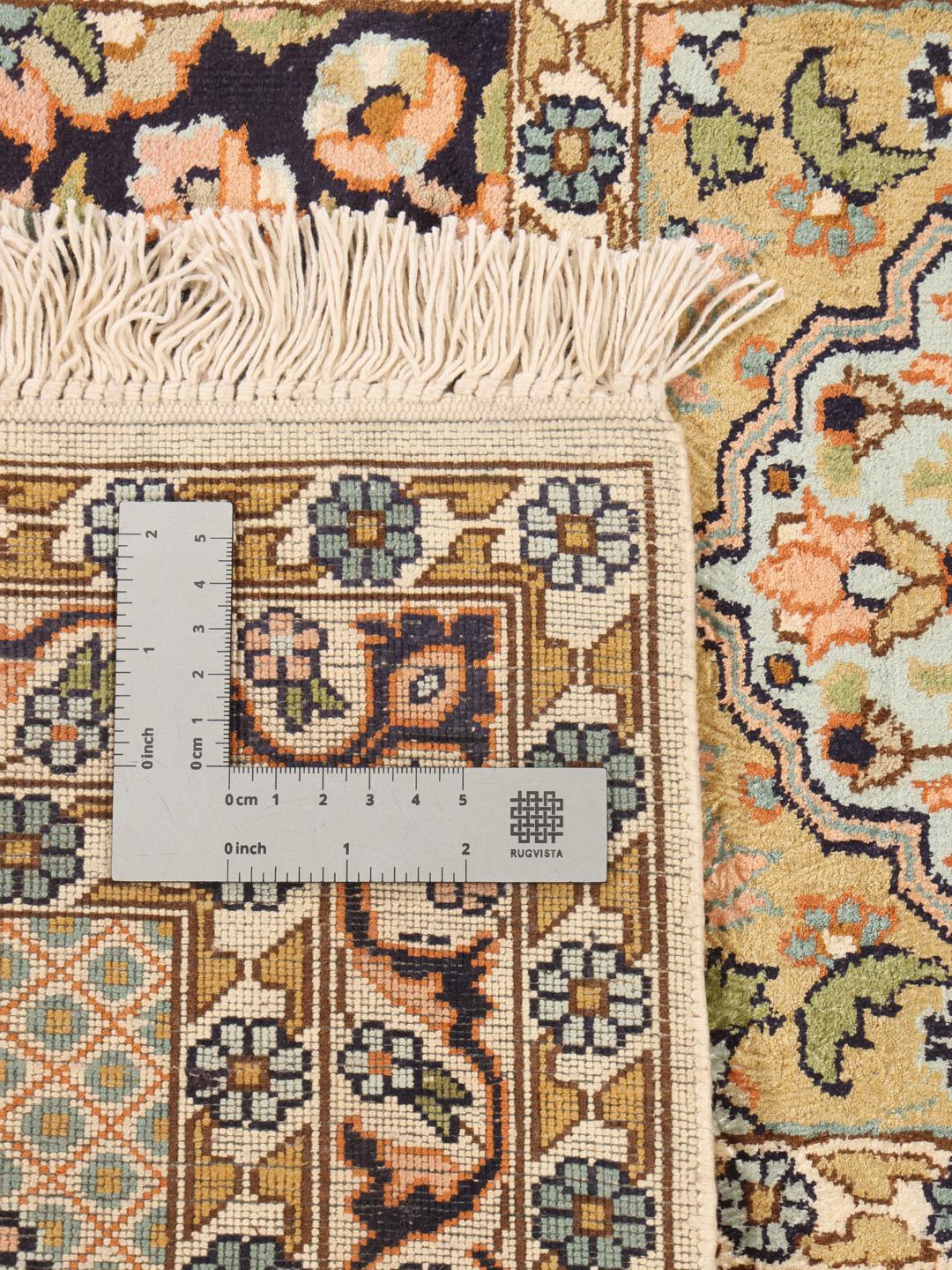
The term silk in this context refers to the use of high-quality fibres that provide the rug with its signature lustrous finish and ability to hold vibrant, complex colours. This material choice is significant because it allows for an extremely fine knot count, which is essential for creating the detailed, curvilinear designs that define the Kashmir style. This level of detail is a hallmark of the craft and serves as a primary indicator of the rug's quality and value.
Design-wise, these rugs are famous for their floral motifs, often featuring garden scenes, flowing vines, and intricate medallions. The visual language is deeply rooted in the natural beauty of the Kashmir Valley, with patterns that are balanced and harmonious. While many rugs follow traditional layouts, each piece often contains subtle variations in colour and motif placement, reflecting the individual hand and creative vision of the weaver.
Owning a Kashmir silk rug is an investment in a storied tradition. These pieces are highly valued by collectors and enthusiasts alike, not just for their aesthetic appeal but for the immense skill required to bring them to life. To possess one is to hold a piece of history, showcasing a mastery of craft that remains one of the most respected forms of textile art today.