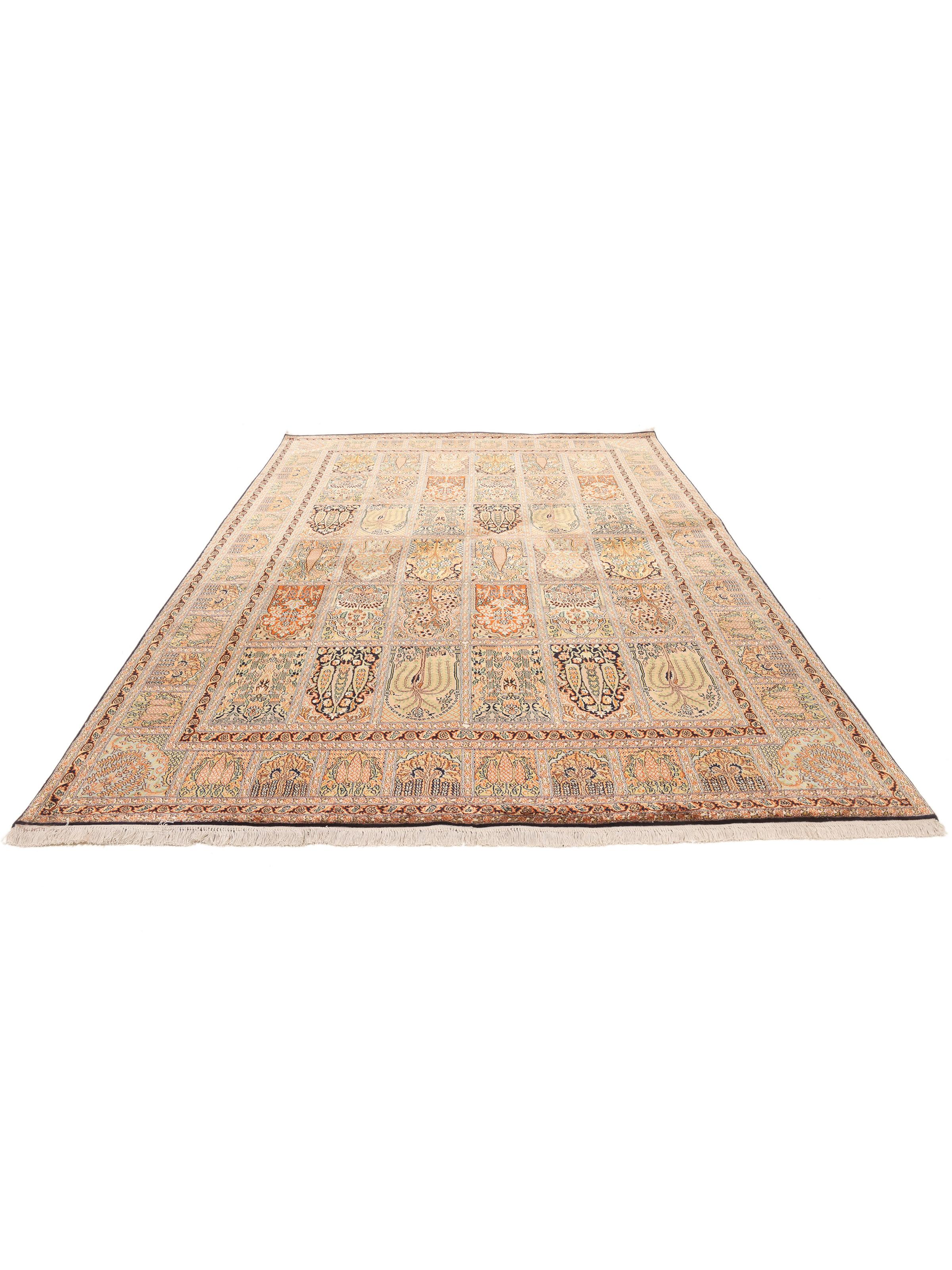
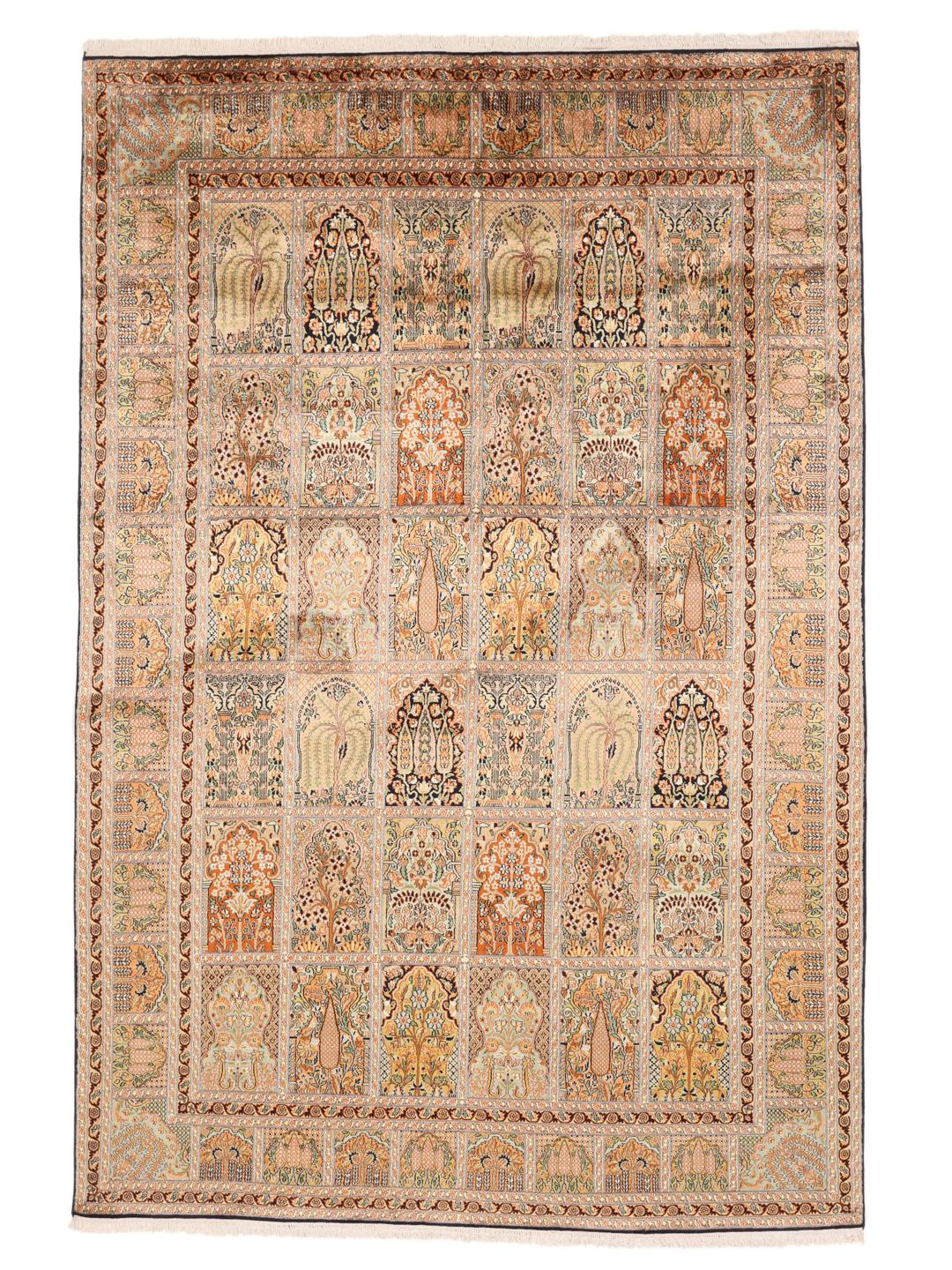
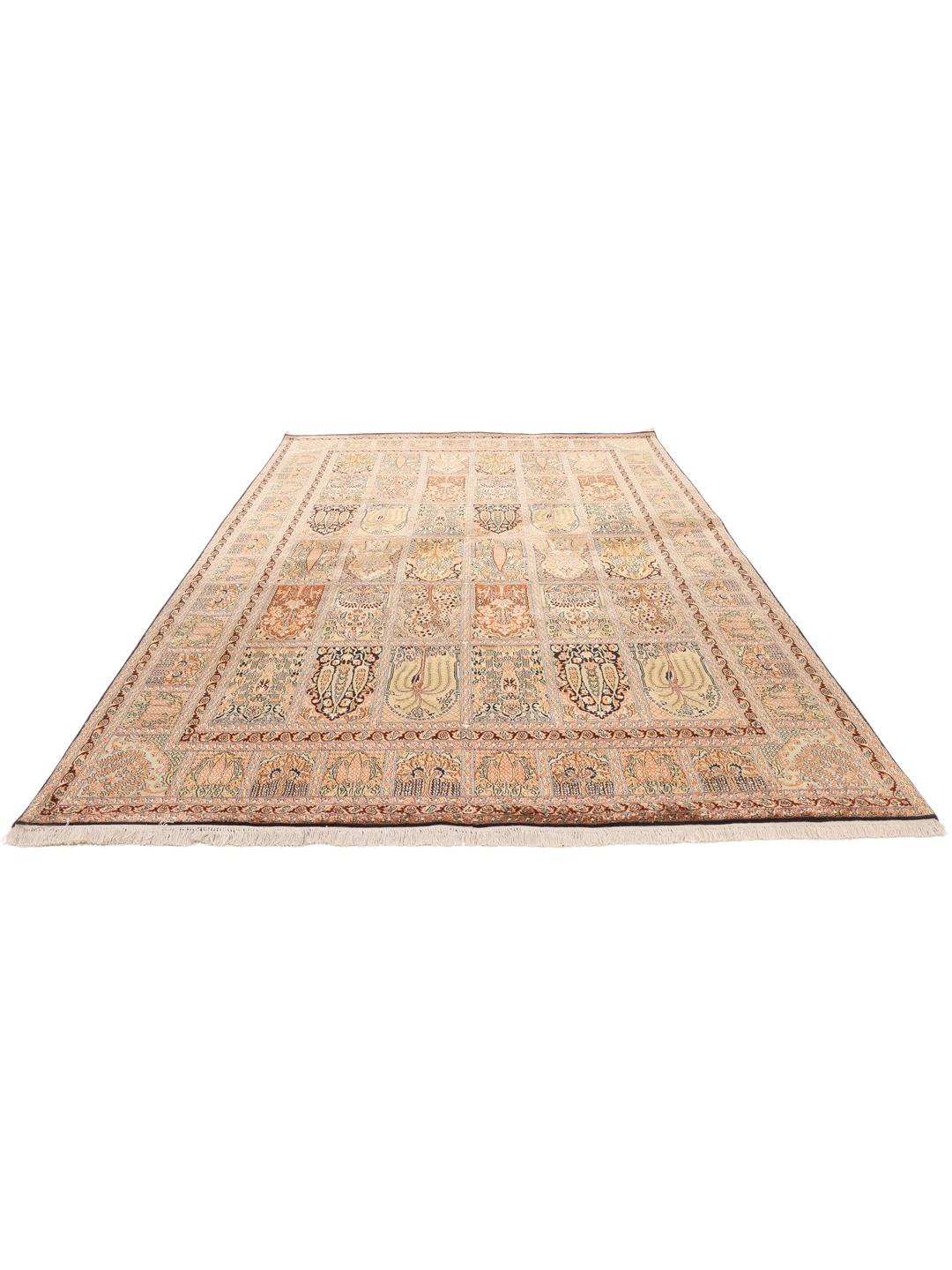
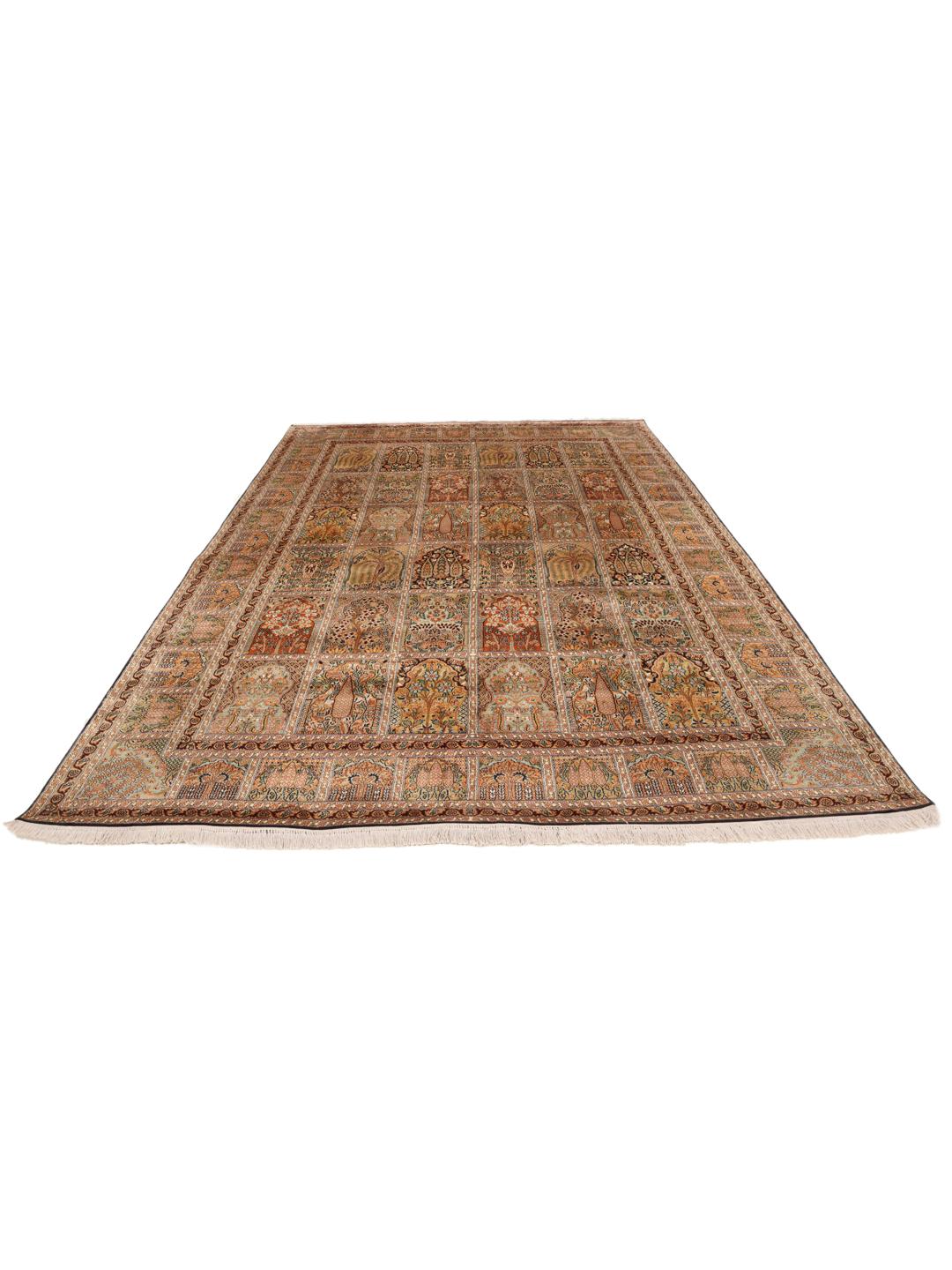
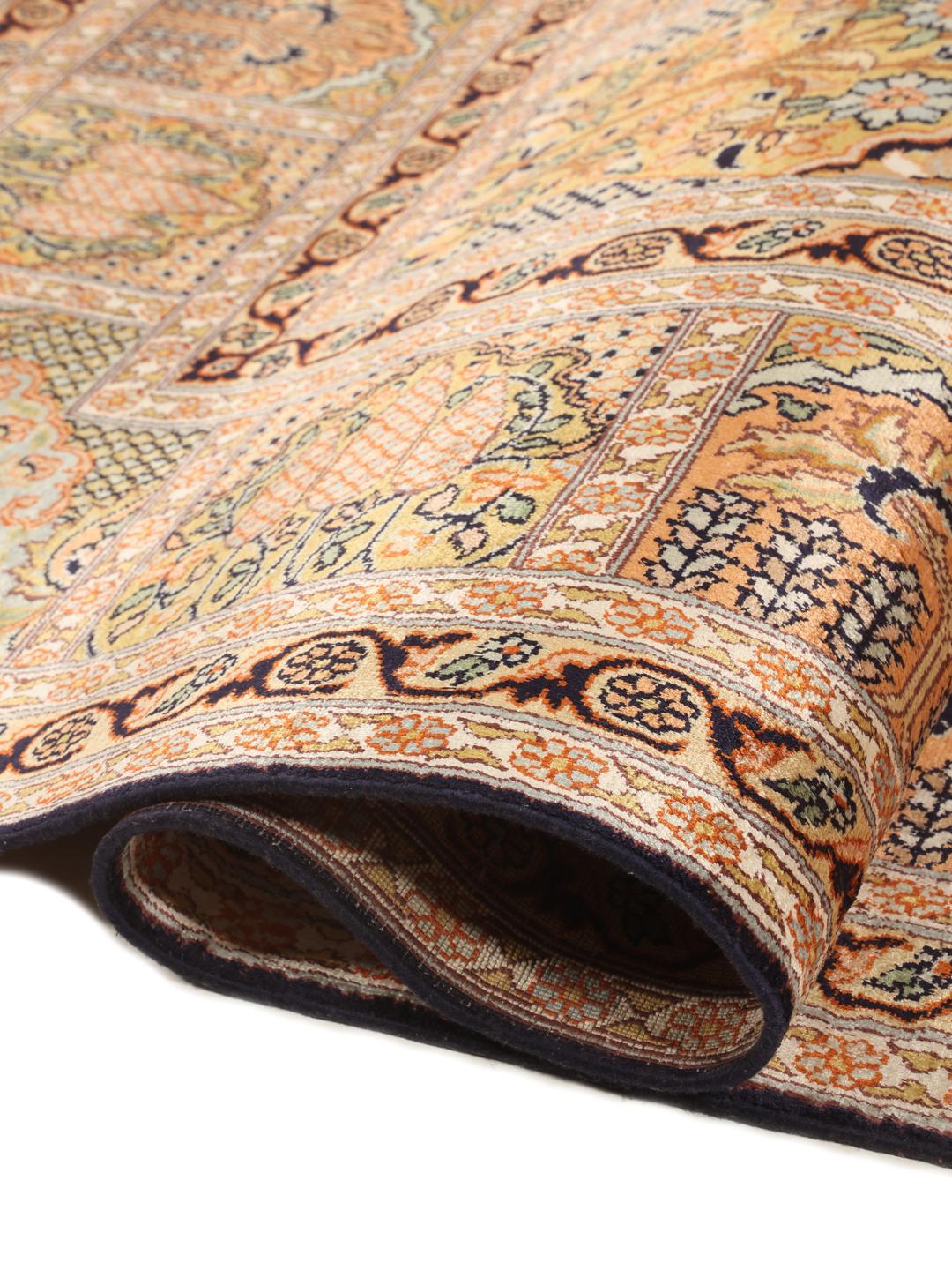
The tradition of weaving in the Kashmir region is deeply rooted in the history of the Silk Road, where artisans were influenced by the artistic styles of Central Asia and the Middle East. Over centuries, these influences blended with local aesthetic preferences to create a distinct style characterised by intricate floral and garden designs. Today, this tradition is celebrated globally for its refinement and technical excellence.
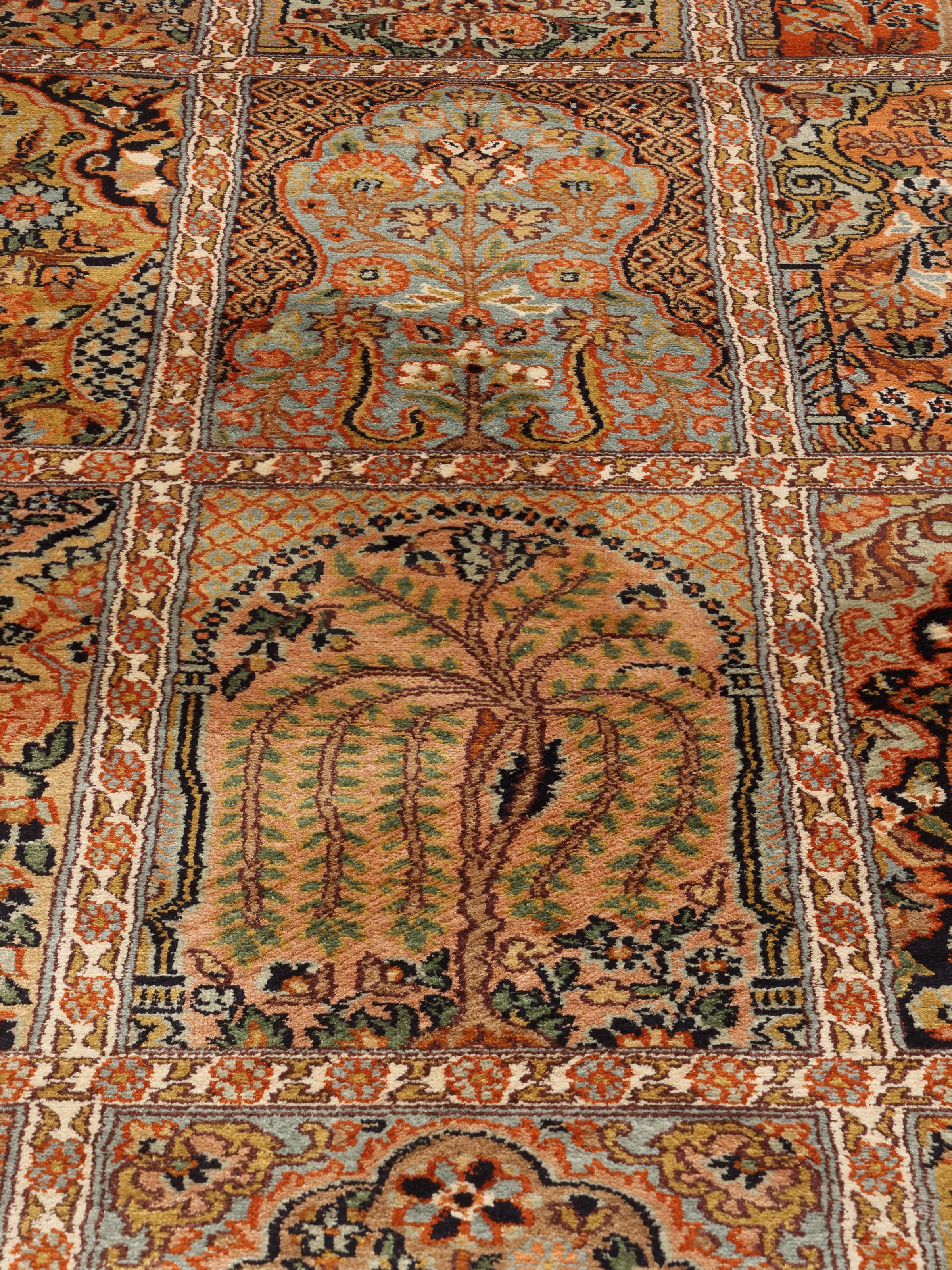
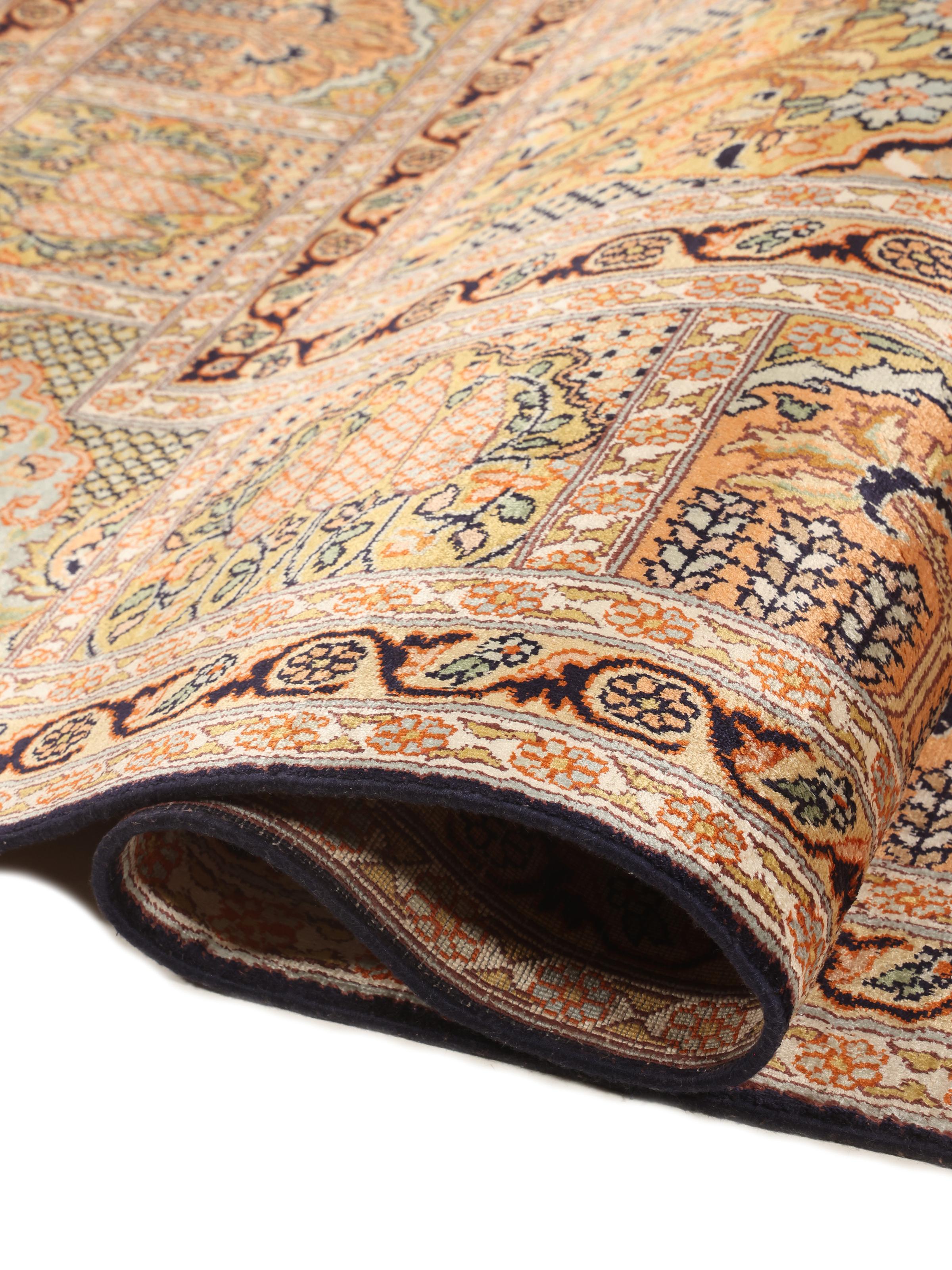
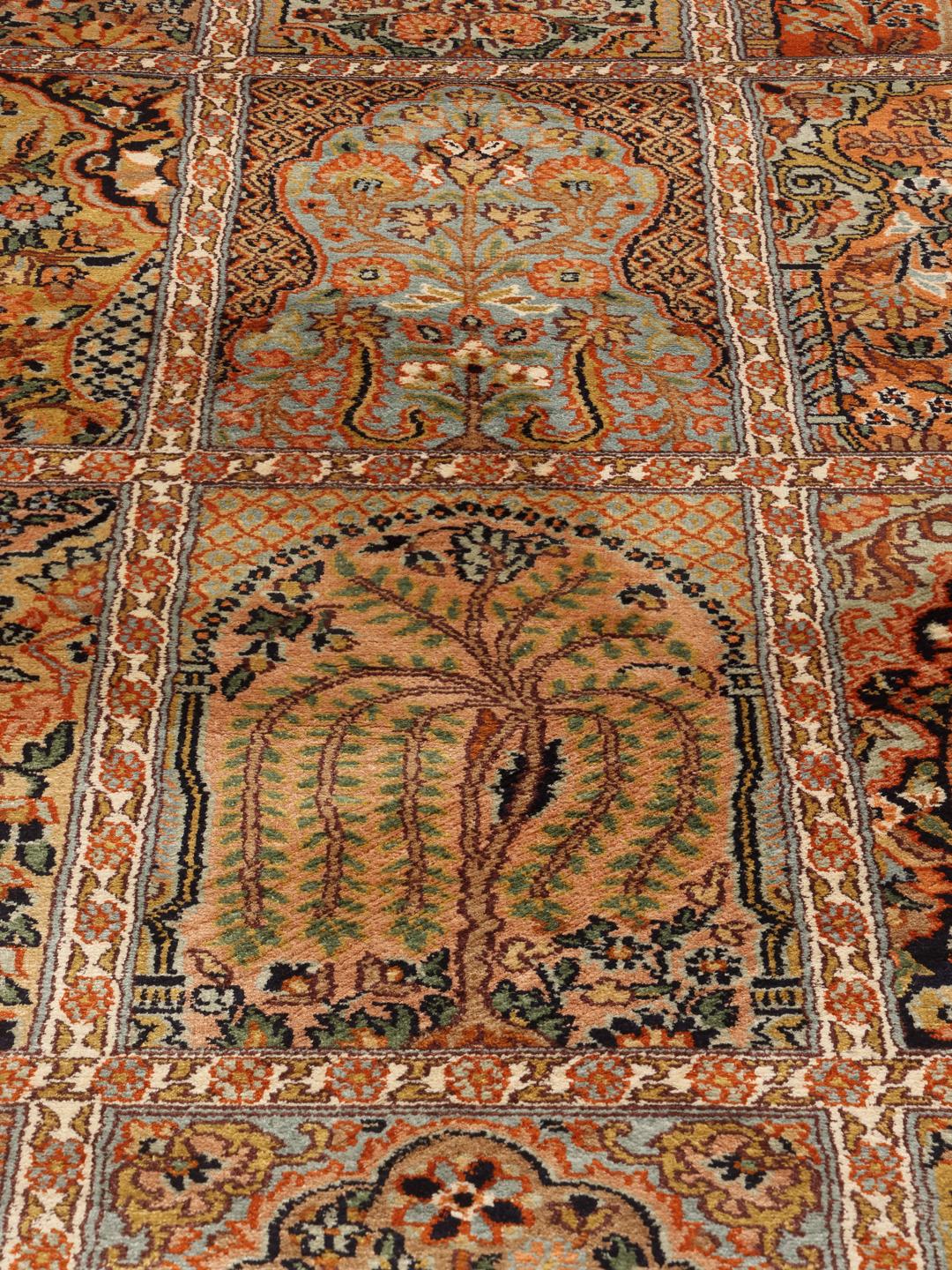
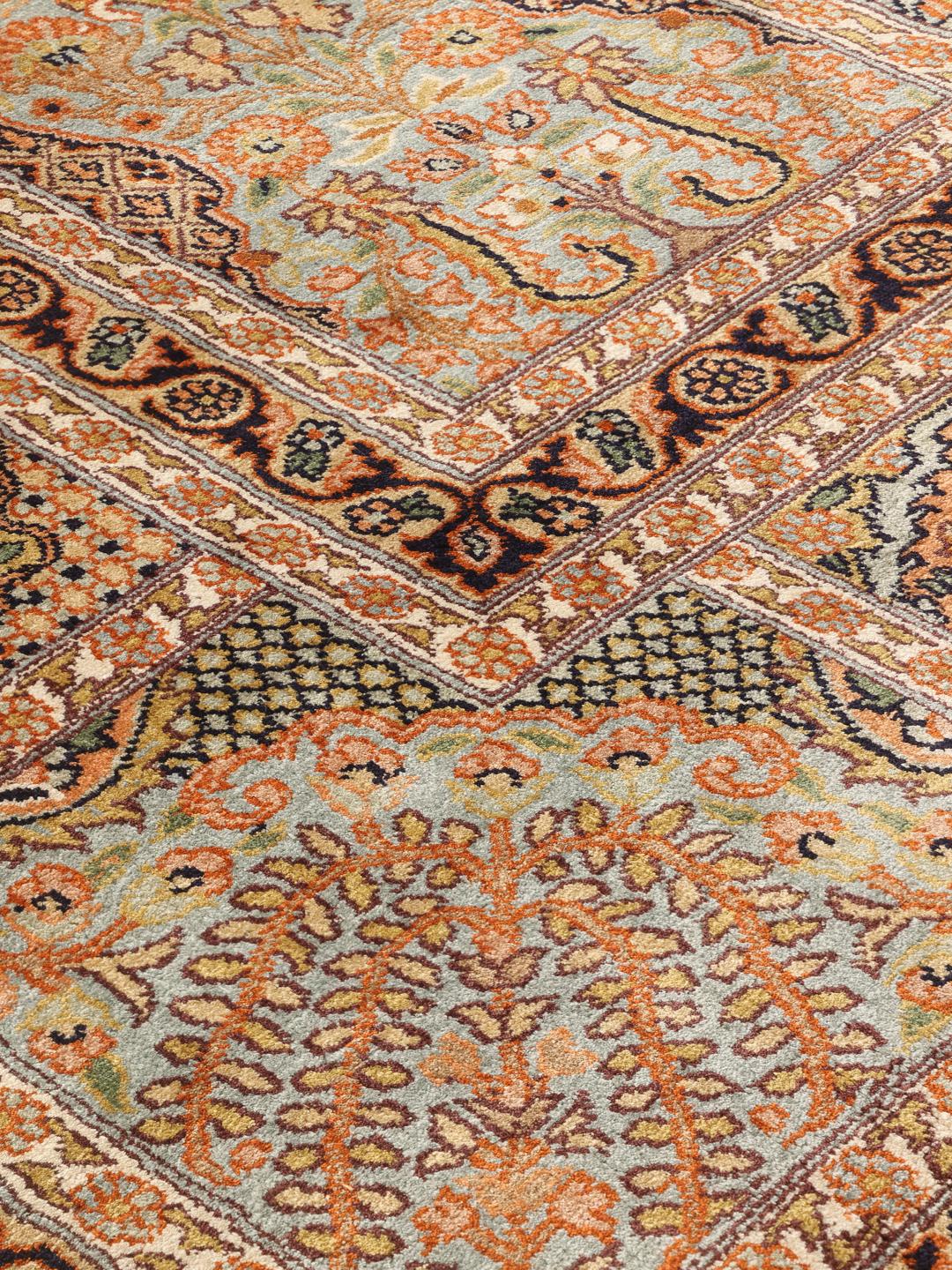
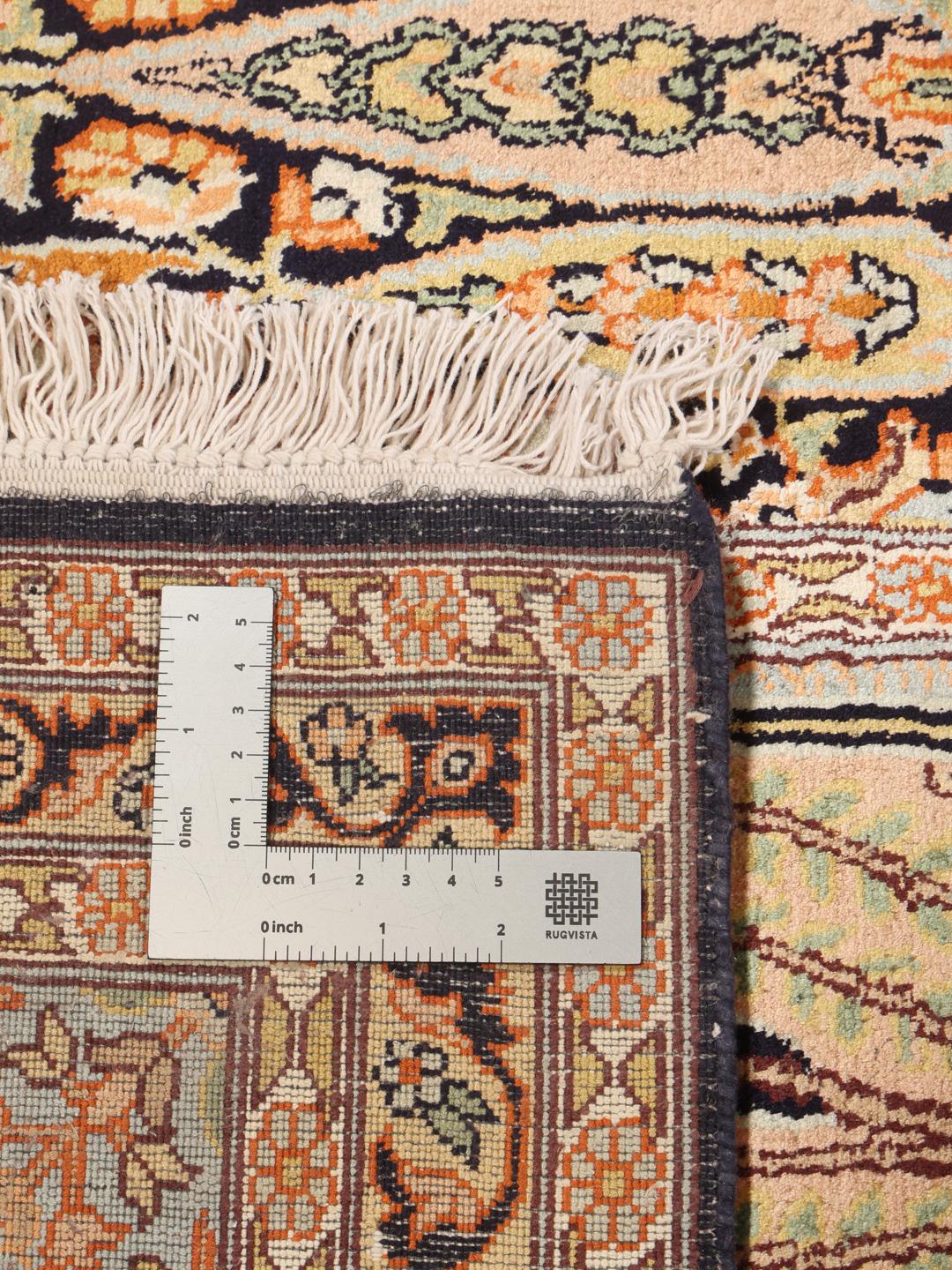
The term 'Kashmir silk' refers to a specific, high-quality weaving tradition that utilises fine, lustrous fibres. These rugs are often crafted with a focus on high knot density, which allows for complex, painterly designs that would be impossible to achieve with coarser materials. This technical approach is not just about aesthetics, it is about creating a durable, stable surface that retains its shape and colour brilliance.
Signature elements of these rugs often include the 'tree of life', ornate floral sprays, and geometric panelling. These motifs are frequently framed by a formal, multi-layered border that anchors the design. The colour palettes tend to be sophisticated and varied, often using natural tones that highlight the inherent shimmer of the silk, making them highly versatile in diverse interior settings.
Owning a piece from this tradition is considered an investment in heritage and skill. These rugs are highly valued by collectors because they represent a pinnacle of manual artistry. When you bring a Kashmir silk rug into your home, you are continuing a story of human ingenuity that has been passed down through generations of master weavers.