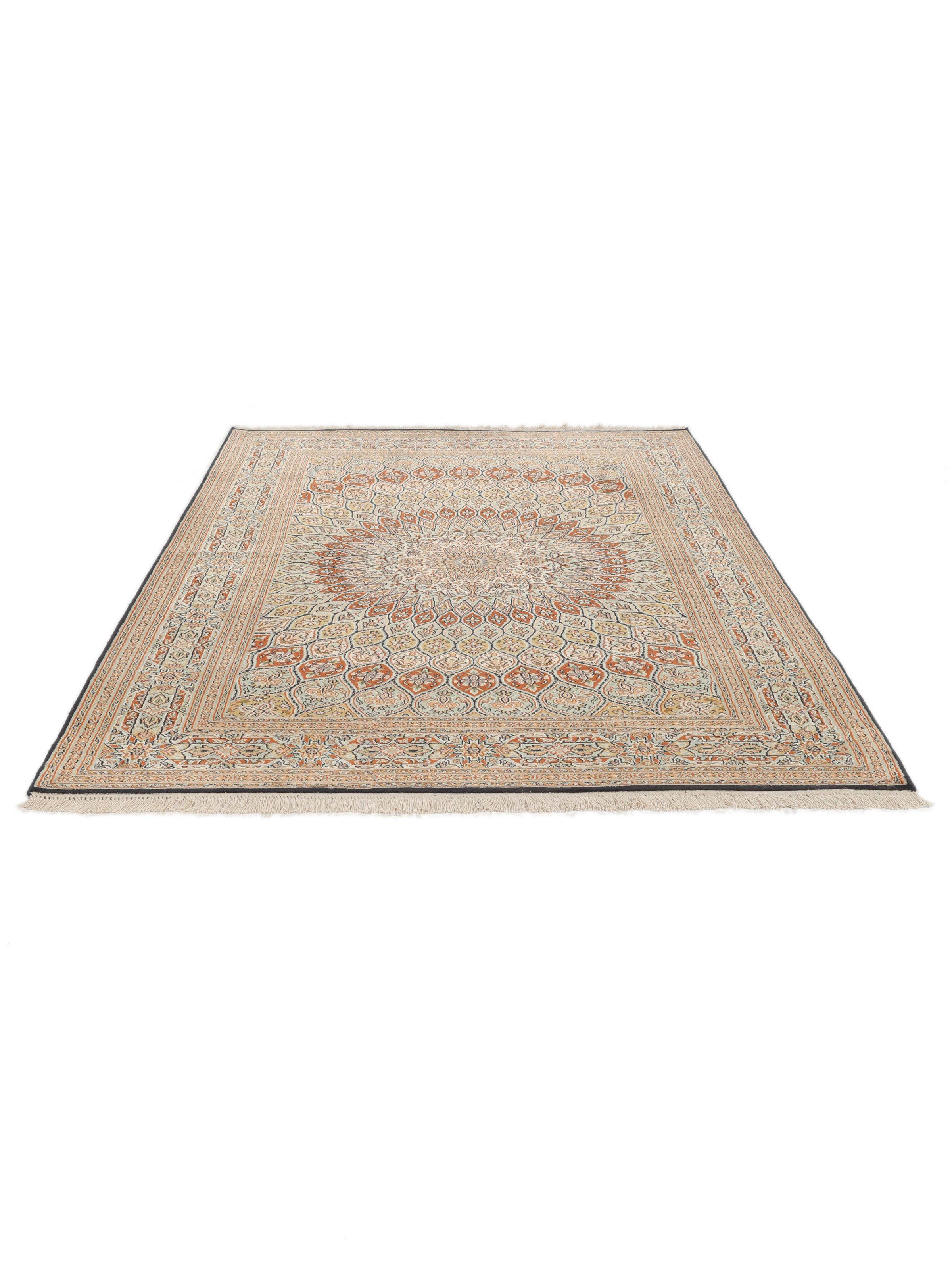
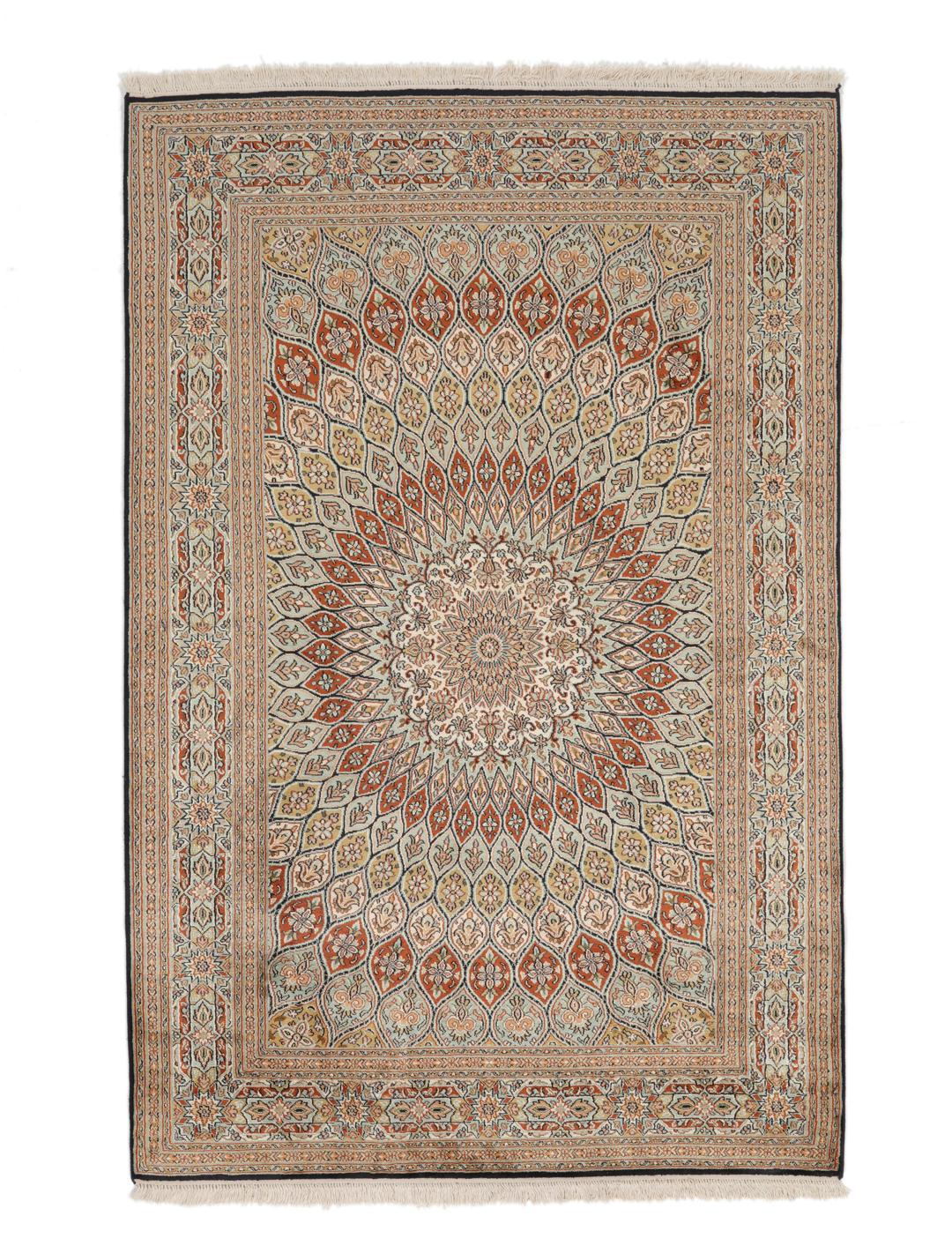
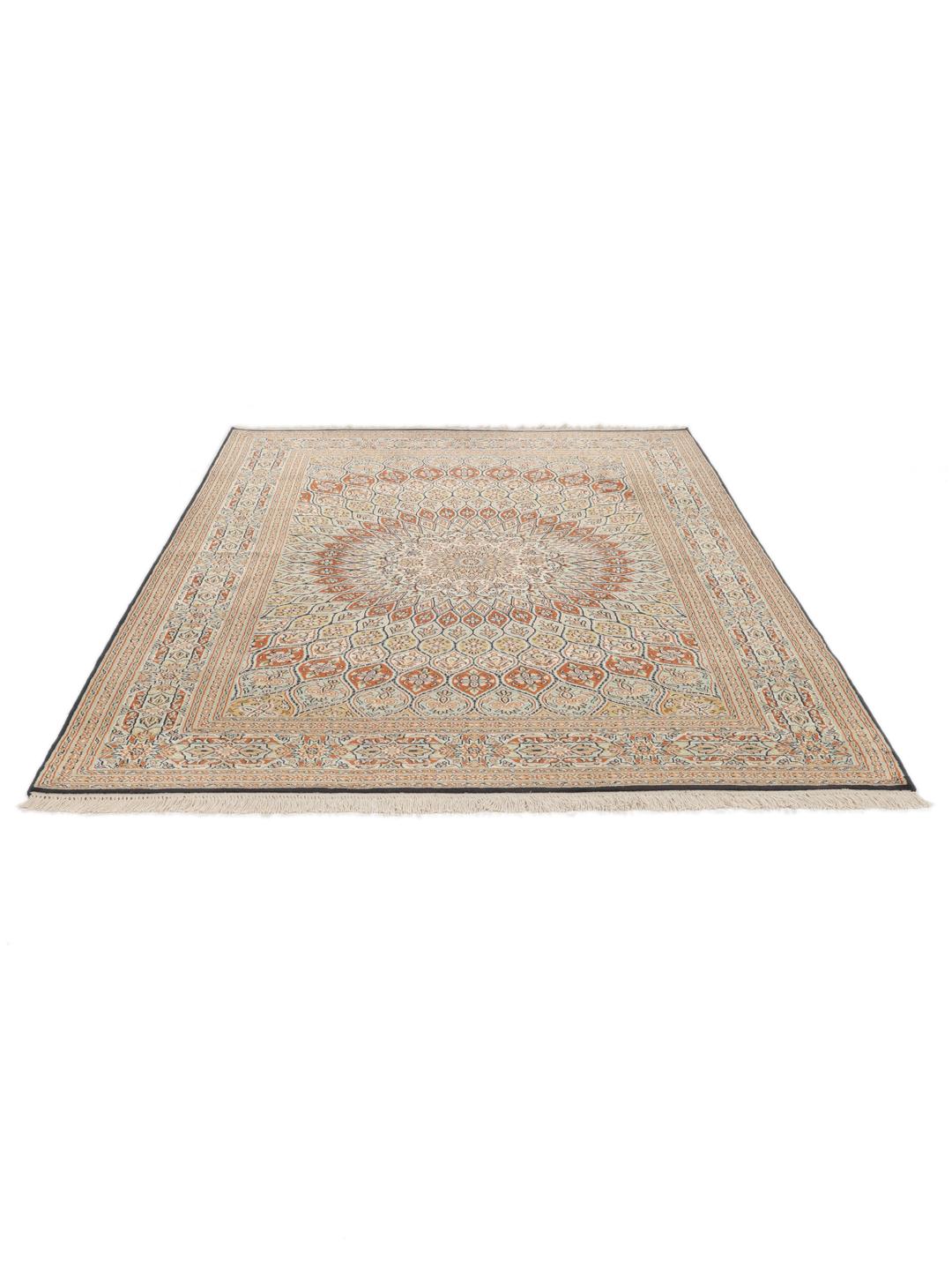
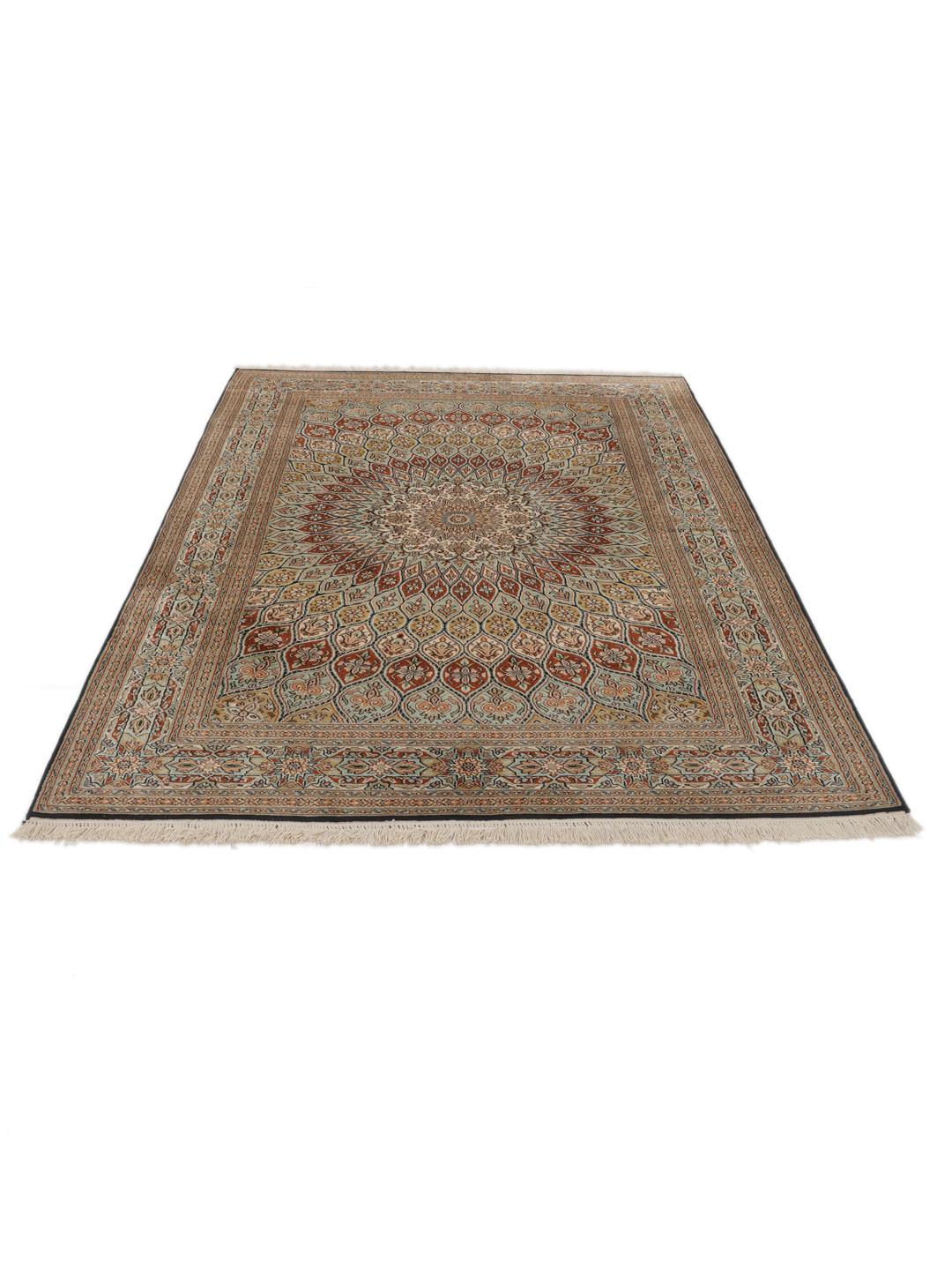
Kashmir silk rugs are celebrated globally for their deep roots in the rich textile traditions of India. The craft was introduced to the Kashmir Valley centuries ago, evolving through the exchange of artistic ideas along ancient trade routes. Today, these rugs remain a symbol of the region's cultural identity, blending local motifs with the sophisticated design sensibilities that have defined Indian weaving for generations.
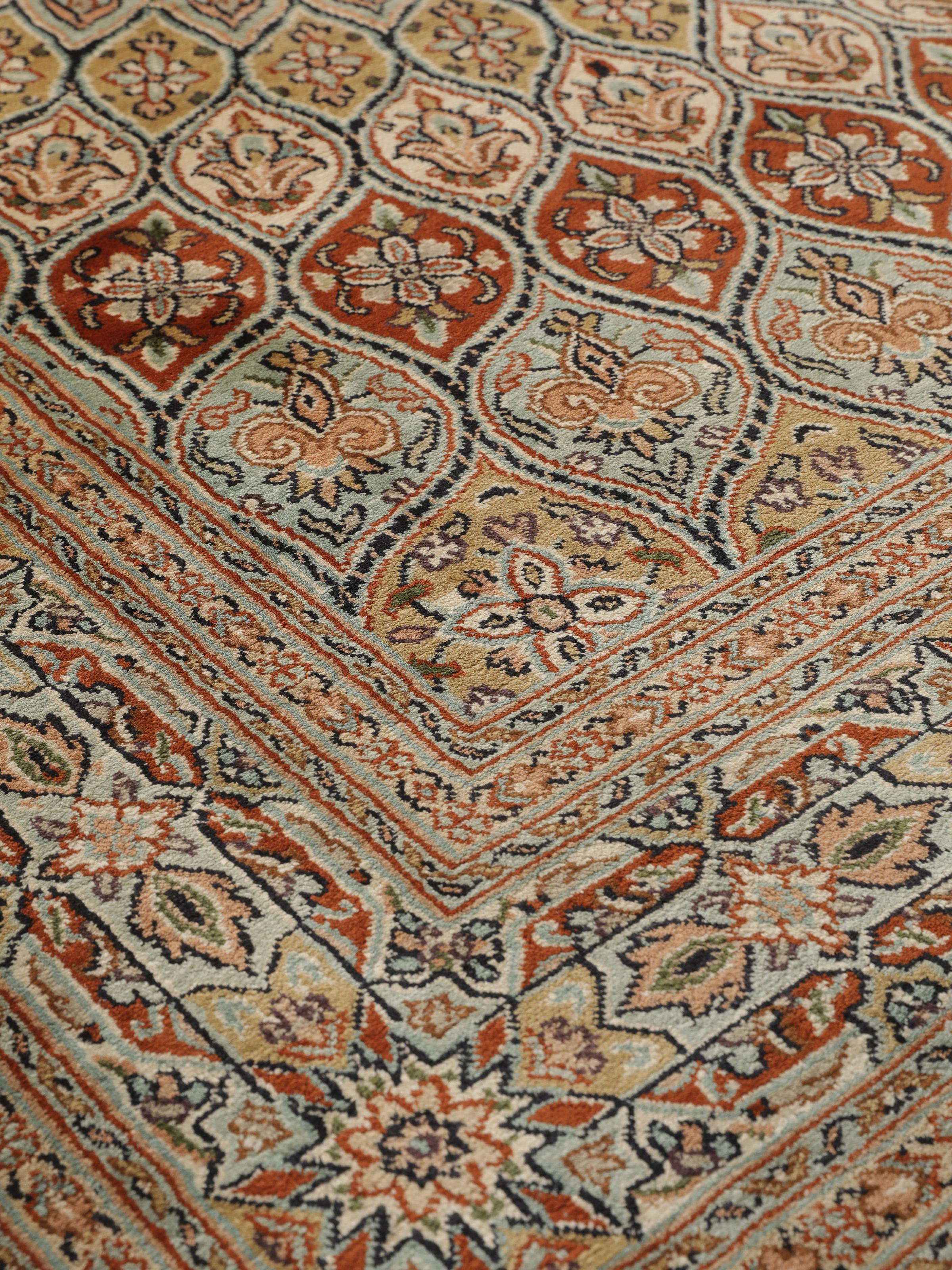
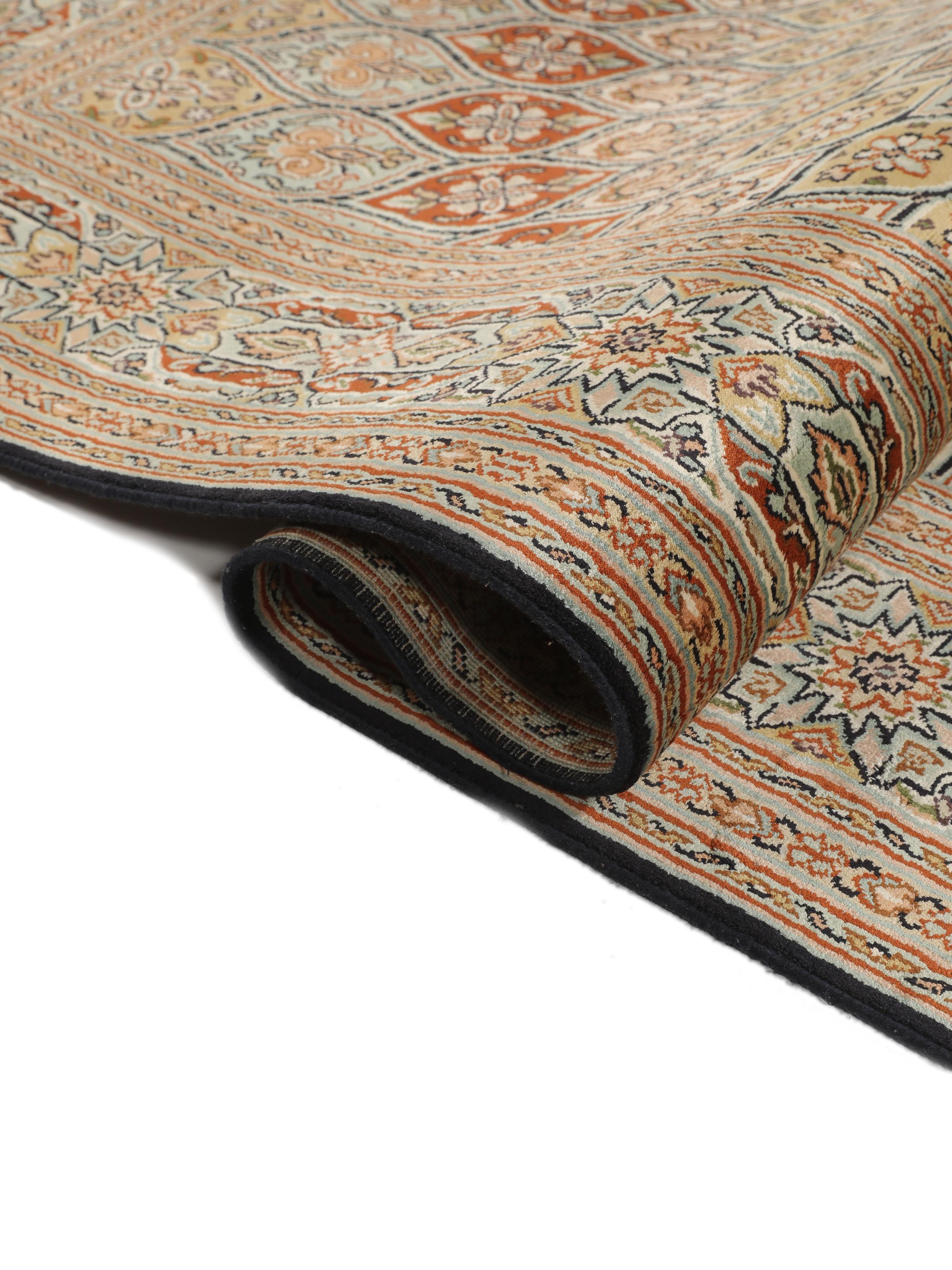
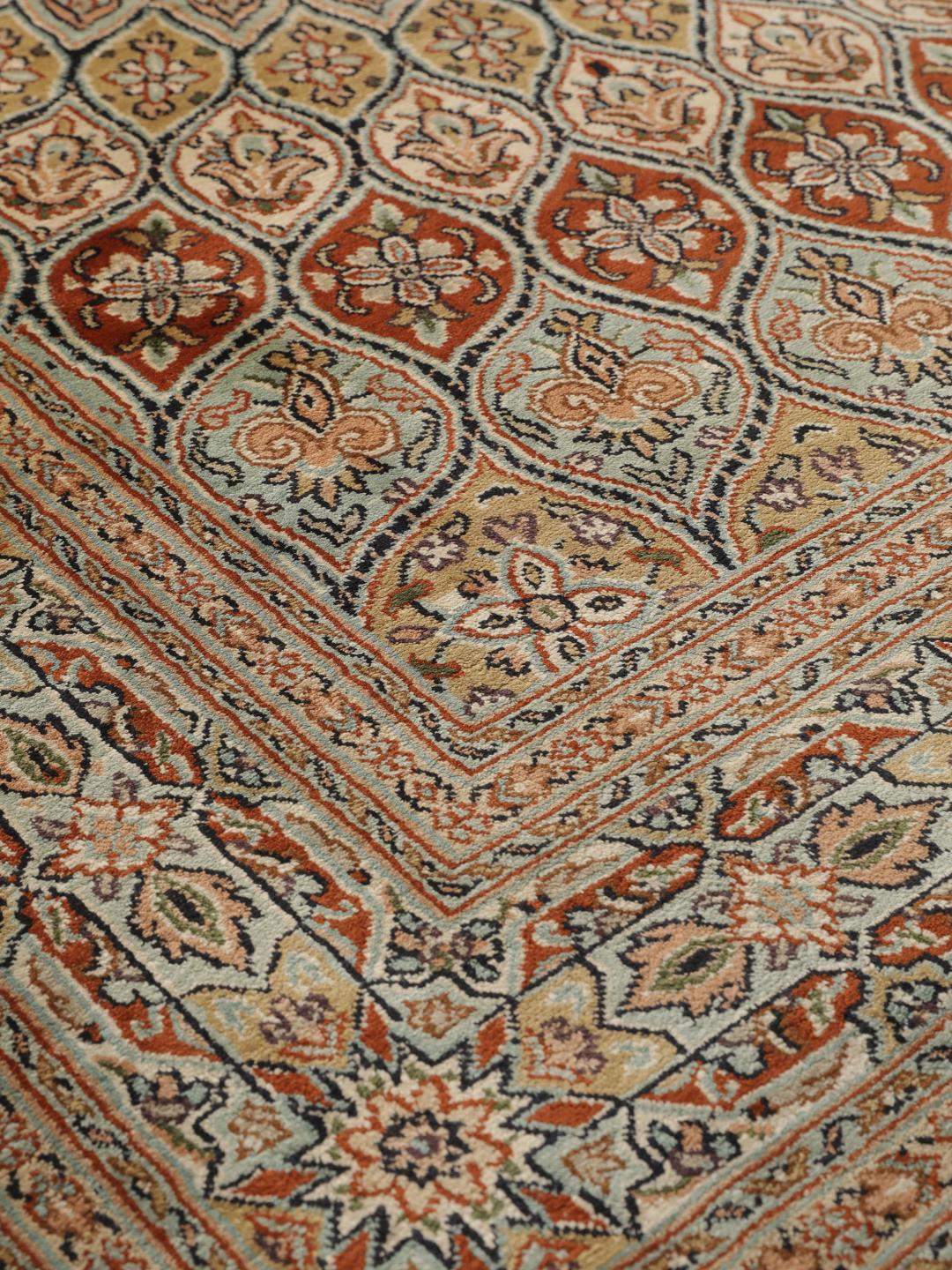
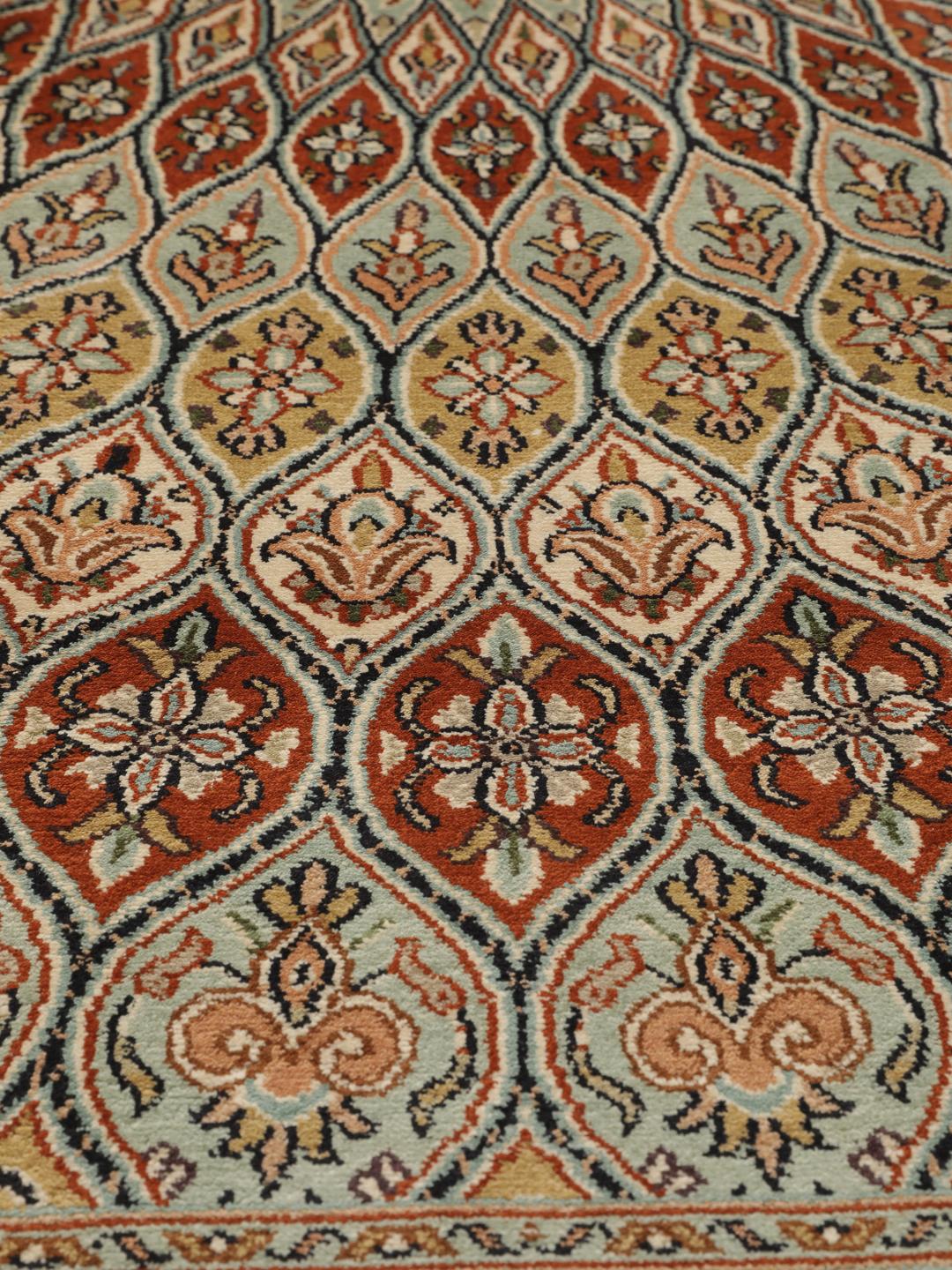
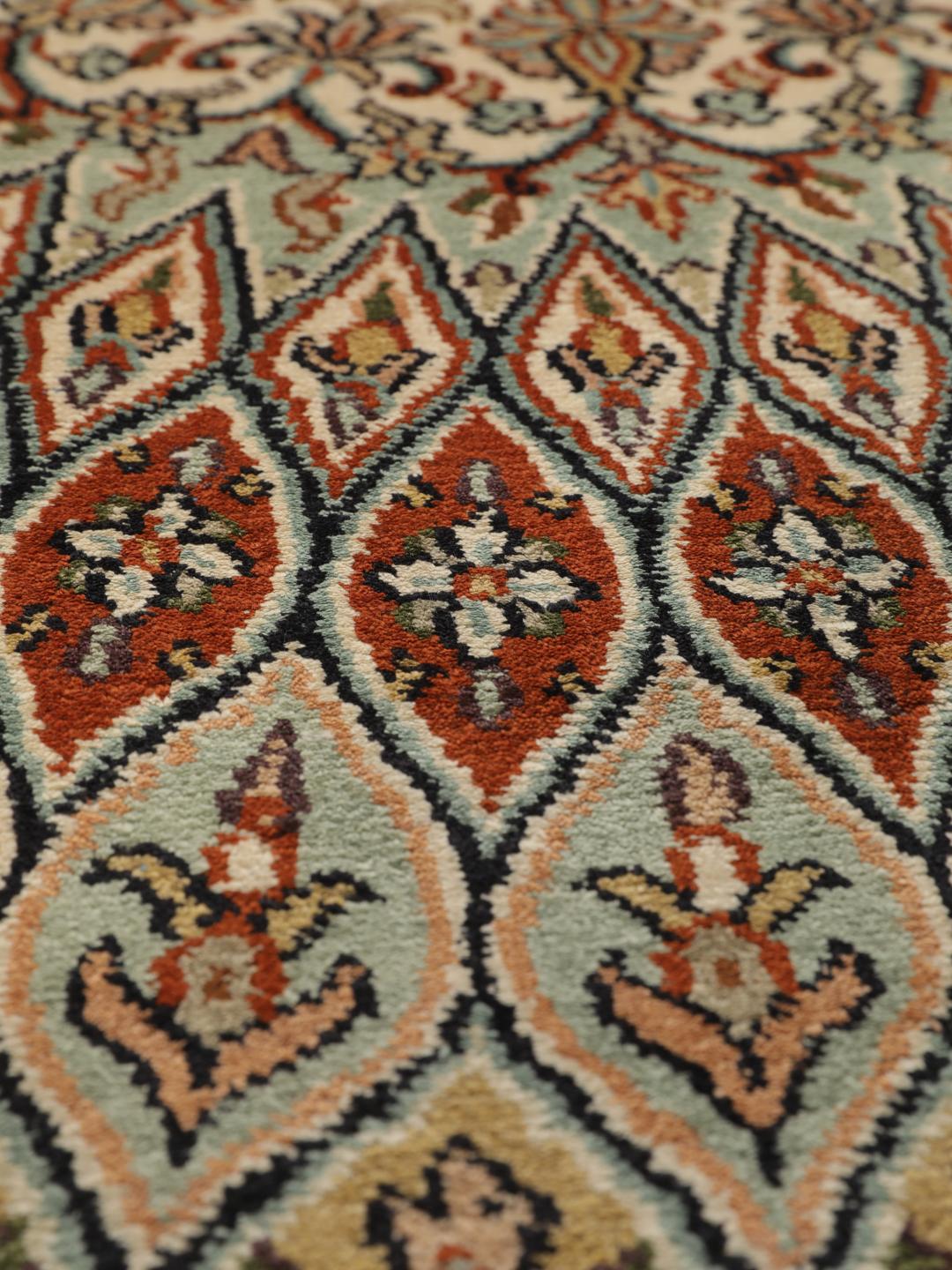
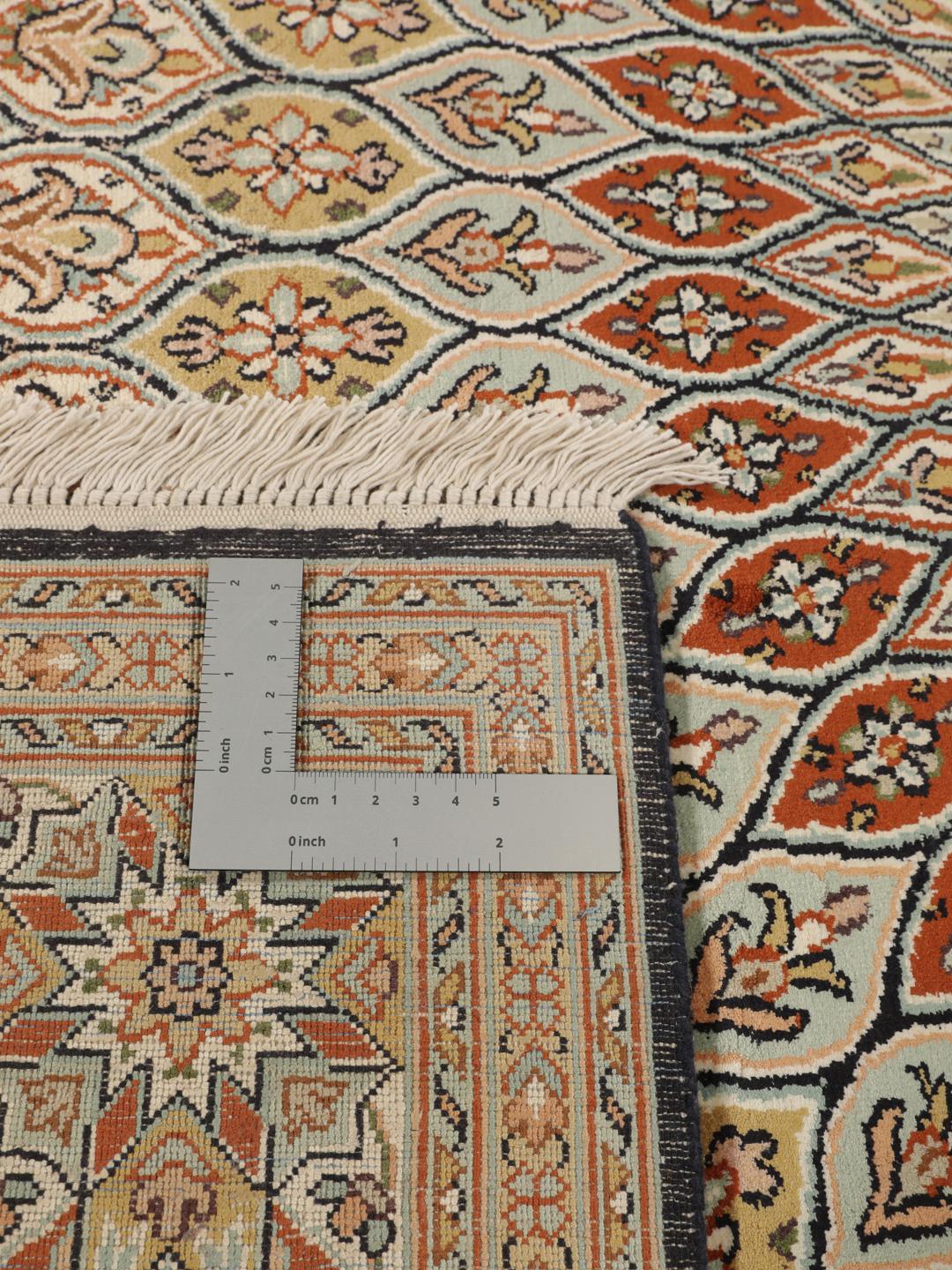
The term Kashmir silk refers to the specific, high-quality material and the refined weaving techniques employed in the valley. Using fine silk threads allows for a much higher knot density than coarser materials, which is why these rugs can feature such incredibly intricate, almost painterly designs. This construction is vital, as it enables the artisans to create the elaborate, curvilinear patterns that are the hallmark of this tradition.
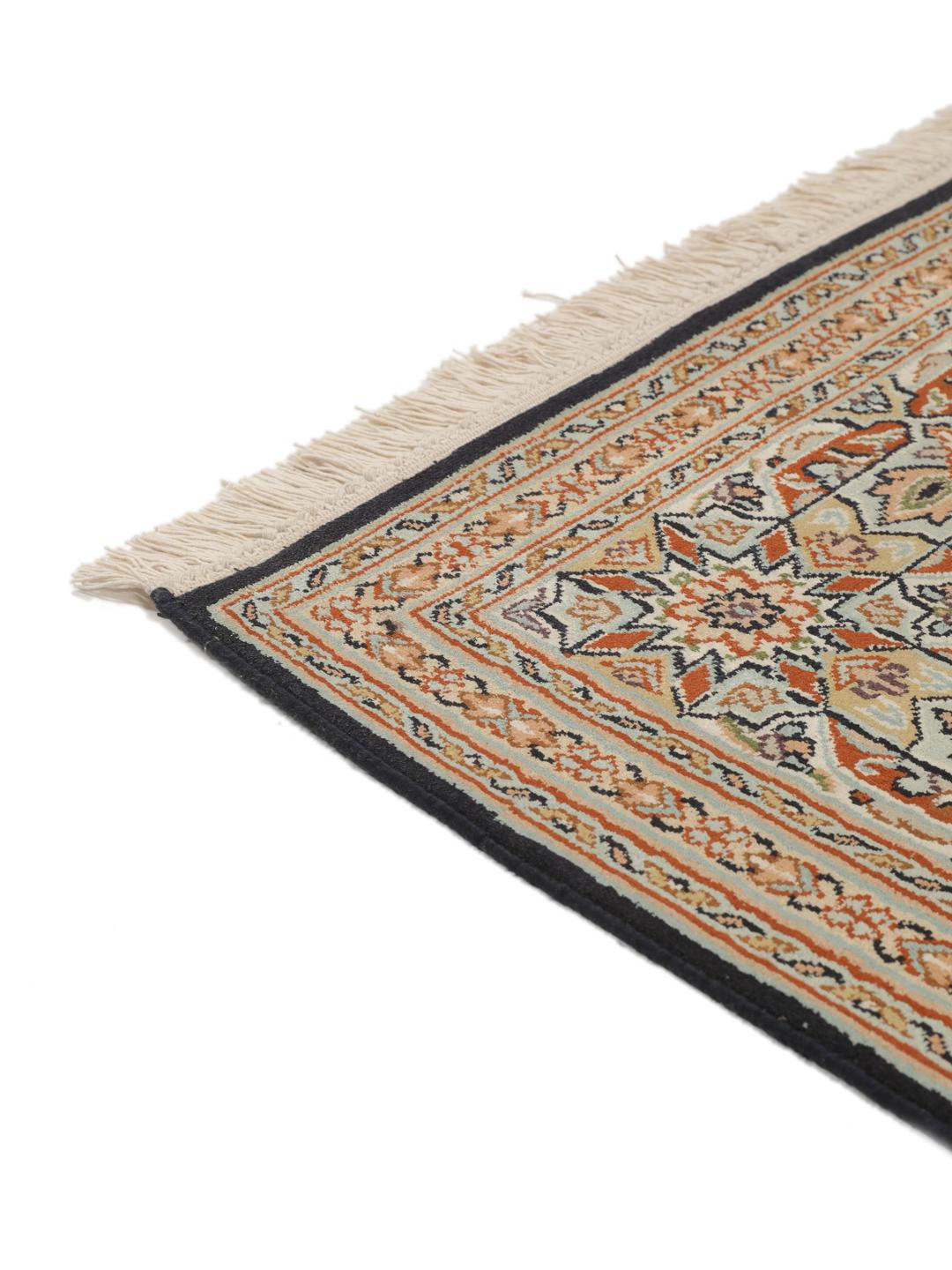
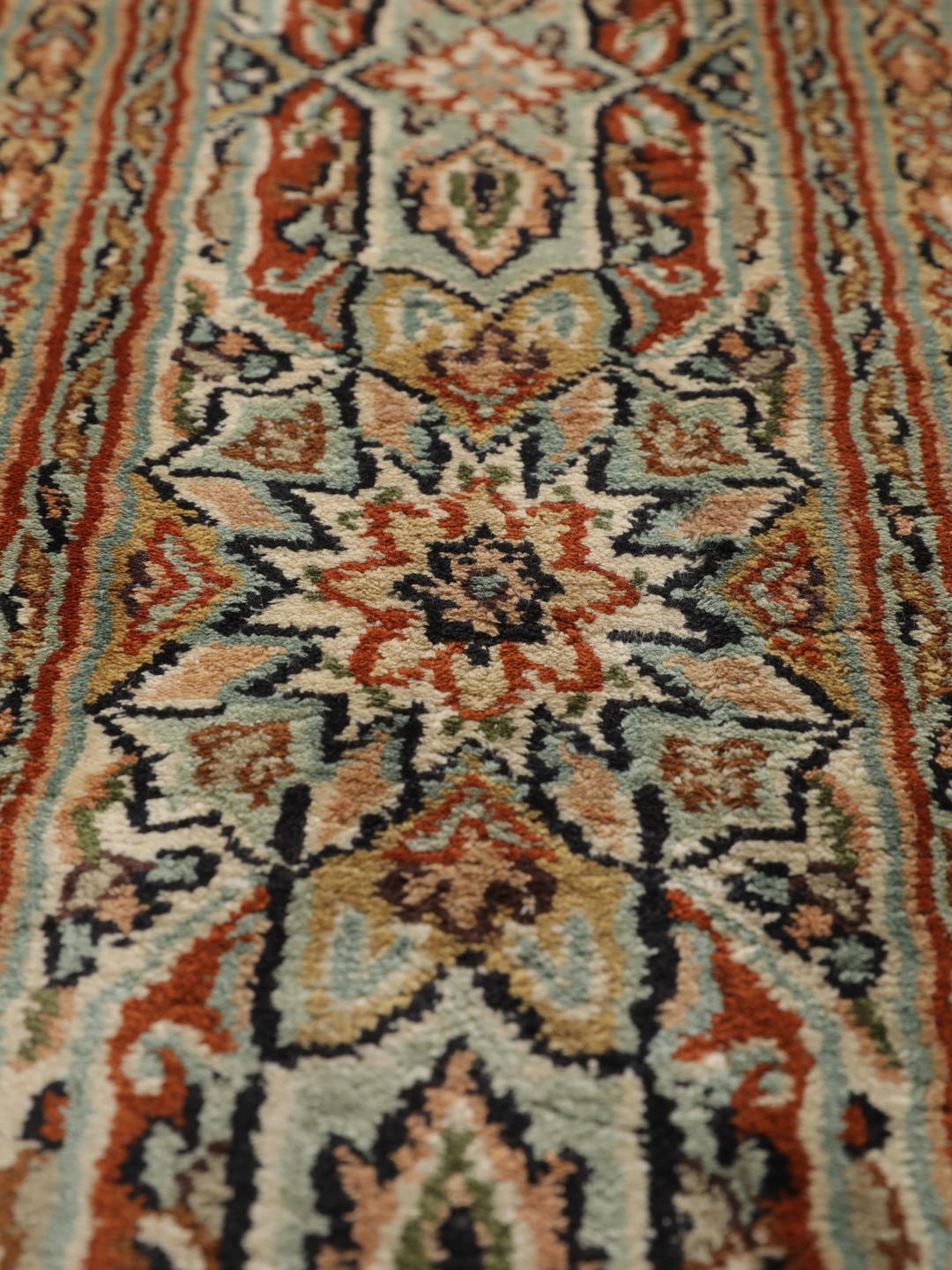
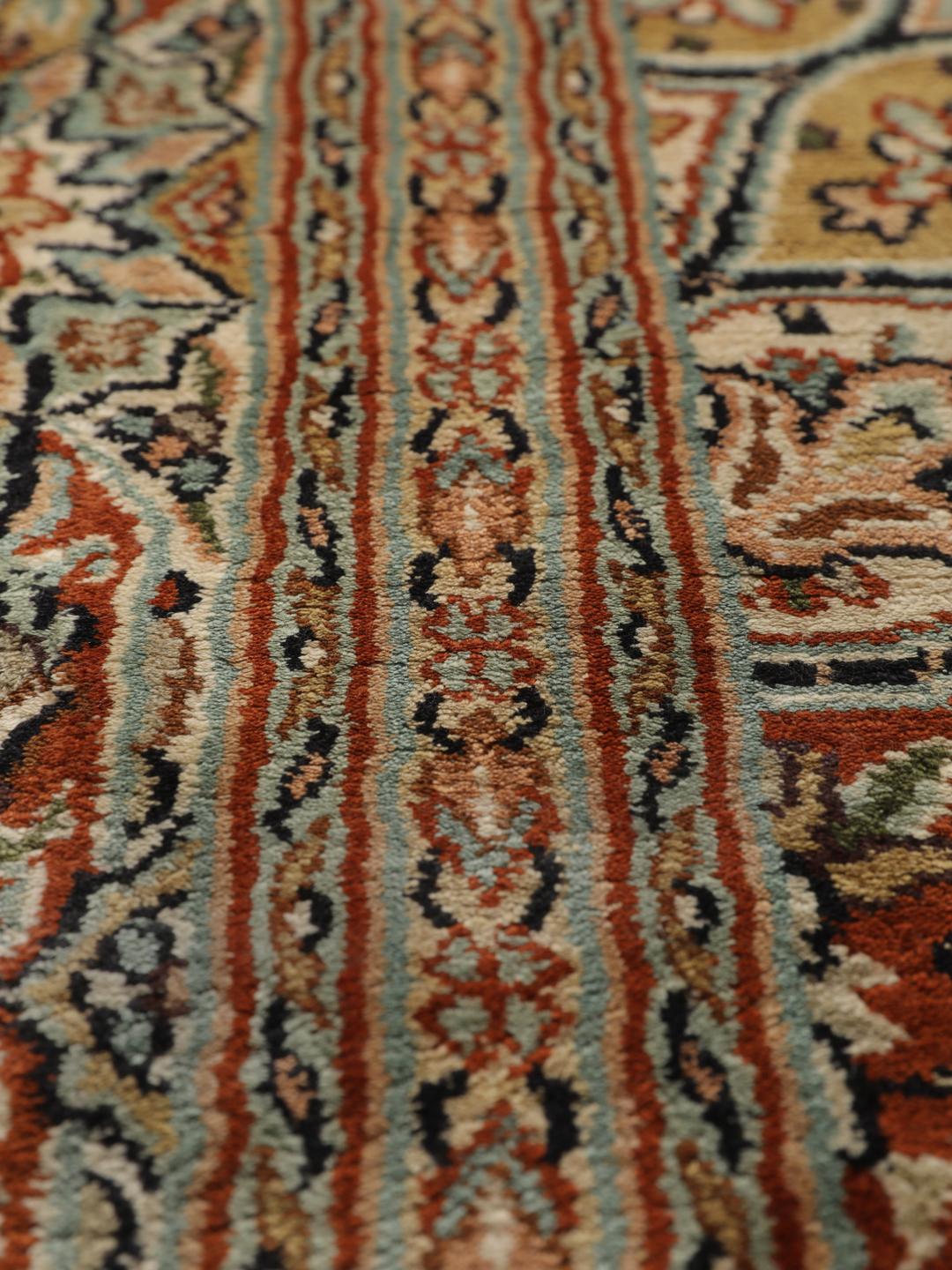
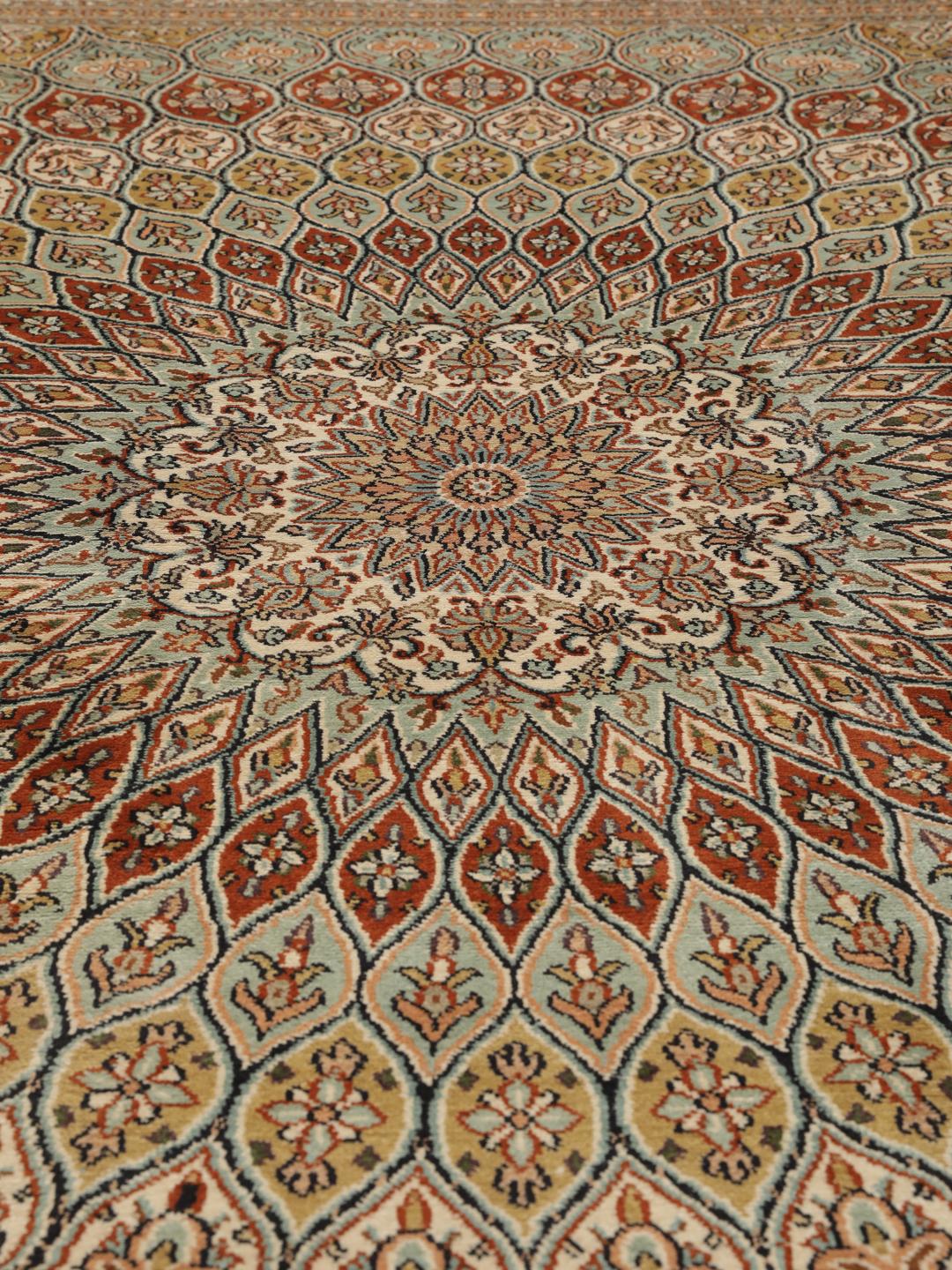
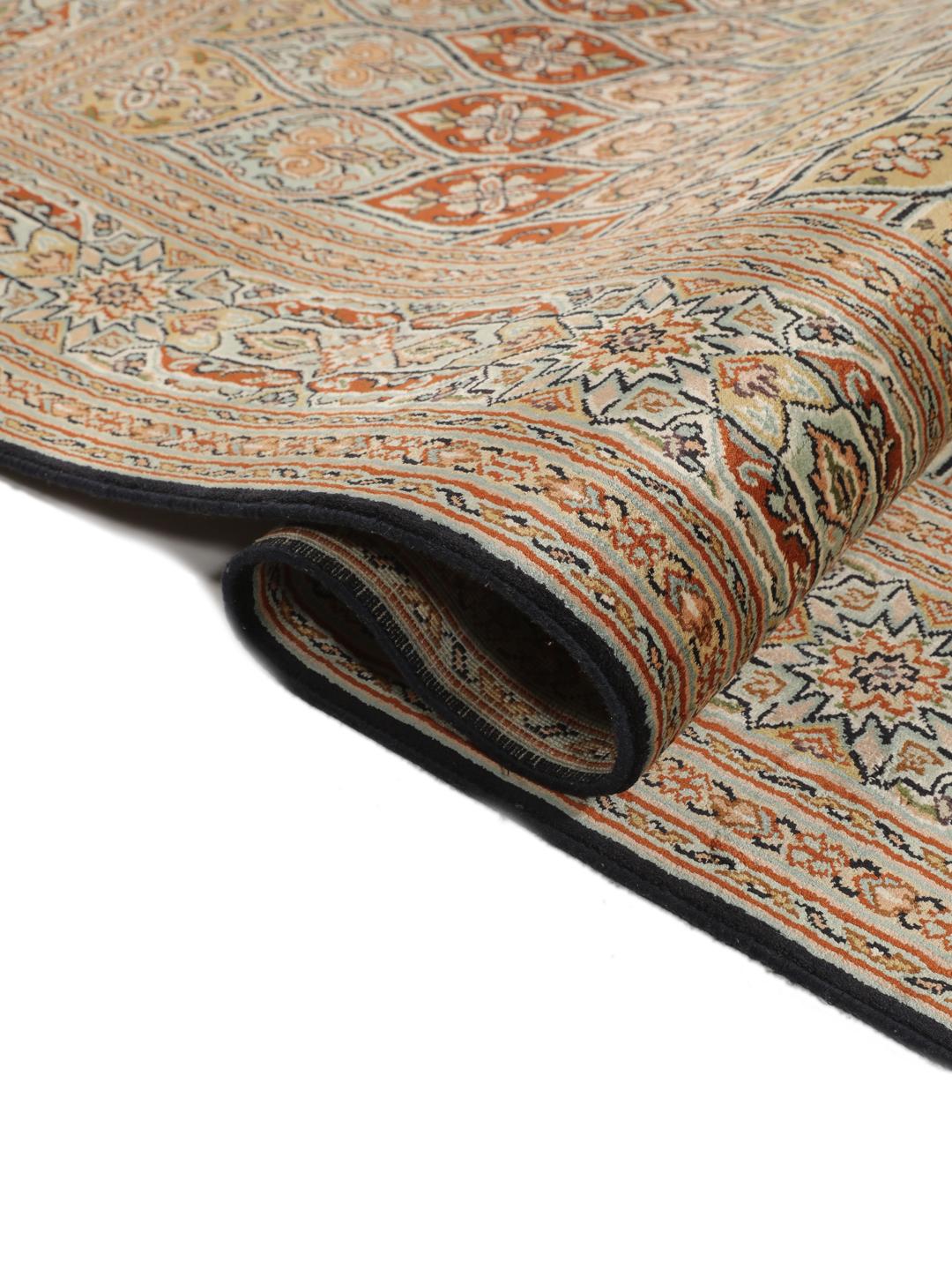
Visually, these rugs are known for their dense, ornate designs, often centred around a large, detailed medallion. The borders are typically just as complex, filled with floral sprays, vines, and leaves that mirror the central field. While traditional patterns follow a strict, symmetrical layout, the specific colour choices and subtle variations in each piece reflect the individual vision of the weaver, making every rug a distinct expression of the style.
These rugs are highly sought after by collectors and enthusiasts who value the immense skill required to produce them. Owning a Kashmir silk piece is an investment in a living tradition, representing a standard of beauty and technical mastery that has been preserved by families of weavers over many years. It is more than a floor covering; it is a piece of cultural history that brings warmth and a sense of permanence to any interior.