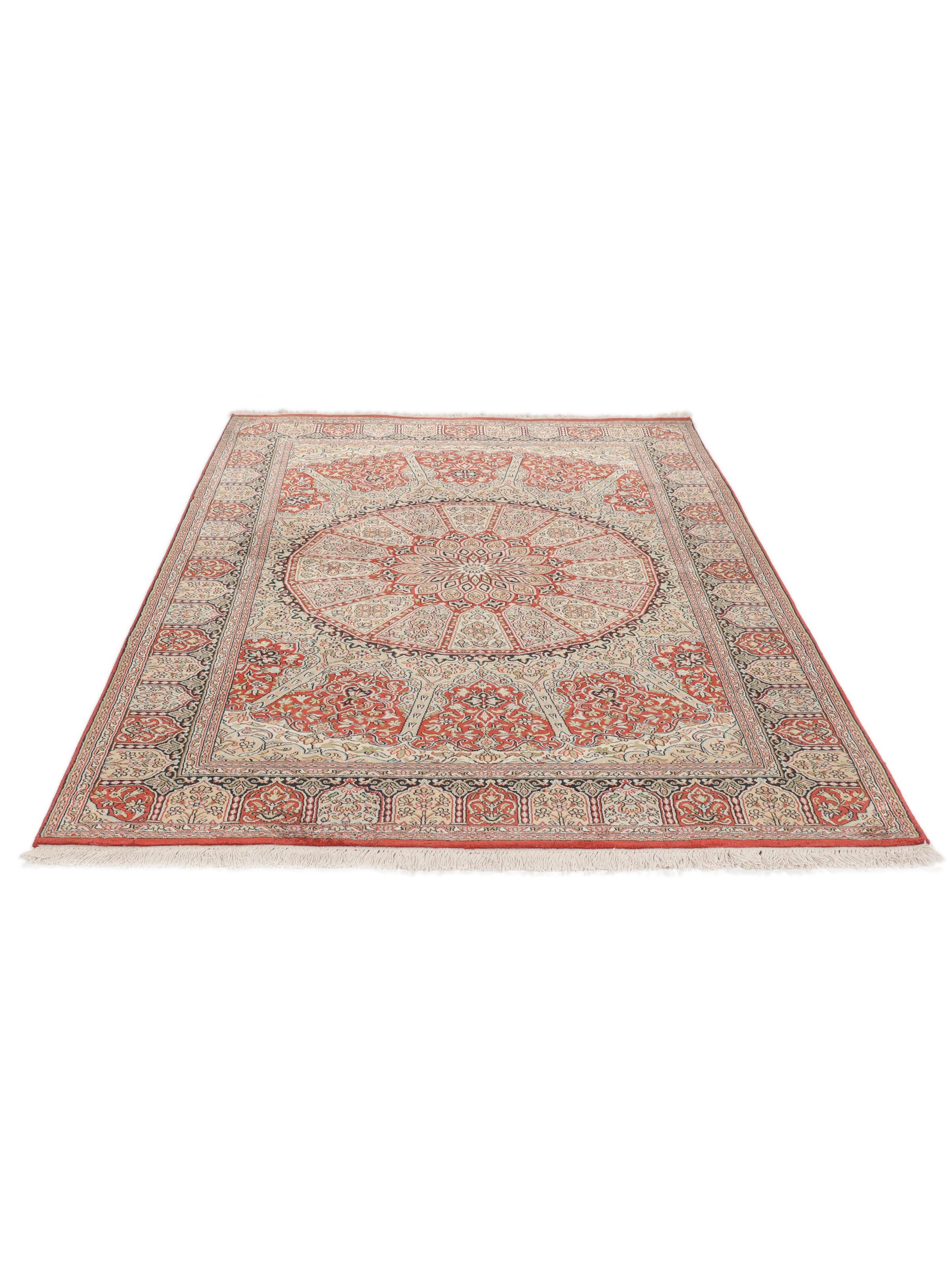
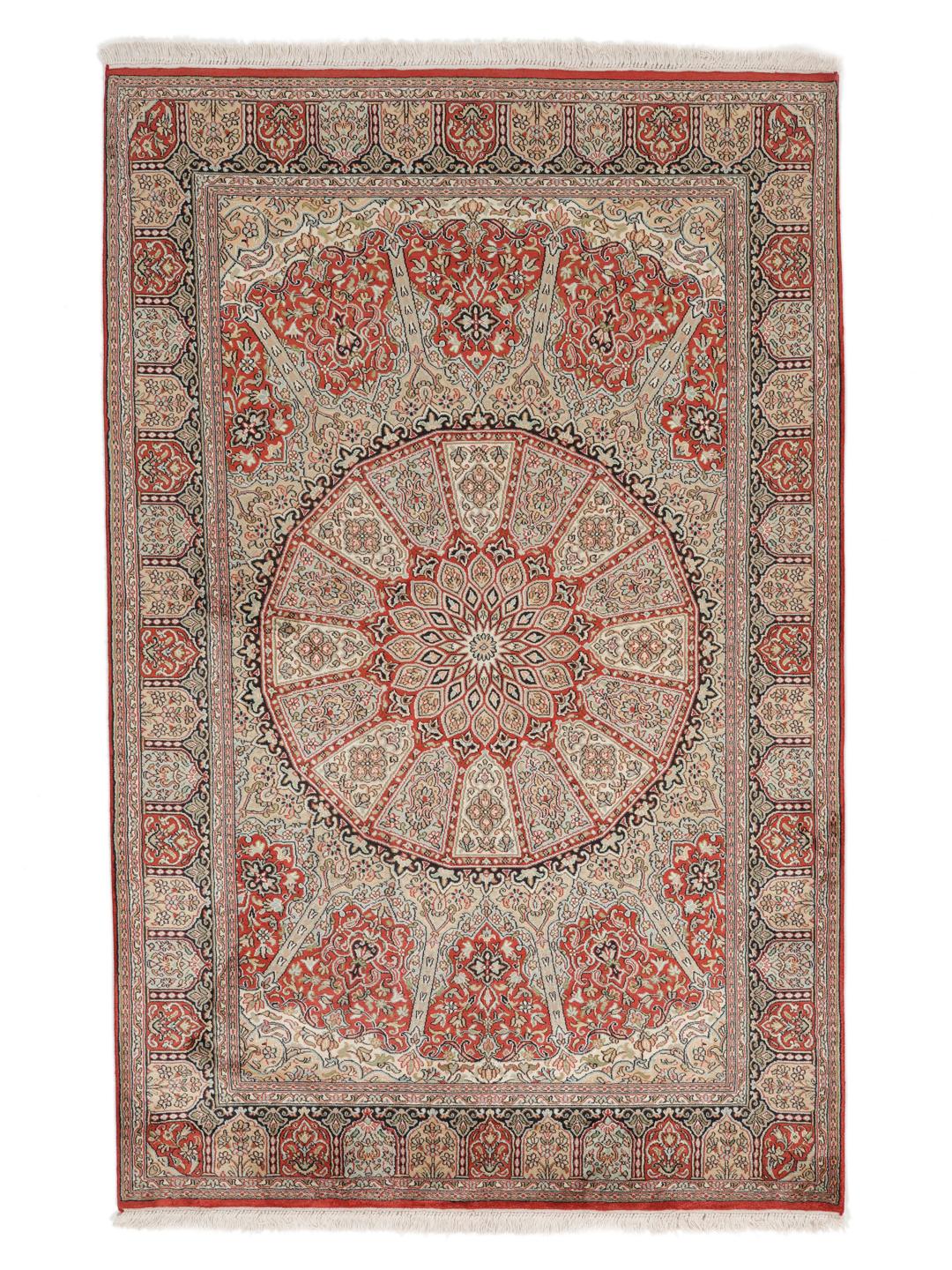
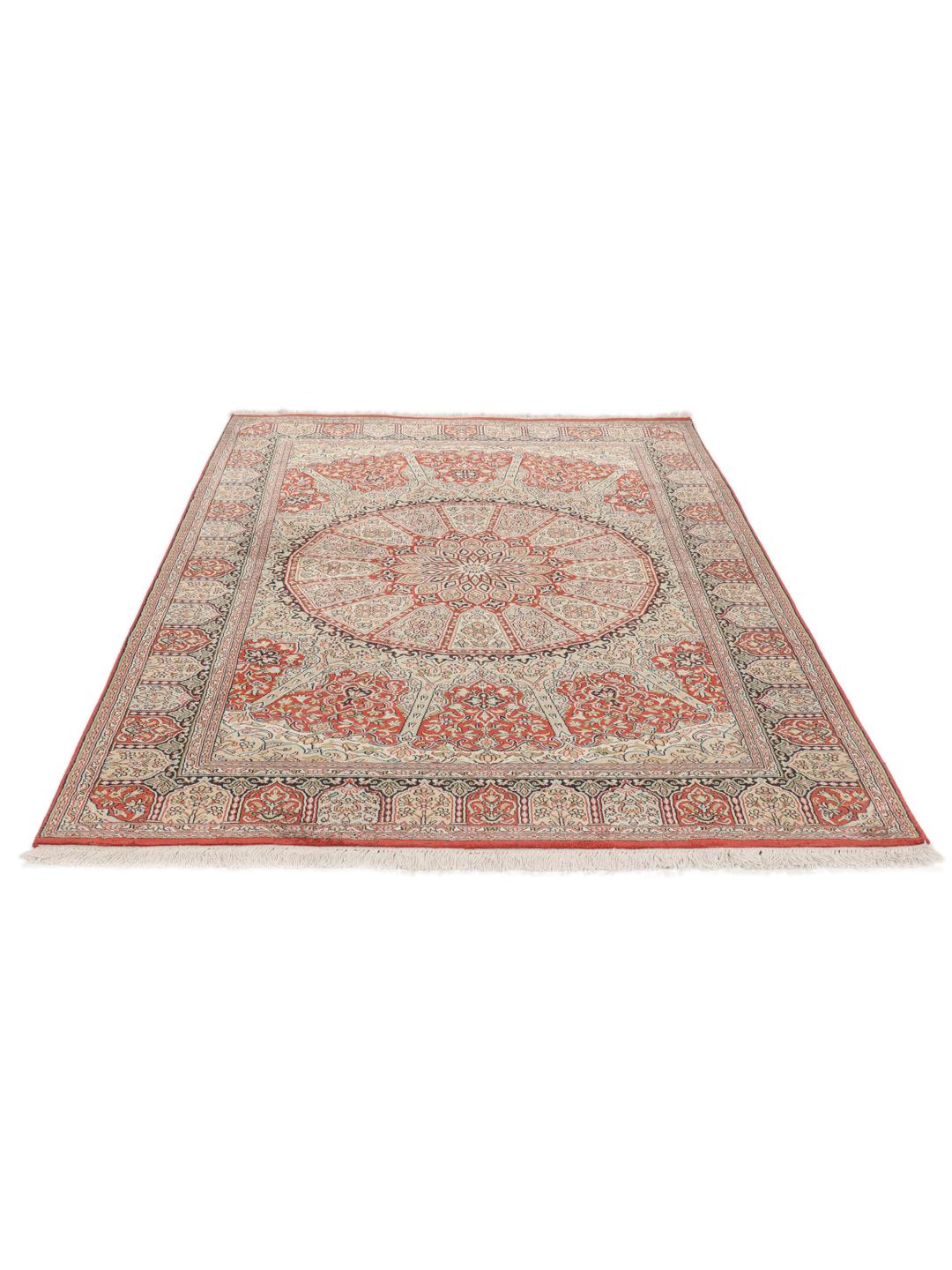
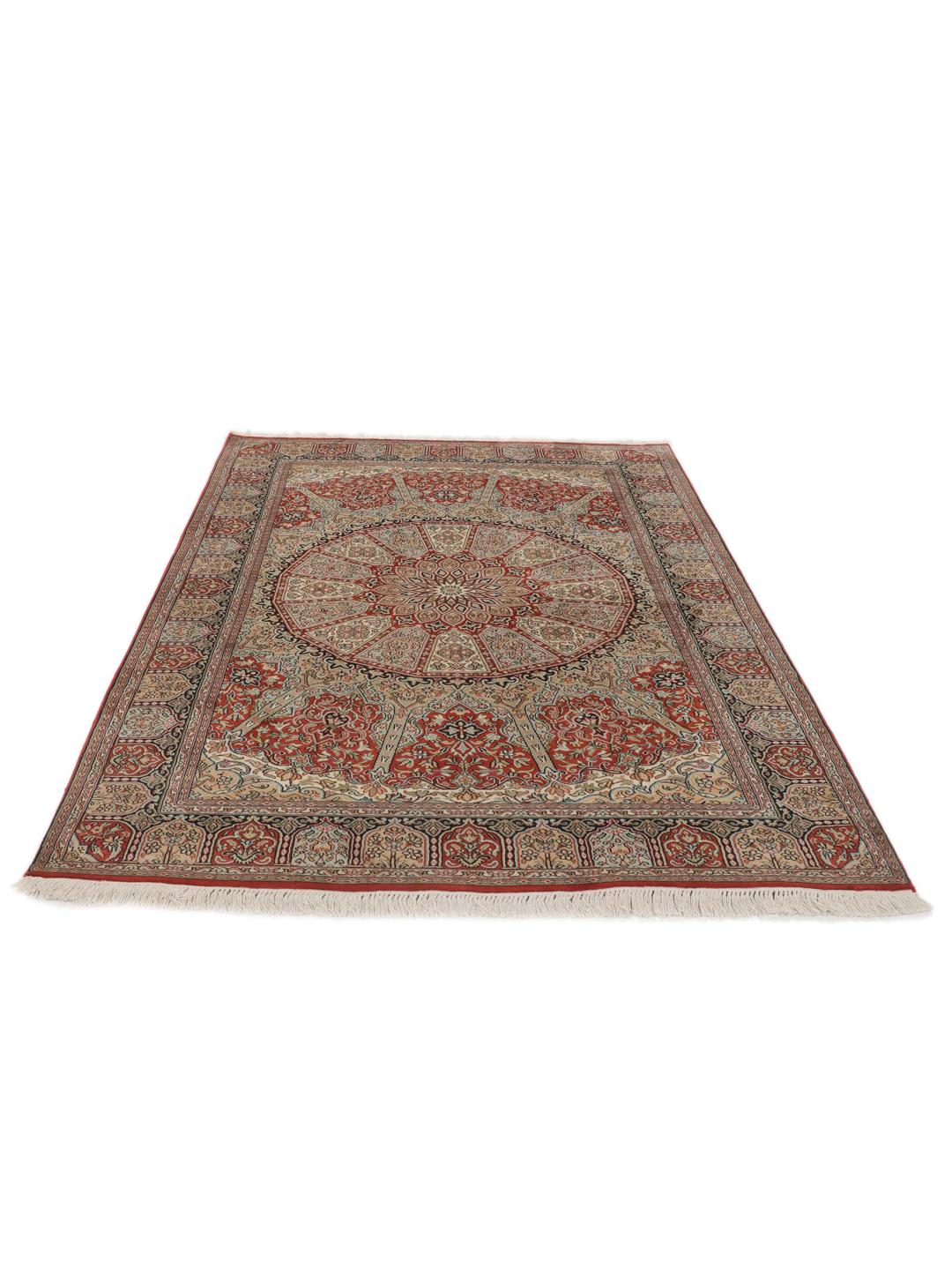
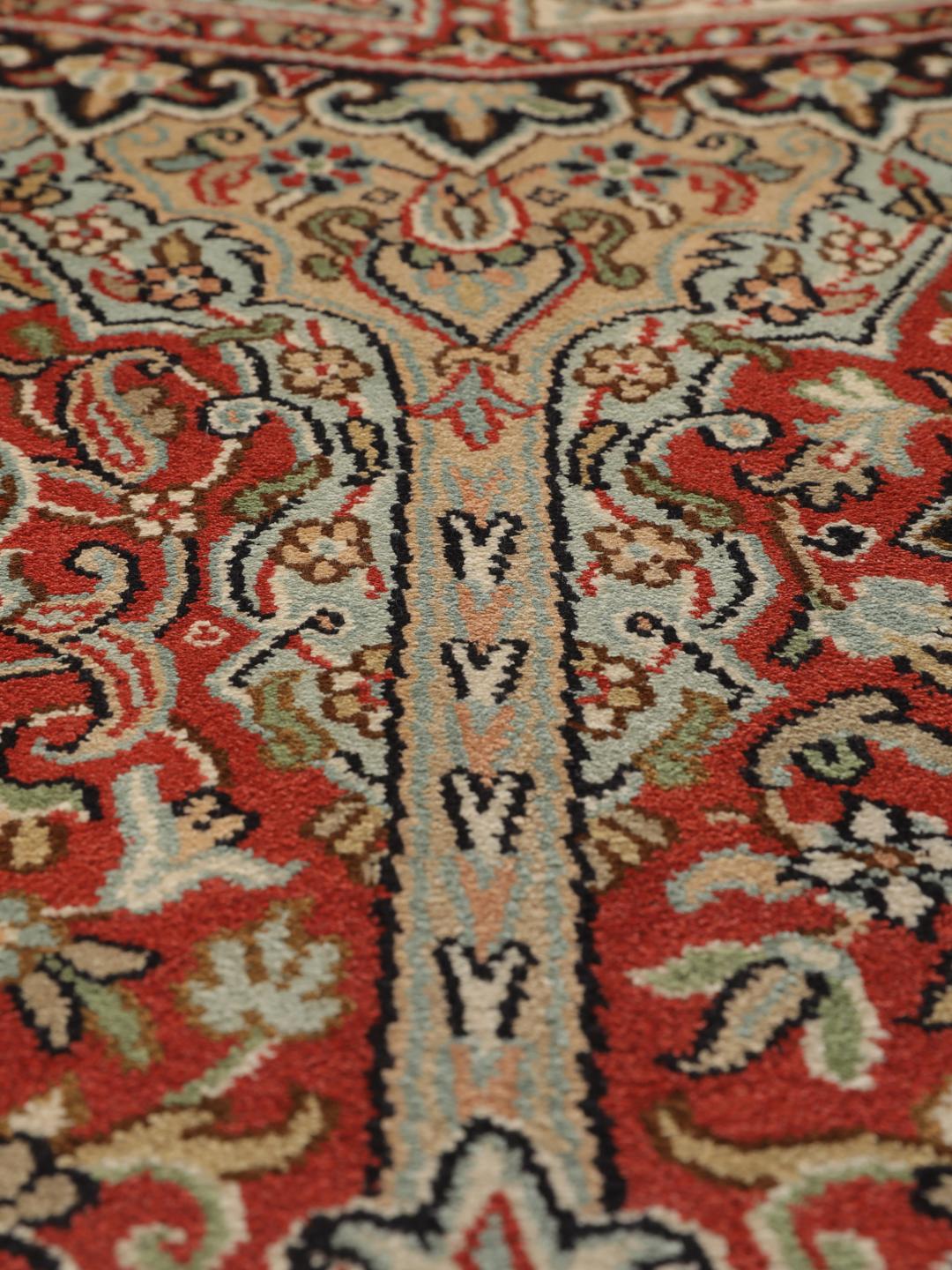
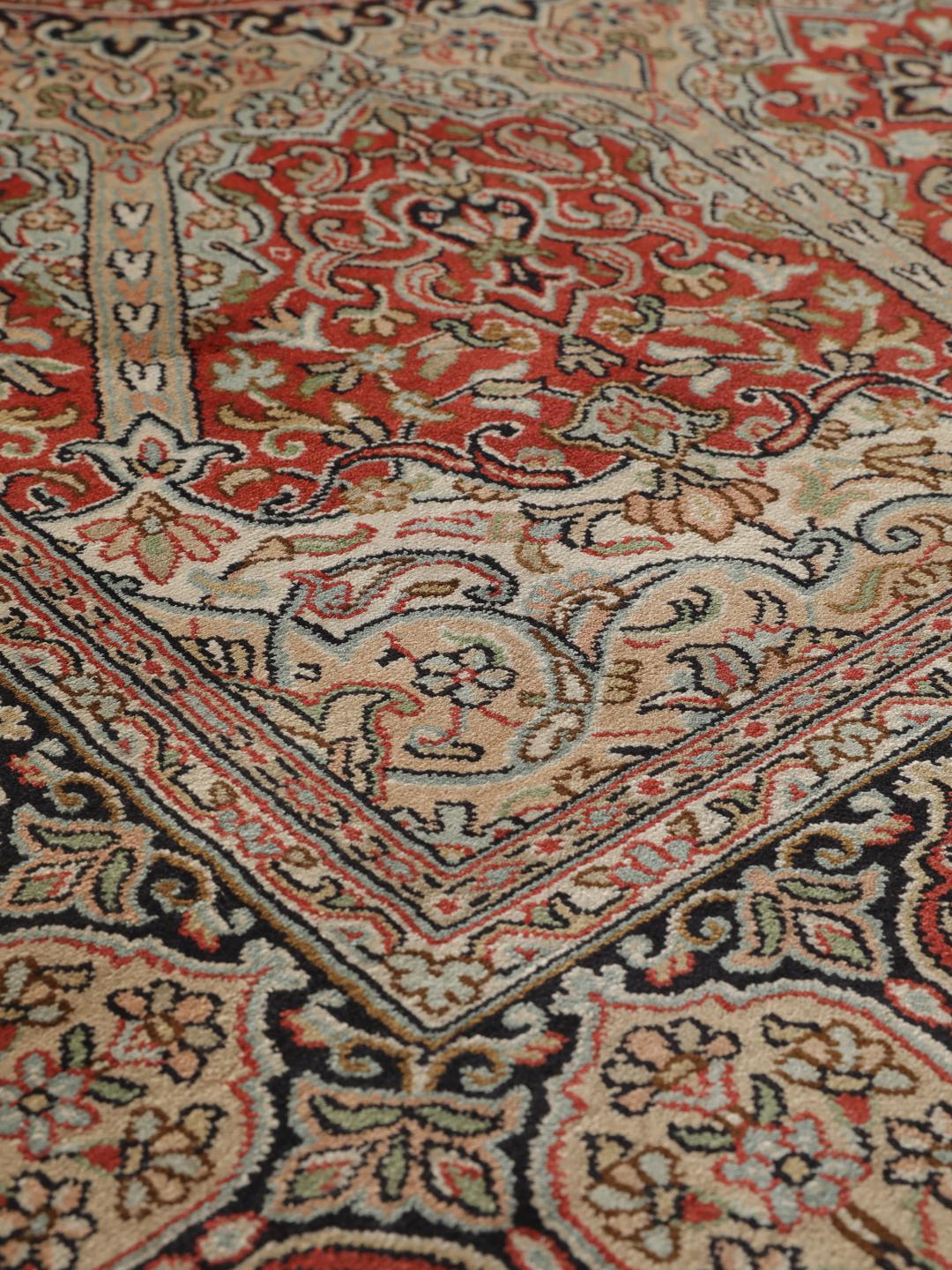
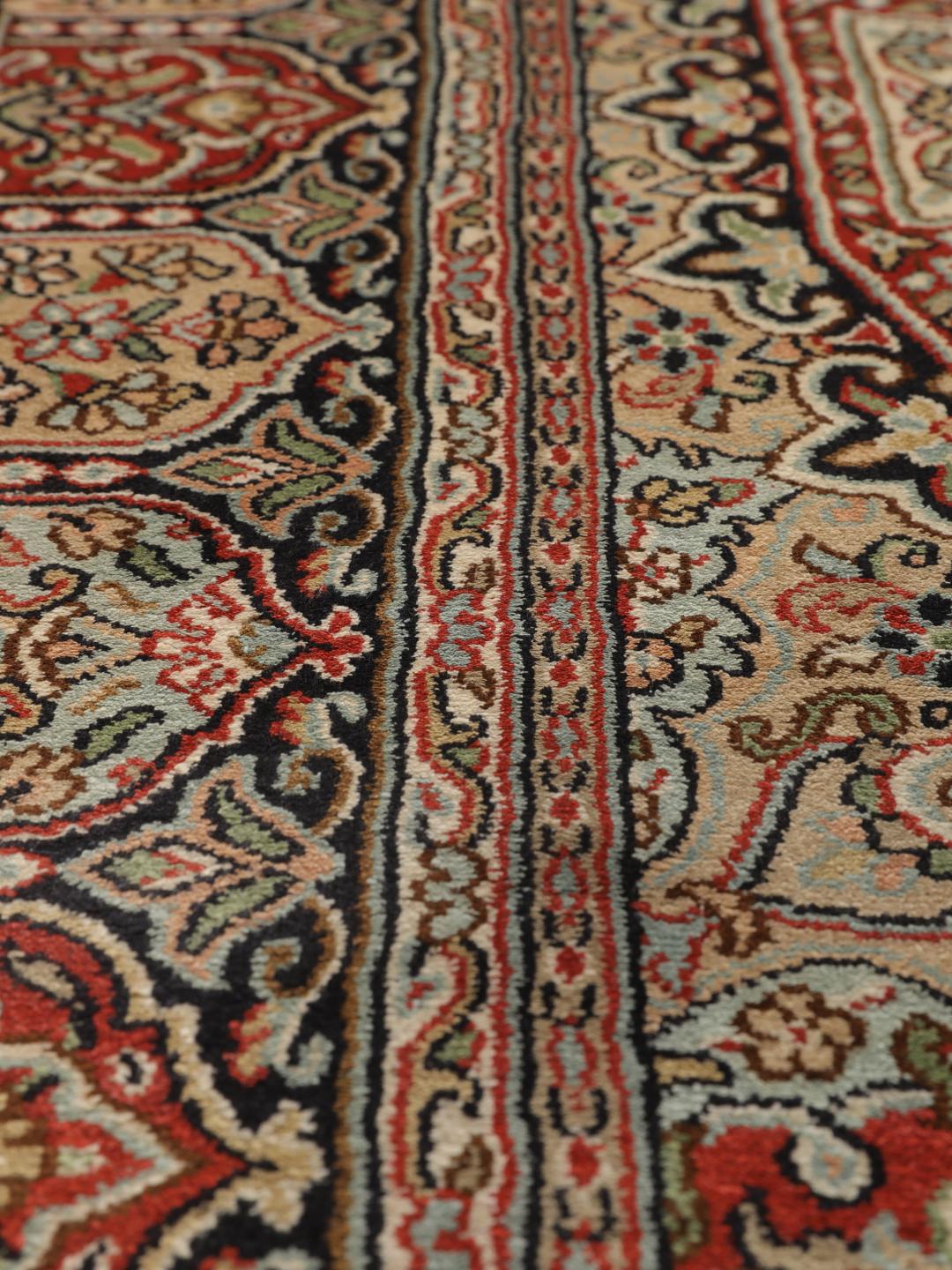
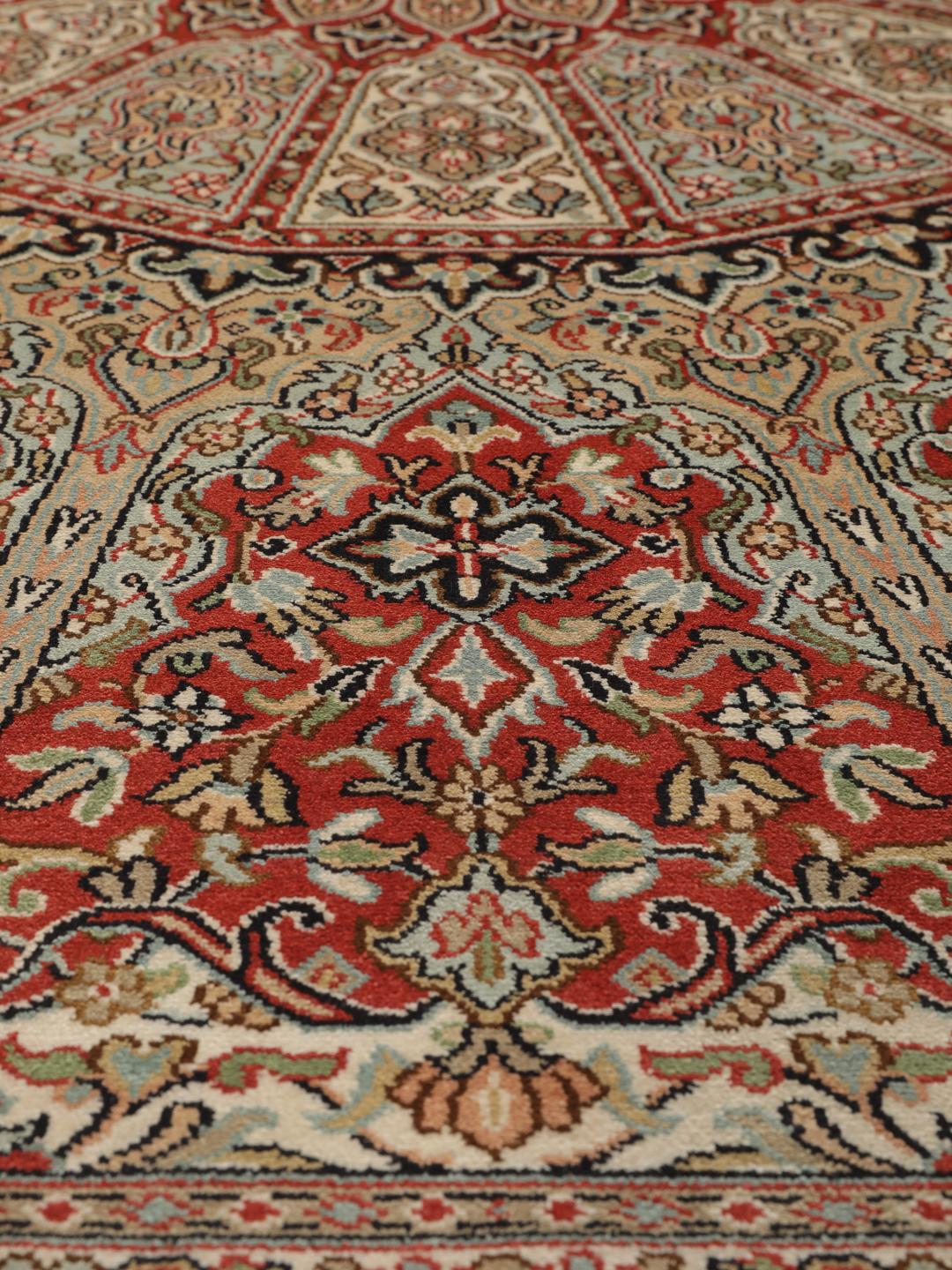
Kashmir rugs are renowned globally for their incredible detail and the rich cultural heritage of the Kashmir Valley in India. This region has long been a crossroads of artistic traditions, blending ancient techniques with local aesthetics to create some of the most sought-after textiles in the world. The history of weaving in this area is deeply tied to the silk trade, which brought both high-quality materials and sophisticated design influences to local artisans.
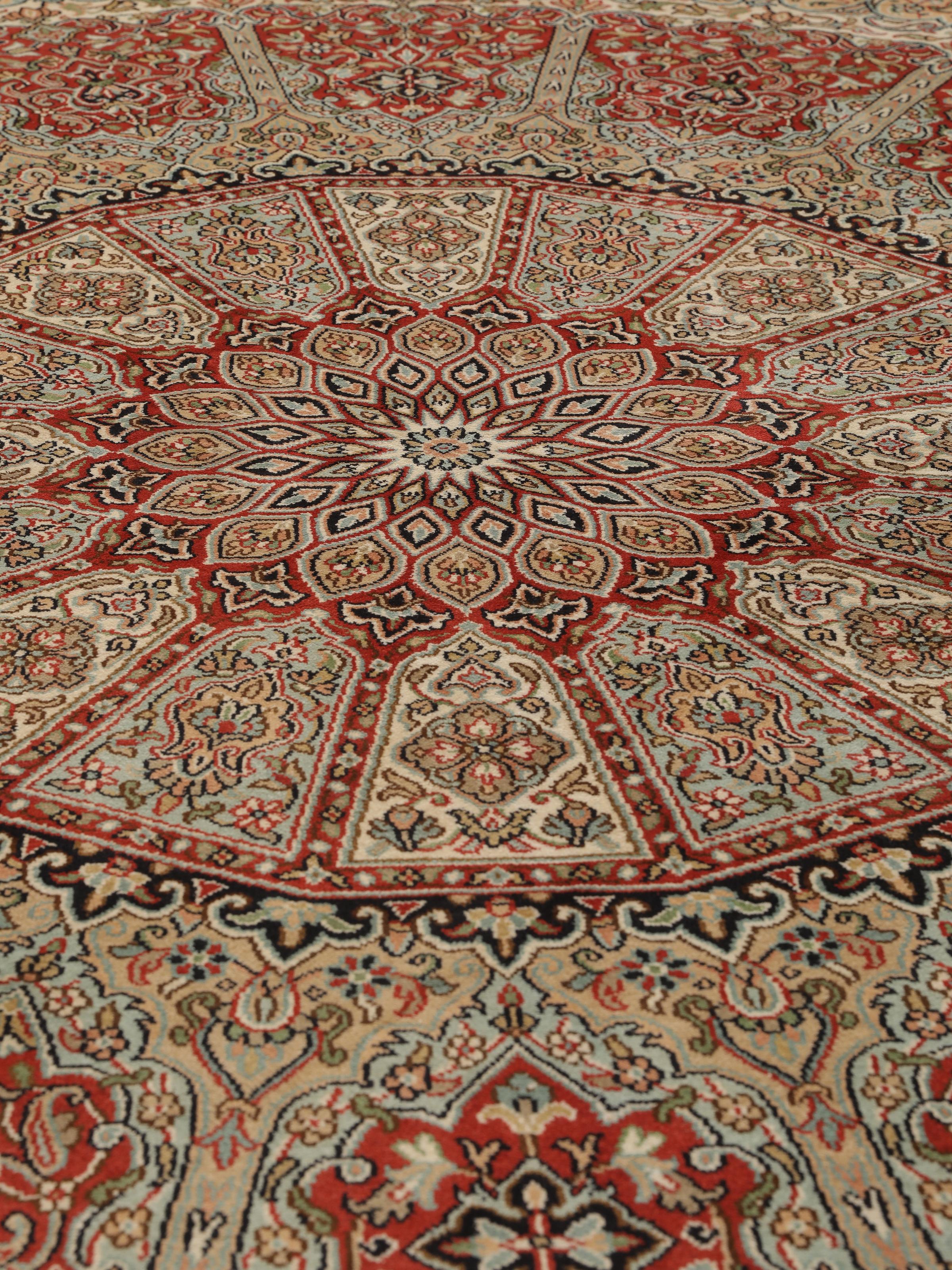
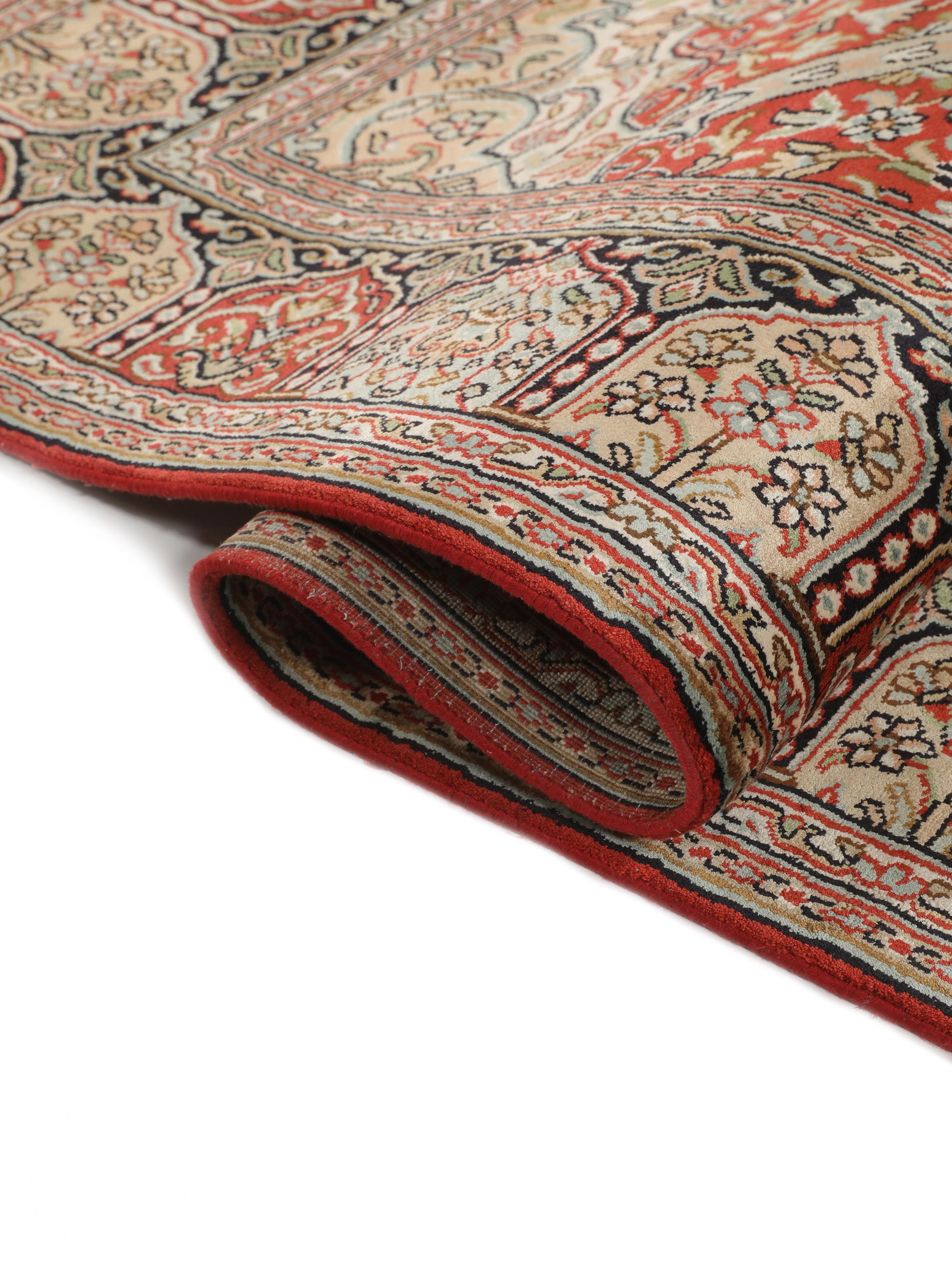
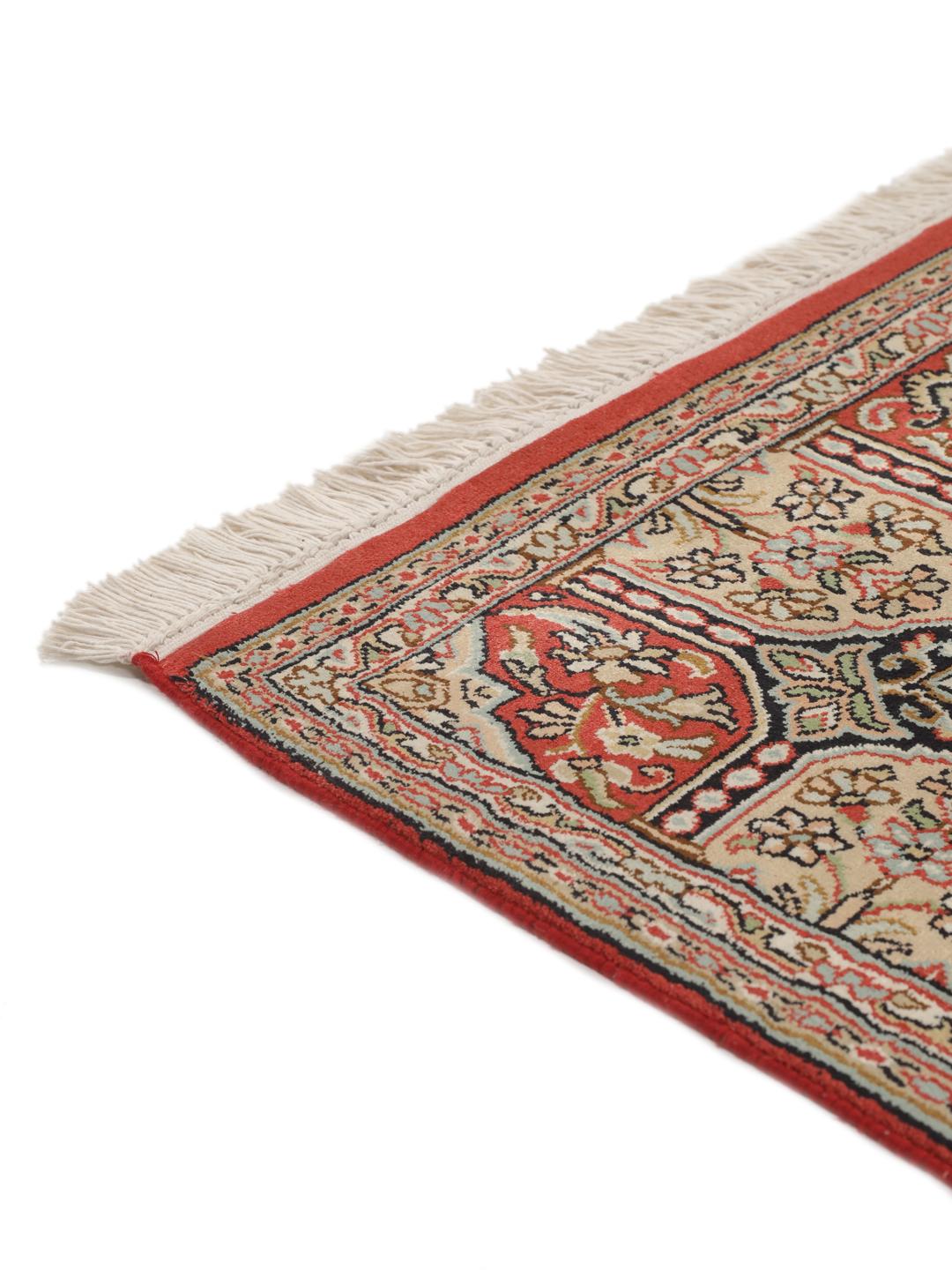
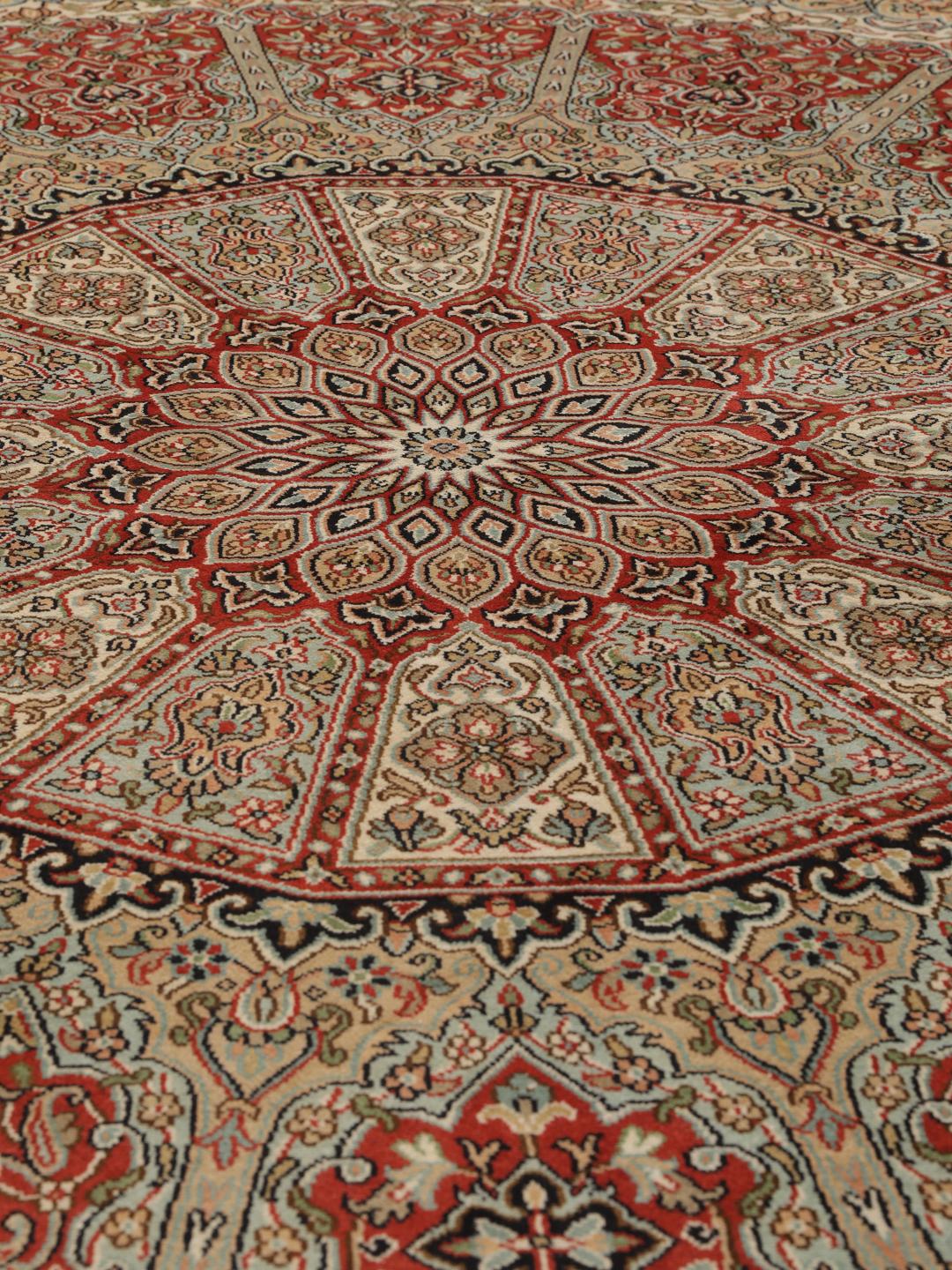
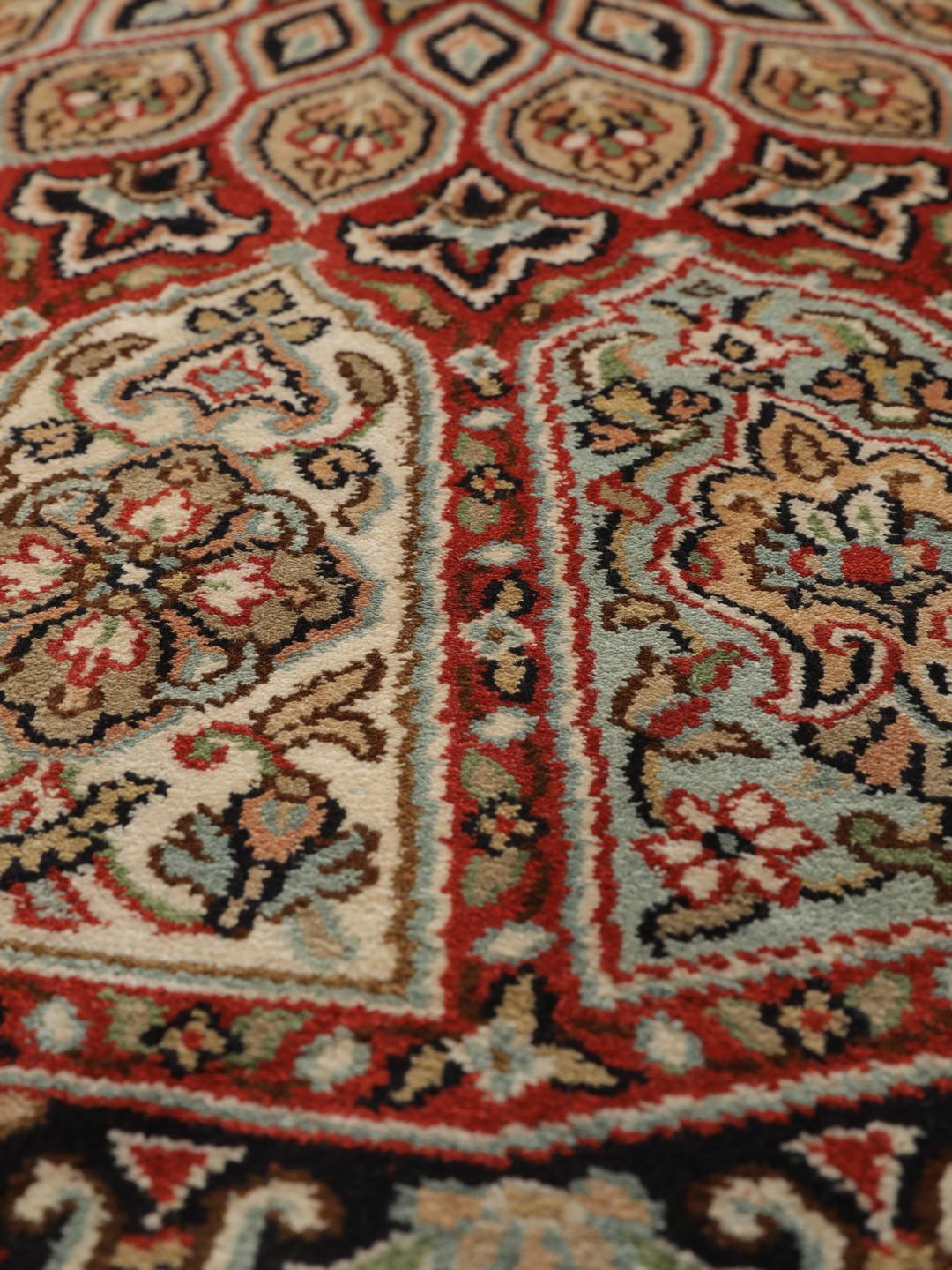
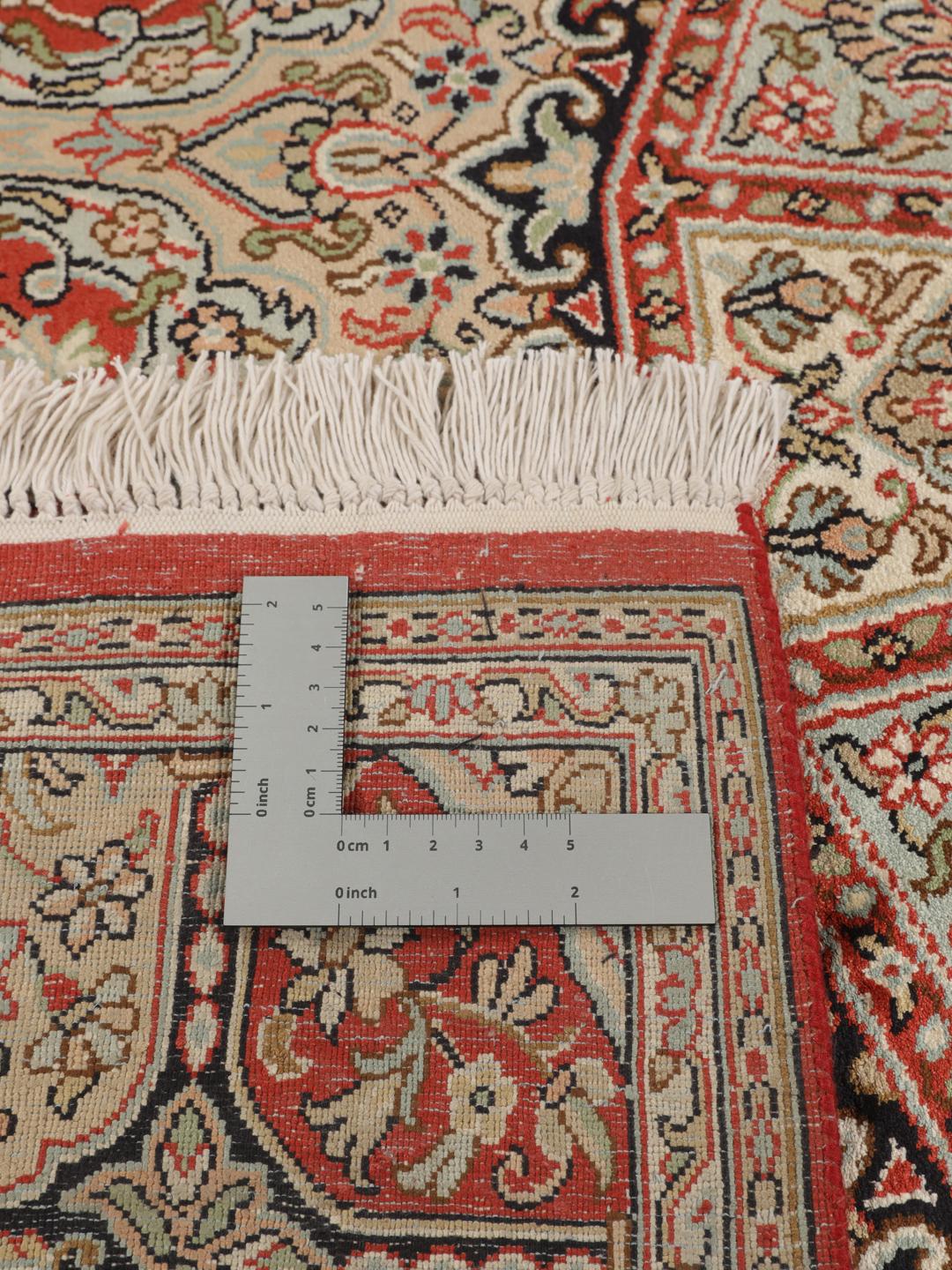
The craft of hand-knotting is a cornerstone of this tradition, where skills are passed down through generations. A key indicator of quality in these rugs is the density of the knots, which allows for the fluid, curvilinear patterns that define the Kashmir style. This level of complexity is only possible through years of specialised training, as the weaver must maintain perfect tension and colour placement throughout the entire process.
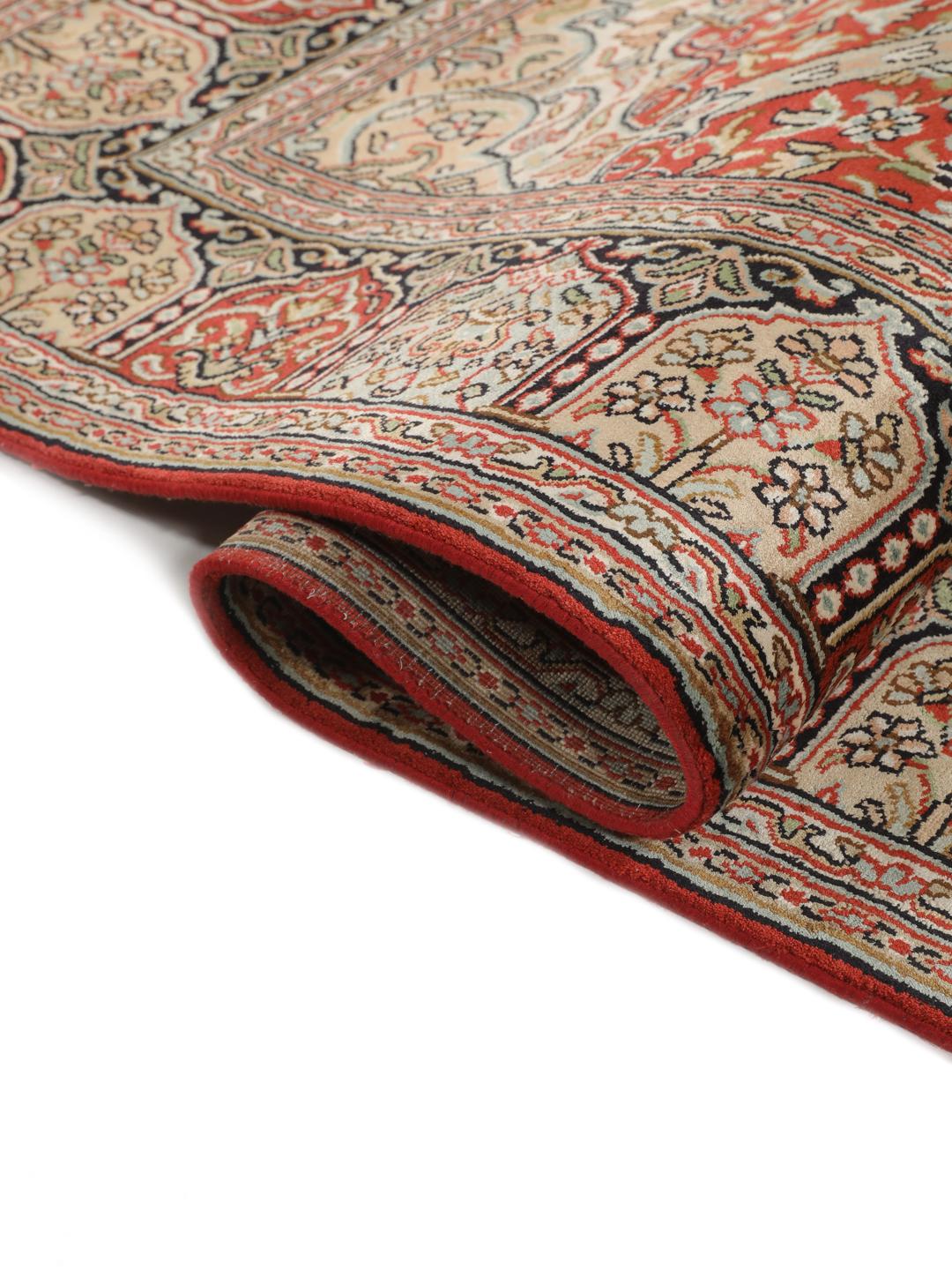
Visually, these rugs are celebrated for their ornate floral motifs and signature medallion designs. Often, the field is filled with intricate patterns inspired by nature, such as vines, leaves, and blooming flowers, which are framed by elaborate borders. The colour palettes are typically vibrant, using rich tones to emphasise the detail of the motifs, making each rug appear like a tapestry woven for royalty.
Collectors value Kashmir rugs not only for their beauty but for the immense human effort and cultural history woven into every inch. Owning such a piece is an investment in a living tradition, representing a standard of skill that remains largely unchanged by time. It serves as a testament to the enduring appeal of traditional craftsmanship in the modern home.