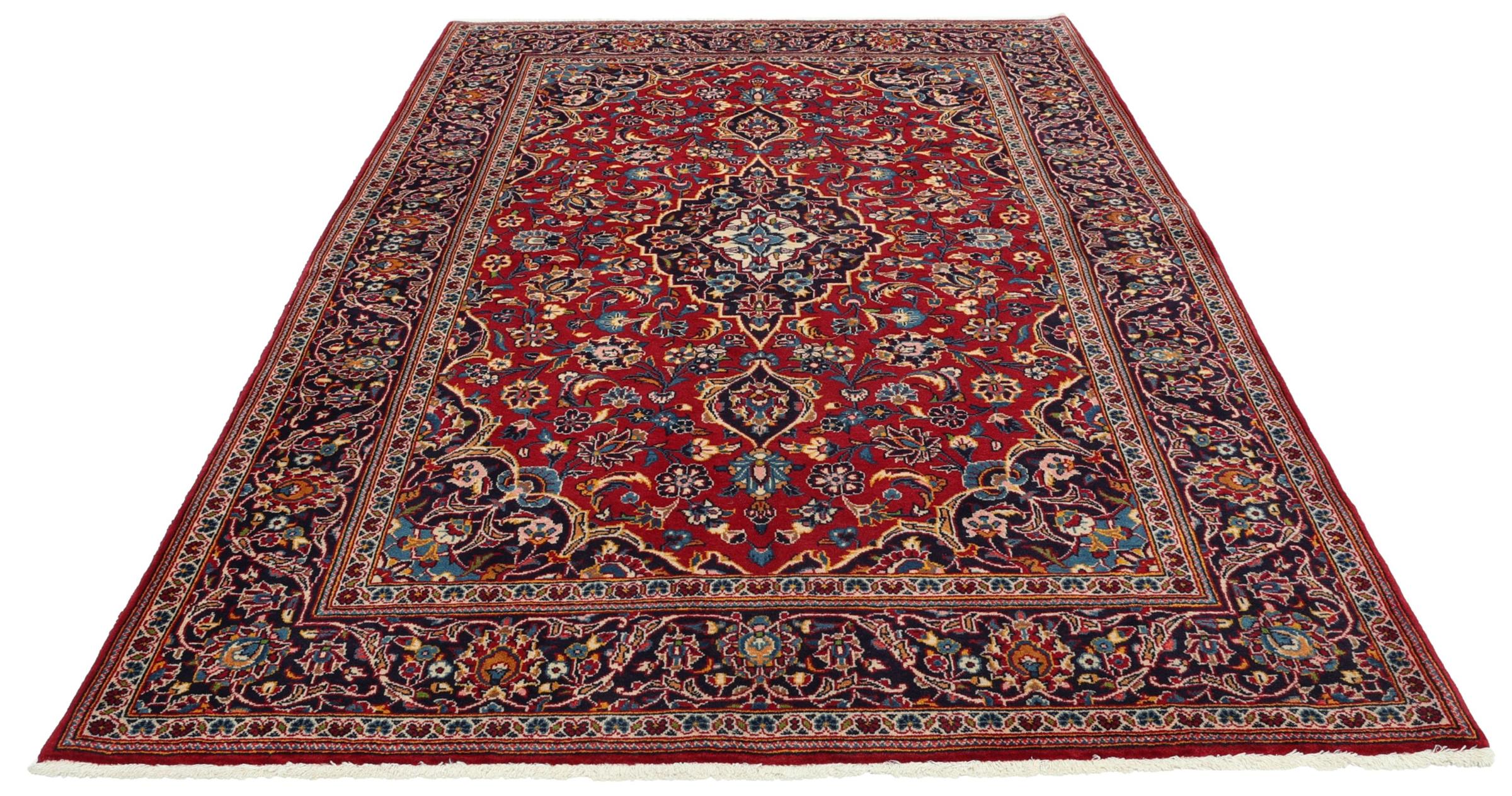
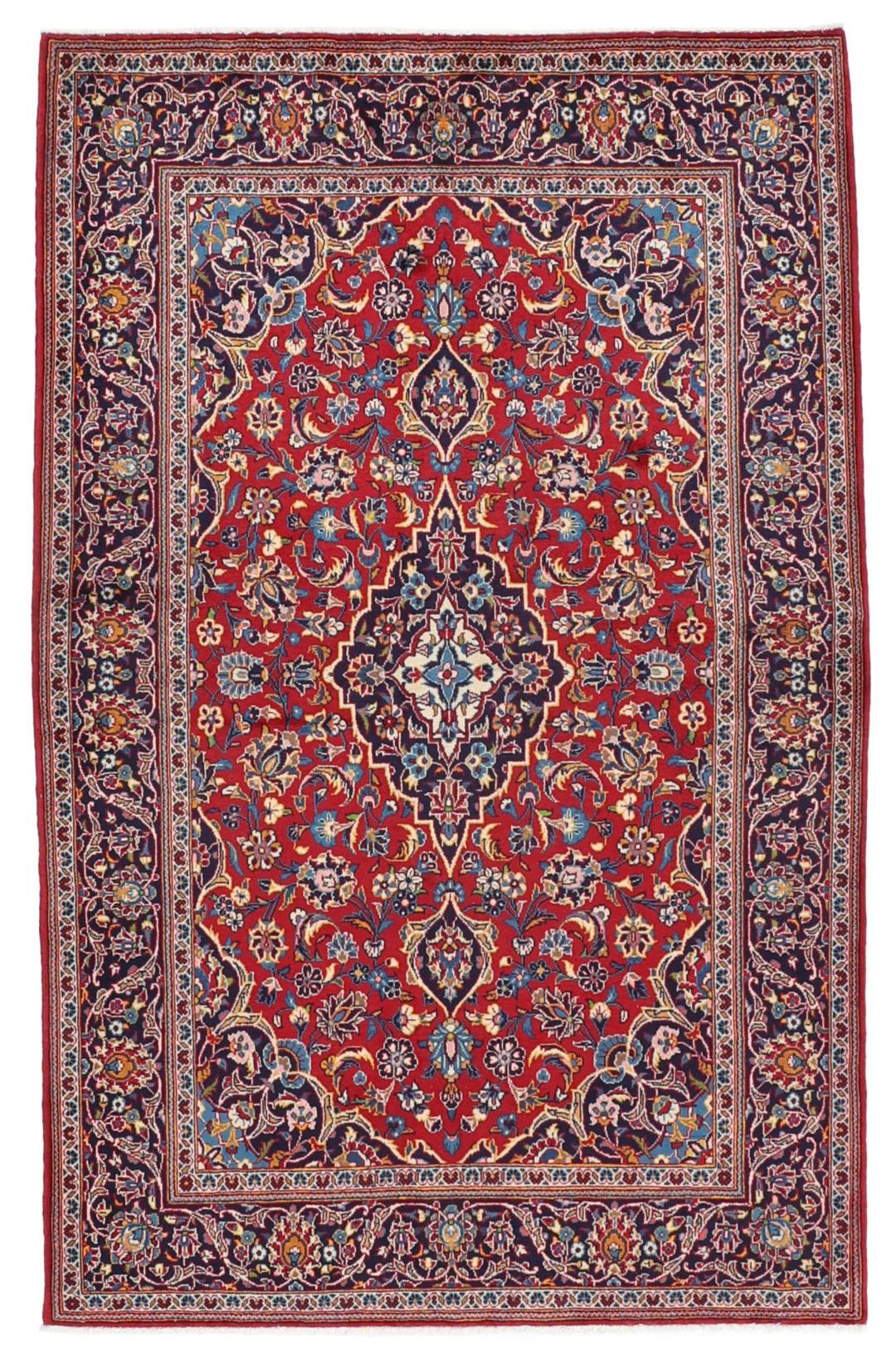
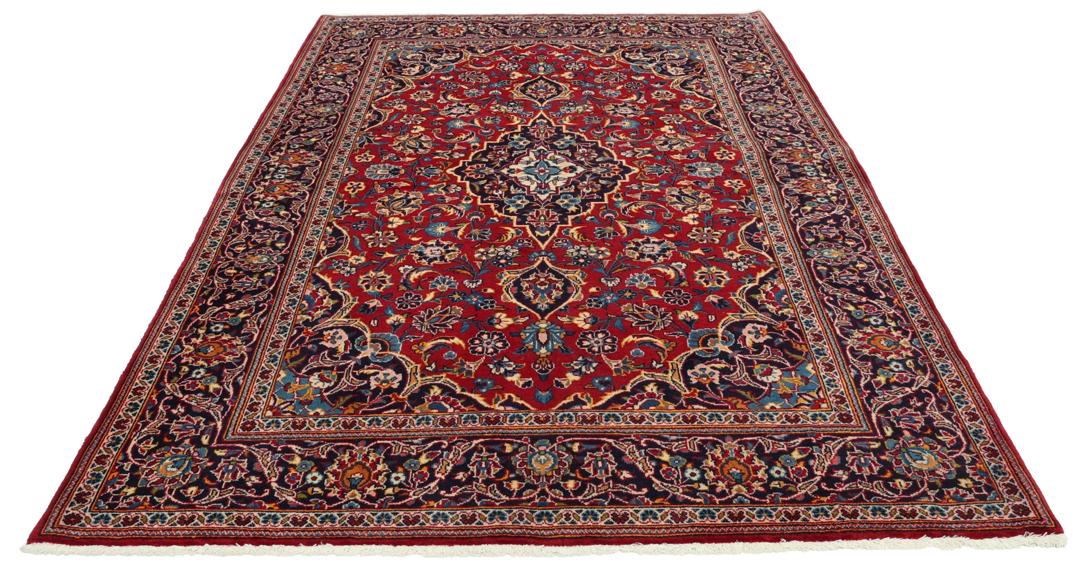
The Kashan rug originates from the historic city of the same name, located in the Middle East. Historically a centre for silk production and trade, Kashan became renowned for its high-quality textile output, often commissioned by royalty and the elite. These rugs are celebrated for their sophisticated aesthetic and their long-standing reputation as some of the finest examples of regional weaving.
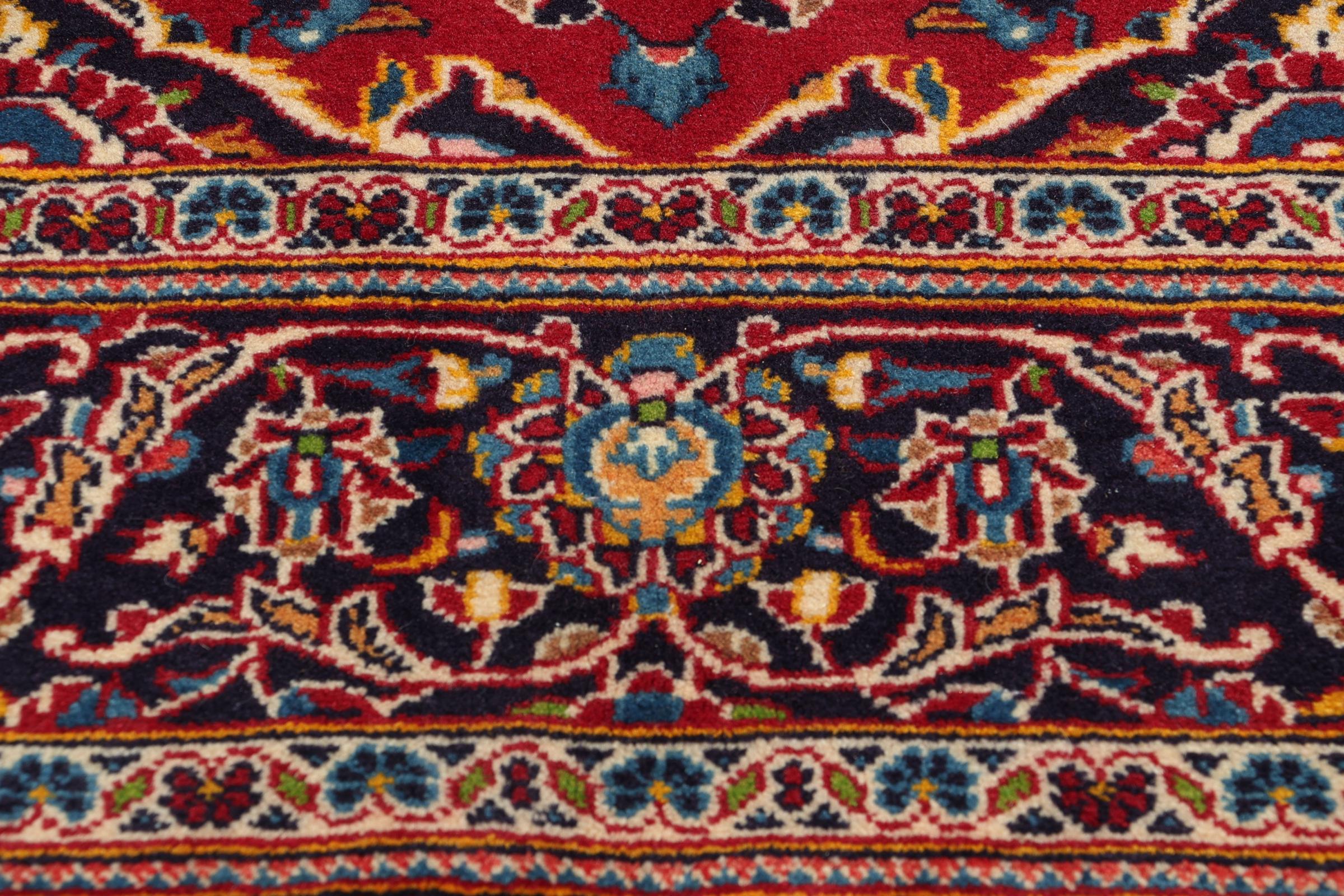
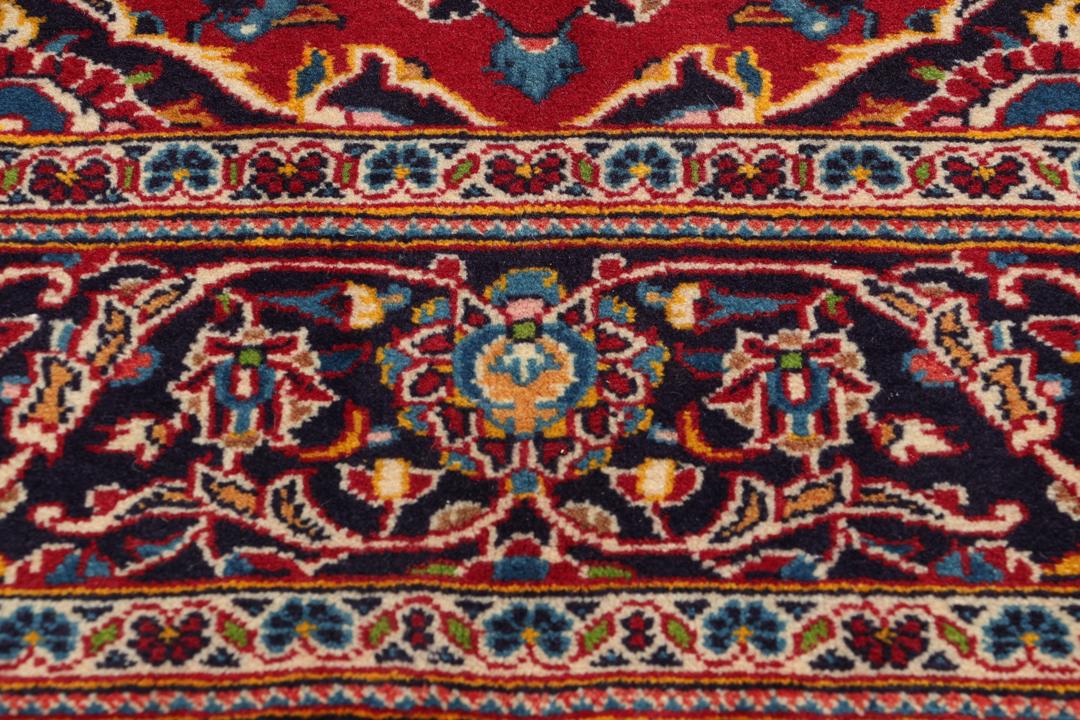
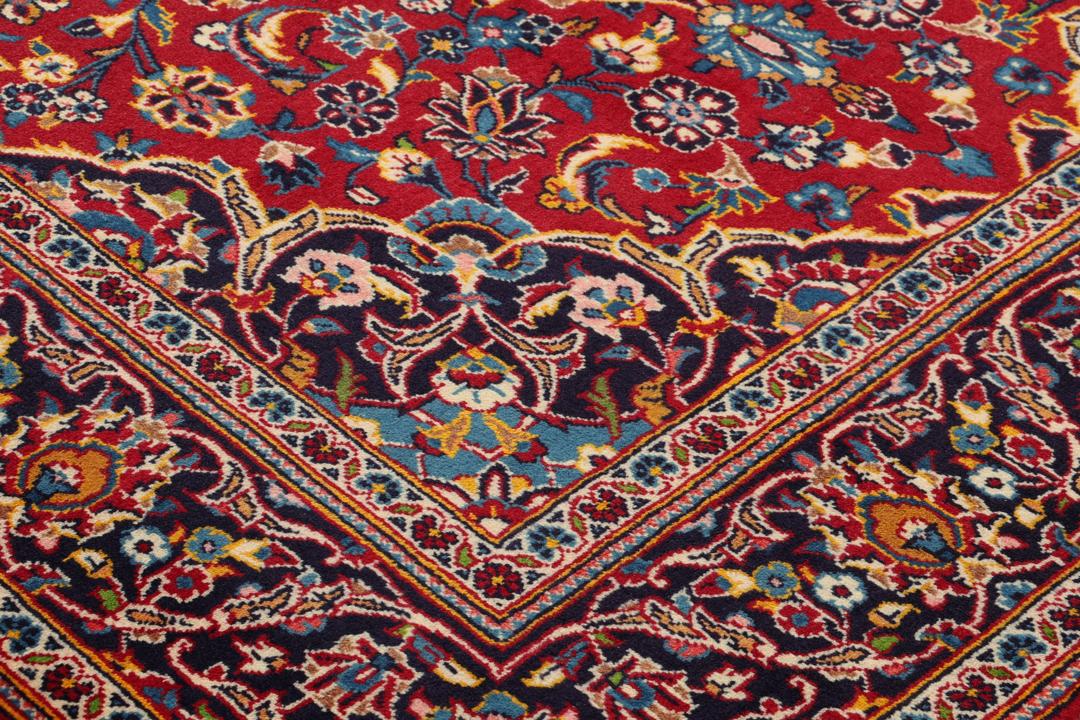
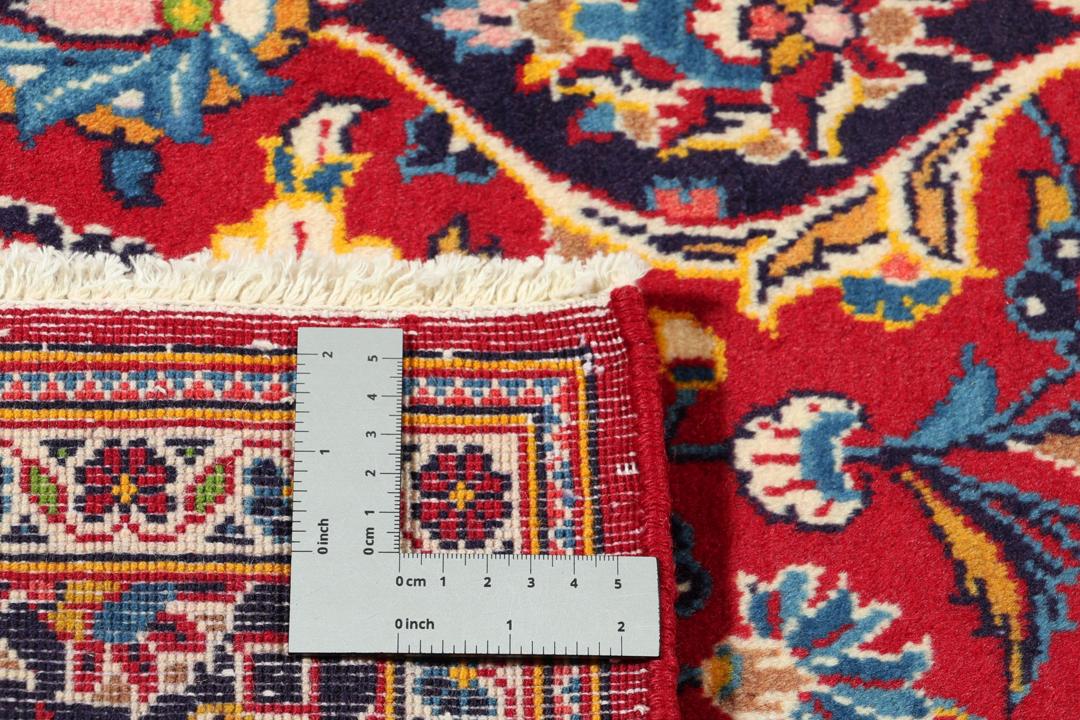
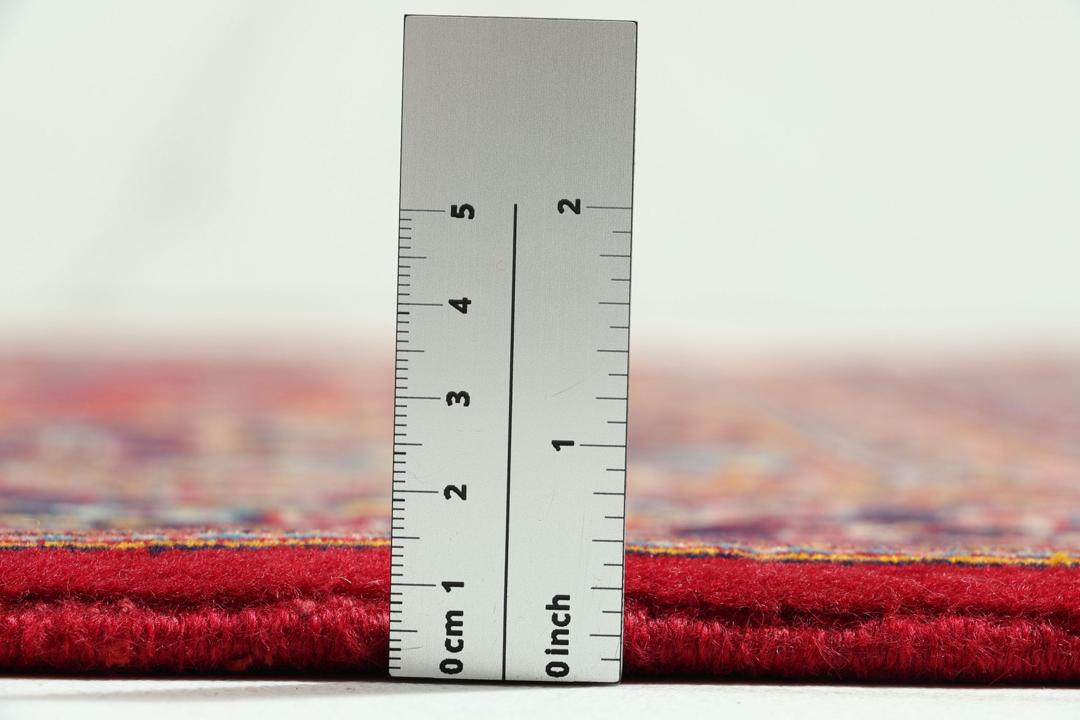
The term 'hand-knotted' refers to the traditional practice of tying individual strands of Wool onto a warp and weft foundation. This labour-intensive technique is what defines the quality of a Kashan, allowing for the creation of intricate, curvilinear designs that are synonymous with the region's style. The density of these knots is a key indicator of quality, directly impacting the sharpness of the pattern and the longevity of the rug.
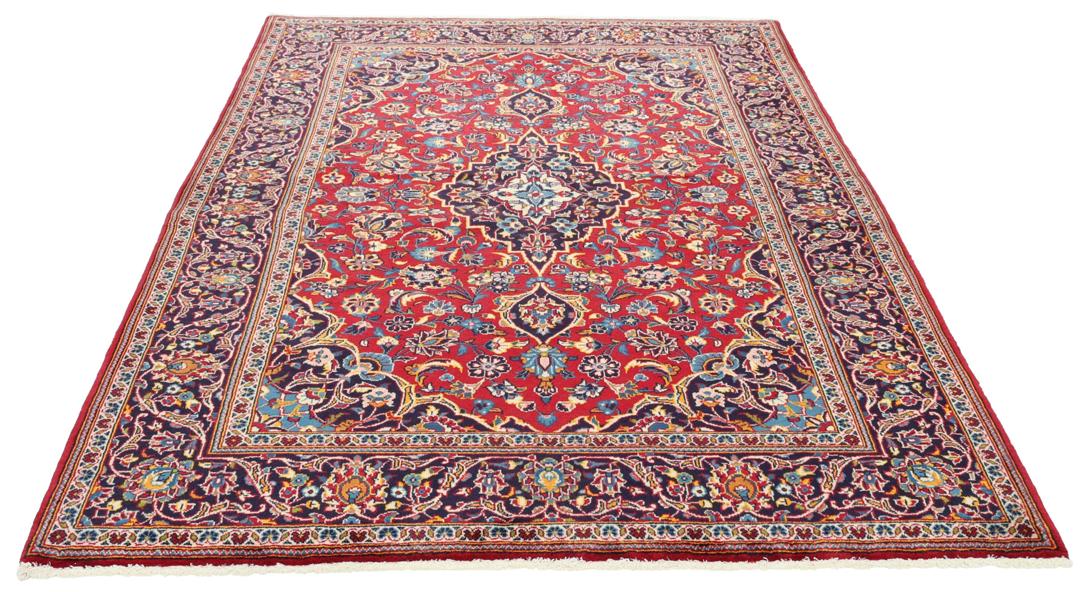
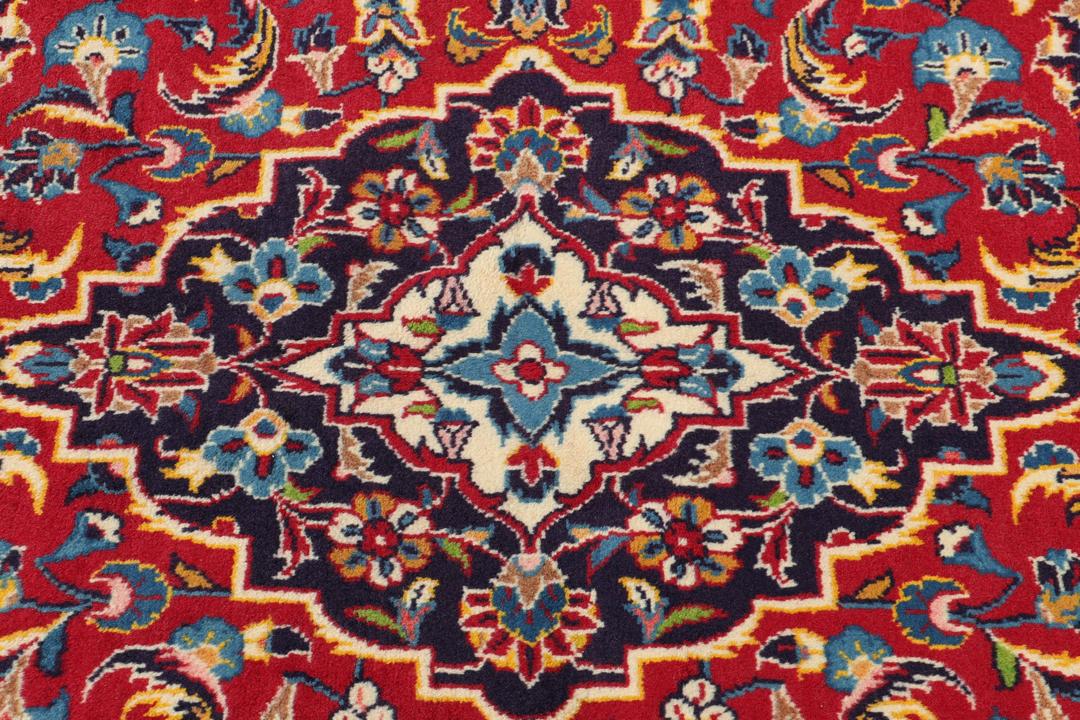
Design-wise, these rugs are often recognised by their formal arrangements, typically featuring a central medallion, corner spandrels, and an elaborate border system. The floral motifs, known as Shah Abbasi patterns, often incorporate palmettes, lotus blossoms, and delicate vines. While red and blue are classic colour choices, the specific combination and shading in each piece allow it to stand out as a unique interpretation of a centuries-old design language.
Collecting a Kashan is about more than just decor; it is about preserving a legacy of craftsmanship. These rugs are highly valued because they represent a marriage of artistry and utility, capable of lasting for generations if cared for properly. By choosing a one-of-a-kind piece, you are supporting a tradition that has survived for centuries, keeping the skill of the master weaver alive in the modern home.