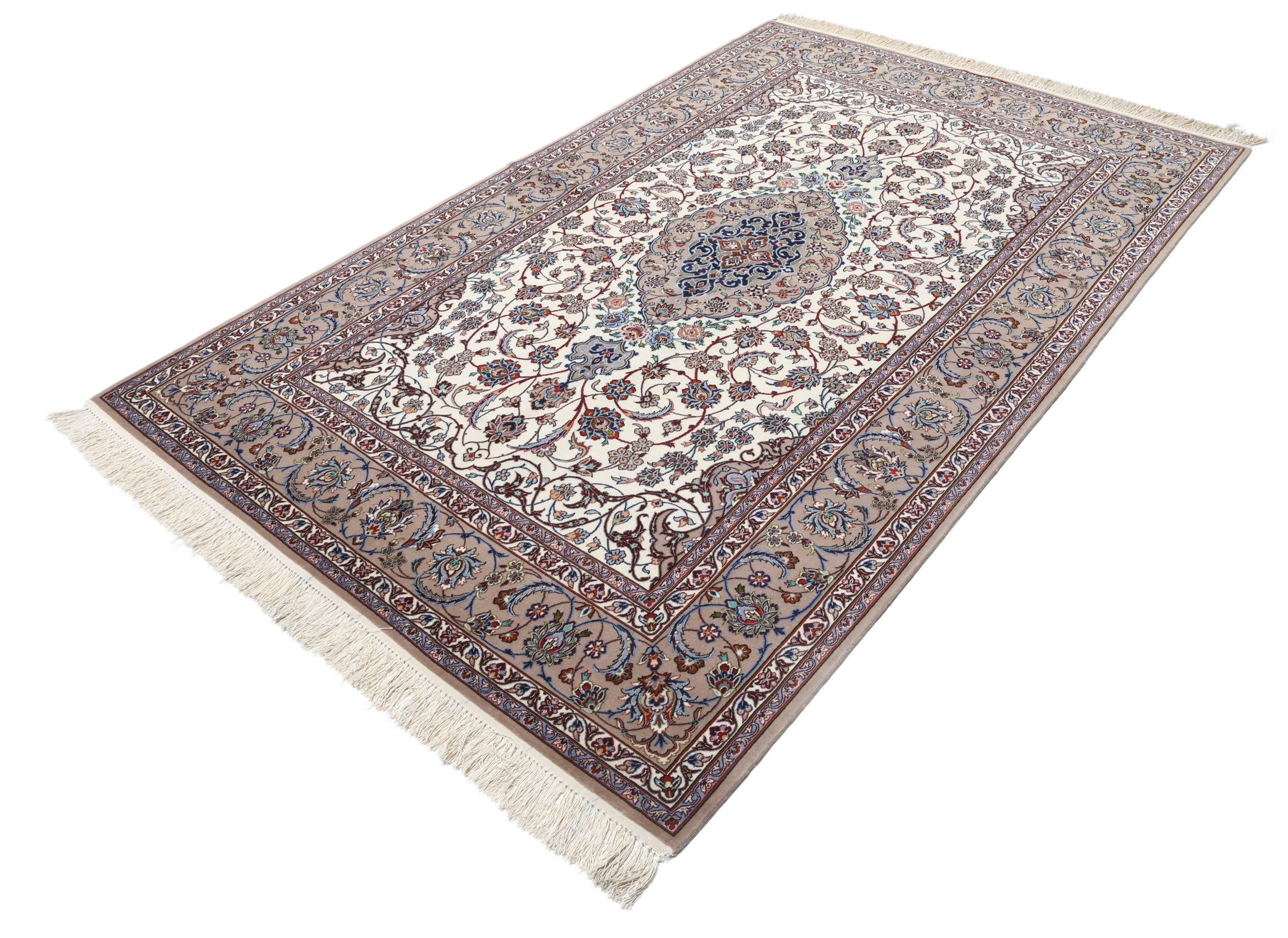
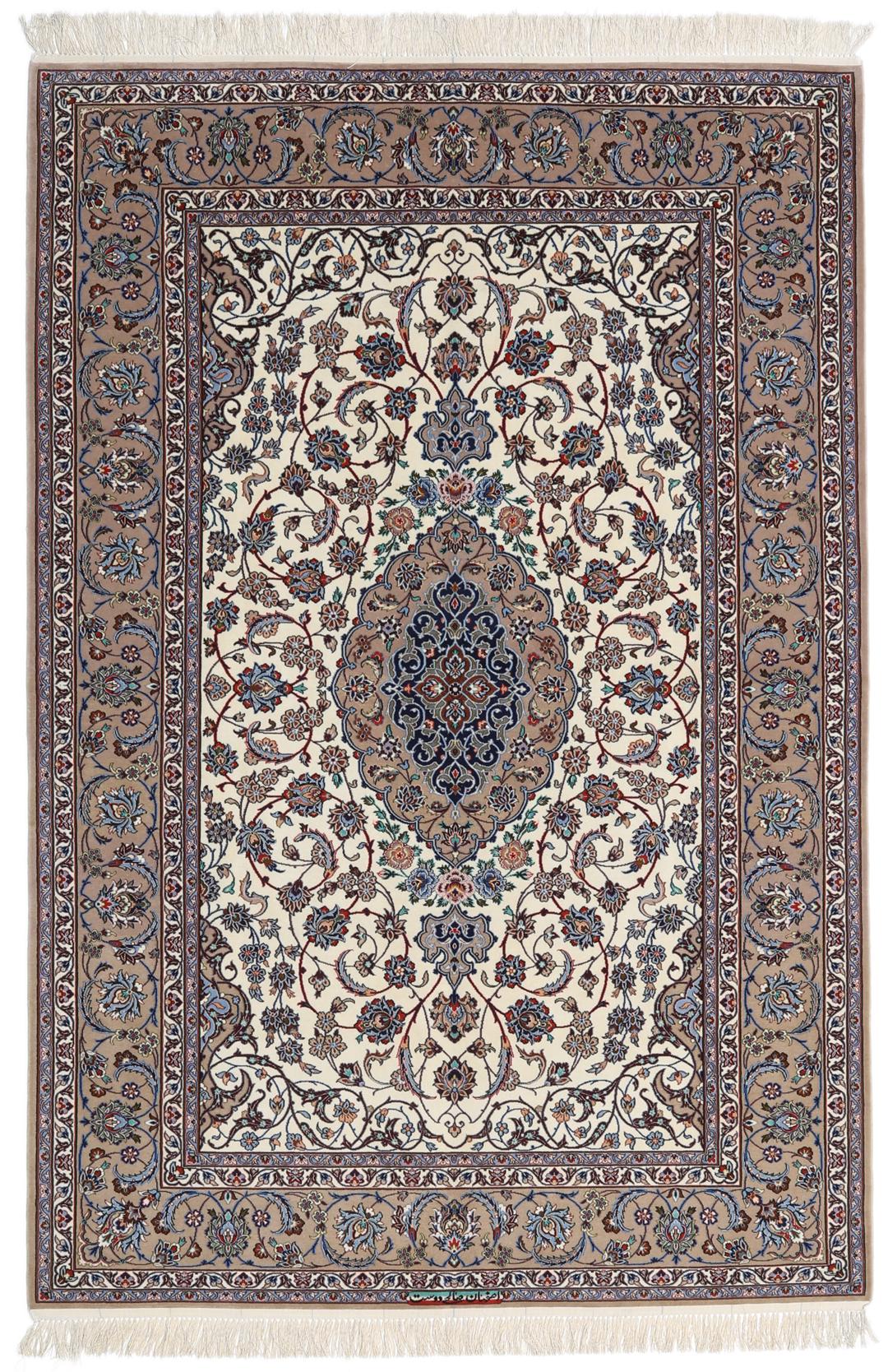
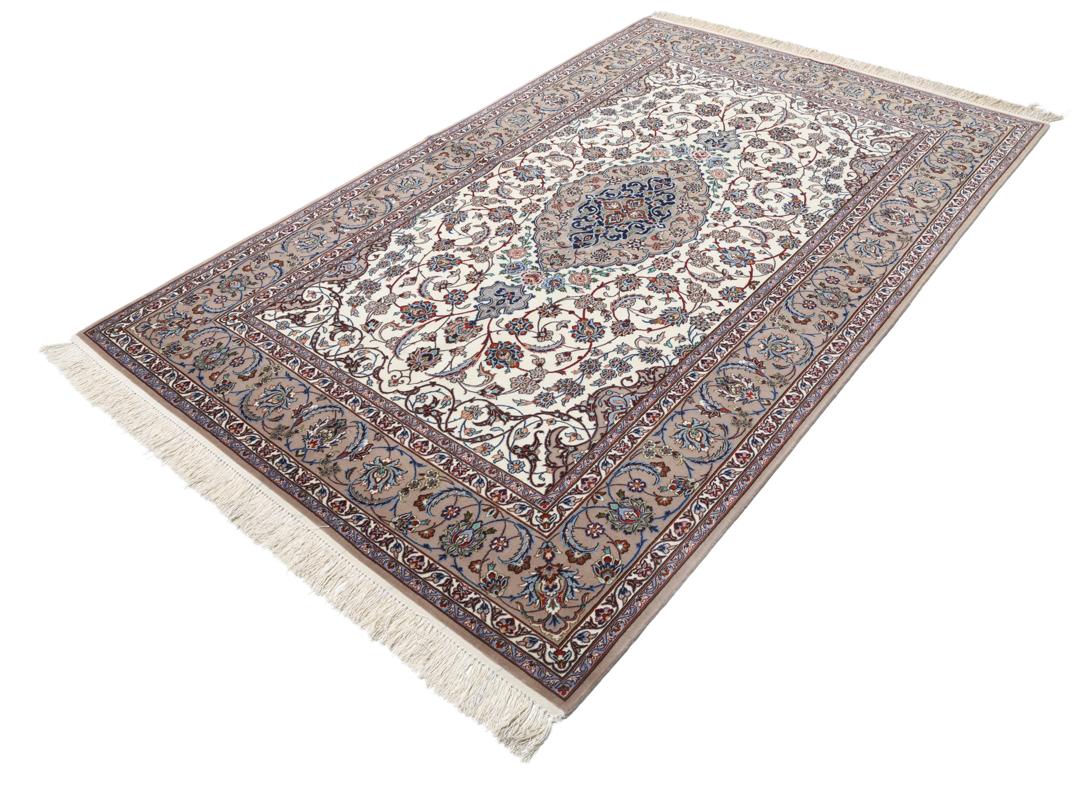
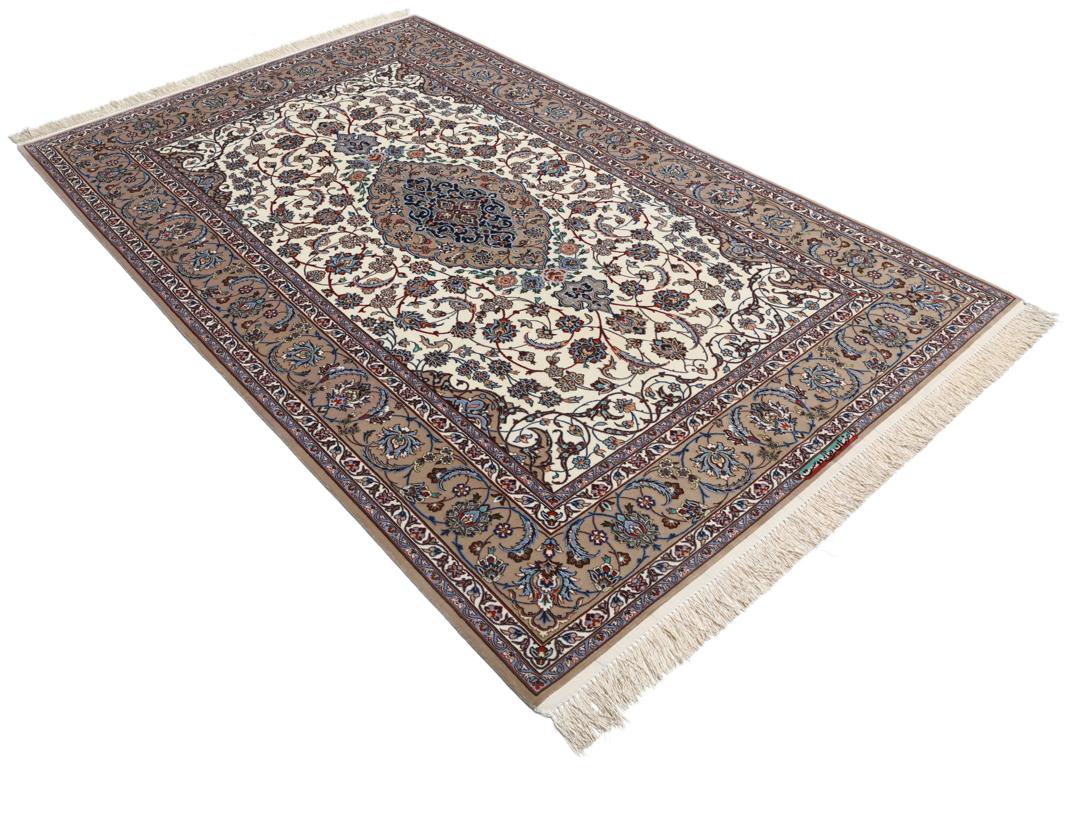
Isfahan rugs are celebrated globally as the pinnacle of Middle Eastern weaving. Originating from the historic city of Isfahan, known for its stunning architecture and rich cultural heritage, these rugs reflect the same attention to detail and artistic refinement found in the city’s famous mosques and palaces. The tradition of weaving in this region has been polished over centuries, resulting in a style that is synonymous with luxury and sophistication.
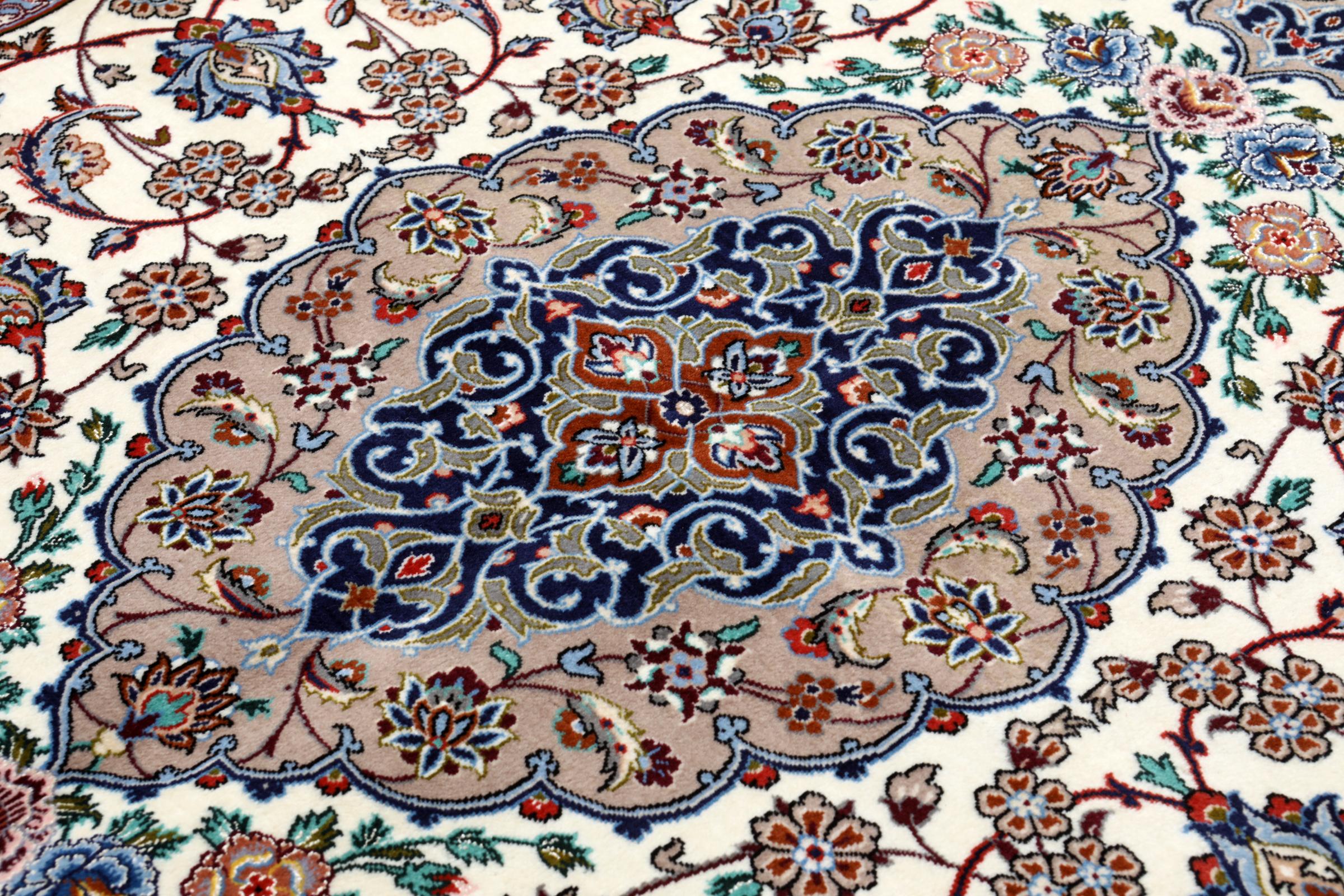
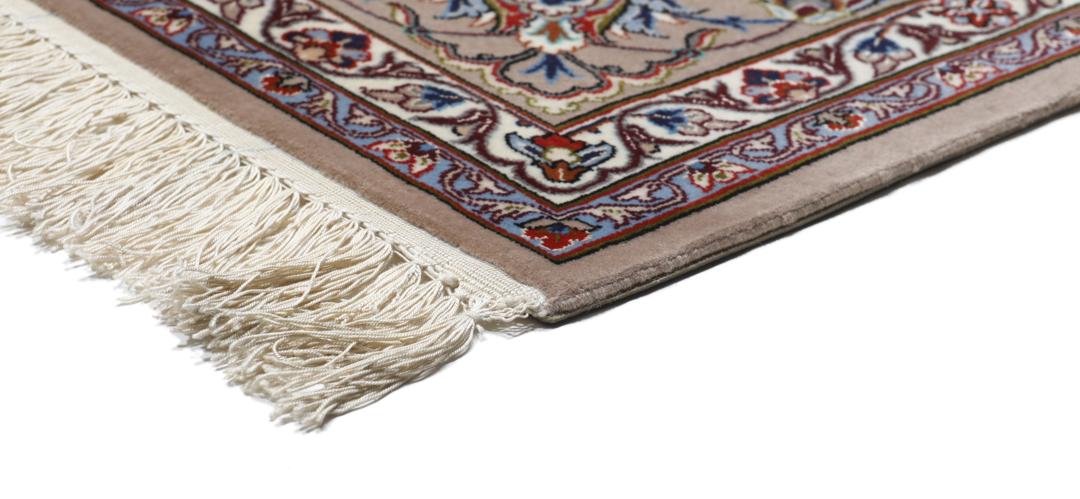
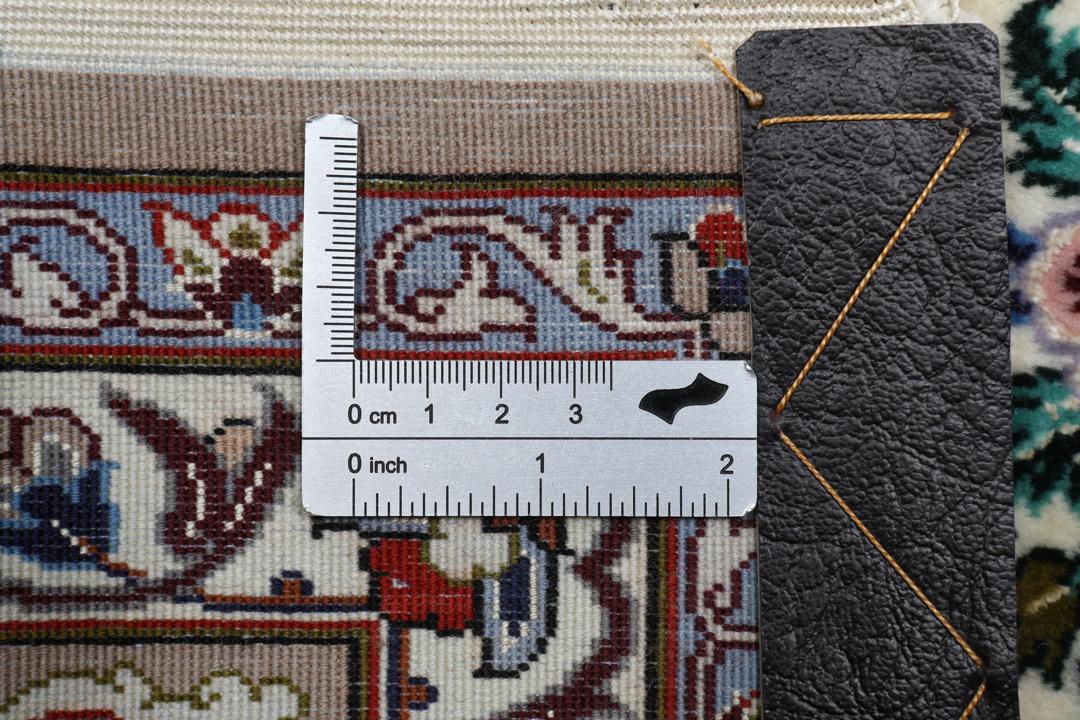
The term Silkwarp refers to the use of silk in the foundation of the rug. By using silk for the warp, weavers can achieve a much finer knot density, which allows for delicate, curvilinear designs that would be impossible to execute on a coarser foundation. This technical choice is what enables the intricate, painterly quality of Isfahan rugs, making them highly prized by collectors who look for the marriage of fine materials and complex patterns.
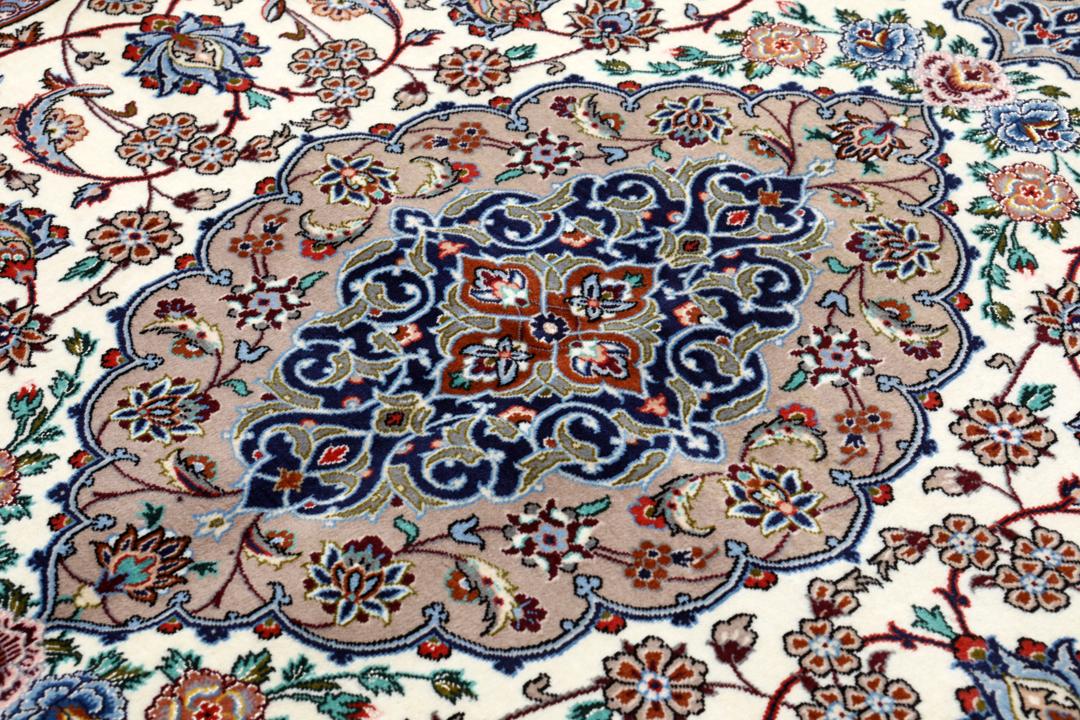
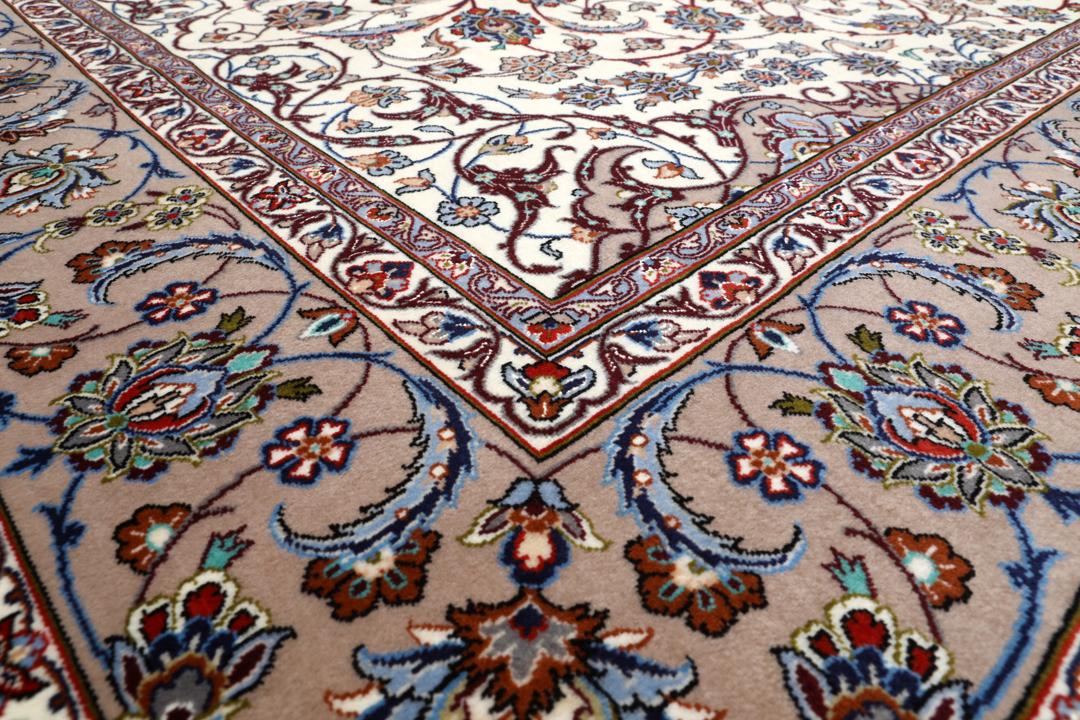
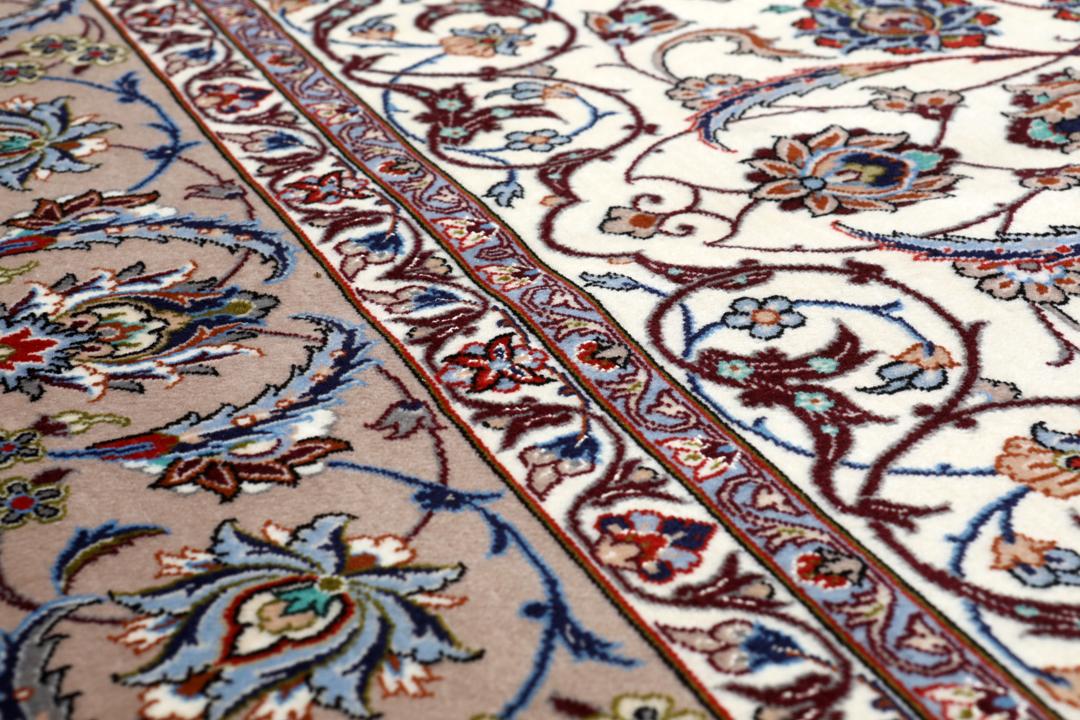
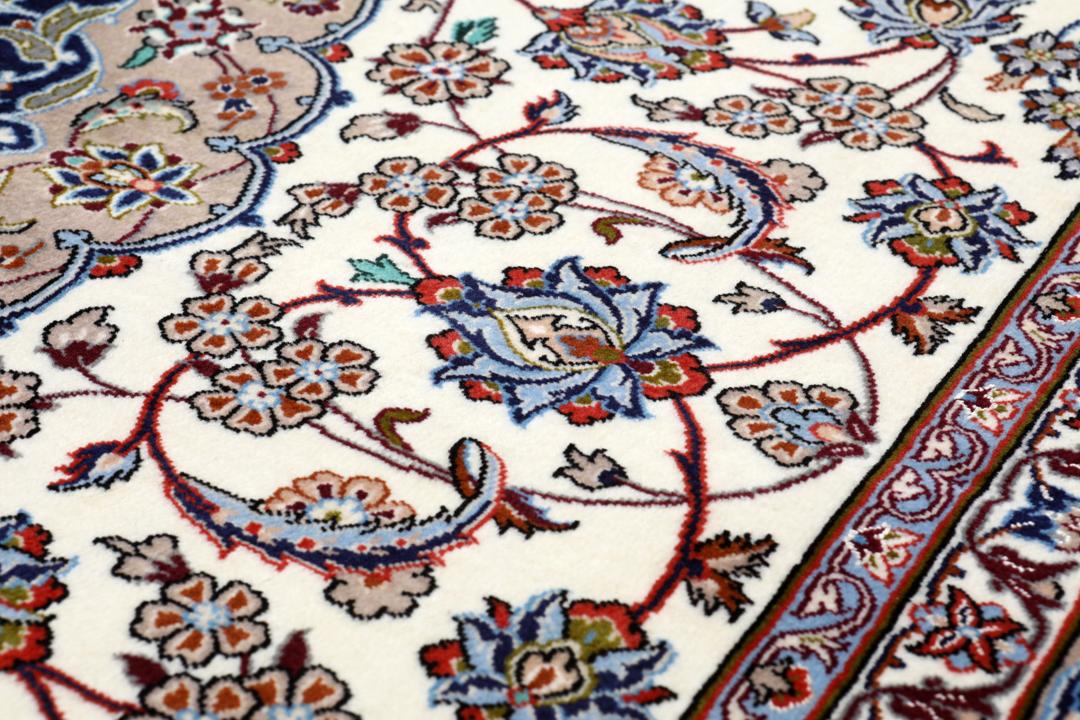
Visually, Isfahan rugs are defined by their elegant floral motifs, intricate vine scrolls, and often, a prominent central medallion inspired by the domes of local architecture. The colour palettes are typically balanced and harmonious, often utilising soft, natural tones that allow the complexity of the design to take centre stage. Signed pieces, like this one by Sanai Dust, are particularly notable as they represent the personal signature of an artist who has dedicated their life to the craft.
Collecting an Isfahan rug is an investment in cultural heritage. These pieces are valued not only for their aesthetic beauty but for the immense skill required to produce them. Owning one is a way to preserve a connection to a long-standing tradition of excellence, ensuring that the legacy of these master weavers continues to be appreciated in homes around the world for generations to come.