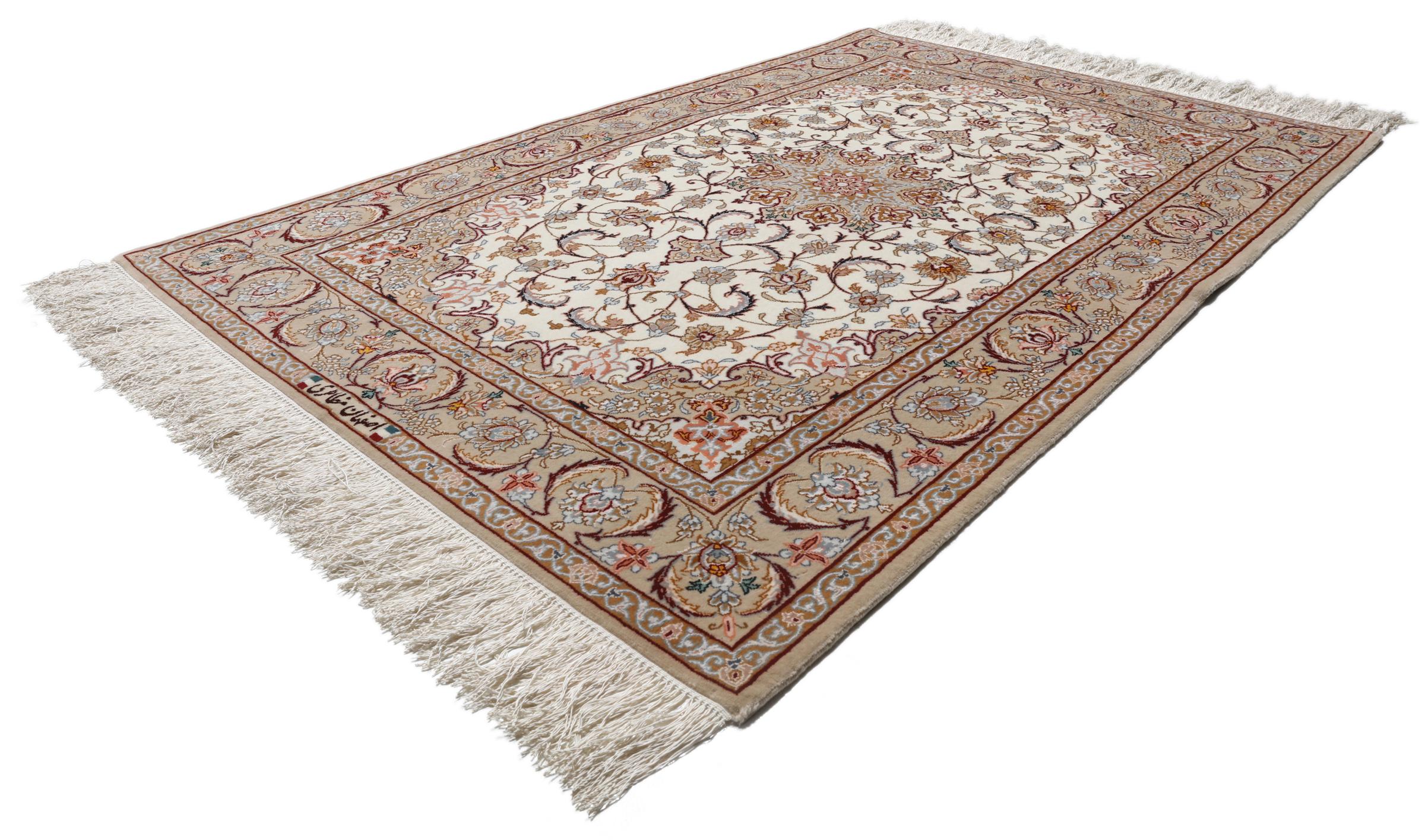
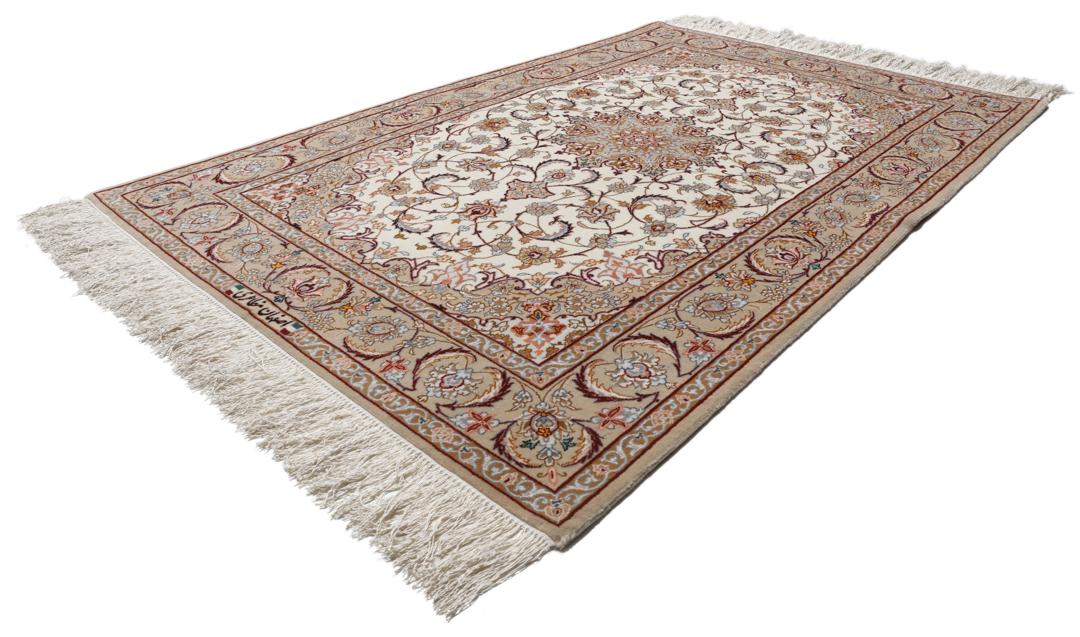
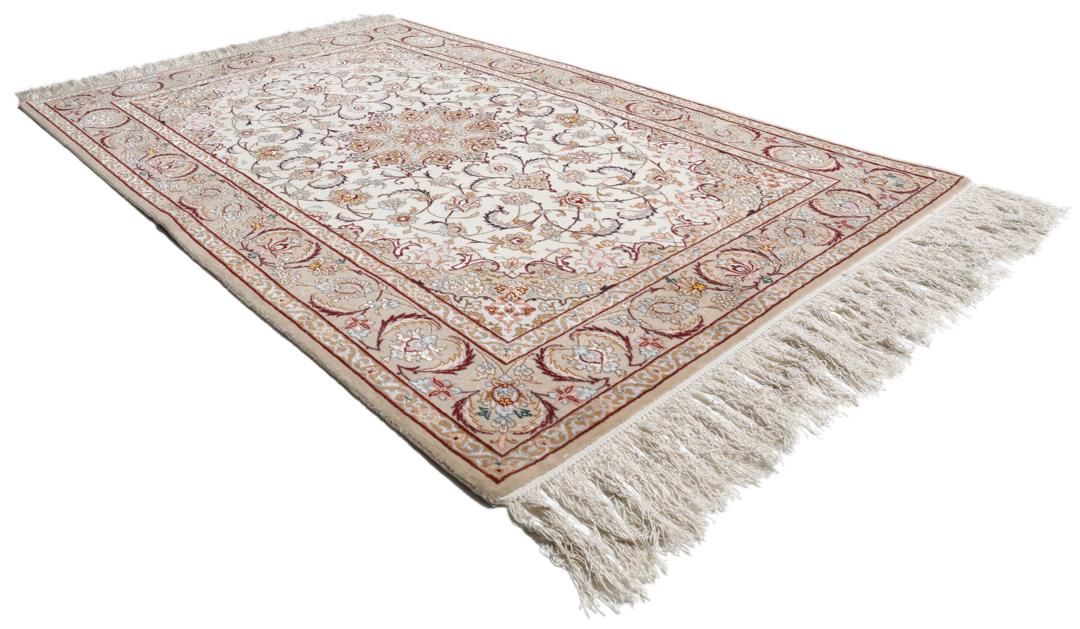
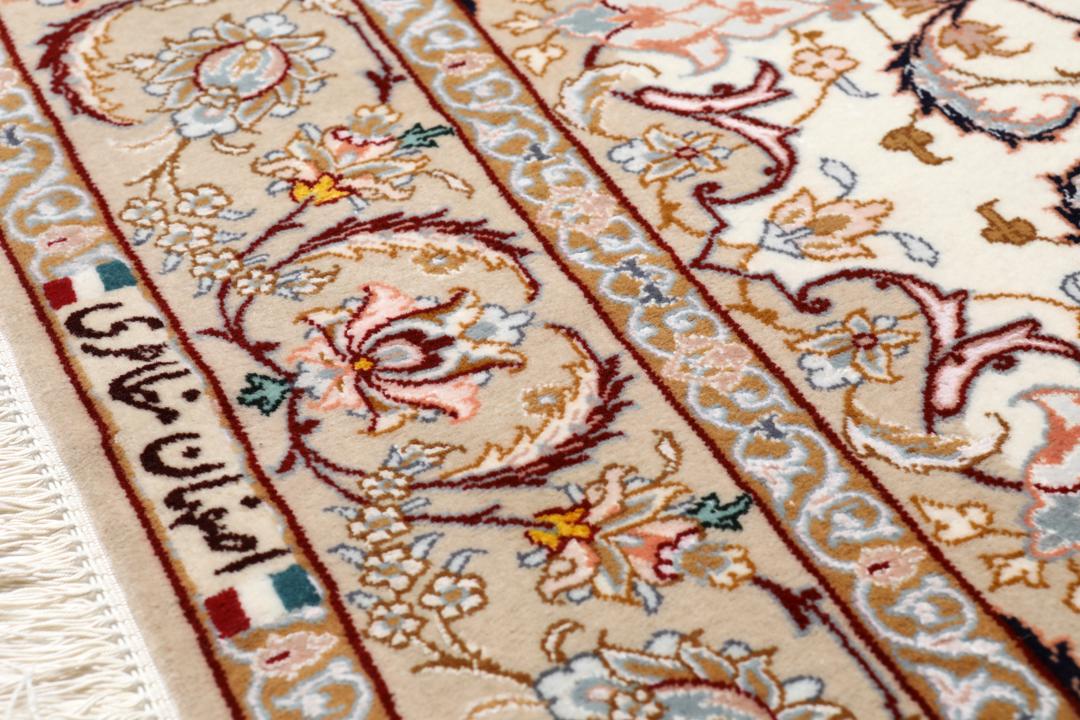
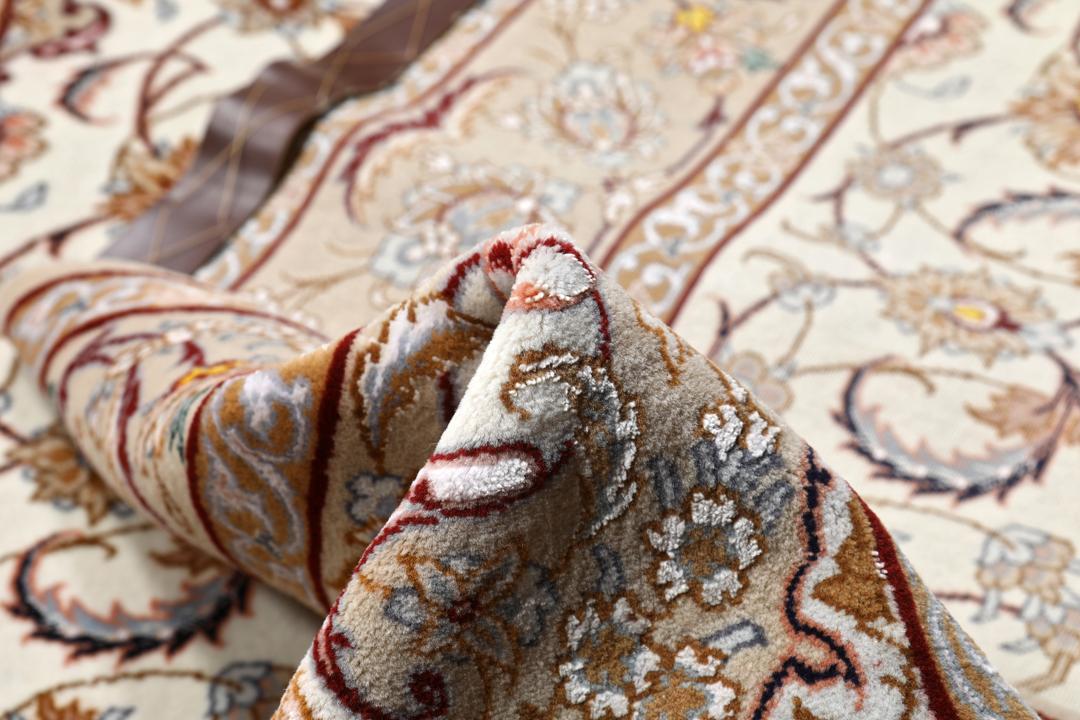
Isfahan rugs are widely considered the pinnacle of Middle Eastern weaving, hailing from the historic city of Isfahan, once the capital of the Safavid Empire. The city has long been a cultural hub for artists and poets, a heritage that is deeply woven into the visual language of its rugs. Historically, these pieces were crafted for royal courts and elite patrons, setting a standard for luxury that persists to this day.
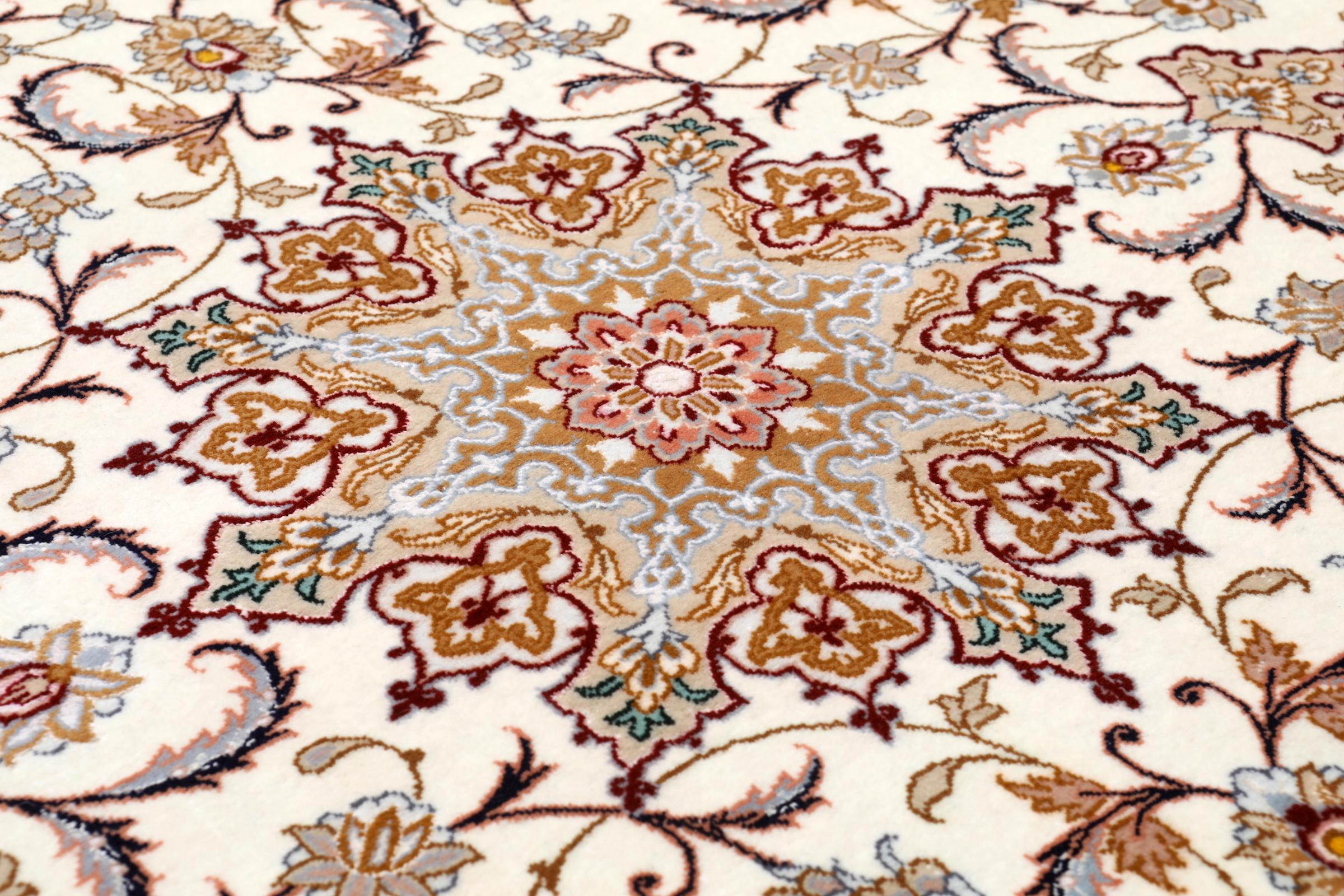
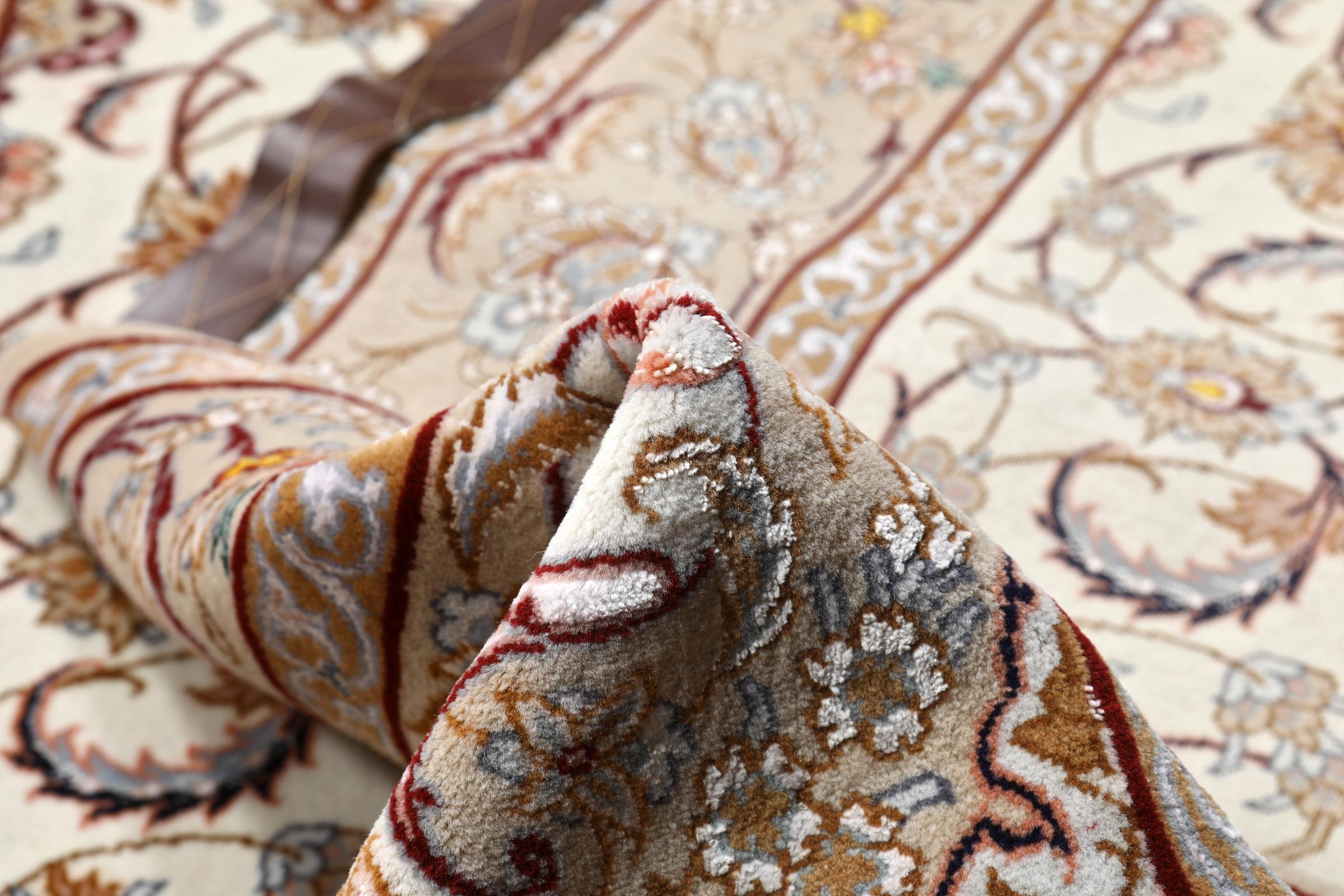
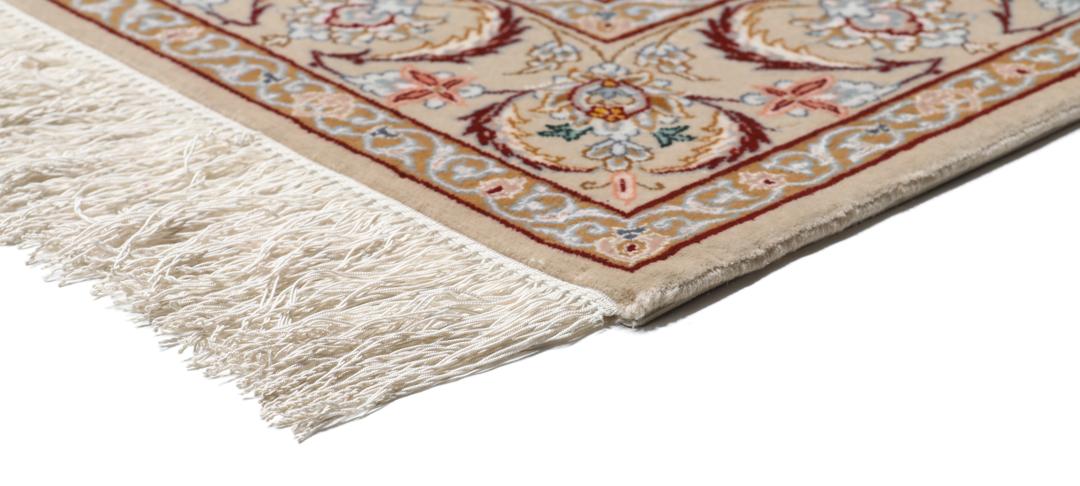
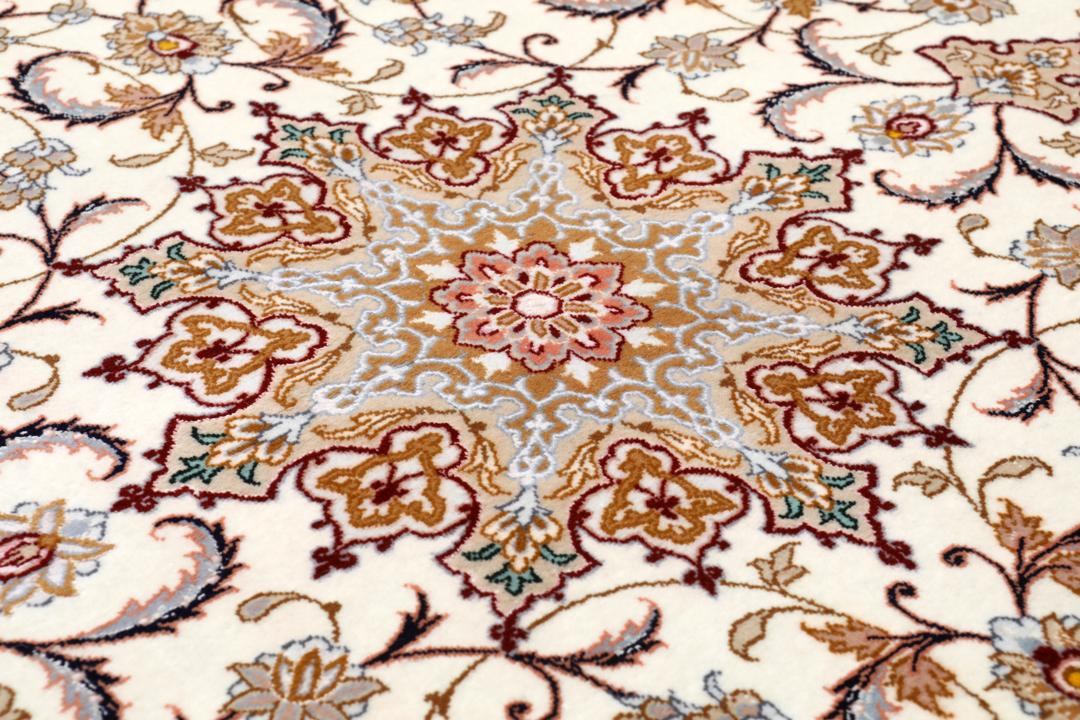
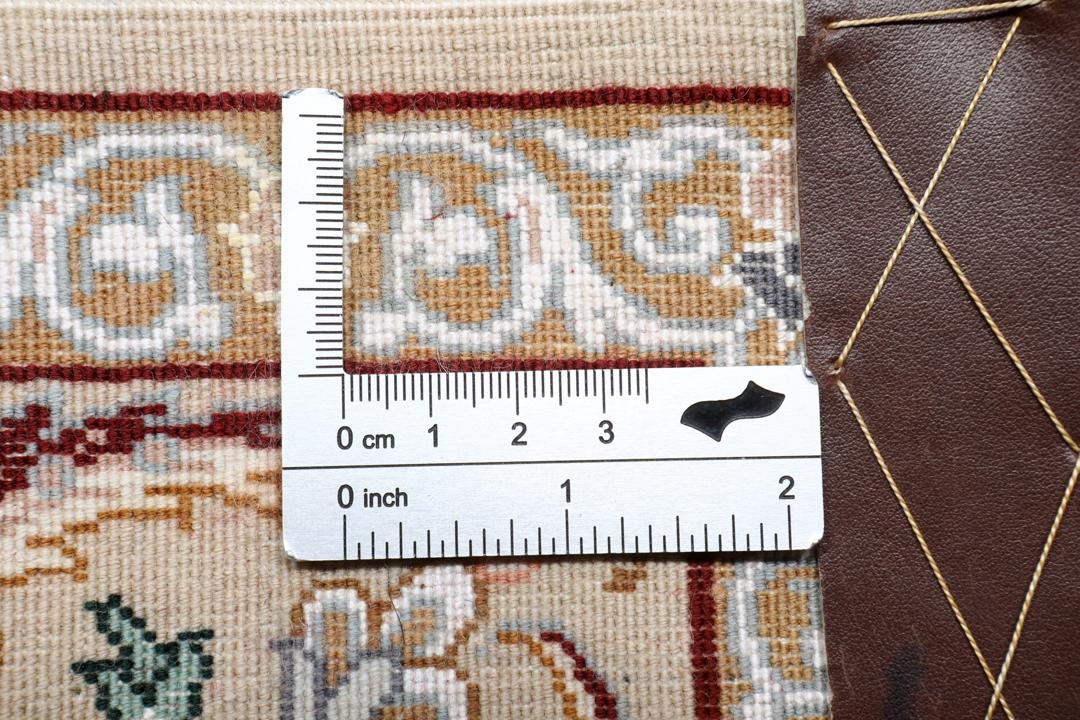
The term 'Silkwarp' refers to the use of silk for the foundation of the rug, a hallmark of superior construction. By using silk instead of cotton for the warp and weft, weavers can achieve an incredibly fine and dense knot count. This technical choice is what allows for the characteristic 'Isfahan look'—intricate, fluid, and near-photographic floral details that would be impossible to replicate on a coarser foundation.
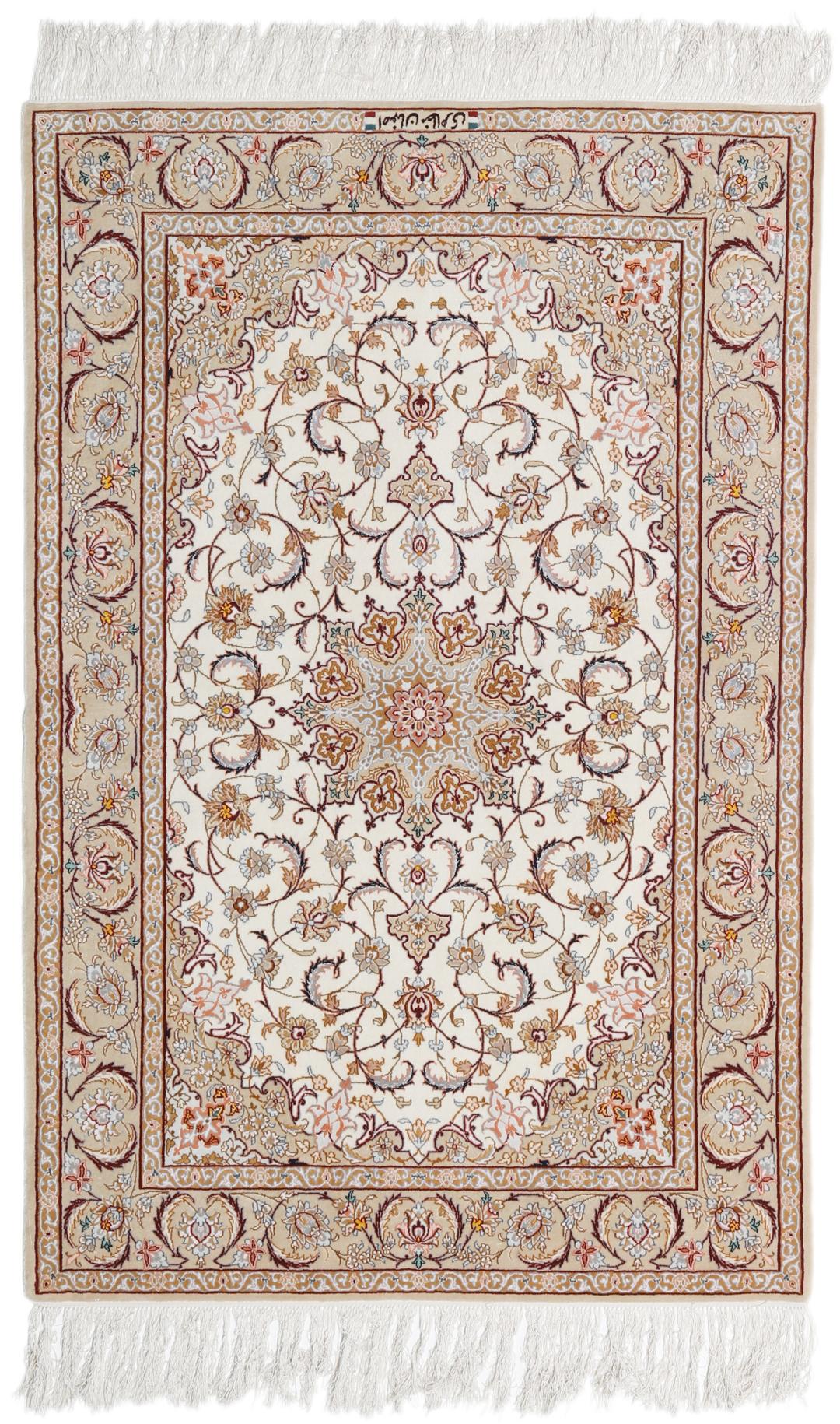
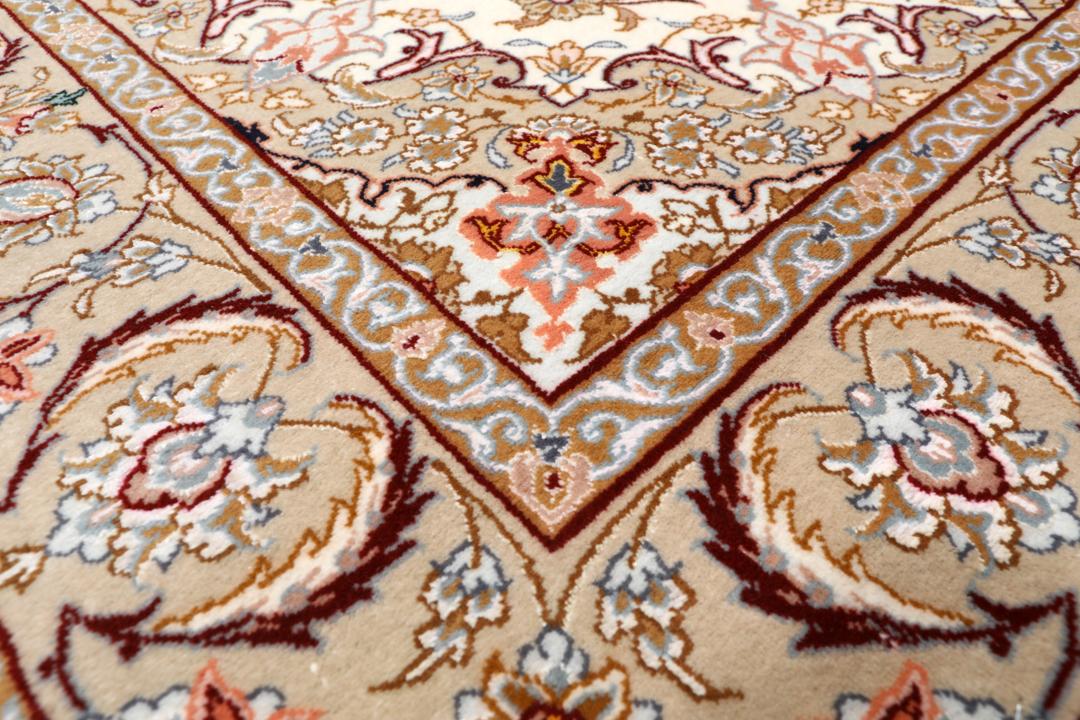
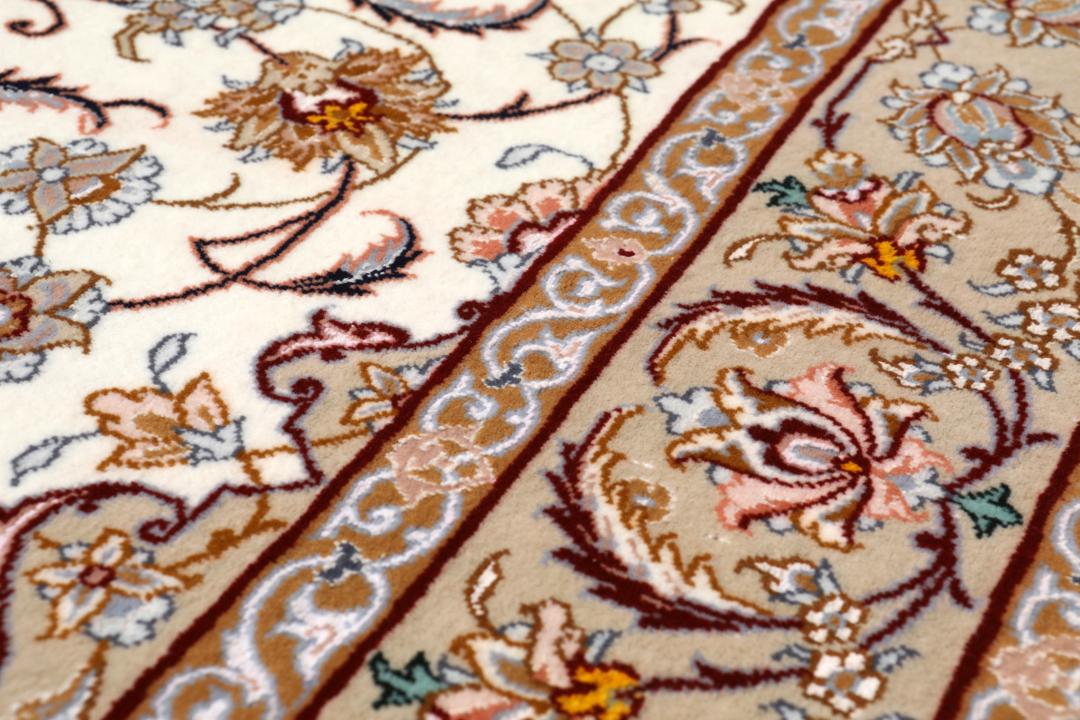
Signature design elements of an Isfahan rug typically revolve around a central medallion surrounded by a complex field of Shah Abbasi floral motifs, scrolling vines, and palmettes. The borders are often as detailed as the centre, creating a balanced and harmonious composition. Mazaheri is a revered name in this tradition, known for maintaining the highest standards of design integrity and colour harmony, making this signed piece a significant collector's item.
Owning an Isfahan rug is more than just a decor choice; it is an act of preserving a piece of cultural history. The skill required to create such a work represents a lineage of craft that has survived for centuries despite changing times. Collectors value these rugs for their ability to bridge the gap between functional art and historical artifact, ensuring that the legacy of the Middle Eastern weaver continues to resonate in modern homes.