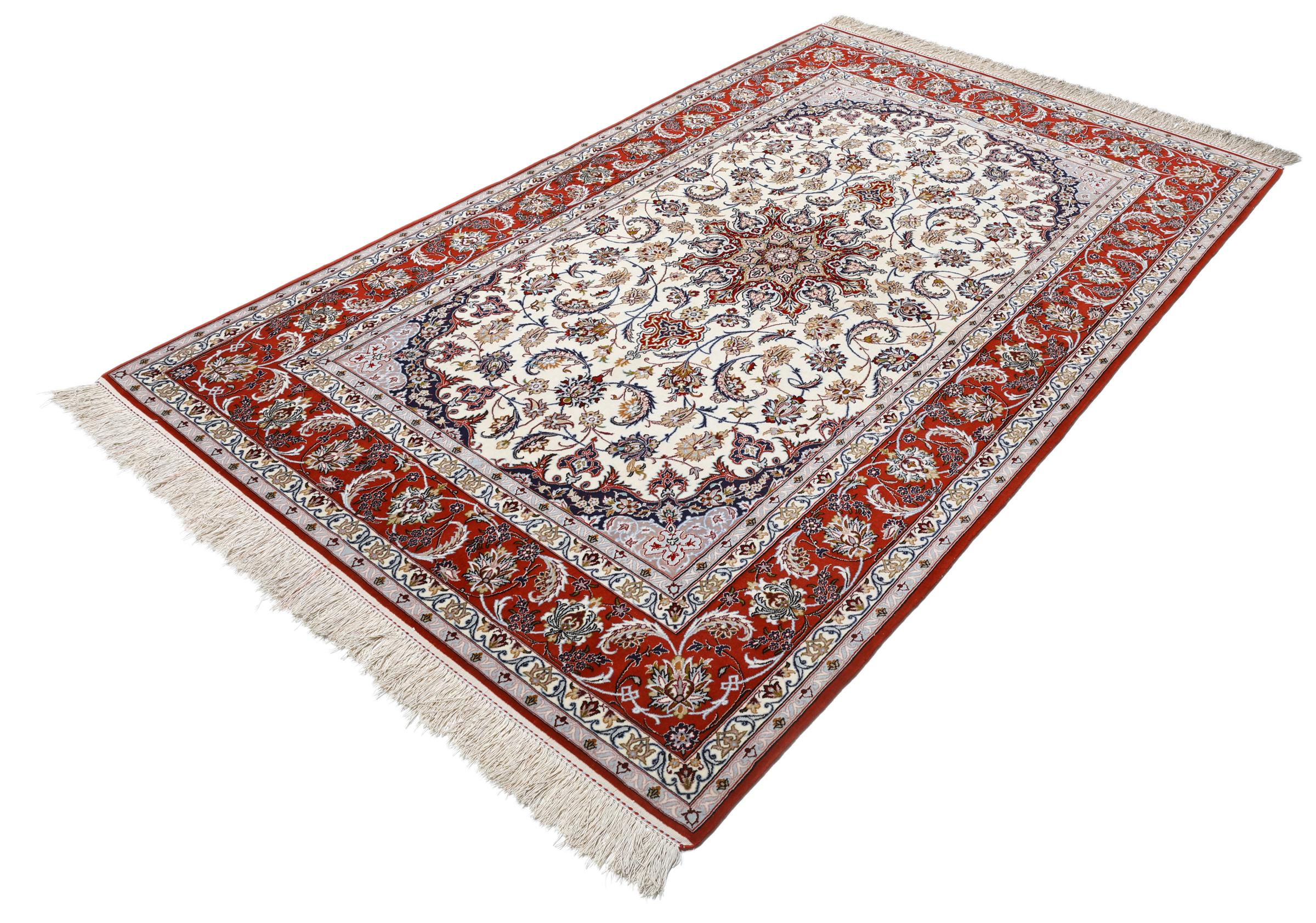
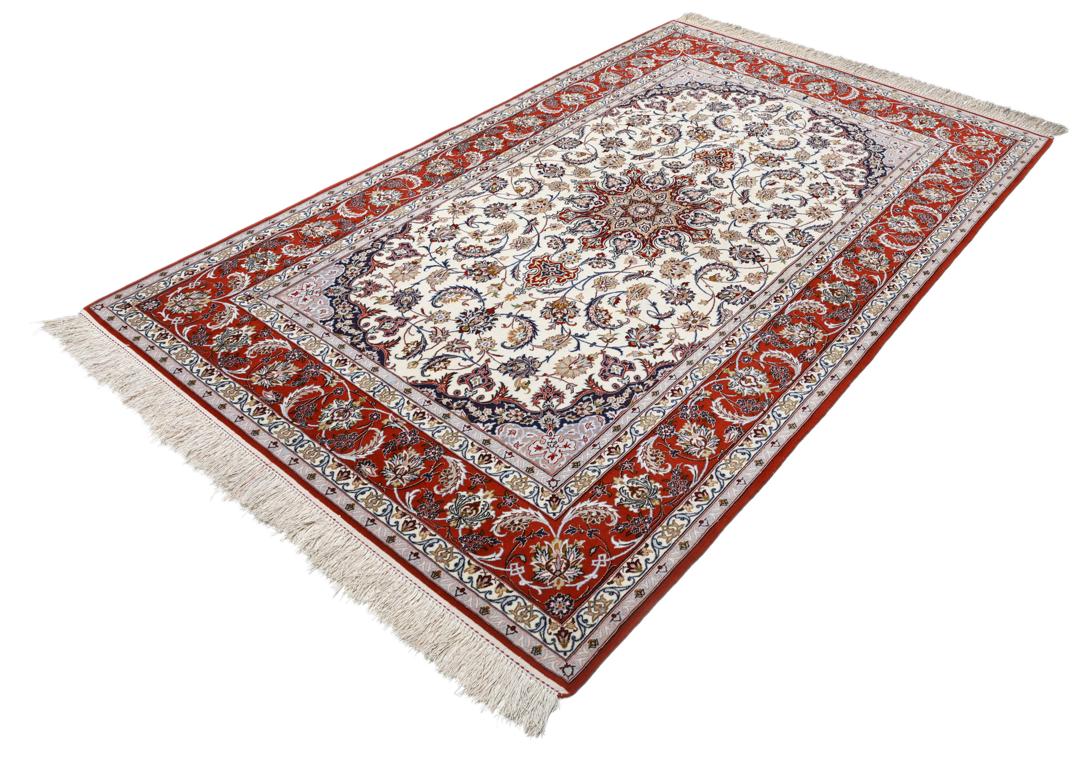
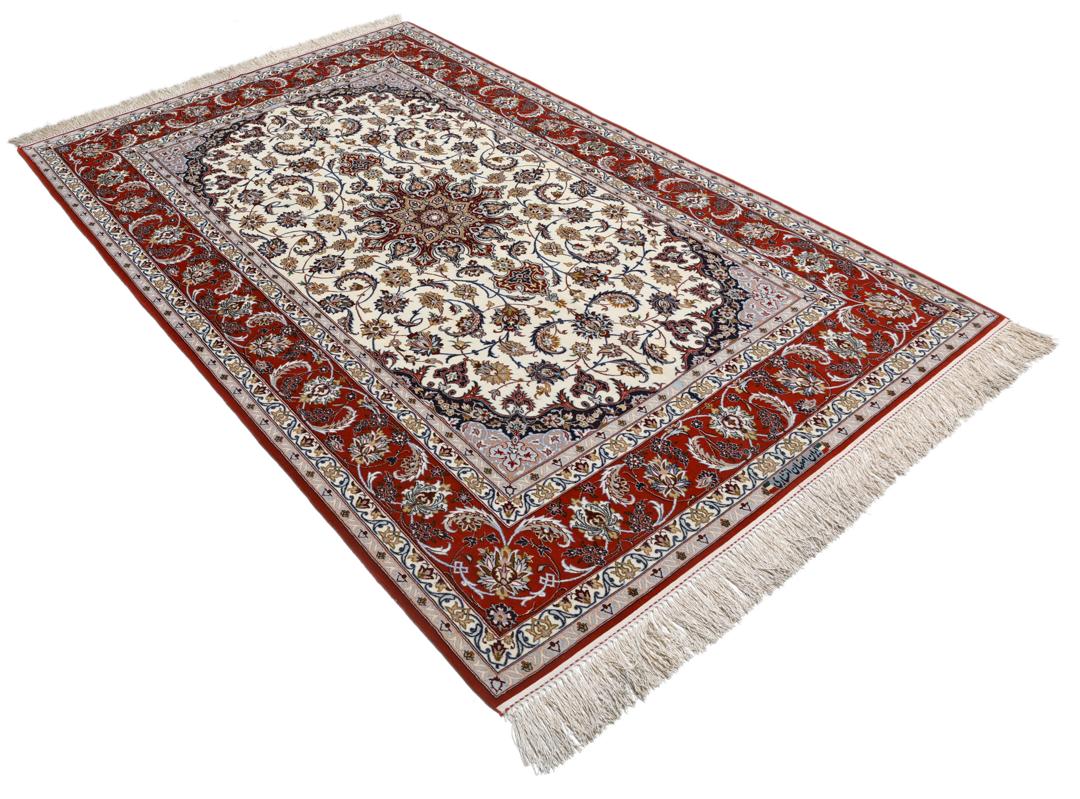
The Isfahan rug tradition originates from the historic city of Isfahan in the Middle East, a region long celebrated as a centre of artistic and cultural achievement. Historically, these rugs were produced under the patronage of royalty, which pushed weavers to achieve unprecedented levels of detail and refinement. This tradition has evolved into a hallmark of excellence, where the focus remains on technical precision and sophisticated design.
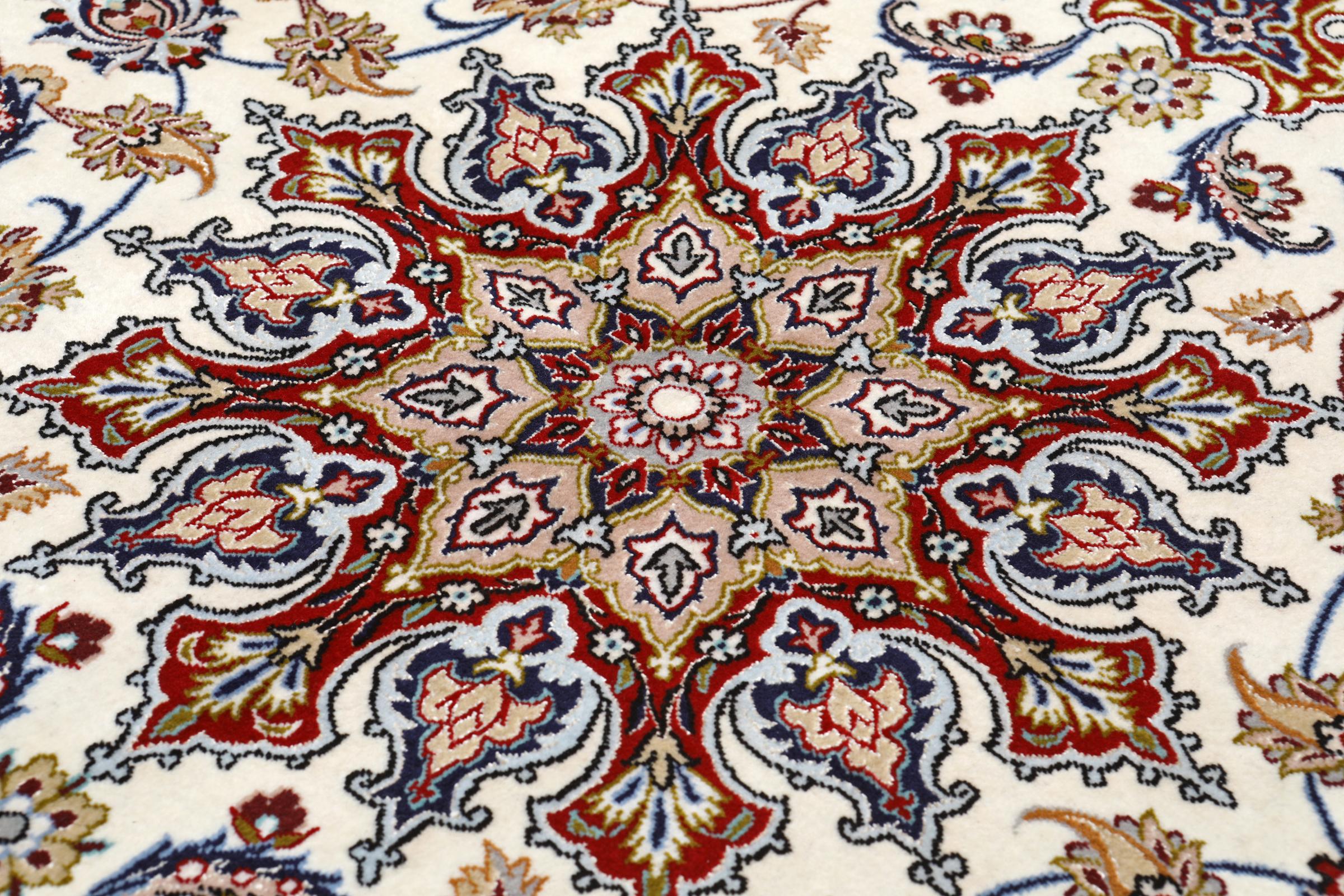
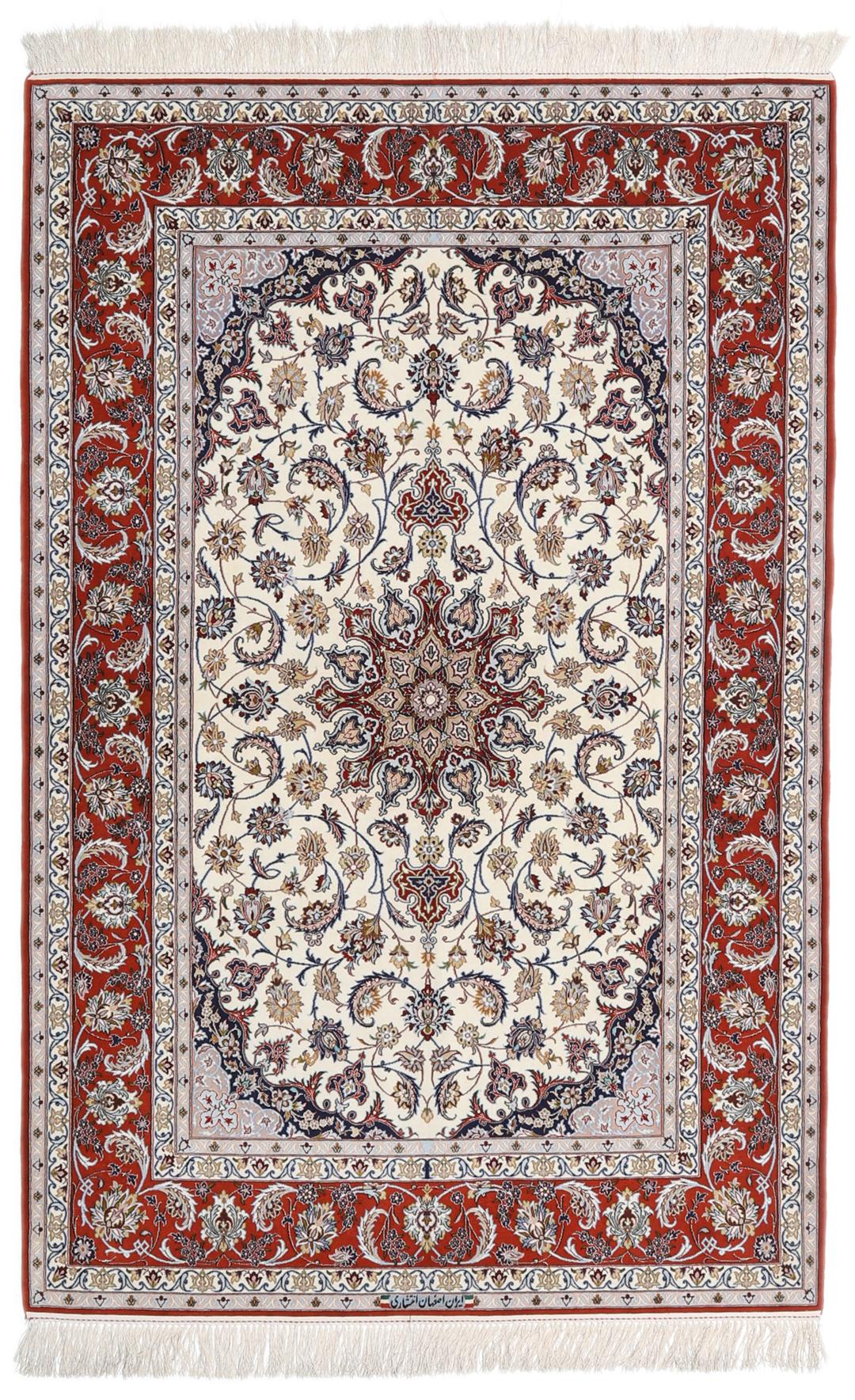
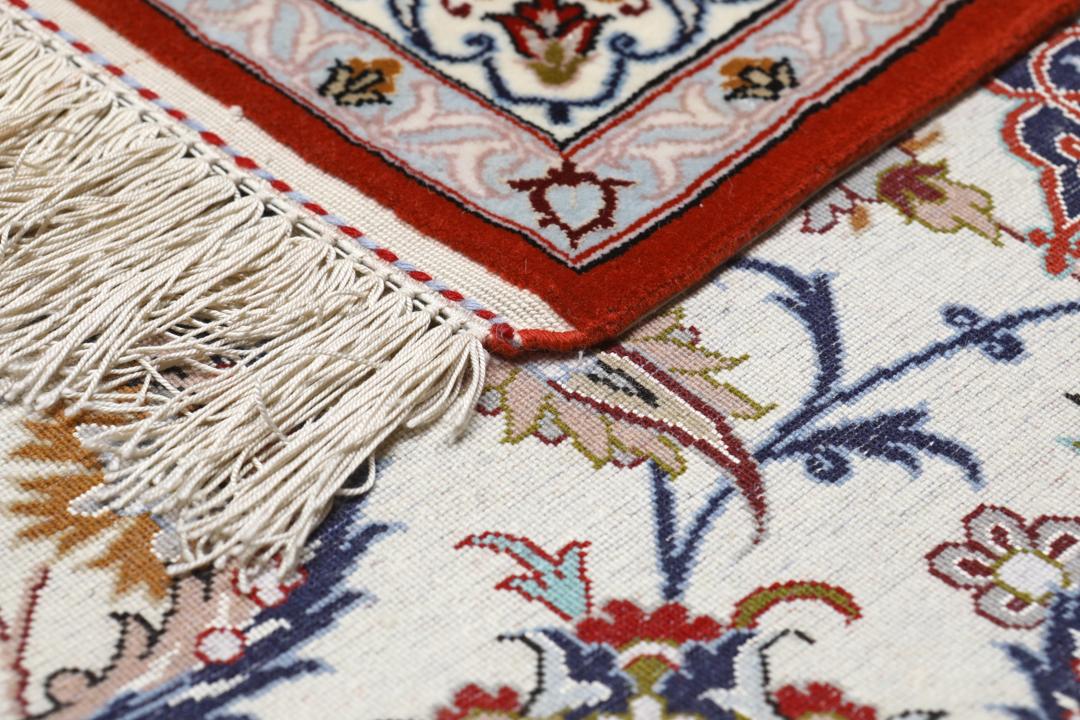
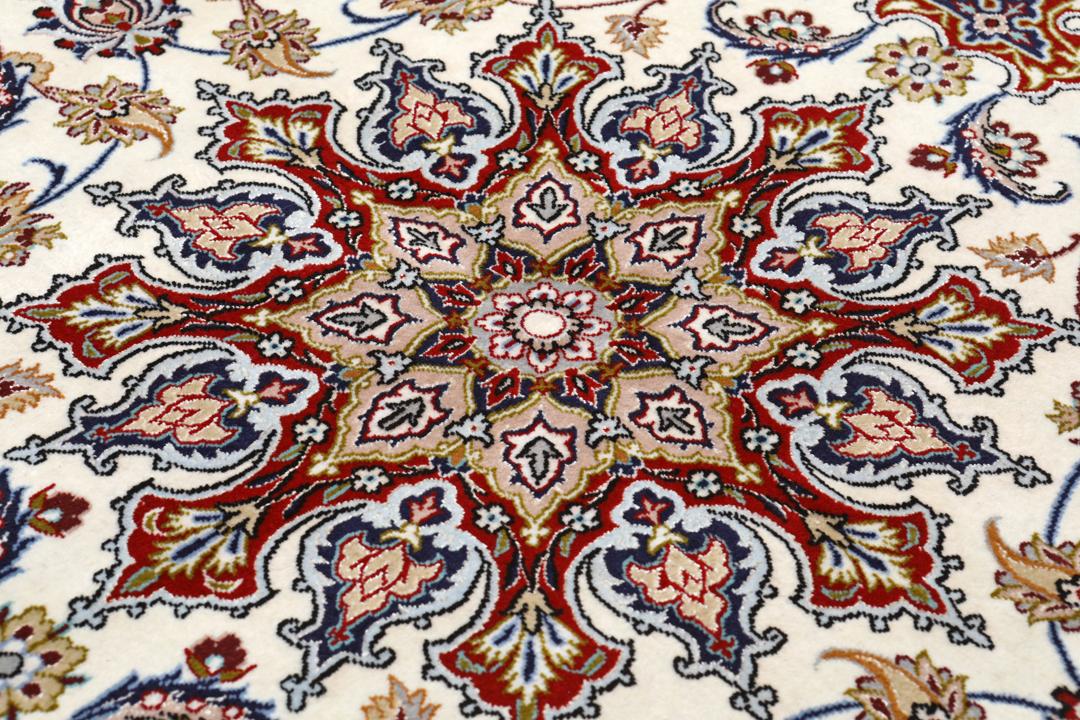
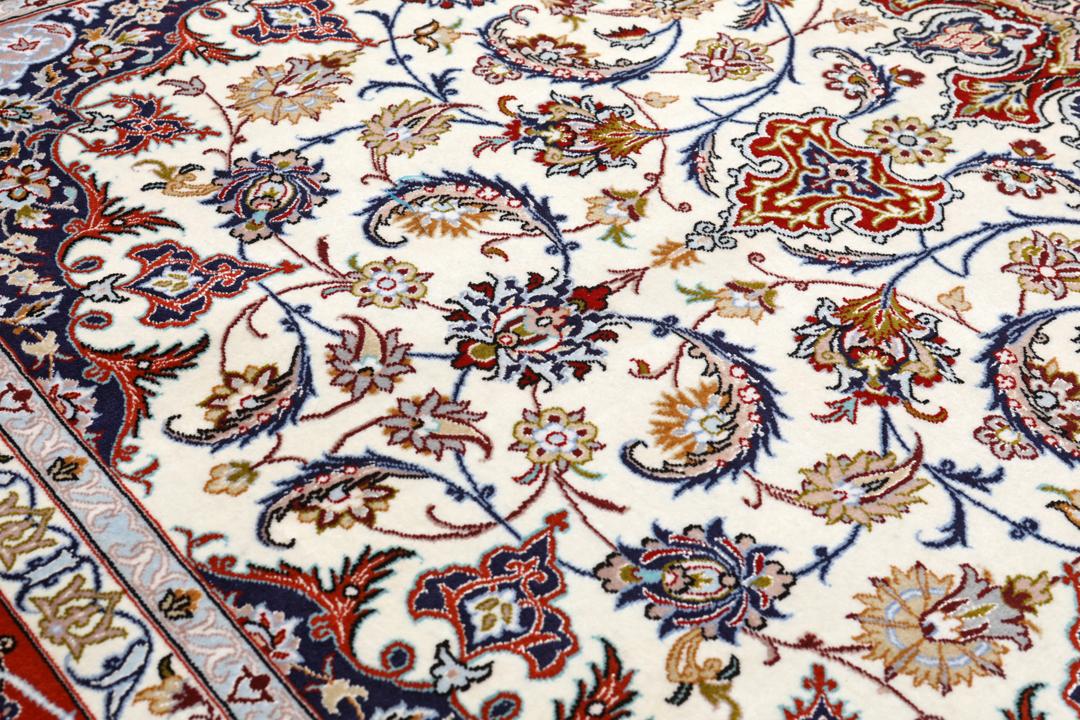
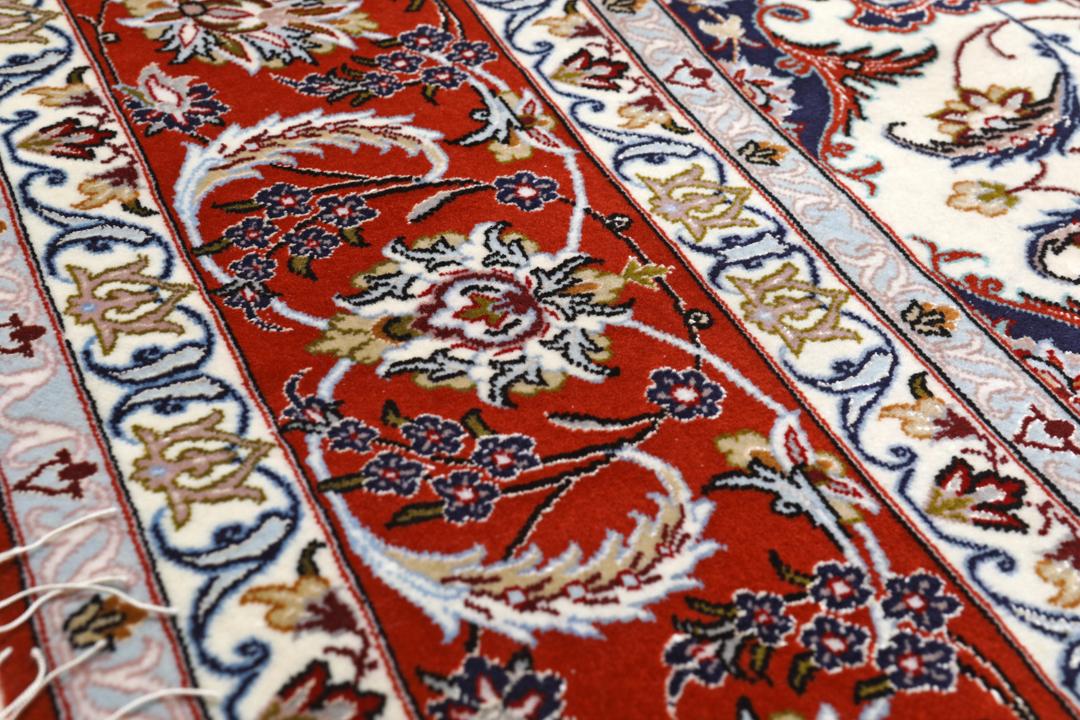
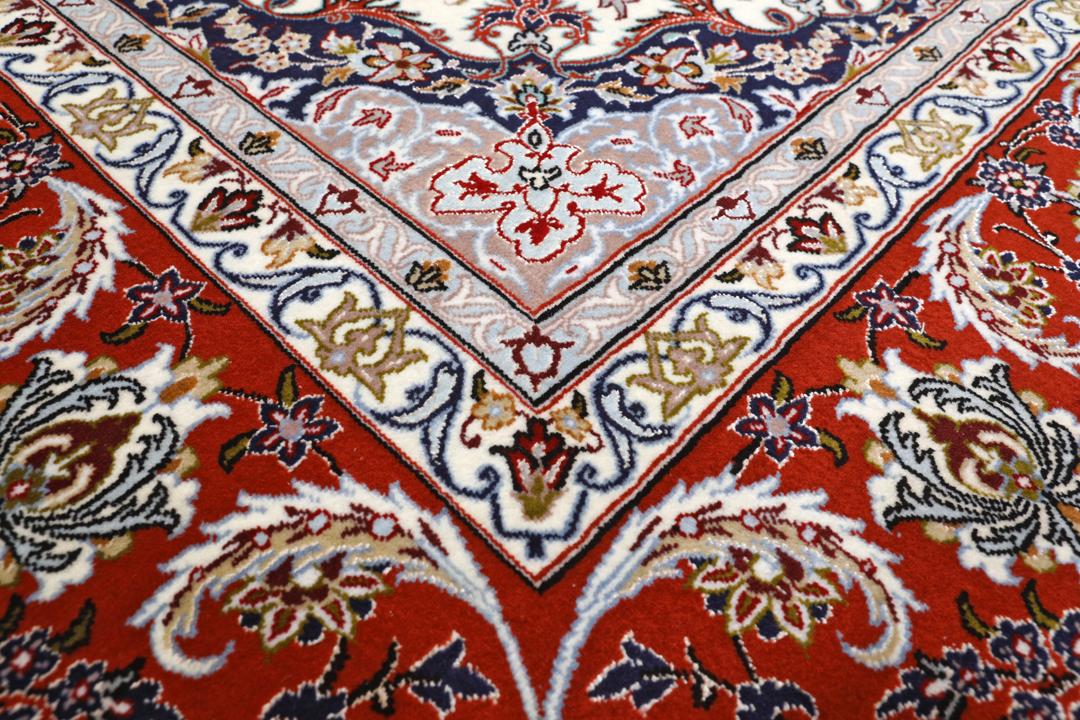
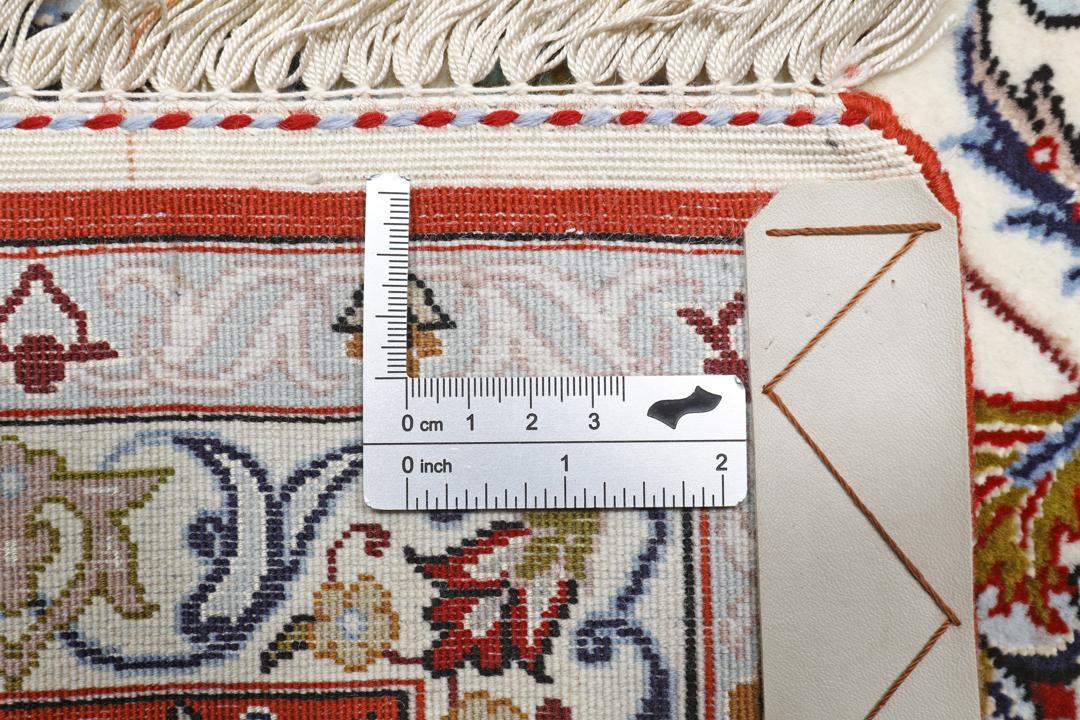
Isfahan rugs are known for their incredibly intricate floral patterns, often featuring complex central medallions and scrolling vine work. The use of a fine foundation is a key technical aspect of this tradition, allowing for extremely dense knotting that captures delicate curves and fine lines. This technical foundation is what enables the high level of detail that collectors have come to expect from the region's finest work.
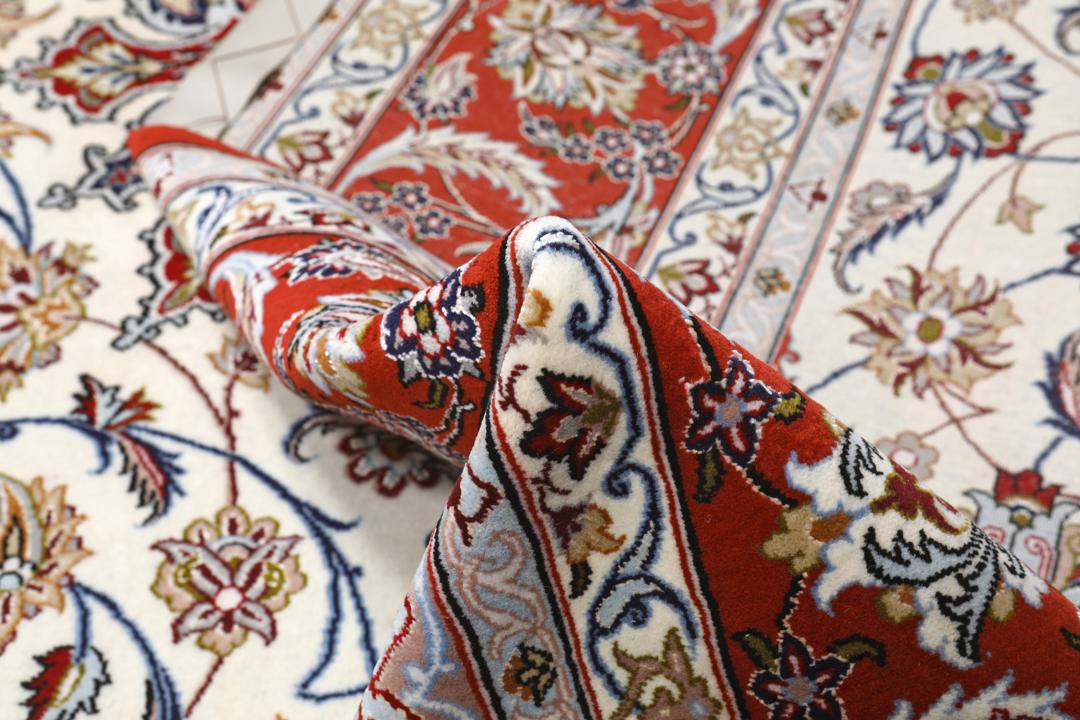
The visual language of an Isfahan rug is characterised by a balanced and often symmetrical layout, frequently framed by elaborate borders that mirror the complexity of the central field. Floral motifs such as palmettes, rosettes, and scrolling tendrils are rendered with such accuracy that they seem to bloom across the surface. The signature of the weaver, like the Entashari mark on this piece, serves as a testament to the individual artisan's pride and the high standards of the local workshops.
Owning an Isfahan rug is more than just a decorative choice, as it represents a connection to a long-standing lineage of master weavers. These pieces are highly valued by collectors for their ability to synthesise complex geometry with naturalistic beauty. By bringing an Isfahan rug into your home, you are participating in a tradition that values skill, patience, and the pursuit of beauty above all else.