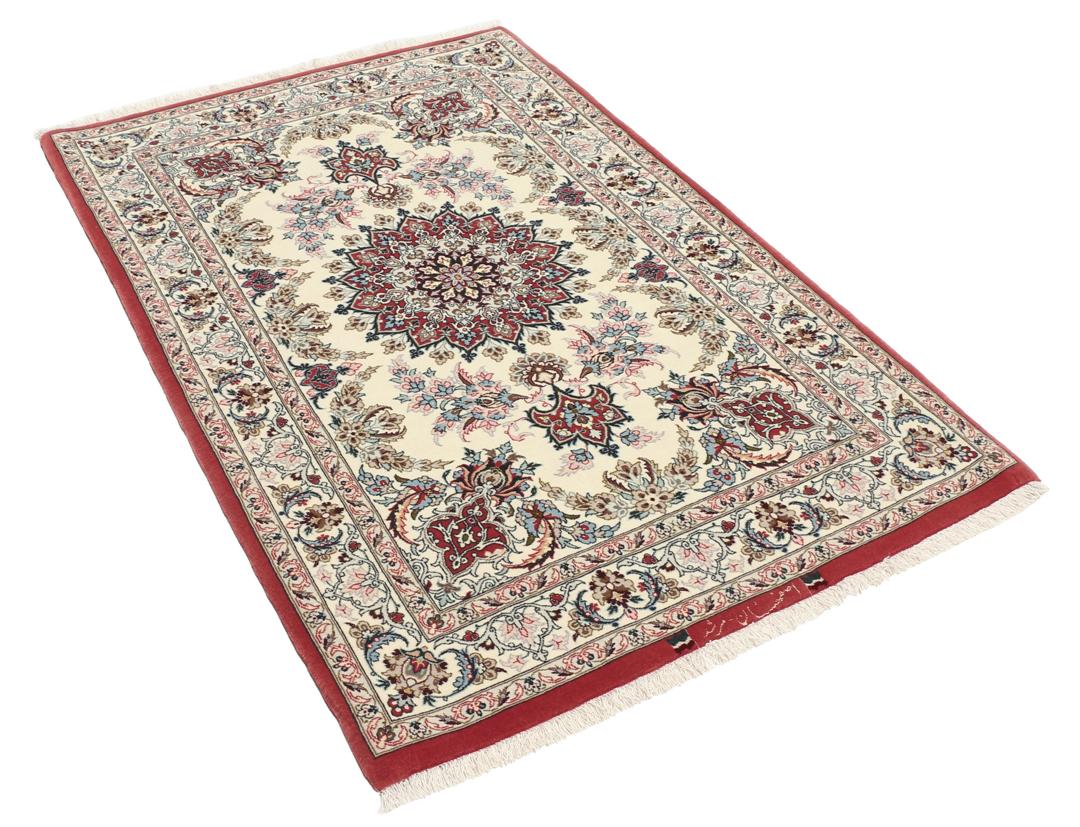
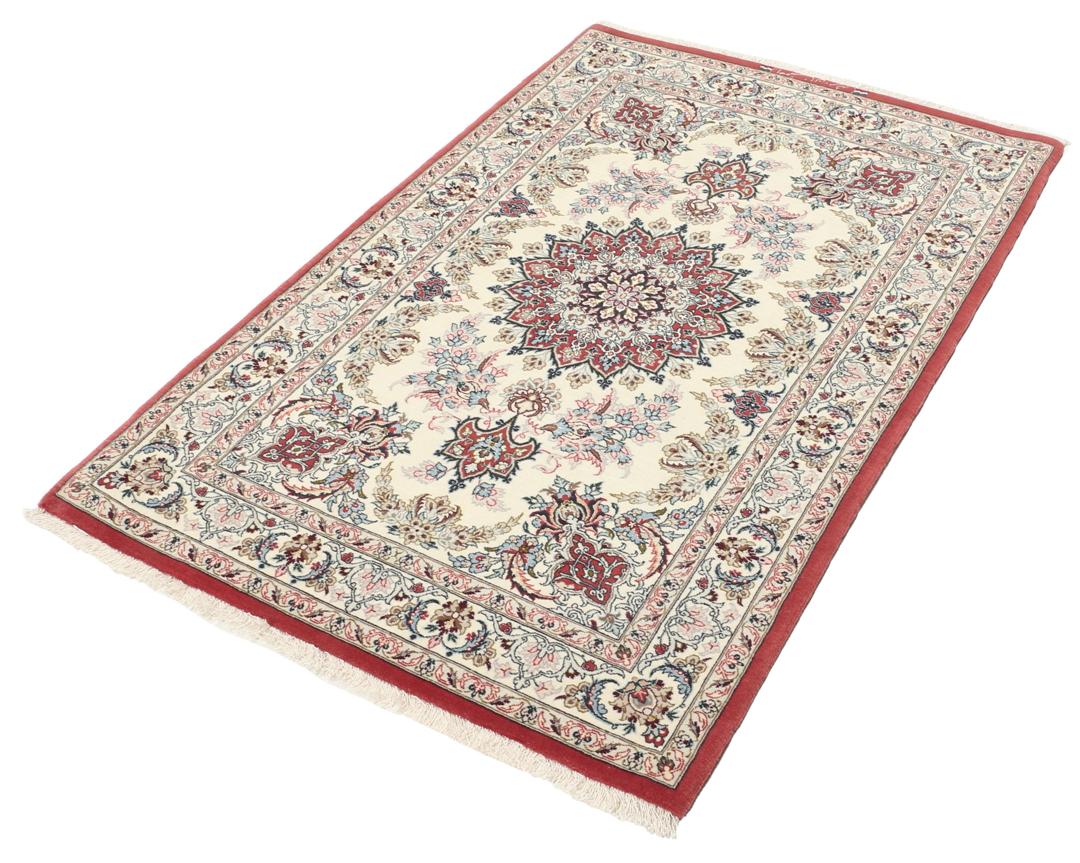
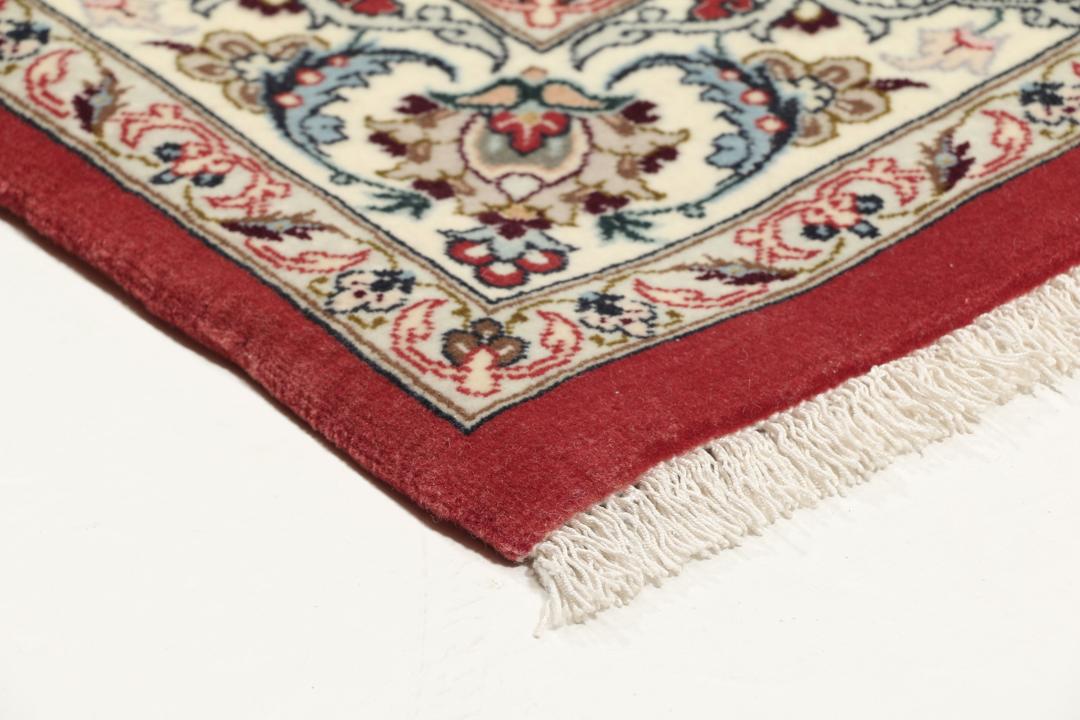
Isfahan rugs originate from one of the most culturally significant cities in the Middle East, a place long considered the centre of refined artistic production. Historically, the workshops in this region have been patronised by royalty and nobility, leading to a tradition of rug-making that emphasises elegance, balance, and incredibly high levels of technical mastery.
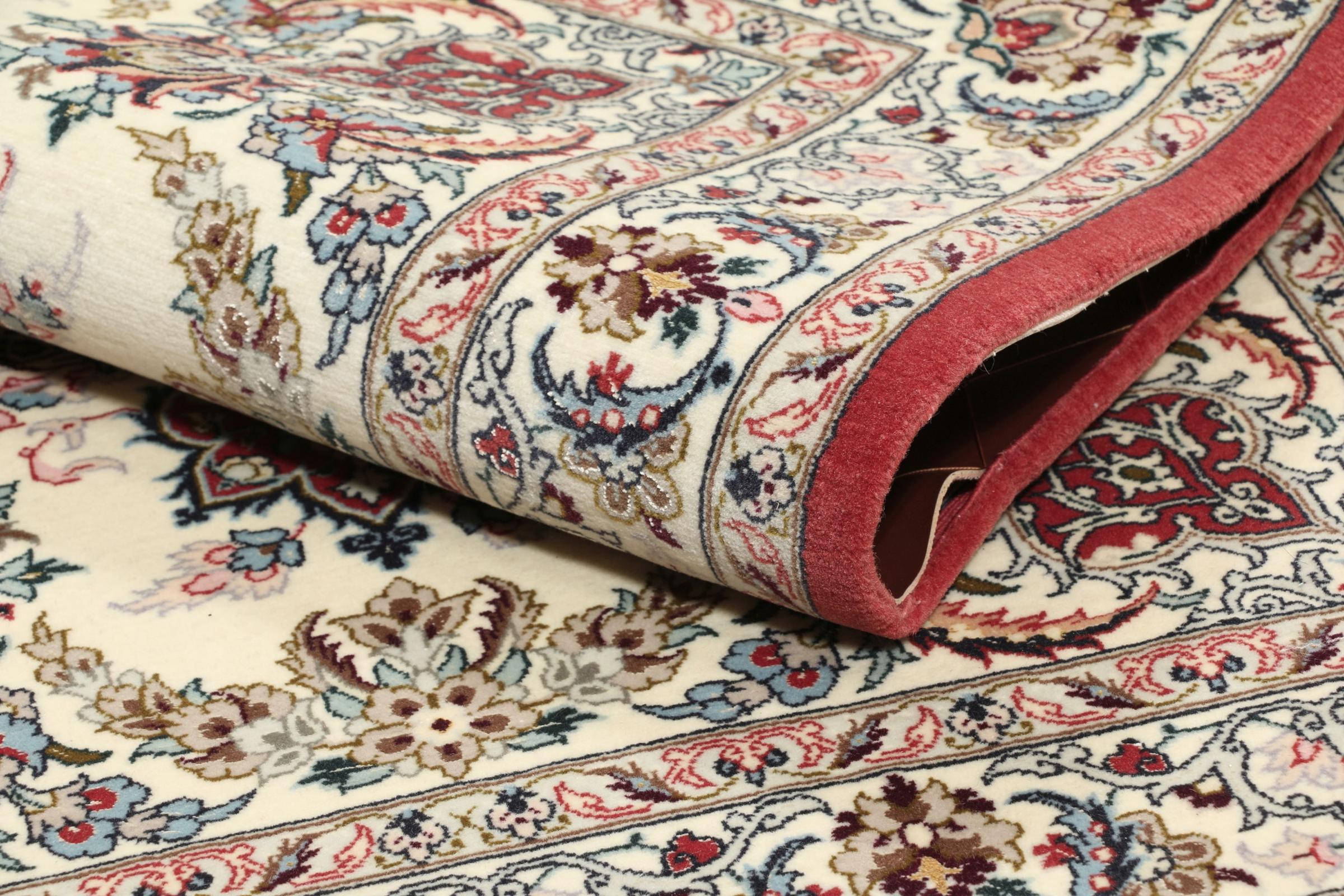
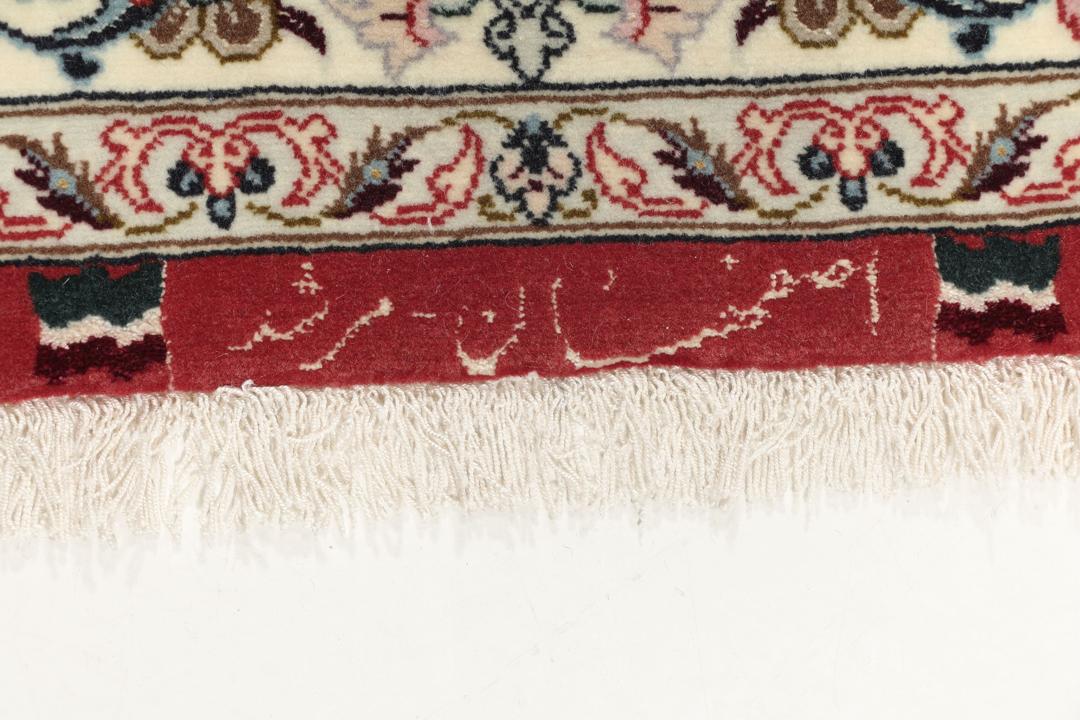
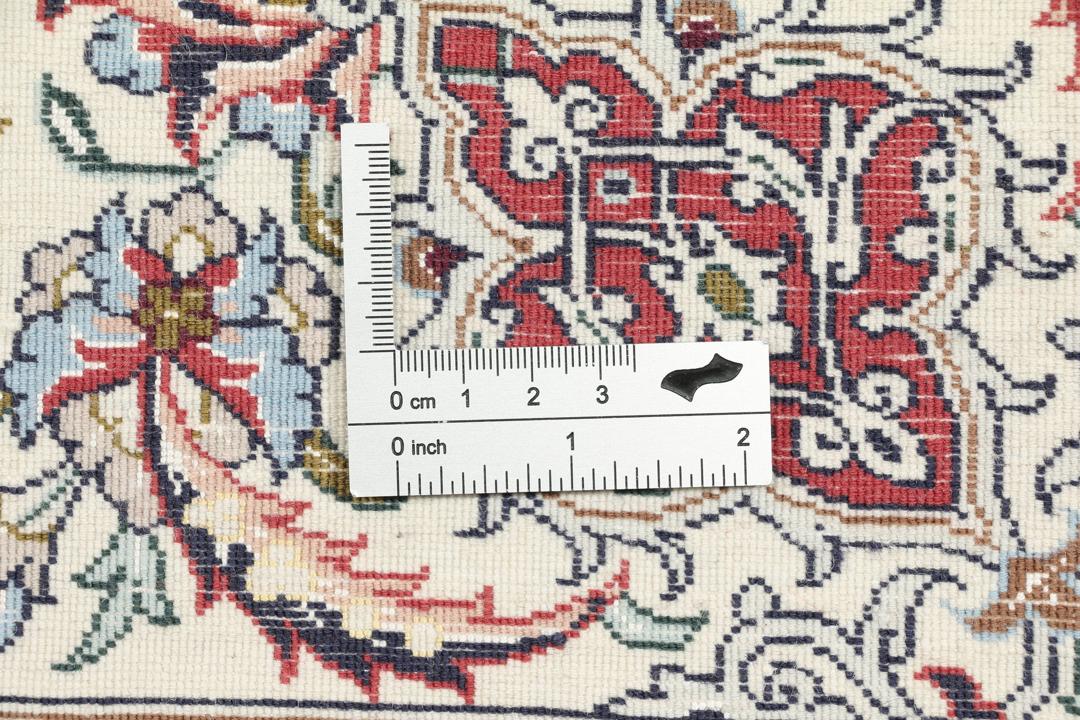
The technical quality of these rugs is often distinguished by the materials used in the foundation. By incorporating silk into the warp, weavers are able to create a much finer, more stable foundation than is possible with cotton alone. This allows for the extremely high knot counts that define the Isfahan style, resulting in a rug that is not only thinner and more delicate in appearance but also exceptionally durable.
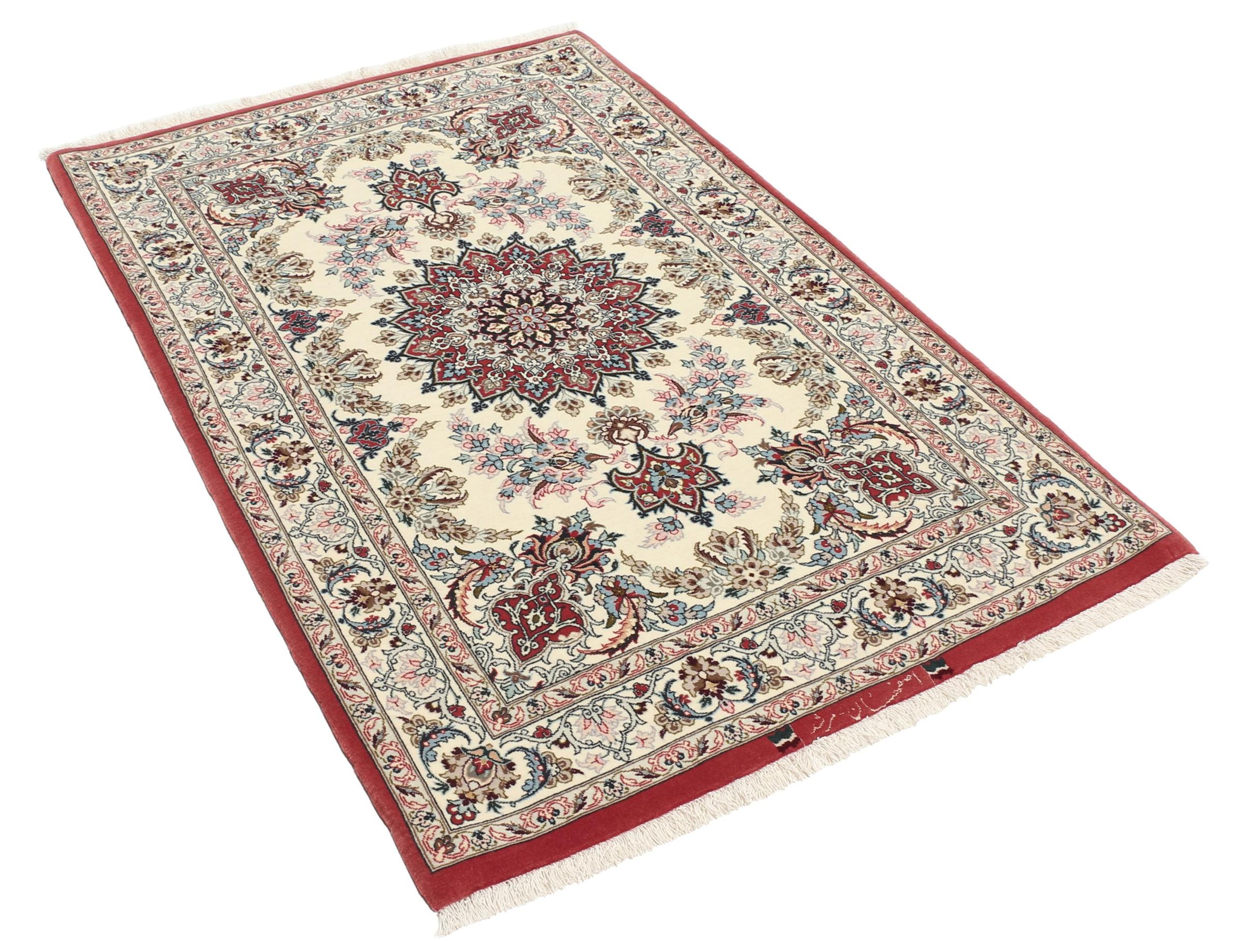
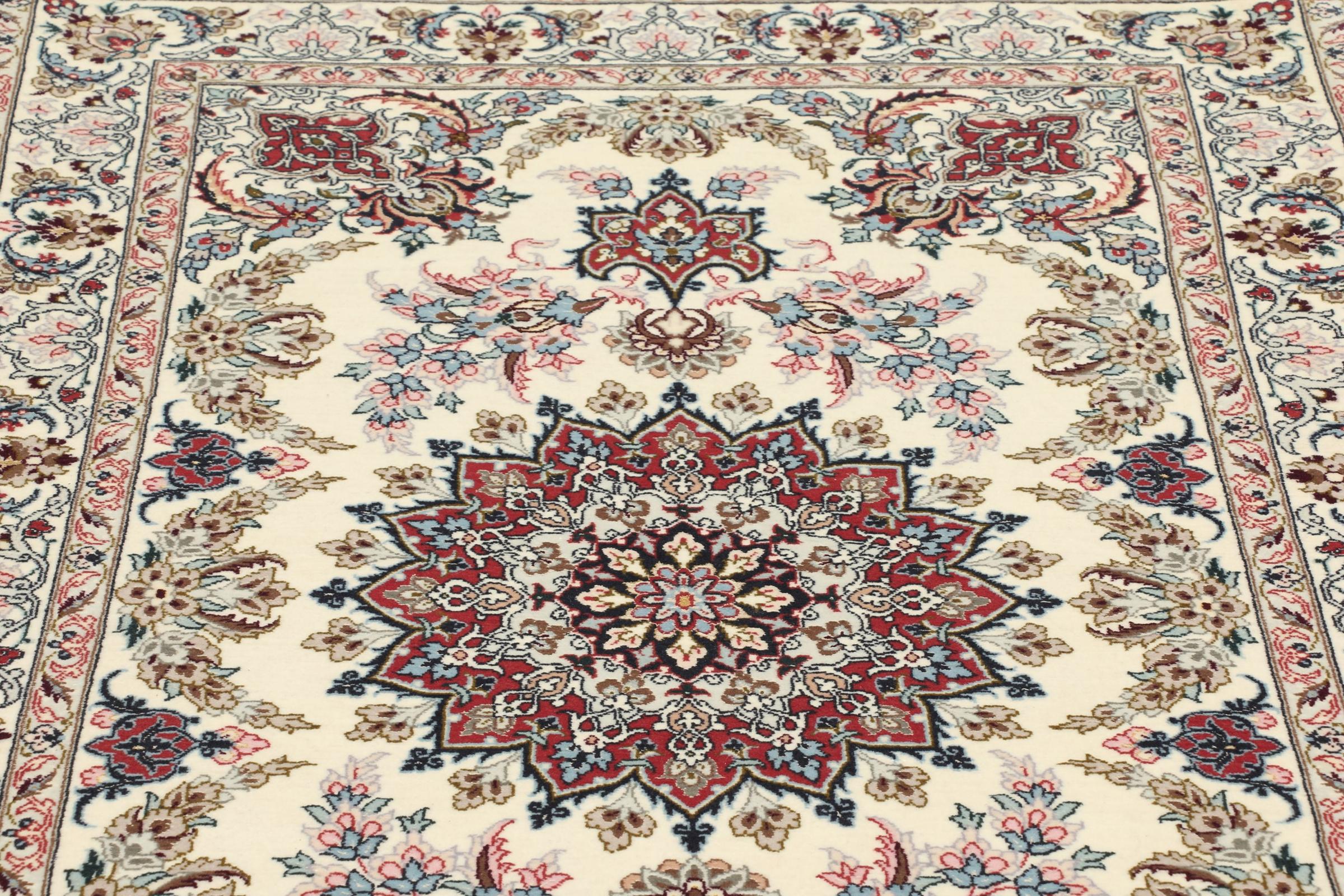
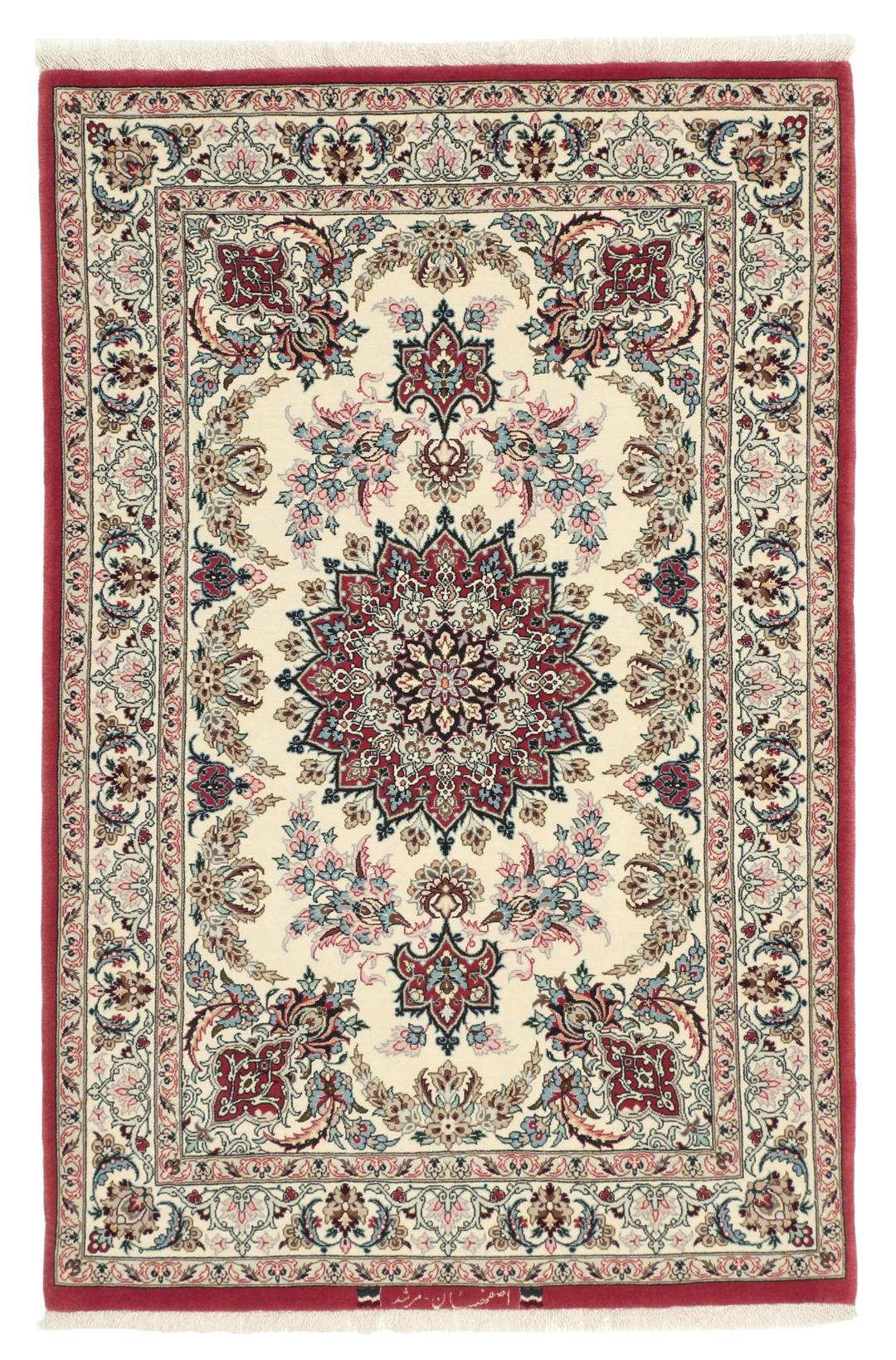
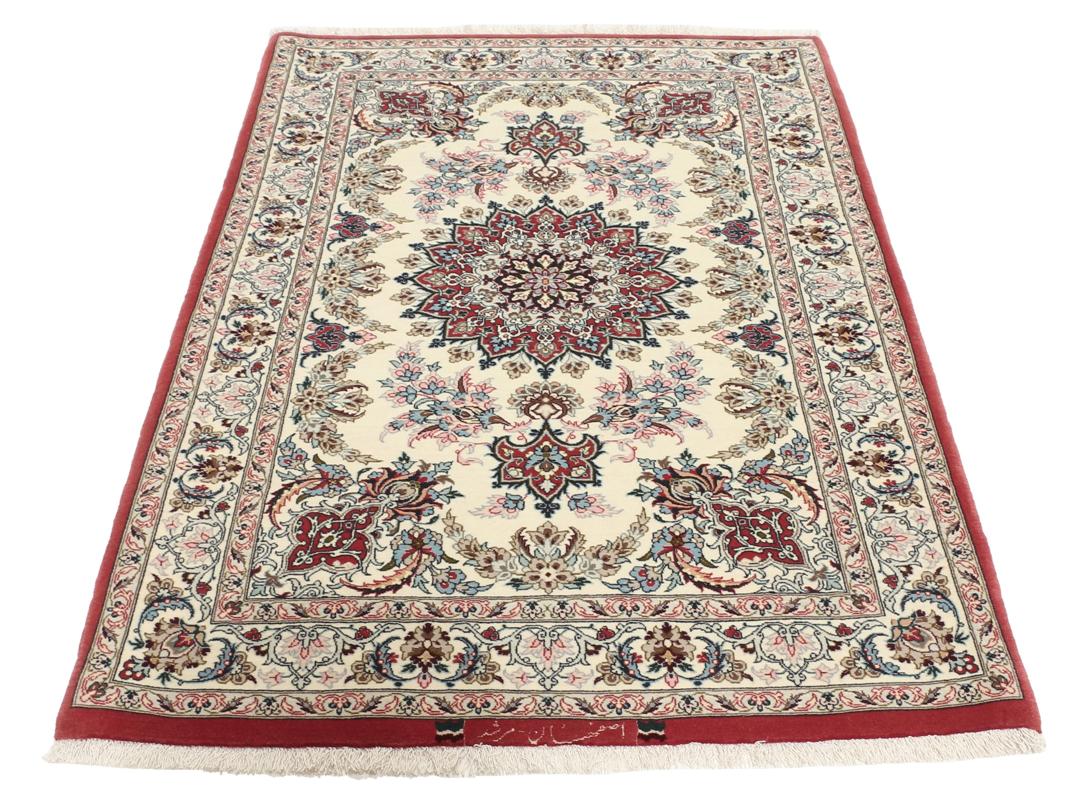
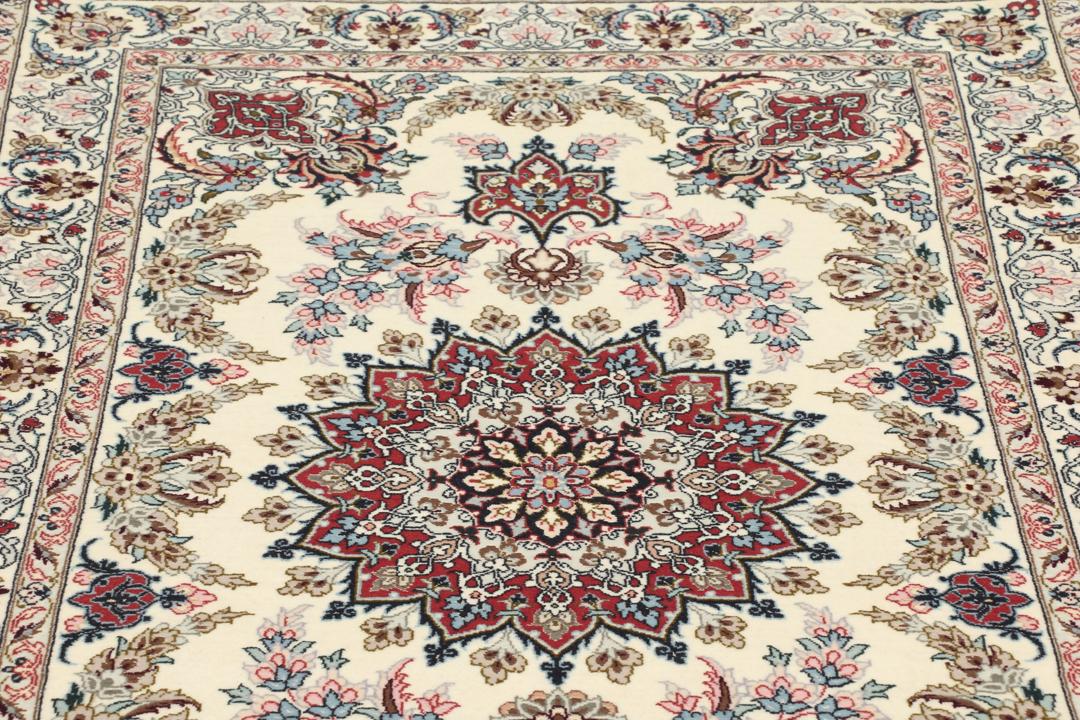
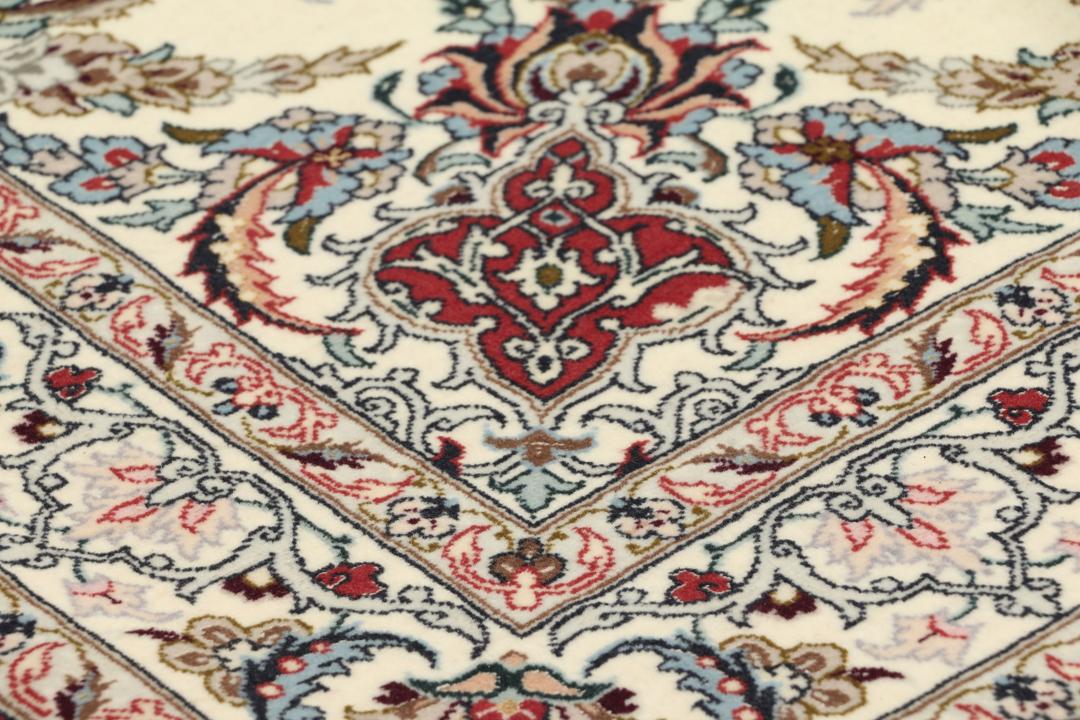
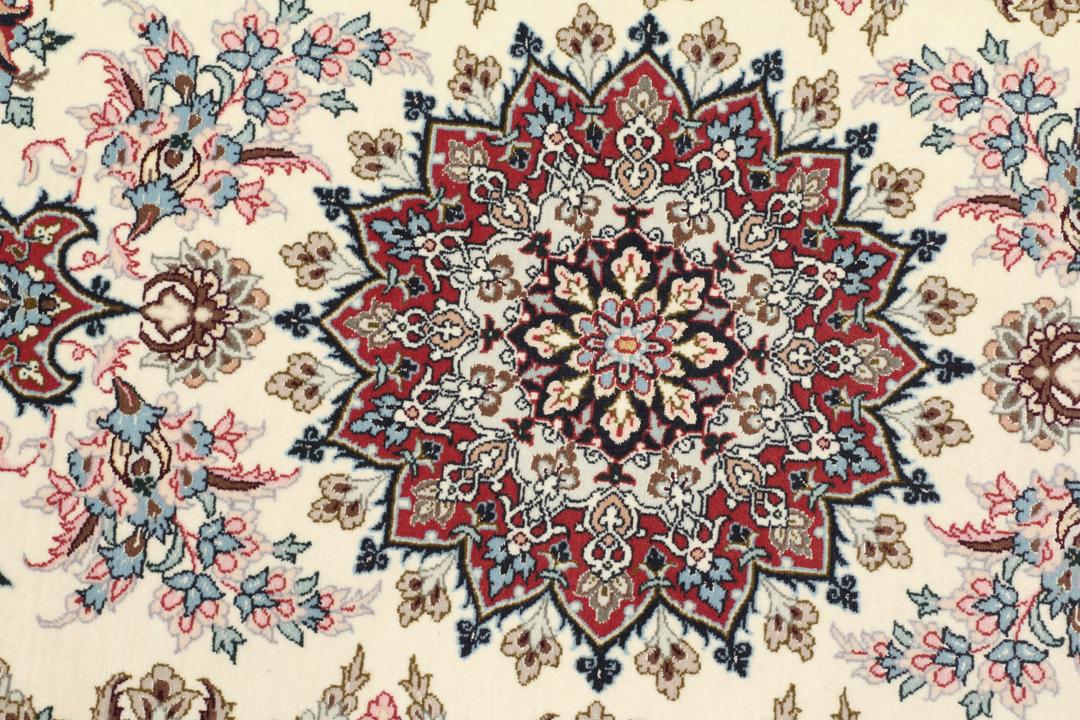
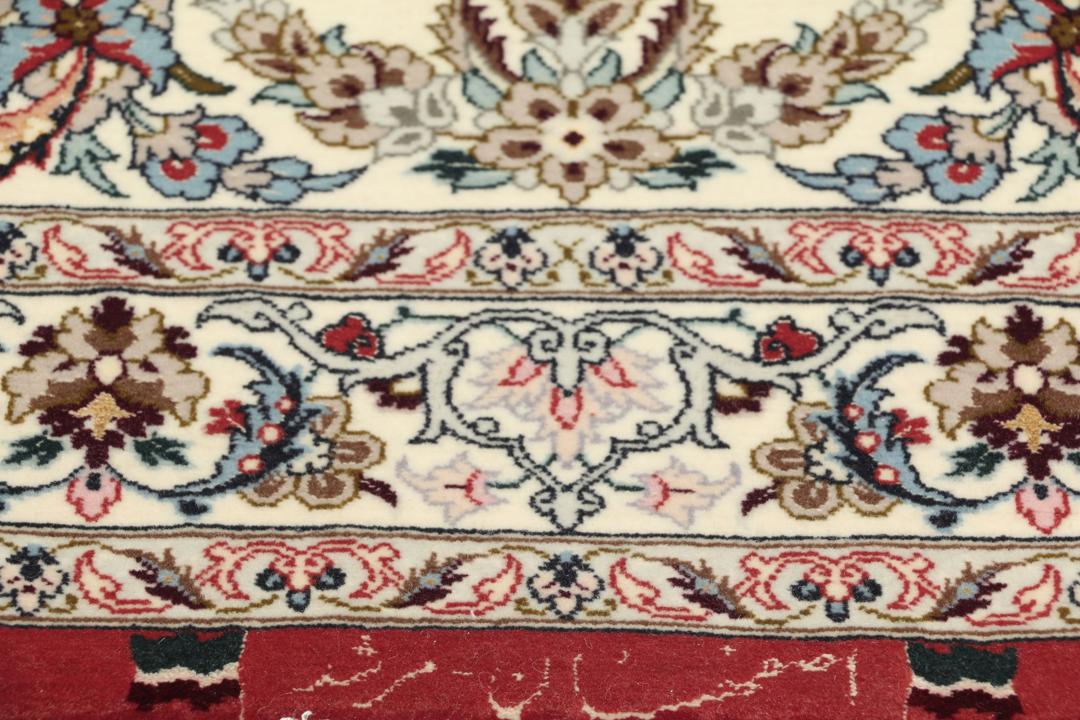
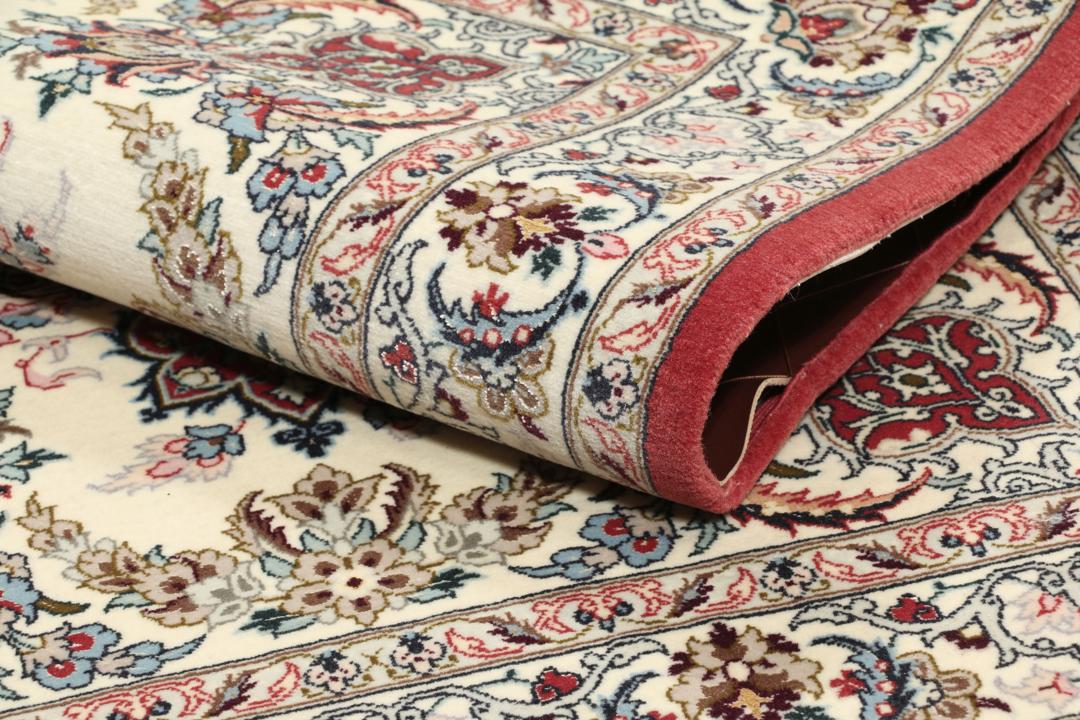
Signature design elements of the Isfahan tradition include a central, perfectly balanced medallion, often surrounded by intricate Shah Abbasi floral patterns and scrolling vines. The borders are typically just as detailed as the field, featuring complex cartouches and repeating floral motifs. The colour palettes are traditionally sophisticated, favouring soft, natural tones that allow the complexity of the pattern to take centre stage.
Owning an Isfahan rug is a significant acquisition, representing an appreciation for historical craft and centuries of artistic evolution. These pieces are highly valued by collectors because they represent the pinnacle of traditional weaving skills. To possess one is to own a piece of cultural history that has been preserved through the careful, dedicated hands of those who keep these ancient methods alive.