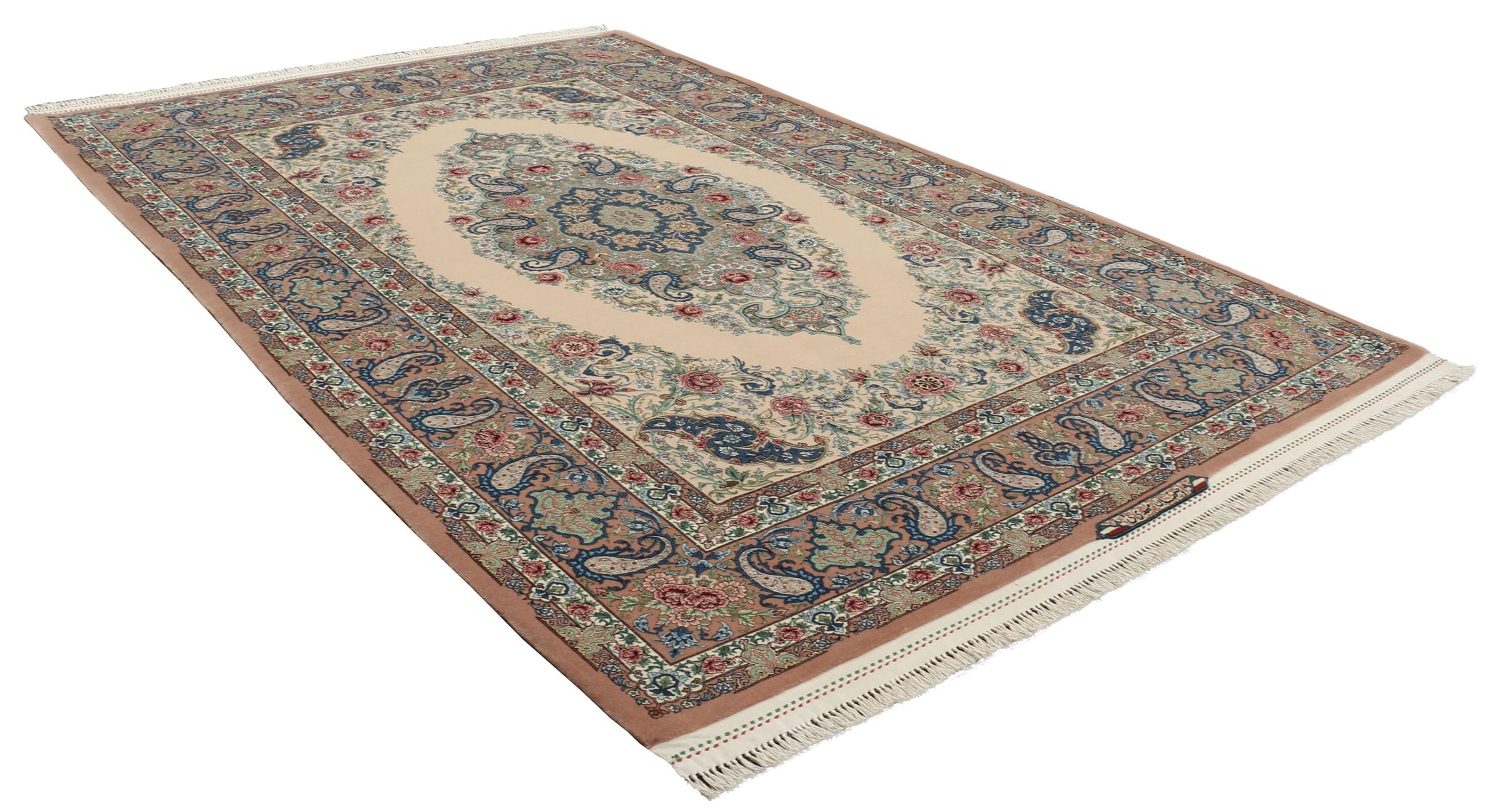
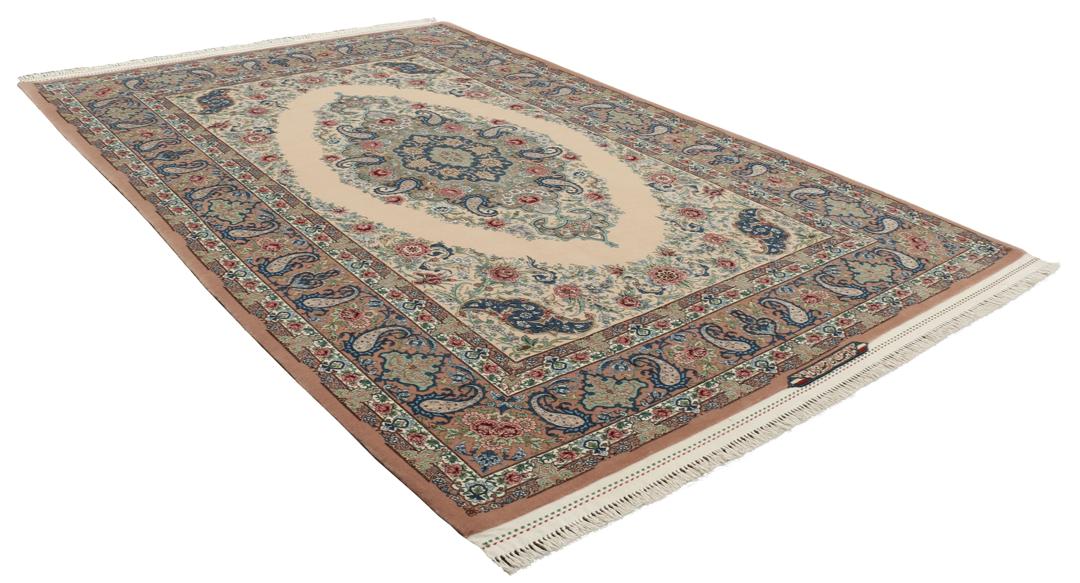
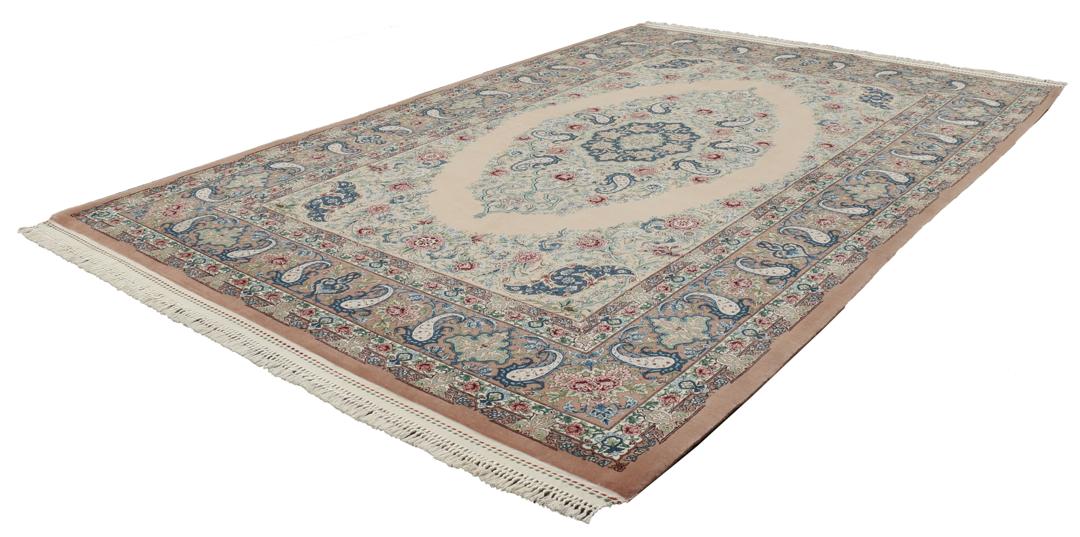
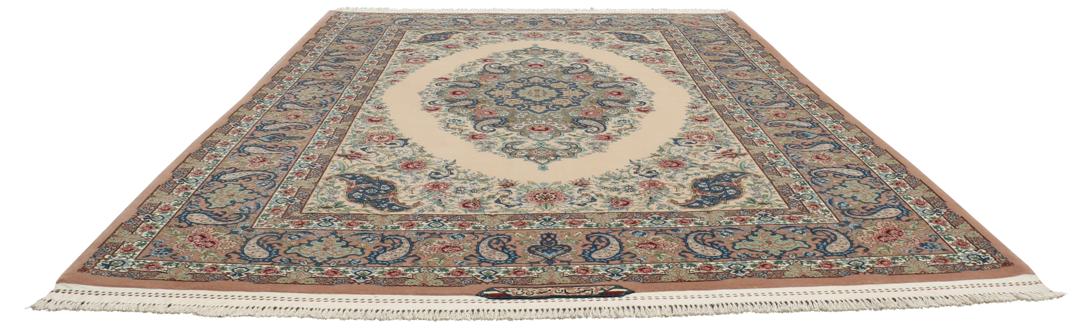
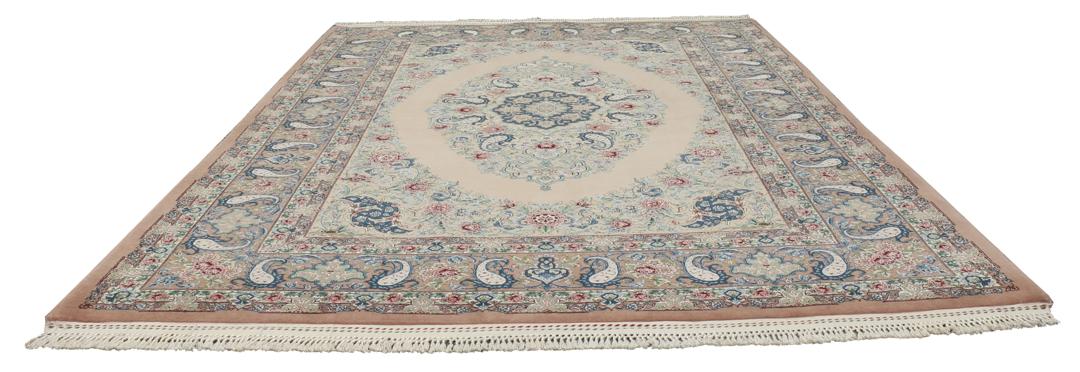
Isfahan rugs originate from the historic city of Isfahan in the Middle East, a region renowned for its deep-rooted history in textile arts and royal patronage. During the Safavid era, the city became a centre for artistic innovation, where weavers were commissioned to create floor coverings that mirrored the intricate tile work and architectural beauty of local mosques and palaces. This legacy of excellence continues today, with Isfahan rugs remaining some of the most sought-after pieces for their elegance and technical perfection.
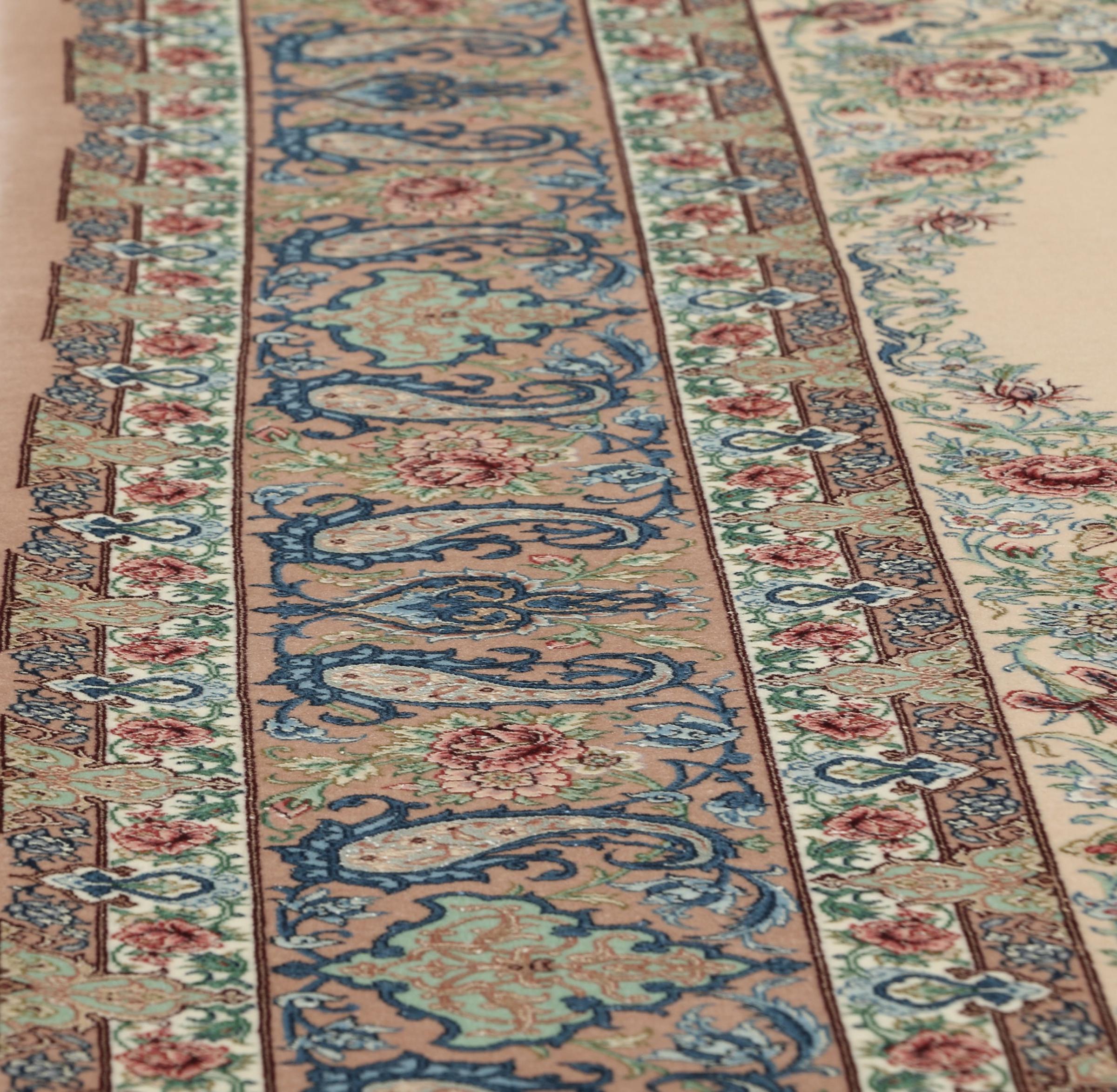
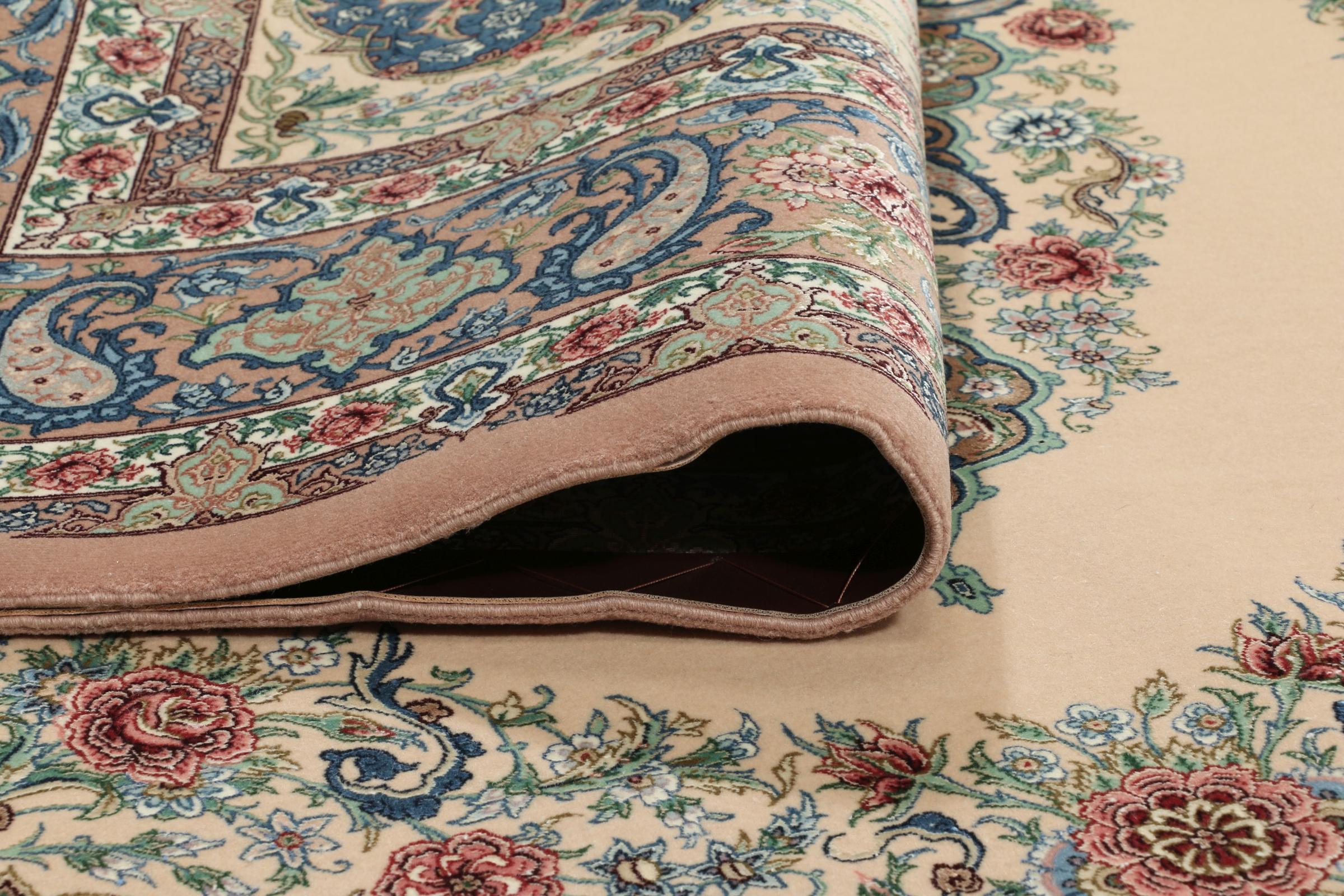
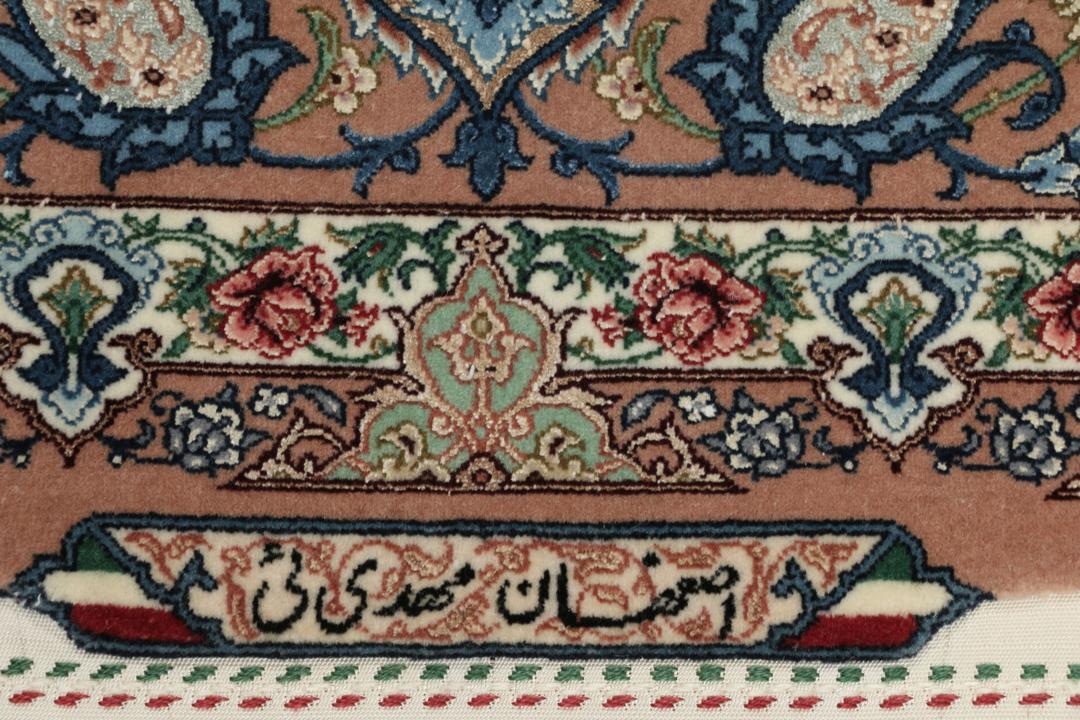
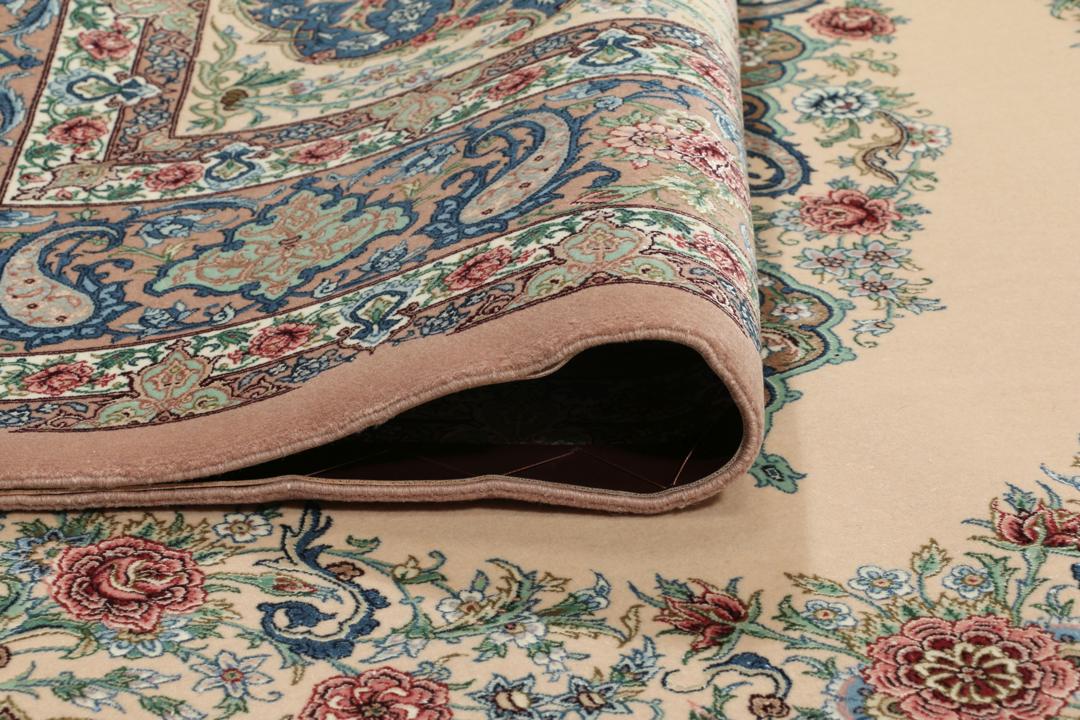
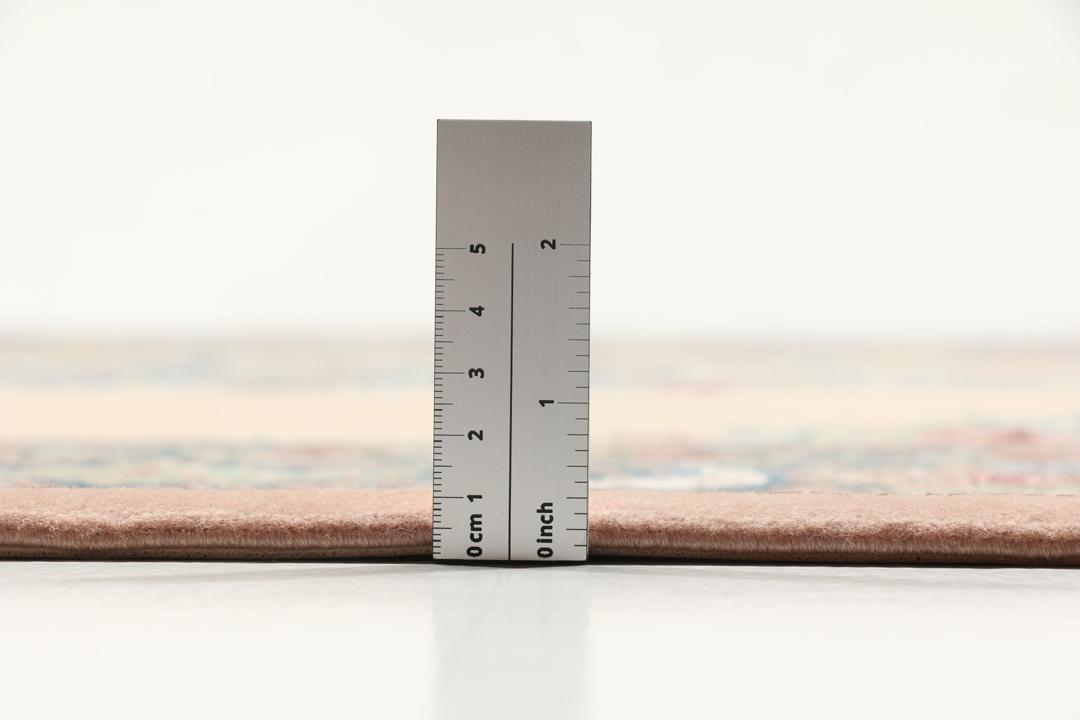
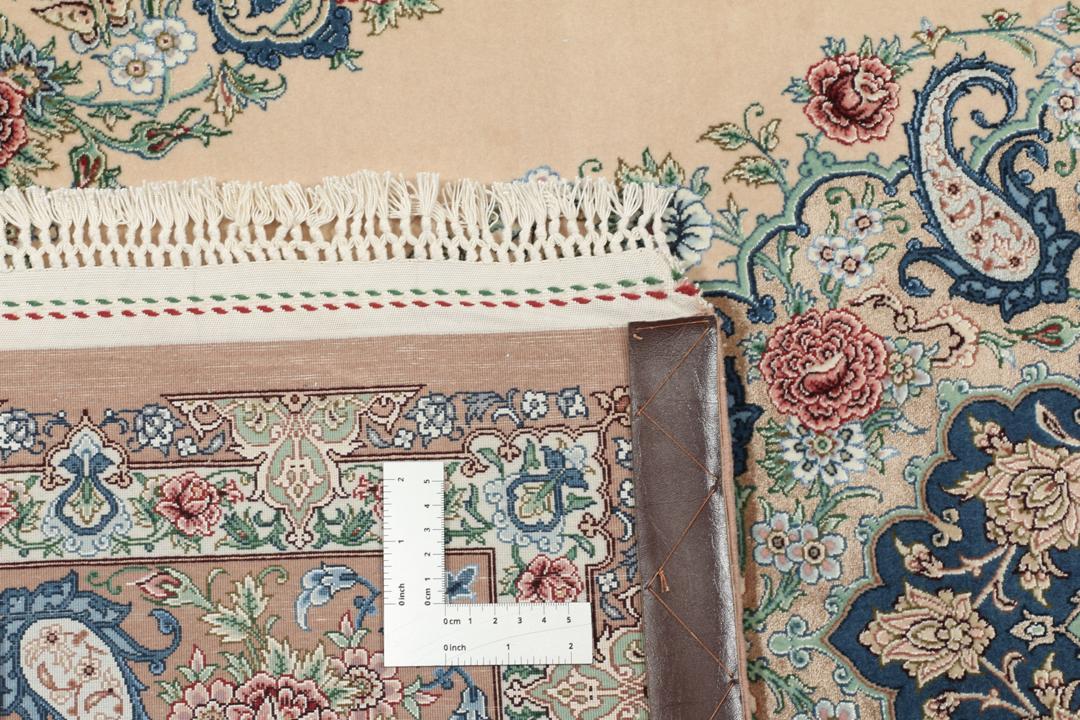
The term Isfahan refers to a specific tradition of weaving that prioritises high knot density and the use of fine materials. In many of the most prestigious examples, the foundation is made of silk, which allows for a finer weave and a more delicate appearance while maintaining impressive strength. This technical approach creates a pile that is incredibly dense, resulting in a surface that is both resilient and capable of showcasing the most minute details of a complex floral design.
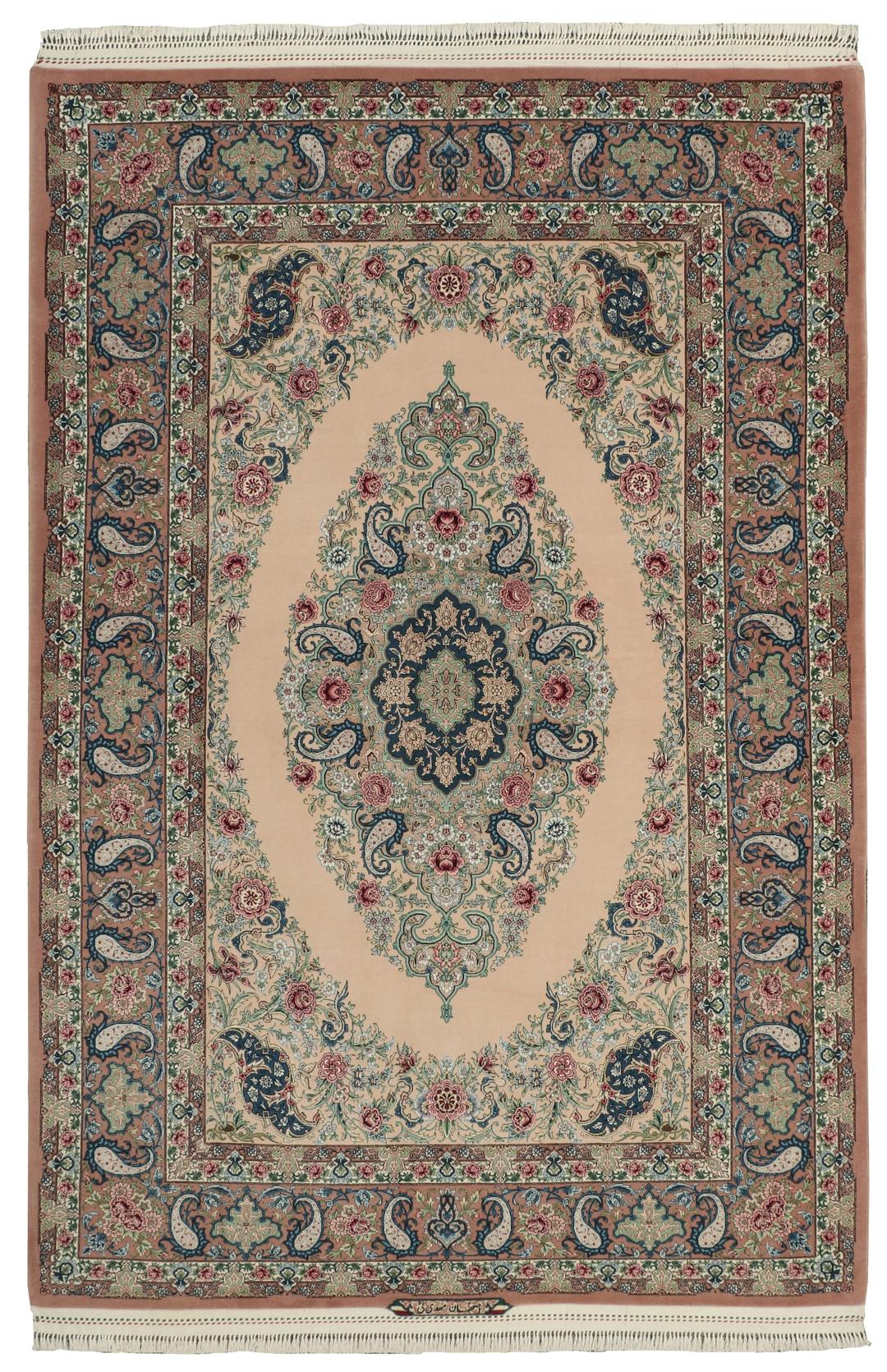
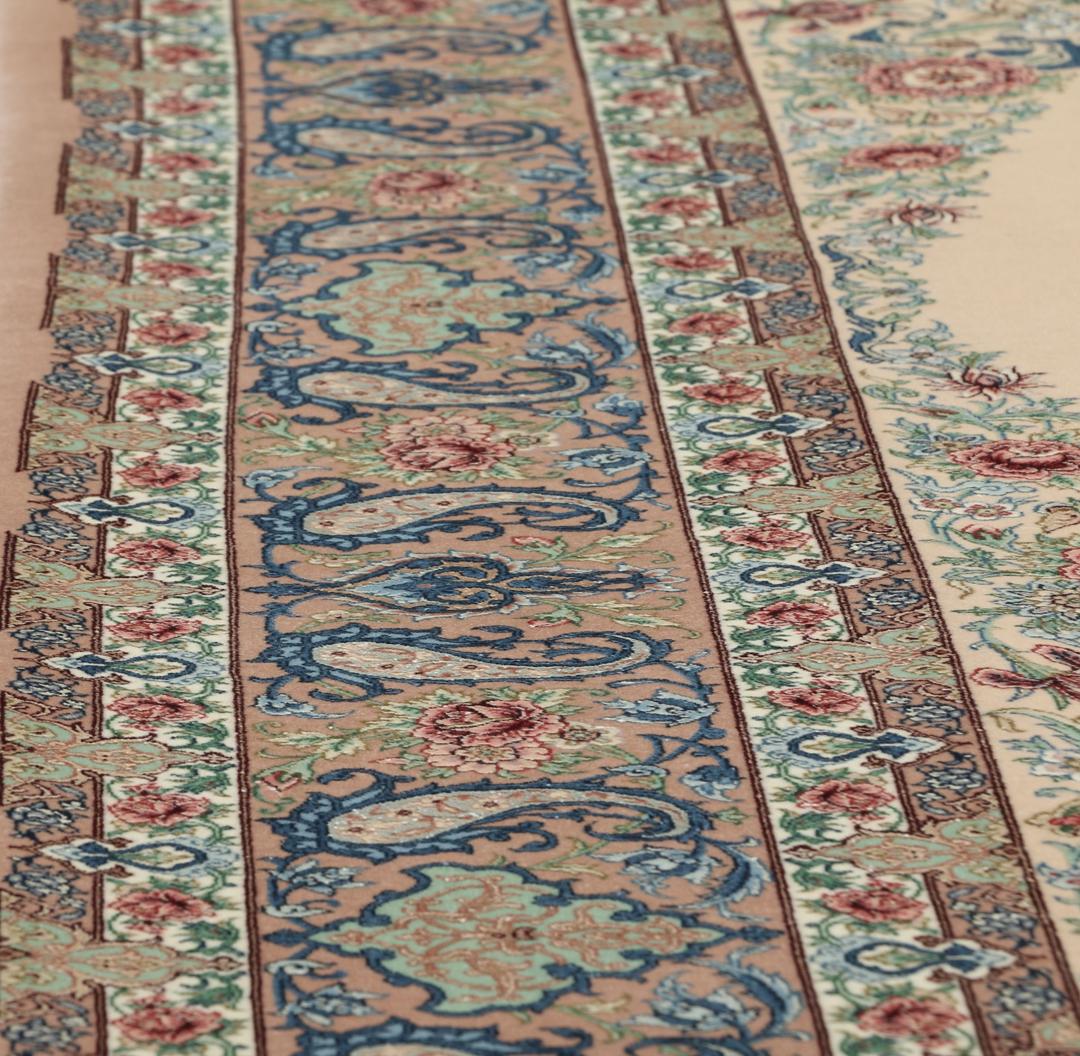
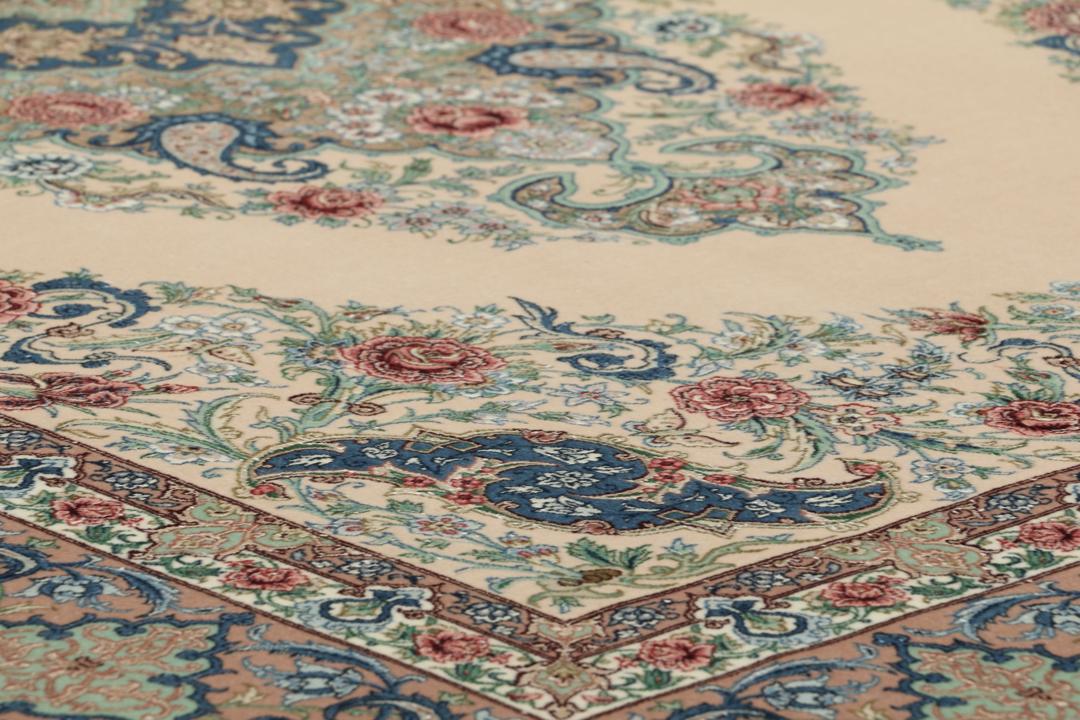
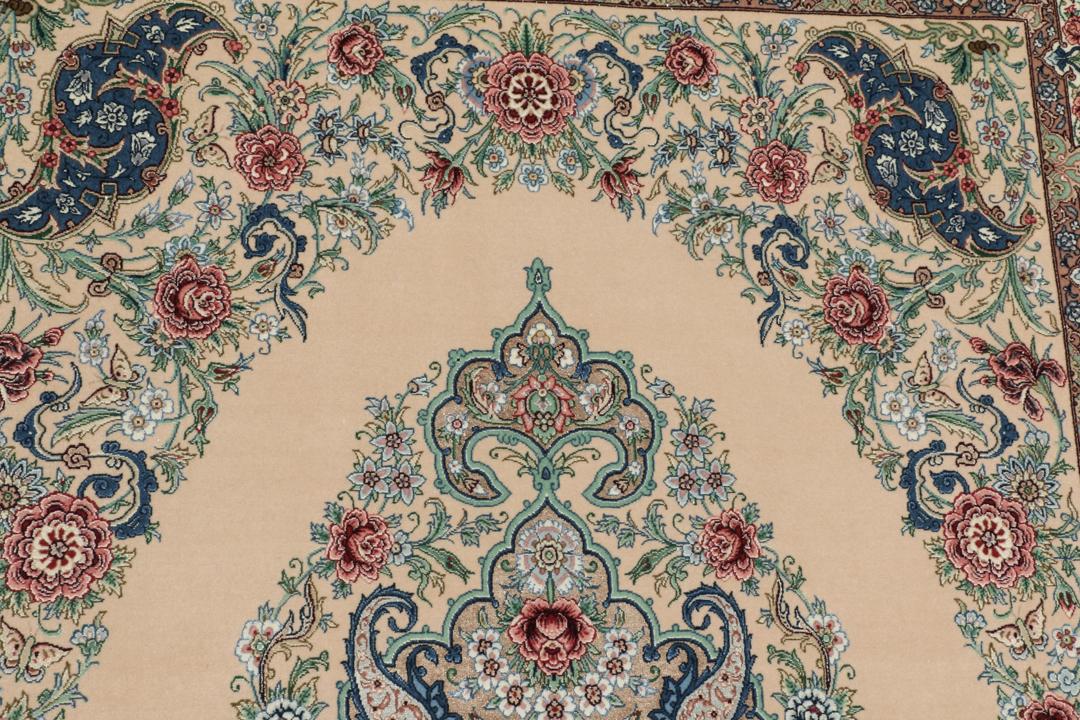
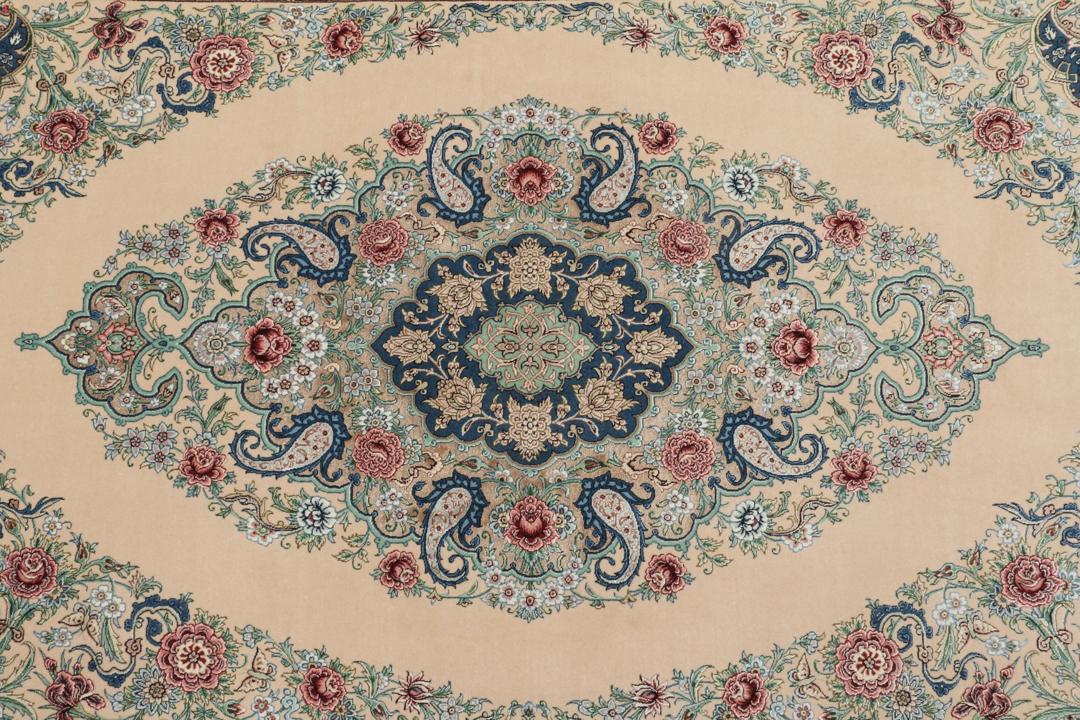
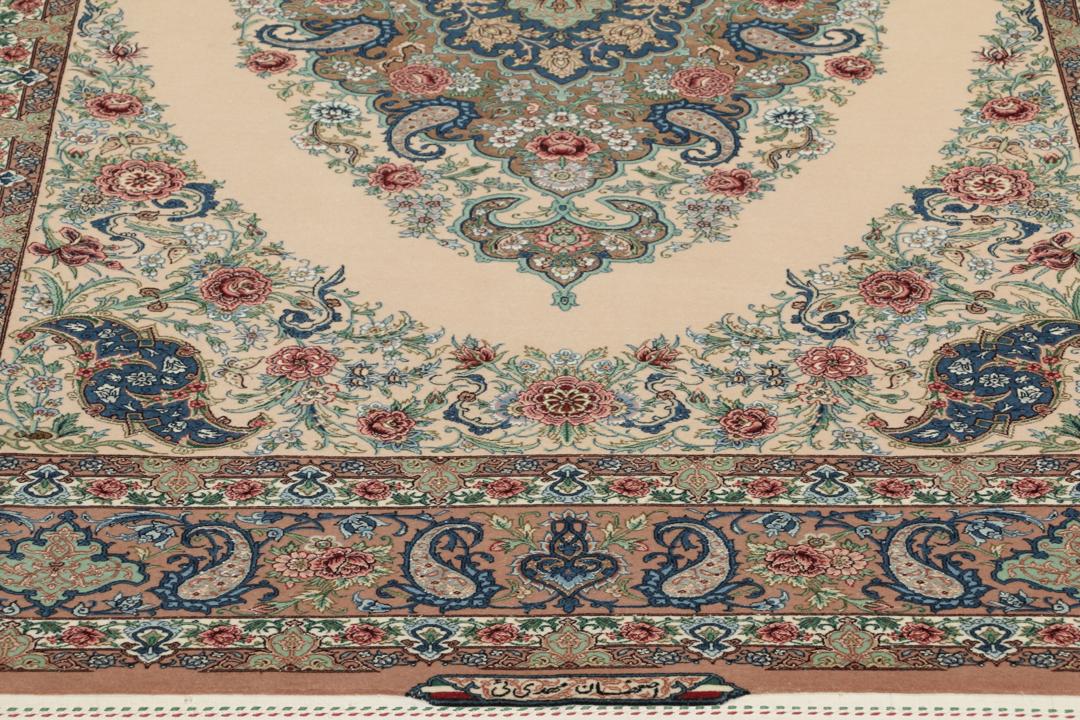
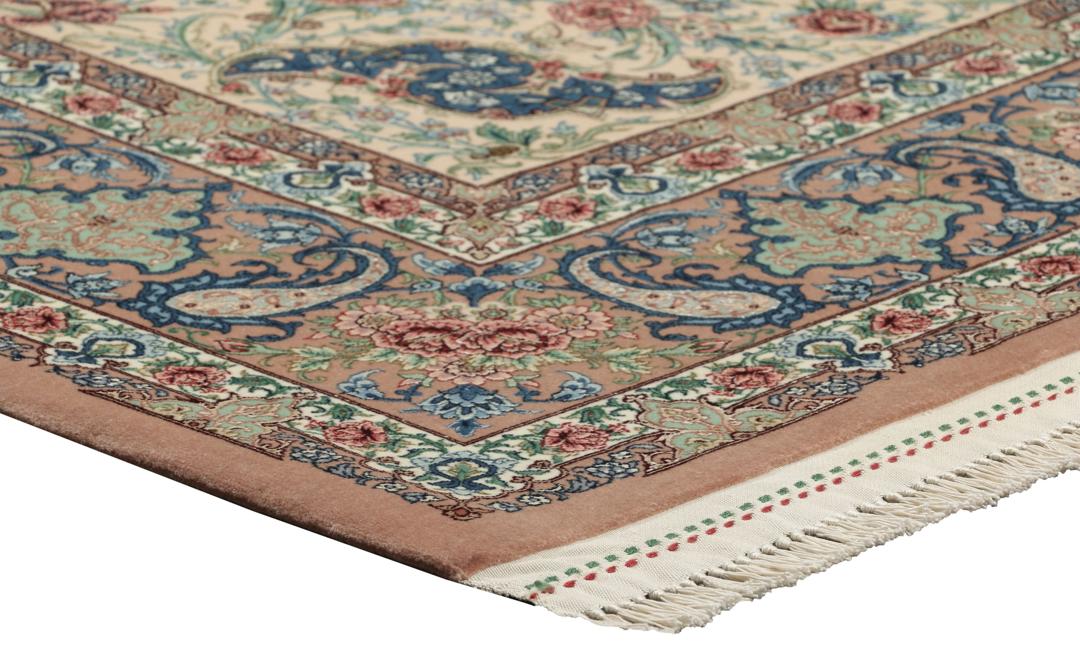
The design language of an Isfahan rug is typically characterised by a formal, balanced composition. A central medallion usually acts as the focal point, surrounded by a field of flowing floral sprays, vines, and palmettes. The borders are often equally sophisticated, featuring repeating patterns that frame the composition. While traditional colour palettes often include soft, natural tones, the inclusion of rich blue and red accents adds a layer of depth and visual interest that is highly characteristic of the region's artistic flair.
Collecting an Isfahan rug is an investment in a rich cultural narrative that spans centuries. These rugs are valued not only for their beauty but for the immense level of skill required to create them, representing a bridge between the artistic heights of the past and the modern home. Owning one is a testament to an appreciation for tradition, precision, and the enduring power of human craftsmanship, making it a centrepiece that holds both aesthetic and cultural weight.