The Hosseinabad rug tradition originates from a region within the Middle East known for its long-standing commitment to village-level weaving. These rugs are born from a cultural landscape where the act of weaving is deeply woven into the fabric of daily life, passed down through generations of families who have refined their unique visual language over centuries.
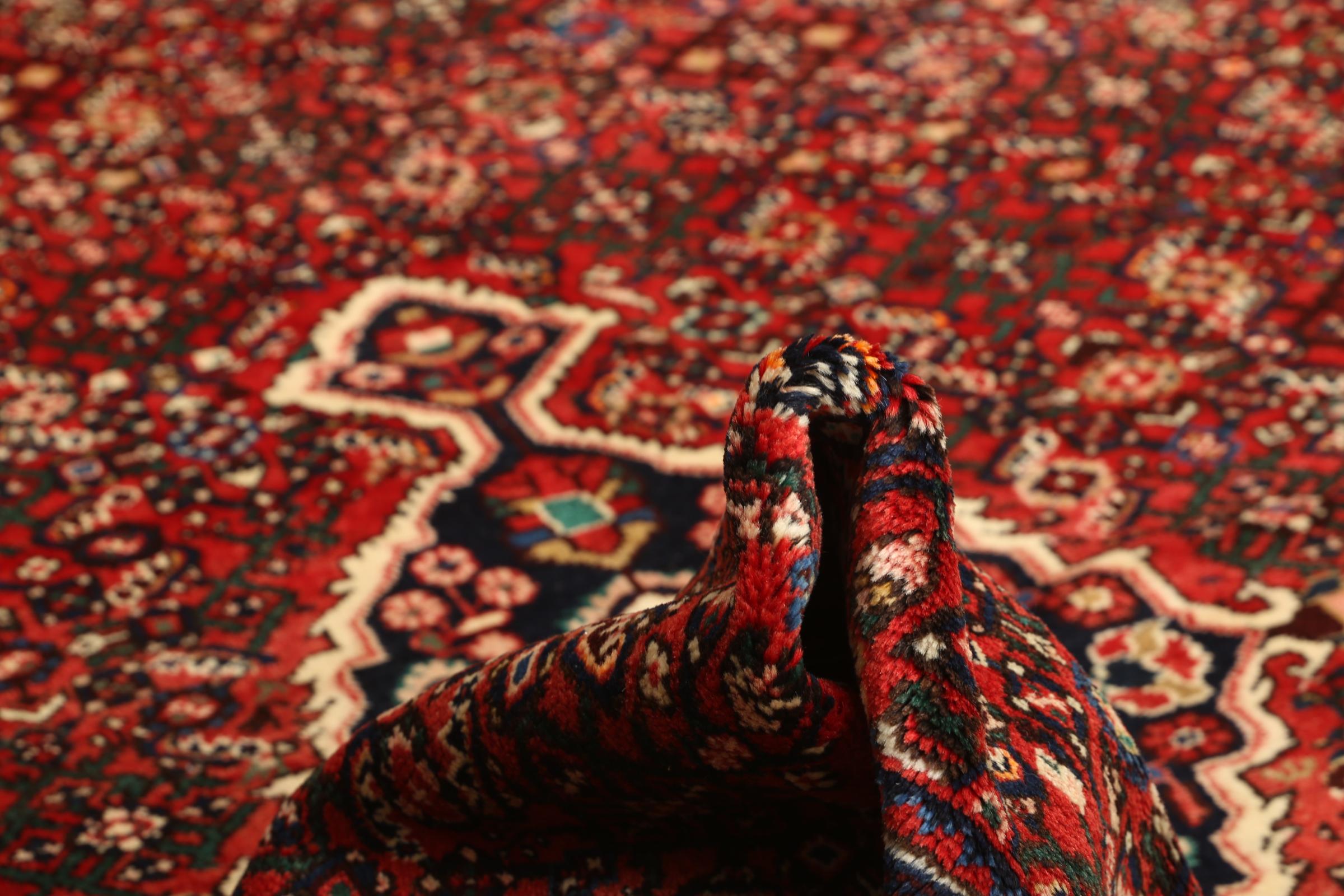
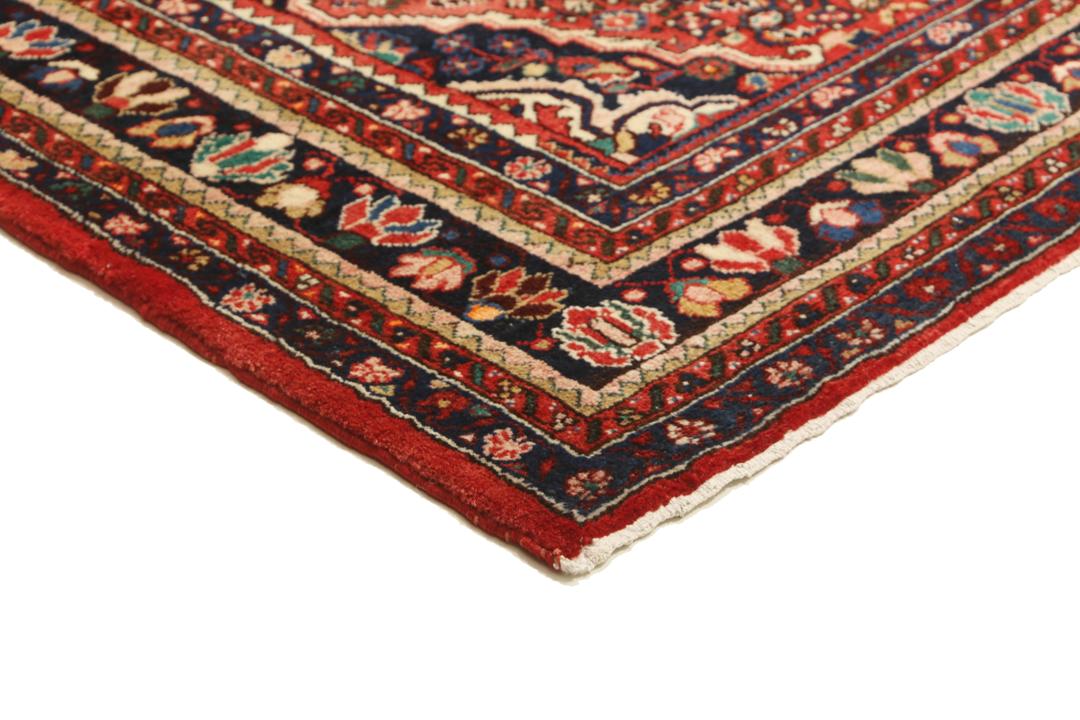
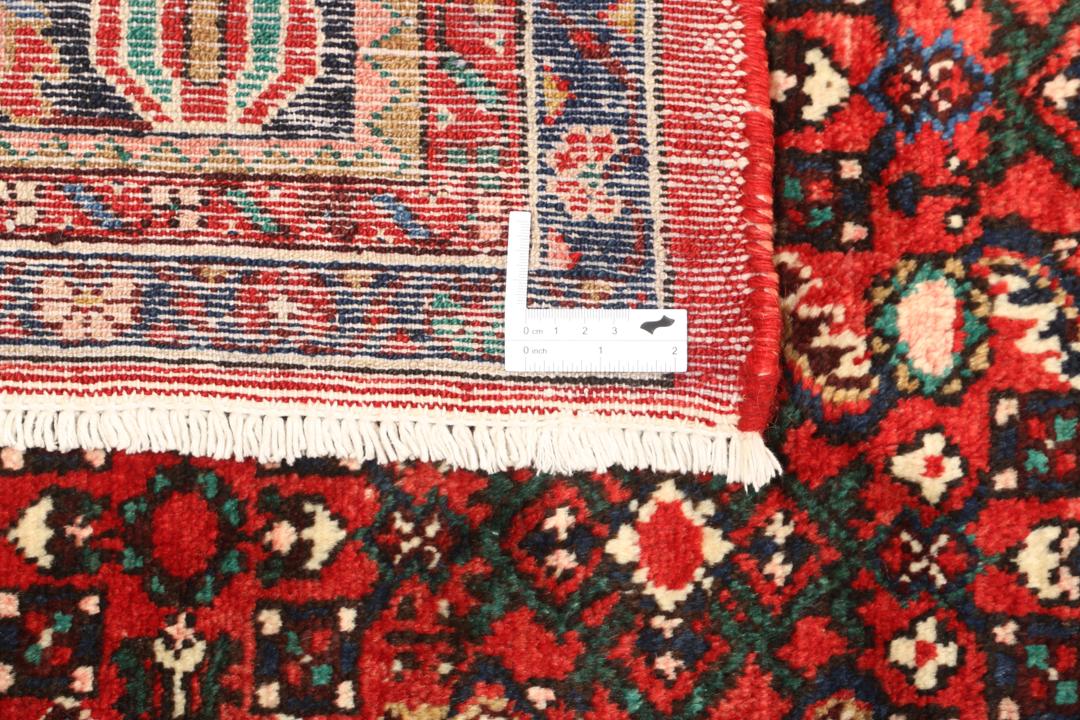
Technical excellence in these rugs is often defined by the balance between the pile and the foundation. The use of wool for the surface provides a resilient, lustrous finish that ages gracefully, while the hidden foundation of cotton provides the necessary tension to keep the rug flat and square. This combination is a classic mark of quality, ensuring the rug maintains its shape even after years of foot traffic.
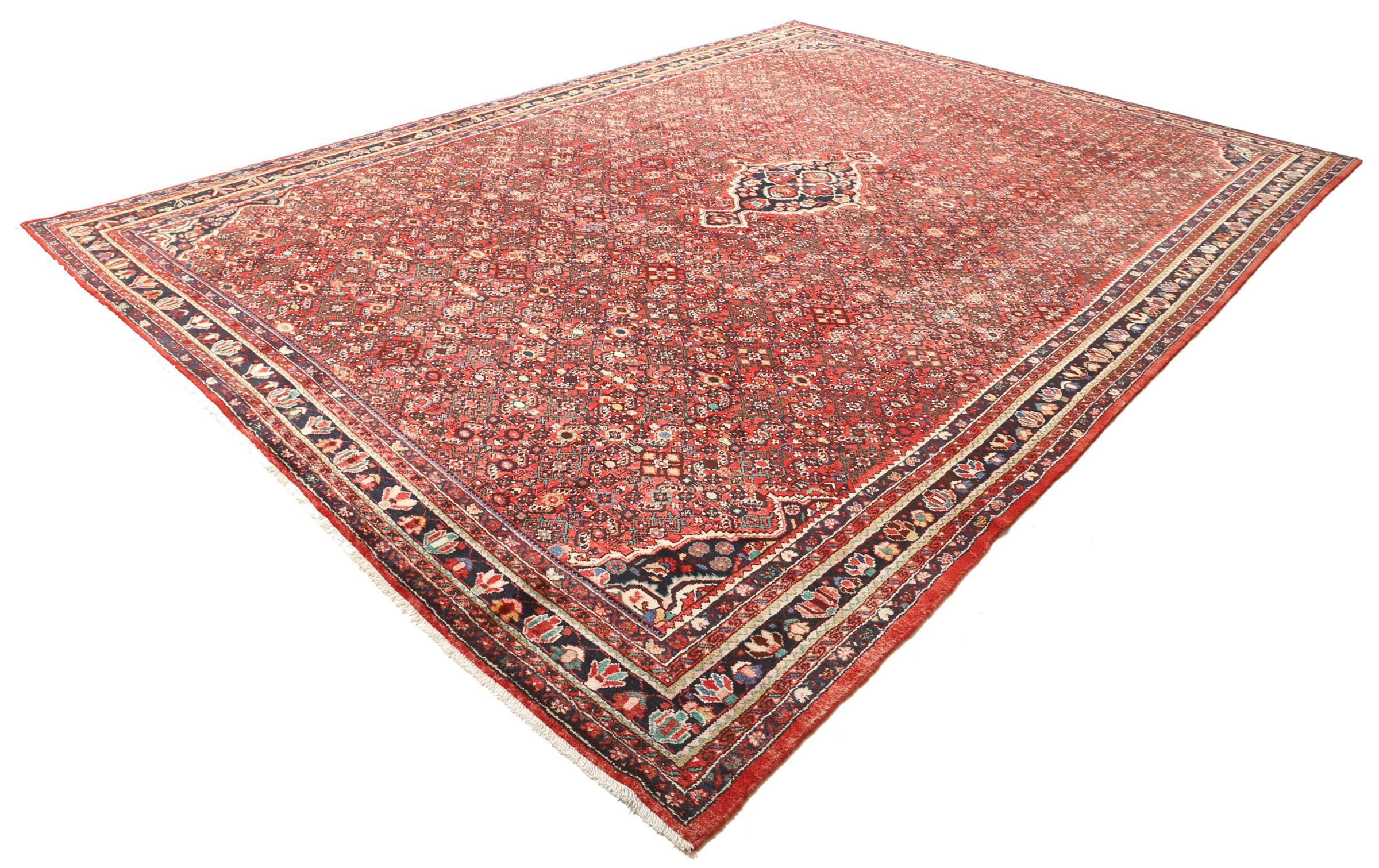
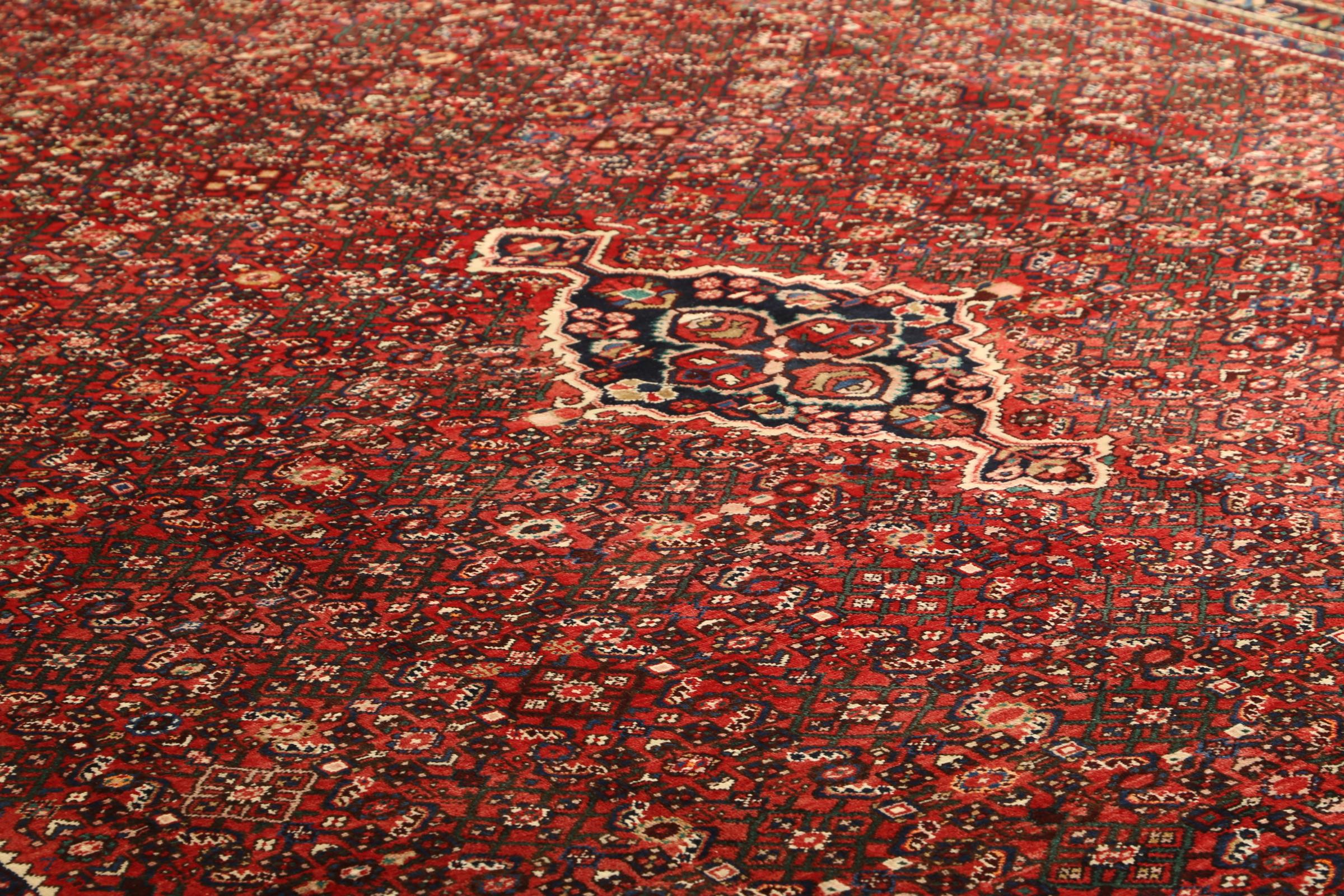
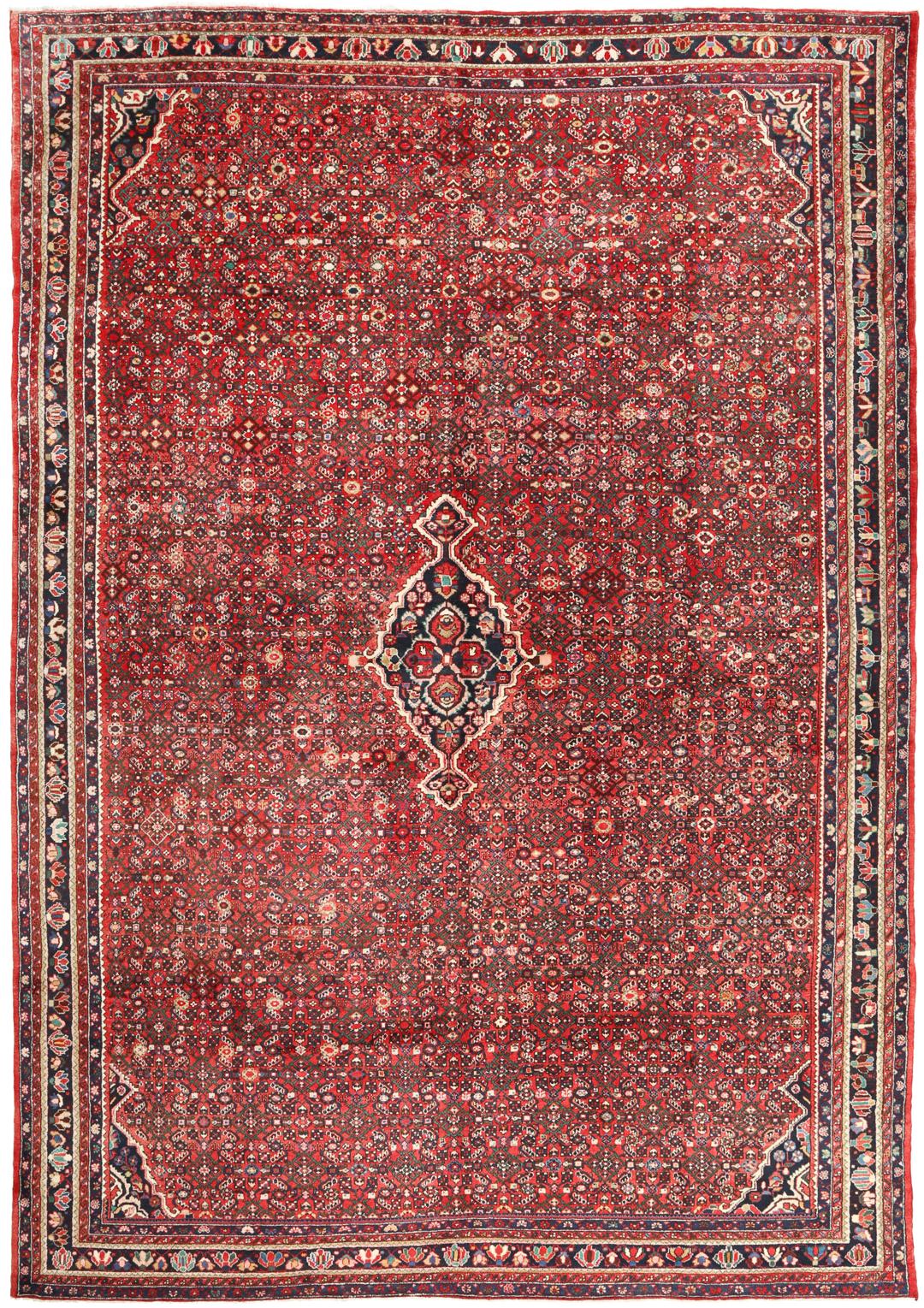
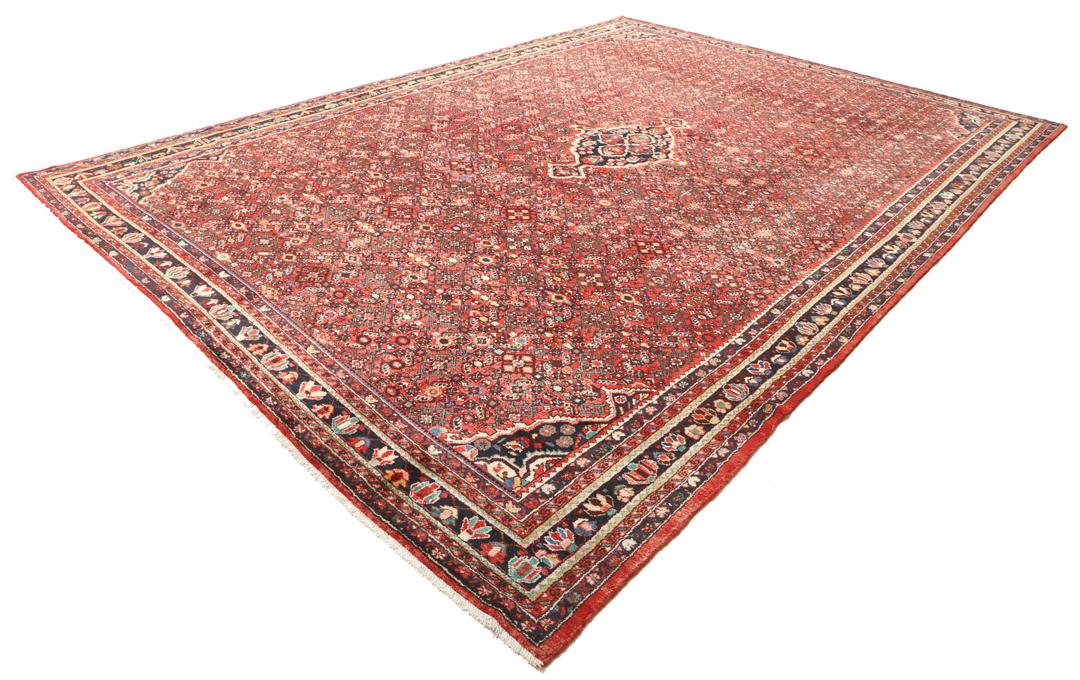
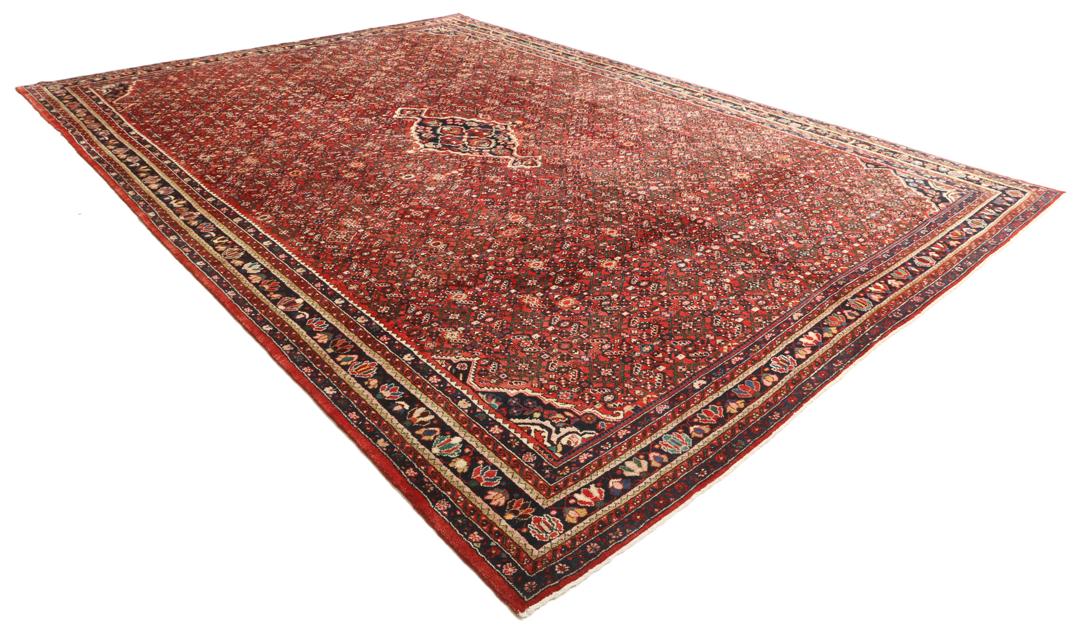
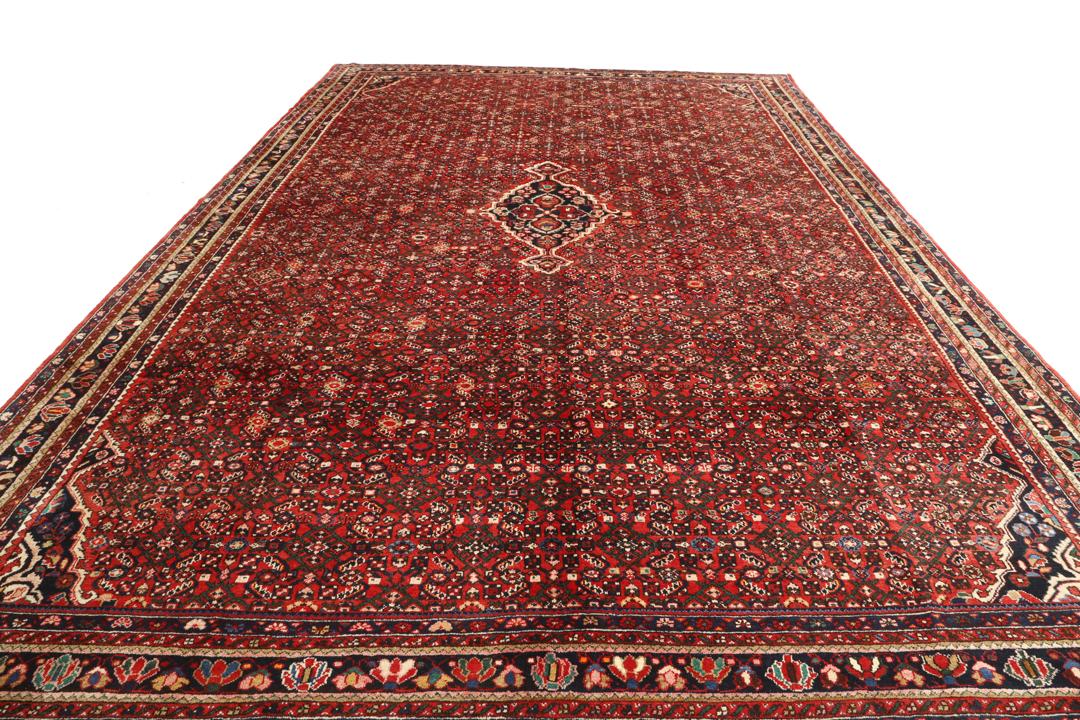
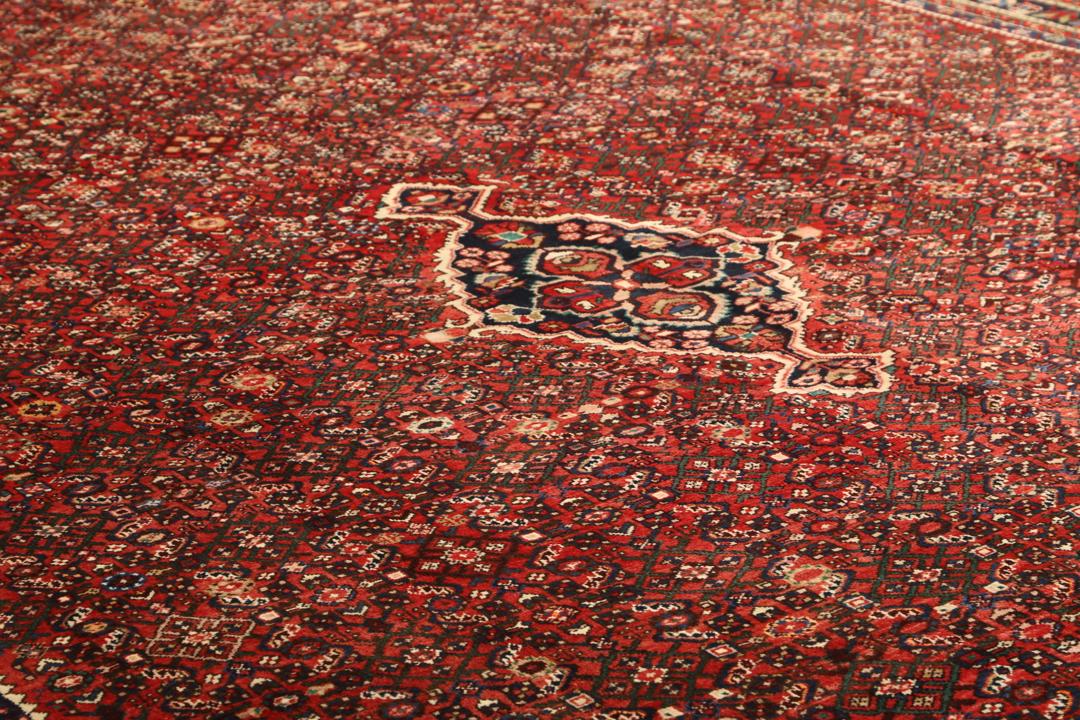
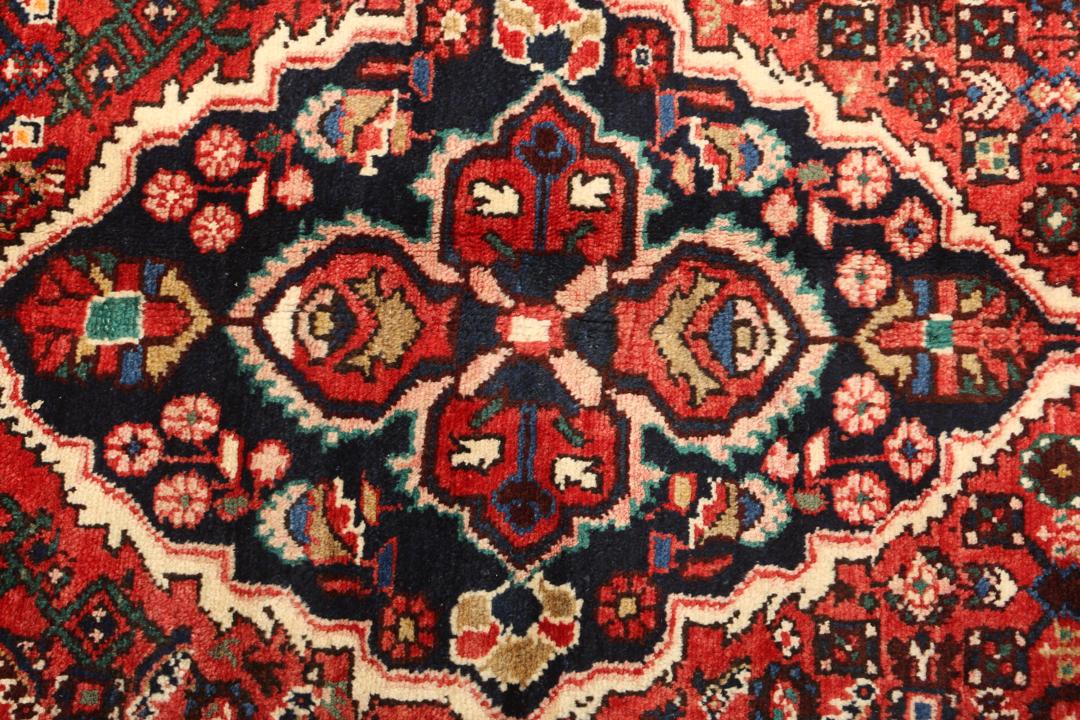
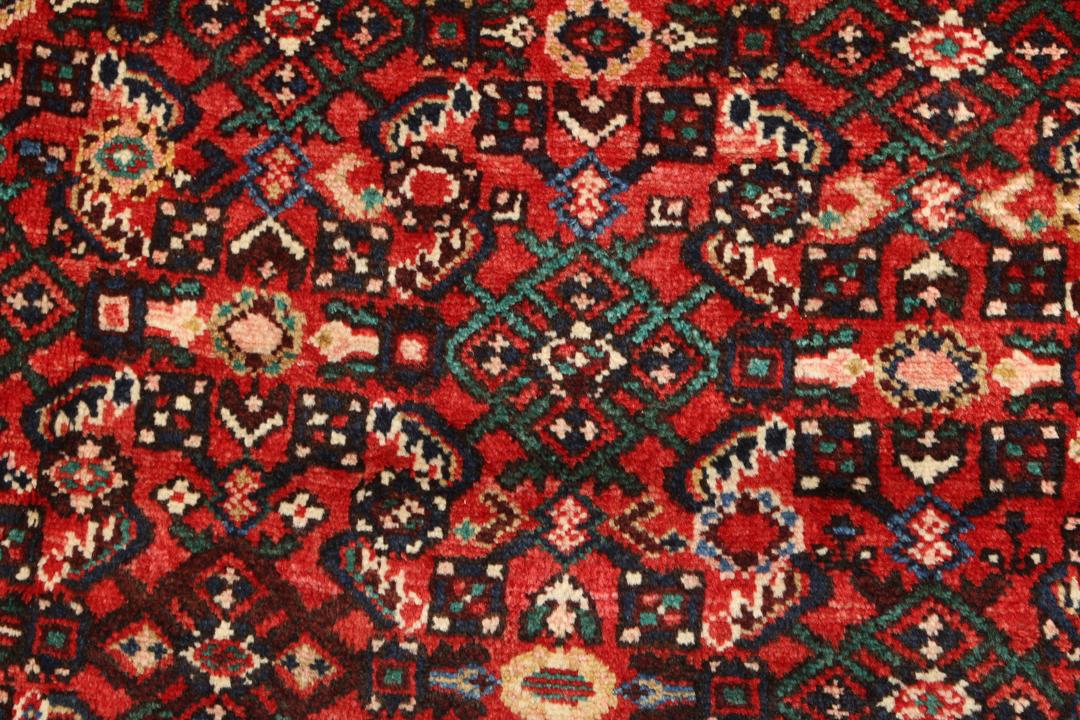
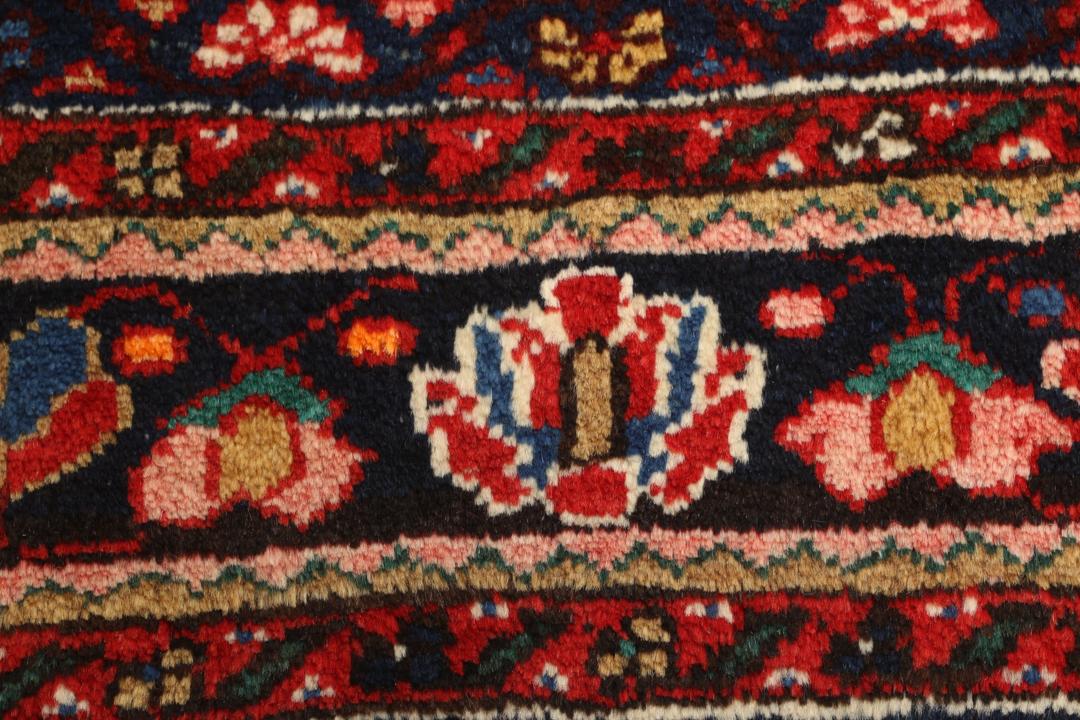
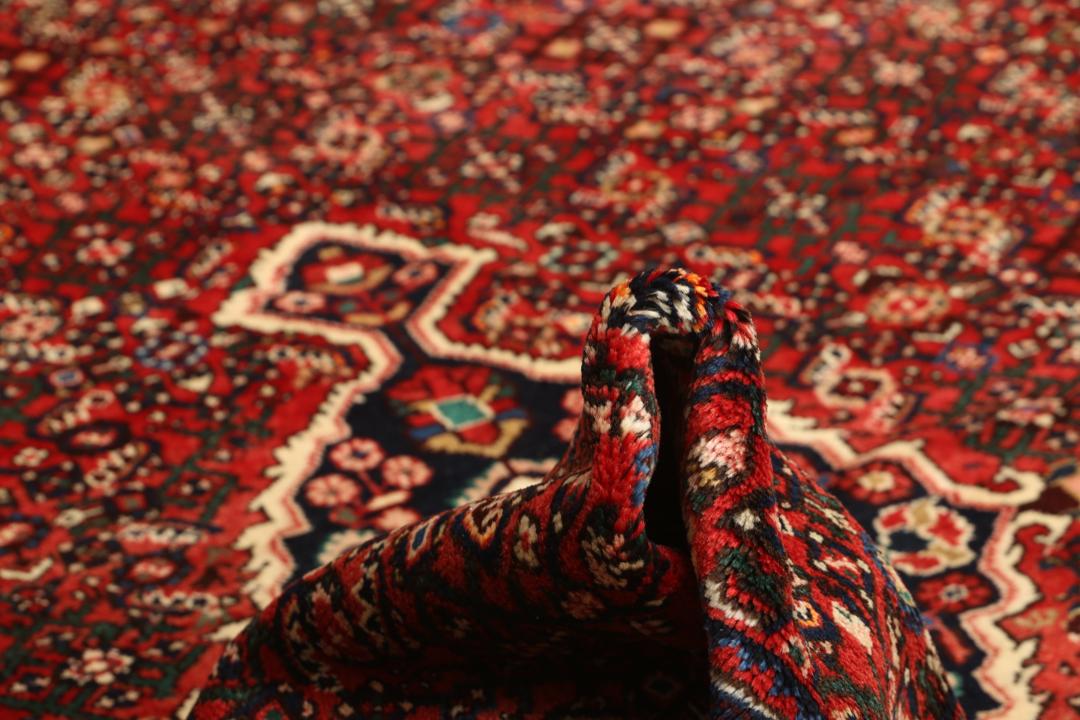
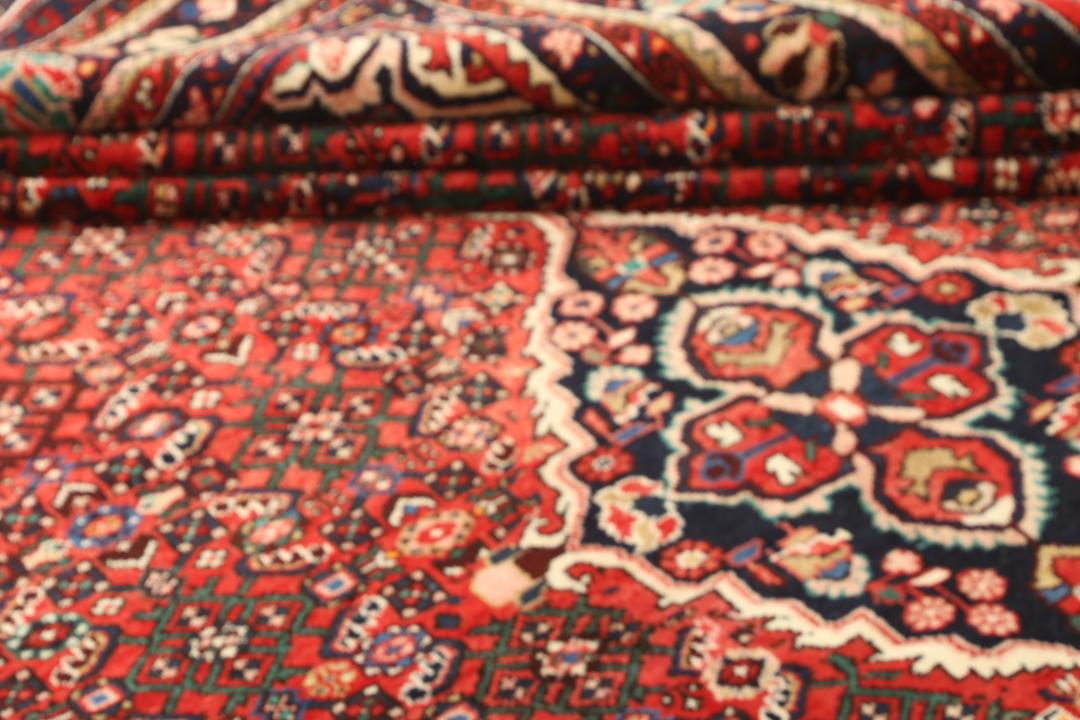
Visually, Hosseinabad rugs are celebrated for their sophisticated use of space. They often feature complex, repeating geometric motifs that cover the field, typically anchored by a central medallion that commands attention. The borders are usually carefully composed to frame the central design, utilising a palette that leans into deep, earthy reds and contrasting blues that are characteristic of the region’s natural dyeing heritage.
Collecting a Hosseinabad rug is an act of preserving a dying art form. These pieces are valued not just for their utility, but for the history and human effort they represent. Owning one means you are a steward of a specific regional style, keeping the tradition alive by integrating a meaningful, hand-crafted piece into the modern home.