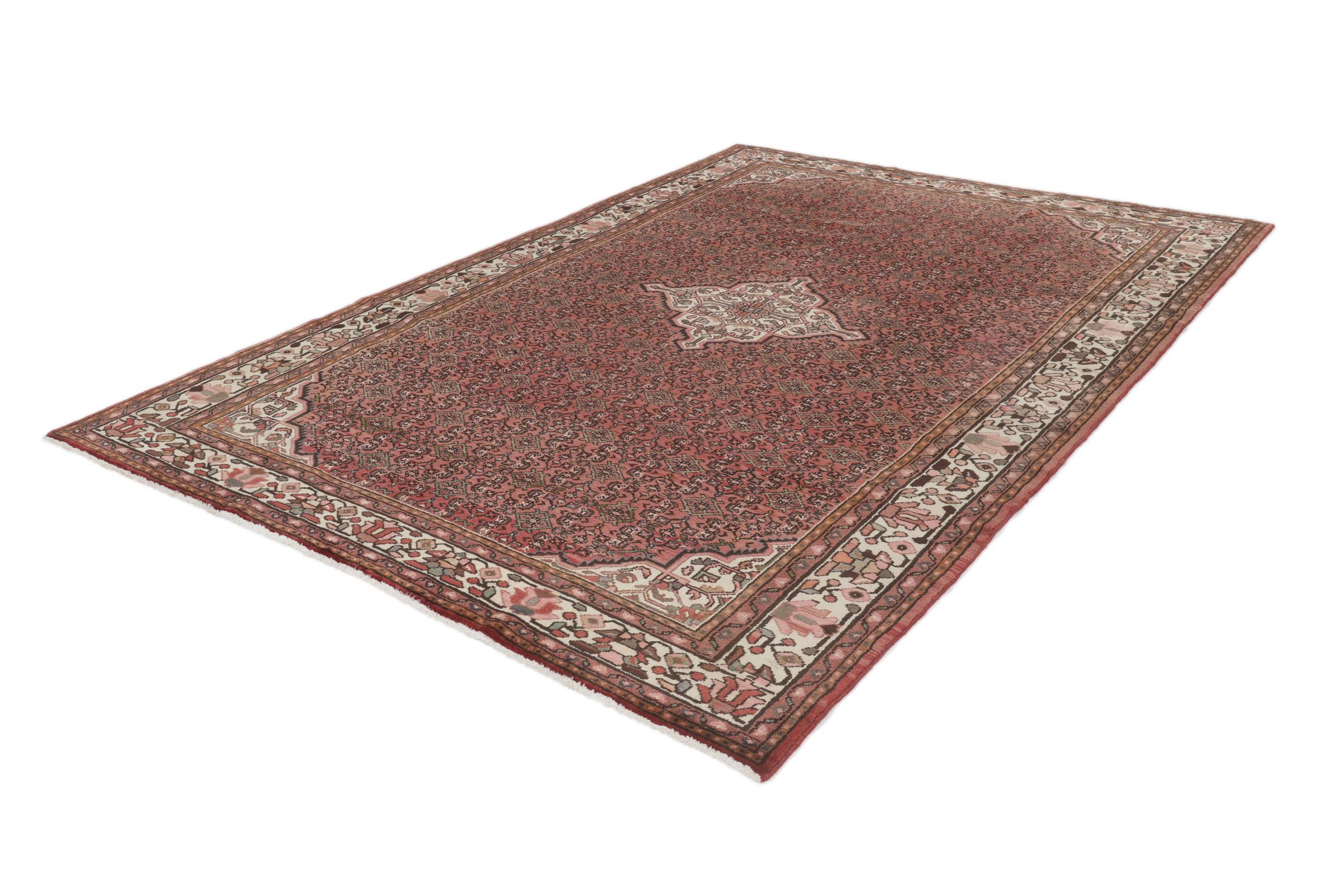
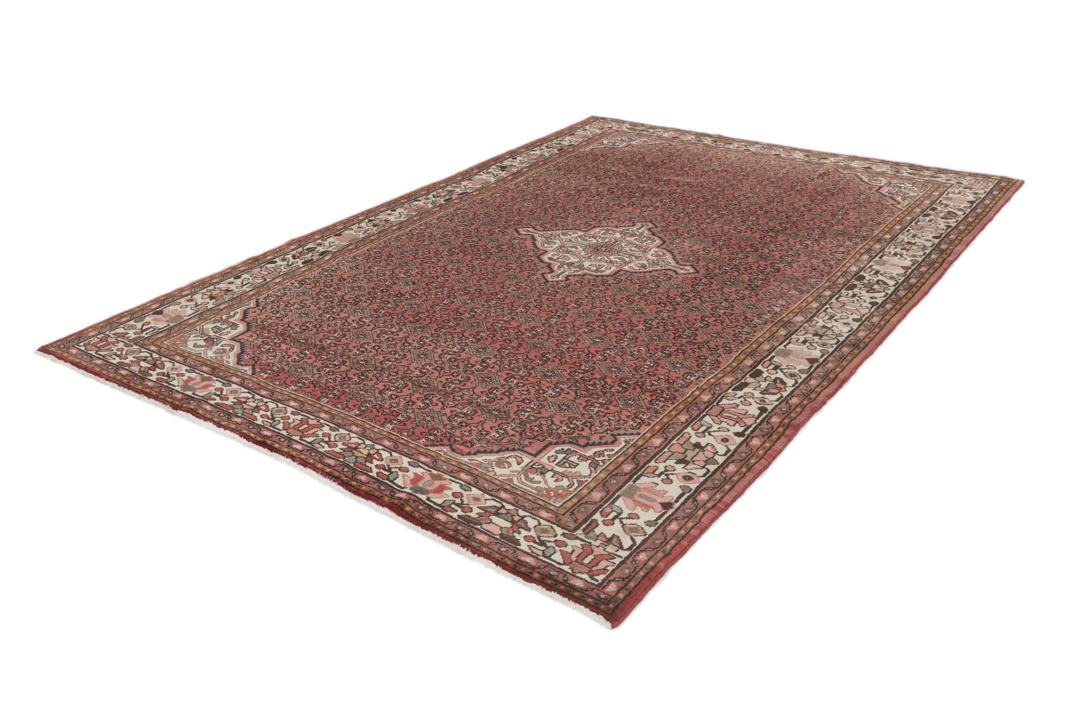
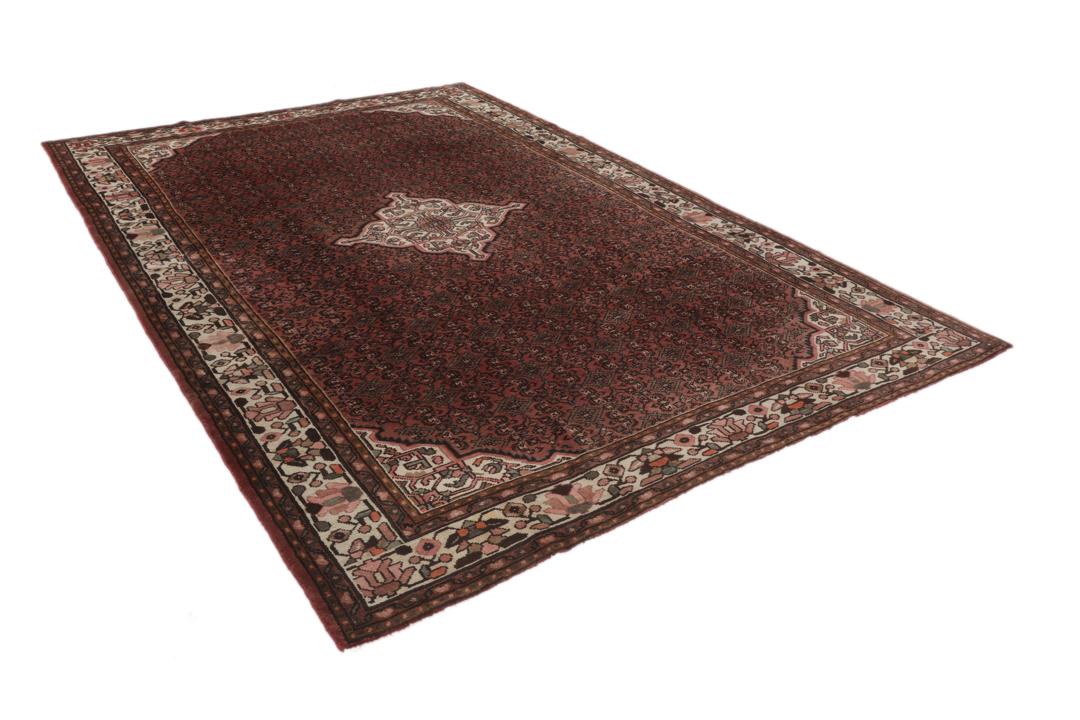
Hosseinabad rugs originate from the Hamadan region in the Middle East, an area long celebrated for its deep-rooted weaving traditions. These rugs are named after the village where they are produced, reflecting a localised approach to design that has been passed down through generations of families who view rug-making as both a livelihood and a cultural expression.
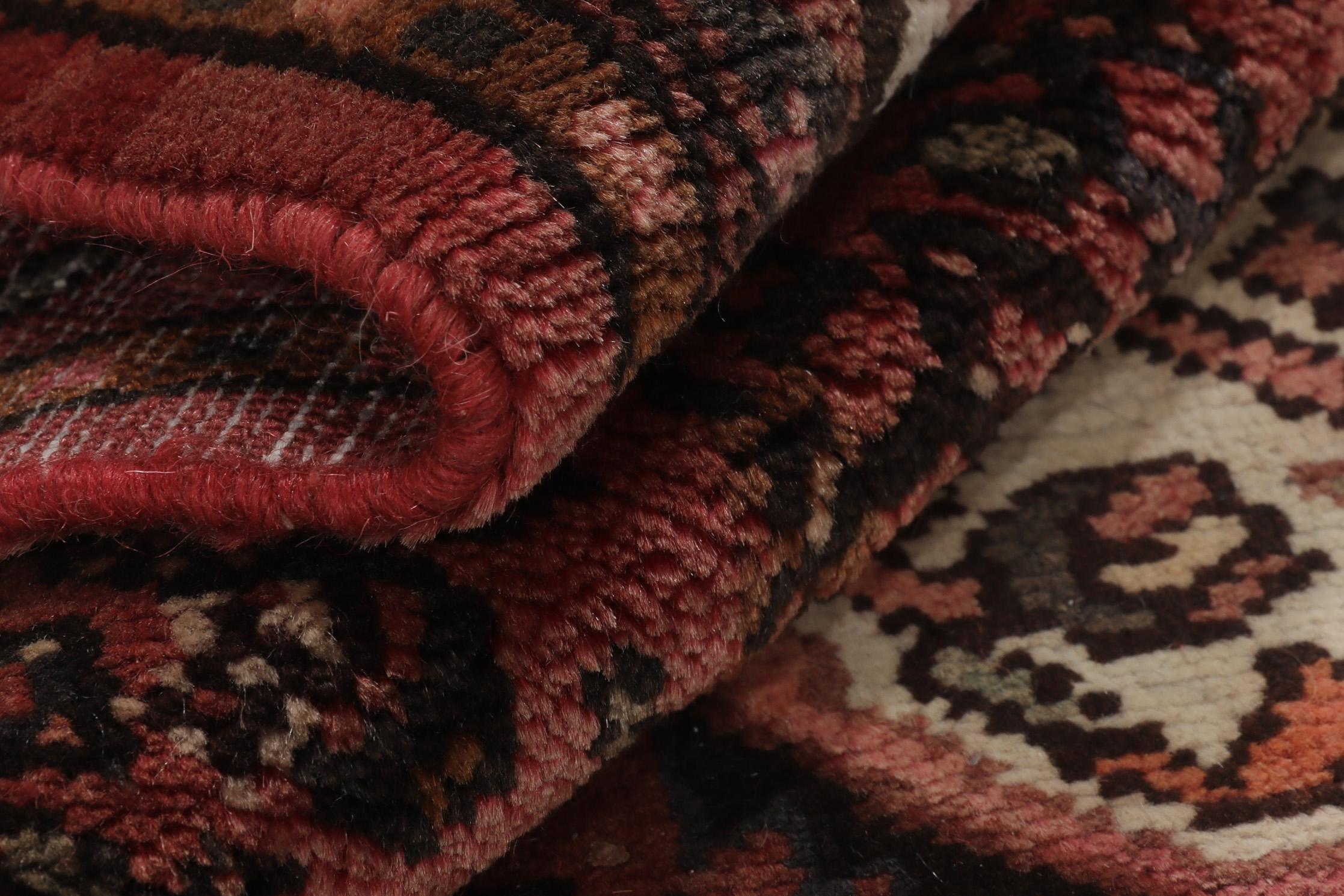
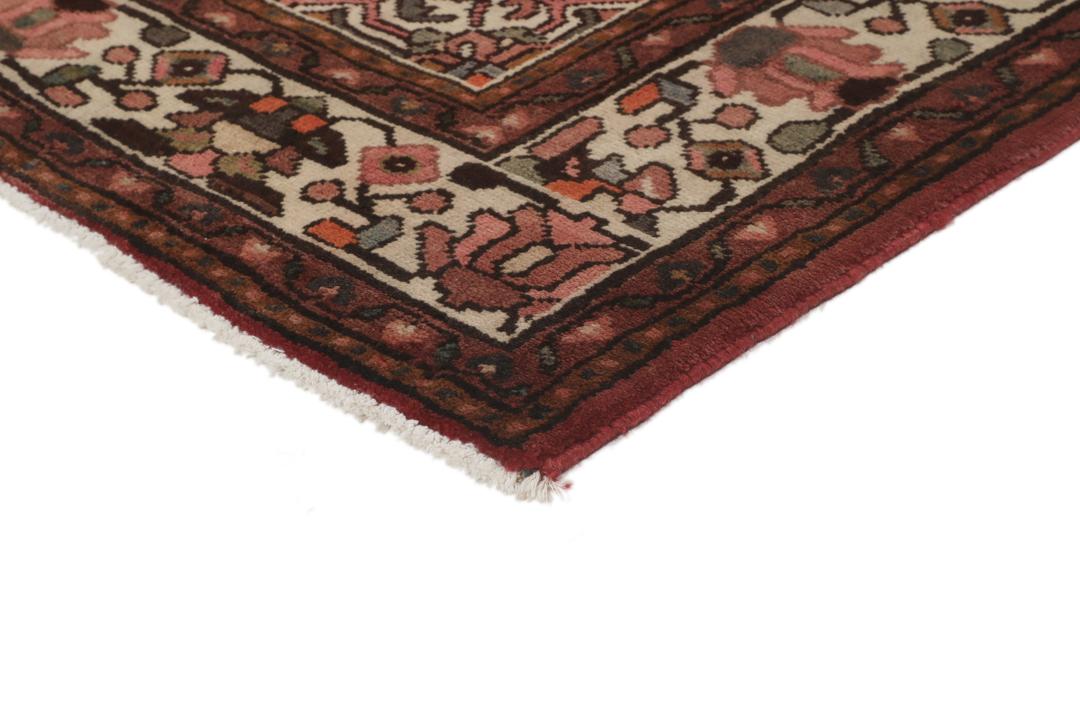
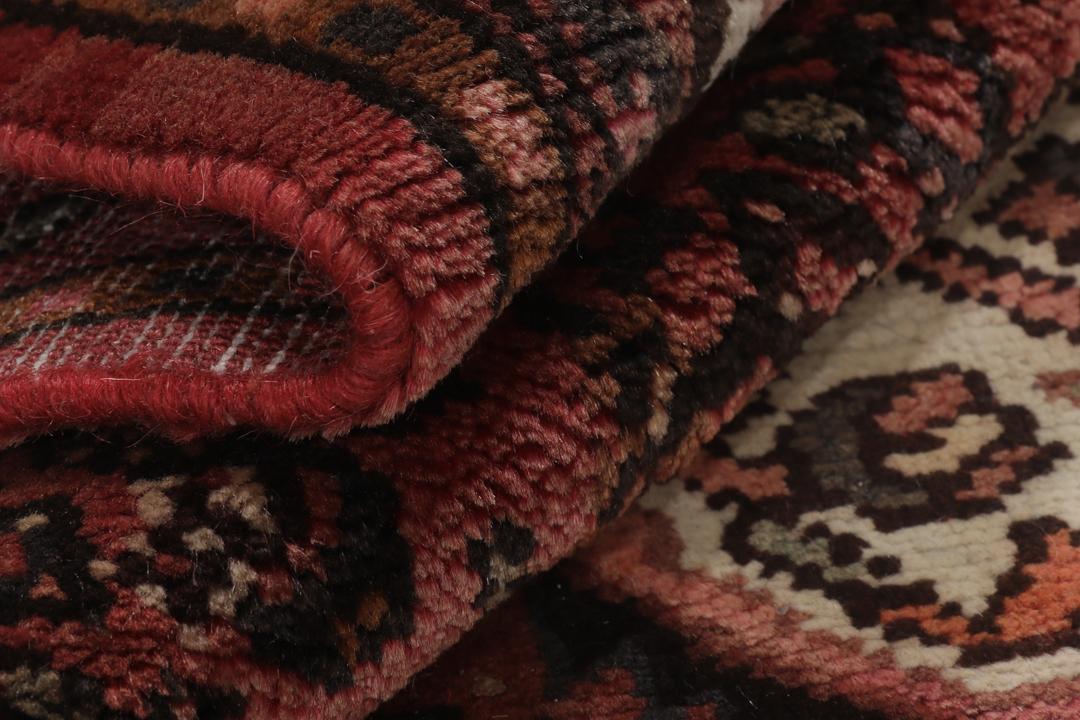
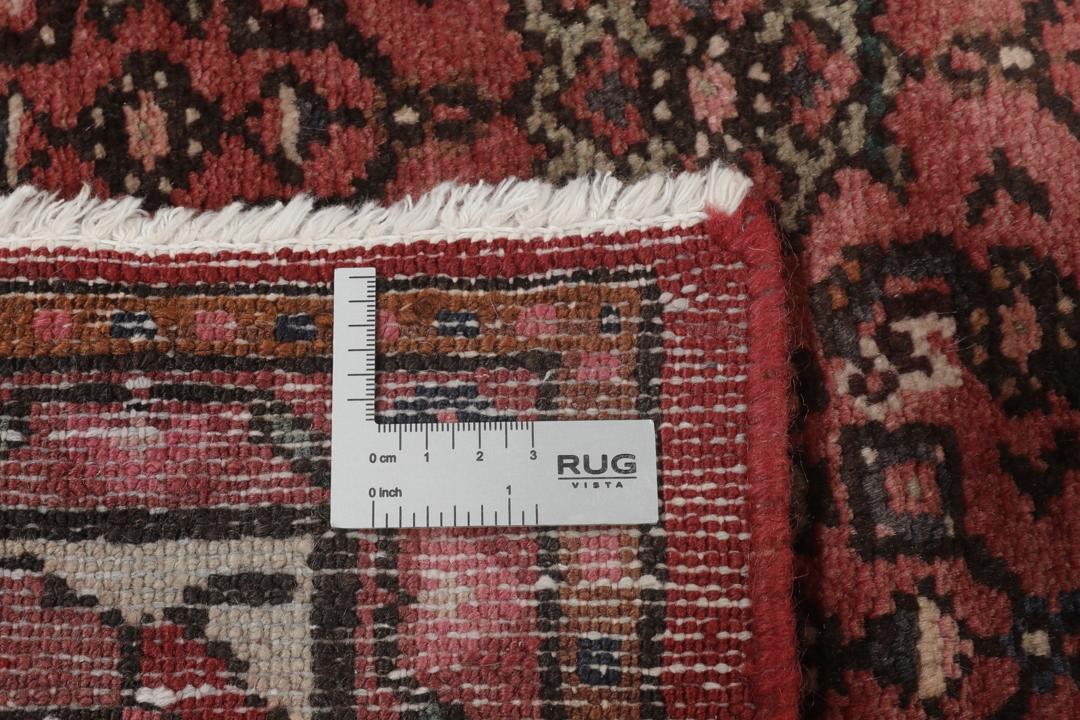
The construction of a Hosseinabad rug often features a single-weft technique, which provides a distinct handle and drape. This method, combined with high-quality, locally sourced Wool, results in a finish that is both robust and flexible. Understanding these technical foundations helps one appreciate why these rugs have remained a staple for those seeking floor coverings that balance utility with aesthetic depth.
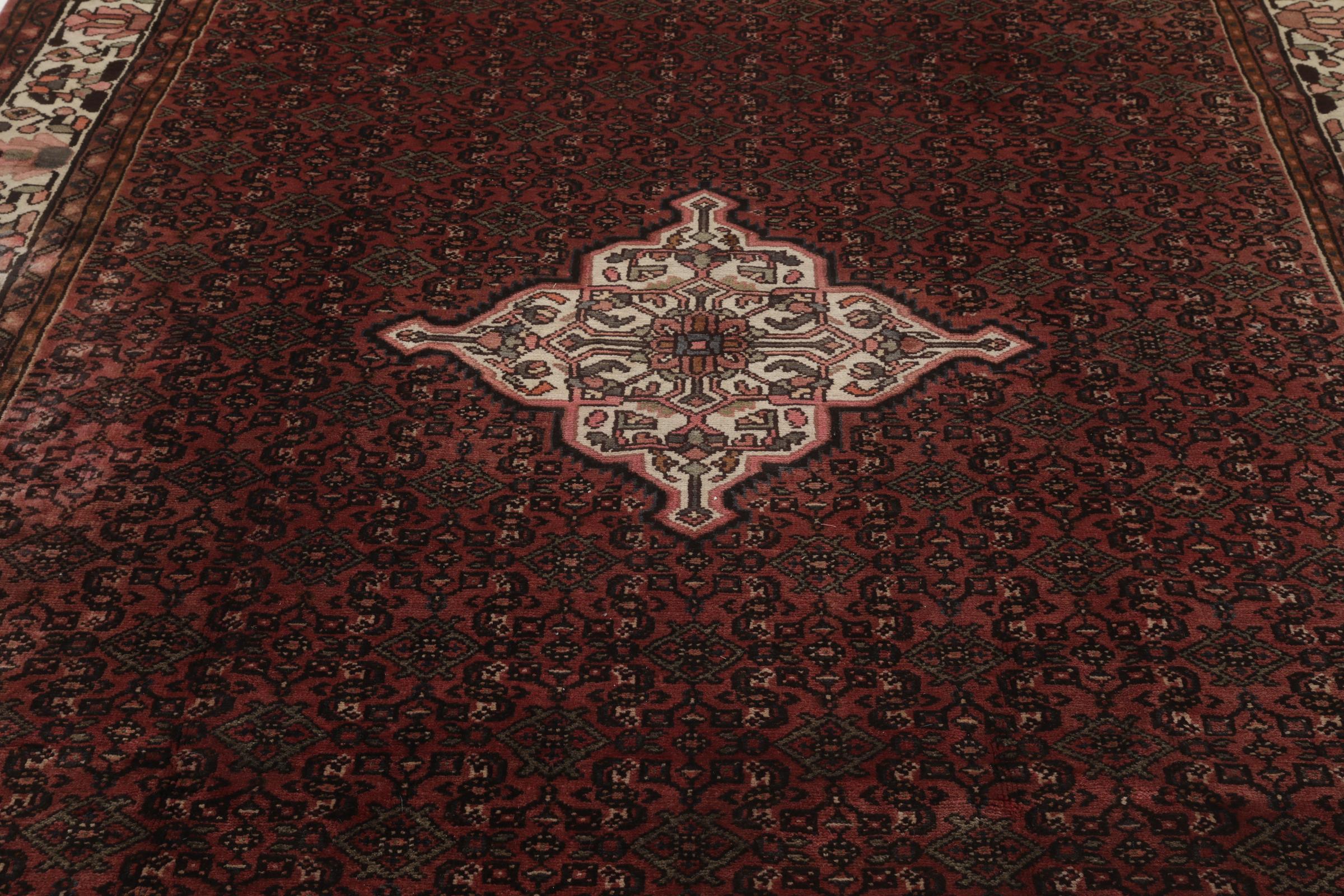
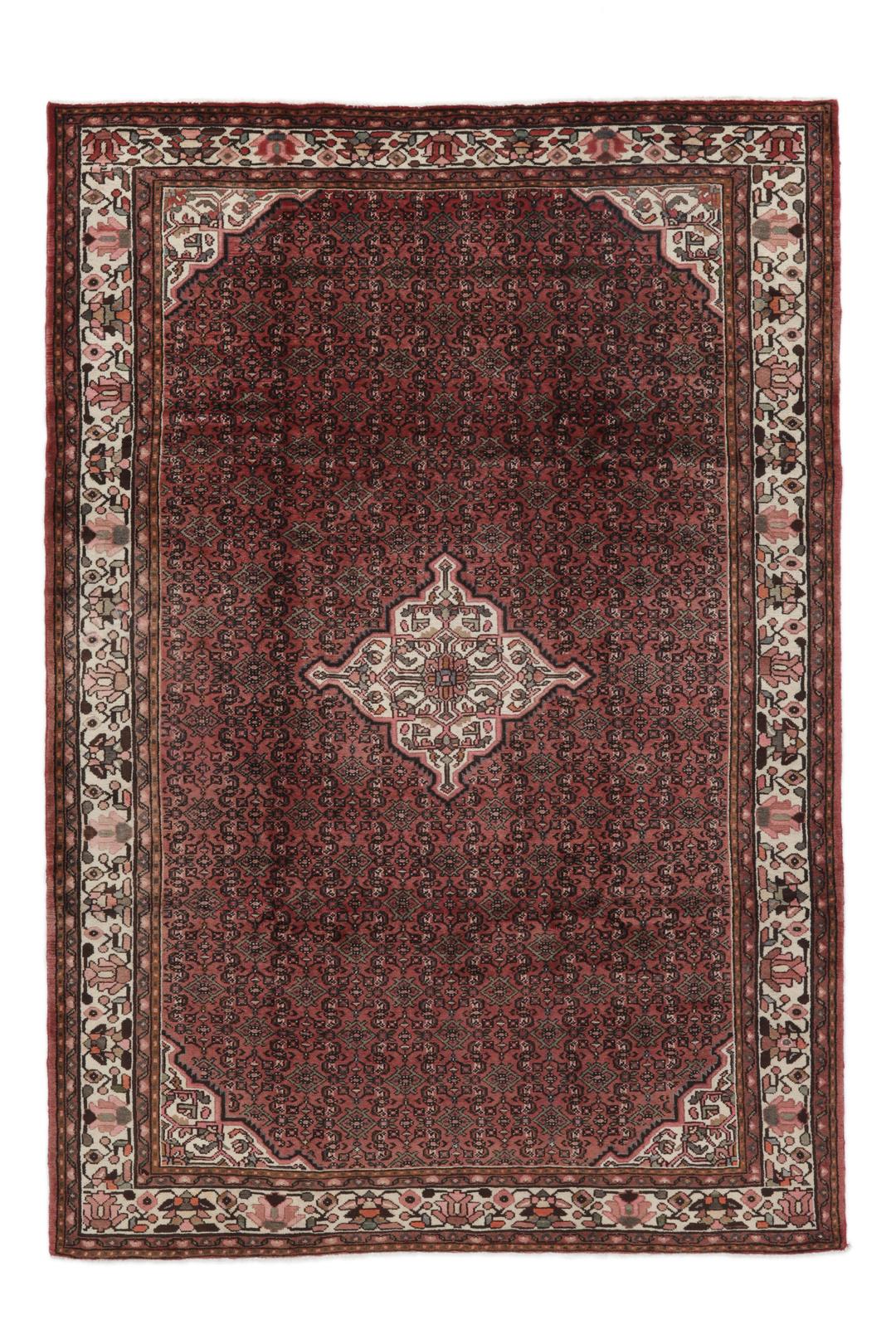
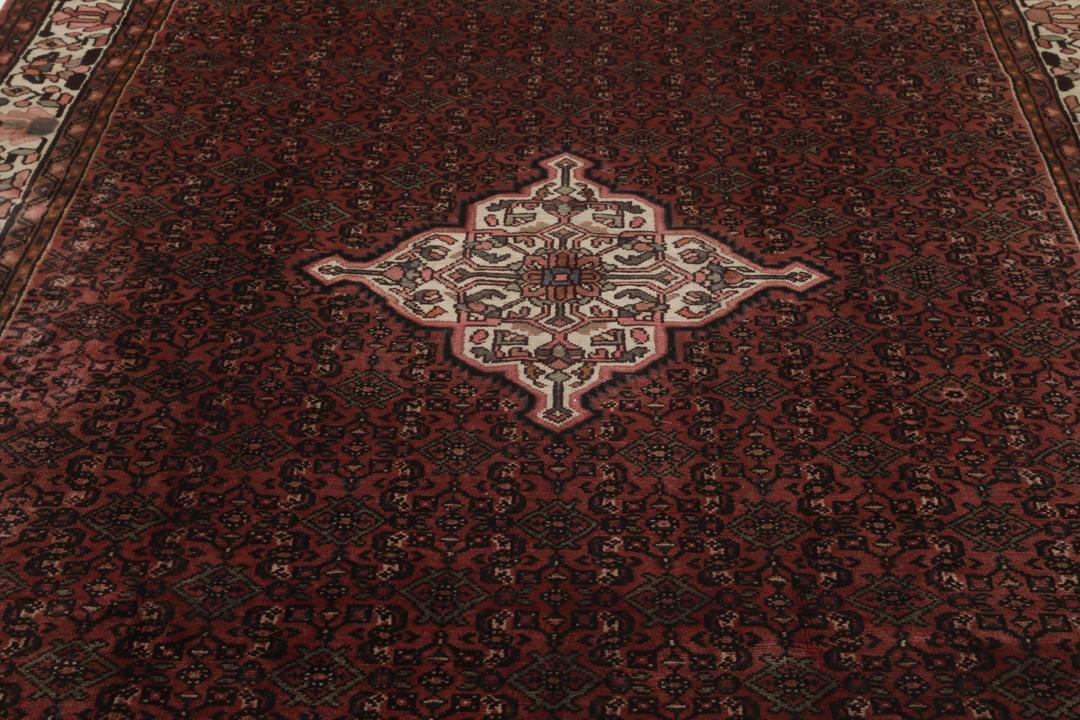
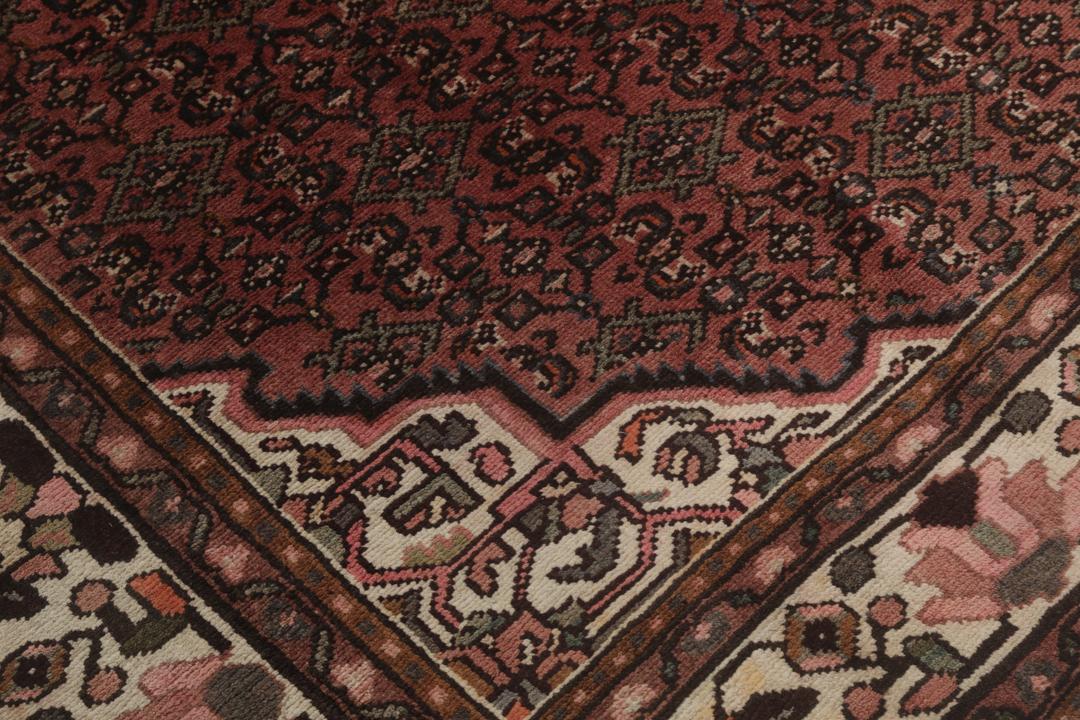
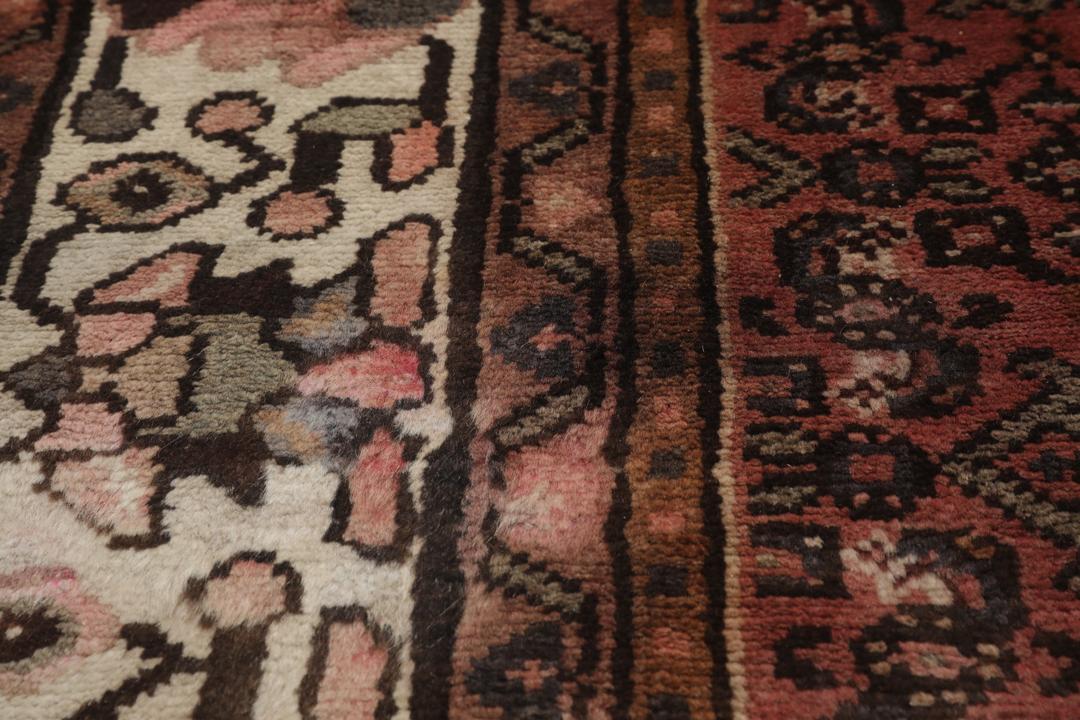
Visually, these rugs are often defined by their geometric interpretations of floral motifs and central medallions. While they draw inspiration from broader regional styles, the Hosseinabad tradition is known for its bold use of colour, particularly the deep, saturated reds that serve as a hallmark of the area. The borders are typically well-defined, framing the intricate field patterns with a sense of order and balance.
These pieces are highly valued by collectors and homeowners alike for their authenticity and the skill required to produce them. Owning a Hosseinabad rug is an investment in a storied craft tradition, representing a commitment to quality that transcends the fleeting trends of modern interiors. It is a tangible connection to the history of the Middle East, brought directly into your home.