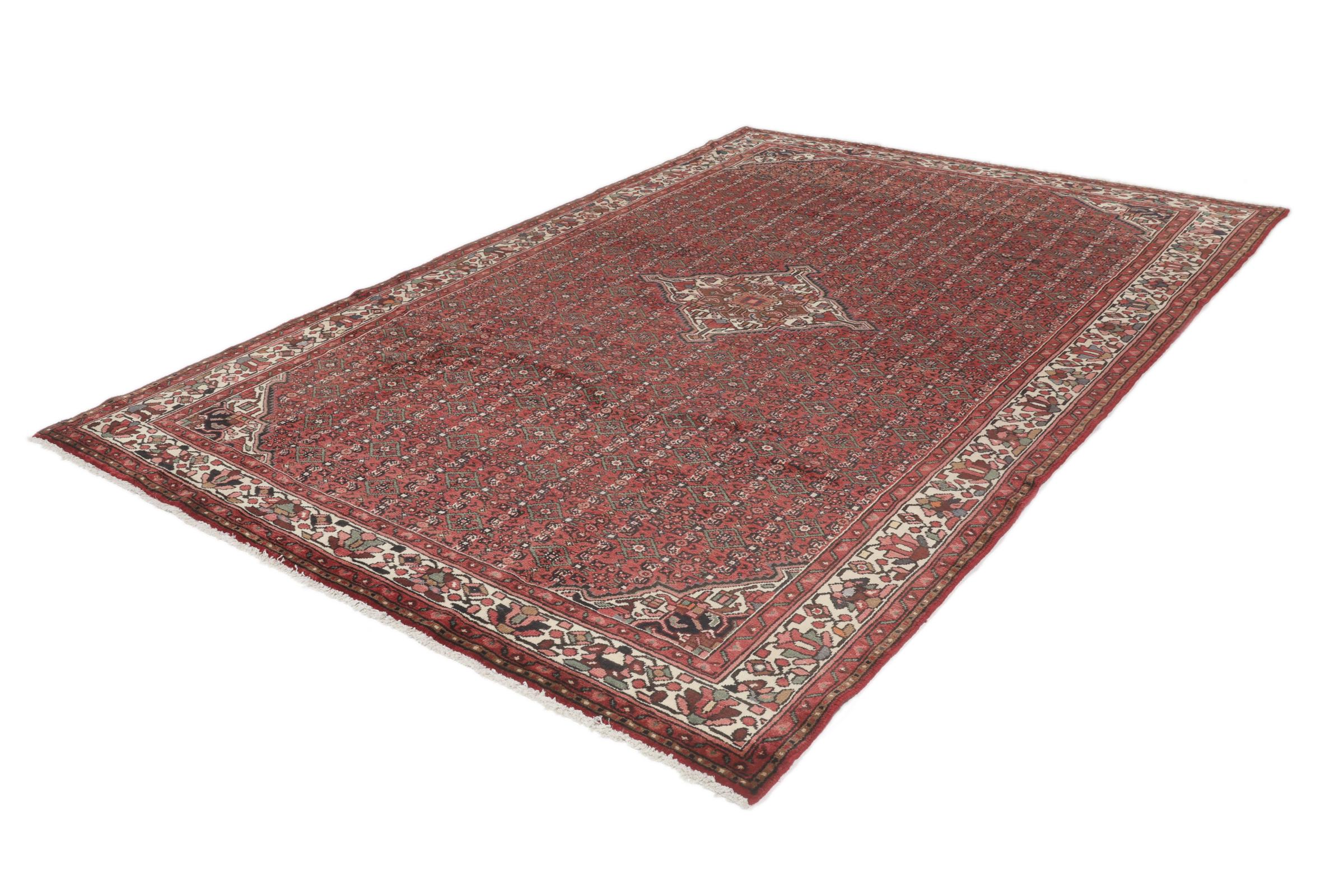
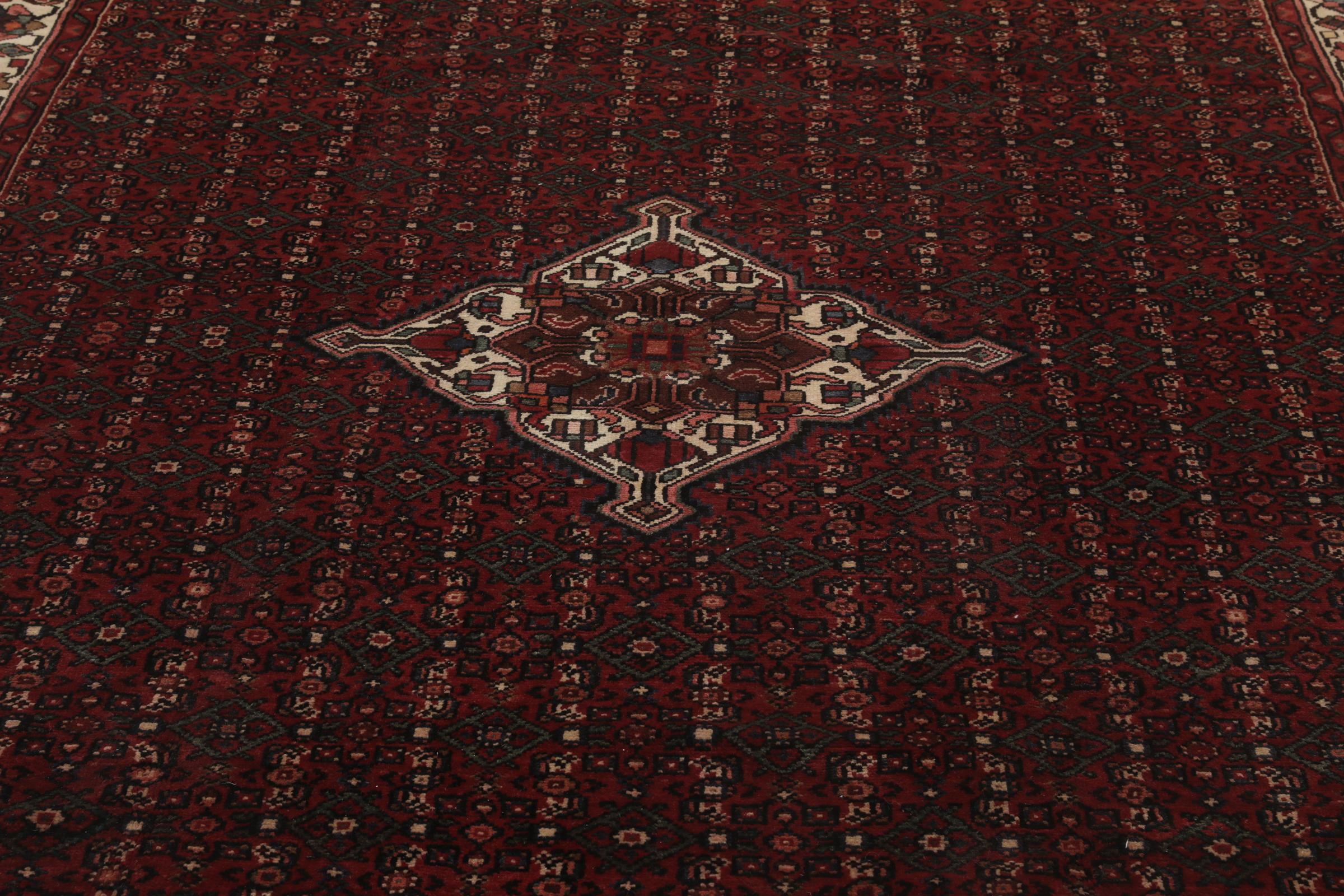
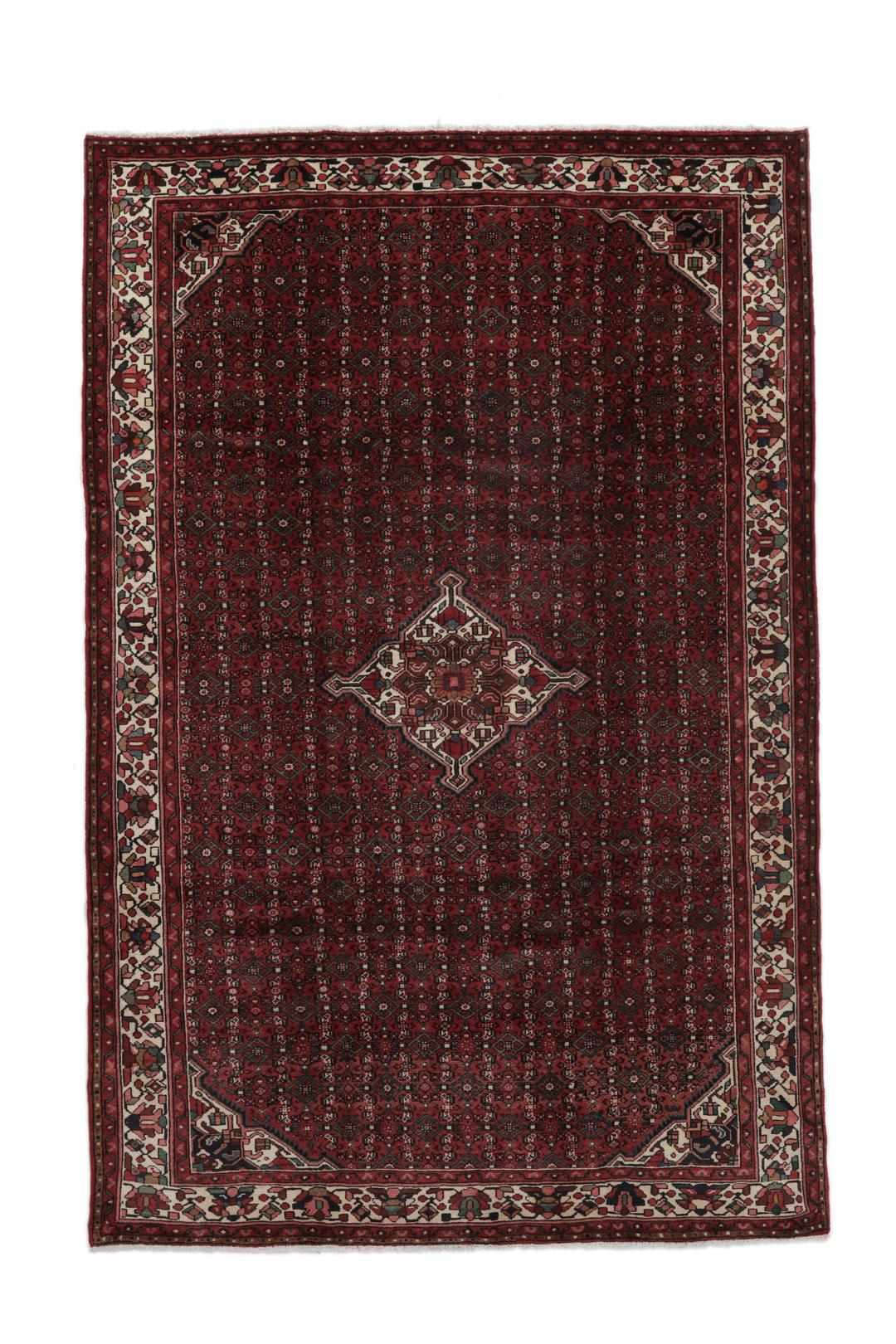
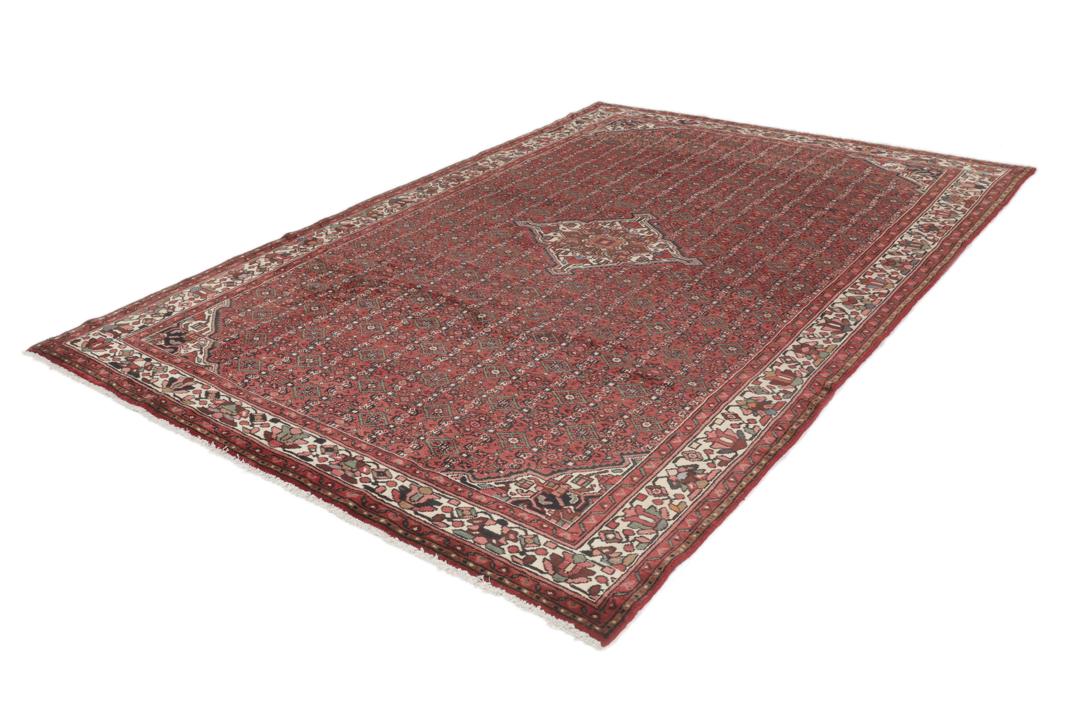
Hosseinabad rugs originate from a village of the same name in the Middle Eastern region, a place long celebrated for its distinctive weaving traditions. These rugs are deeply tied to the cultural heritage of the area, where weaving is not just a trade but a generational practice passed down through families. The region is known for producing rugs that possess a rustic, authentic charm, often characterised by their sturdy construction and bold design choices.
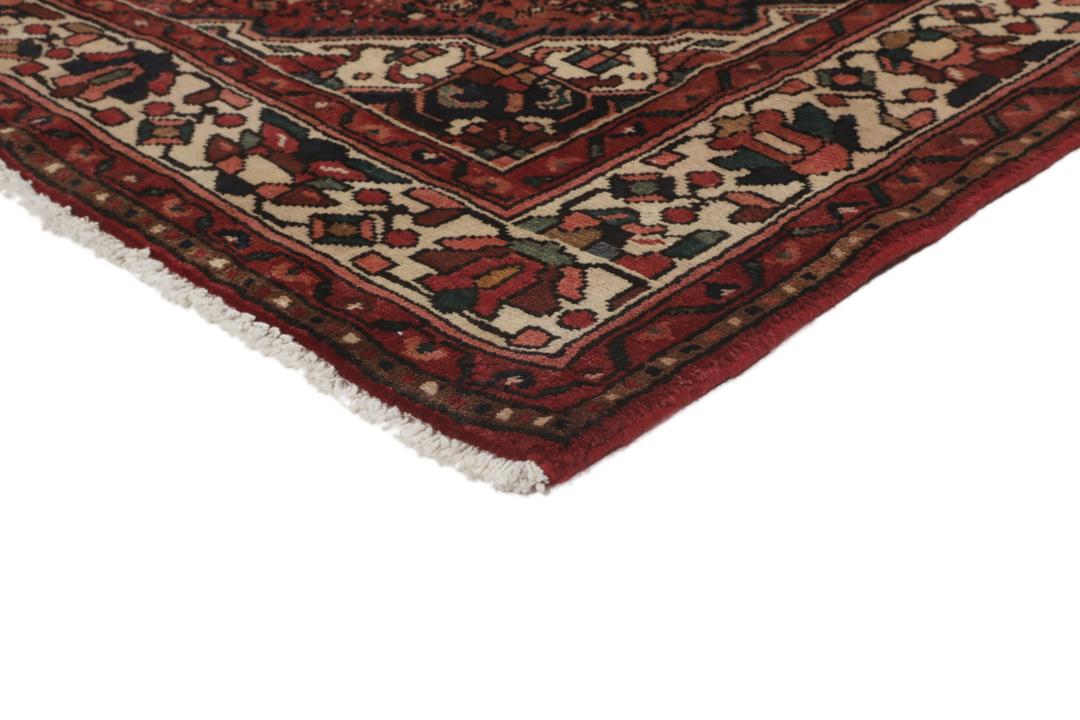
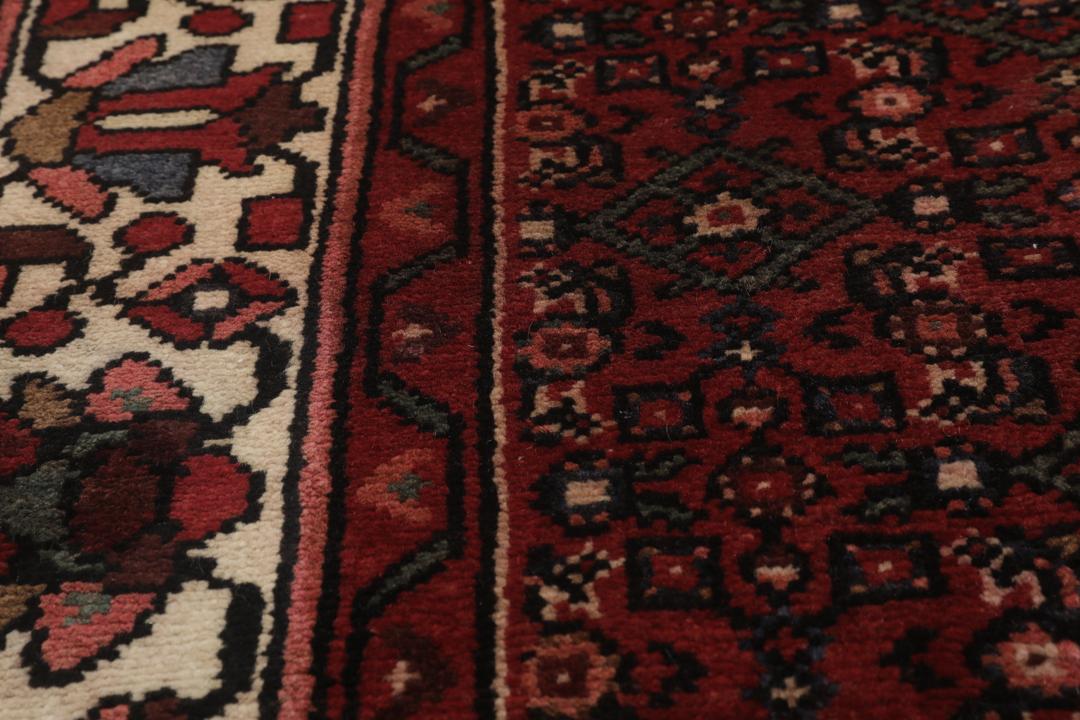
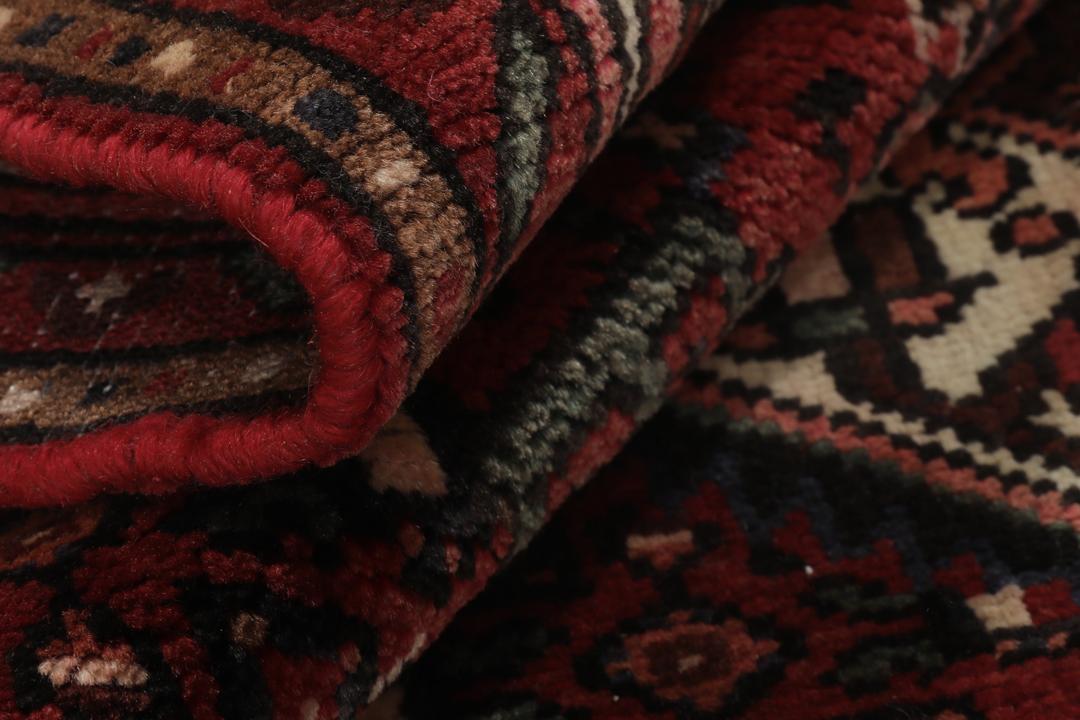
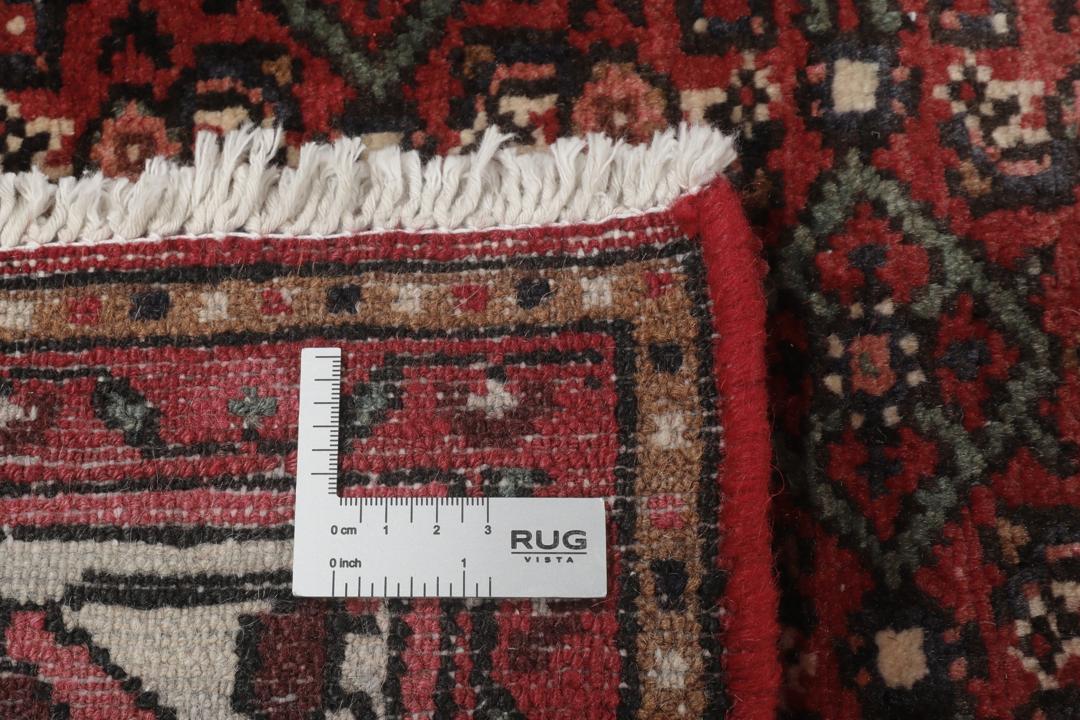
The technical quality of a Hosseinabad rug is defined by the use of high-quality wool on a sturdy cotton foundation. This combination is chosen for its ability to create a resilient, long-lasting pile that can handle the rigours of daily life. The strength of the foundation, combined with the natural oils remaining in the hand-spun wool, ensures that the rug remains flexible yet firm, maintaining its shape and beauty over decades of use.
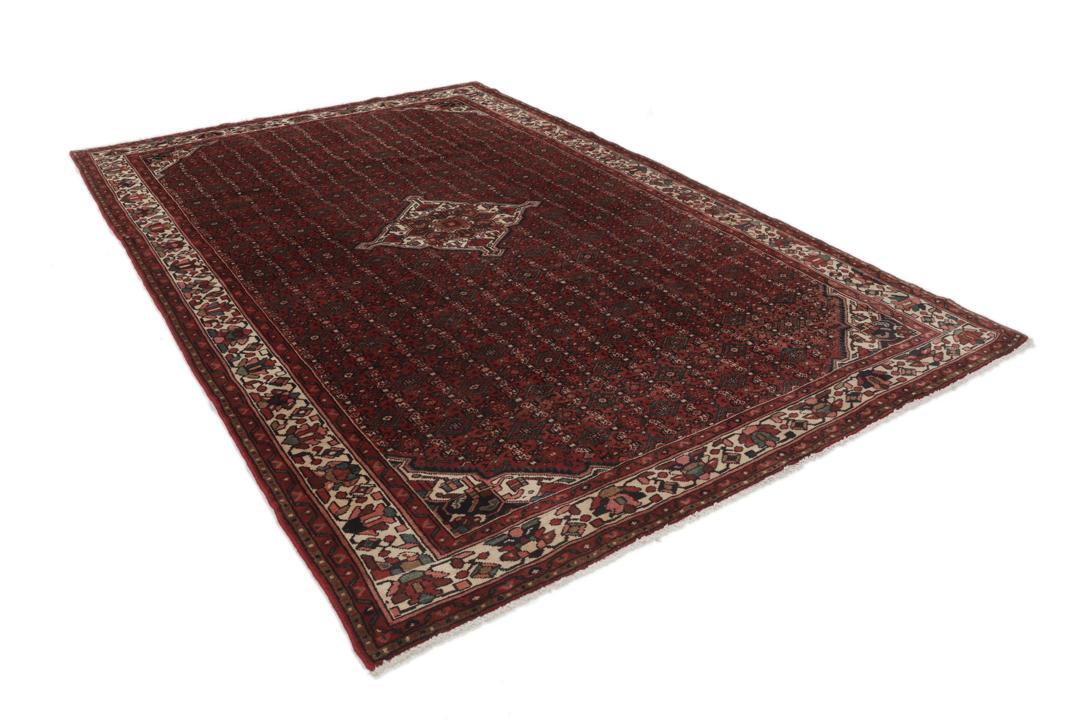
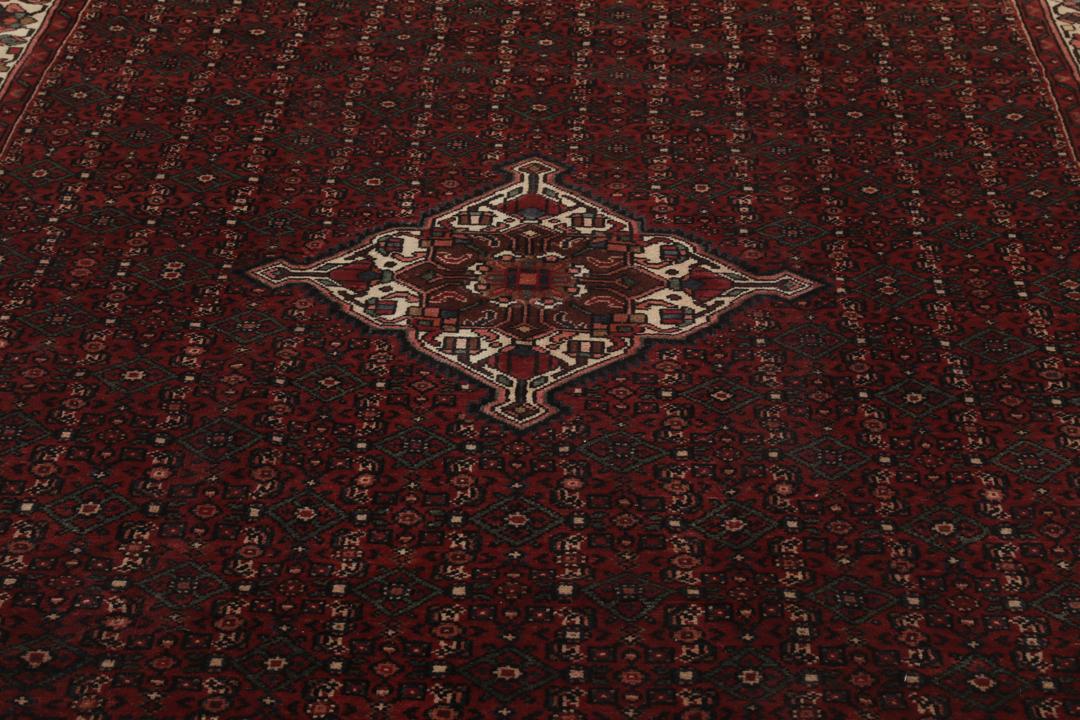
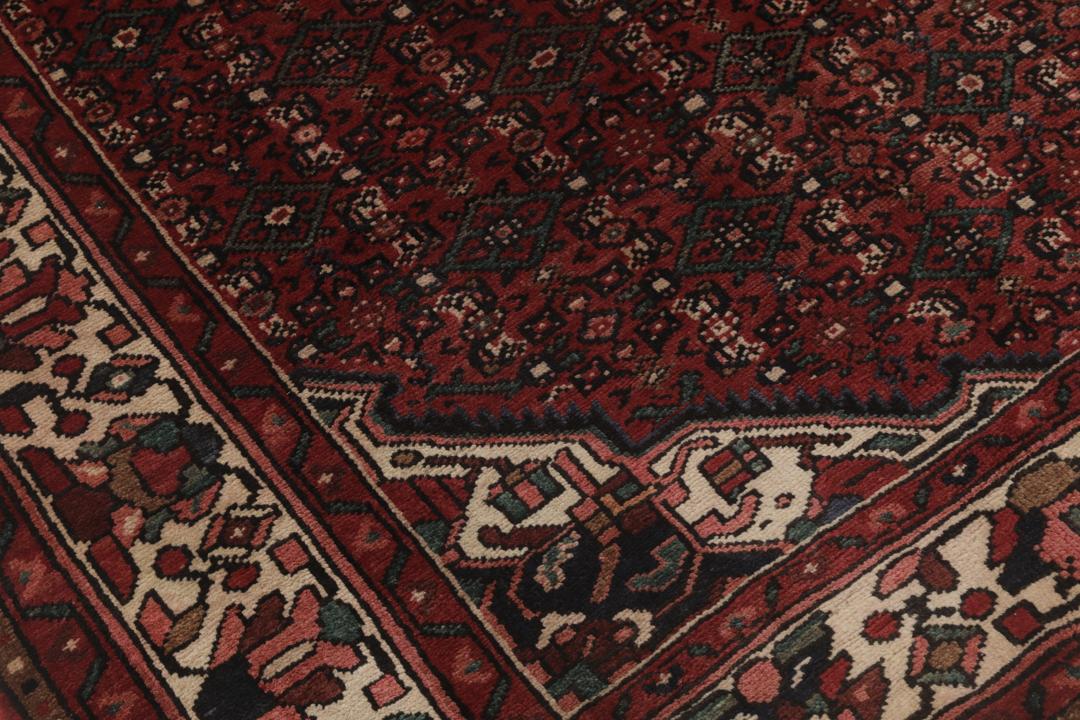
Design-wise, these rugs often feature a central medallion surrounded by a field of repeating patterns, such as the classic Herati motif or stylised floral arrangements. The borders are typically wide and well-defined, framing the intricate central field. This specific piece is a beautiful example of these traditional elements, showcasing a balanced layout that emphasises both geometric precision and soft, organic shapes.
Collectors value Hosseinabad rugs for their honest reflection of Middle Eastern craft. Owning one is an opportunity to connect with a long-standing tradition of artistry that prioritises durability and visual storytelling. These pieces are not merely decorative, but are viewed as essential elements of a well-lived home, gaining character and depth as they age gracefully in their environment.