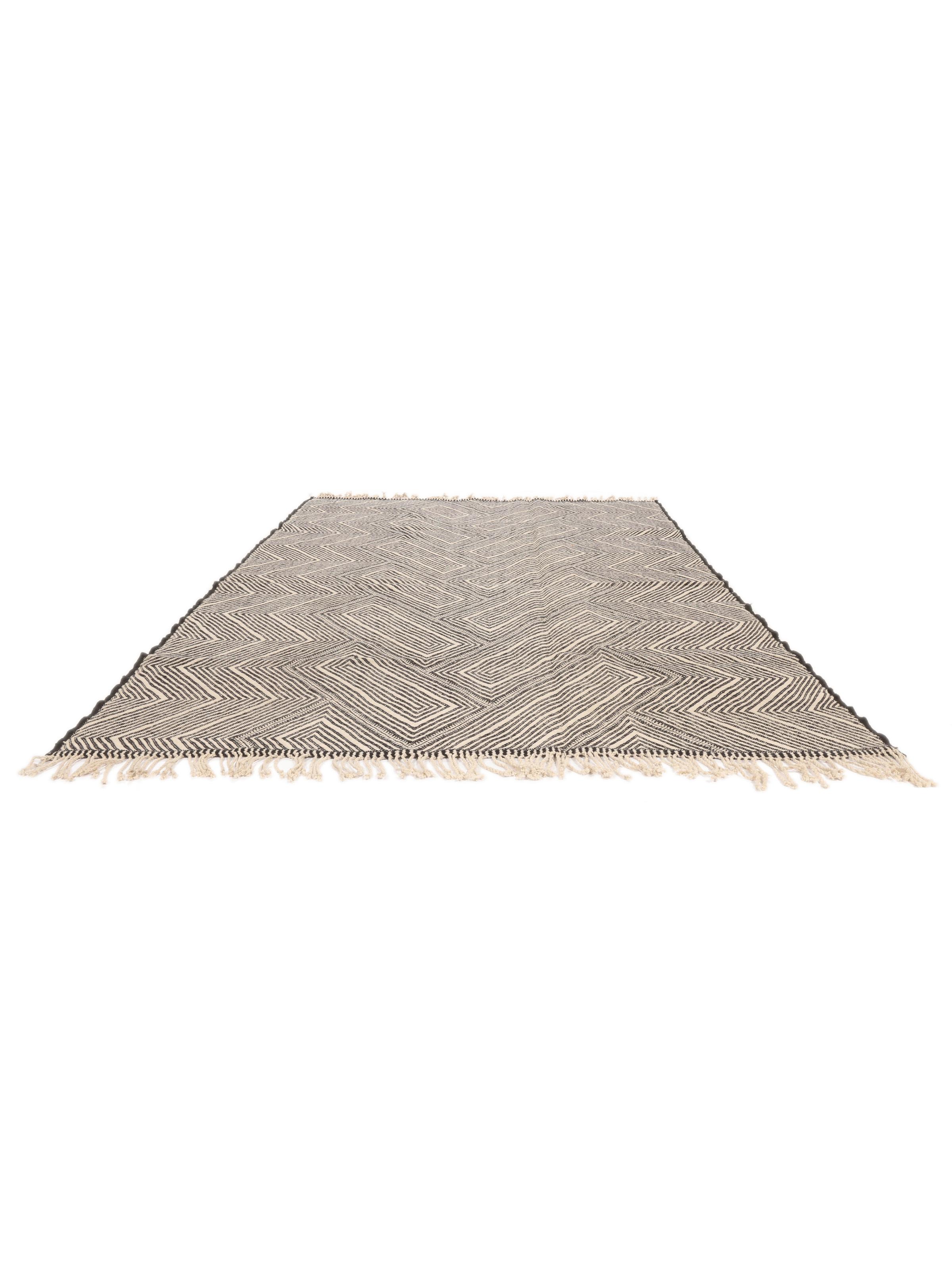
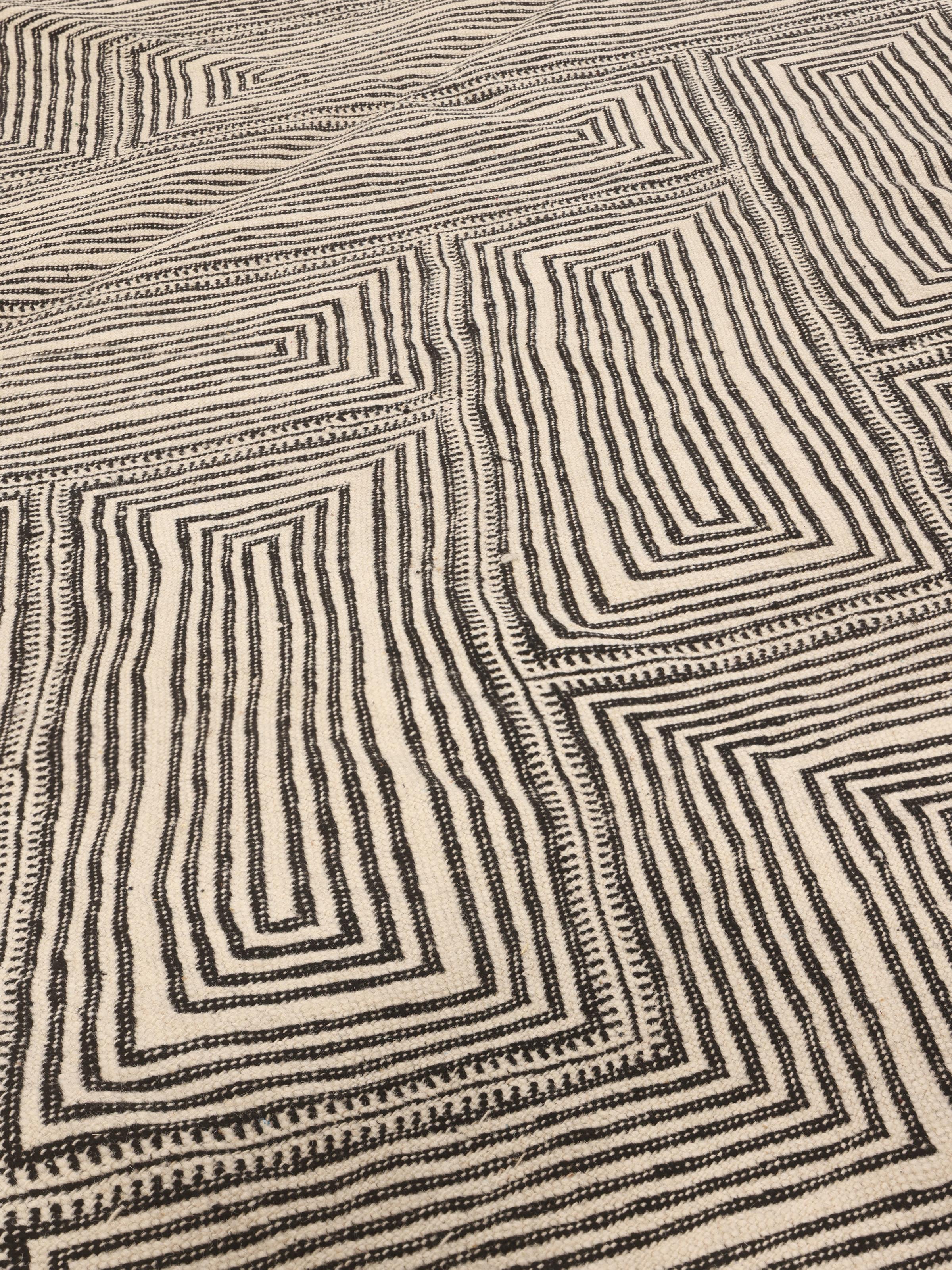
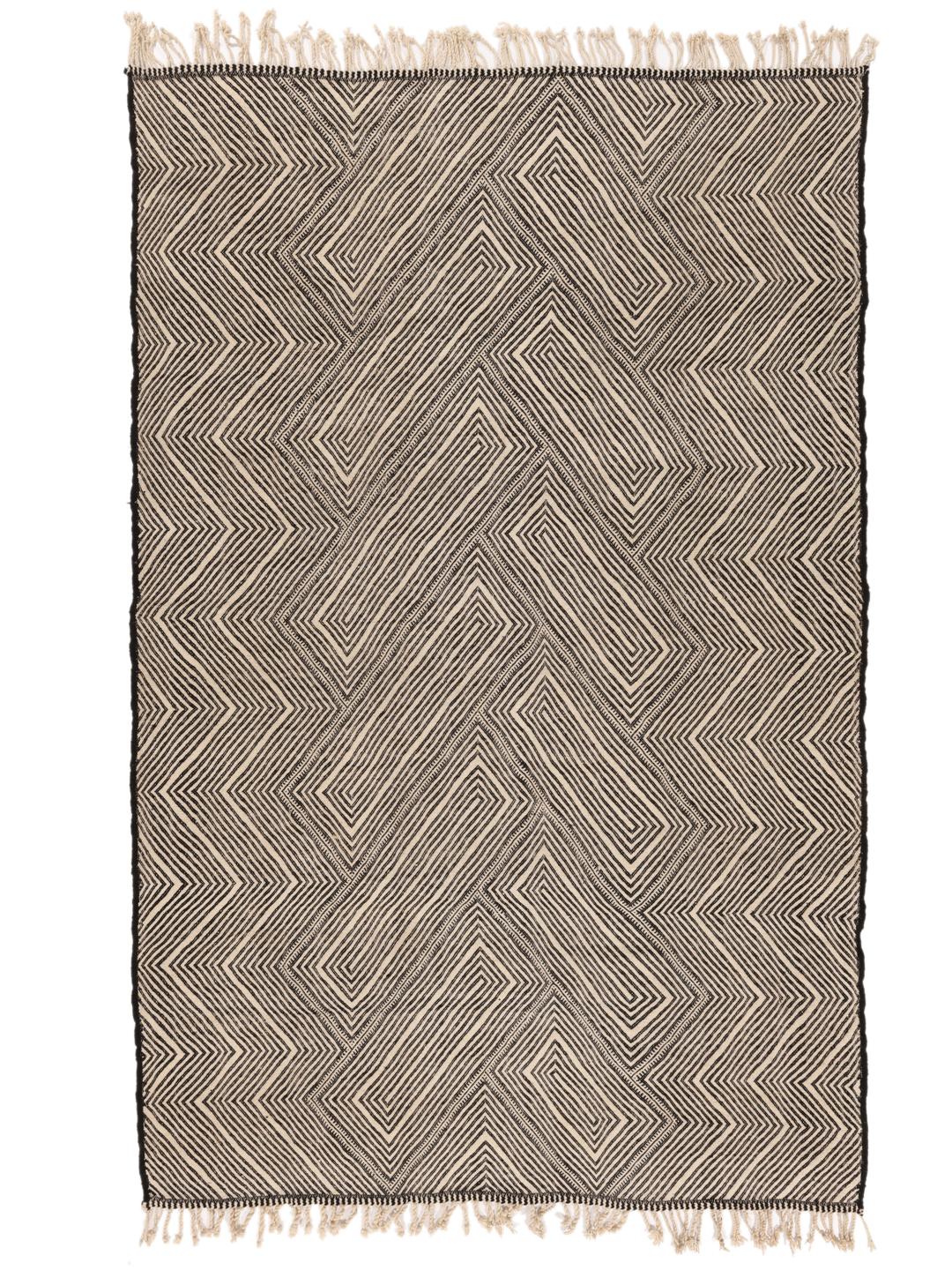
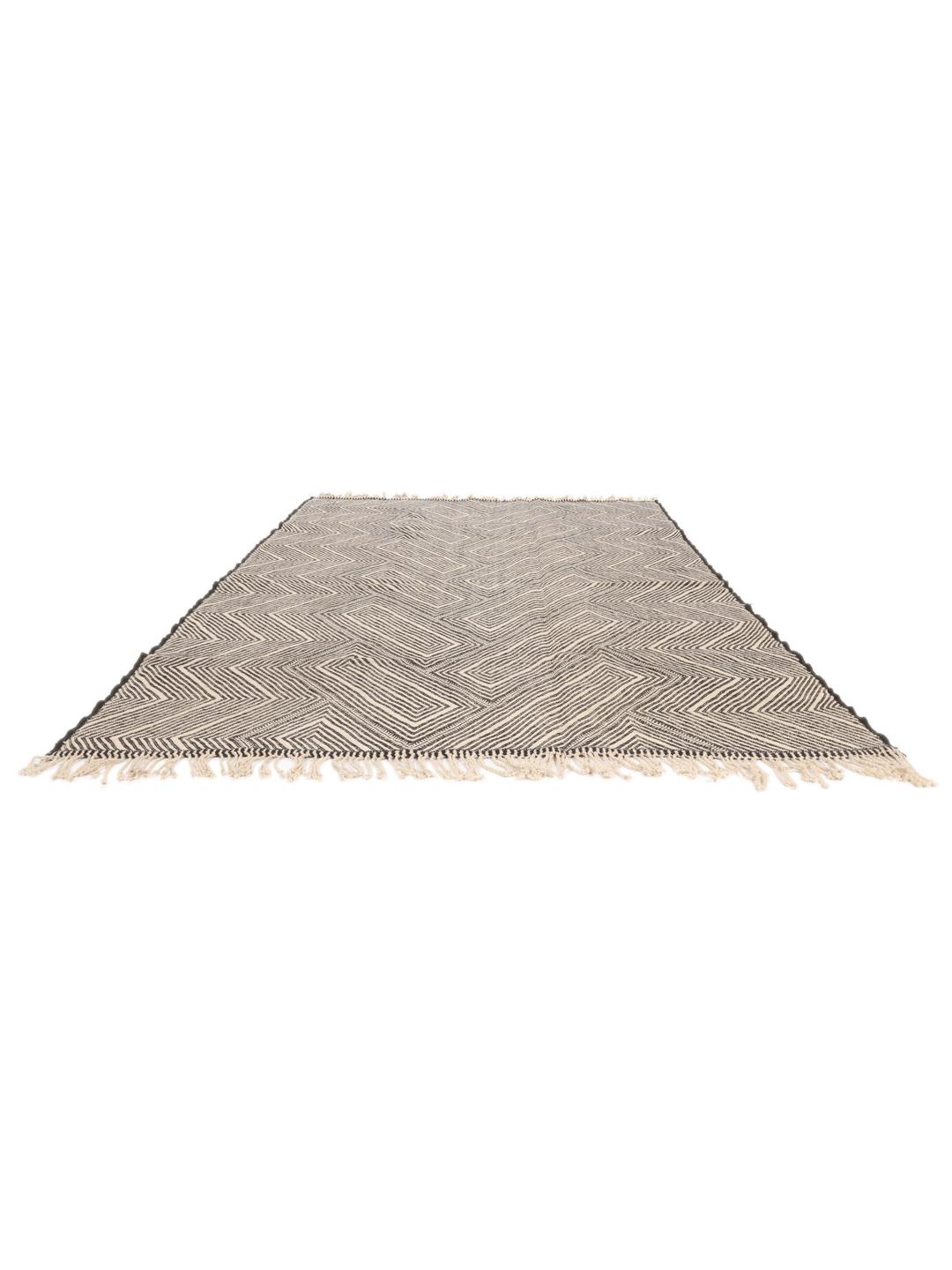
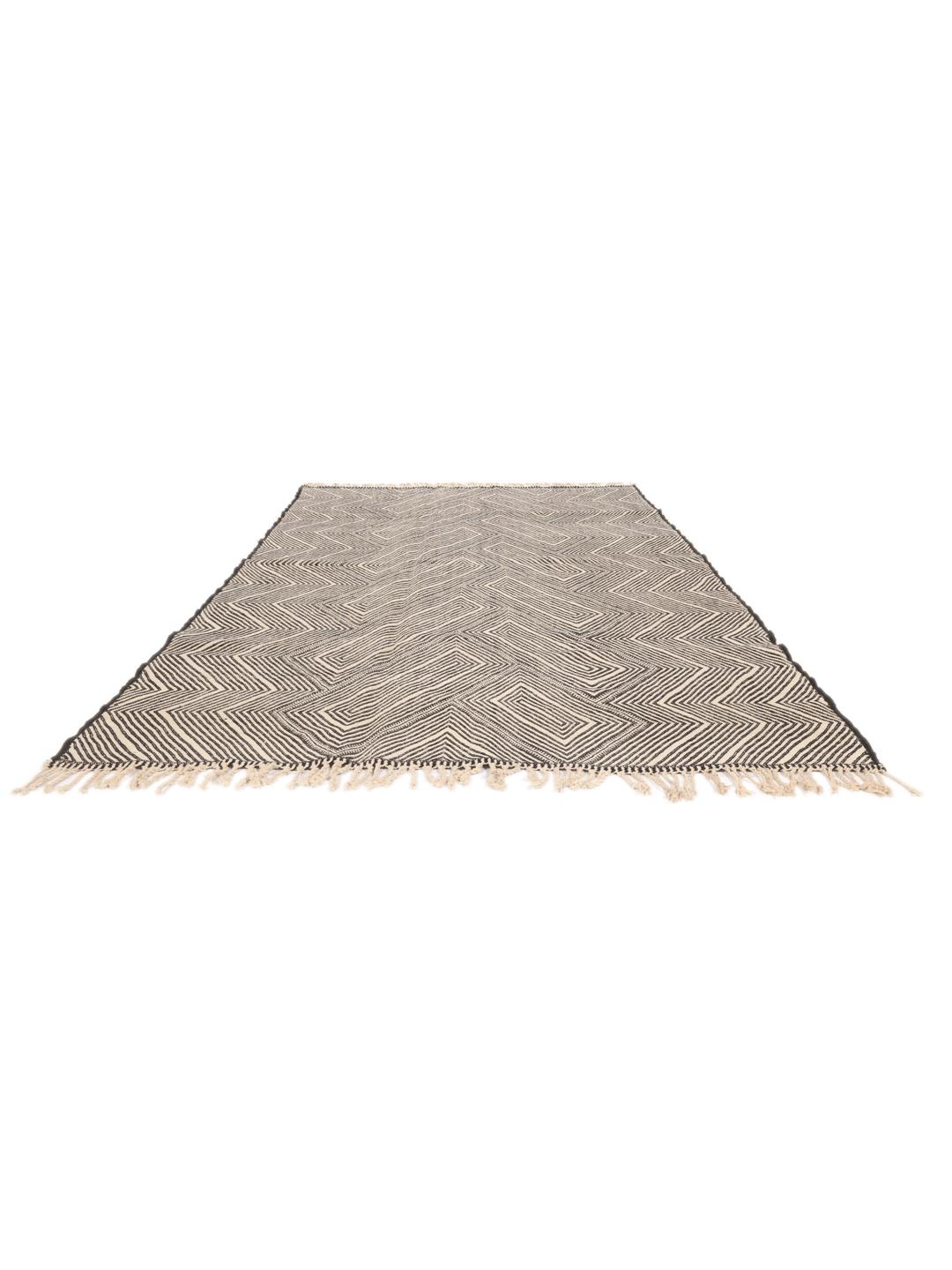
The High Atlas region of Morocco has long been a cradle for rug-making traditions that reflect the rugged beauty of the mountains and the lives of the people who reside there. These rugs are deeply rooted in Berber culture, where the art of weaving is not merely a task but a language of symbols, storytelling, and community identity.
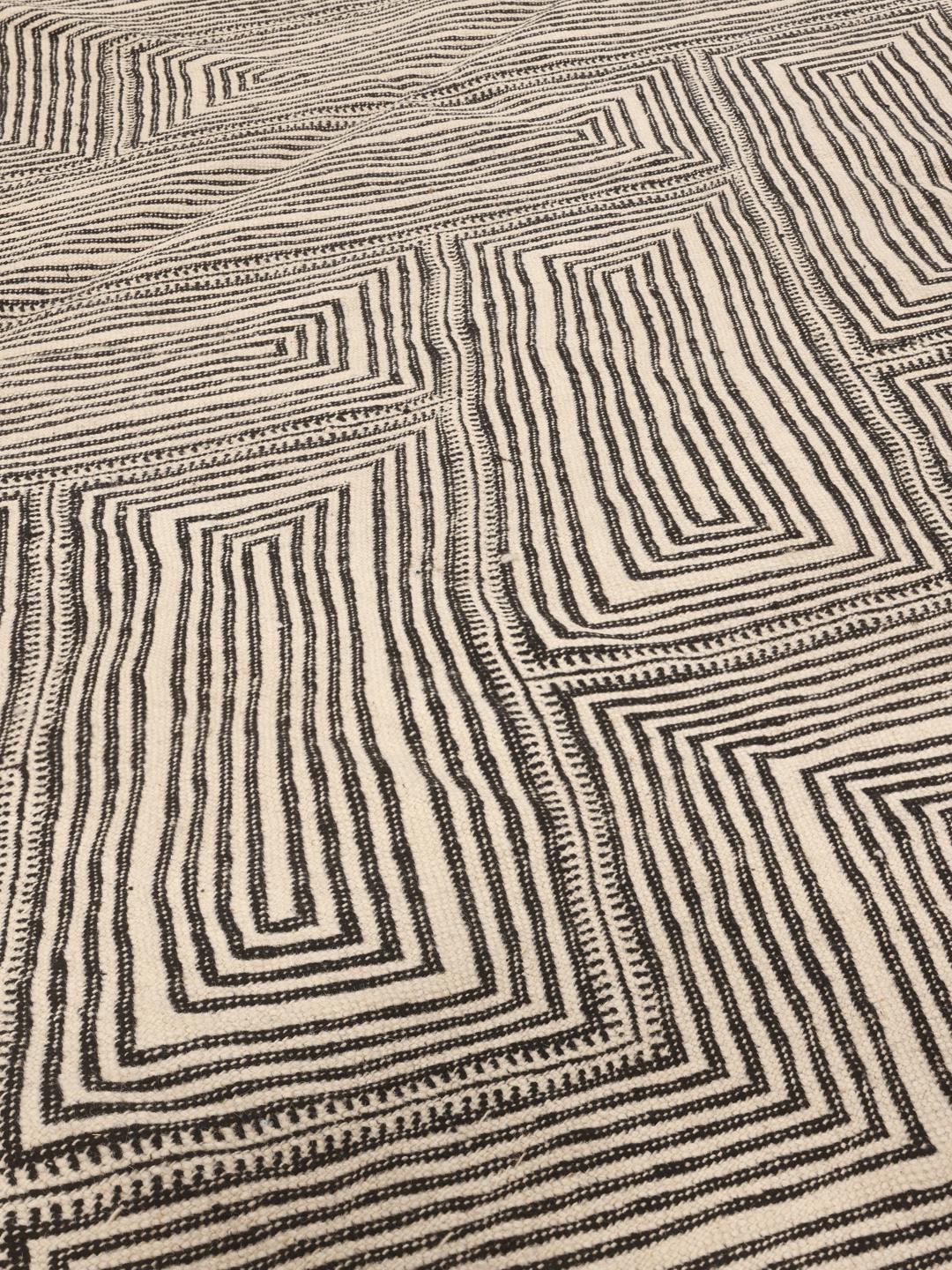
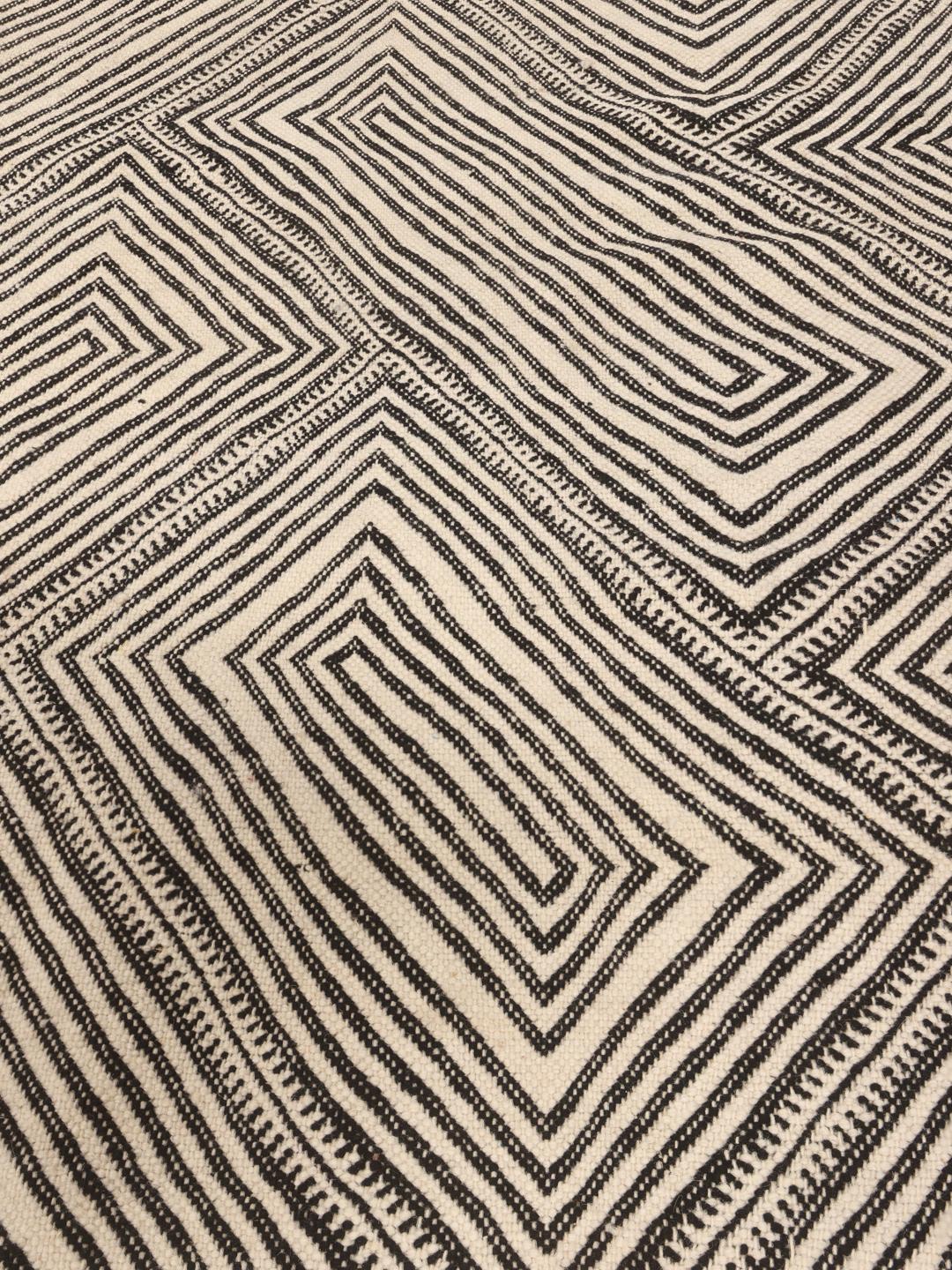
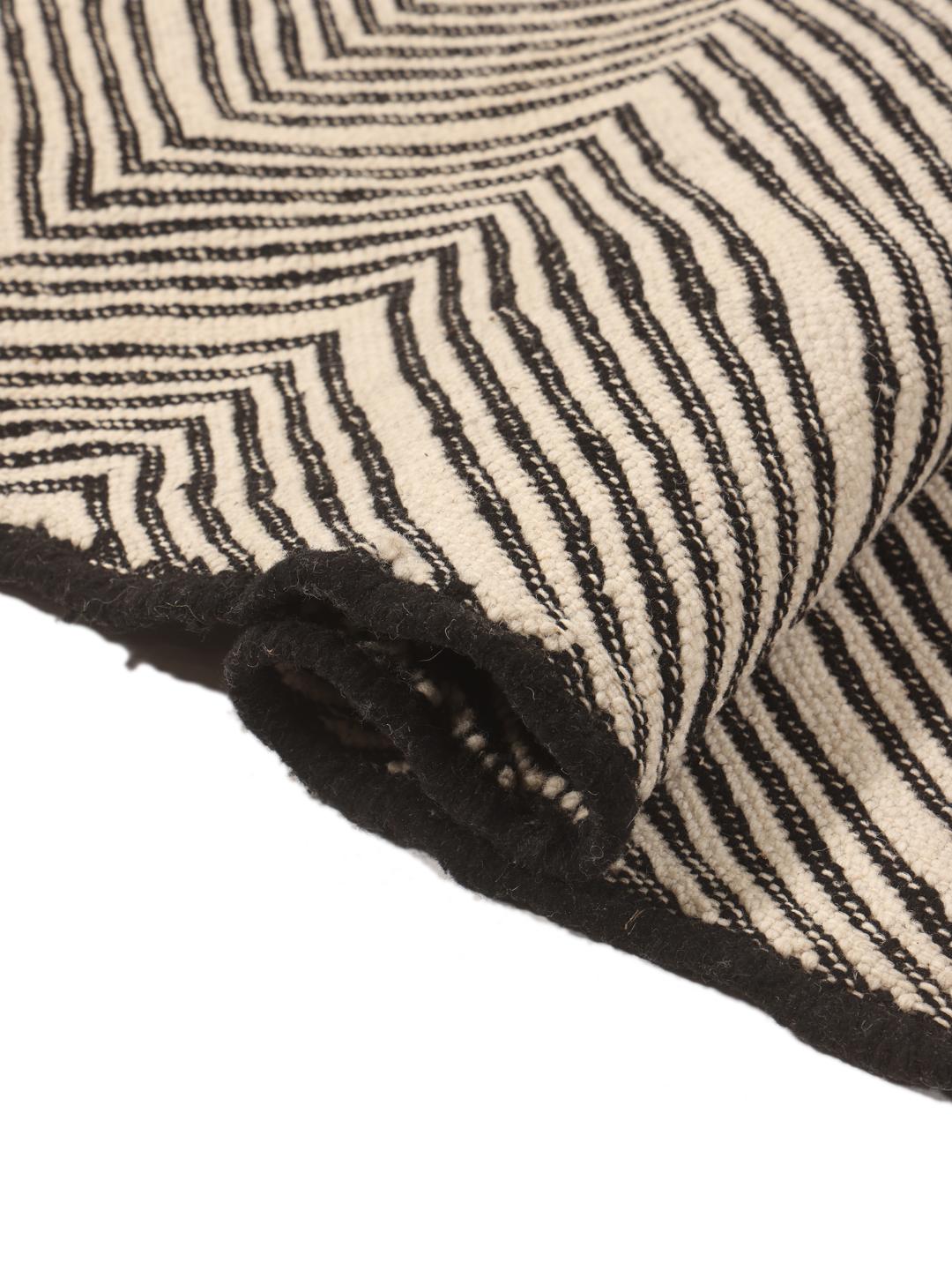
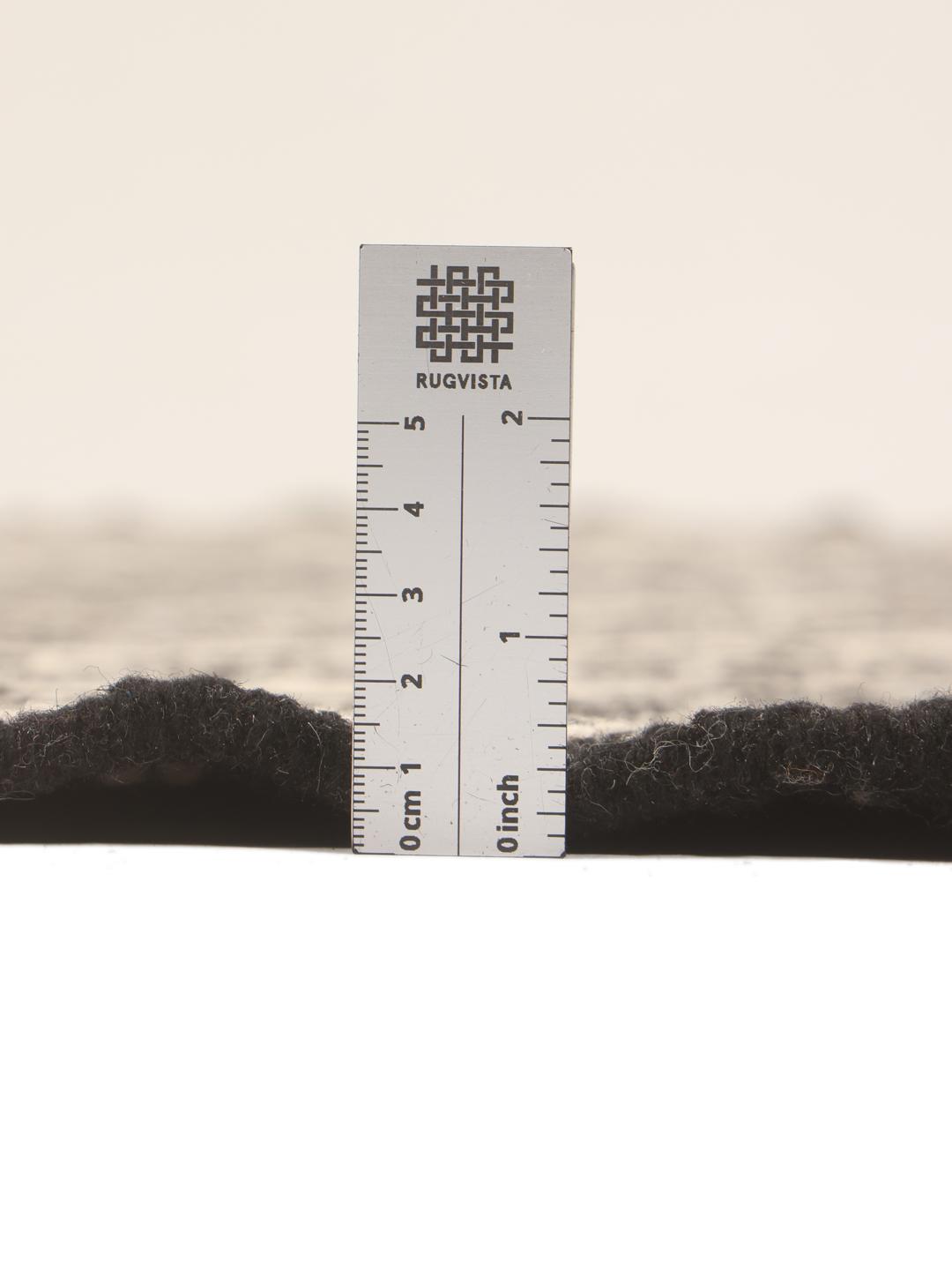
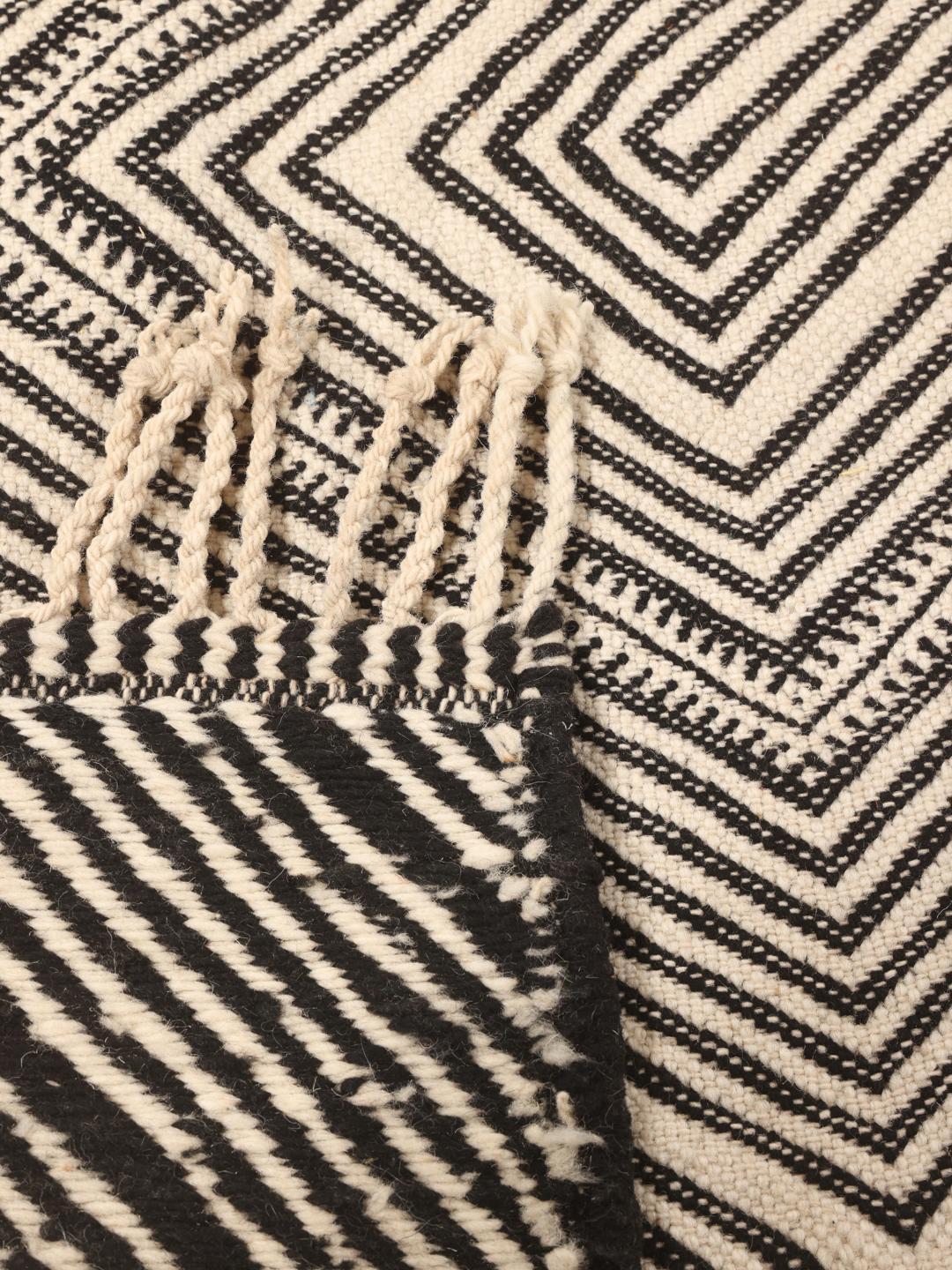
A kelim is a flat-woven rug, distinct from knotted styles because it lacks a pile. This construction method relies on the interlacing of the warp and weft threads to create the design. The result is a lighter, more versatile floor covering that is prized for its clean lines and technical precision, showcasing the weaver's ability to manipulate tension to form intricate shapes without the aid of a loom-based pattern guide.
Design-wise, these rugs often feature geometric motifs that have been refined over centuries. While the patterns may look like modern art to the contemporary eye, they often trace back to ancient tribal traditions, with zig-zags, diamonds, and lines serving as protective symbols or representations of the natural world. The use of high-contrast, neutral color palettes is a hallmark of the region, allowing the structure of the weave to take center stage.
Owning a piece from this tradition is an act of preserving a living history. These rugs are highly valued by collectors for their authenticity and the human story behind every thread. By bringing a High Atlas Kelim into your home, you are connecting with a legacy of Moroccan craftsmanship that values patience, skill, and the beauty of natural materials.