Heriz rugs originate from the mountainous region of East Azerbaijan in the Middle East, specifically from the area surrounding the town of Heriz. This region is world-renowned for its long-standing tradition of weaving robust and stylistically distinct rugs that differ significantly from the more delicate, curvilinear patterns found elsewhere. The harsh, rugged landscape of the region is often reflected in the sturdy nature of these rugs, which are built to withstand the cold climates of the high-altitude plateau.
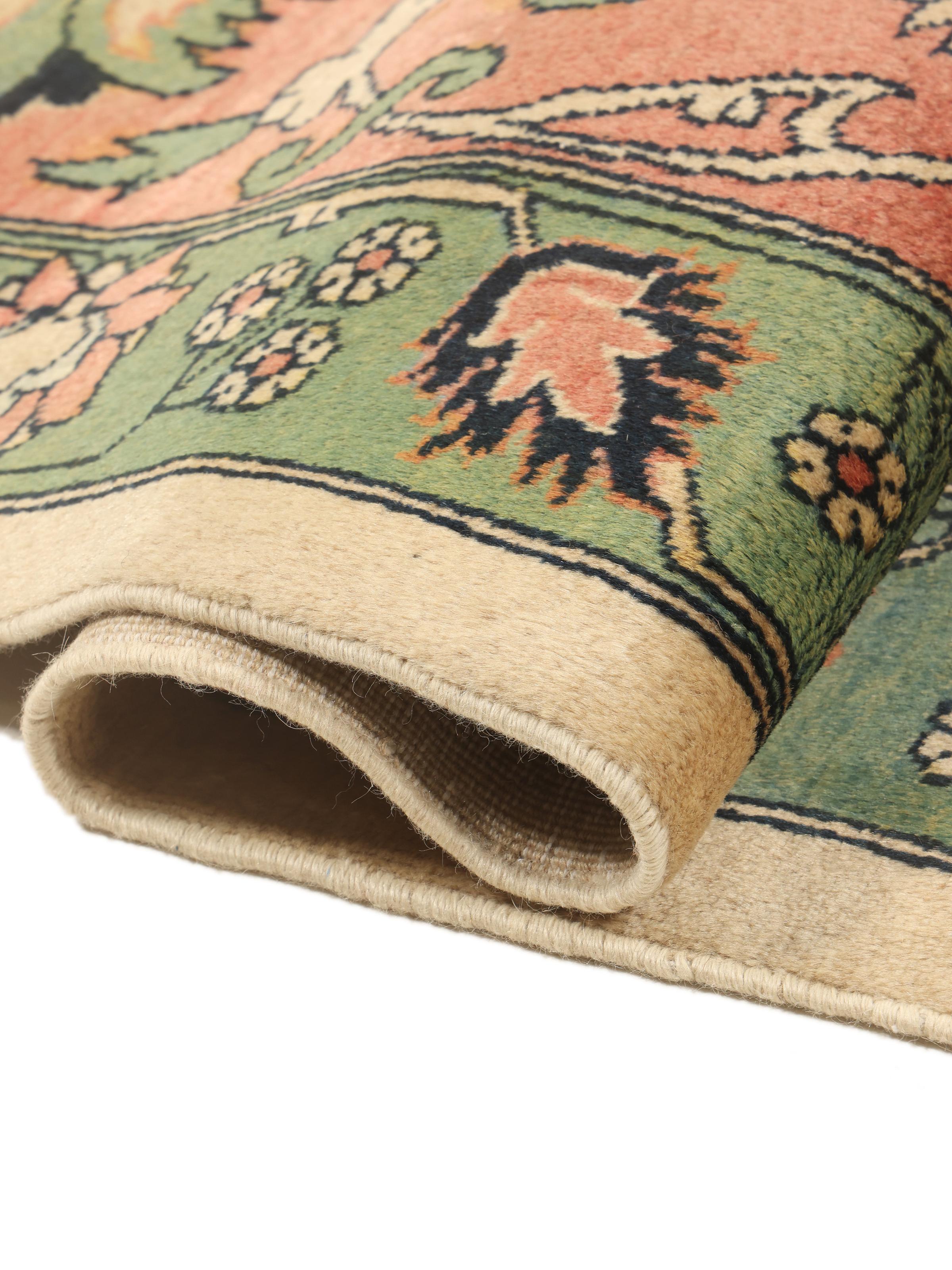
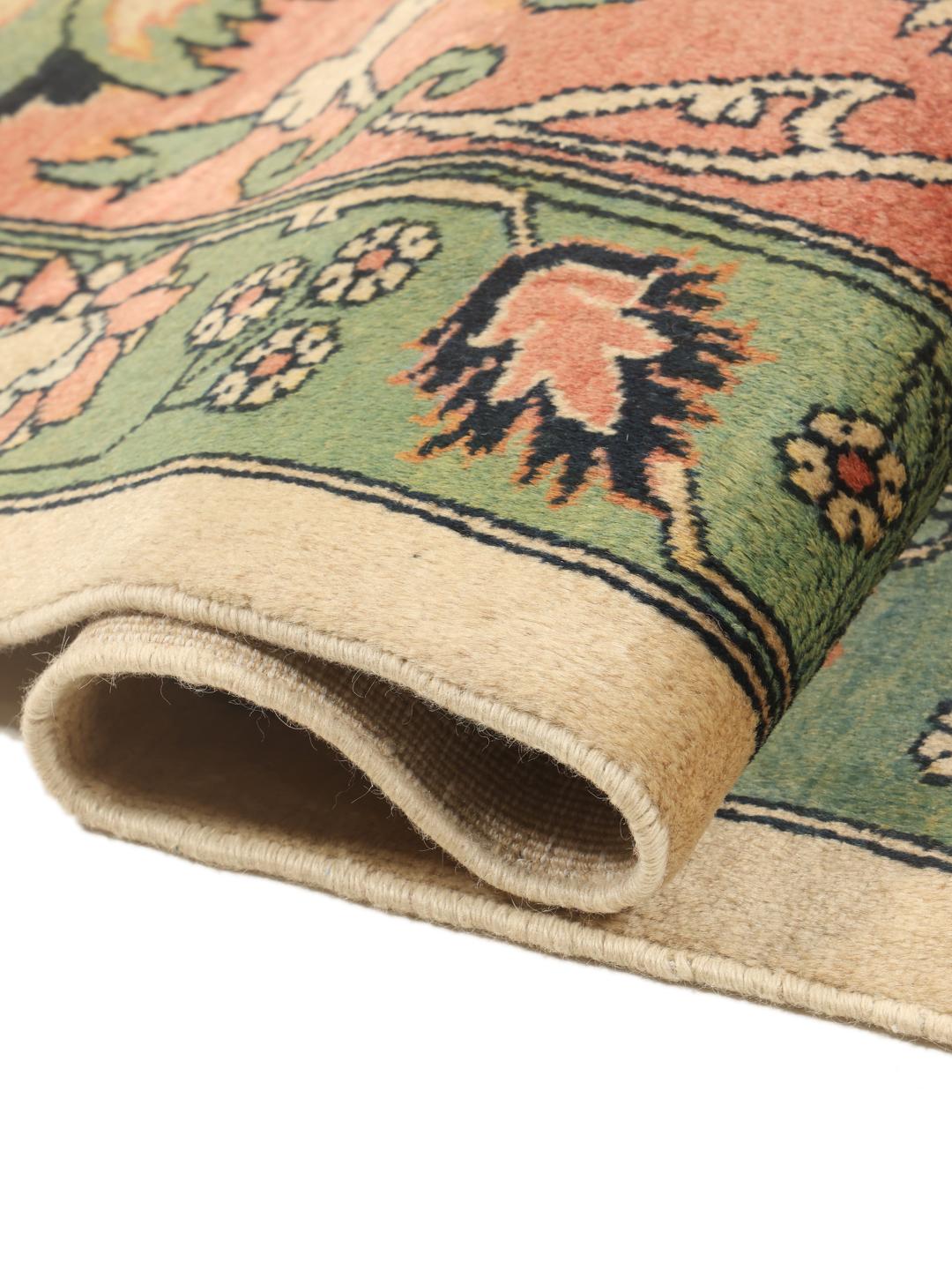
The technical quality of a Heriz is defined by its unique approach to design and knotting. These rugs are typically characterized by a bold, angular style where traditional floral patterns are stylized into geometric forms. This evolution of design is a hallmark of the region, where weavers often work from memory rather than strict paper patterns, allowing for a creative spontaneity that makes each rug a unique reflection of the weaver's skill and local aesthetic.
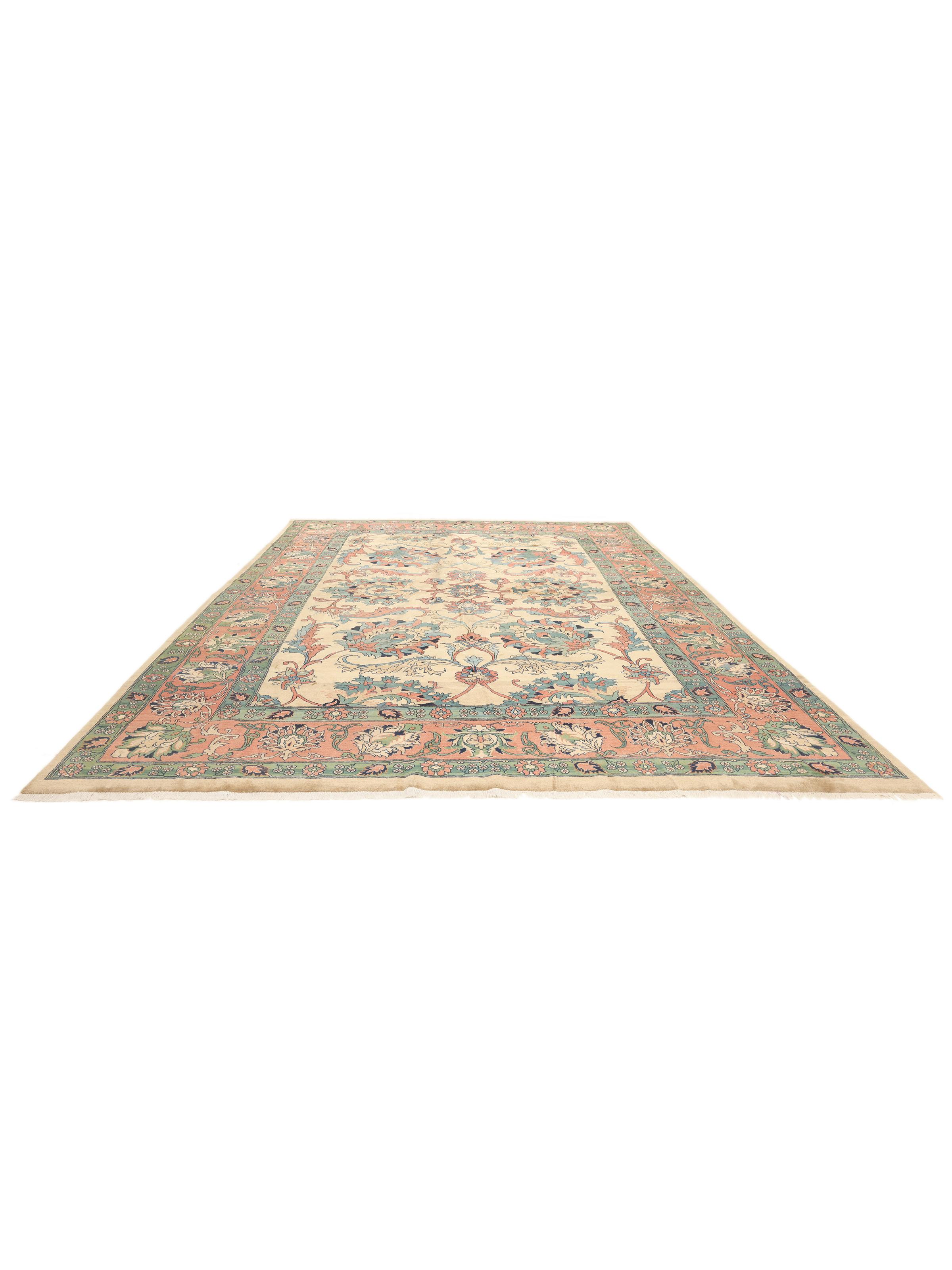
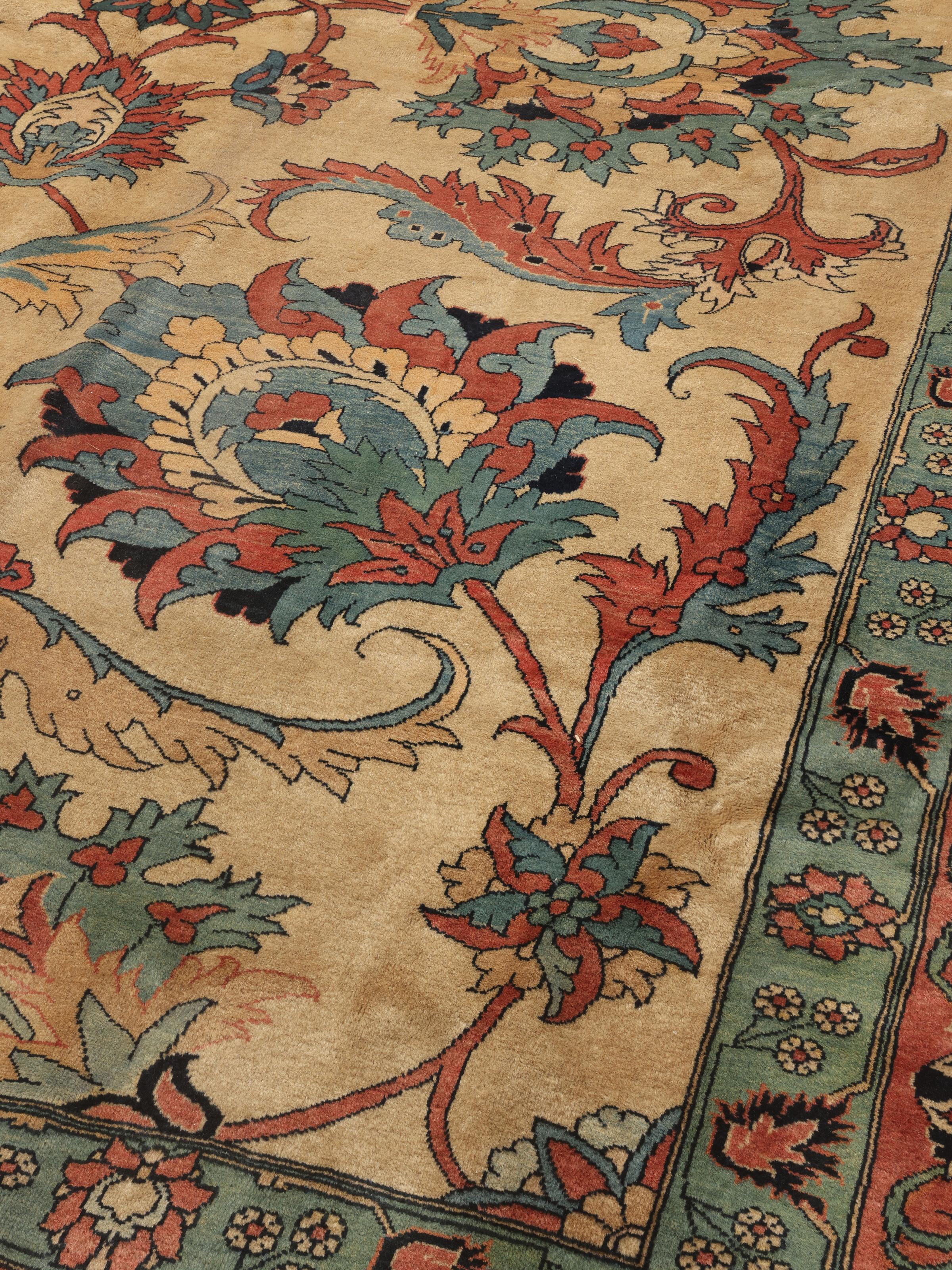
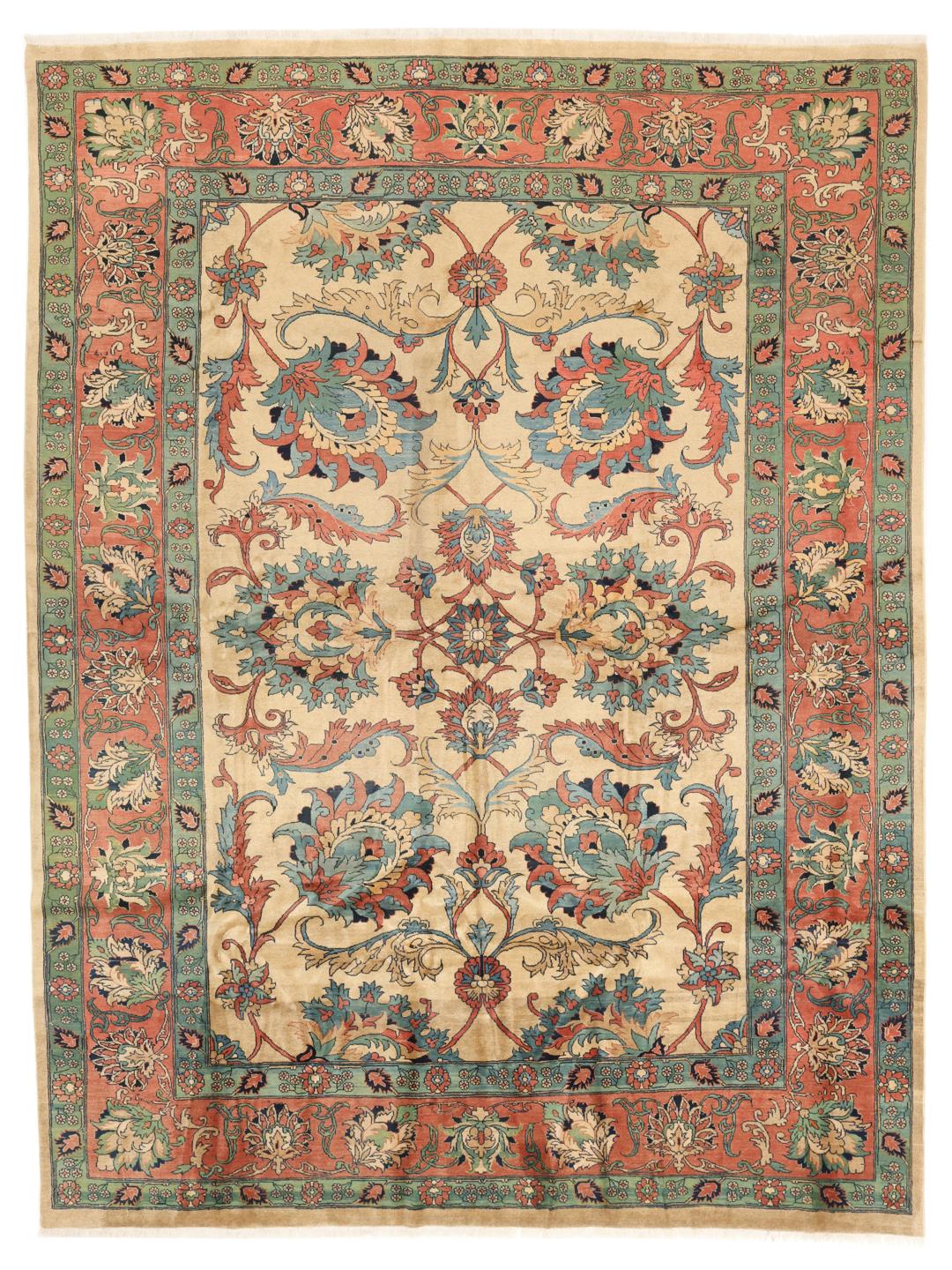
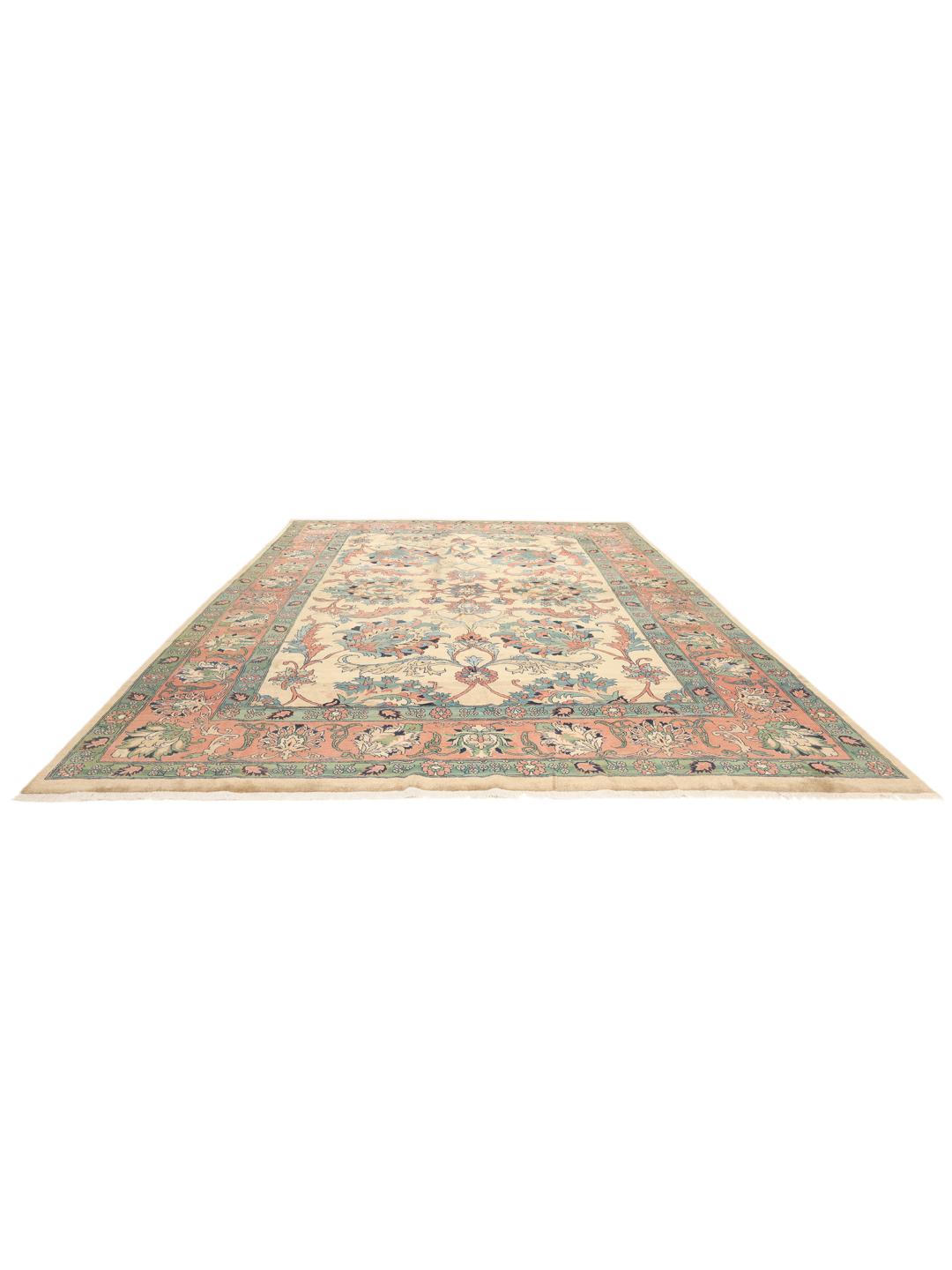
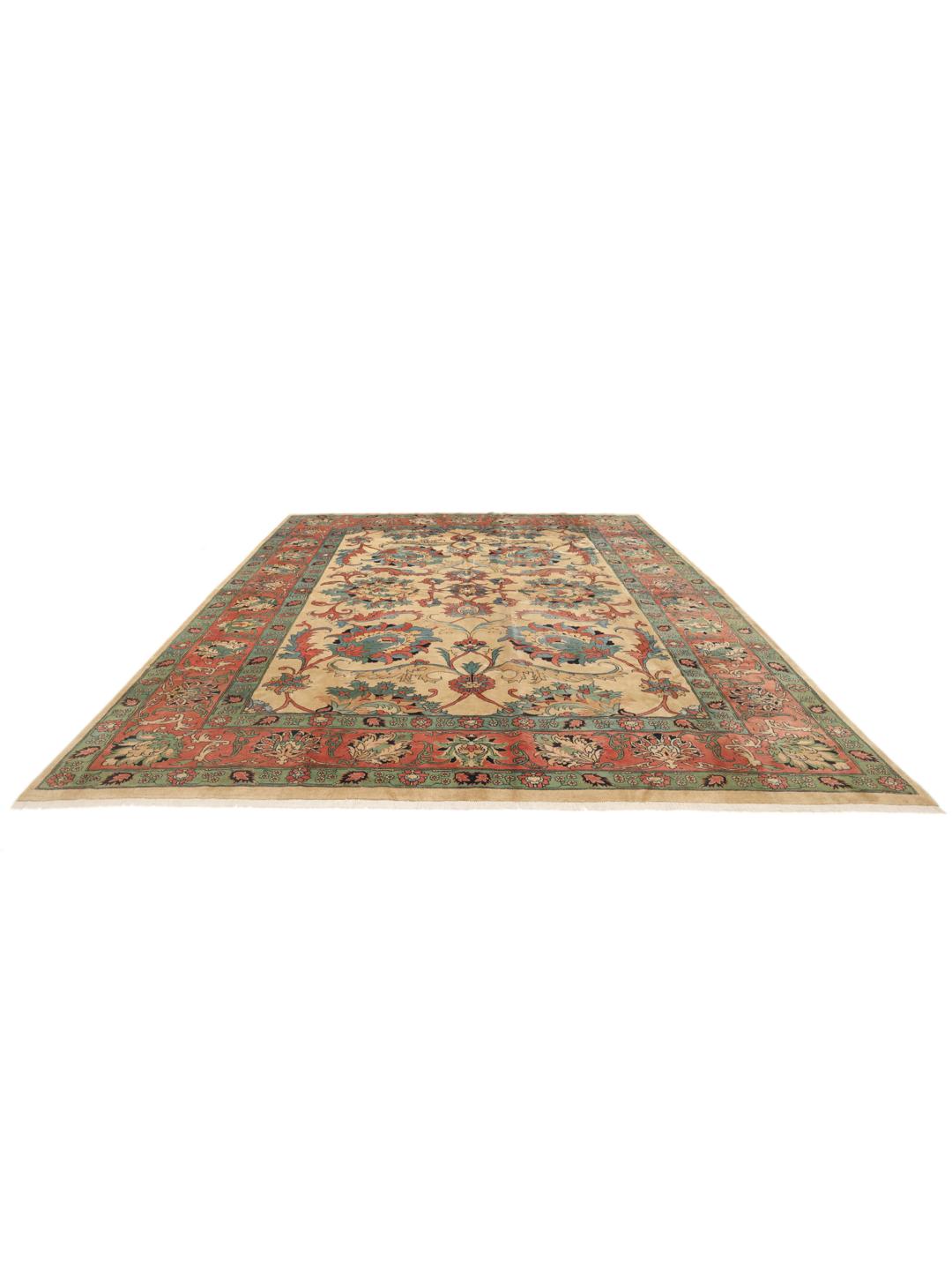
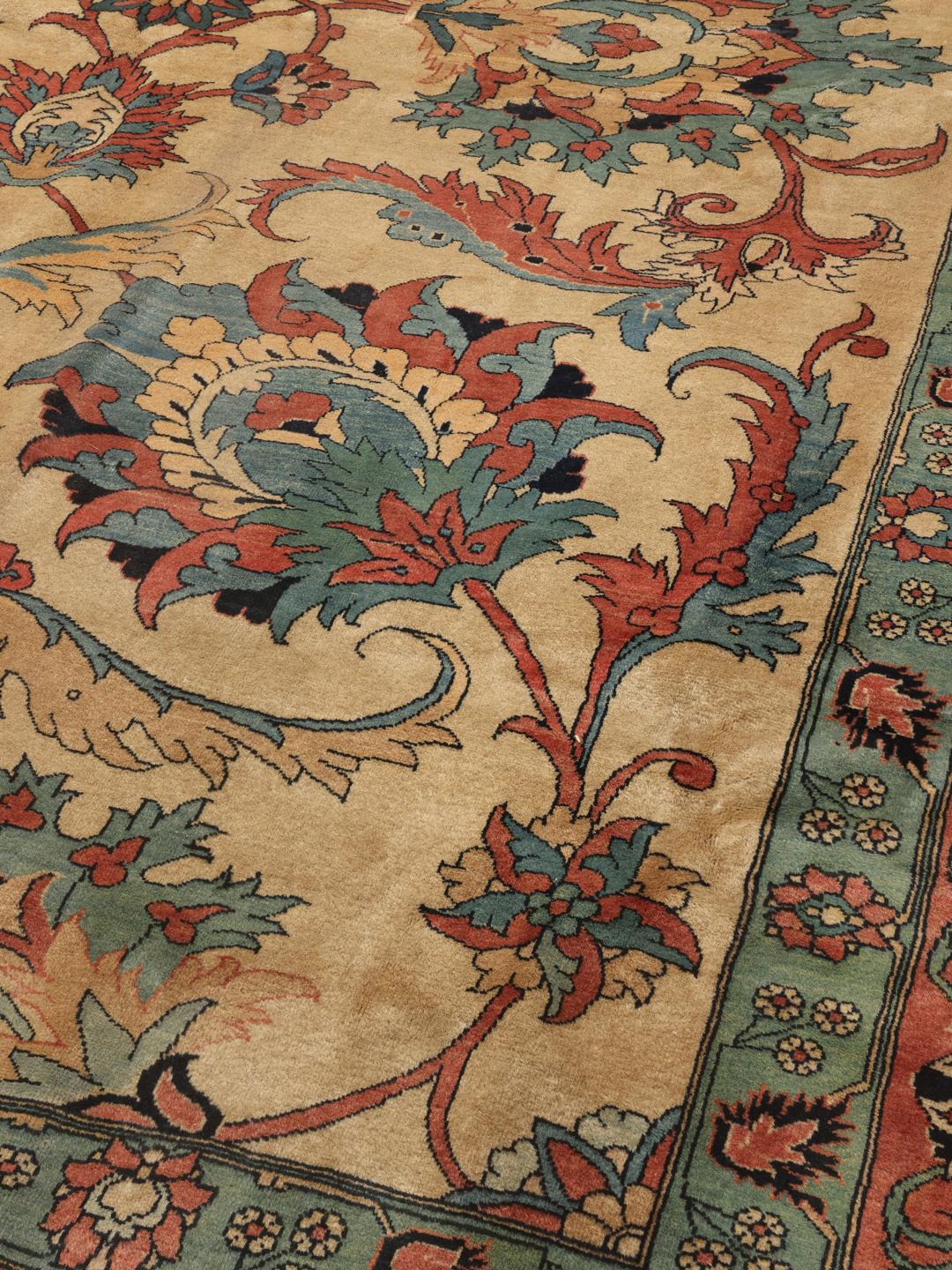
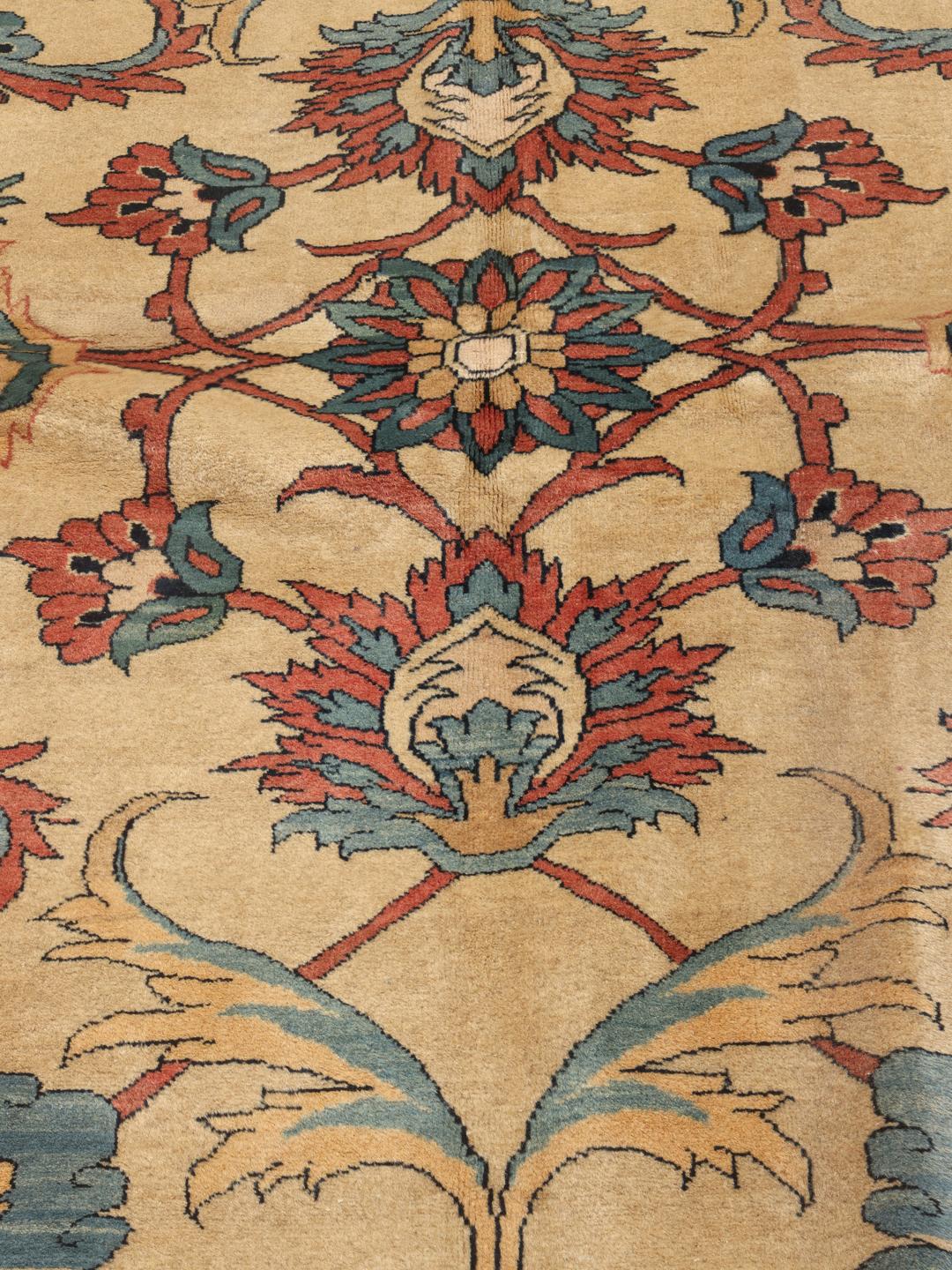
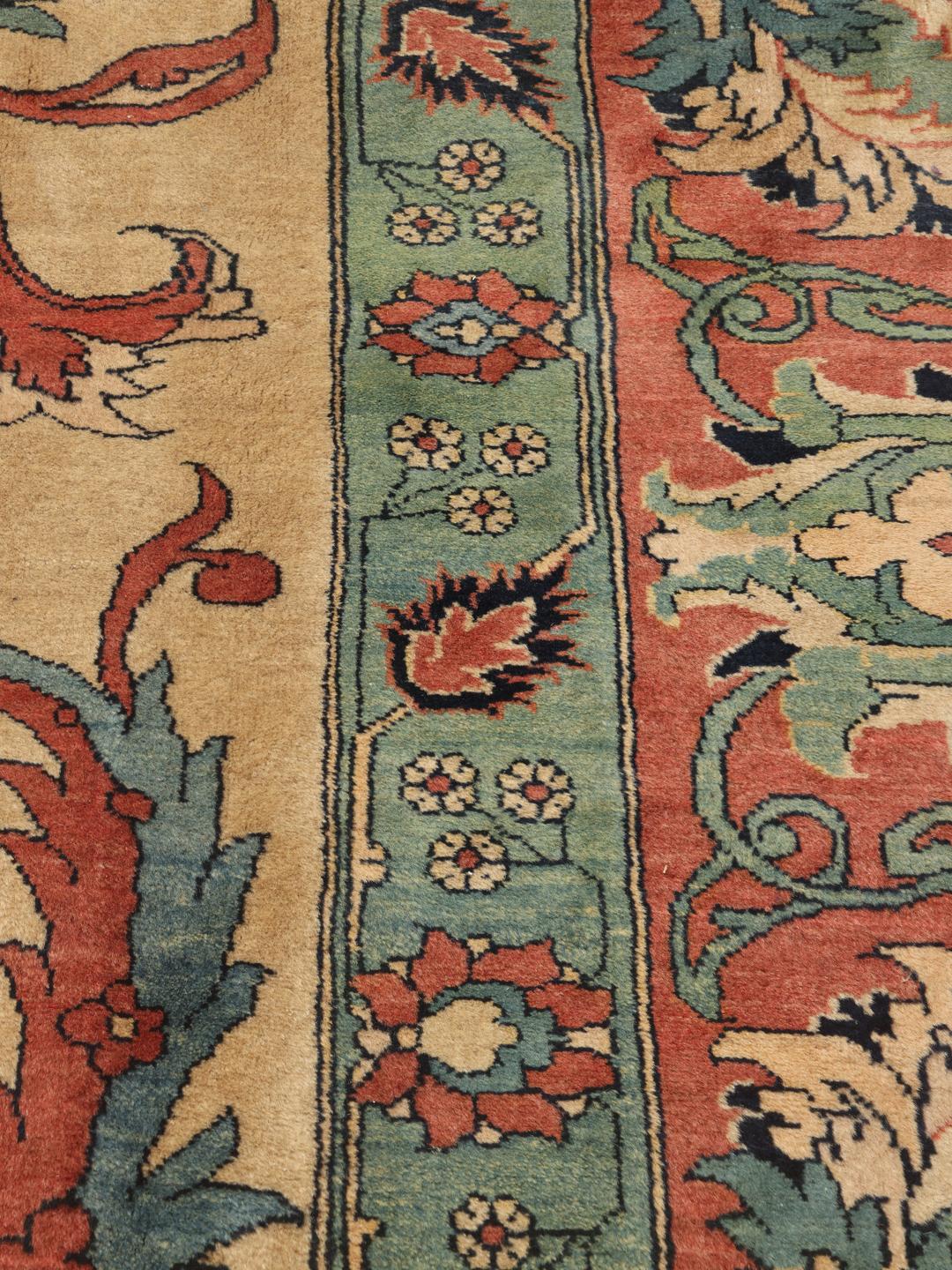
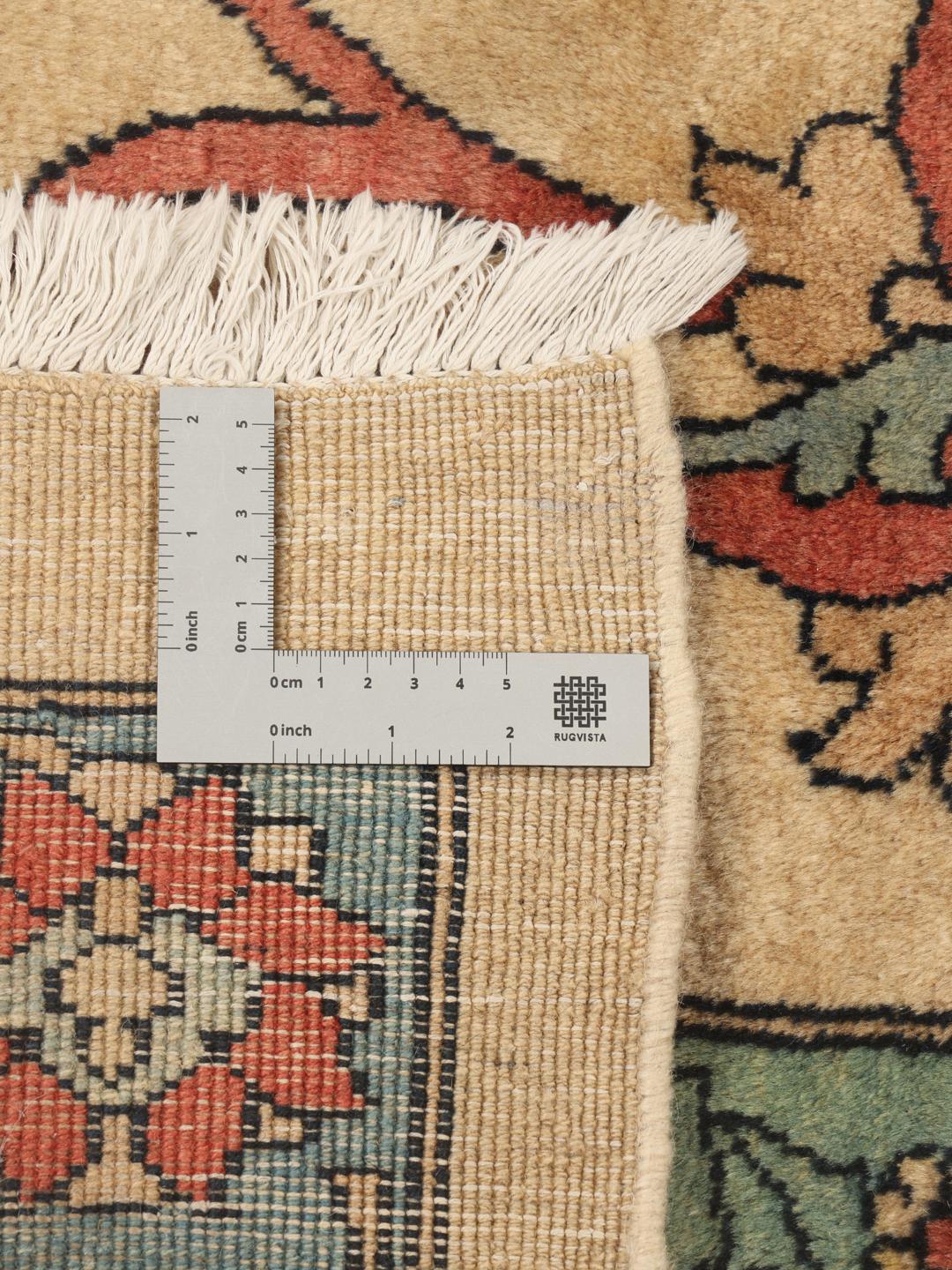
Signature design elements of the Heriz include the large, central medallion, which often features an intricate, star-like shape, surrounded by a field filled with stylized palmettos, vines, and leaves. The borders are usually wide and highly detailed, often featuring the classic turtle or vine motifs that frame the central action. The colour palette is traditionally warm, utilising deep reds, soft beiges, and rich blues derived from natural dyes that age beautifully over time.
Heriz rugs are highly sought after by collectors and interior designers alike for their exceptional durability and their ability to anchor a room with their powerful visual language. Owning a Heriz is a commitment to heritage and artistry, as these pieces are not merely floor coverings but cultural documents that preserve the weaving traditions of a historic region. They are celebrated for their ability to bridge the gap between traditional craftsmanship and contemporary interior design.