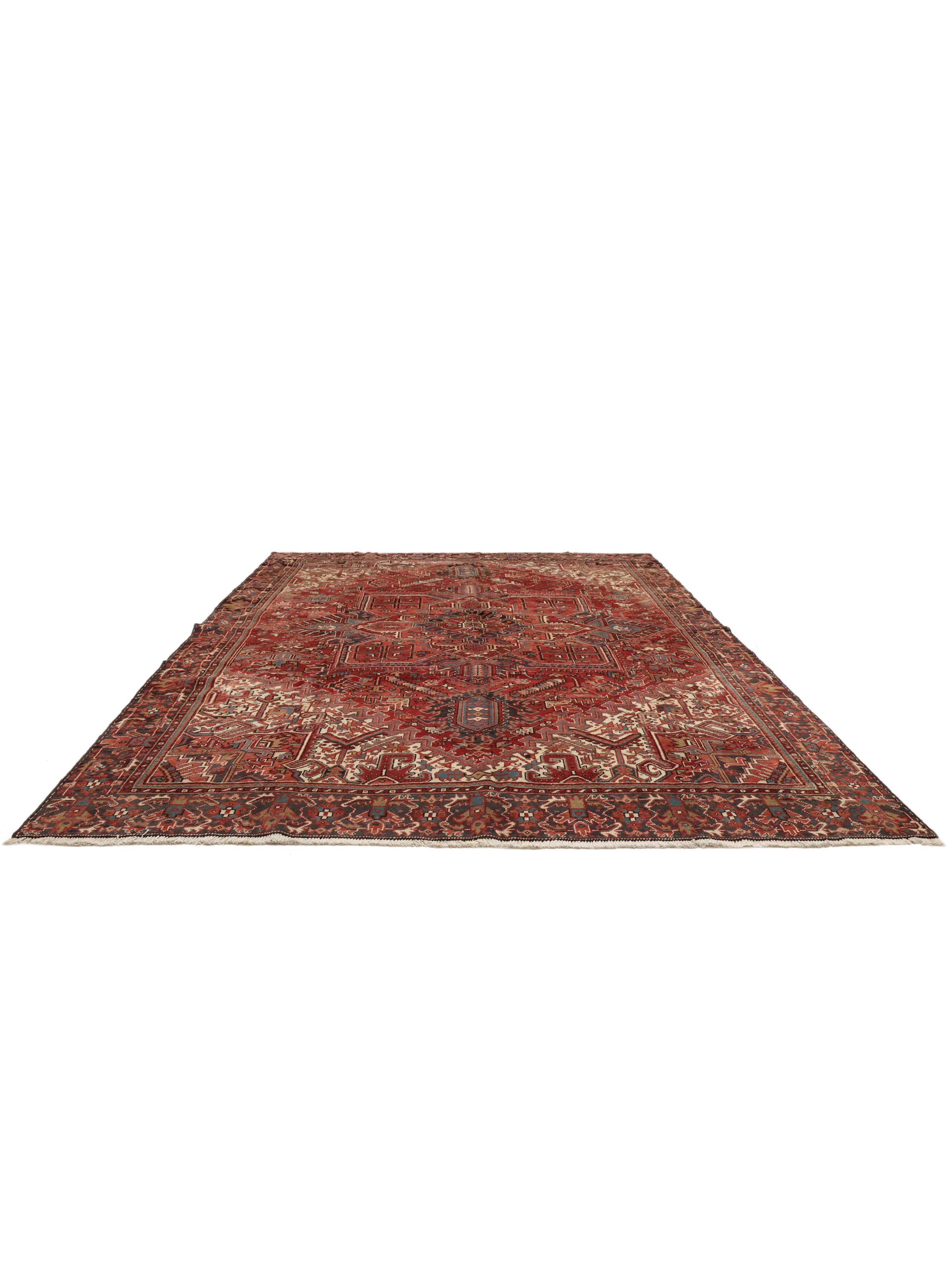
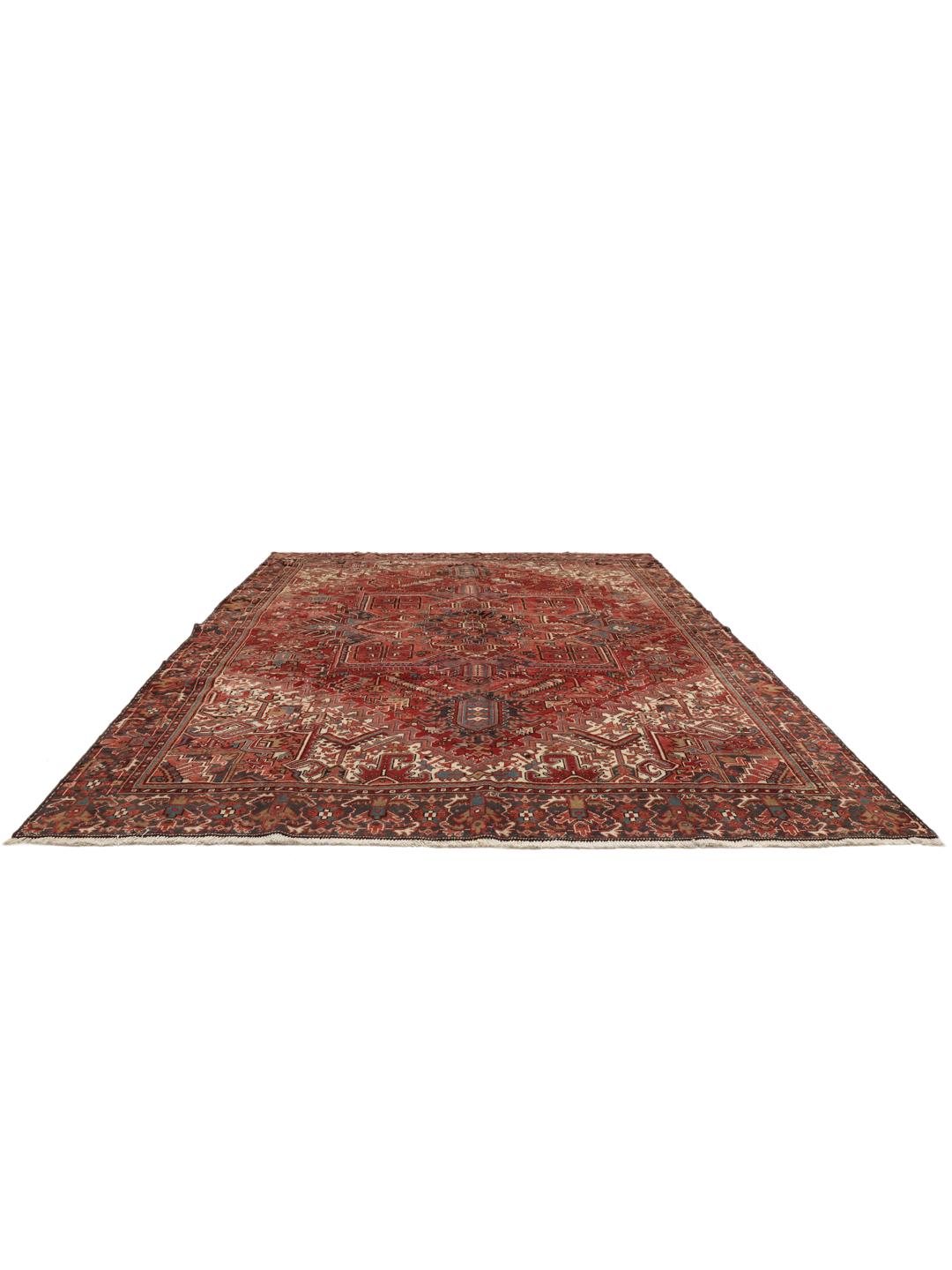
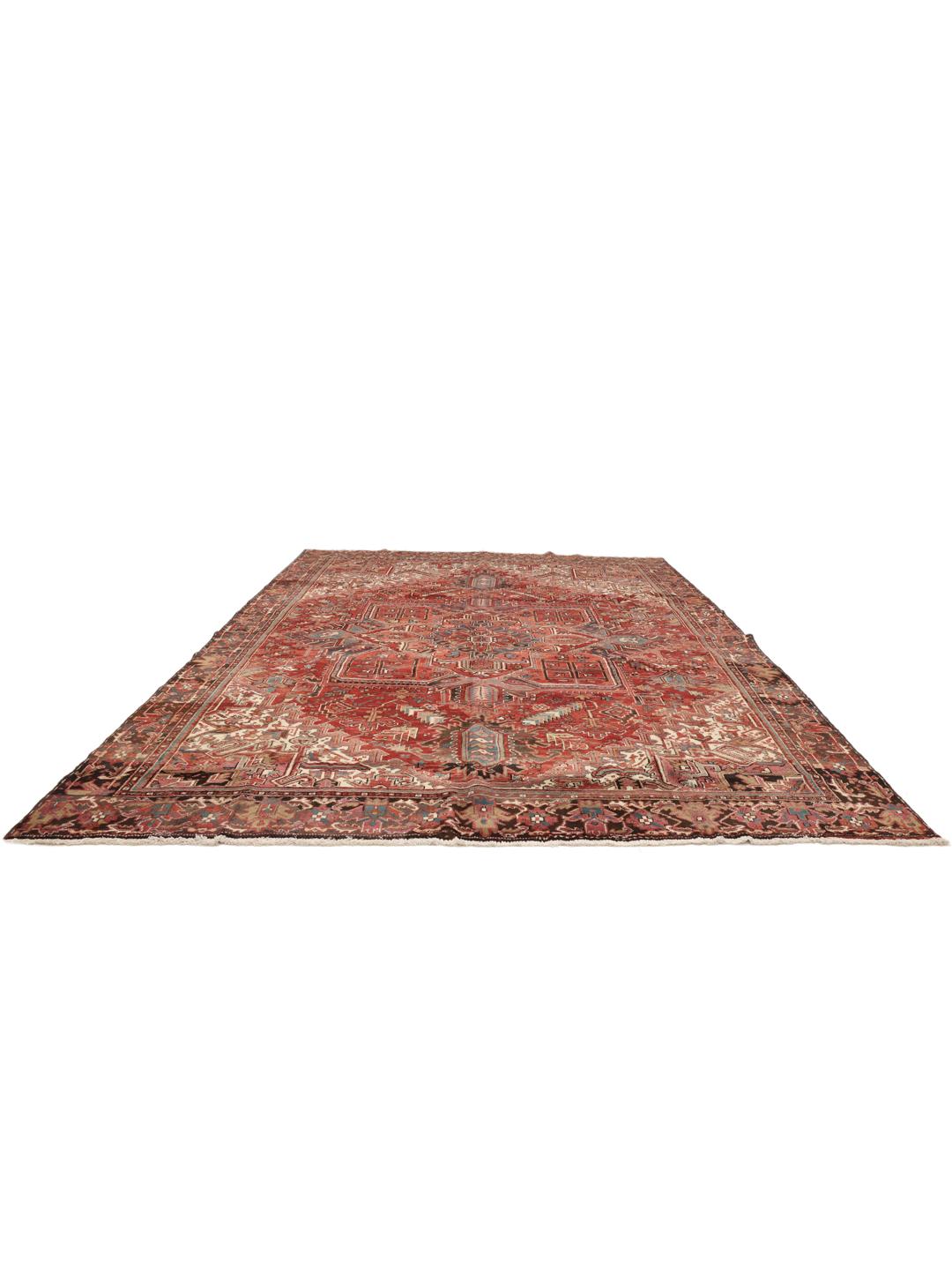
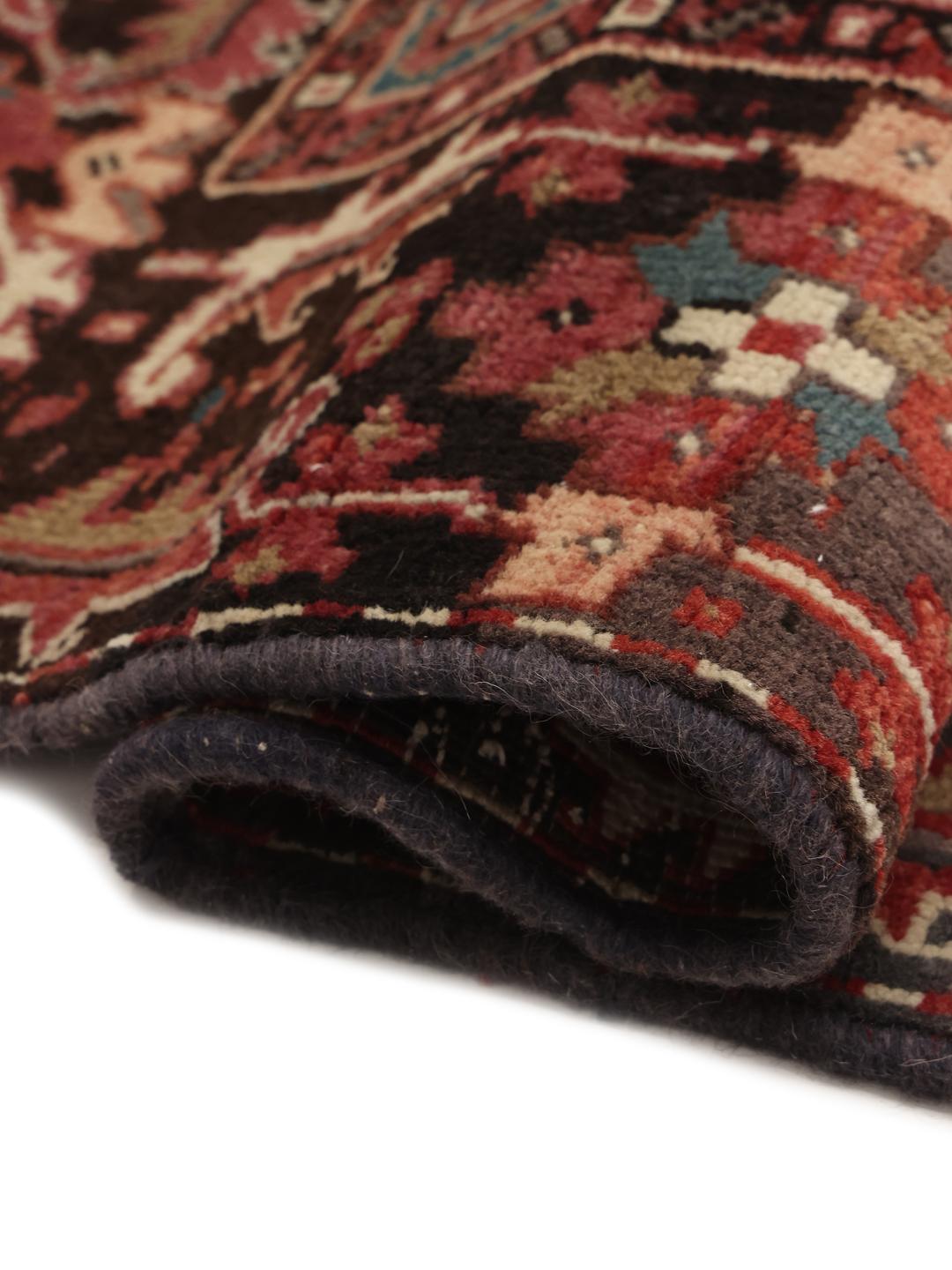
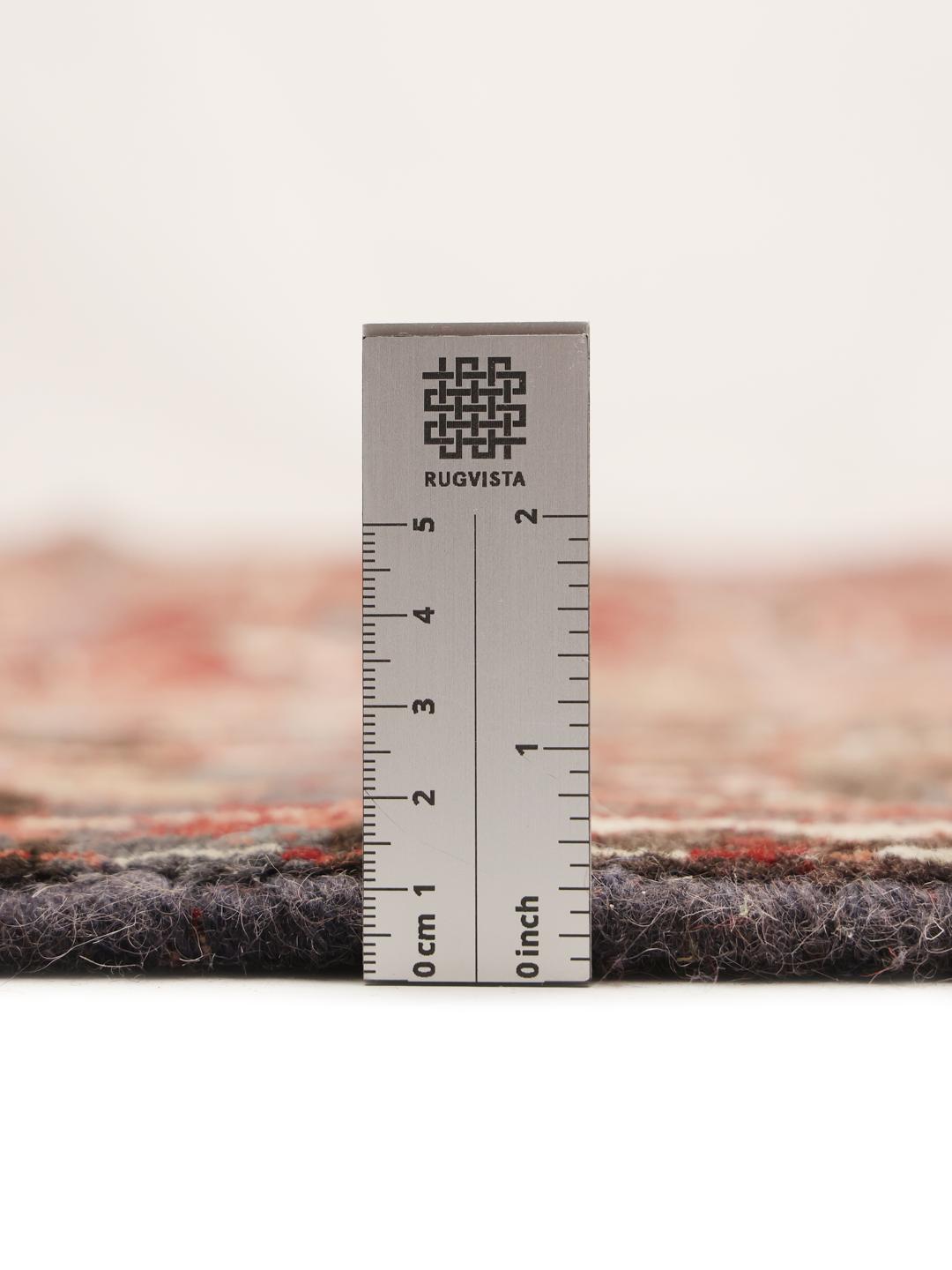
Heriz rugs originate from the mountainous region of Northwest Middle East, specifically from the area surrounding the town of Heriz. This region has long been celebrated for producing some of the most durable and architecturally designed floor coverings in the world. The harsh, cold climate of the region influences the weaving style, resulting in a robust, heavy construction that is prized for its longevity.
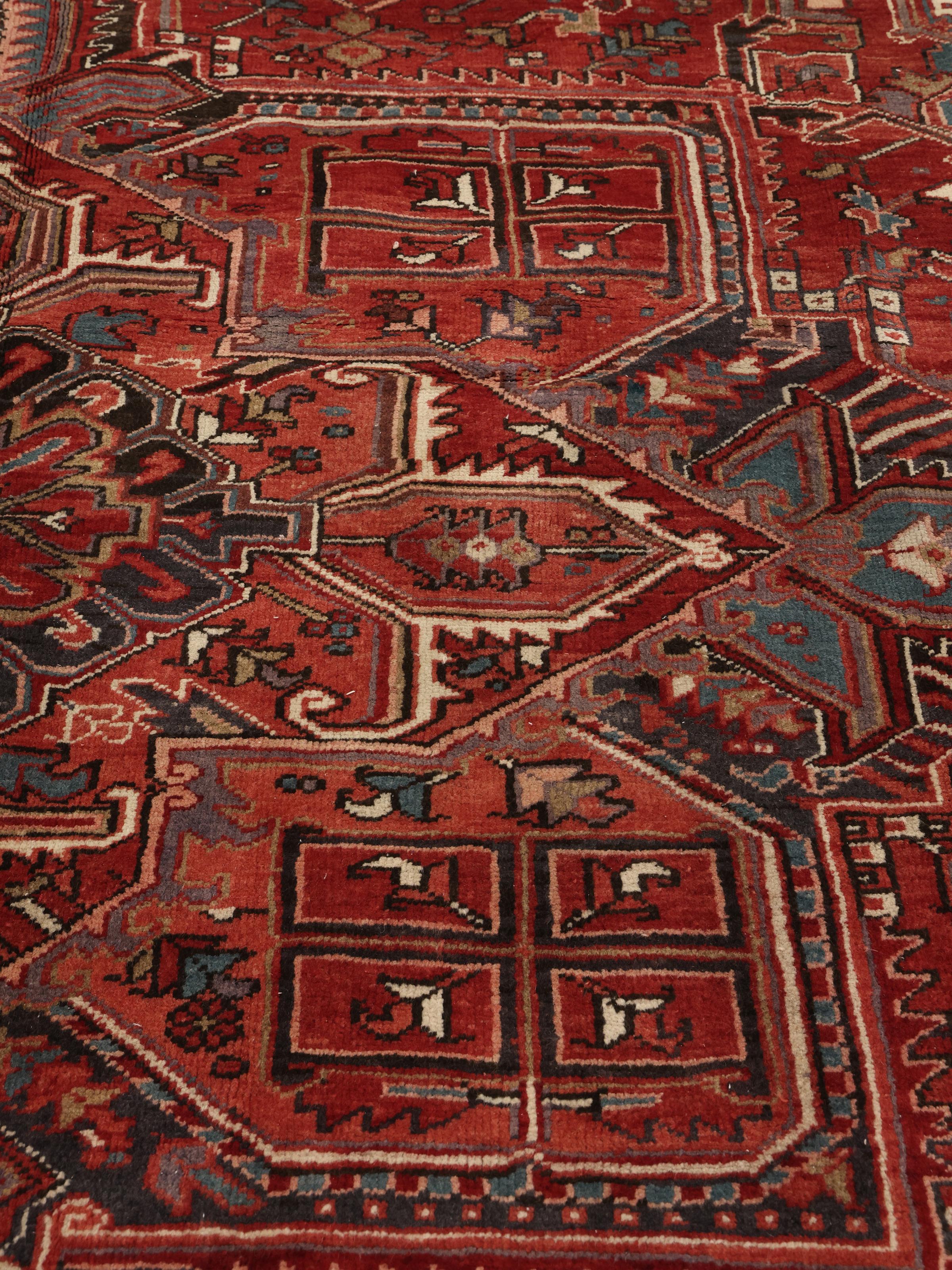
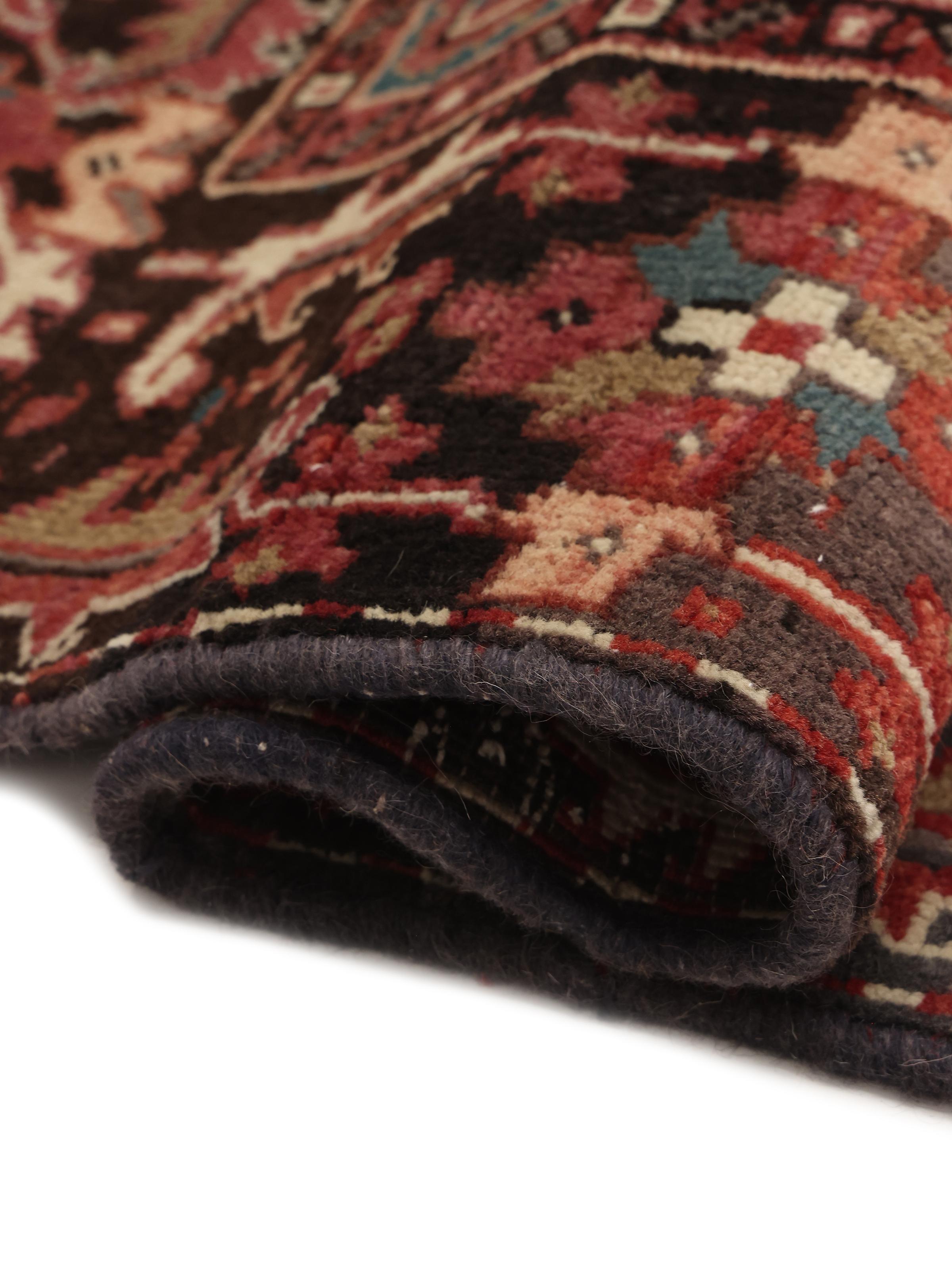
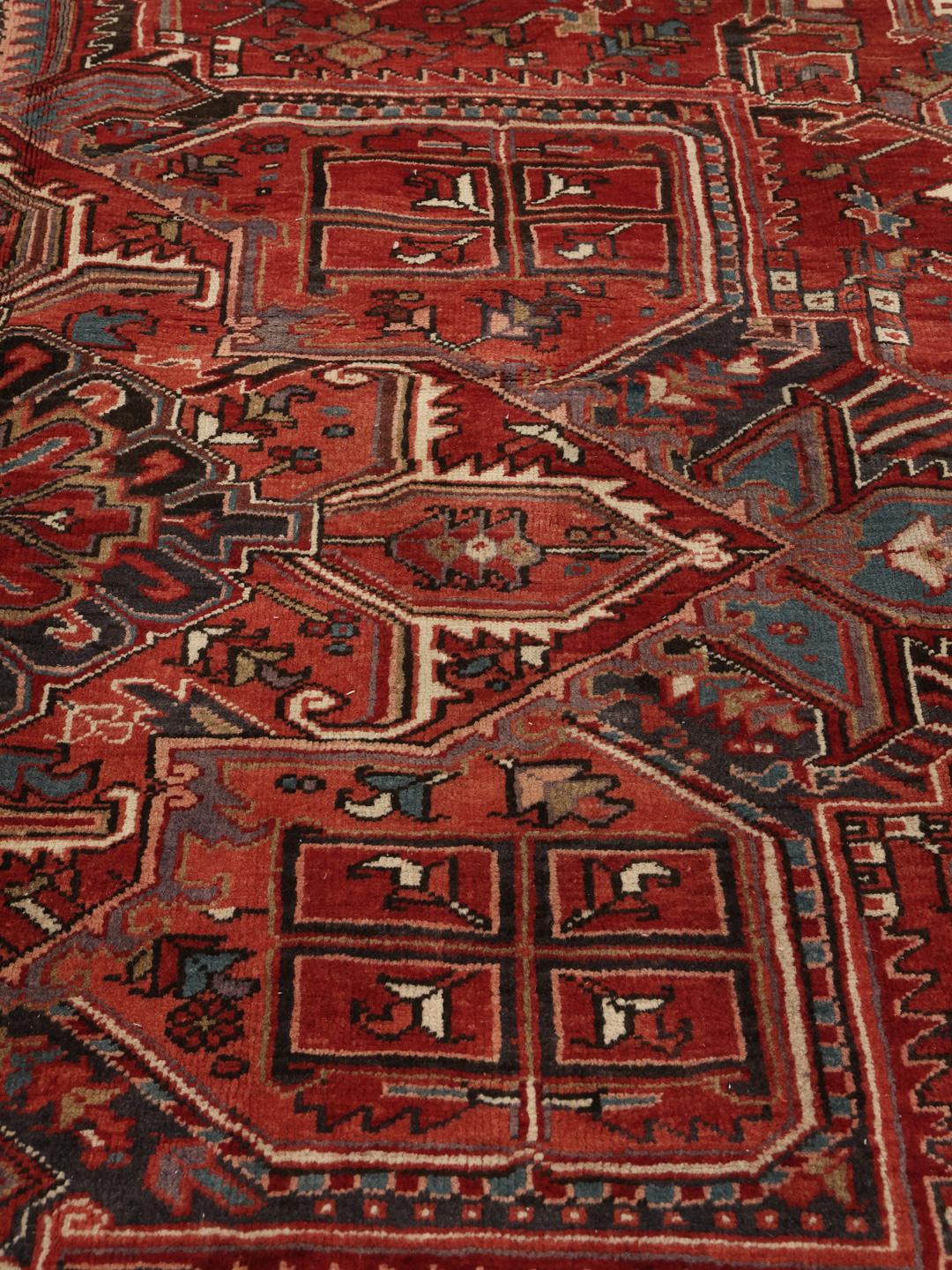
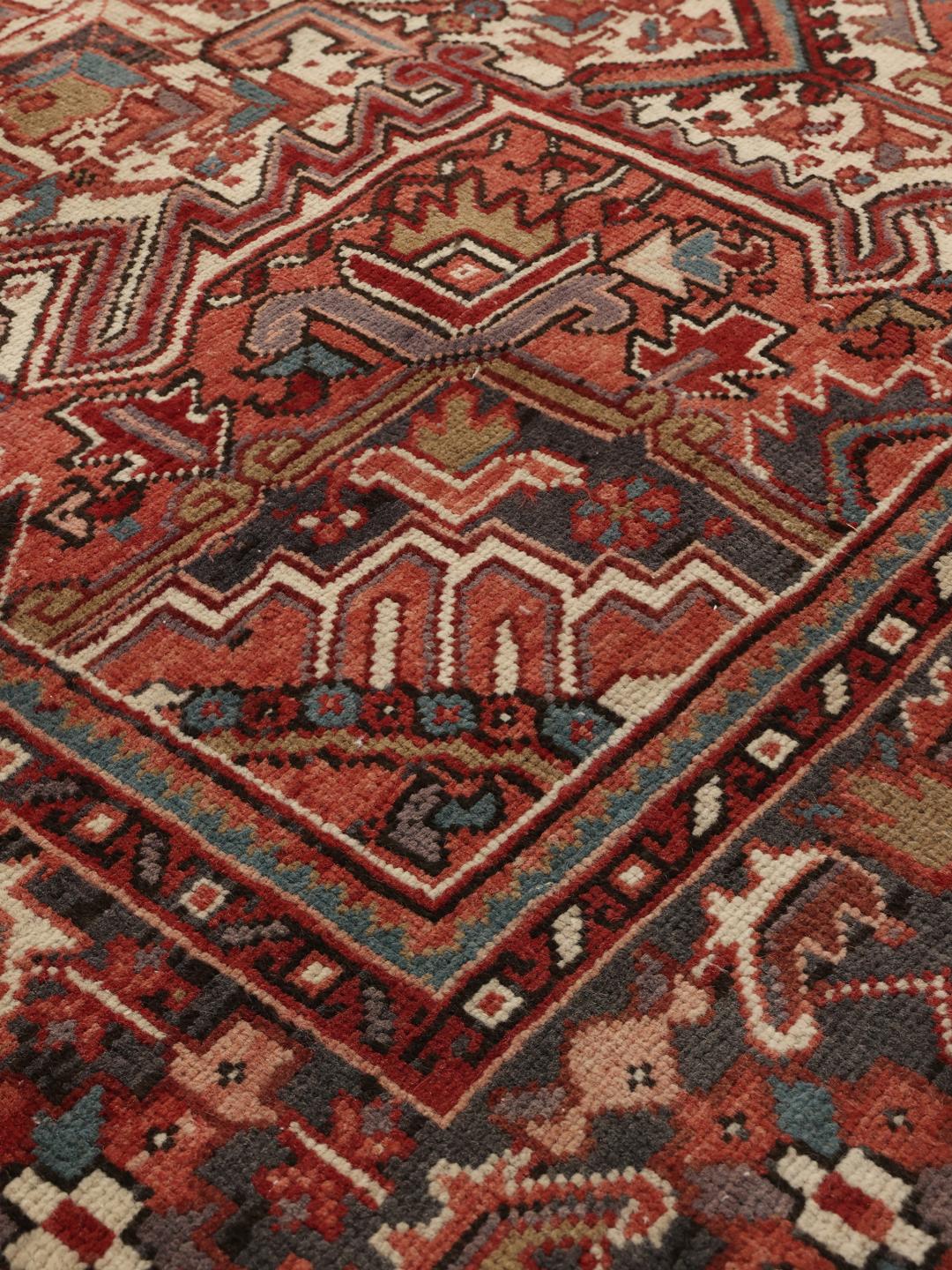
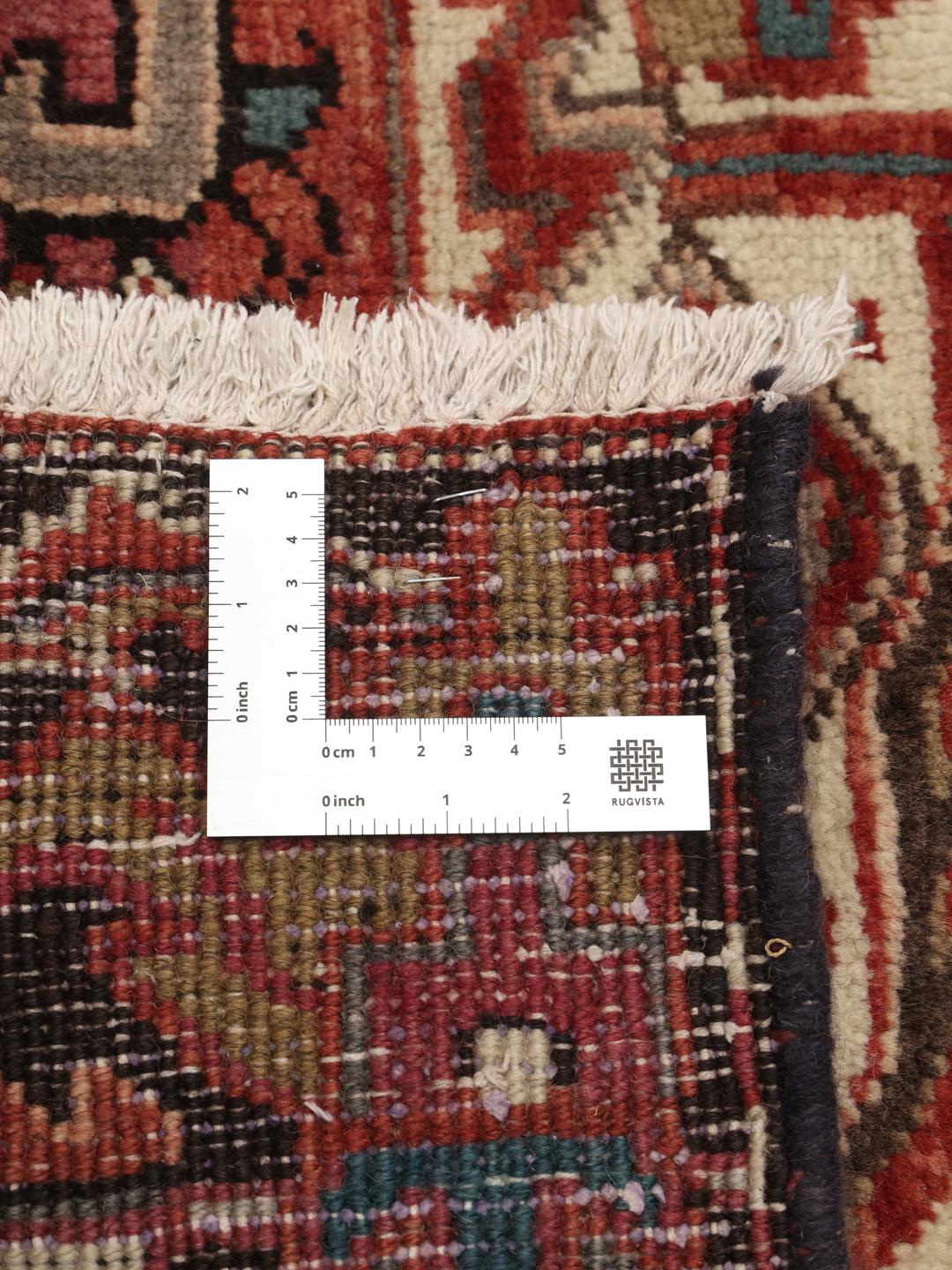
The technical prowess of these rugs lies in their unique construction. The wool used in these pieces is often sourced from local sheep, known for its high lanolin content which makes it exceptionally soft yet resilient. The knotting technique is specifically designed to create a tight, dense pile that can withstand the rigours of mountain life, making these rugs as functional as they are beautiful.
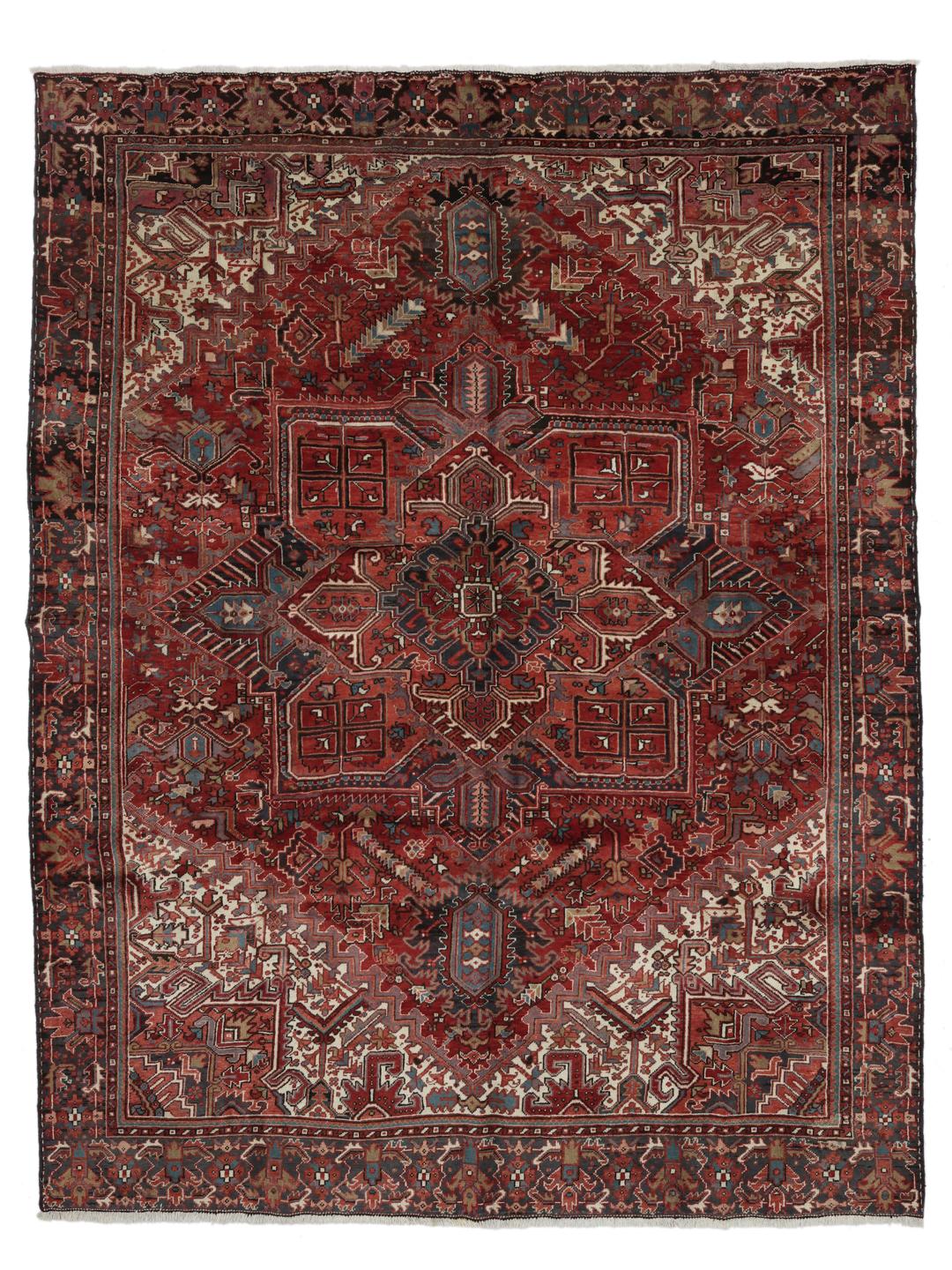
Design-wise, Heriz rugs are famous for their bold, oversized central medallions. Unlike the fine, flowing floral patterns found in other traditions, these designs lean toward the geometric and the abstract. You will often see sharp, angular lines and large, stylized floral motifs arranged in a way that suggests a grand architectural plan. The colours are typically deep, earthy, and rich, drawing on traditional dye palettes that have been refined over centuries.
Collectors value Heriz rugs for their uncompromising quality and their status as a bridge between nomadic tribal traditions and formal, sophisticated weaving. Owning one is a commitment to heritage, as these pieces are designed to age gracefully, often becoming more beautiful with time. They represent a pinnacle of regional skill, offering a piece of history that adds depth, warmth, and cultural significance to any contemporary home.