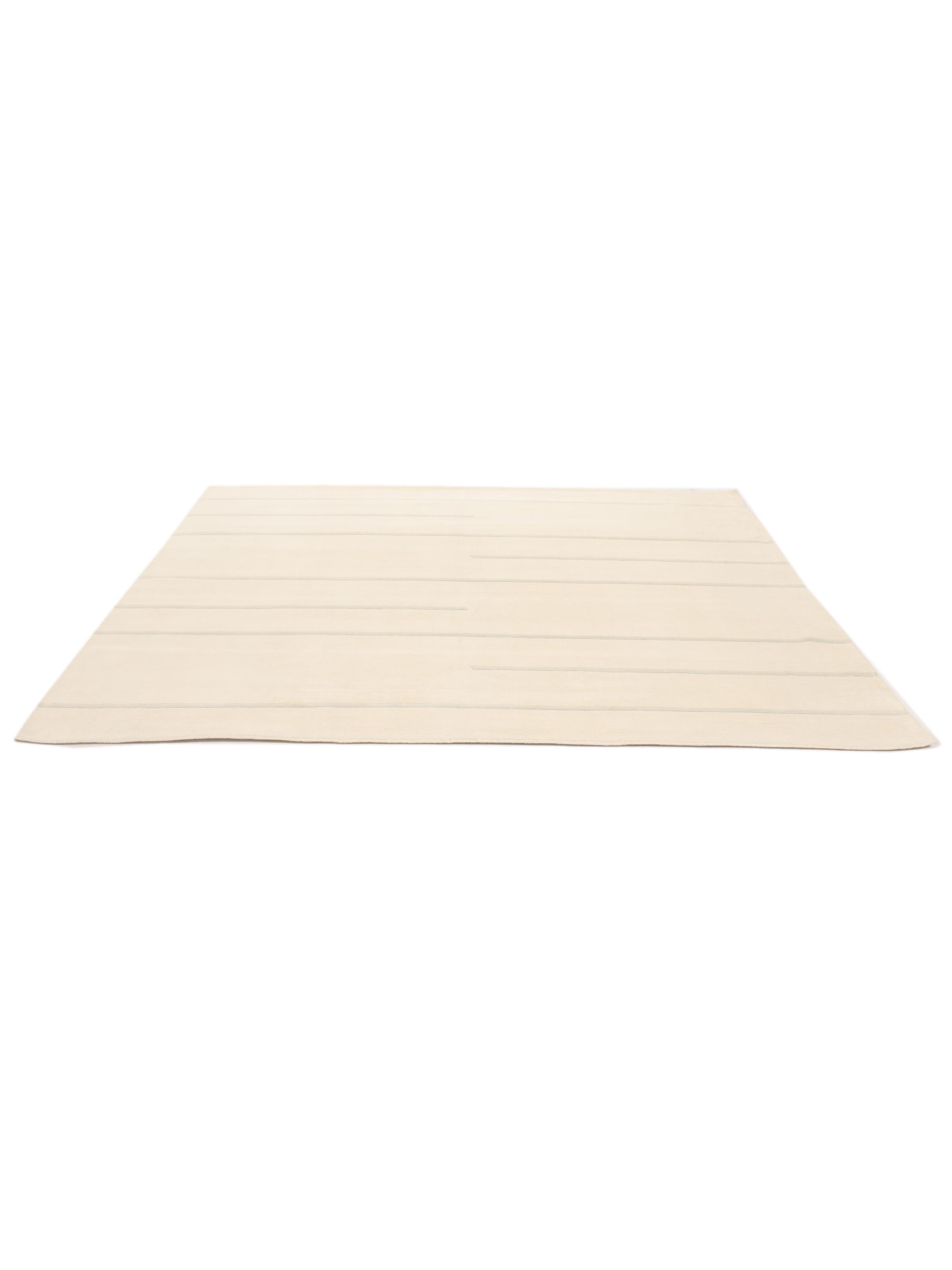
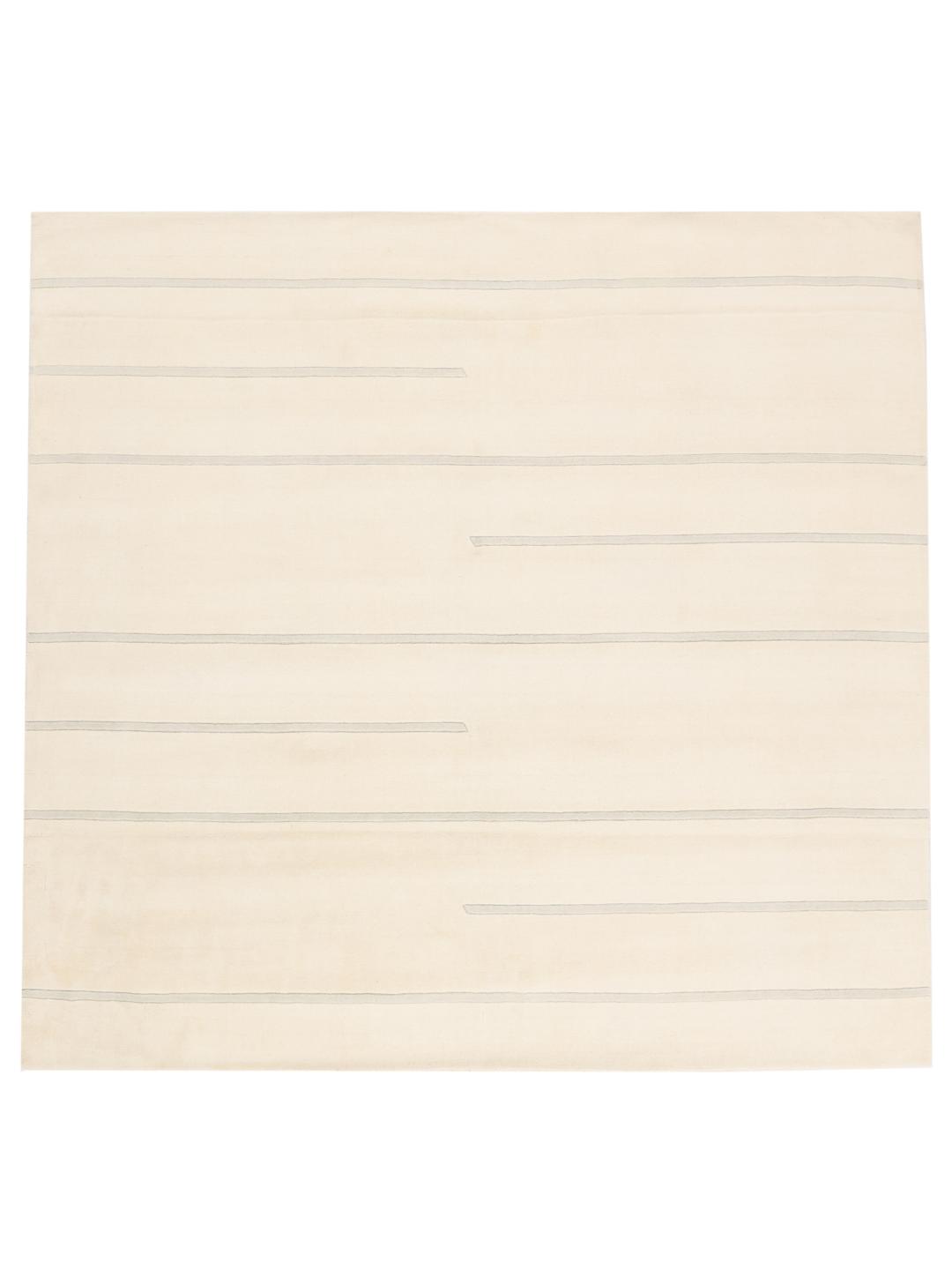
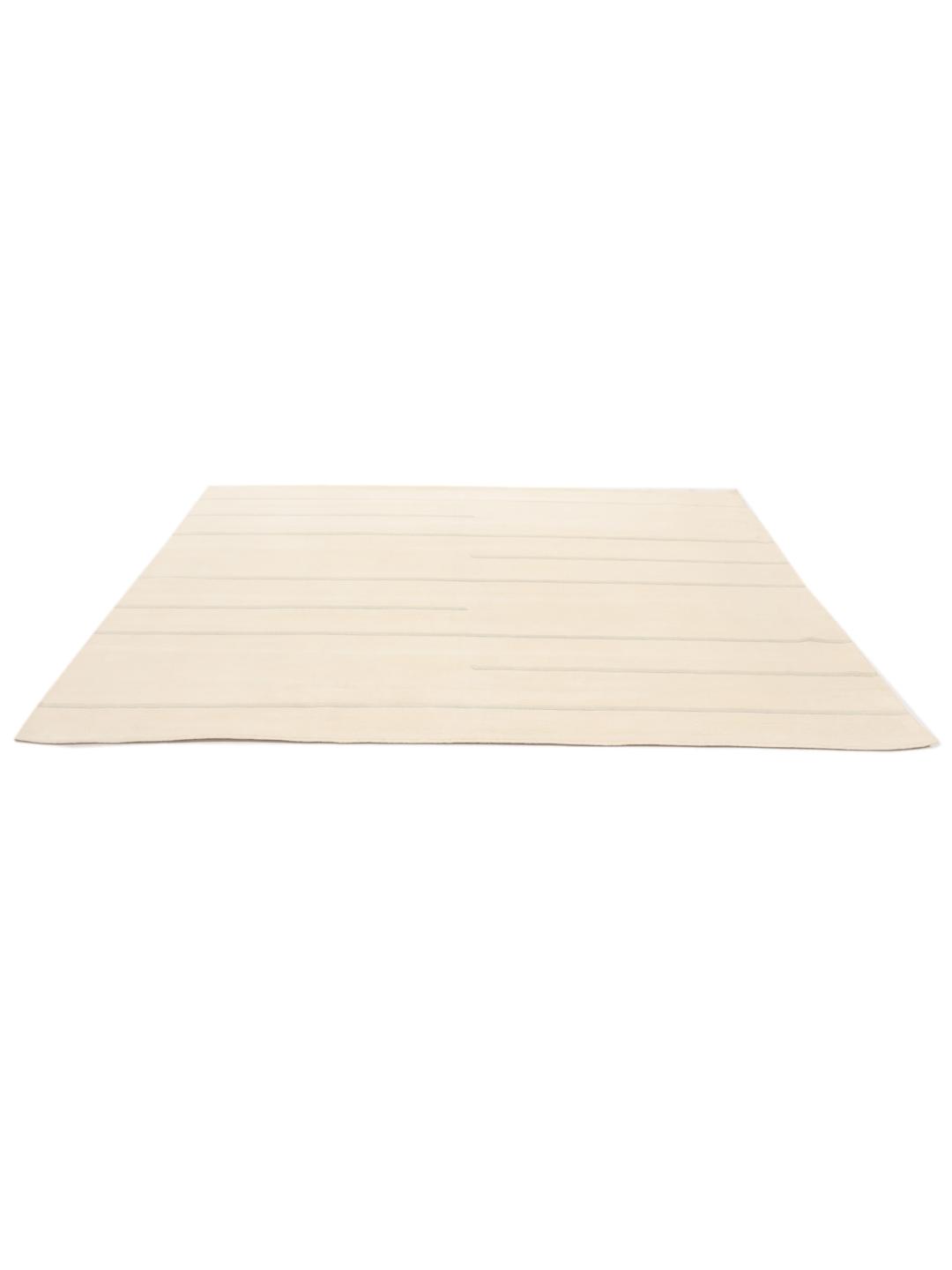
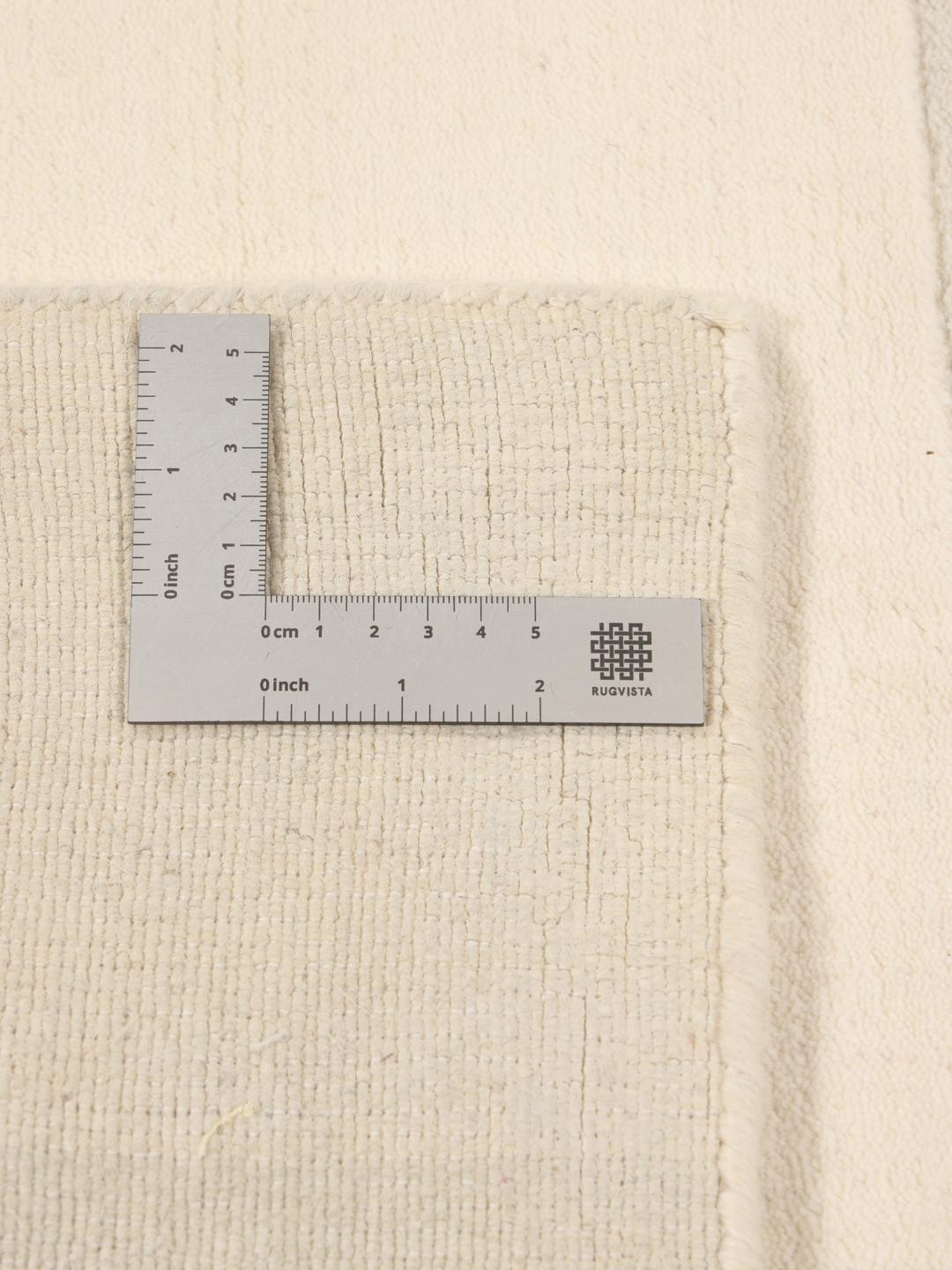
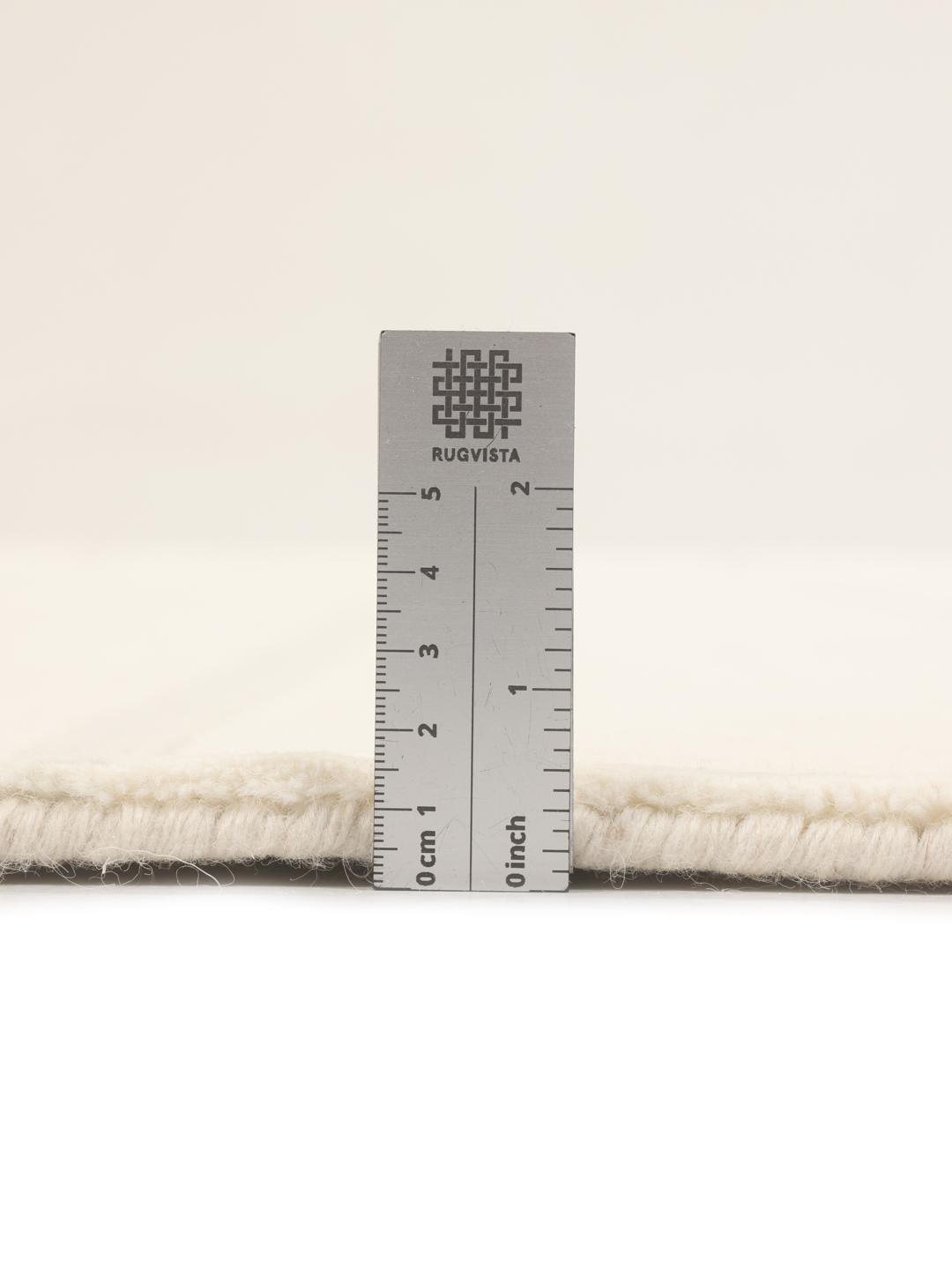
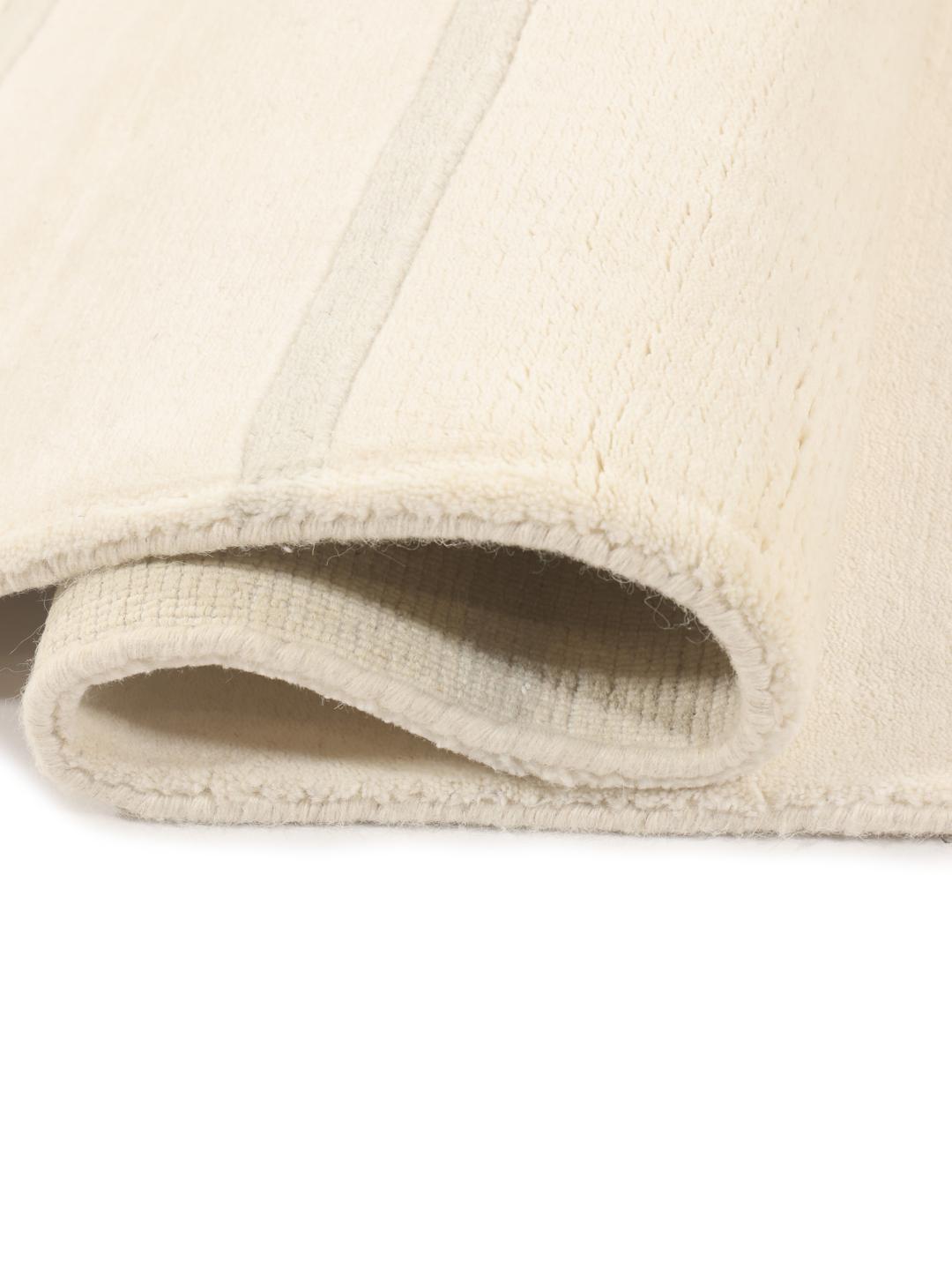
The tradition of handloom weaving in India is a deeply rooted cultural practice, spanning centuries of history and innovation. Indian looms have long been centres of textile excellence, producing everything from intricate silks to the durable, high-quality wool rugs seen today. This rug draws upon that rich heritage, blending ancient techniques with a contemporary design language that speaks to modern living.
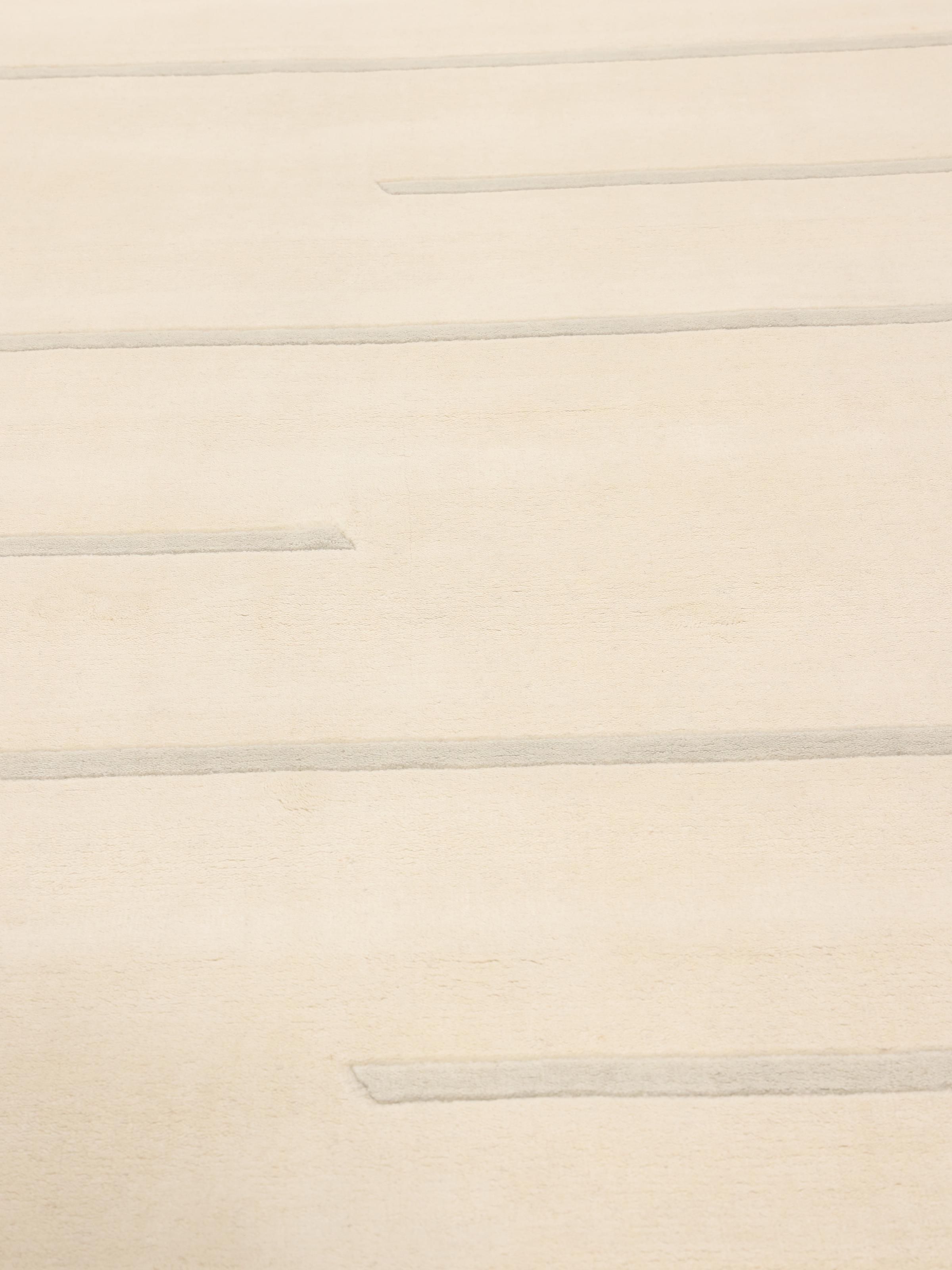
The handloom technique itself is a hallmark of quality, distinct from other weaving methods. By using a manually operated loom, the weaver maintains direct control over the tension and density of the pile. This results in a superior, uniform surface that is both aesthetically pleasing and structurally sound. For the owner, this means a rug that retains its shape and soft texture far longer than machine-woven counterparts.
The design of this rug, characterised by its subtle, linear pattern, reflects a modern move toward simplicity and clean lines. While traditional Indian rugs are often noted for their intricate, elaborate motifs, this piece embraces a more minimalist aesthetic. This evolution in style demonstrates the adaptability of Indian weaving traditions, which continue to influence global interior design by balancing legacy craft with modern visual trends.
Owning a piece from this tradition is an investment in cultural heritage and skilled labour. These rugs are highly valued by collectors and design enthusiasts alike, not only for their visual impact but for the story they tell of the artisan who brought them to life. By bringing this rug into your home, you are participating in a long lineage of craftsmanship and ensuring that these traditional skills continue to thrive.