The history of hand-loomed rugs in India is rooted in a centuries-old tradition of textile mastery that has evolved to meet contemporary design needs. While India is famous for its intricate knotted carpets, the handloom tradition offers a different, more architectural approach to rug making. These rugs are born from a culture that deeply respects the rhythm of the loom, where the weaver works in harmony with the frame to create textiles that are both functional and artistic.
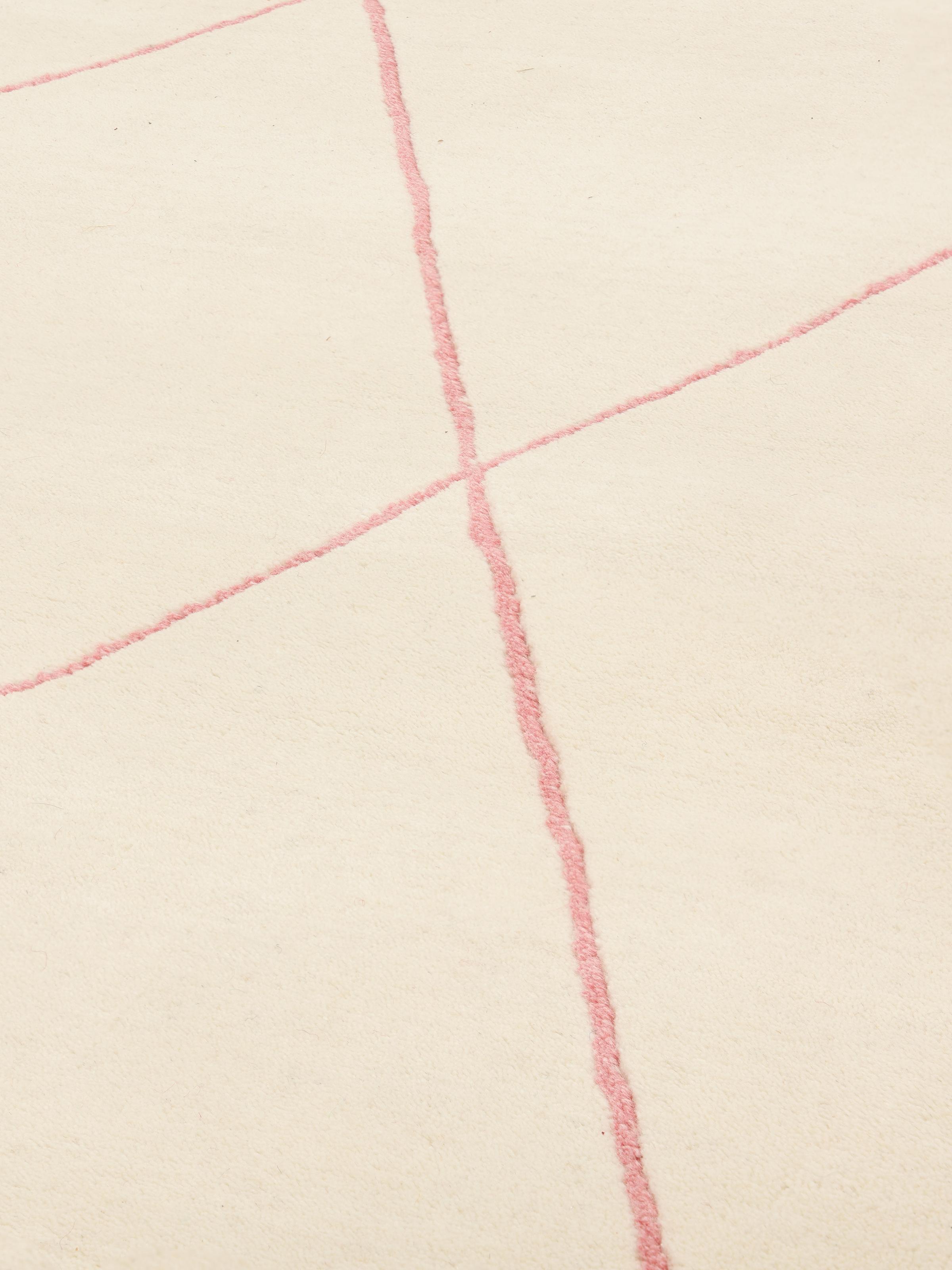
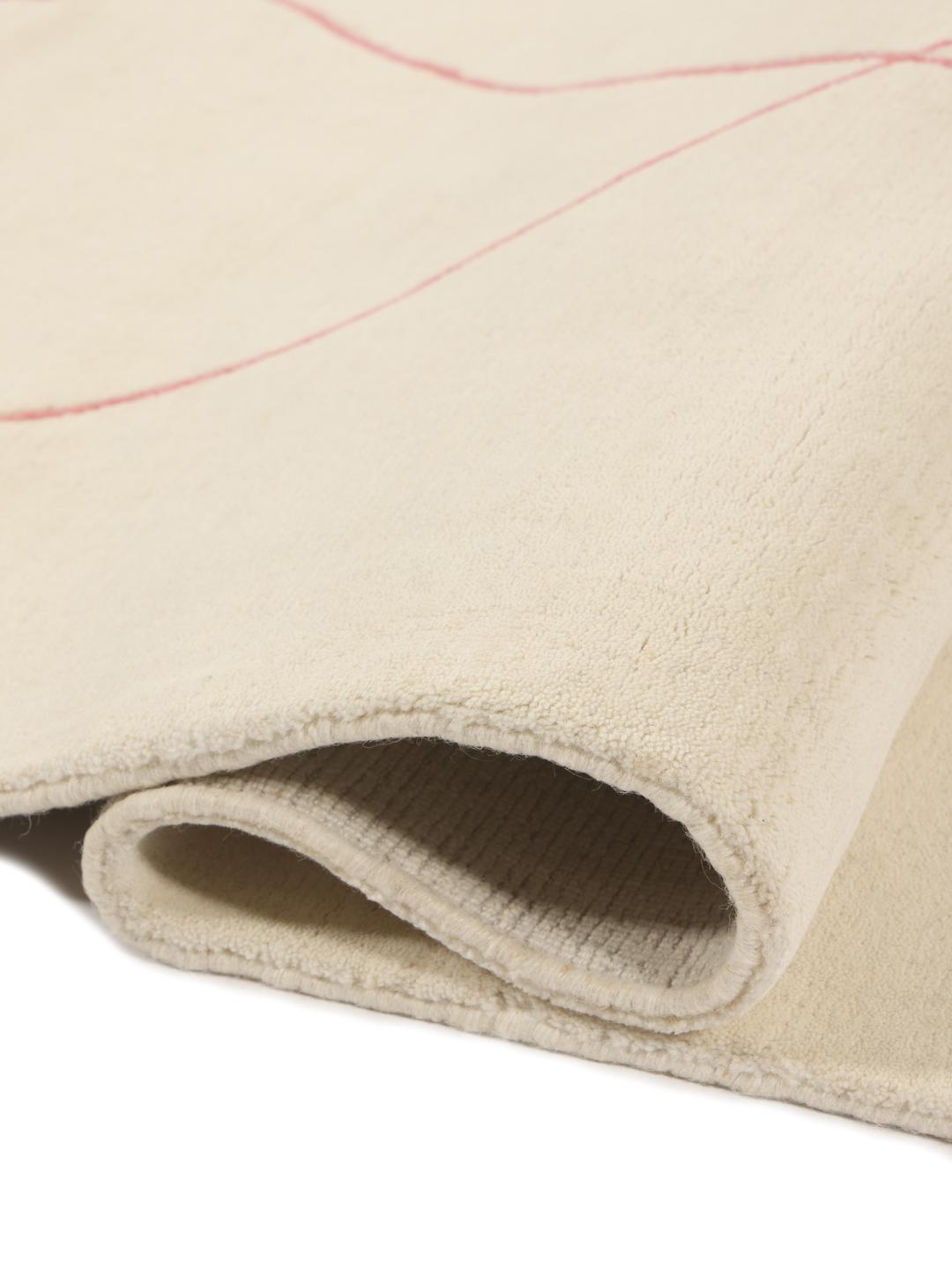
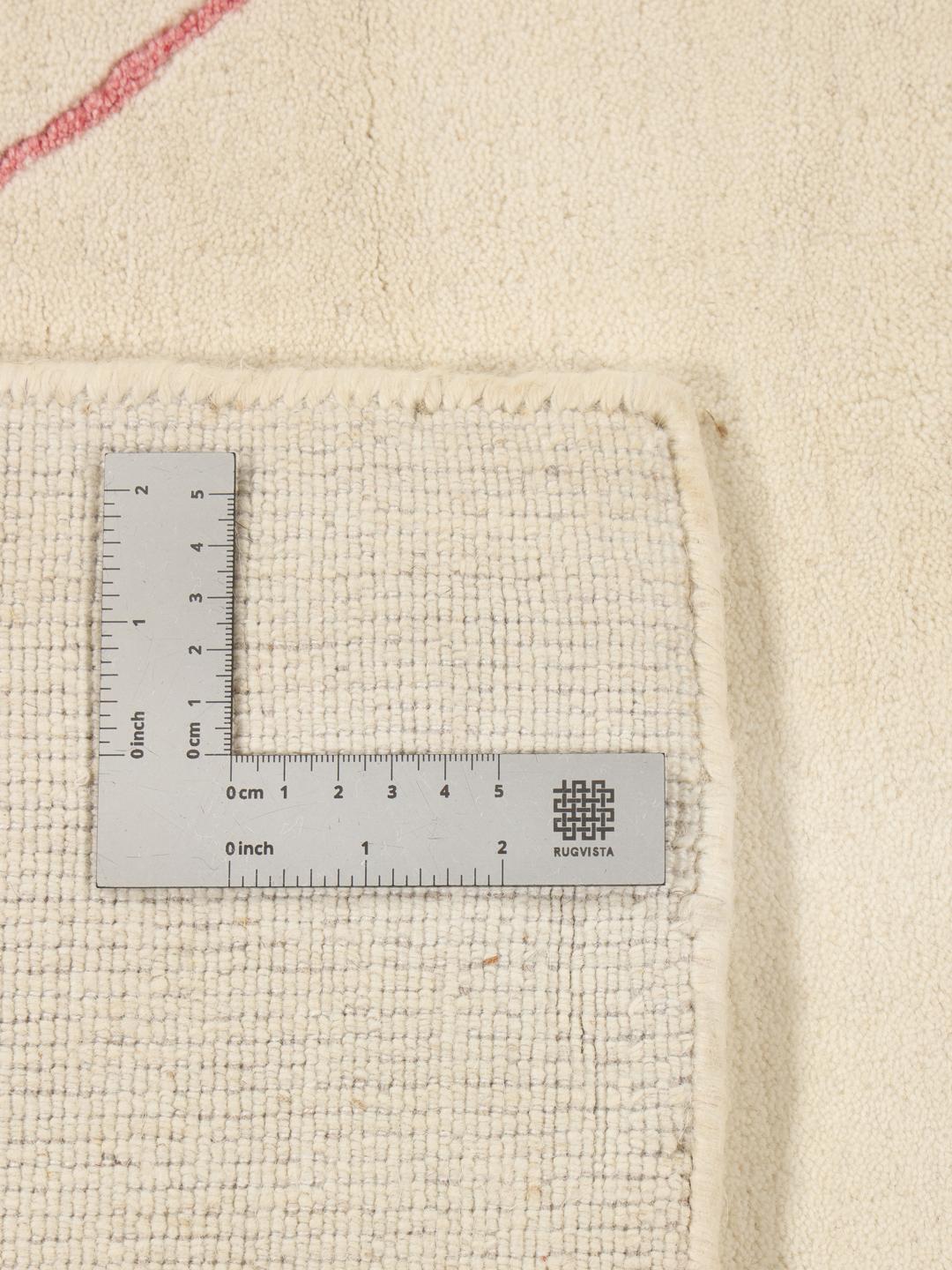
Technically, the handloom process is distinct because it relies on the weaver's manual operation of the loom rather than the knot-by-knot construction found in traditional Middle Eastern rugs. This method allows for a very consistent, dense surface that is exceptionally soft. The term 'handloom' refers to the human-powered operation of the shuttle and heddles, ensuring that the tension remains uniform across the entire length of the rug, which is critical for its long-term shape and comfort.
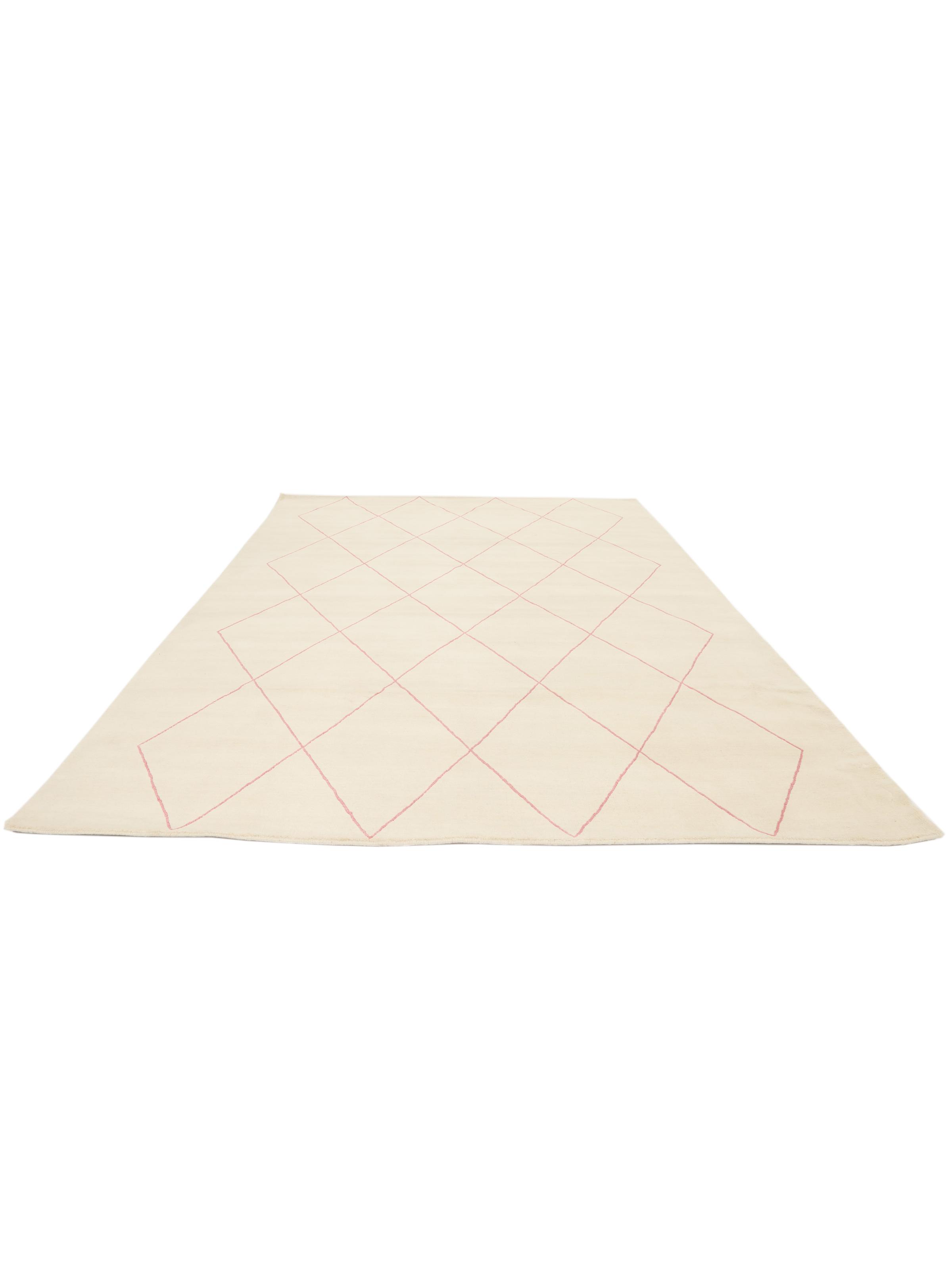
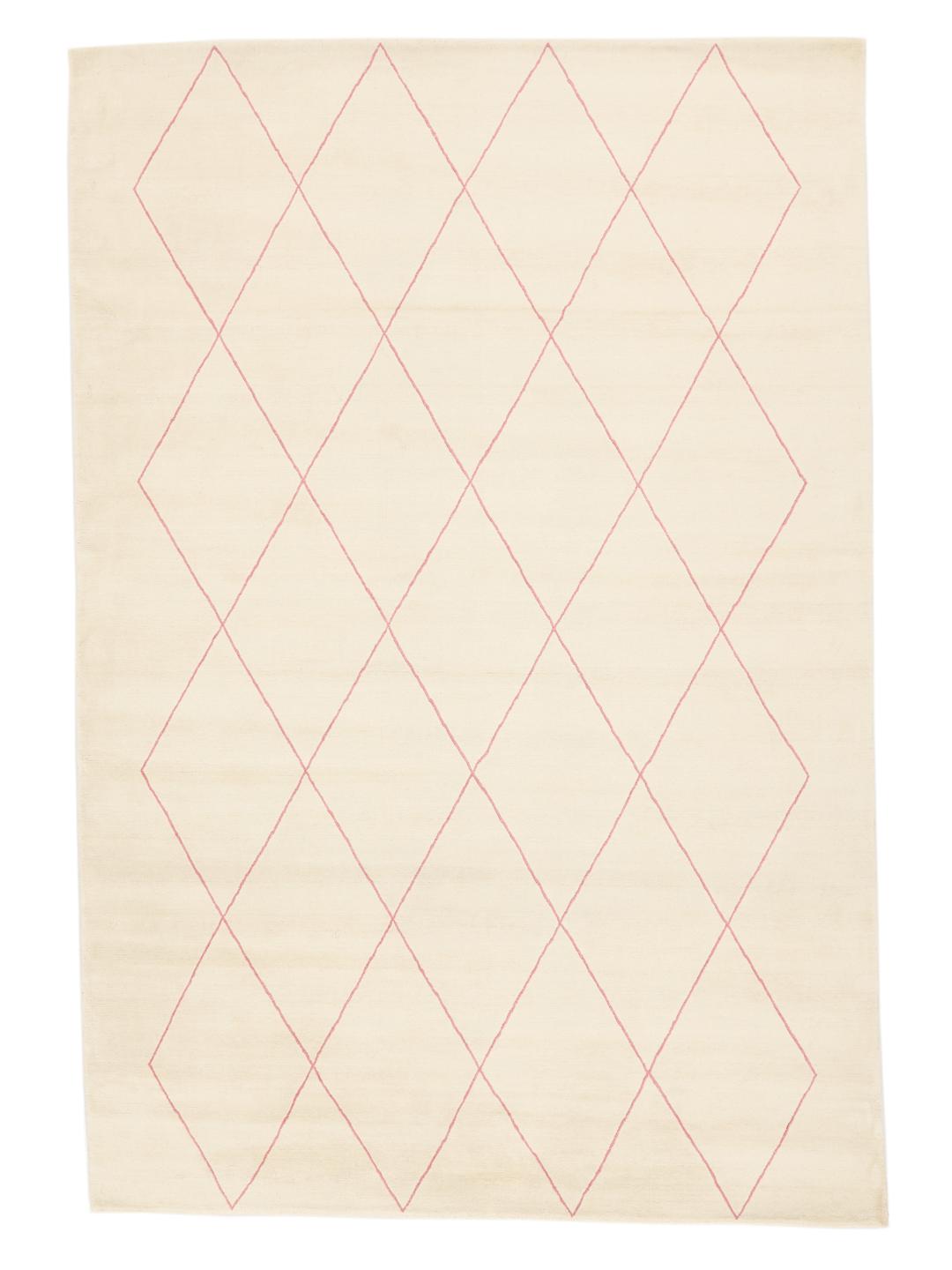
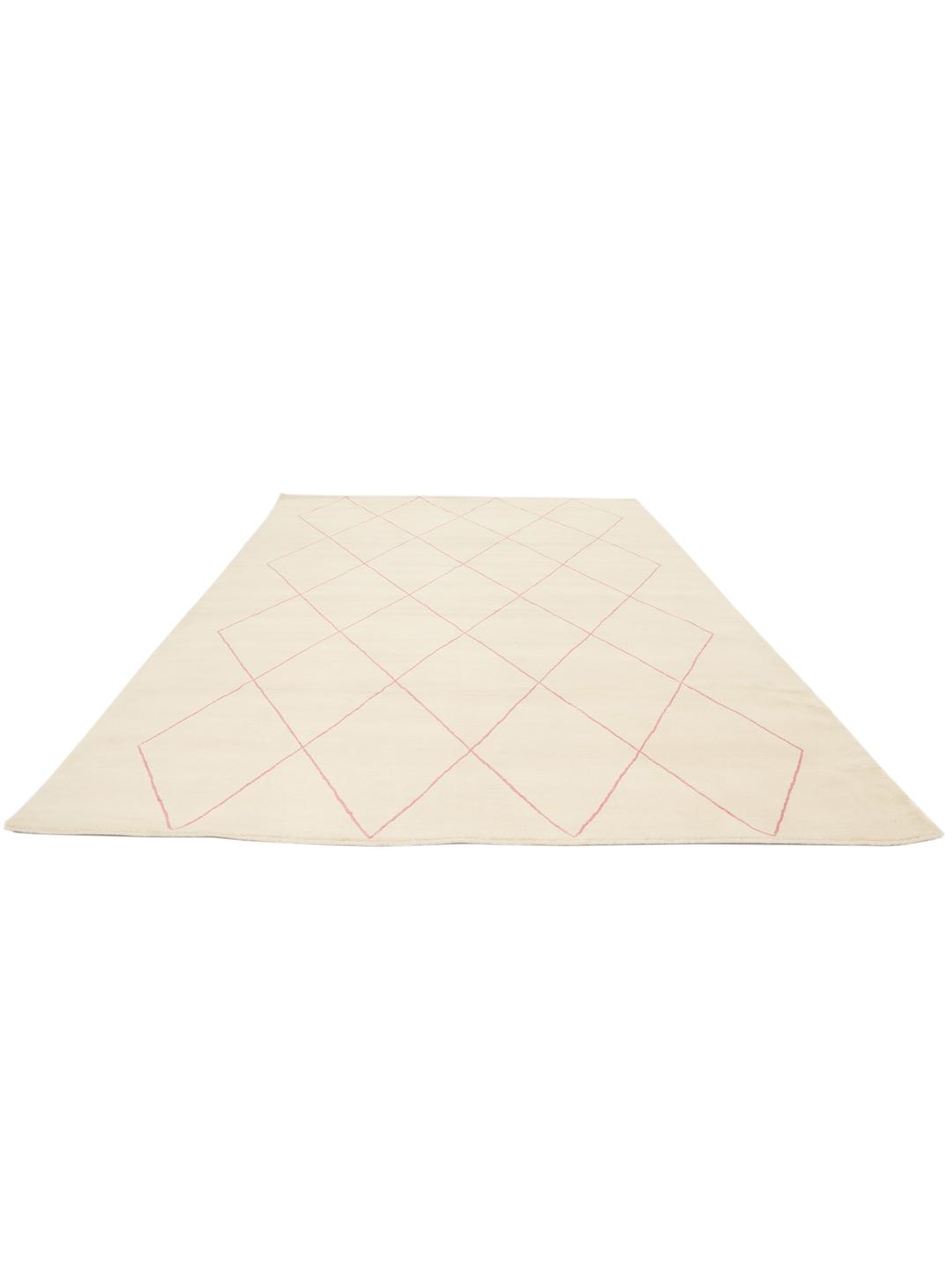
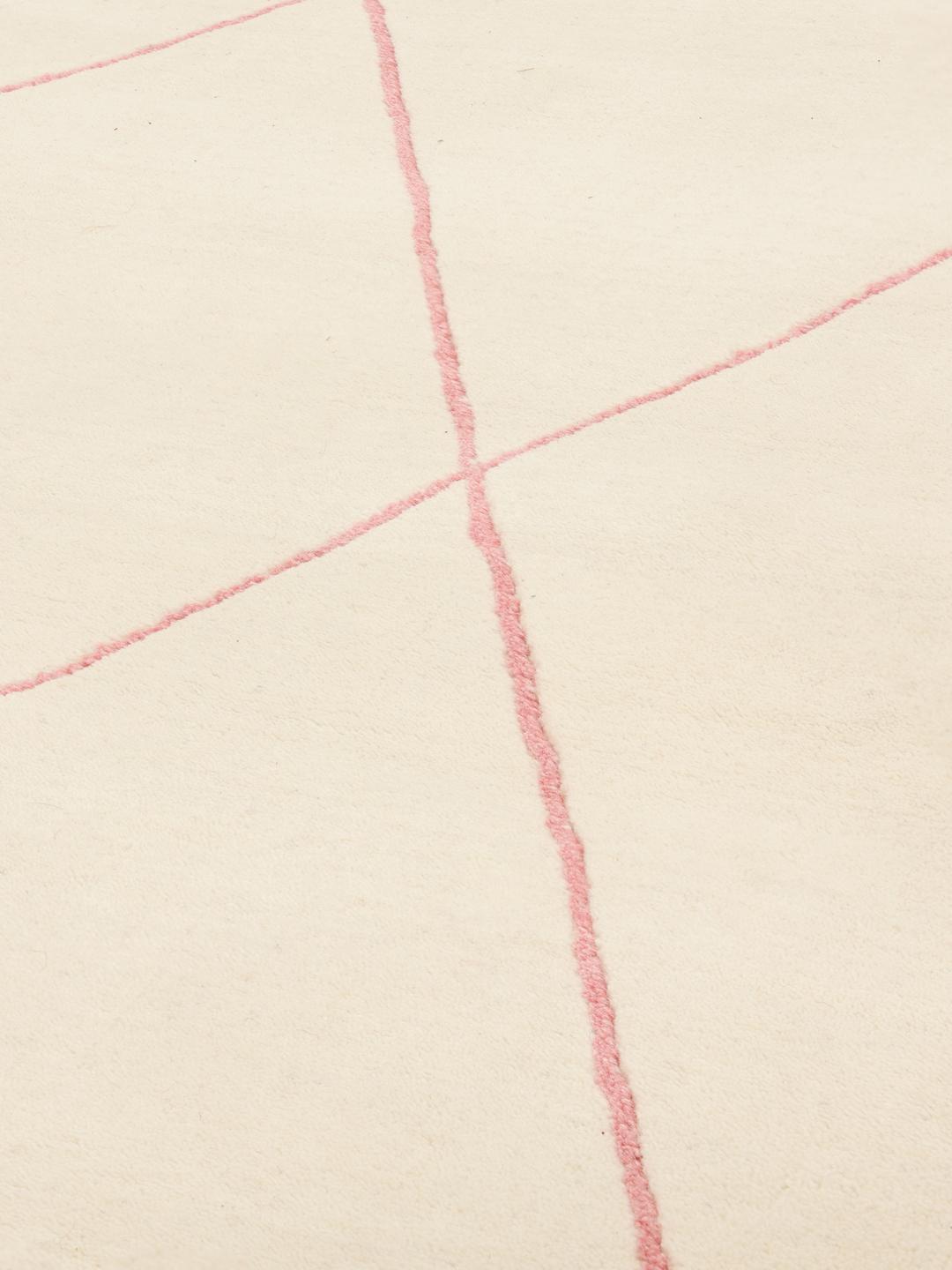
Design-wise, this rug draws on the tradition of minimalist geometry. The diamond pattern is a classic motif that has been used across cultures for millennia to represent balance and order. By pairing a simple, repeating diamond shape with a neutral, light palette, this rug honours the modern movement's focus on 'less is more'. It is a departure from the highly ornate floral or medallion patterns often associated with traditional weaving, opting instead for clean lines that emphasise the rug's texture.
Owning a hand-loomed piece from India is an investment in a living craft tradition. These rugs are valued by collectors and homeowners alike for their ability to bring a sense of calm and human touch to modern interiors. Because they are not mass-produced, they carry the mark of the artisan, making them a meaningful addition to a home that values authenticity, skill, and the quiet beauty of well-made objects.