The Hamadan region in the Middle East is renowned for its diverse and prolific rug-weaving traditions. Situated in an area with a history that stretches back to antiquity, Hamadan serves as a commercial and cultural hub where various tribal and village weaving styles converge. The Shahrbaf designation typically refers to a higher grade of weaving found within this region, often characterised by a more refined aesthetic and finer materials than standard village productions.
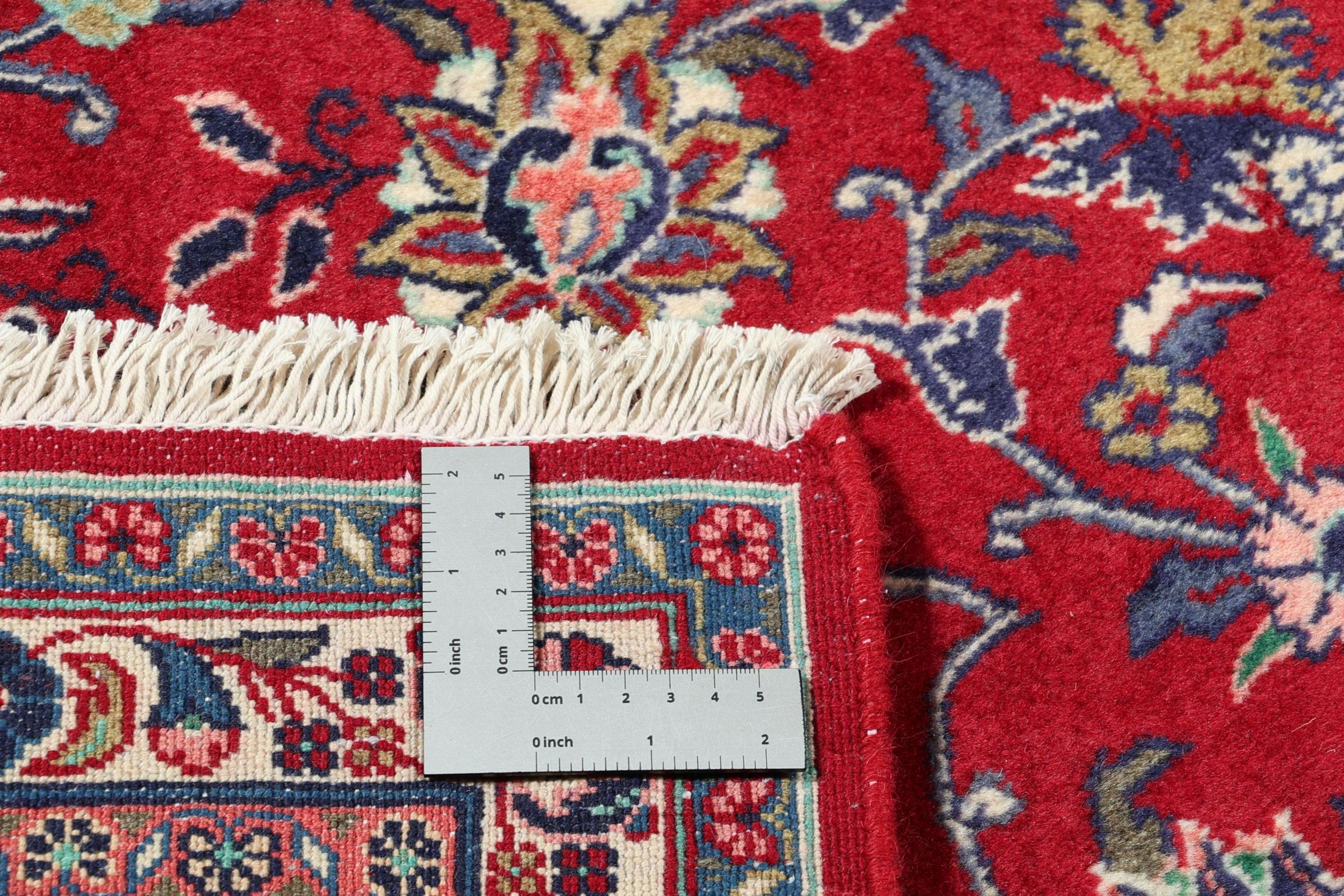
The term Shahrbaf essentially implies a city-based or town-based workshop quality, distinguishing these pieces from more rustic, nomadic rugs. This distinction is vital as it signifies a more controlled environment where weavers could focus on consistent knotting and sophisticated design execution. The result is a rug that retains the soul of regional tradition but with a level of technical polish that enhances its durability and visual clarity.
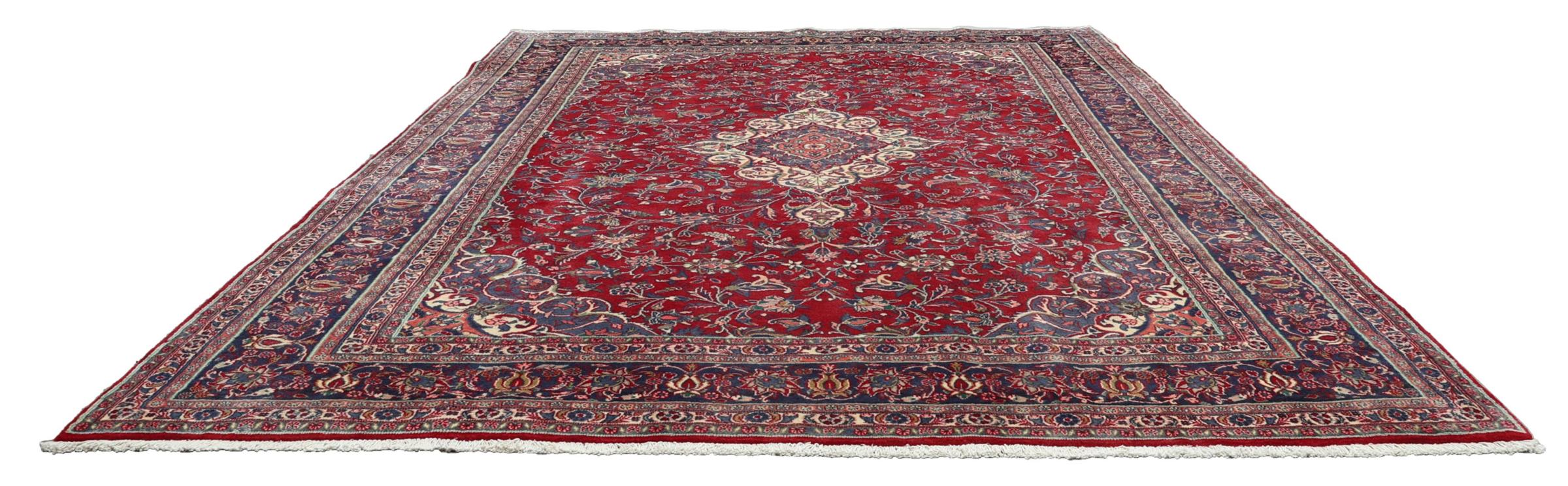
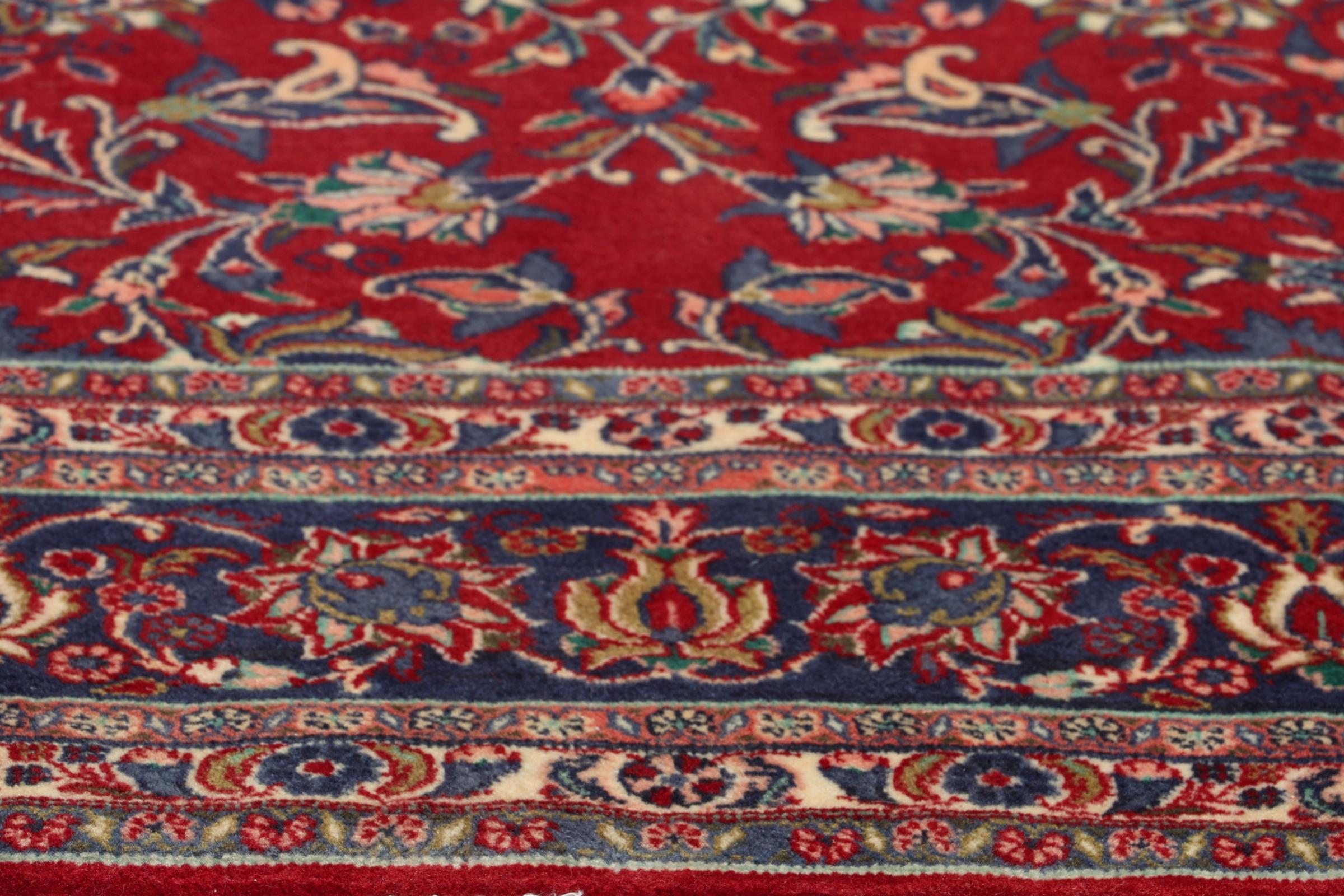
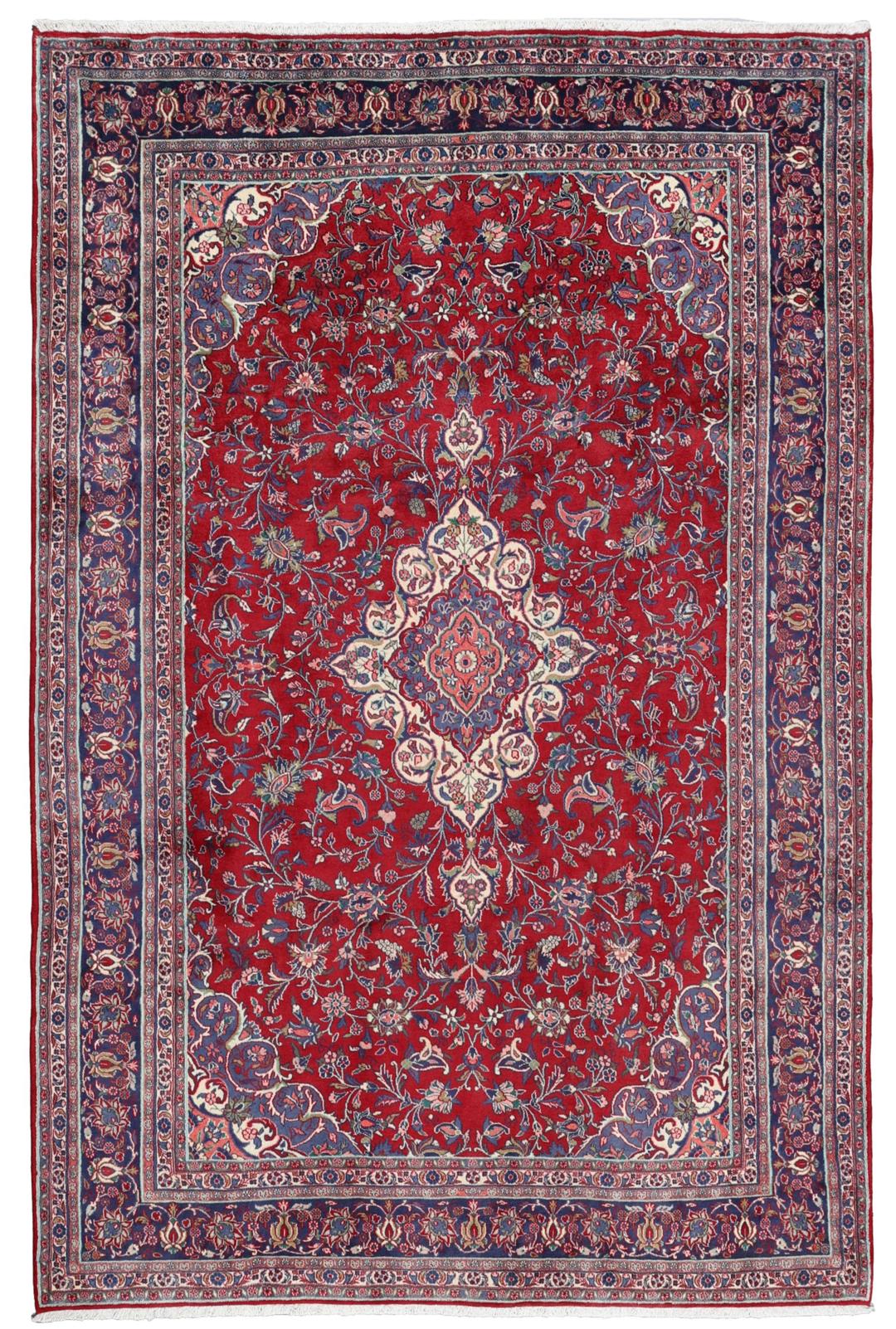
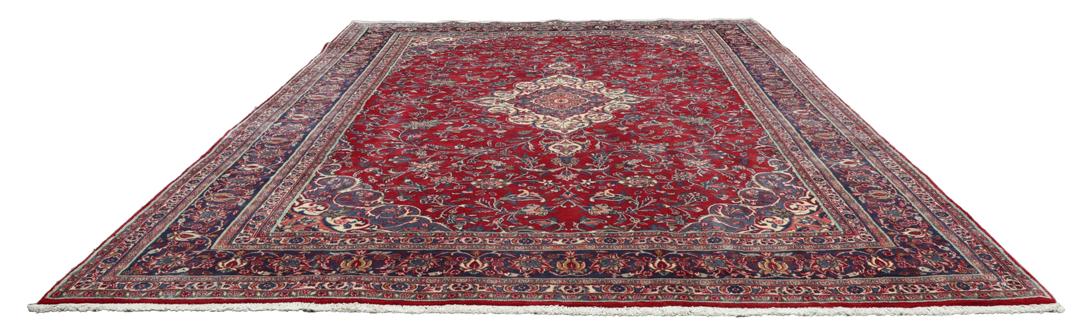
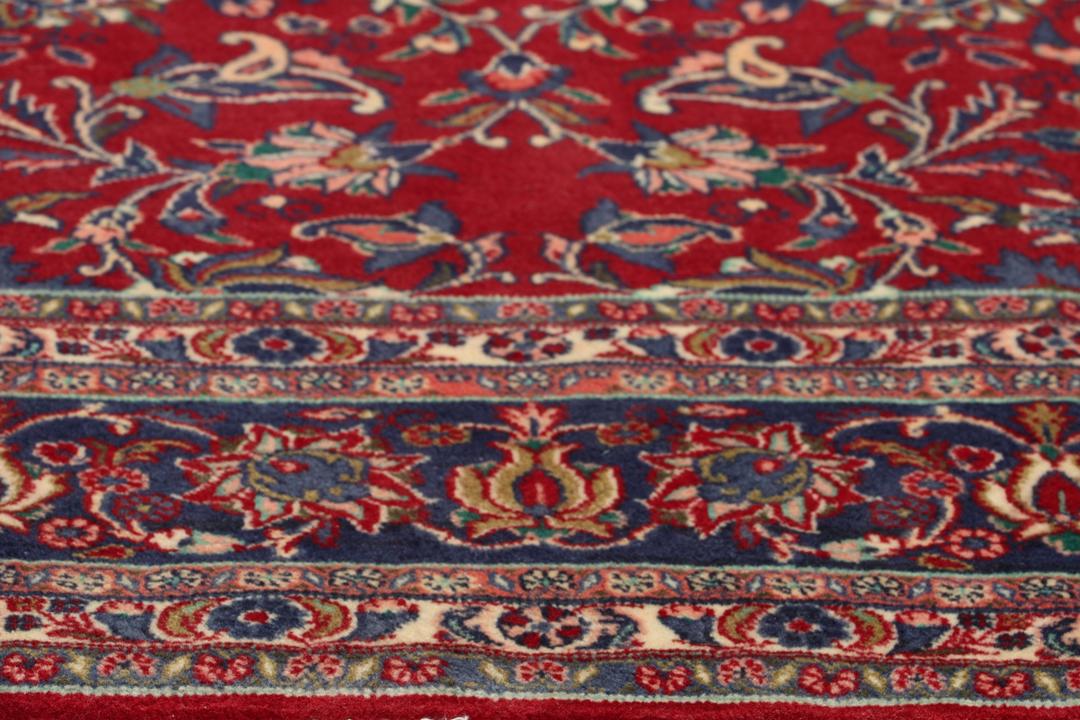
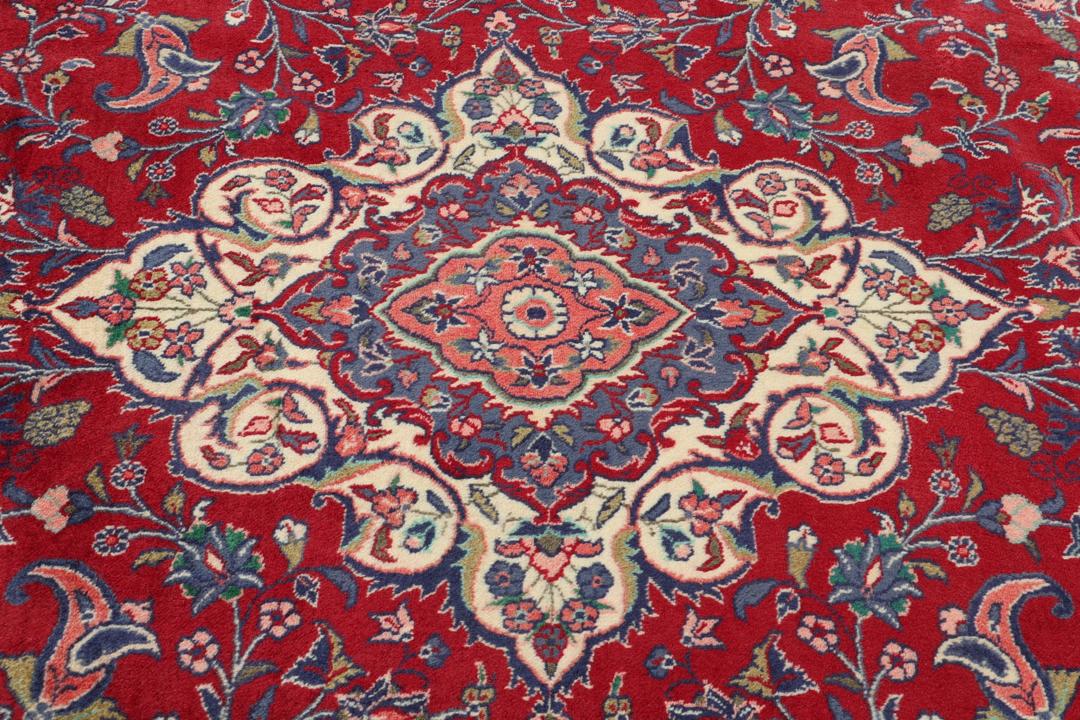
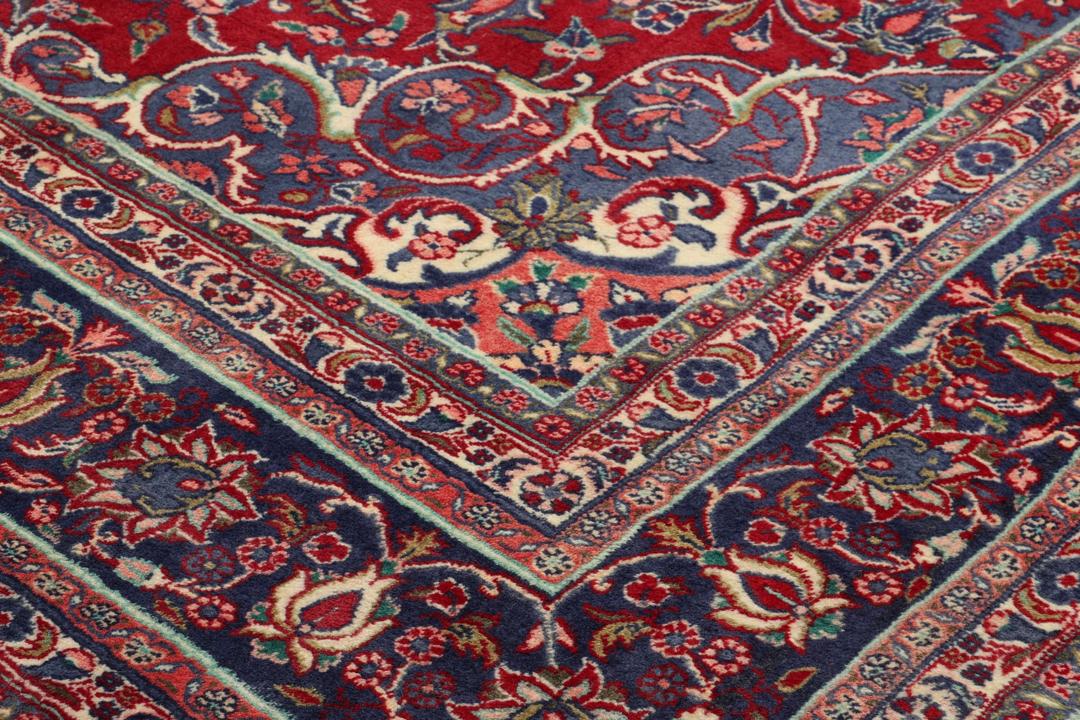
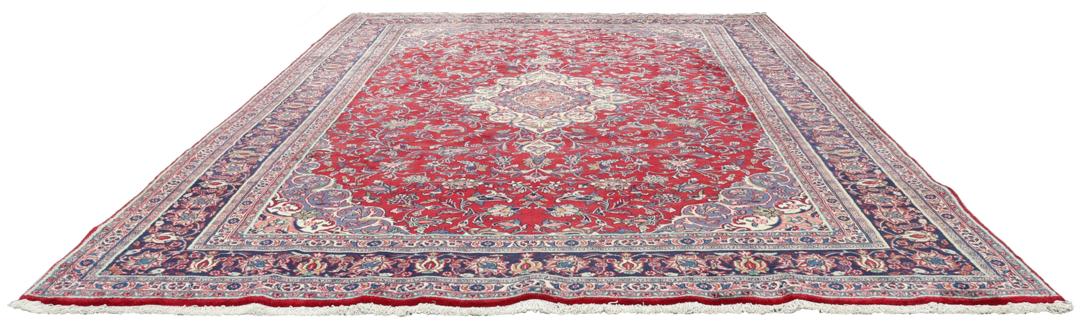
Visually, these rugs are often defined by their bold use of colour and complex floral arrangements. The central medallion, a staple of this tradition, is frequently surrounded by flowing vines and blossoms that reflect the natural beauty of the region. The deep red field is a classic choice, historically achieved through natural dyes that have evolved into the rich, saturated tones seen in today’s fine examples.
Collecting a Hamadan Shahrbaf is an investment in cultural heritage. These rugs are highly valued for their ability to bridge the gap between functional floor coverings and artistic expressions. By choosing this piece, you are acquiring an object that carries the weight of generations of skill, representing a commitment to preserving traditional craft in a modern home.