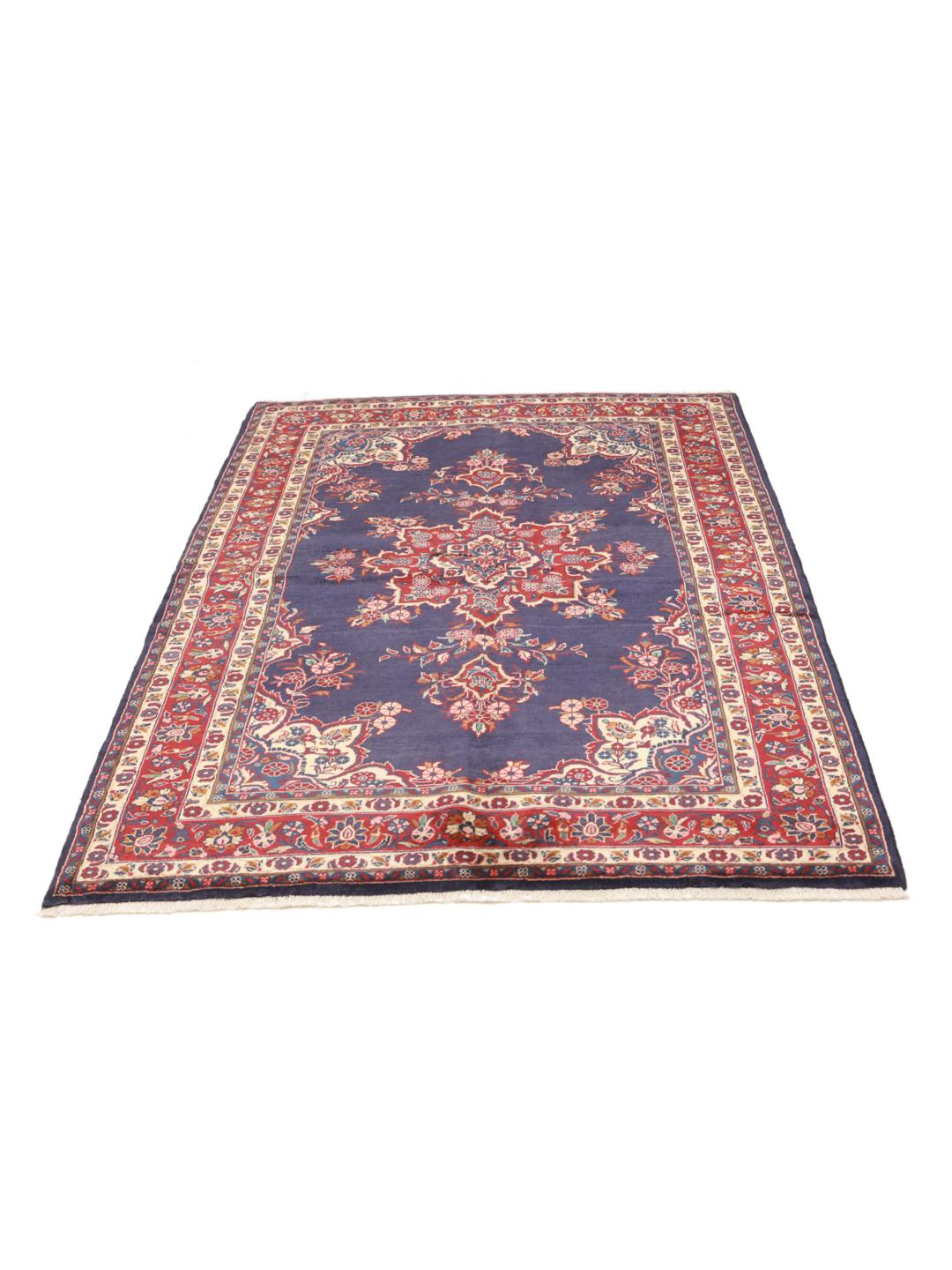
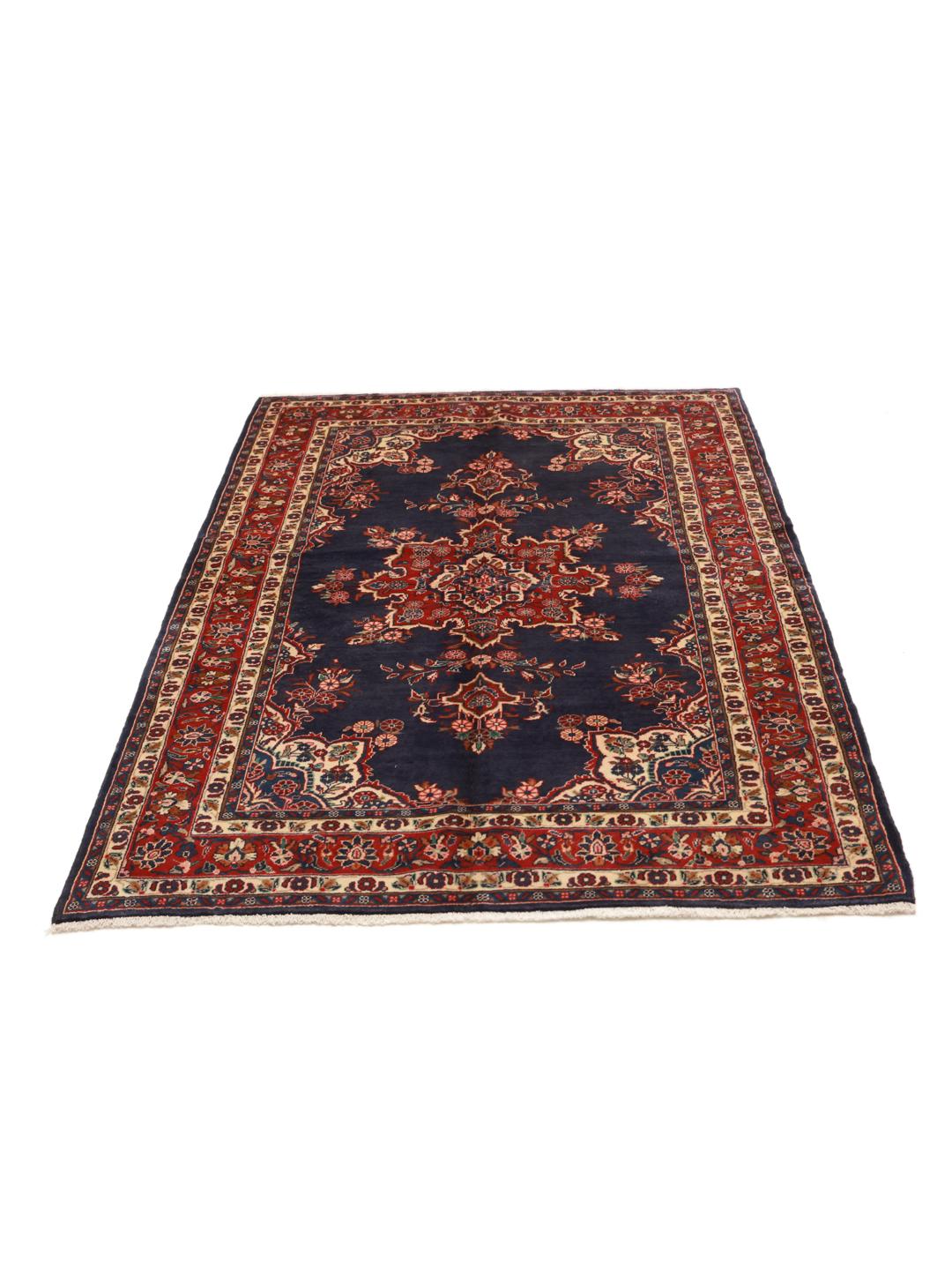
The Hamadan region in the Middle East is one of the oldest and most prolific centres for rug weaving in the world. Situated in a mountainous area with a long history of nomadic and village craft, rugs from this region are celebrated for their durability and distinctive, localised styles. The Shahrbaf tradition is a specific subset of this heritage, representing a refined approach to weaving that balances village aesthetics with a more structured, formal execution.
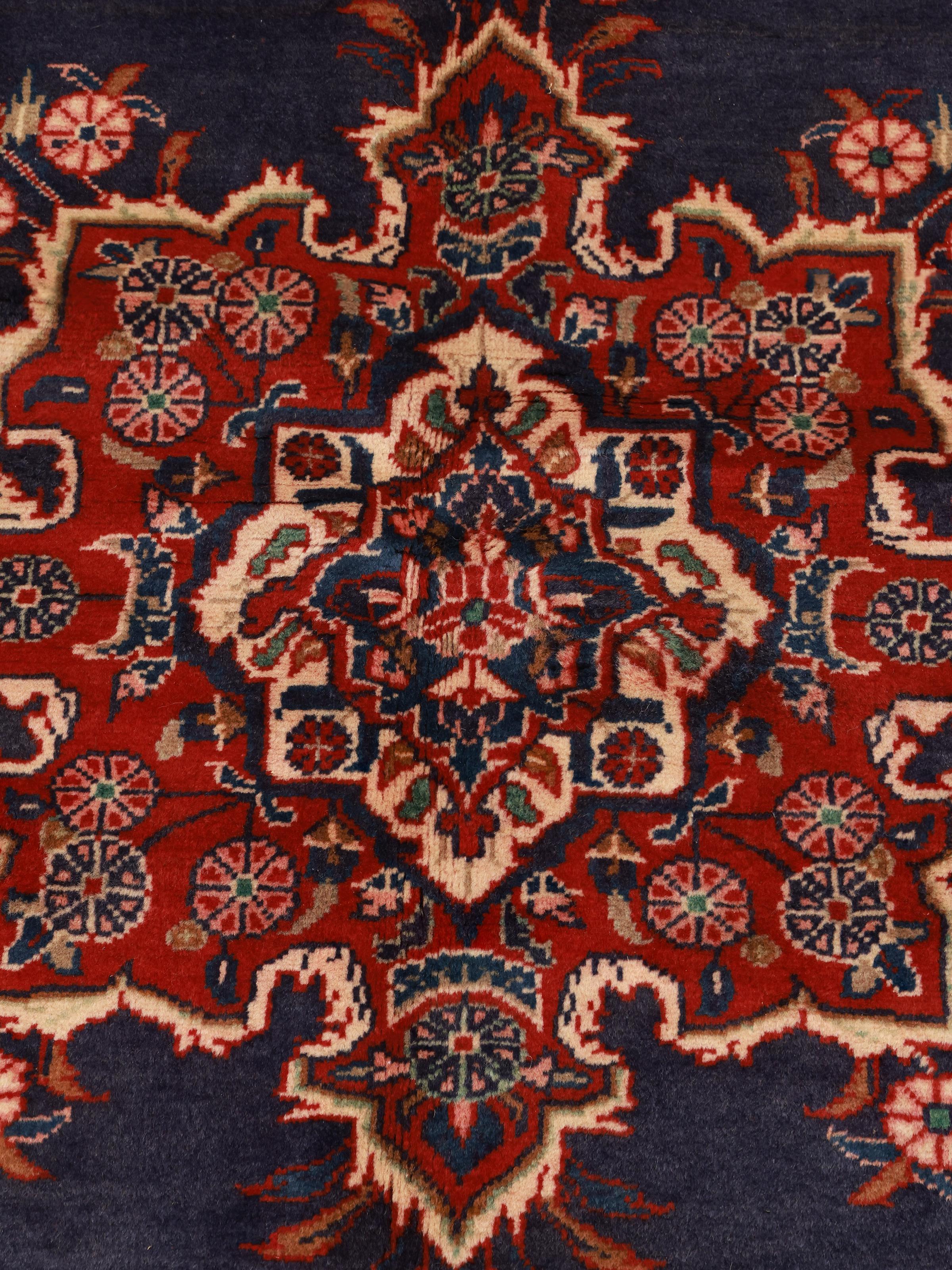
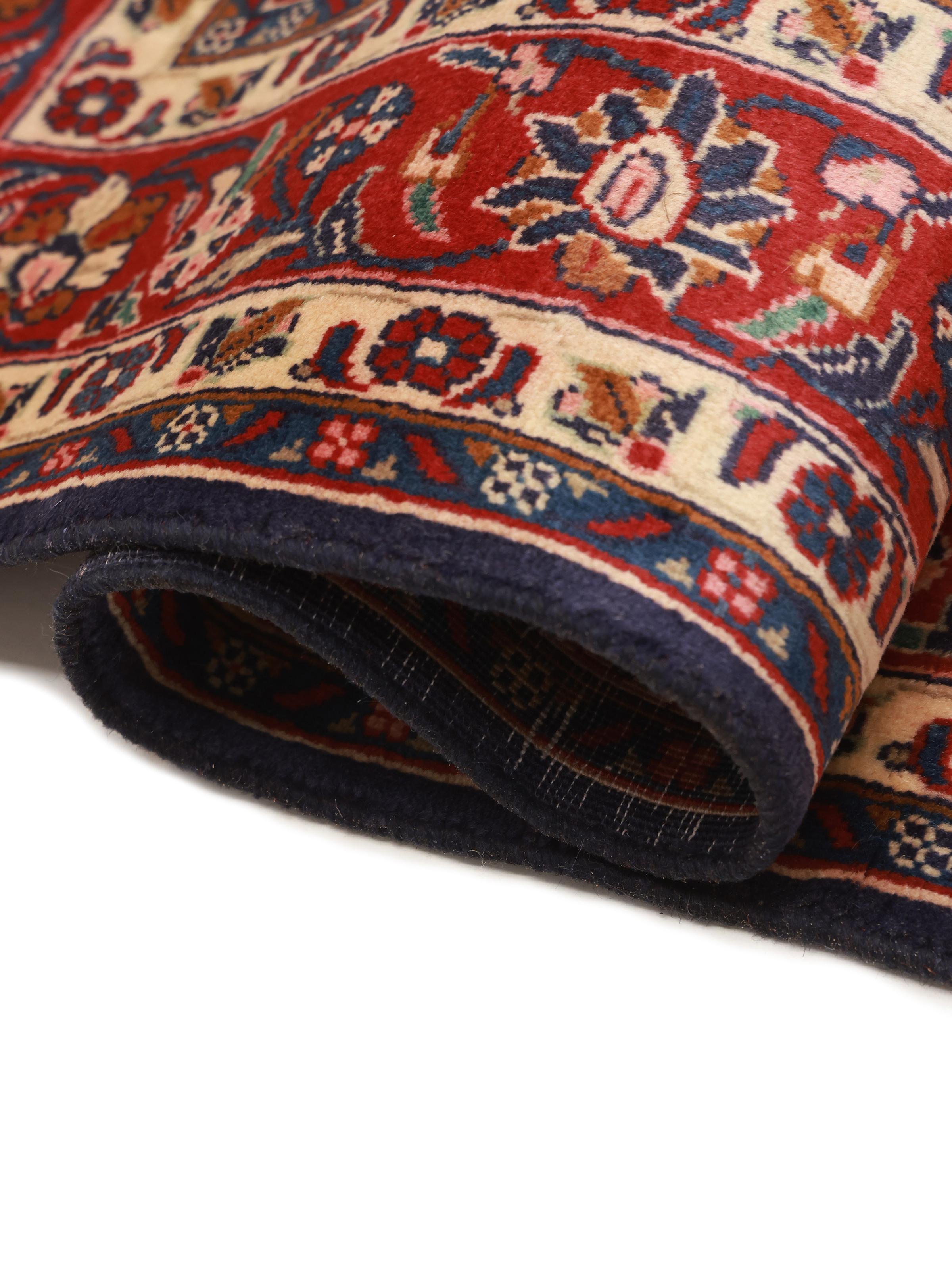
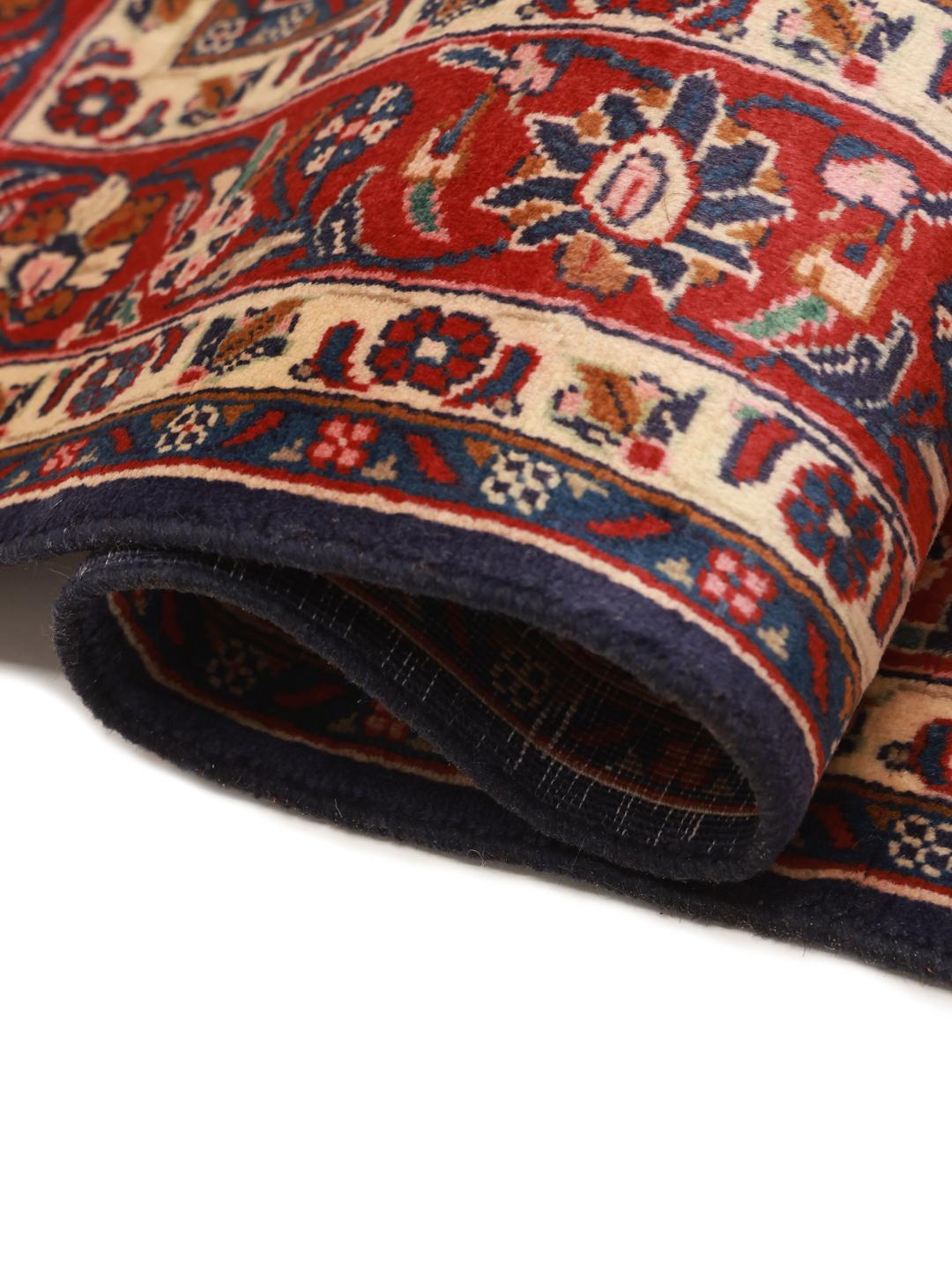
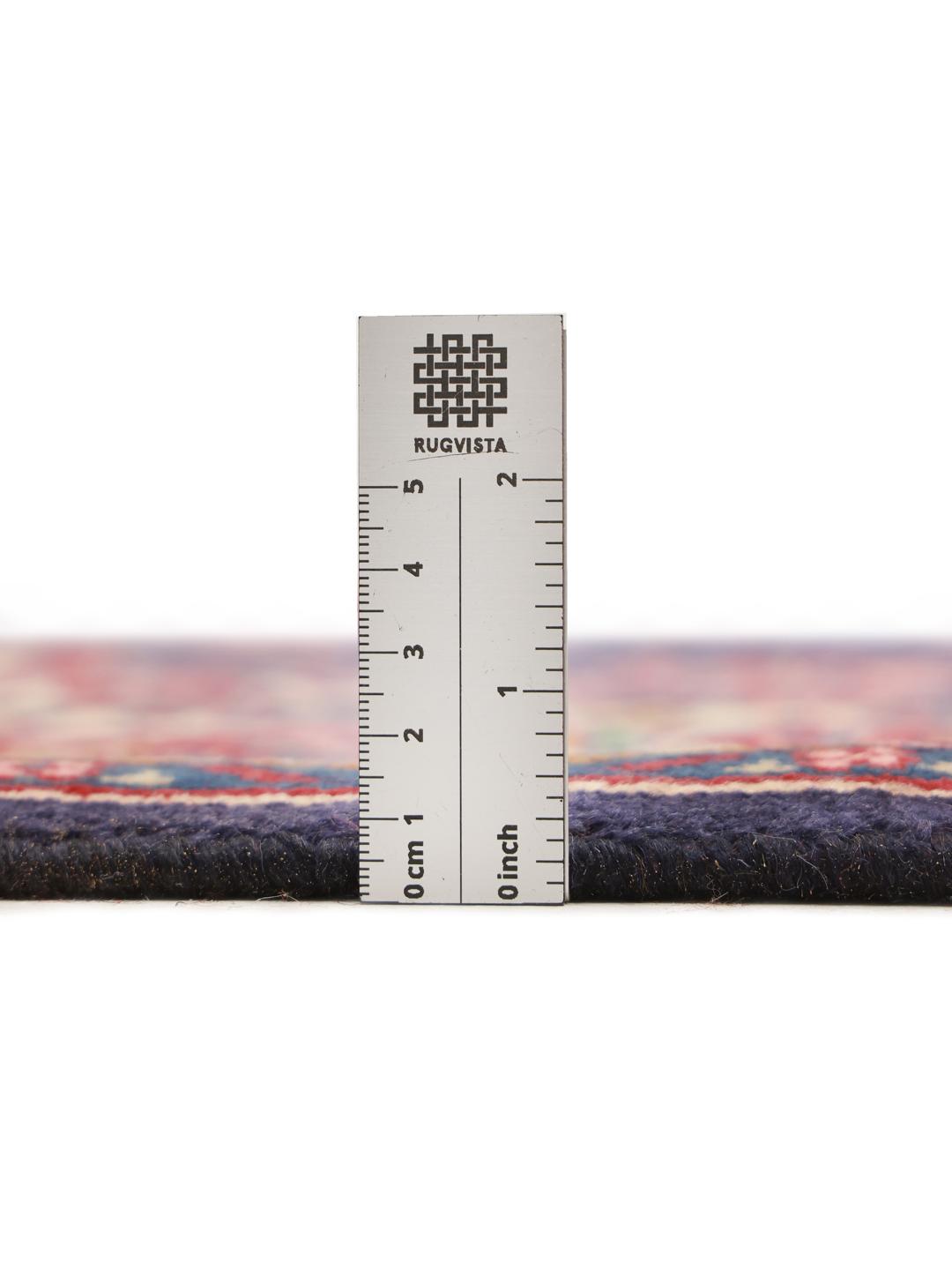
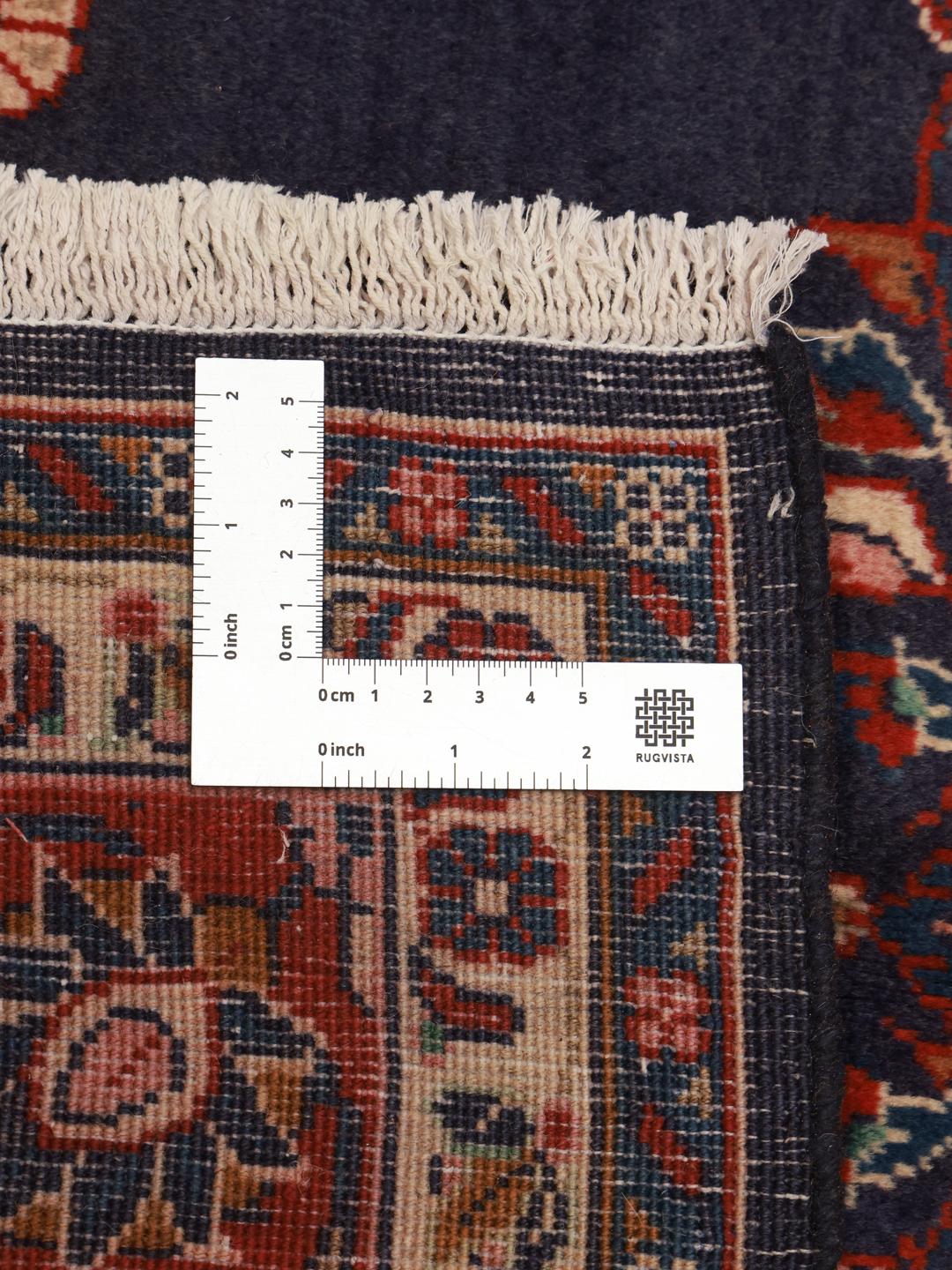
In the context of rug terminology, the construction of these pieces is a testament to the skill of the weavers who utilise traditional loom setups. The use of a robust foundation is essential in this tradition, allowing the artisans to create a dense and durable pile that serves both decorative and functional purposes. This technical approach ensures that the rug is not only visually striking but also capable of enduring the wear of daily life, which is a defining characteristic of the Hamadan style.
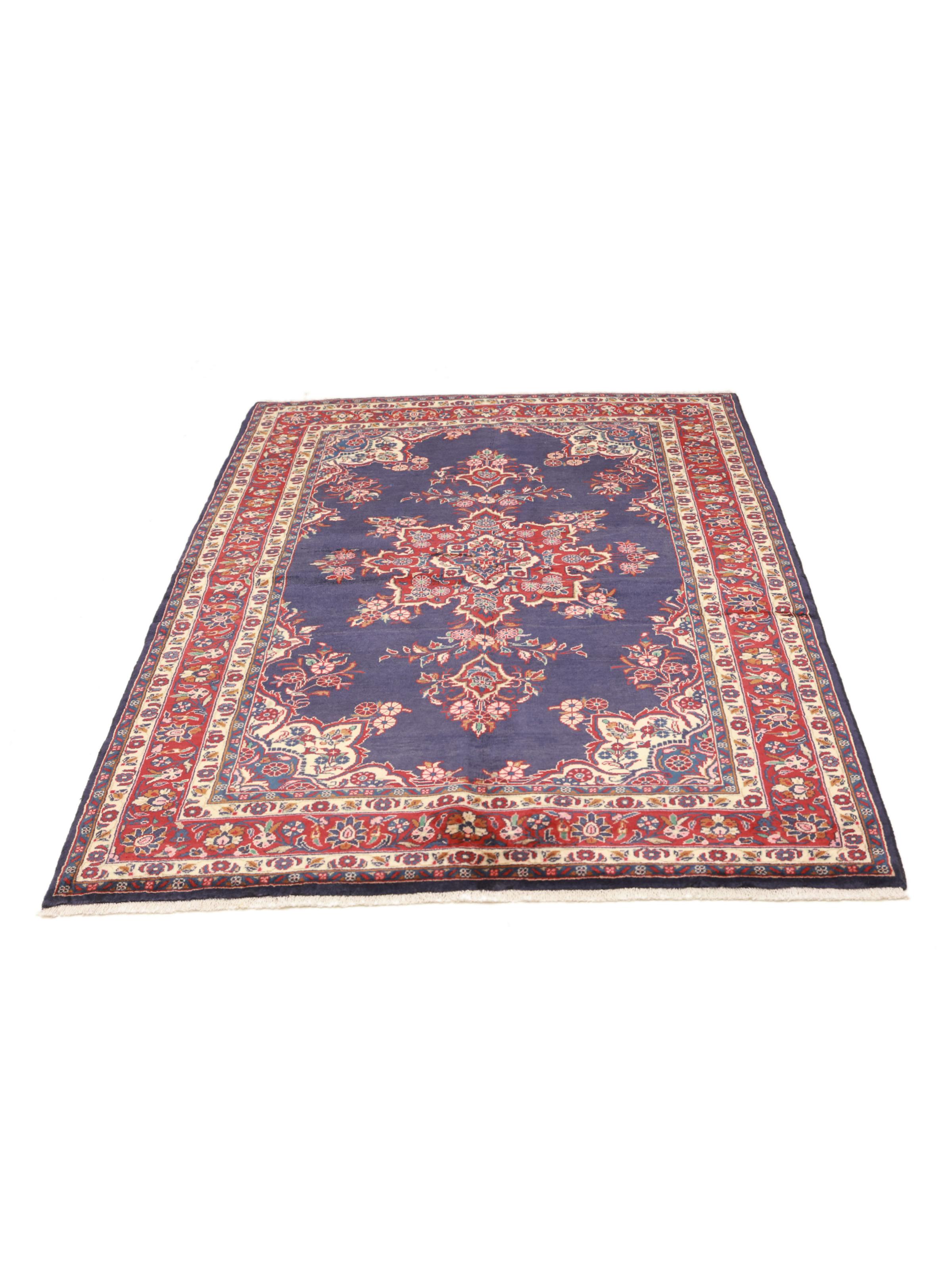
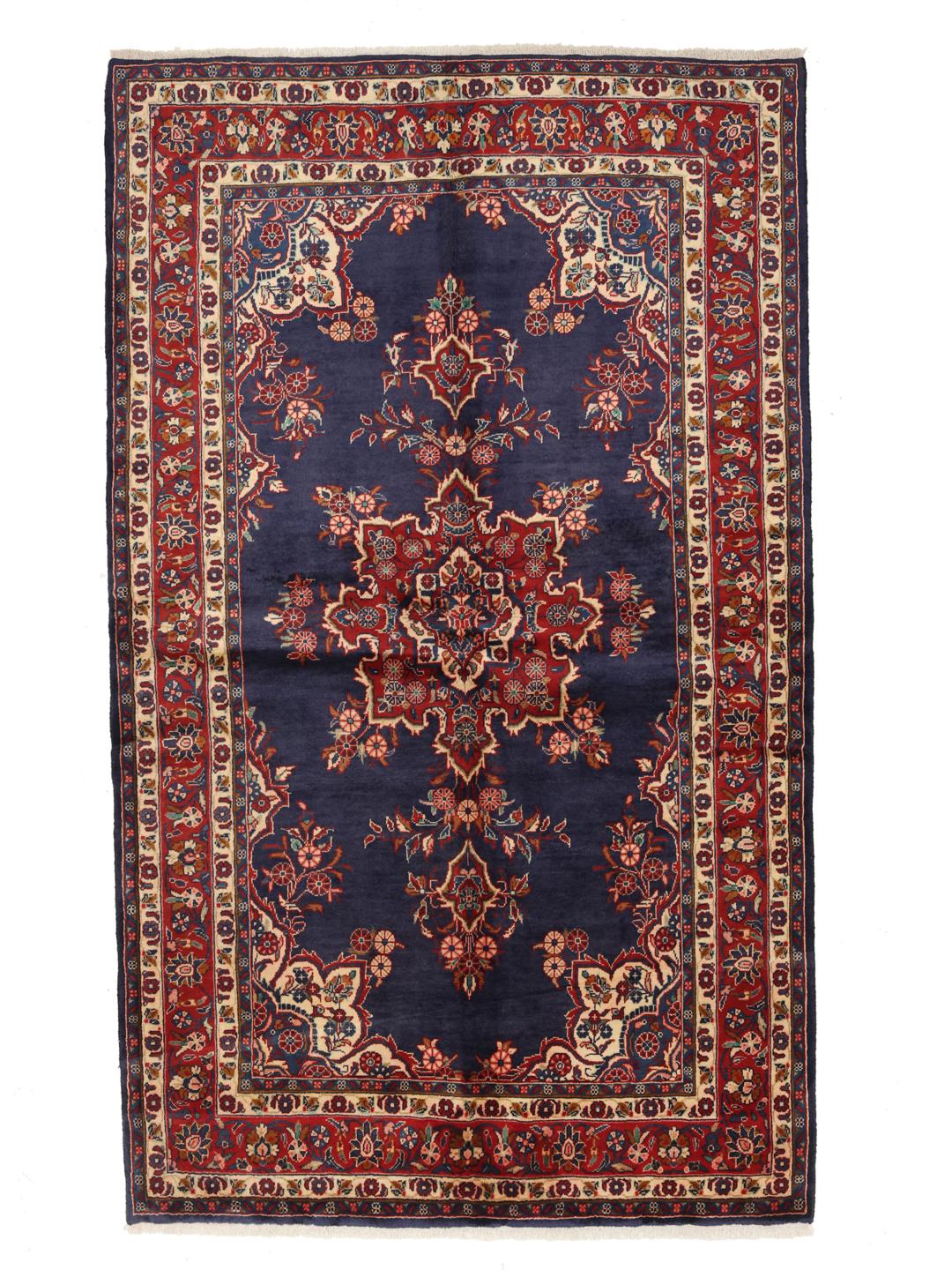
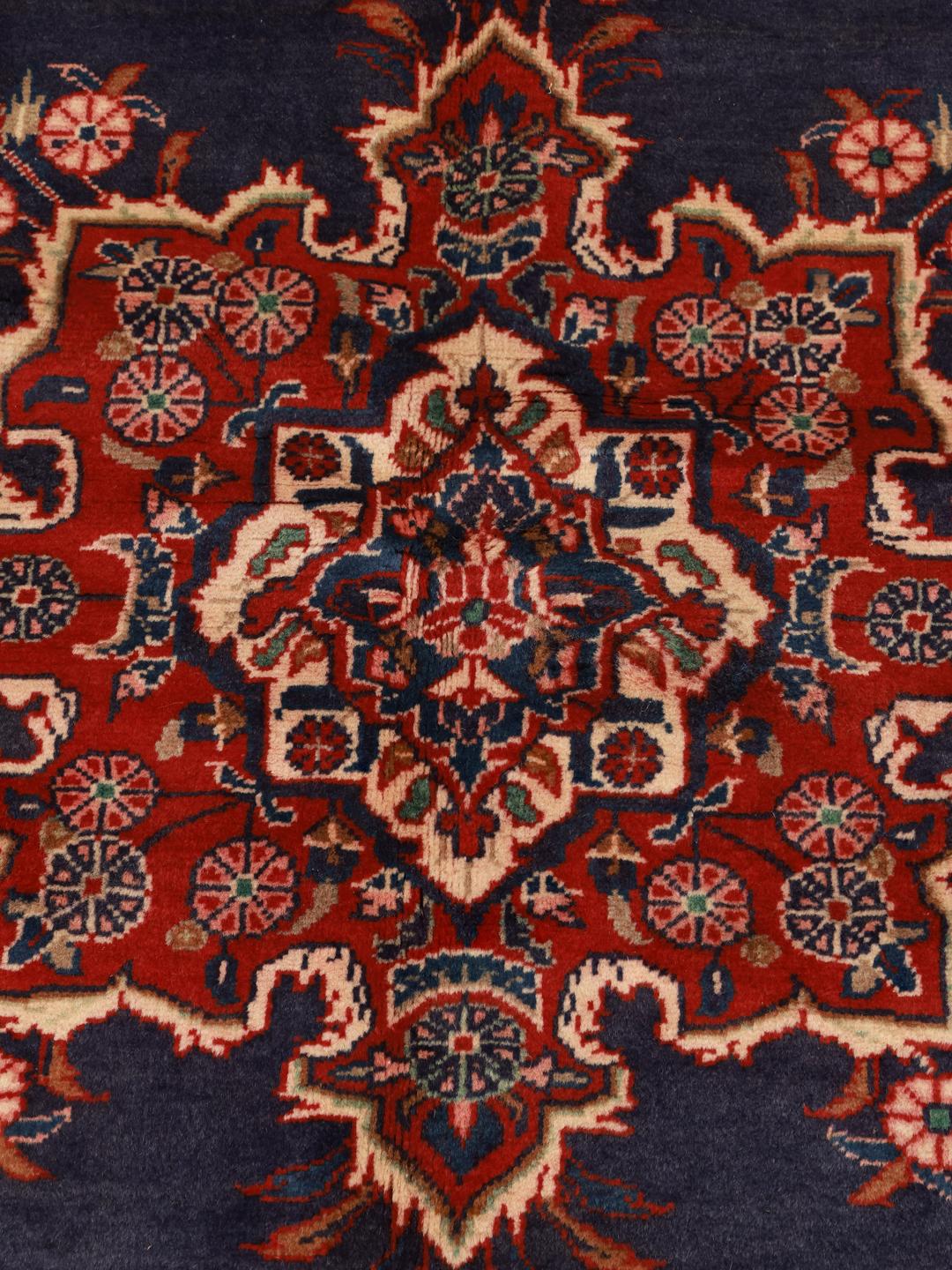
Design-wise, these rugs are famous for their central medallions and stylised floral motifs. The patterns often draw inspiration from the natural surroundings of the weavers, incorporating stylised leaves, vines, and blossoms that are arranged with geometric precision. While many rugs from this area feature a classic red or blue palette, the specific arrangement of these motifs in a Shahrbaf rug often creates a balanced, harmonious look that is highly sought after by collectors.
Collecting a rug from this tradition is an investment in cultural heritage. These pieces are valued for their authenticity and the human story woven into every thread. By owning a Shahrbaf, you are participating in a long-standing tradition of craft that values quality and detail above all else, ensuring that your home is adorned with a piece of history that continues to hold its value and beauty for generations.