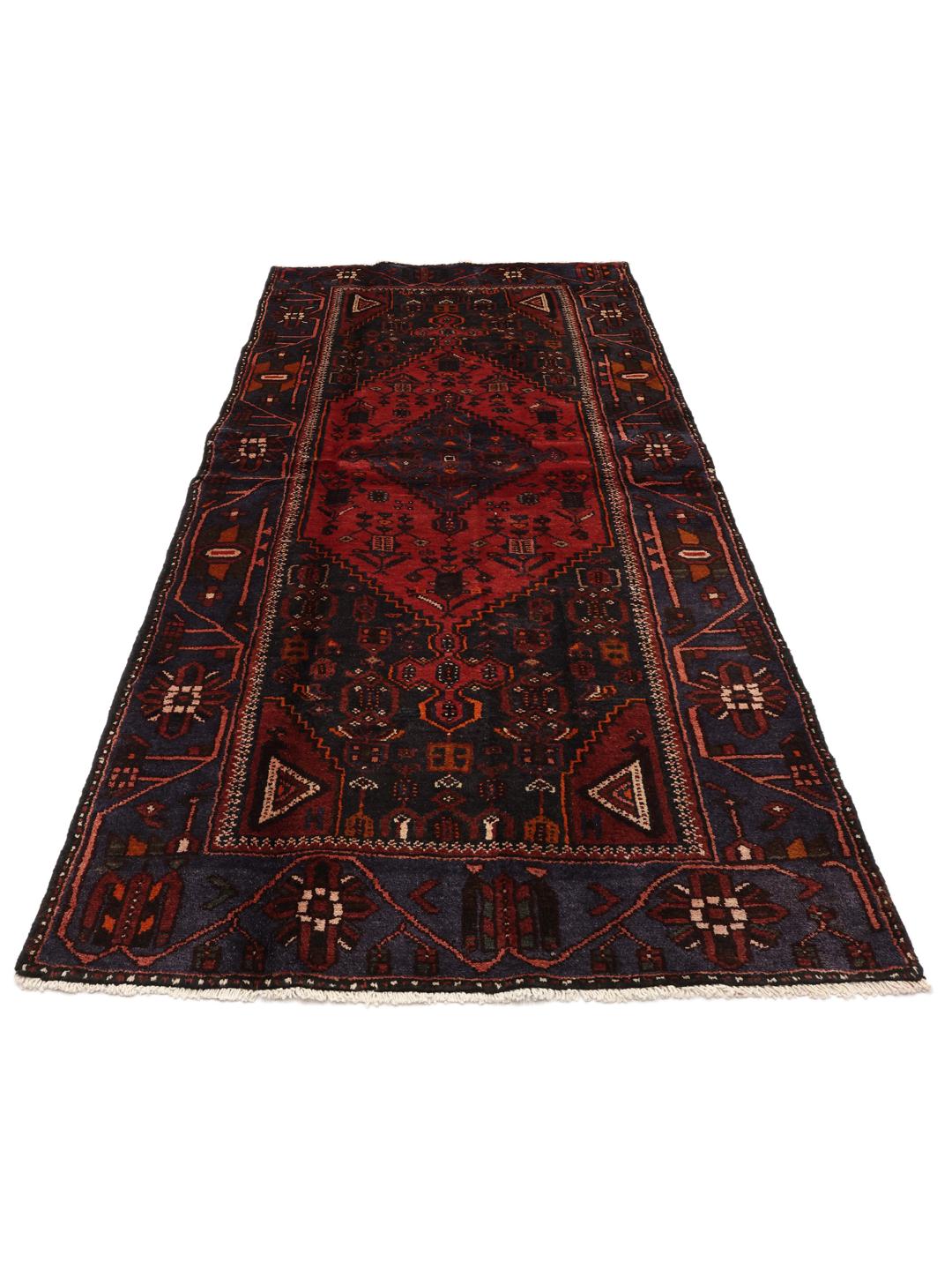
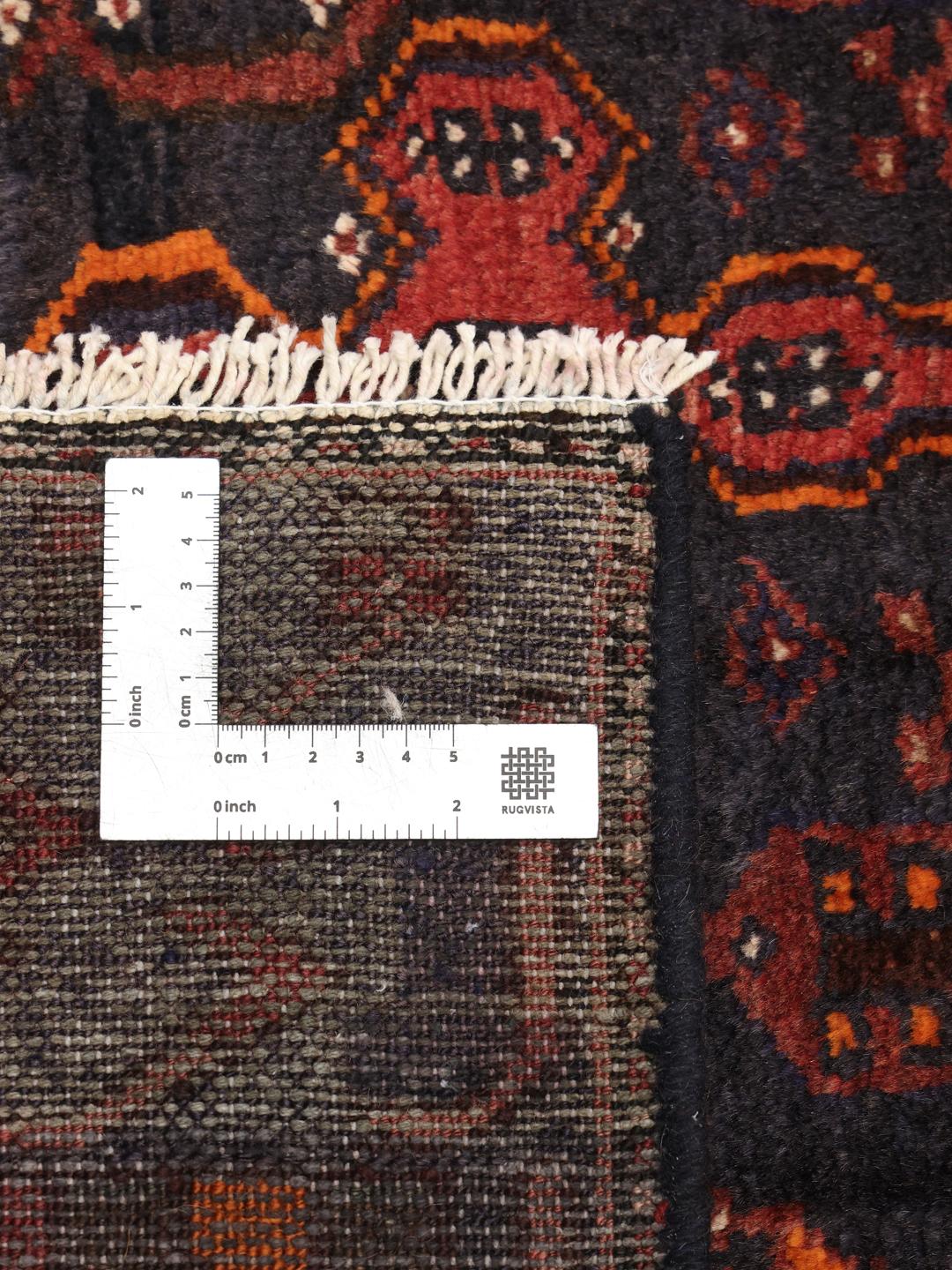
Hamadan rugs originate from one of the oldest cities in the Middle East, a region with an ancient history of weaving that dates back millennia. These rugs are named after the city of Hamadan, which serves as a central hub for hundreds of surrounding villages. Each village often maintains its own unique design variations, resulting in a diverse and fascinating array of motifs and styles that fall under the broader Hamadan umbrella.
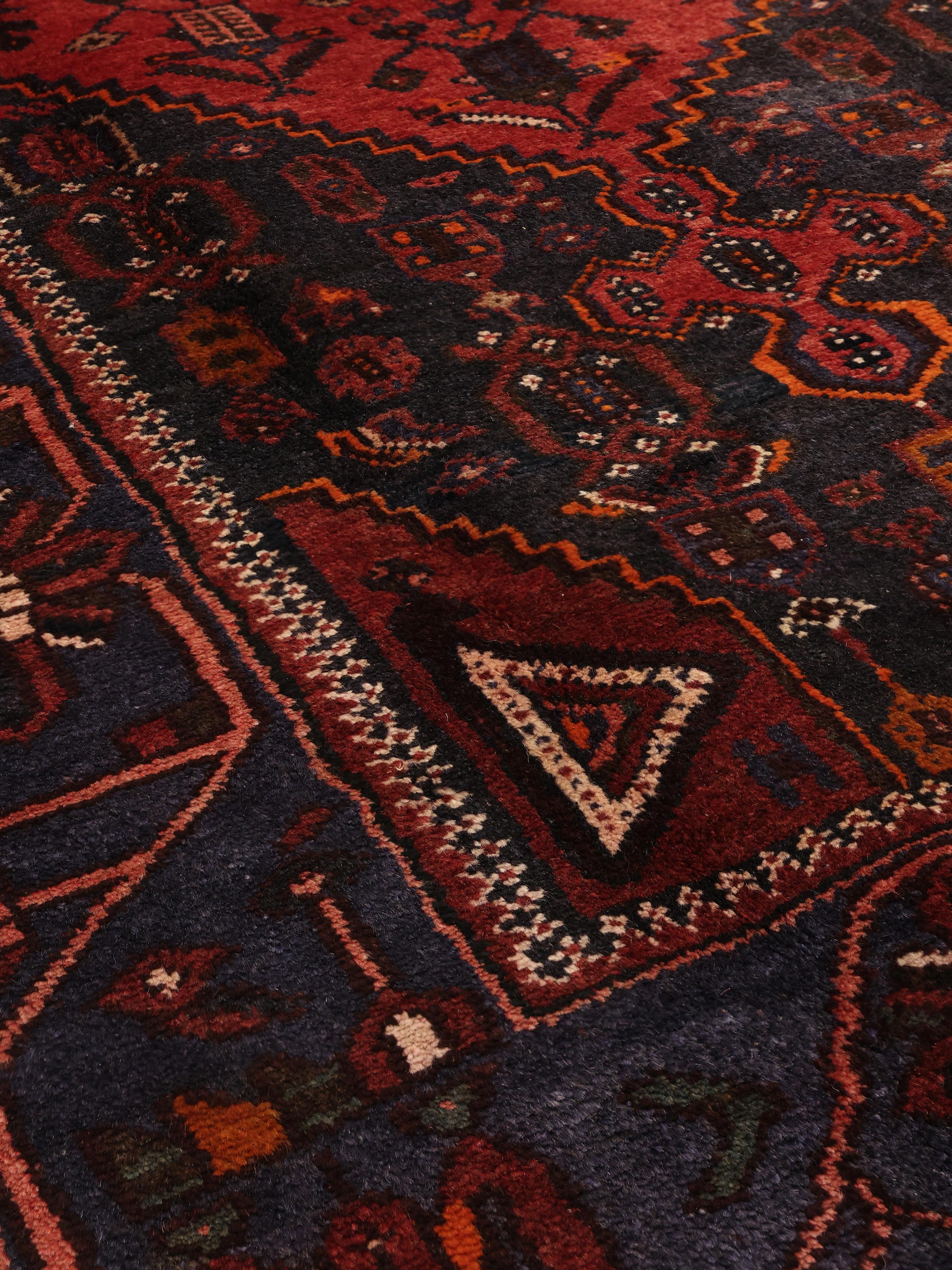
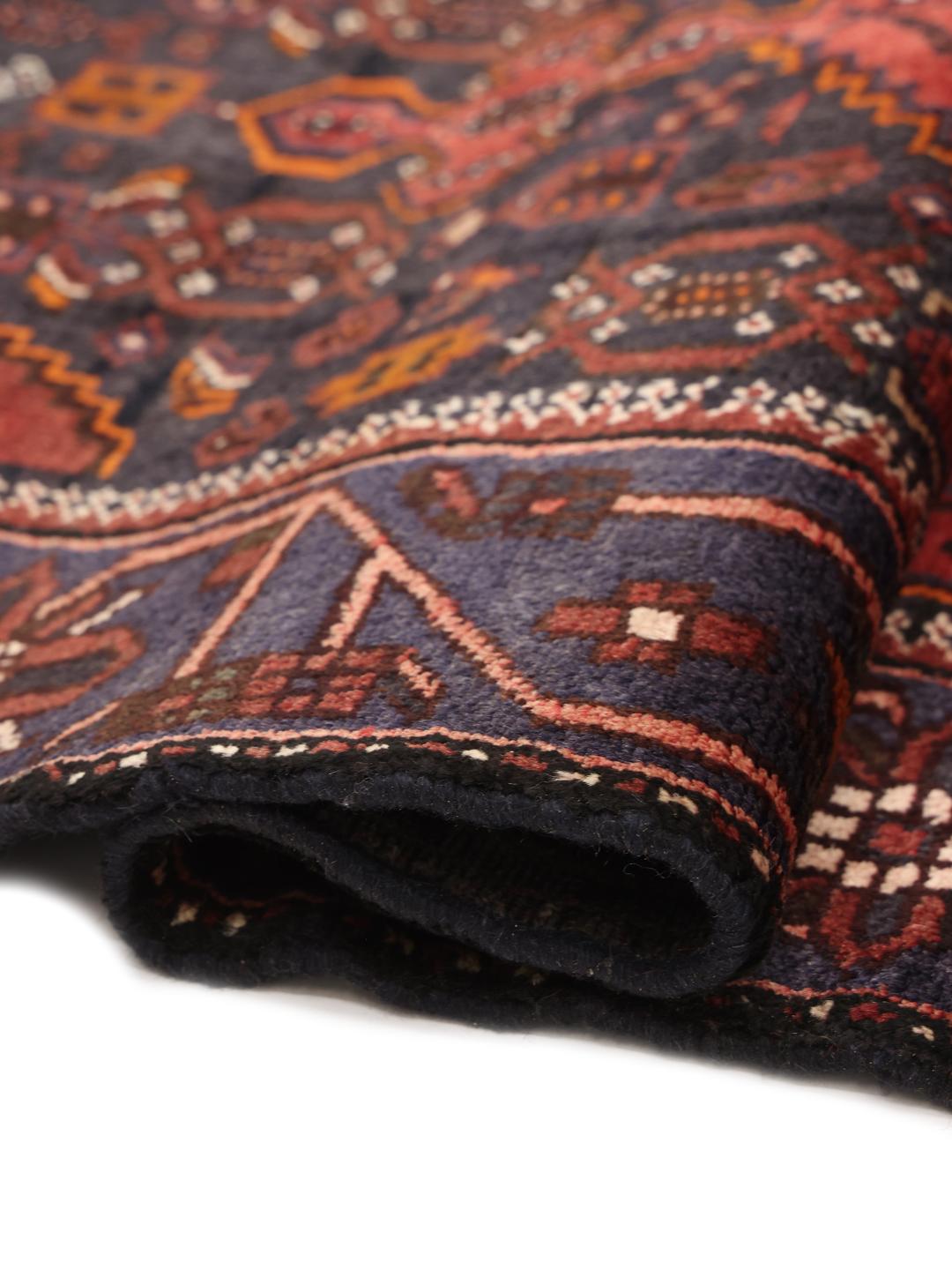
The craft of these rugs is defined by a deep respect for traditional techniques. Historically, the weavers of this region have been known for their ability to create durable, functional pieces that serve the needs of nomadic and village life. The use of robust wool, sourced from local sheep, is central to this tradition, ensuring that the rugs can endure the harsh climates and heavy use of the mountainous landscape.
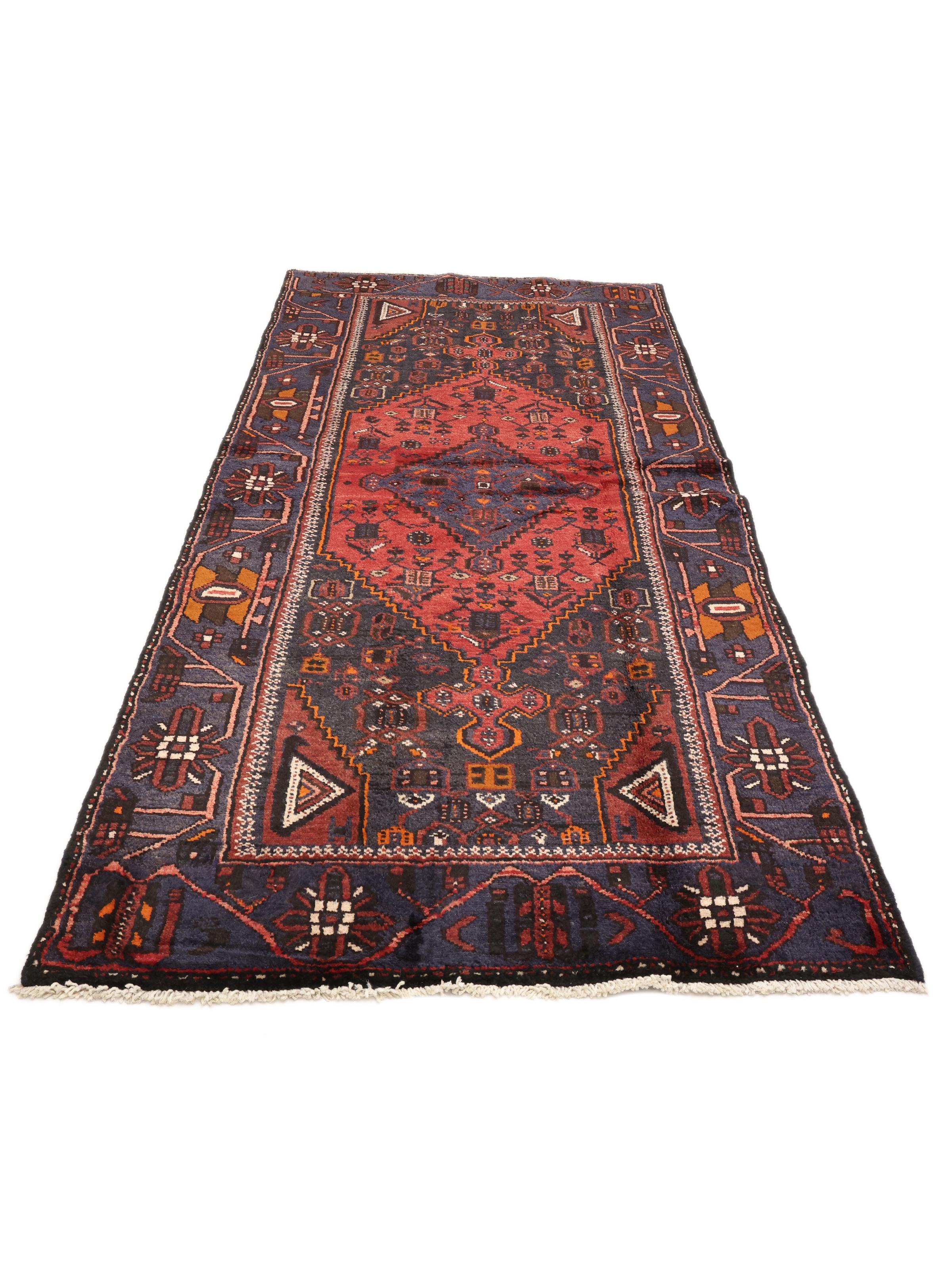
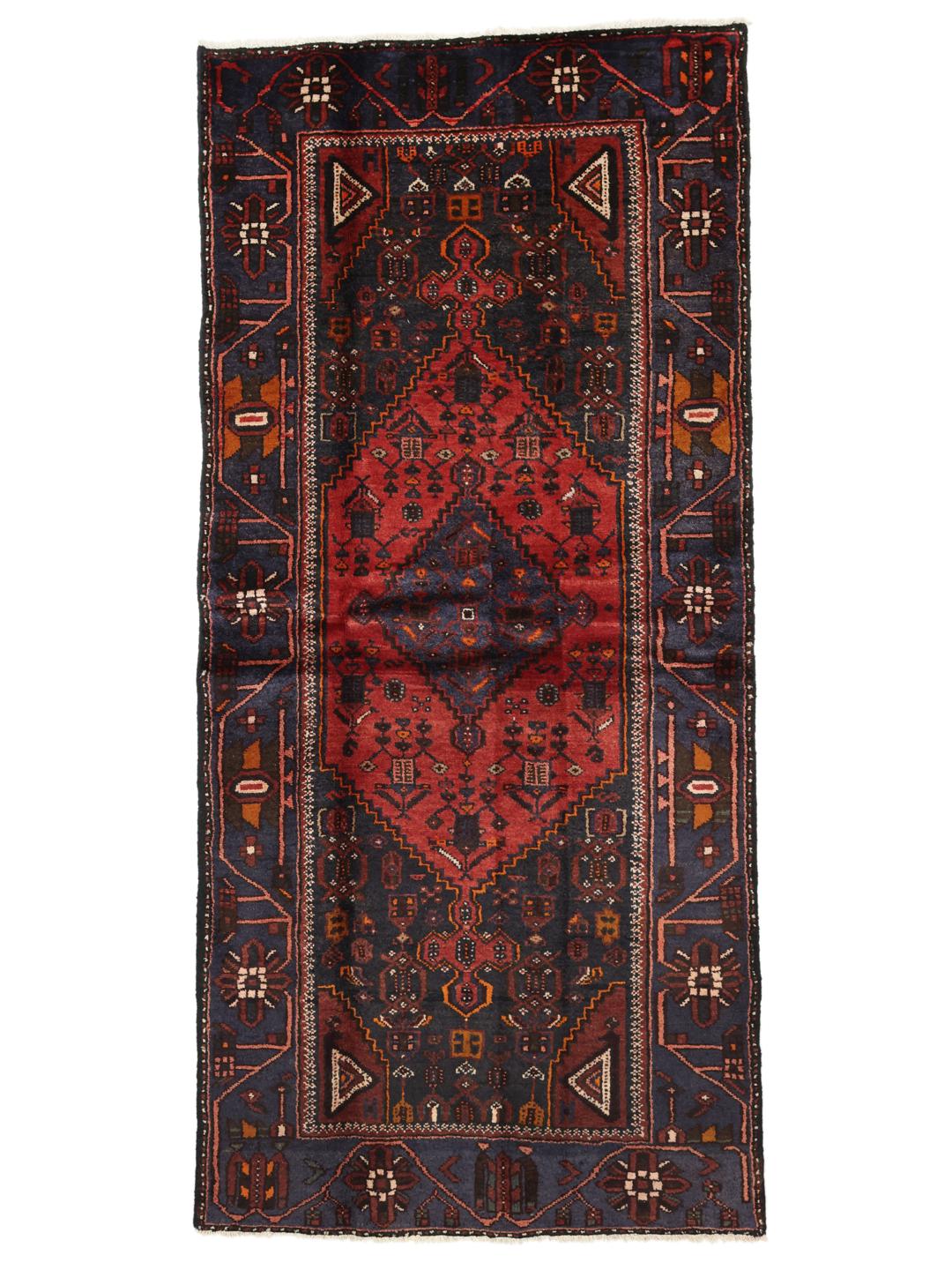
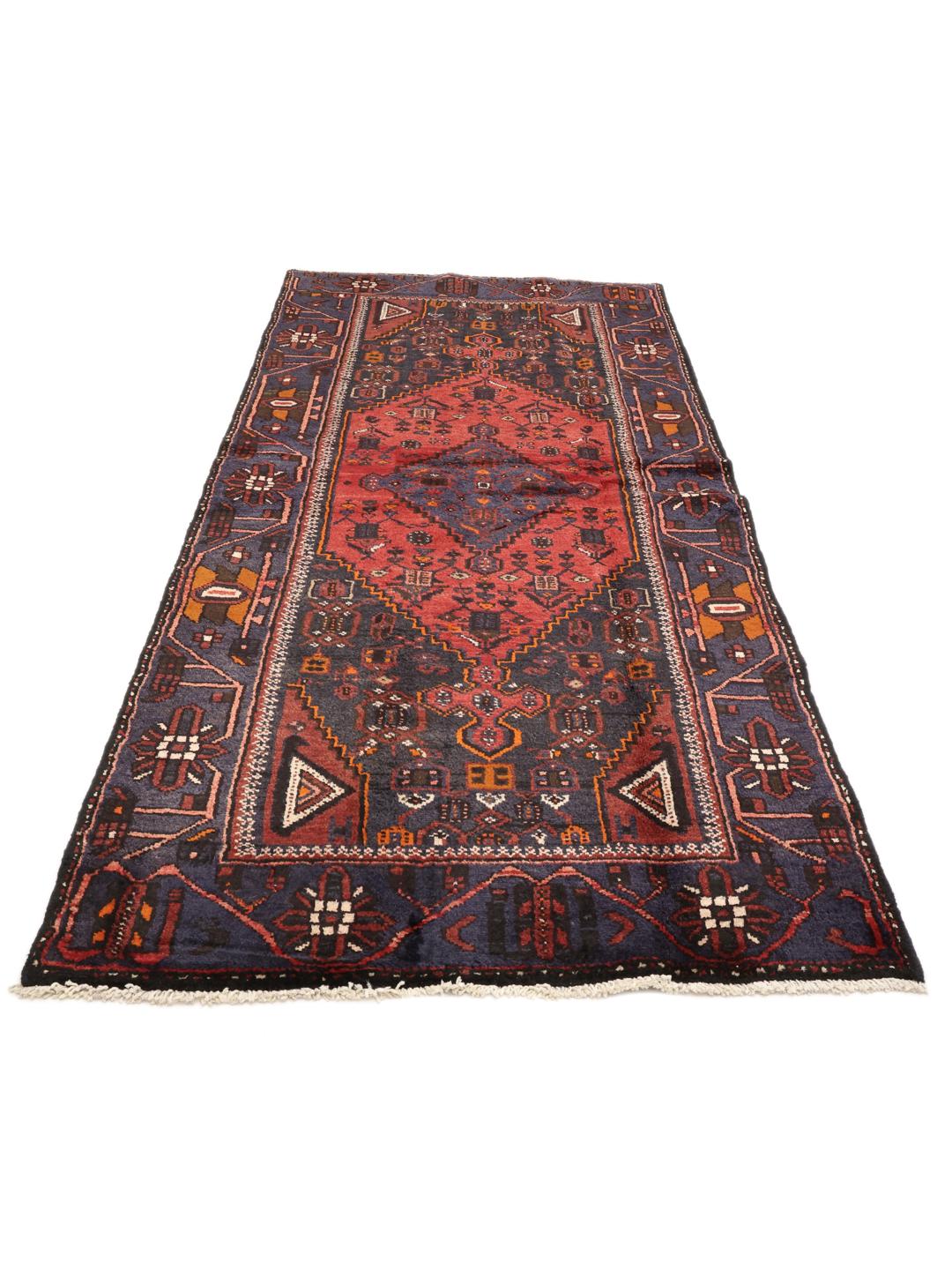
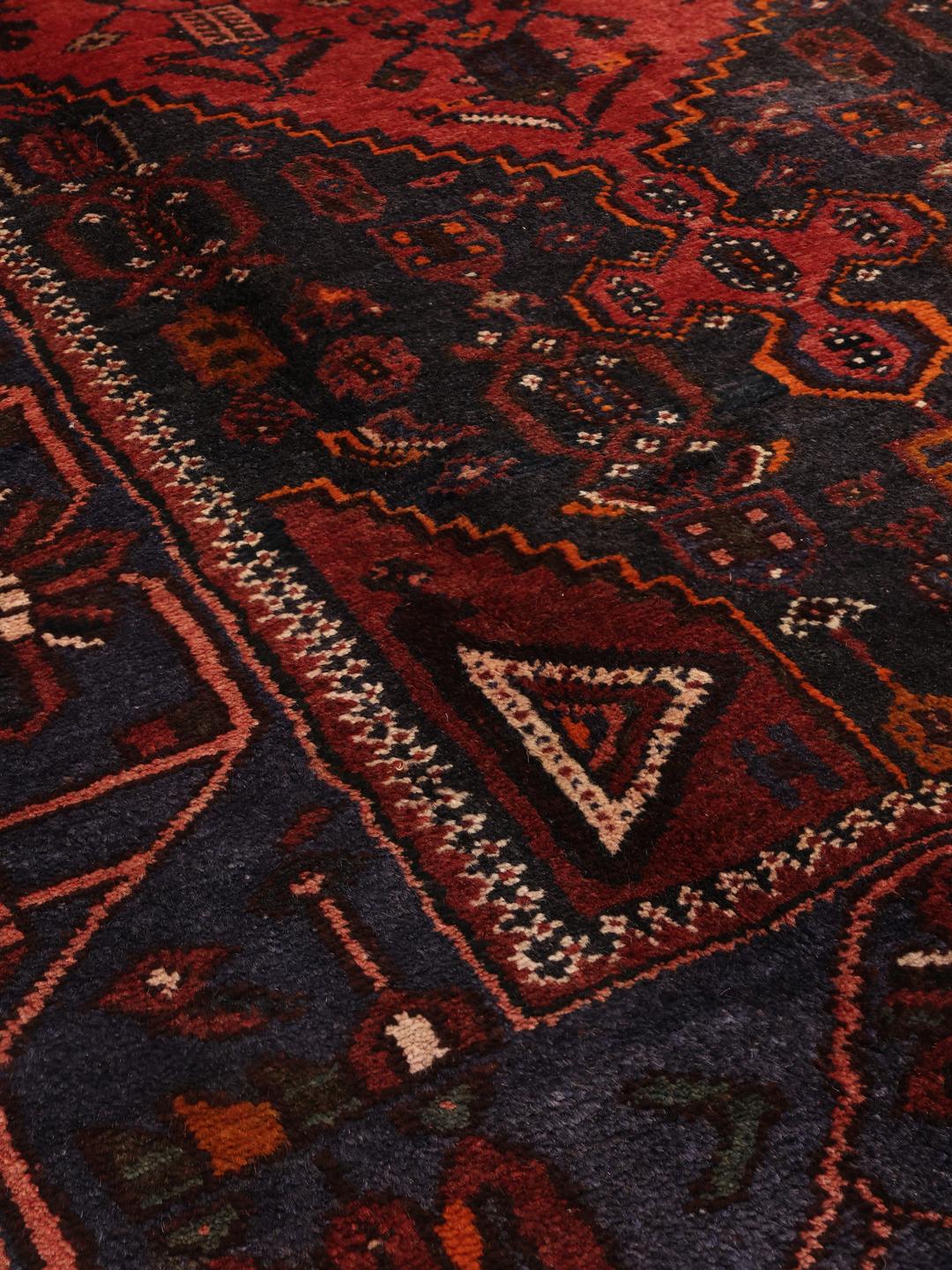
Visually, these rugs are celebrated for their geometric patterns and bold use of colour. You will often see central medallions, intricate floral motifs, or repeating geometric shapes that draw inspiration from the natural environment and local folklore. The borders are typically well-defined, framing the field with repeating patterns that bring balance and symmetry to the overall design.
For collectors, a Hamadan rug represents more than just a floor covering. It is a piece of cultural heritage that embodies the skill and dedication of the artisans who created it. By choosing a piece from this tradition, you are continuing a long lineage of craft, ensuring that these historical methods and the stories they tell remain a vibrant part of our homes today.