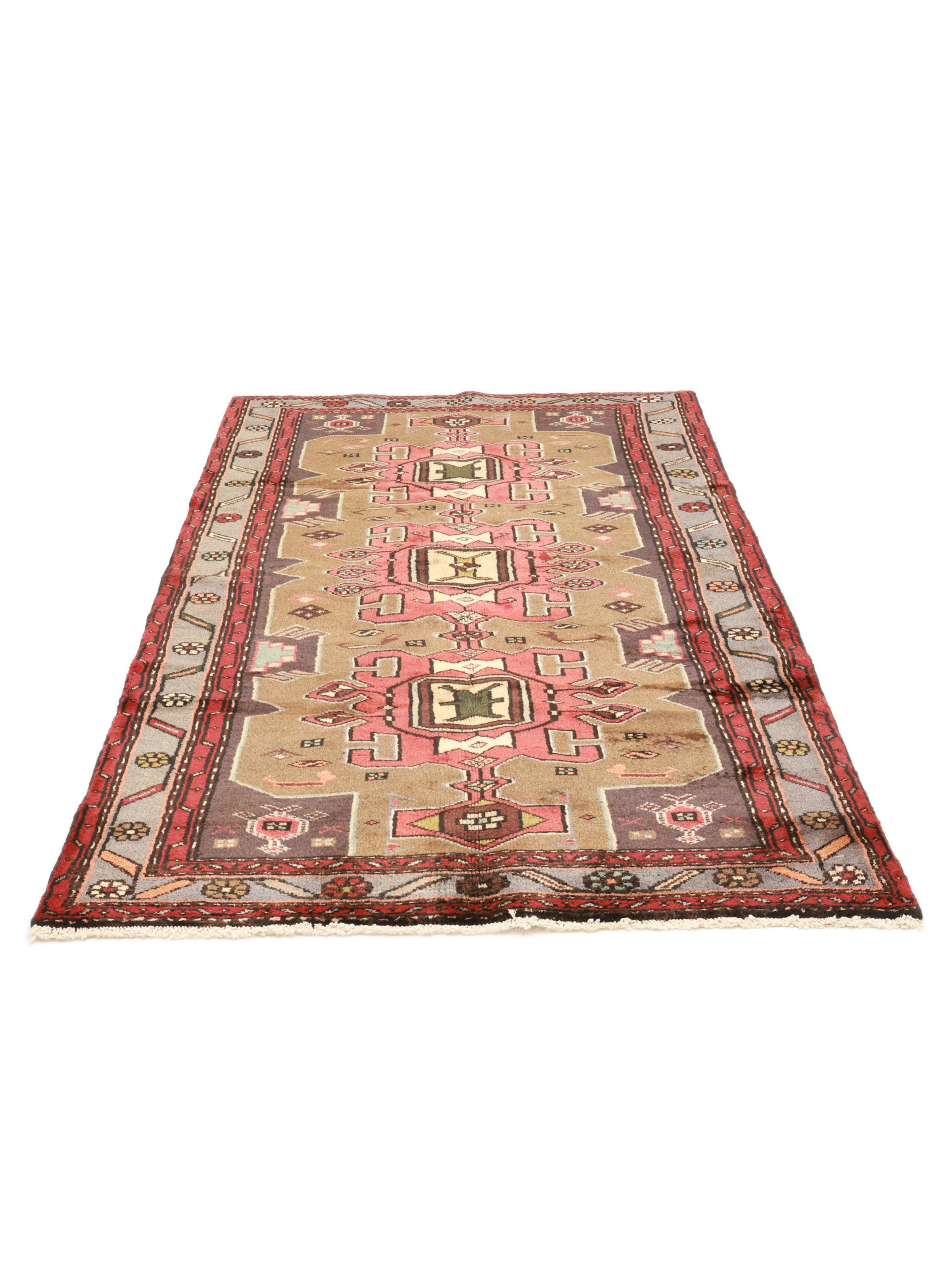
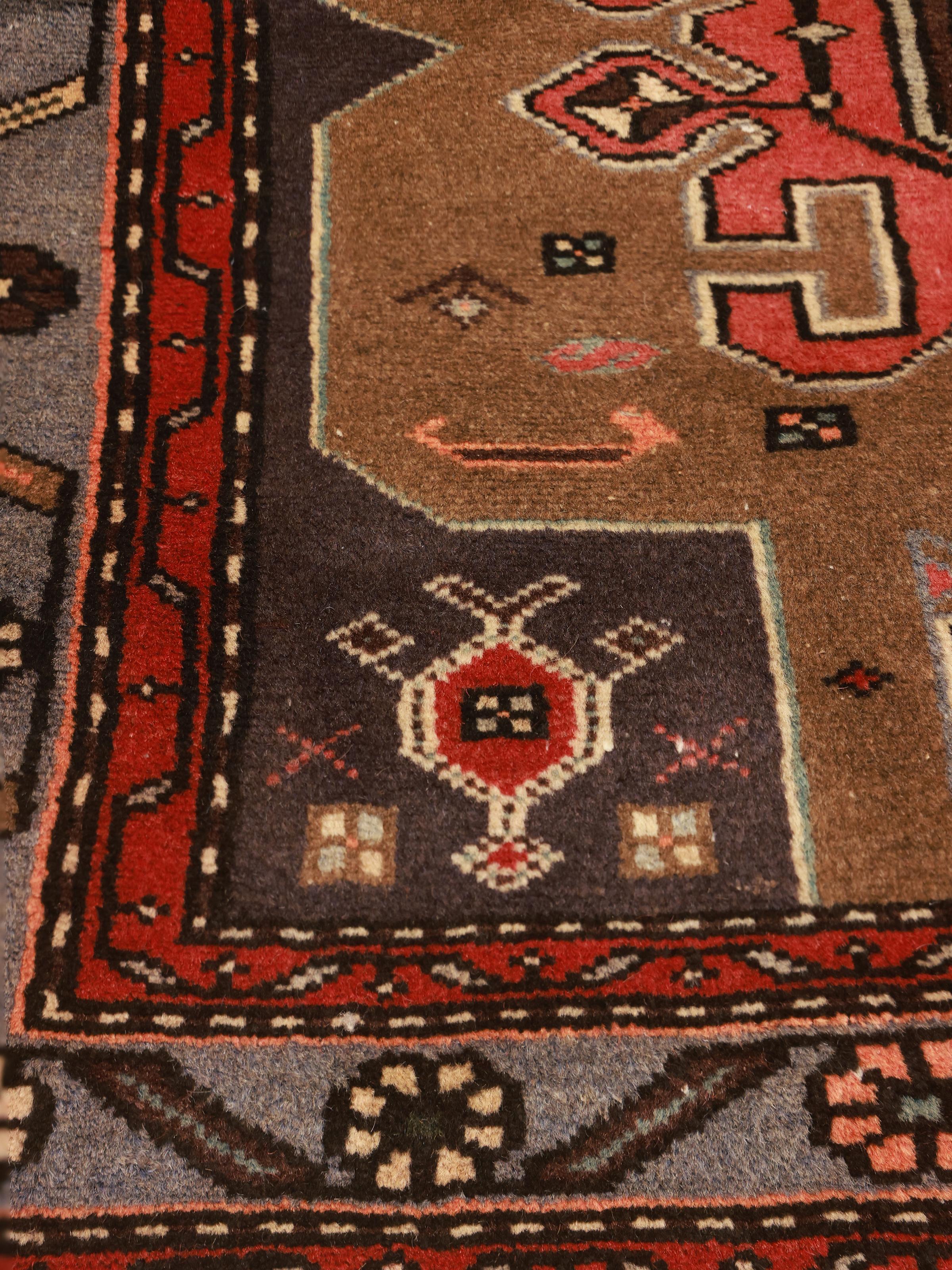
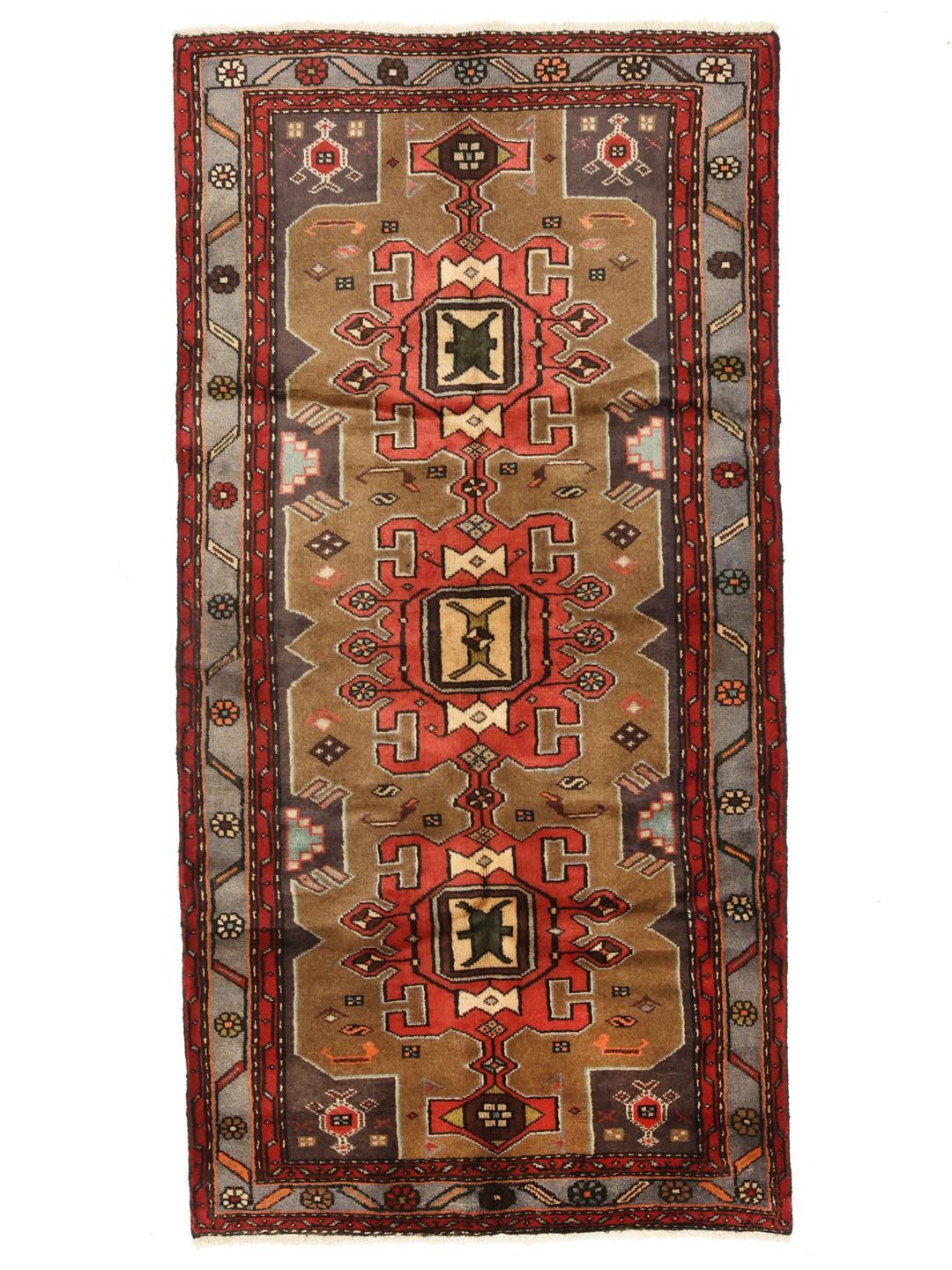
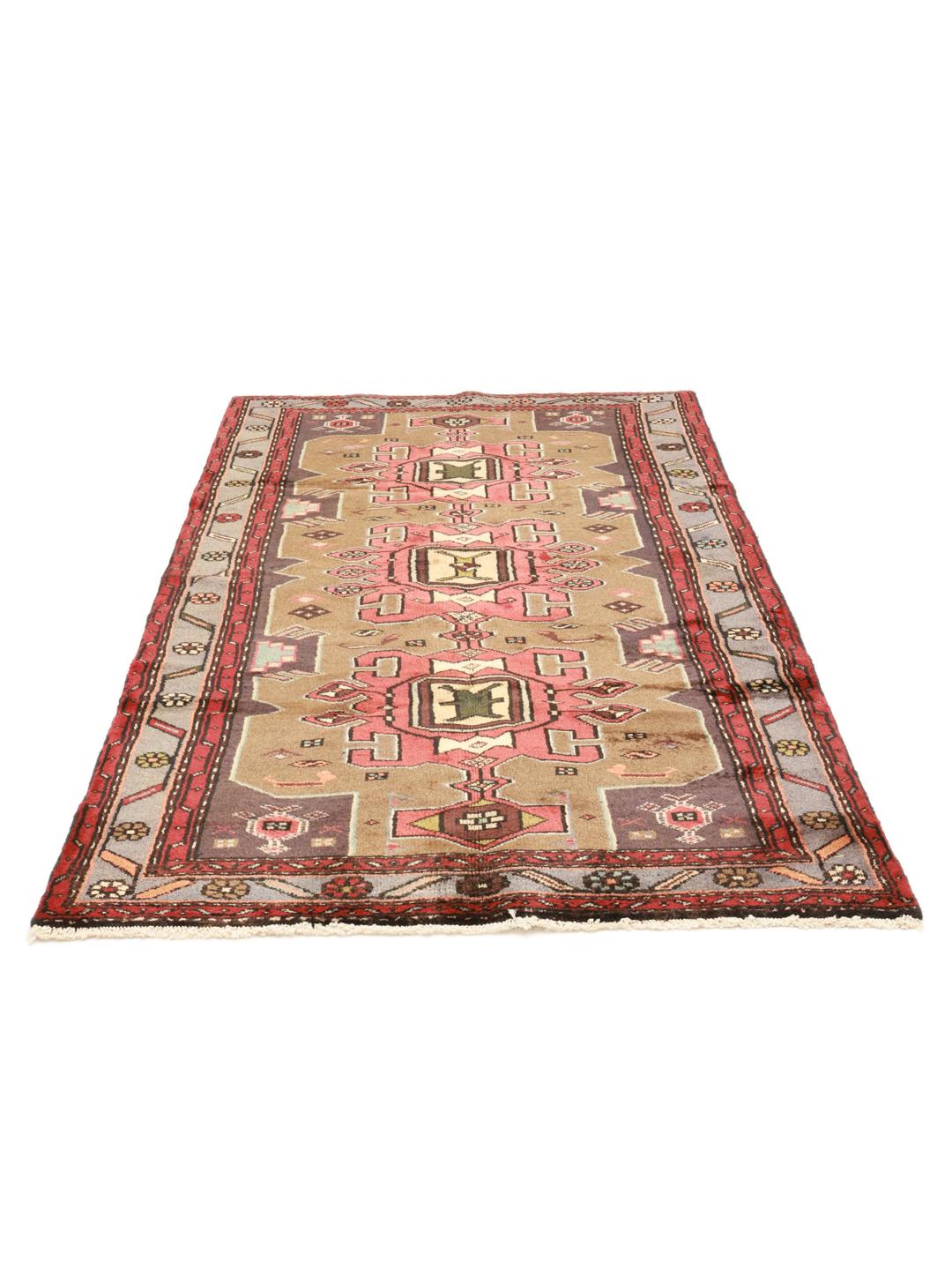
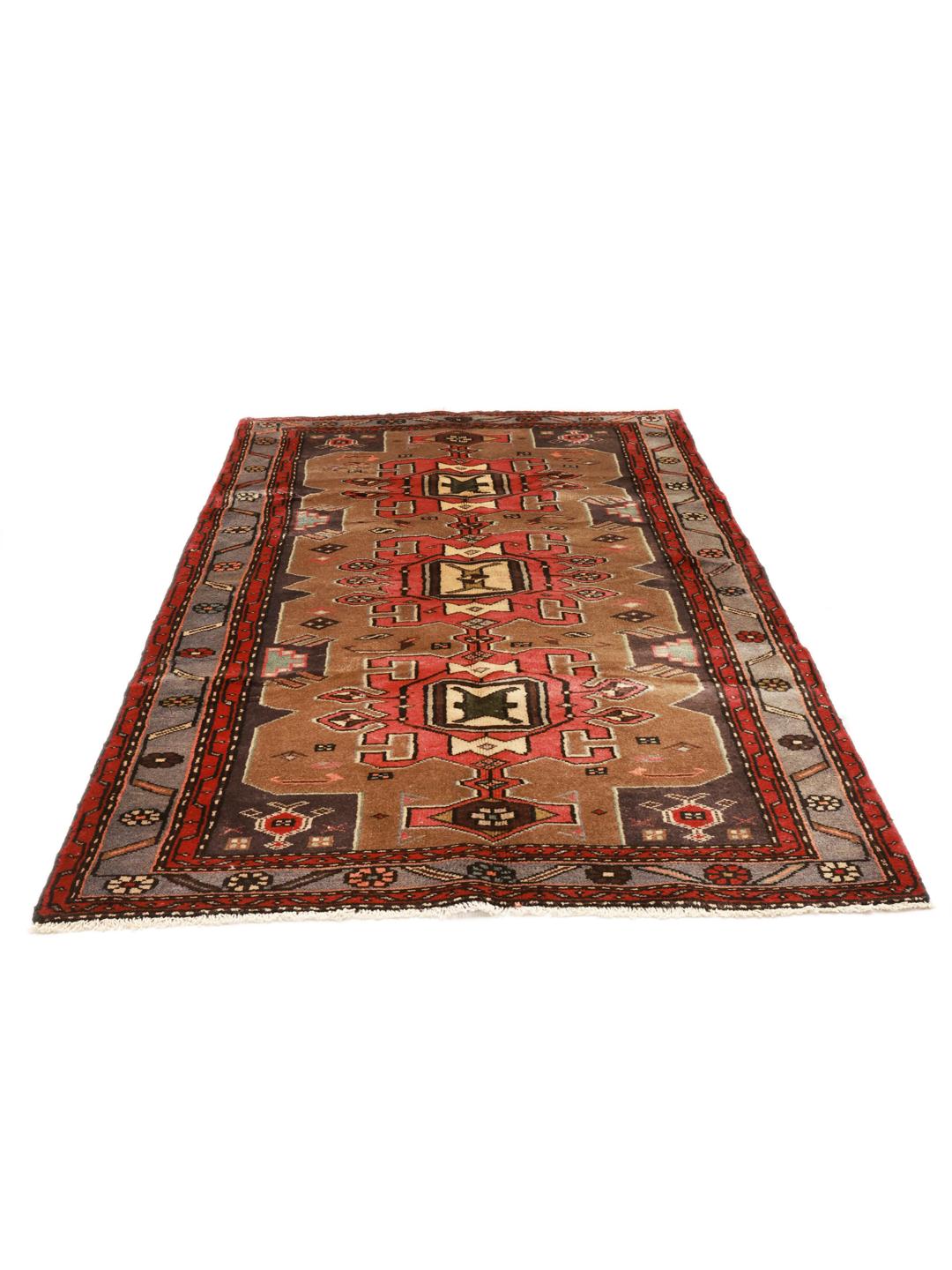
Hamadan rugs originate from one of the oldest cities in the Middle East, a region with a deep-rooted history of weaving that stretches back for centuries. These rugs are named after the city of Hamadan, which has long served as a vital trading hub for the surrounding rural villages. This geographic position allowed for a diverse exchange of design ideas and techniques, creating a tradition that is both varied and deeply connected to local village life.
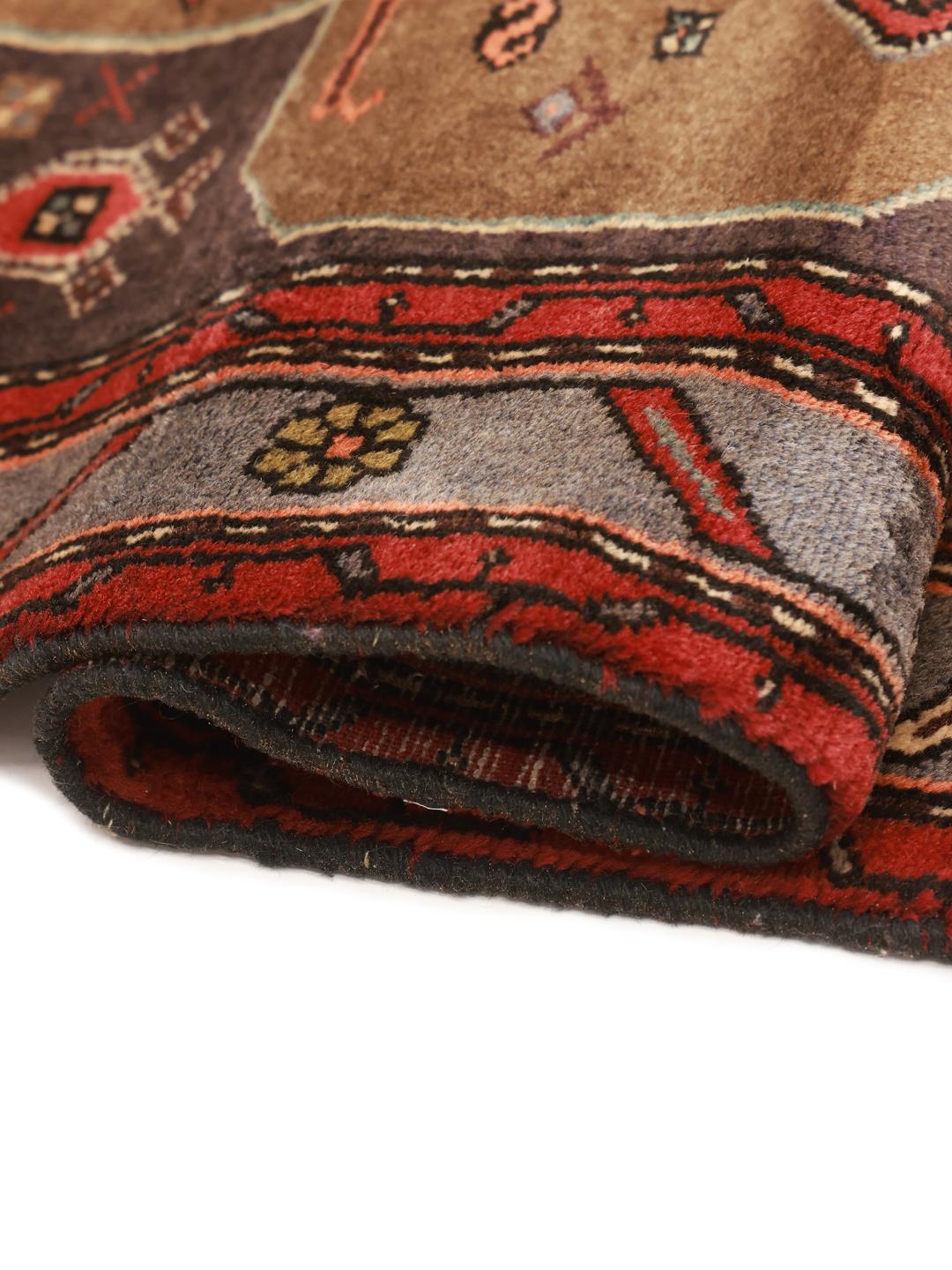
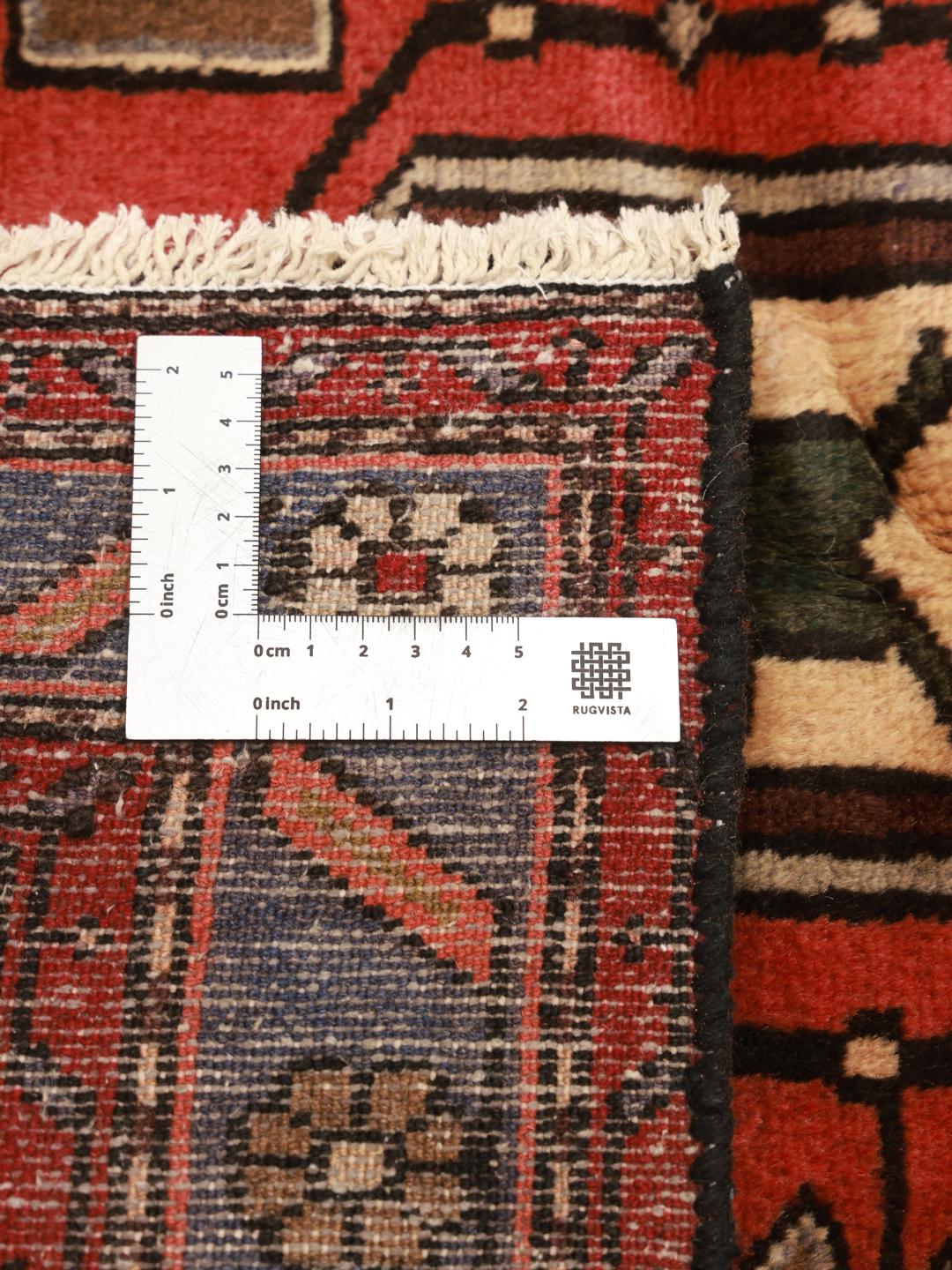
The term Hamadan often refers to a broad collection of styles, as the region comprises hundreds of individual villages, each with its own signature approach to weaving. A key aspect of their quality is the use of robust, locally sourced wool, which is often spun by hand to create a sturdy and resilient pile. This traditional construction ensures that the rugs are not only beautiful but also capable of enduring the rigours of daily life for generations.
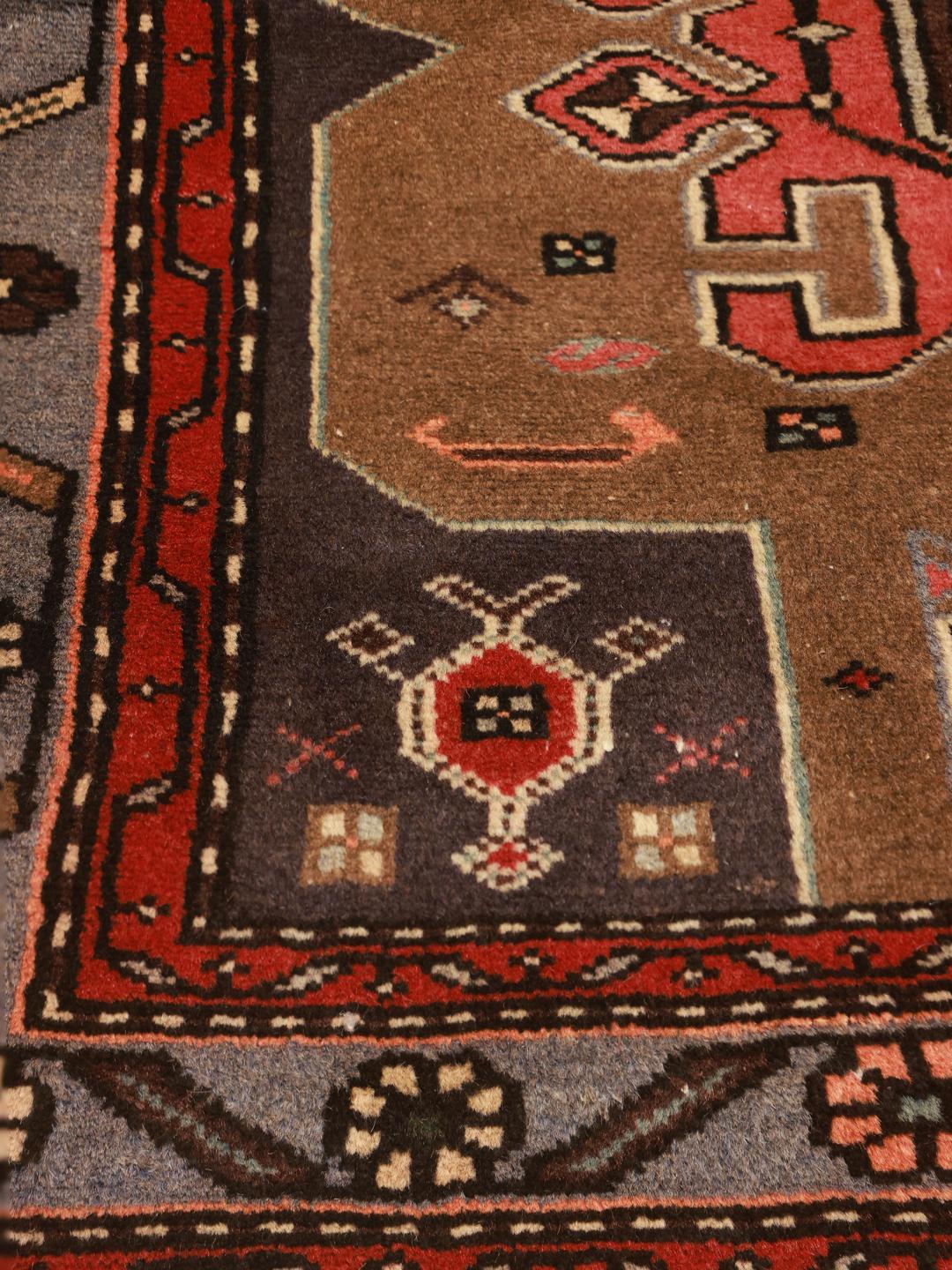
Visually, these rugs are celebrated for their geometric motifs and bold use of colour. You will often find central medallions, repeating floral patterns, or stylized geometric shapes that are framed by intricate, multi-layered borders. While many designs draw from classic traditions, the individual weaver often introduces subtle variations, making each rug a small, unique narrative of the cultural landscape from which it emerged.
Collecting a piece from this tradition is an act of preserving a living history. Because they are rooted in village craft rather than large-scale factory production, these rugs carry a sense of human connection and authenticity that is increasingly rare. Owning a Hamadan rug means bringing a piece of Middle Eastern cultural heritage into your home, where its enduring skill and timeless design can be appreciated for years to come.