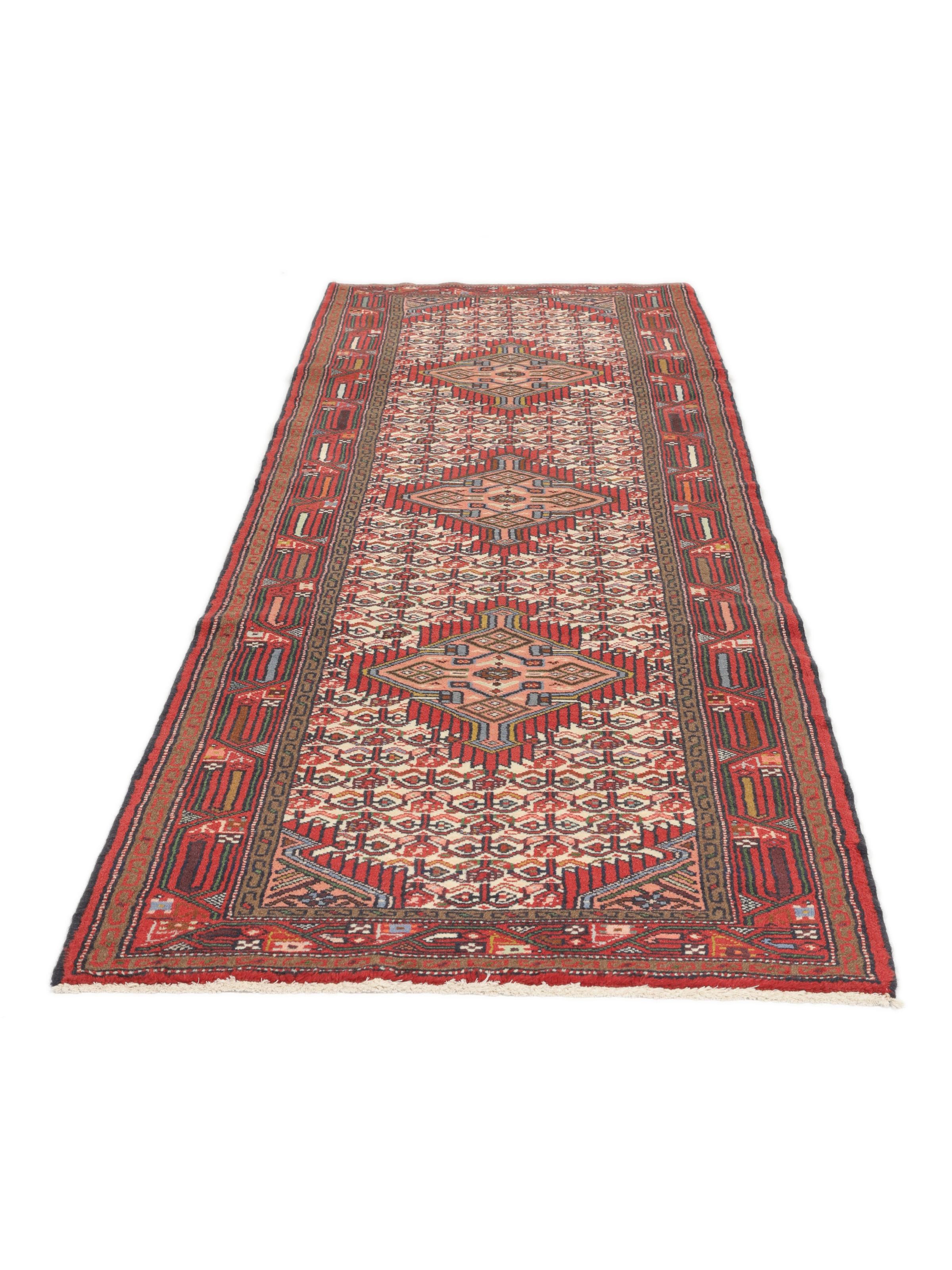
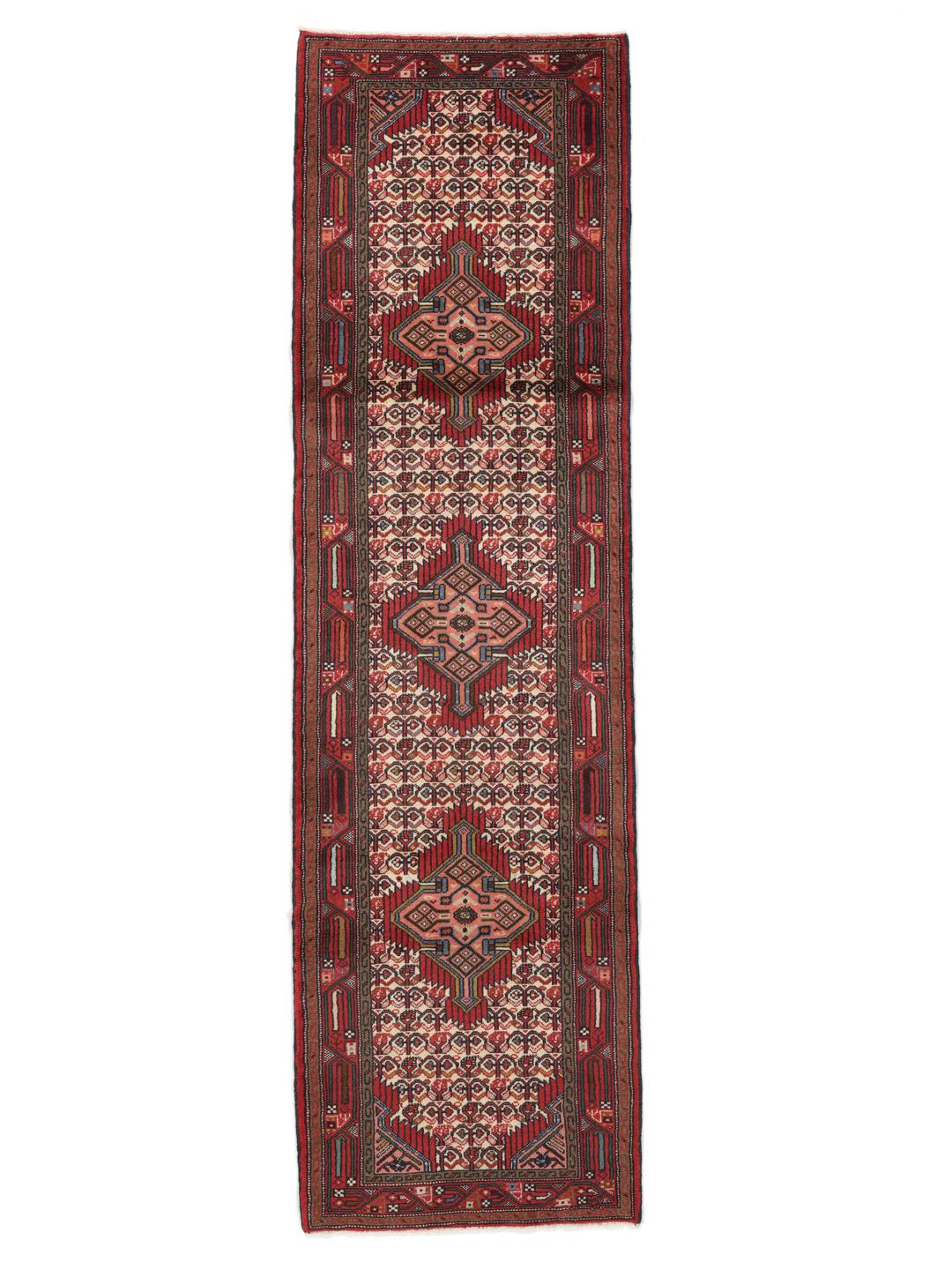
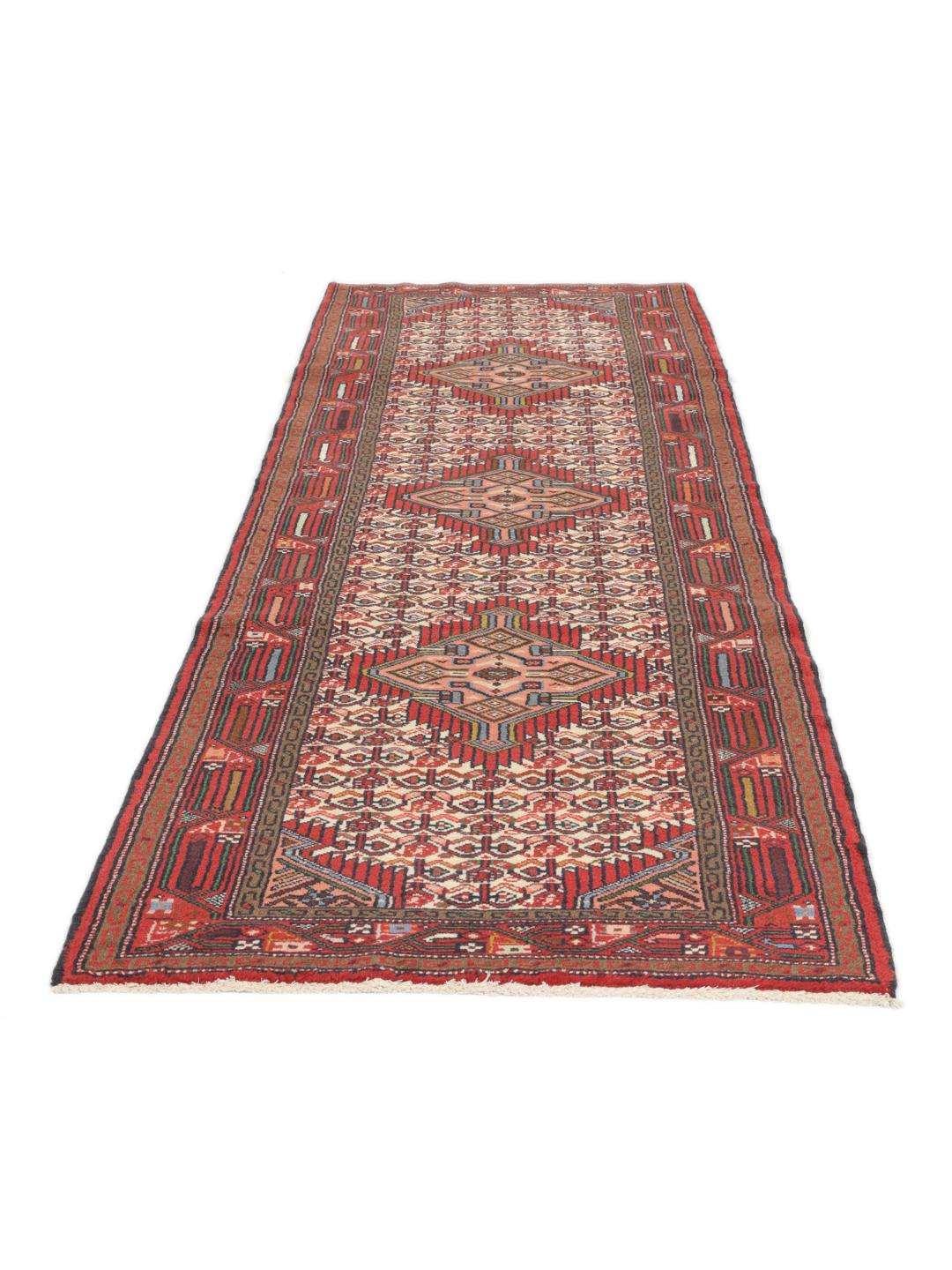
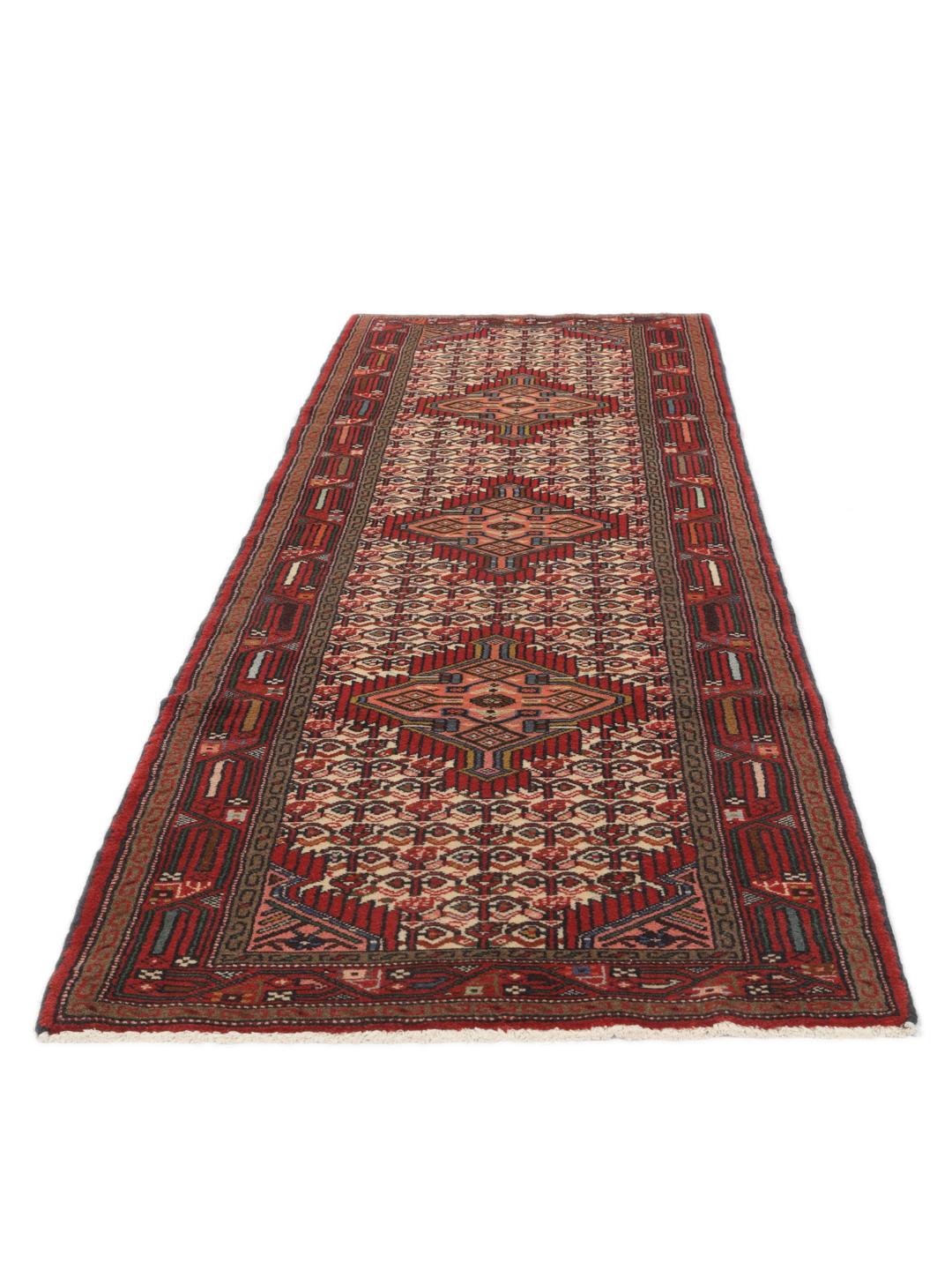
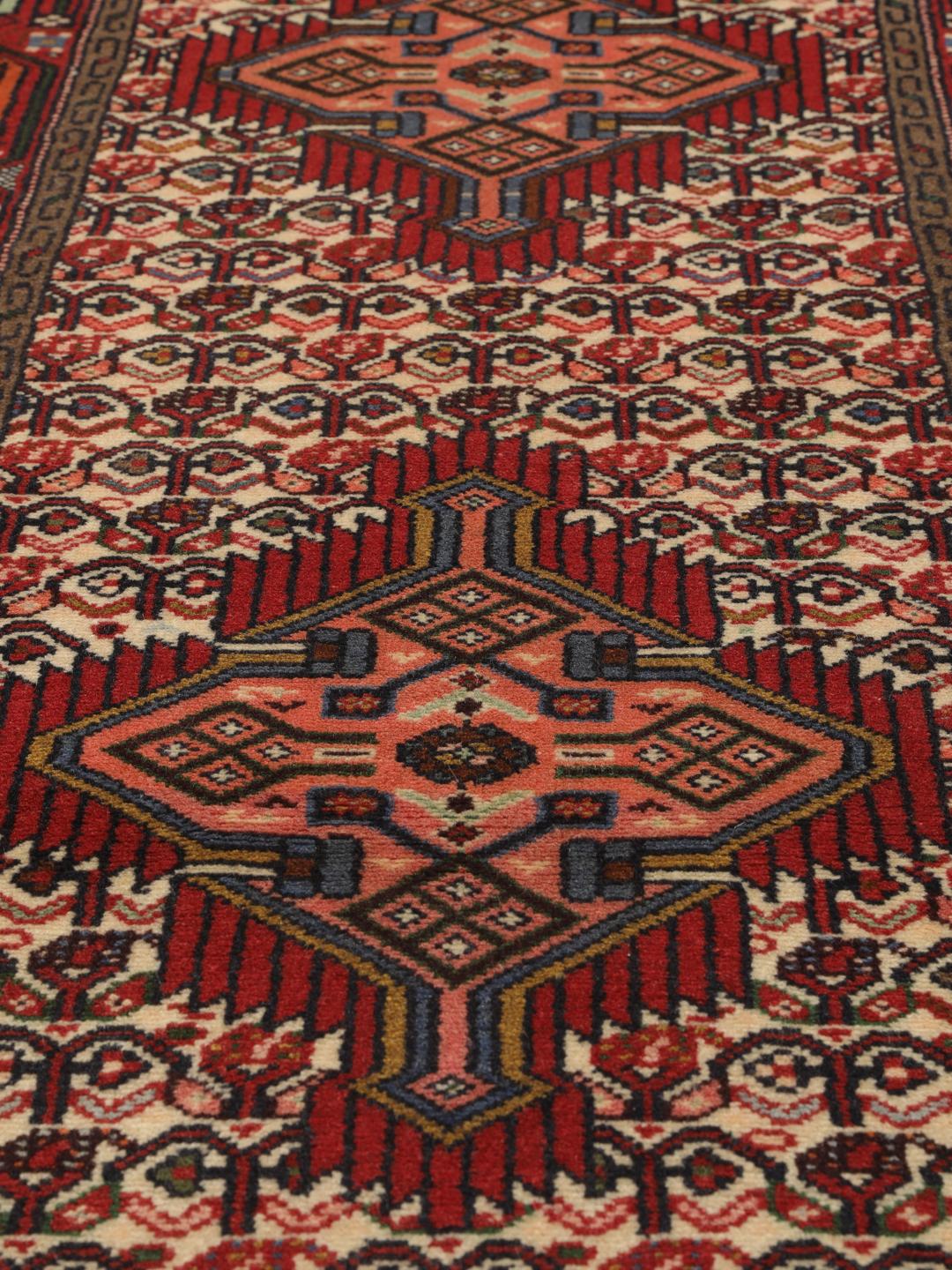
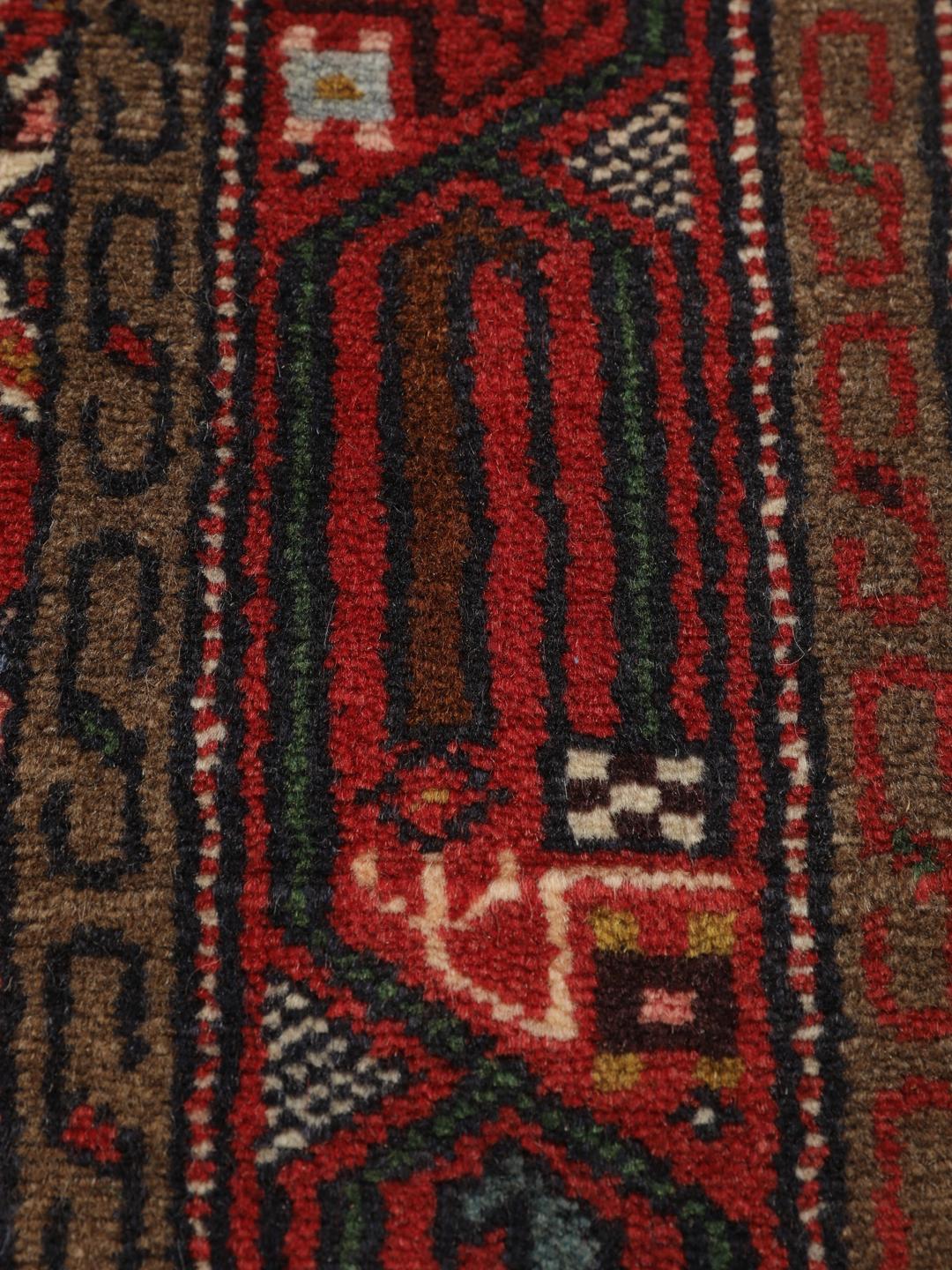
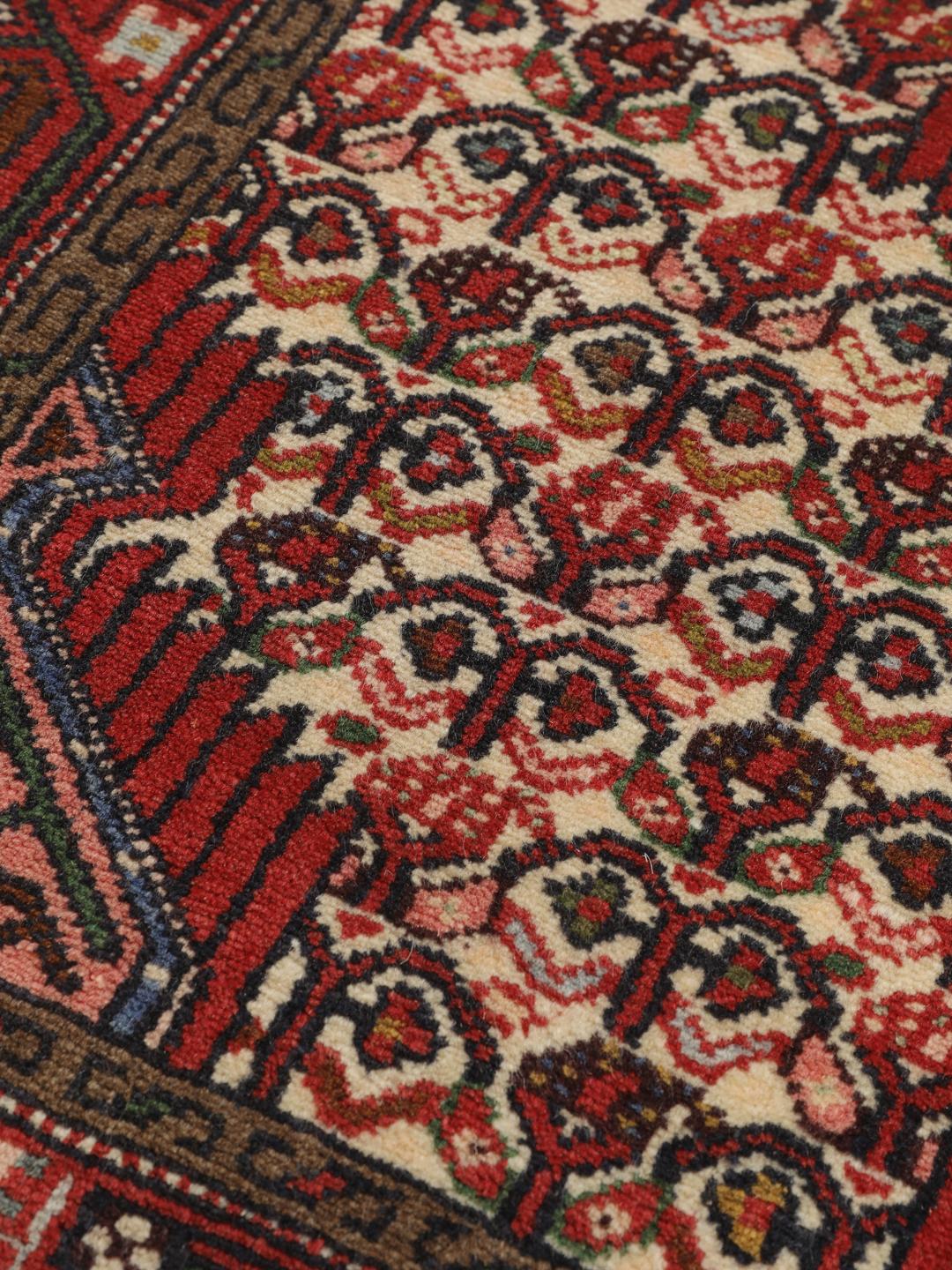
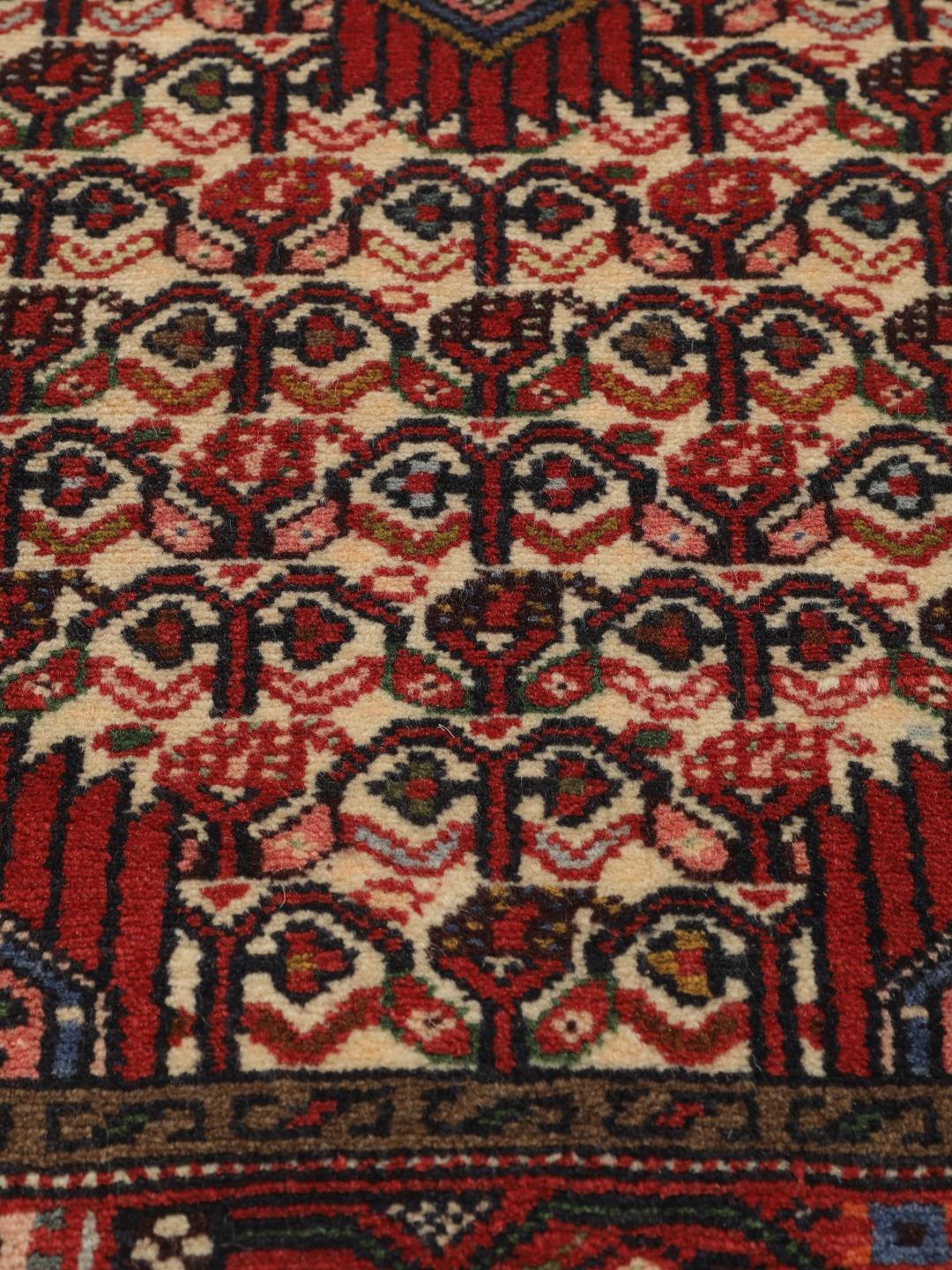
Hamadan rugs take their name from one of the oldest cities in the Middle East, a historic hub located on the ancient trade routes that connected regional centres of commerce and culture. For centuries, the villages surrounding this city have cultivated a distinctive weaving tradition, characterised by the use of locally sourced Wool and a vibrant, expressive approach to pattern and colour.
The term Hamadan refers to a vast category of rugs rather than a single style, as it encompasses the creative output of hundreds of distinct villages. Each village often maintains its own signature motifs and colour palettes, yet they are unified by a commitment to sturdy, durable construction. This diversity ensures that every rug from this region is a unique representation of the specific community and artisan who brought it to life.
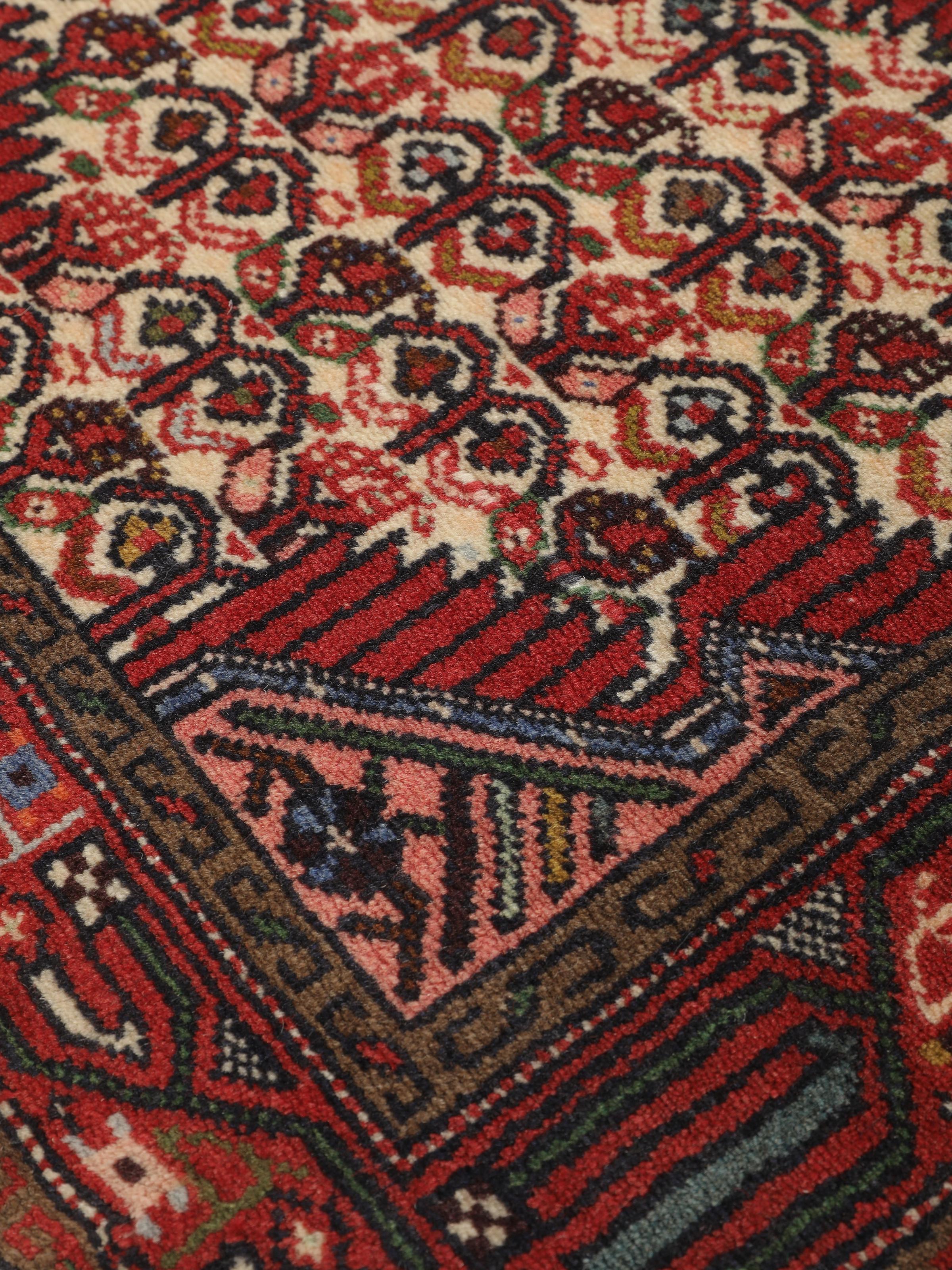
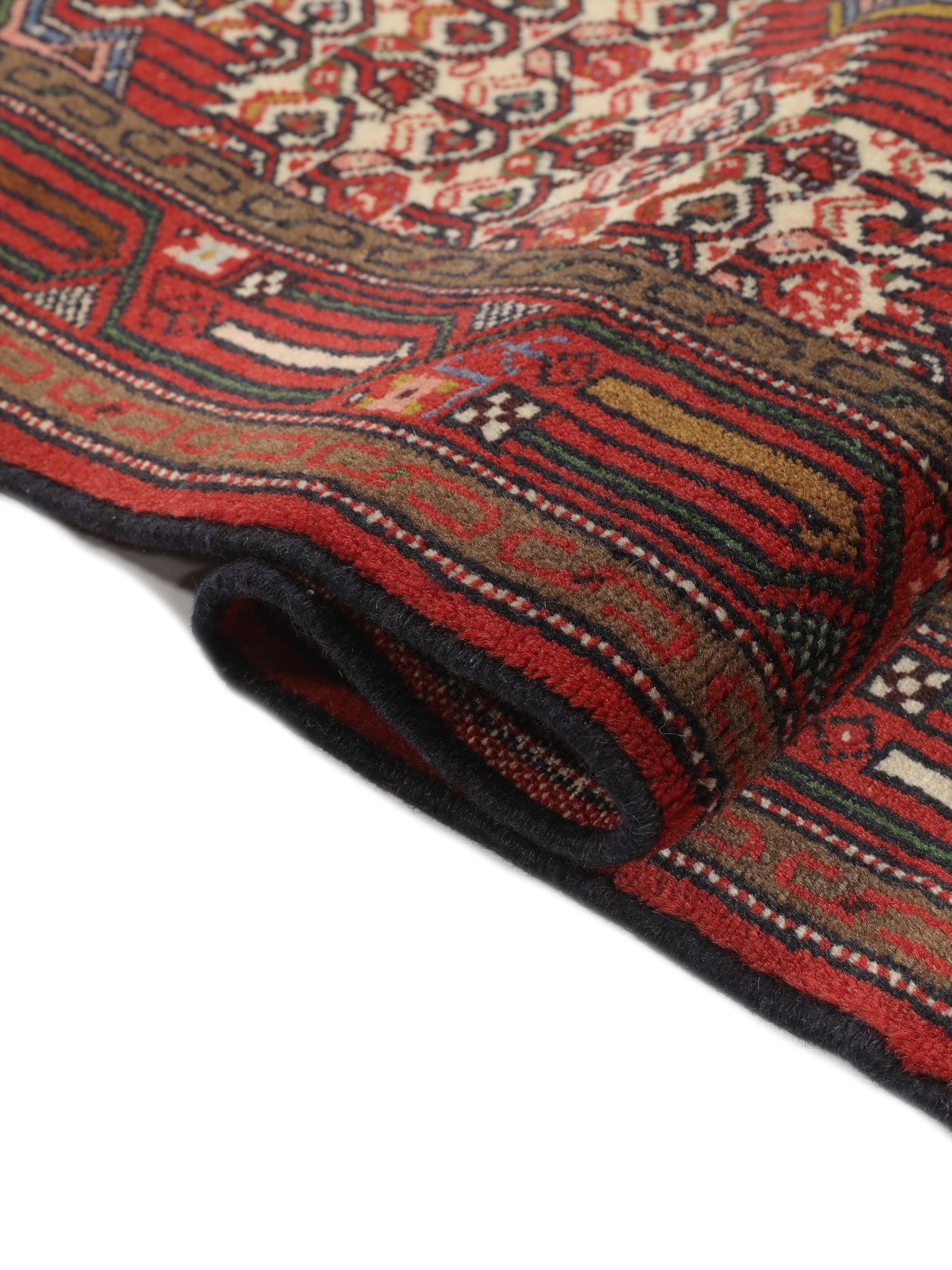
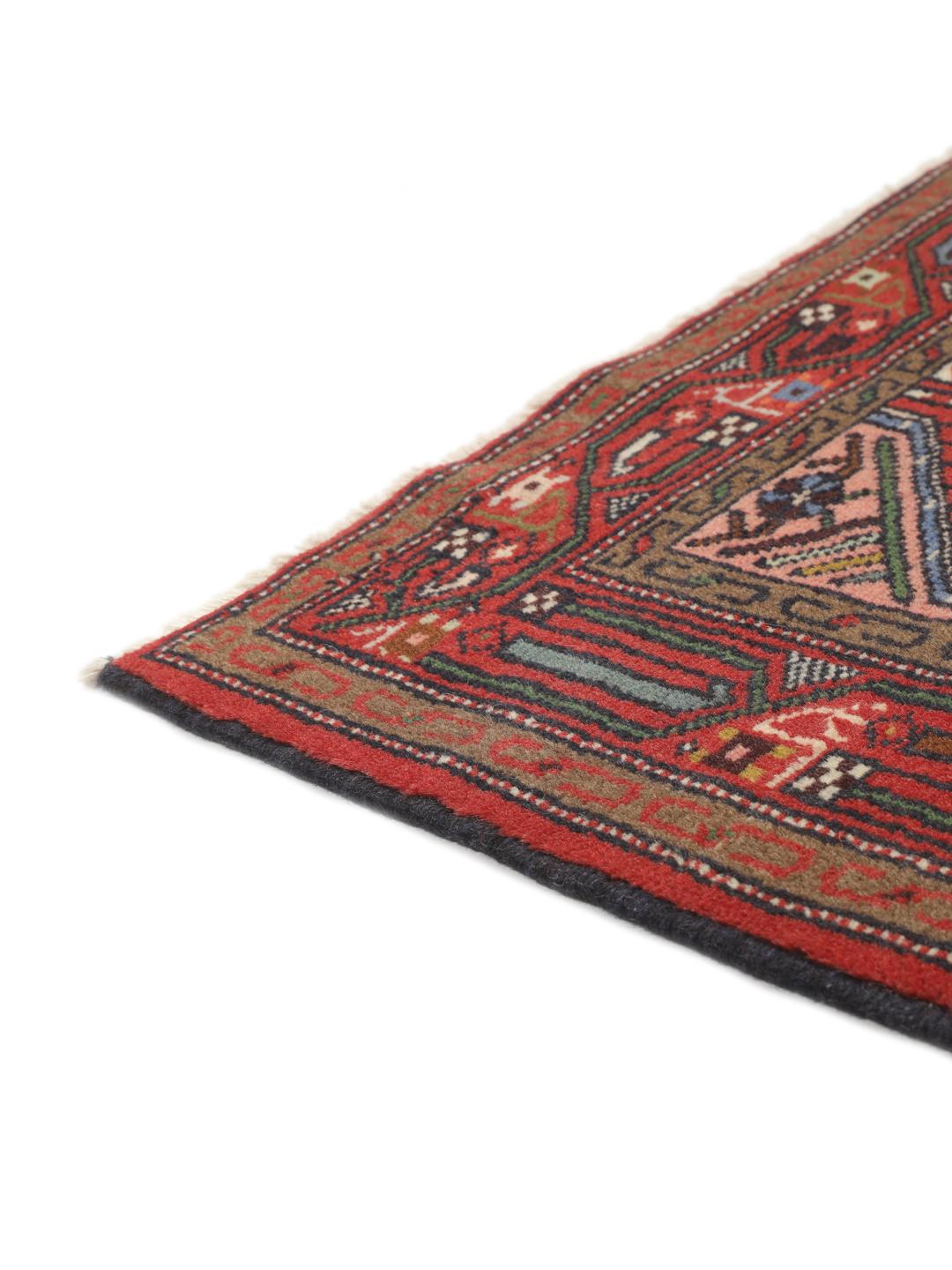
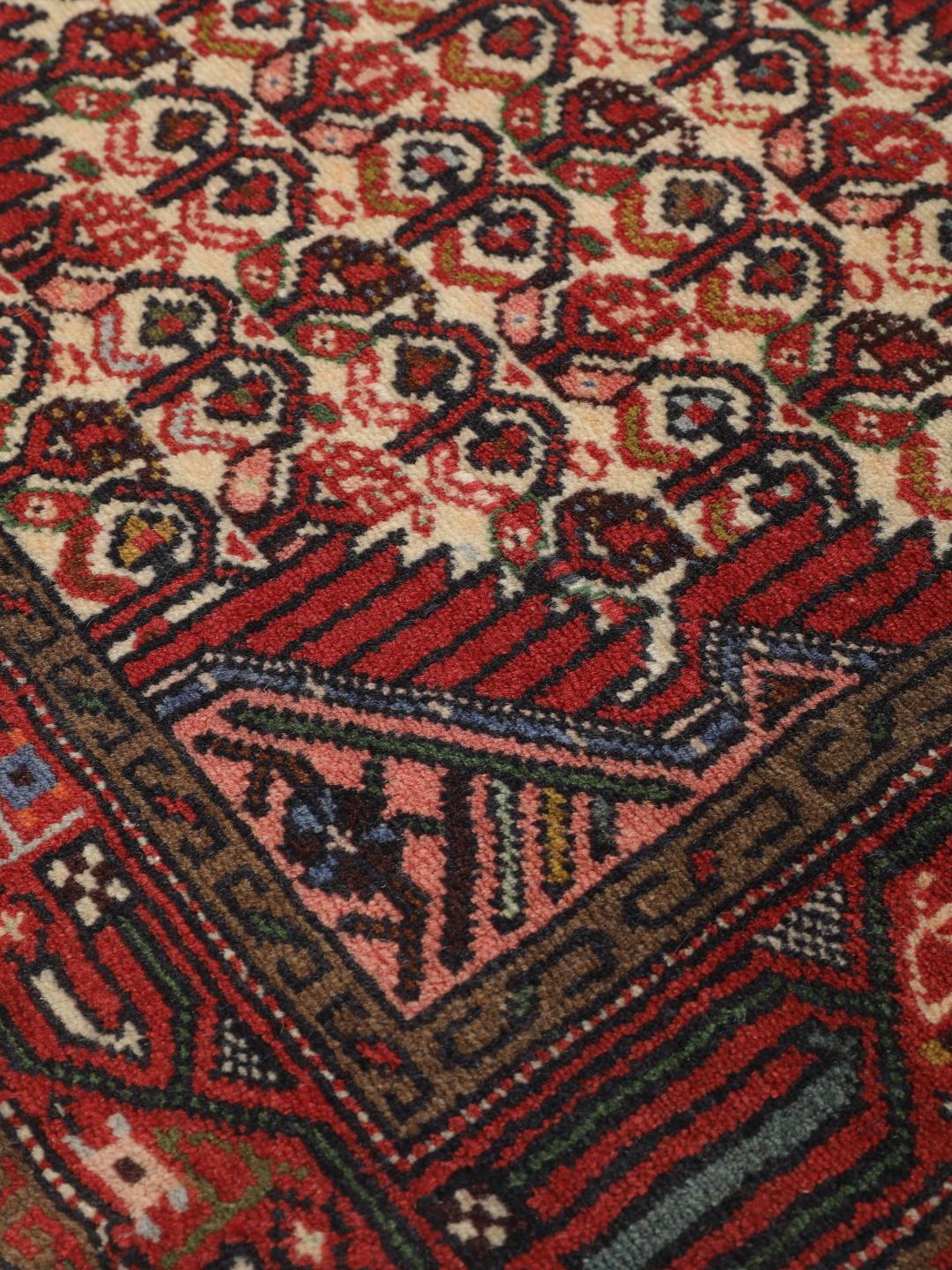
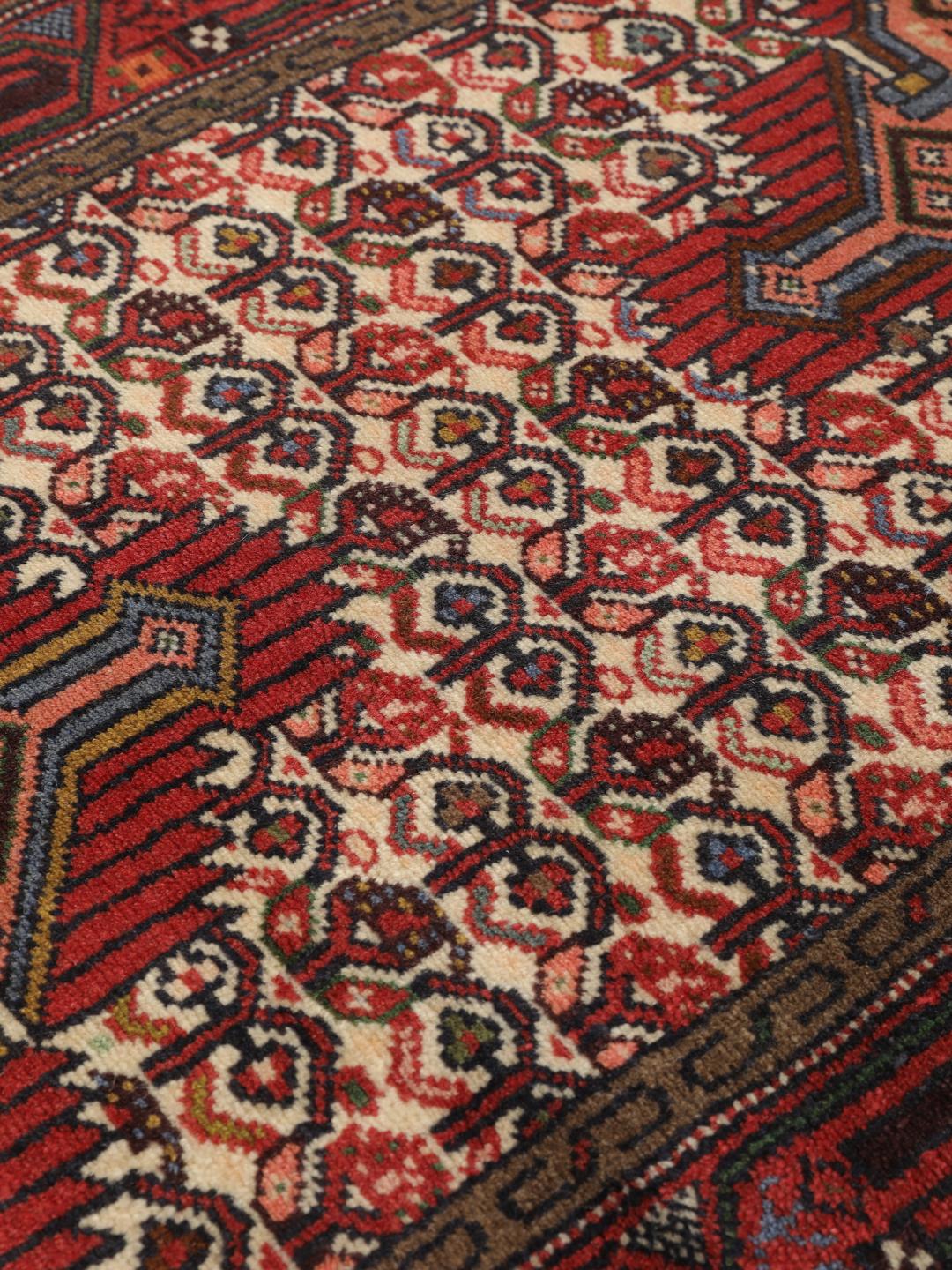
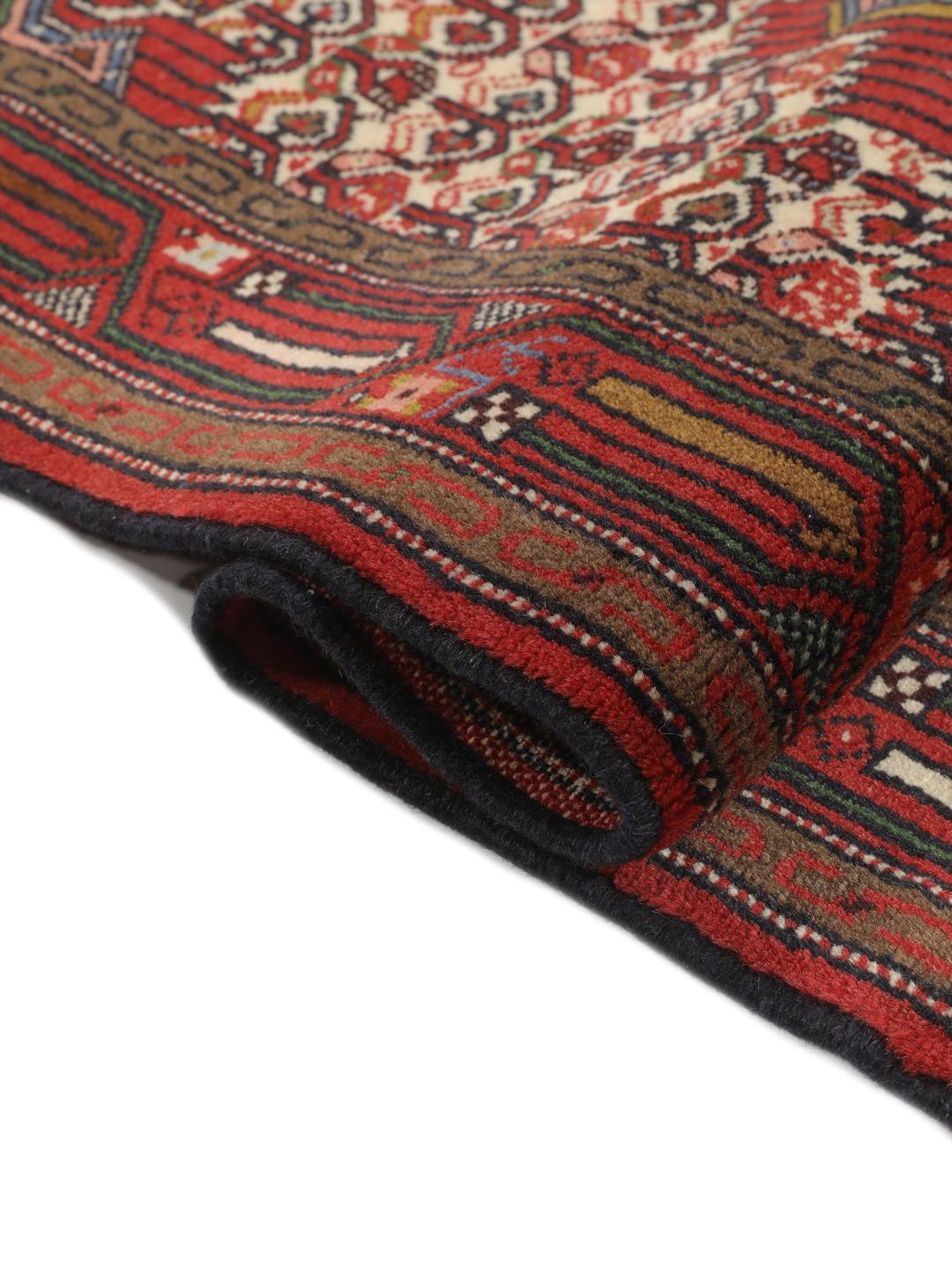
Visually, these rugs are celebrated for their bold geometric patterns, often featuring a central medallion surrounded by repeating motifs like flowers, vines, or stylized animals. The borders are typically wide and well-defined, framing the central field with intricate detail. The use of natural, deep reds and earthy tones is a hallmark of the region, creating a look that is both striking and deeply rooted in tradition.
Collectors and homeowners value these rugs for their authenticity and their ability to bridge the gap between historical heritage and modern living. Owning a piece from this tradition means connecting with a lineage of craft that has survived through generations. It is an investment in human skill and cultural history, offering a level of character and substance that mass-produced items simply cannot match.