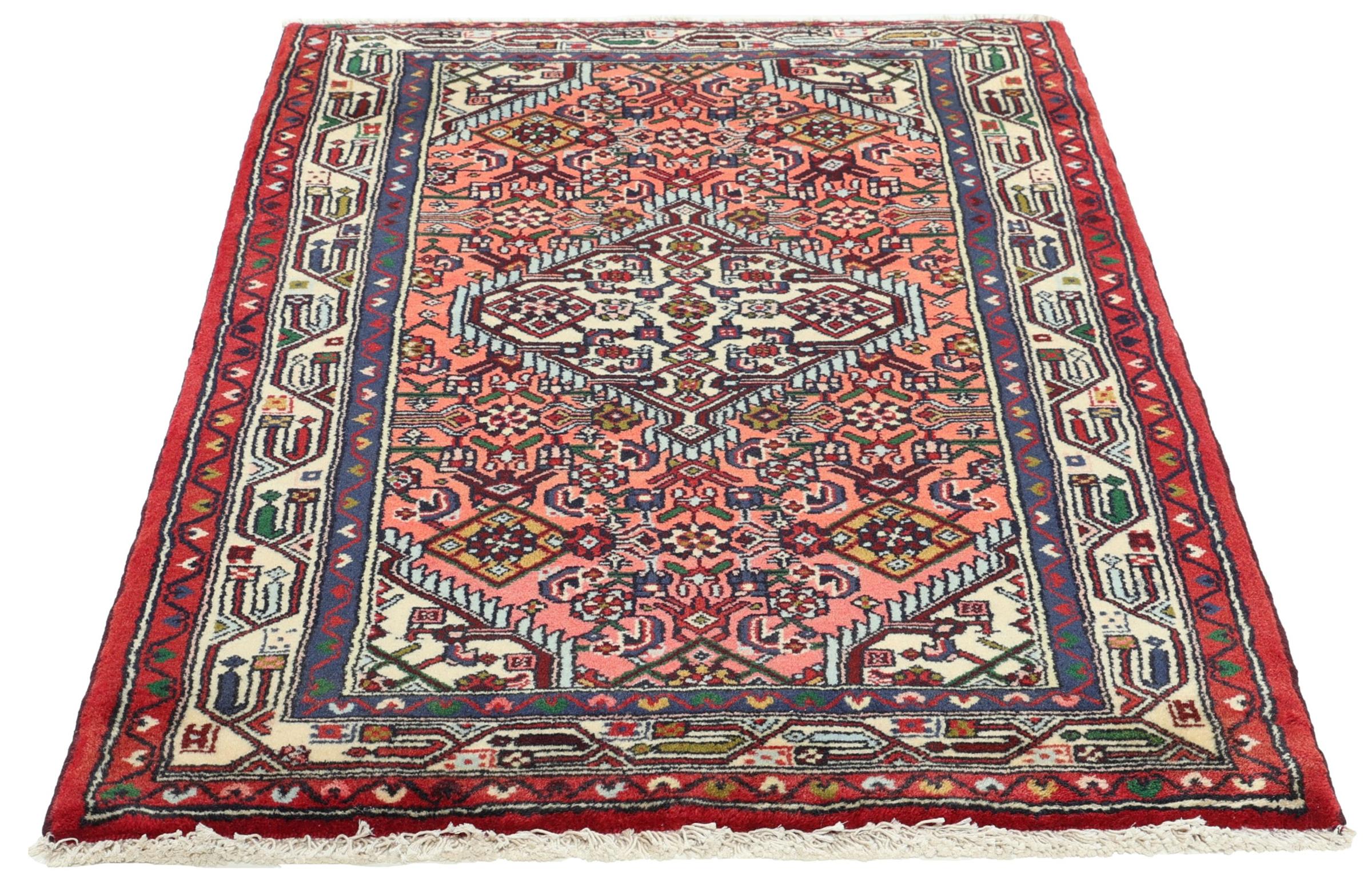
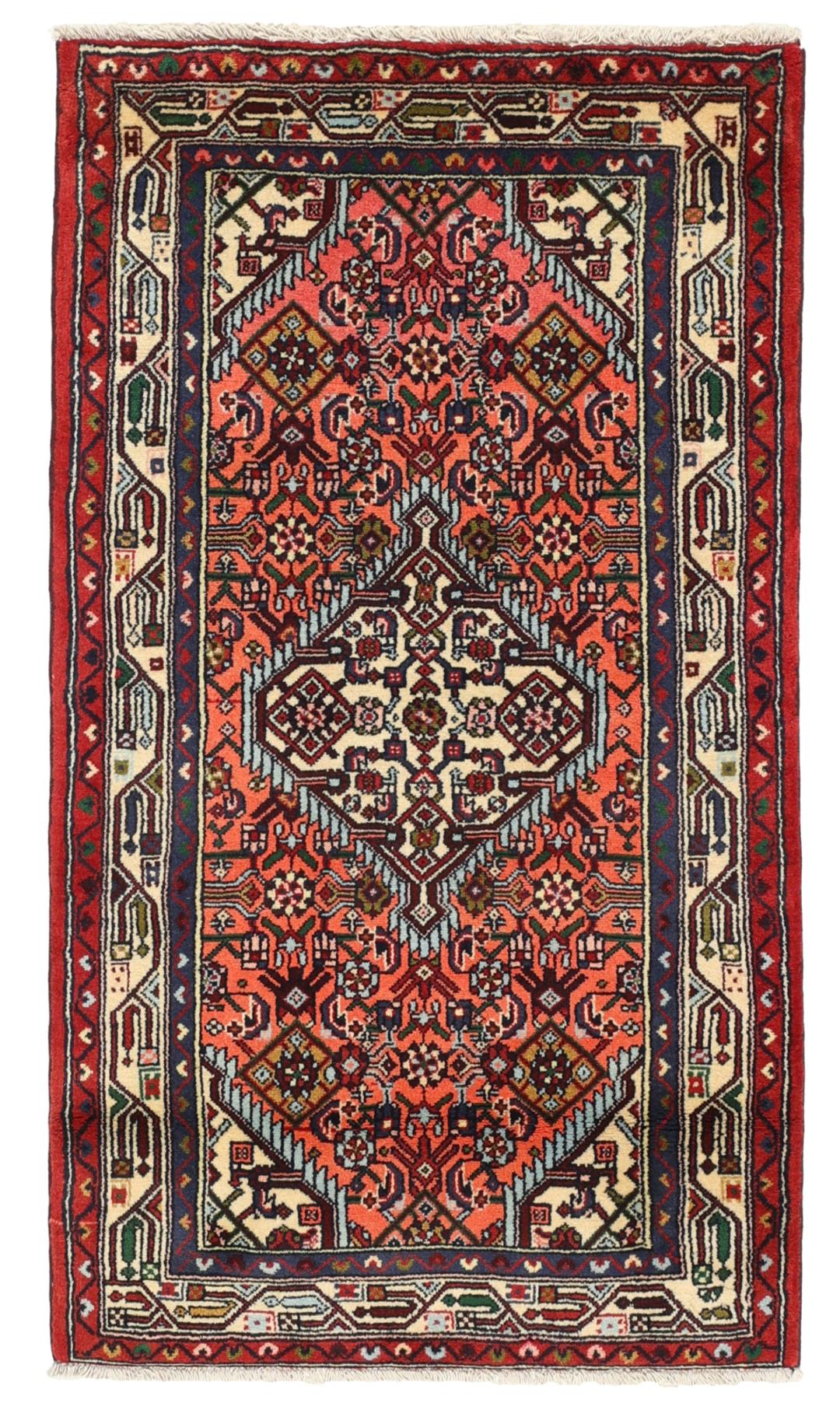
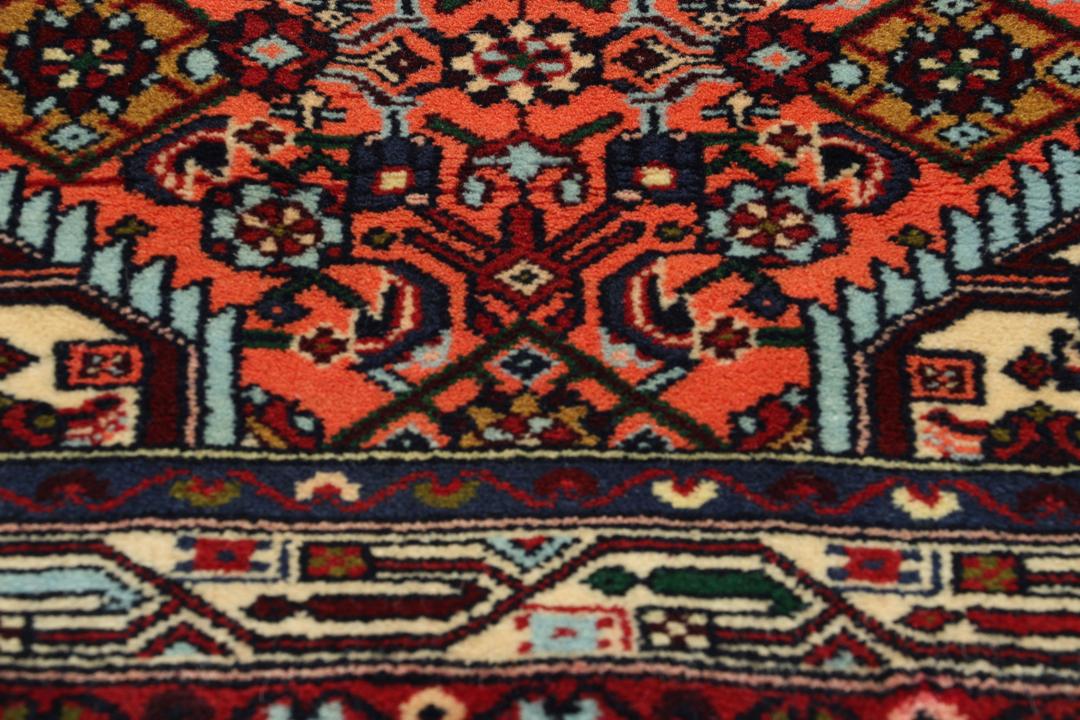
The Hamadan region, located in the mountainous western part of the Middle East, is one of the oldest and most prolific centres for rug weaving in the world. For centuries, the villages surrounding the city of Hamadan have developed distinct weaving styles, often utilising local Wool known for its resilience and high quality. The rugs from this region are celebrated for their durability and their ability to blend traditional motifs with a rustic, earthy charm.
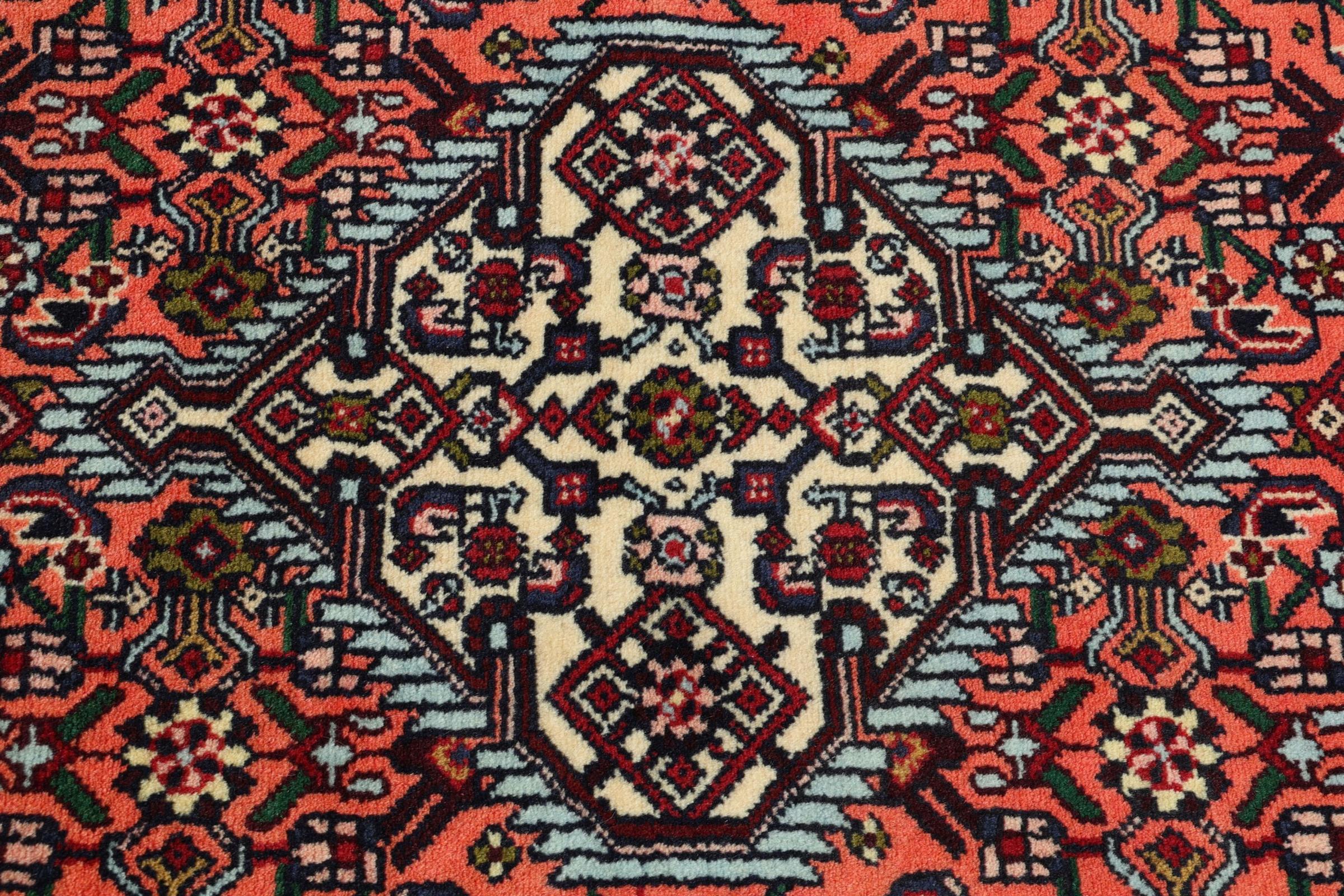
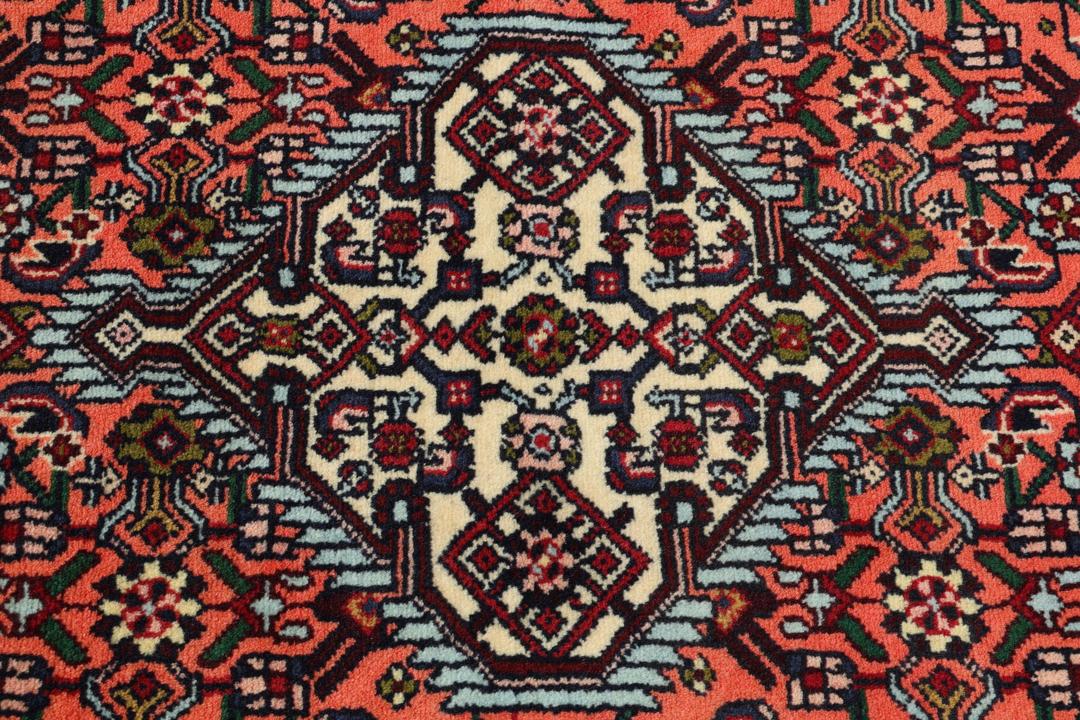
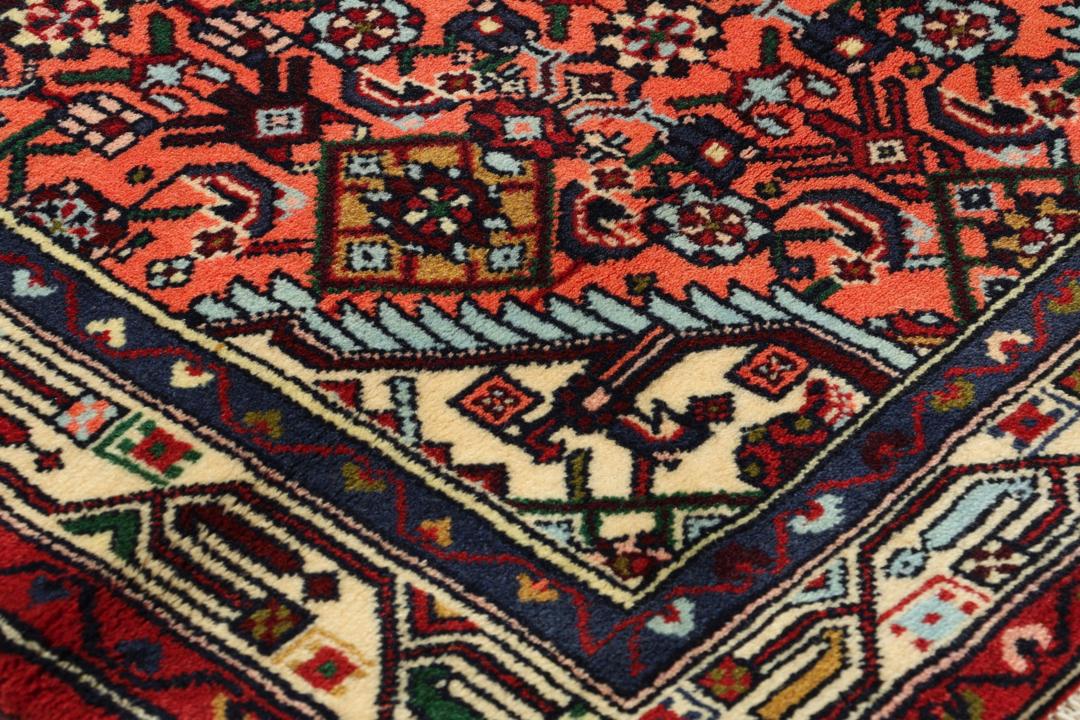
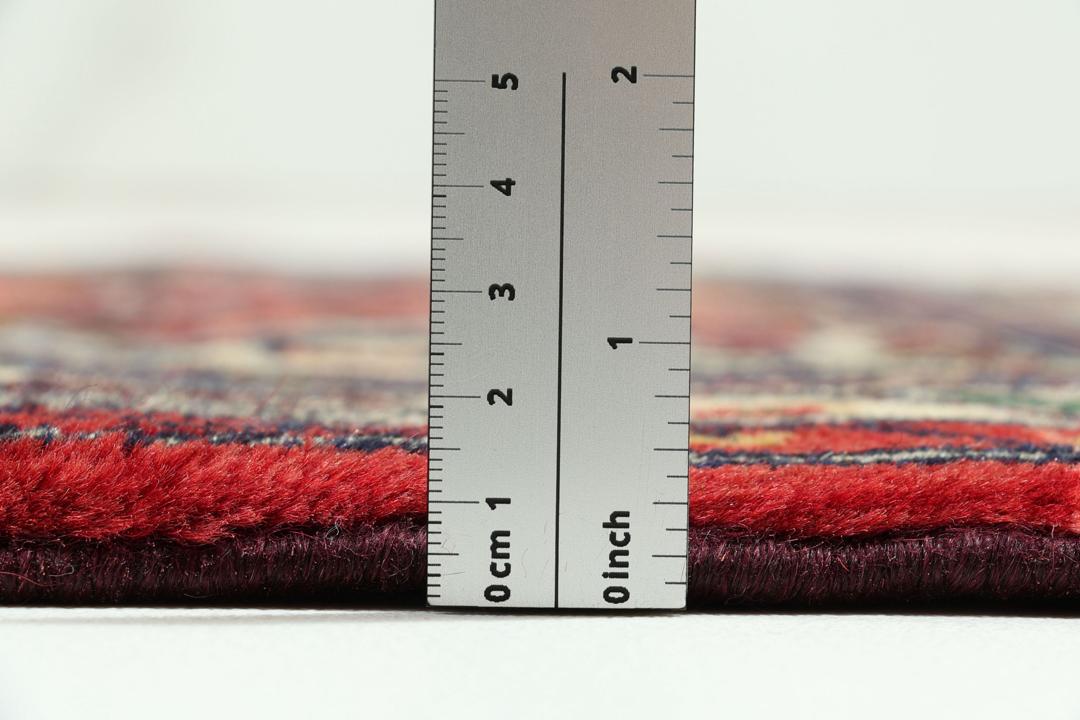
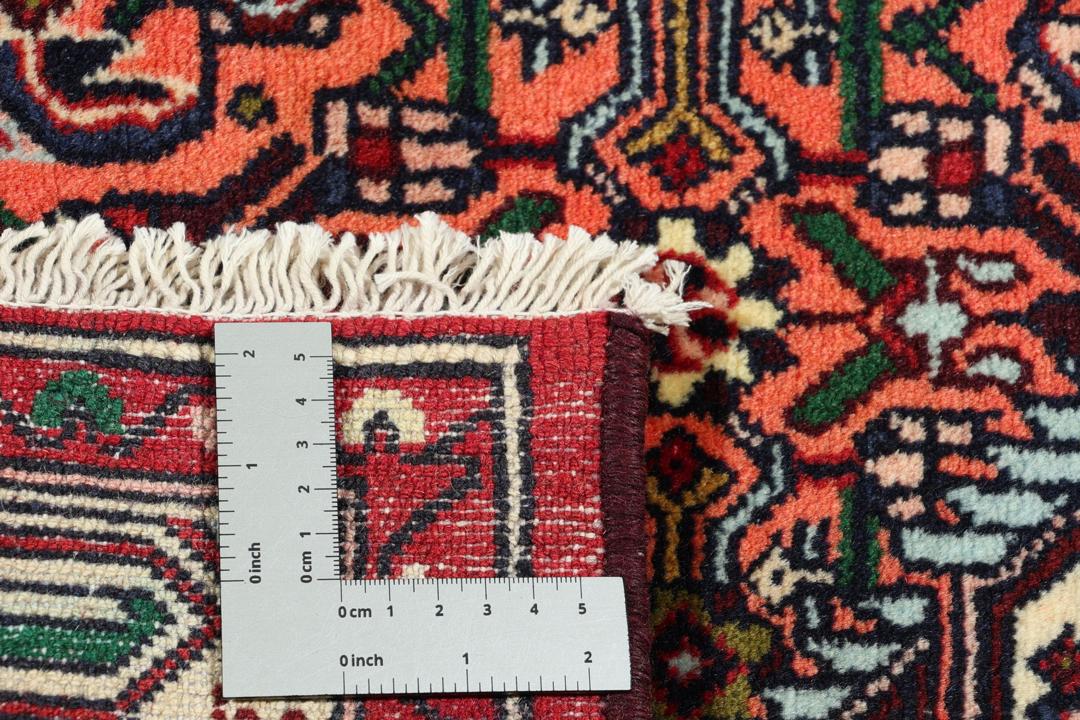
In the context of rug terminology, Hamadan rugs are often defined by their sturdy construction and the use of geometric or floral motifs that draw inspiration from the diverse cultures of the surrounding highlands. The craft relies on a deep understanding of natural fibres and traditional dyeing techniques. A well-made rug from this area typically features a dense, tight construction that protects the fibres and ensures the longevity of the intricate patterns.
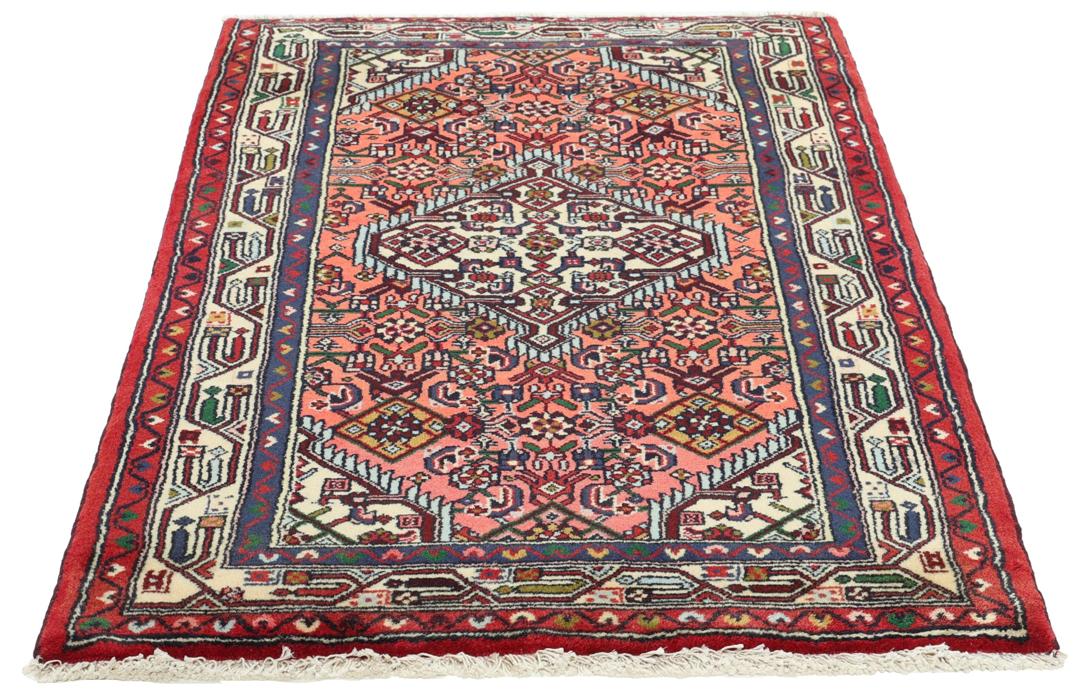
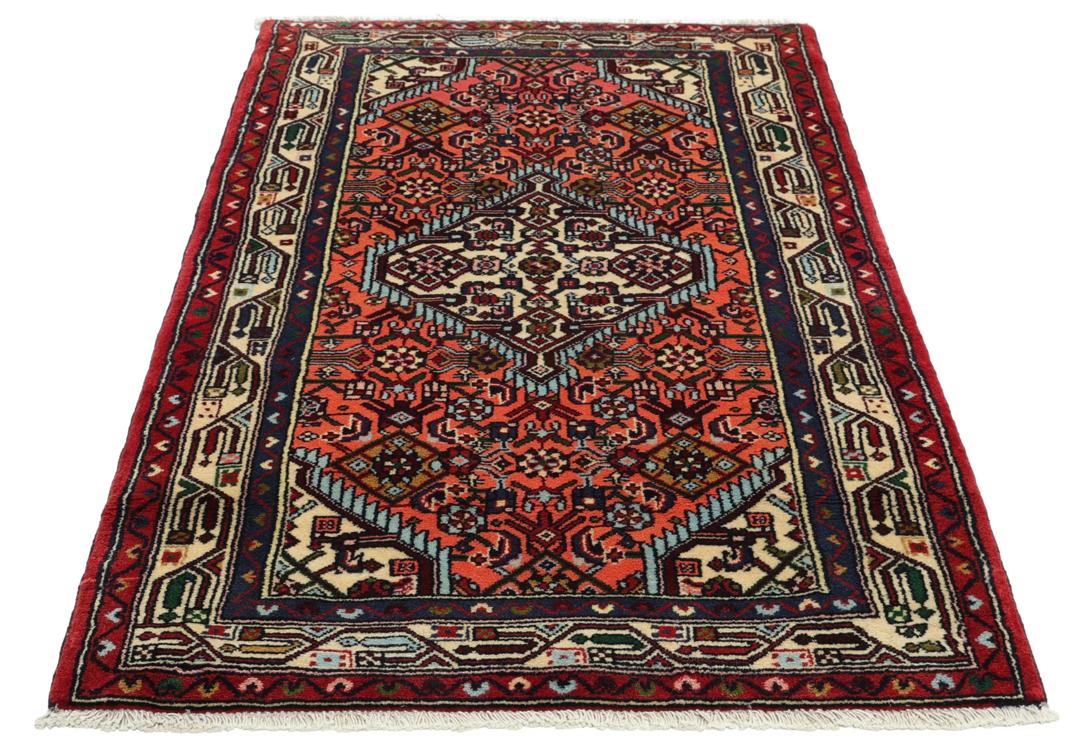
The design language of Hamadan rugs frequently includes a central medallion surrounded by repeating geometric patterns, often framed by a wide, decorative border. These motifs are not merely decorative but serve as a visual language reflecting the history and surroundings of the weavers. The use of vibrant, rich colours like red and deep blue is traditional, creating a bold contrast against lighter background shades, which helps the patterns stand out with clarity.
Collecting a Hamadan rug is an opportunity to own a tangible piece of cultural heritage. These rugs are valued not only for their beauty but for the human skill and history woven into every thread. Owning one means participating in a legacy of craft that has endured through centuries, offering a sense of authenticity and warmth that mass-produced items simply cannot replicate.