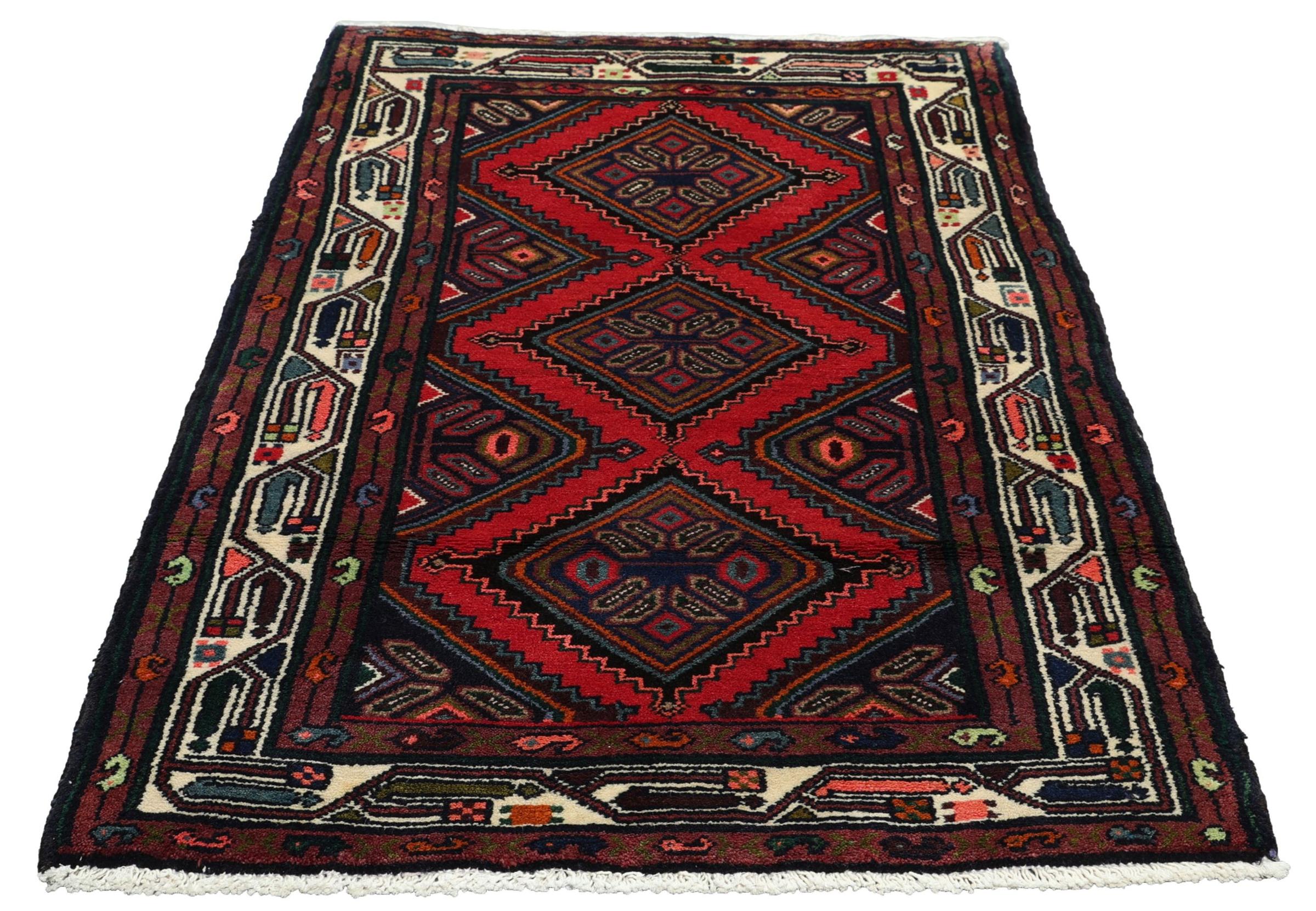
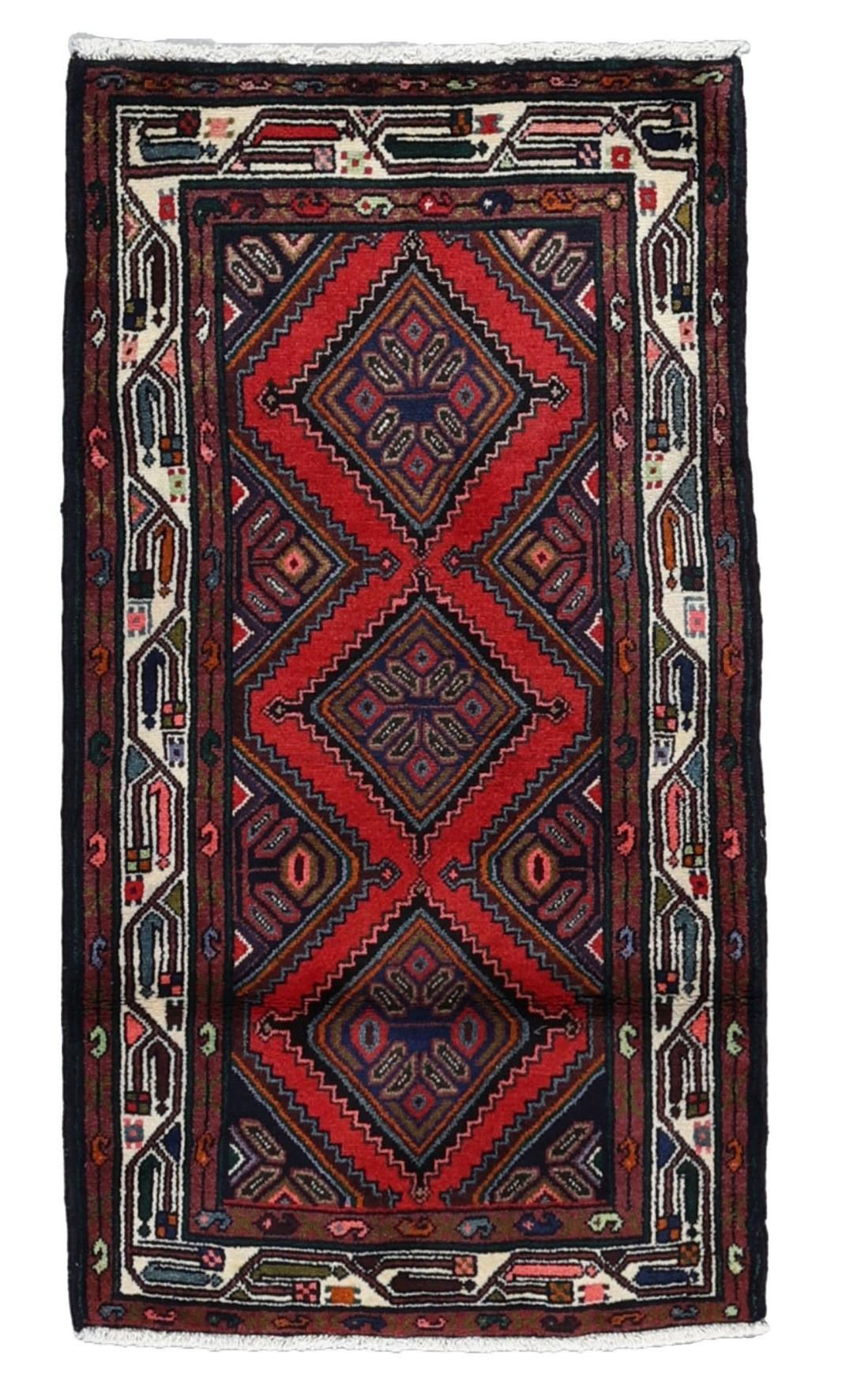
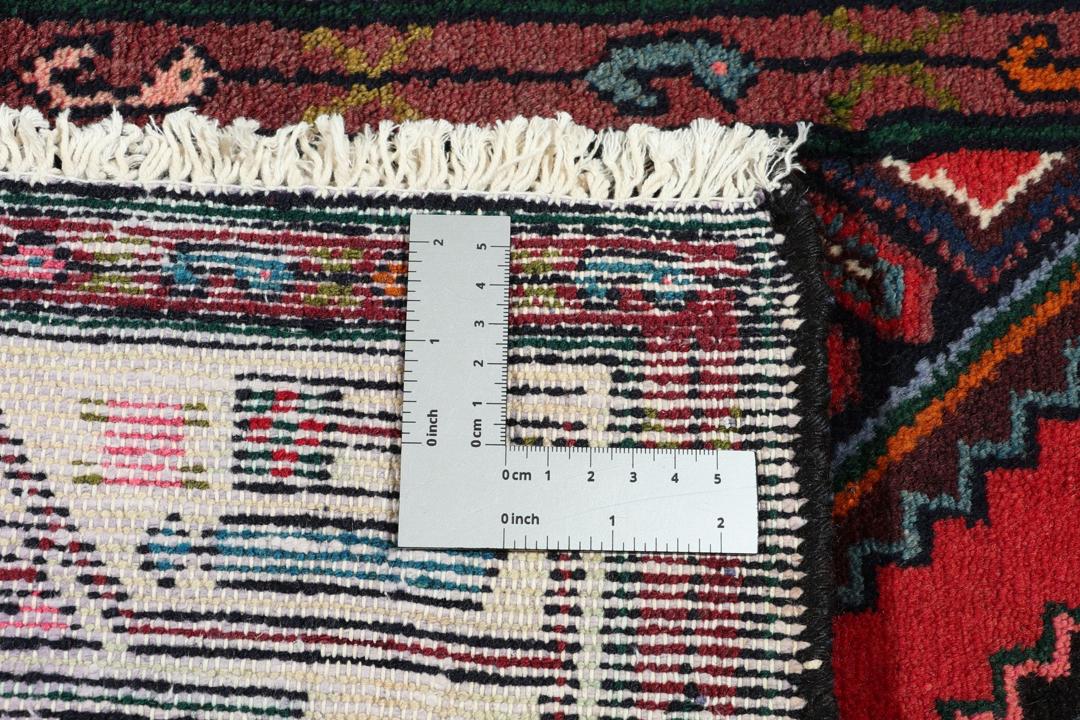
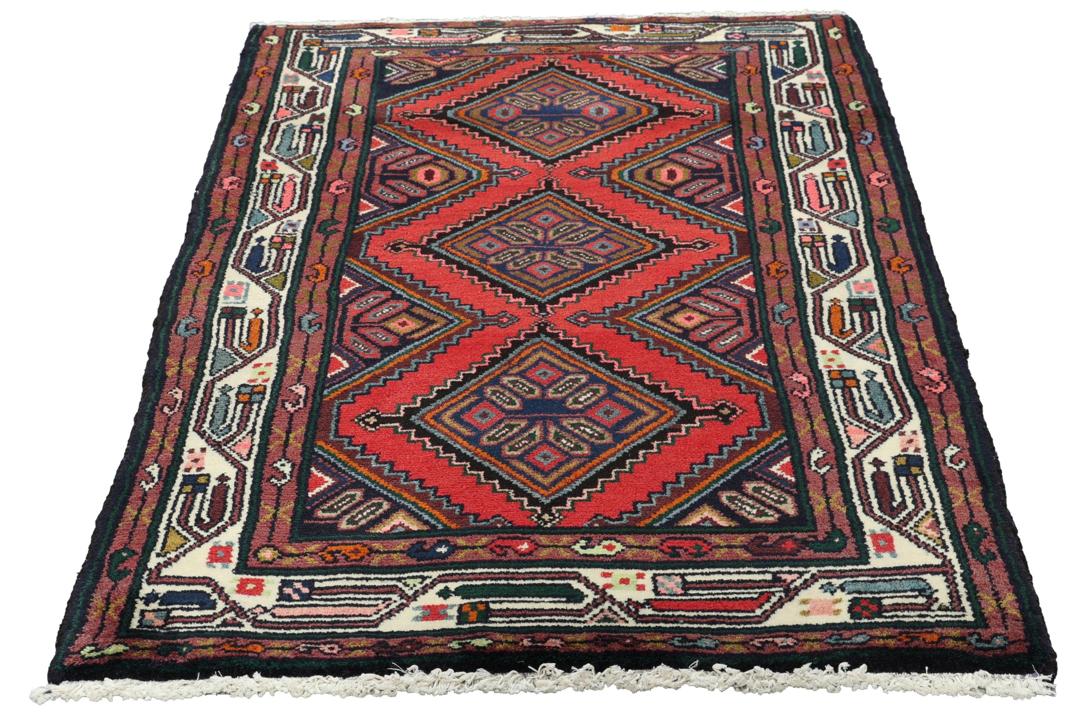
Hamadan rugs originate from one of the oldest cities in the Middle East, a region with a weaving history that stretches back thousands of years. Located in the western part of the region, the city of Hamadan serves as a hub for hundreds of surrounding villages, each contributing its own unique flair to the local weaving tradition. This diversity is what makes the Hamadan category so varied and exciting for collectors.
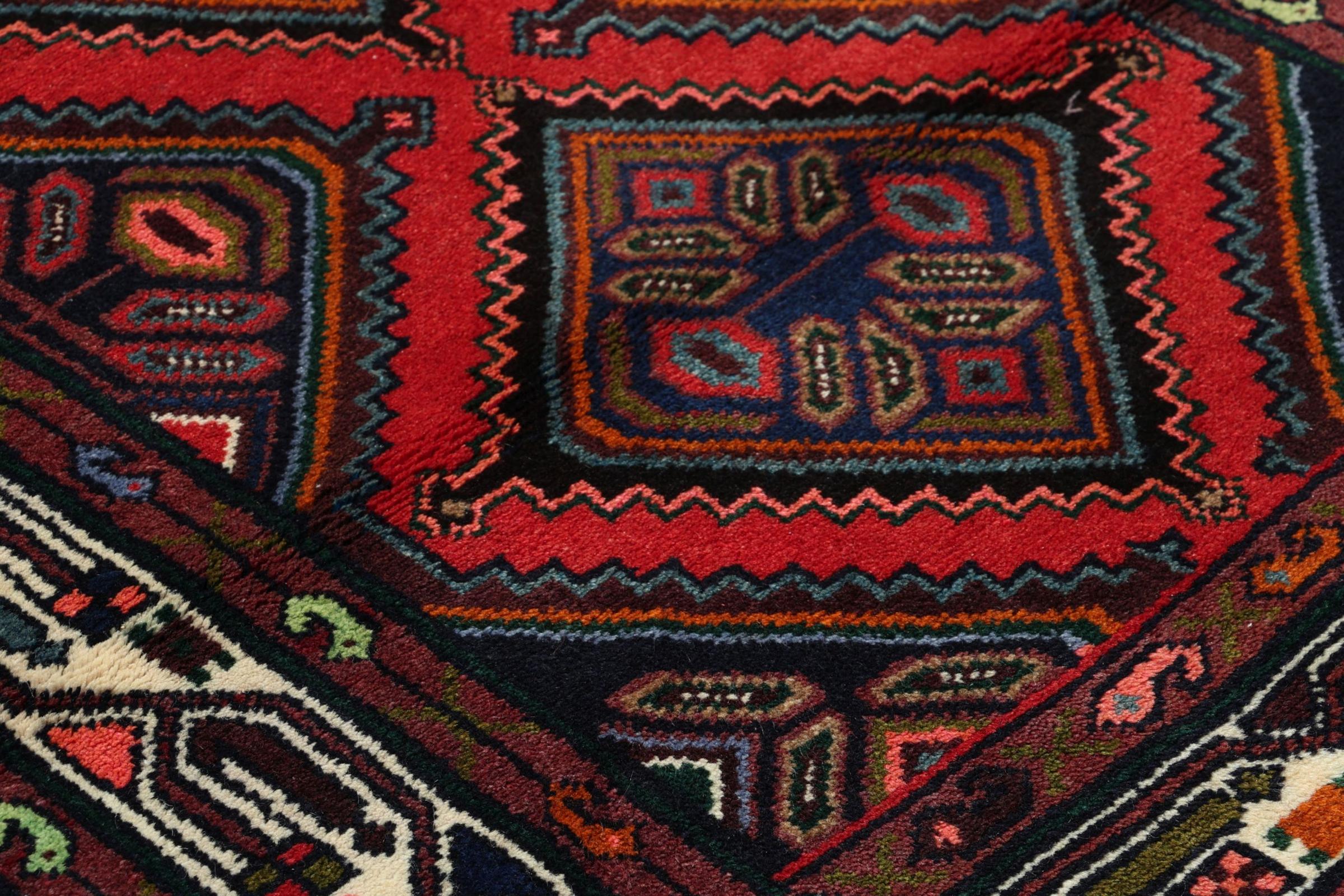
The term Hamadan refers to a broad style rather than a single specific design, encompassing a vast array of patterns and motifs. These rugs are known for their sturdy construction and the use of high-quality wool, which is often sourced from local mountain sheep. This regional wool is highly prized for its natural lanolin content, which gives the finished rug a subtle sheen and remarkable resilience.
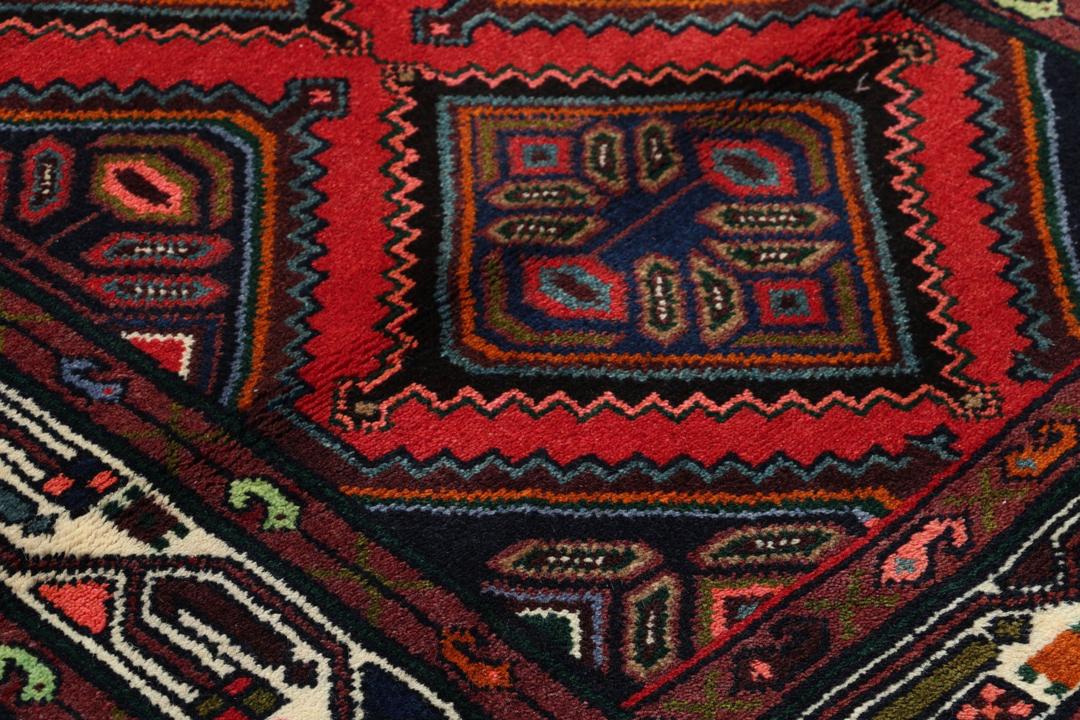
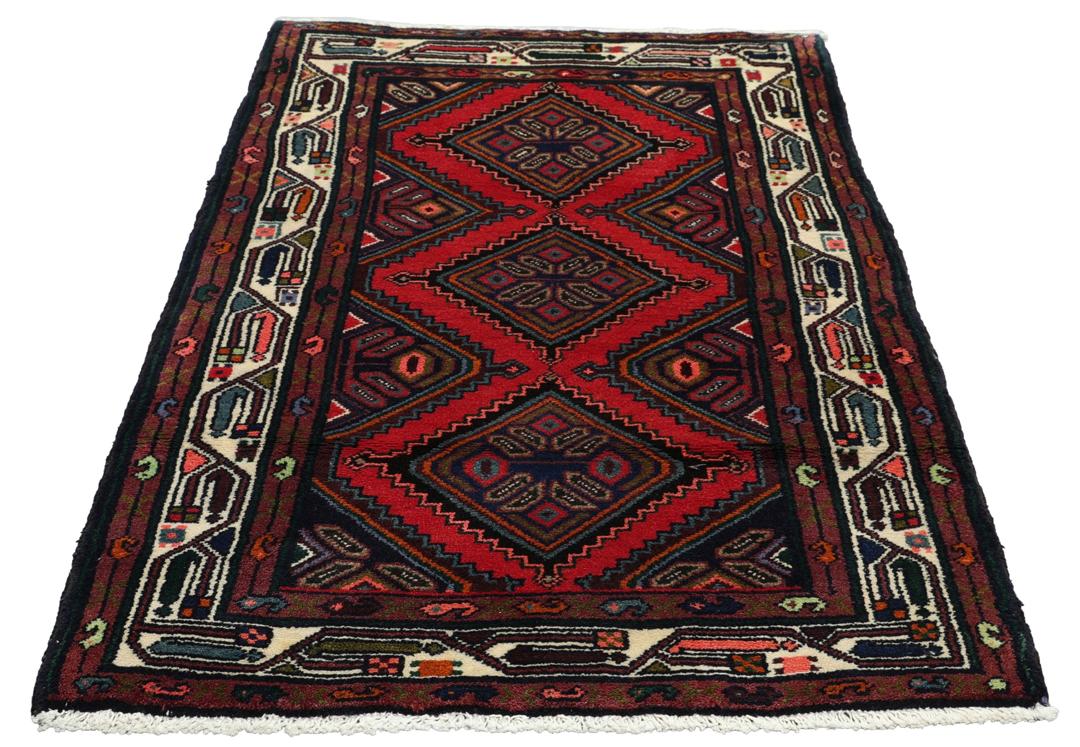
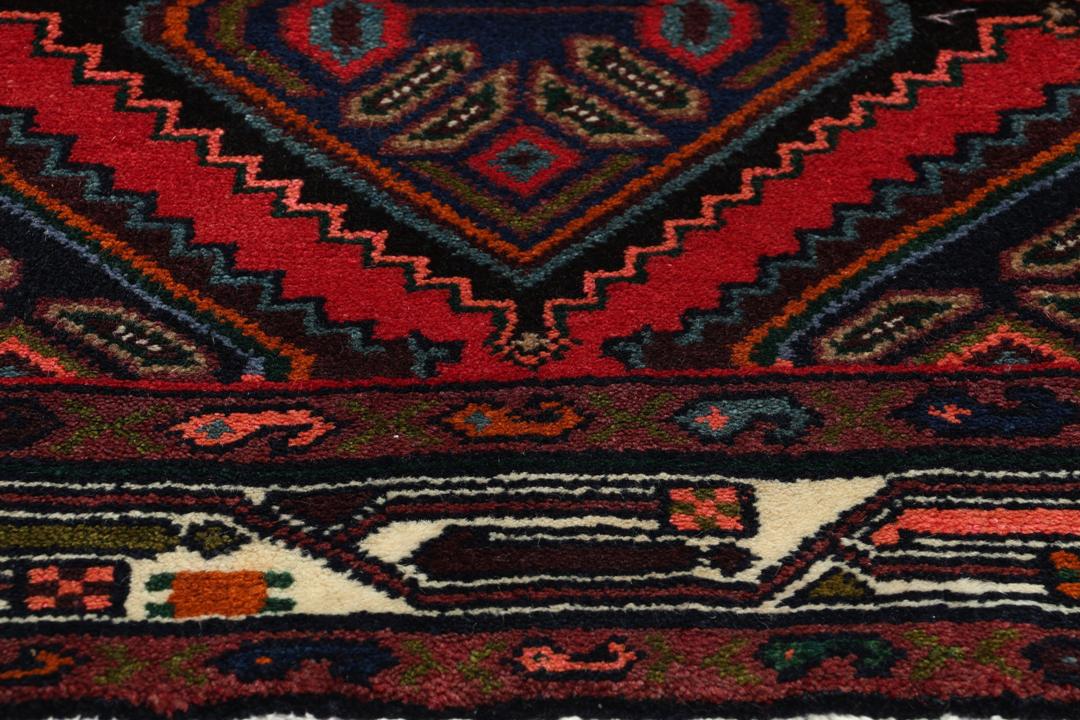
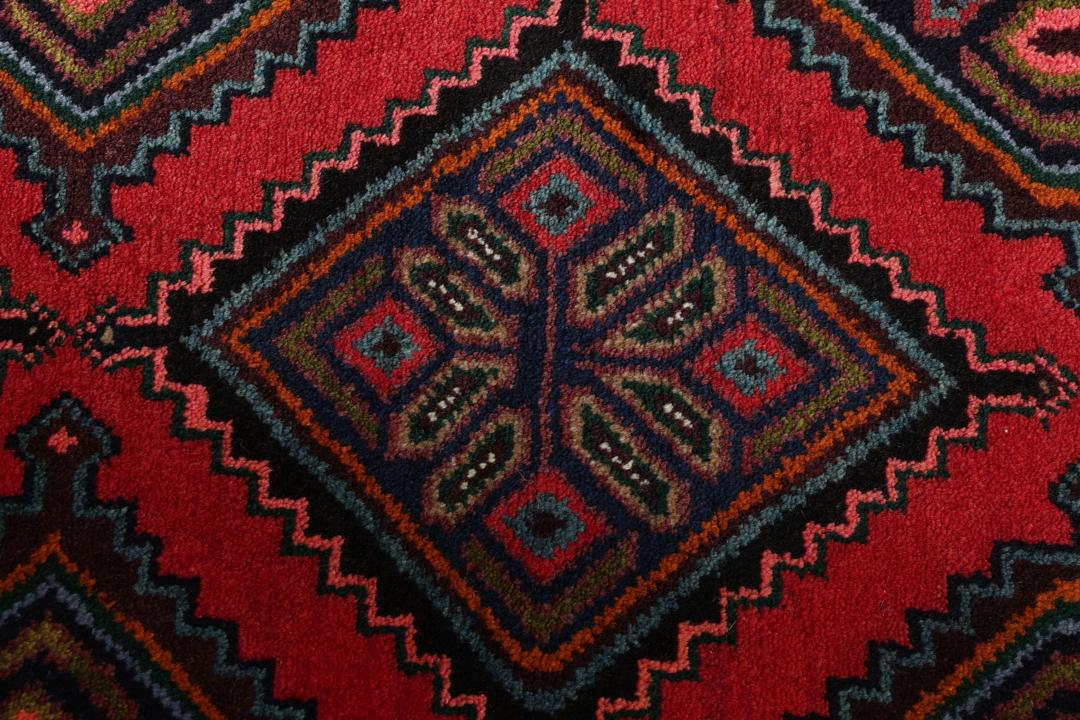
Signature design elements in these rugs often include bold geometric medallions, repeating floral patterns, and intricate borders. While the iconic Herati motif is common, one-of-a-kind pieces like this often showcase experimental or village-specific interpretations of traditional geometry. The use of deep, rich tones is a hallmark of the region, often achieved through natural dyes that have been refined over generations.
Owning a piece from this tradition is about more than just floor decor; it is about preserving a legacy of skill. These rugs are collected for their authenticity and the way they reflect the cultural identity of their weavers. When you bring a Hamadan rug into your home, you are acquiring a piece of history that continues to tell its story through every knot and thread.