Hamadan rugs take their name from one of the oldest cities in the world, located in the mountainous western region of the Middle East. For centuries, this area has been a vital hub for rug production, where local weavers have developed a distinct visual language that blends village traditions with refined, sophisticated designs.
The term Hamadan refers to a vast category of rugs produced not just in the city itself, but in hundreds of surrounding villages. Each village often maintains its own specific variations in pattern and knotting style, yet they are unified by the use of high-quality, locally sourced wool. This regional diversity means that every rug carries a unique signature that reflects the specific community where it was crafted.
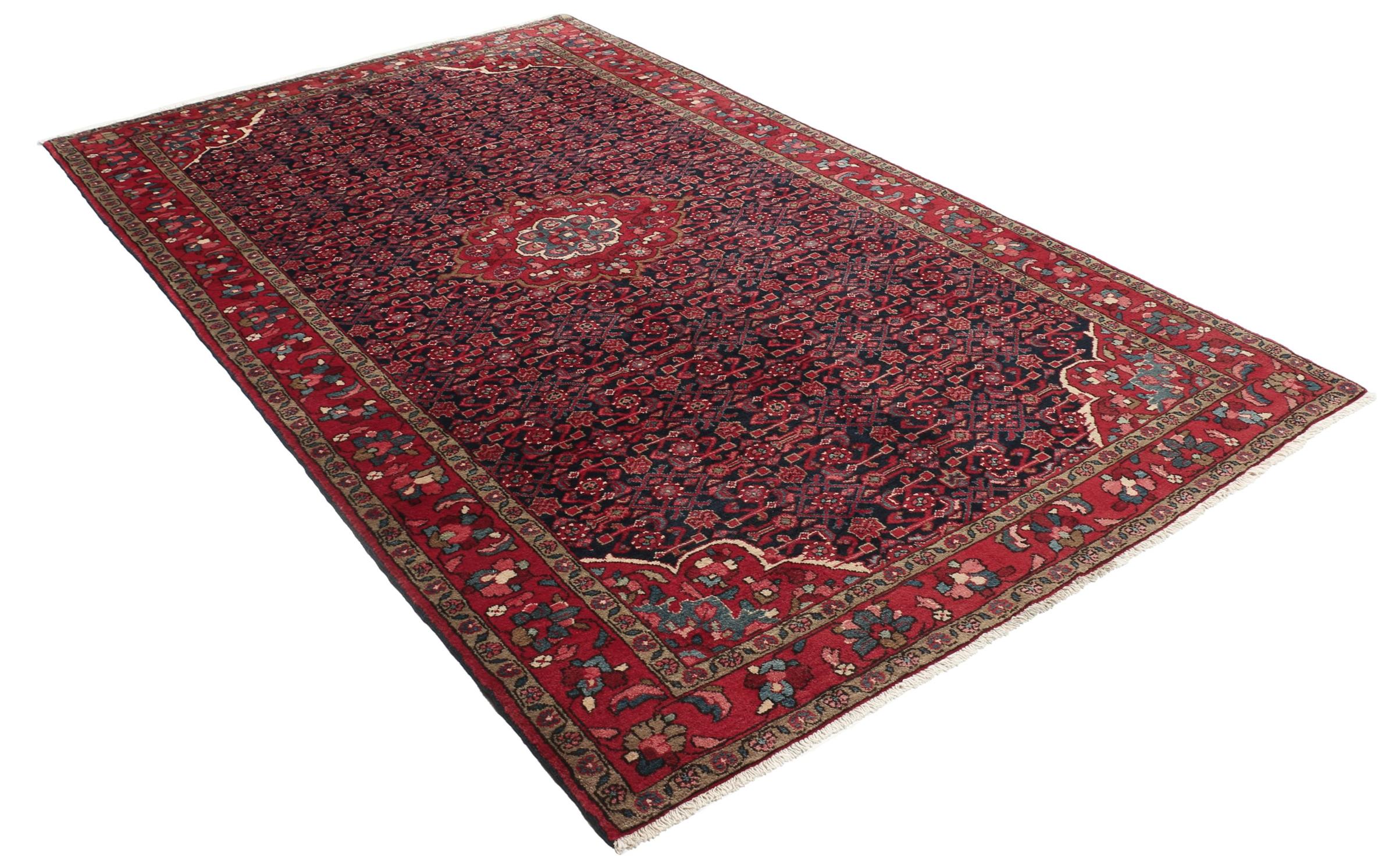
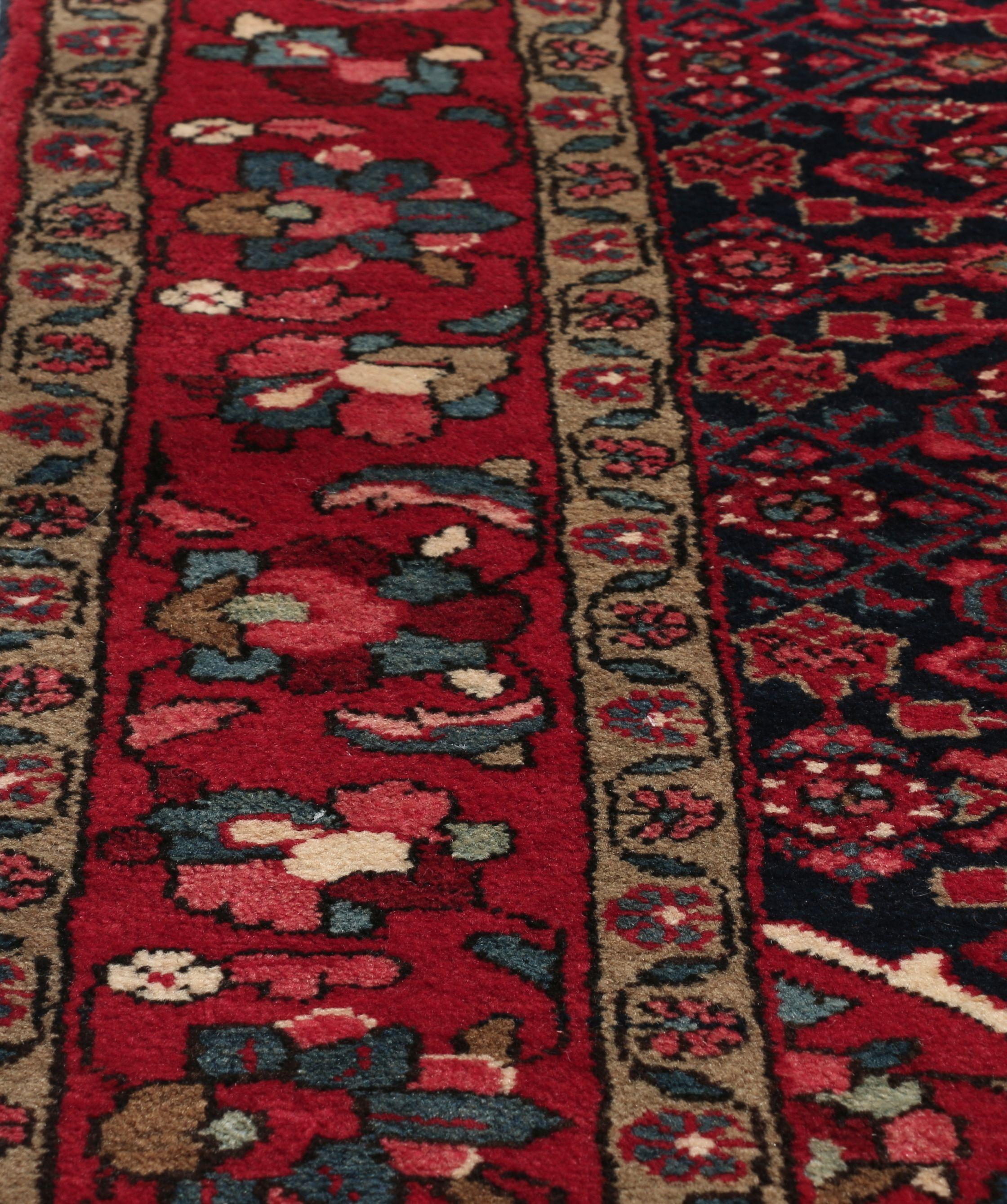
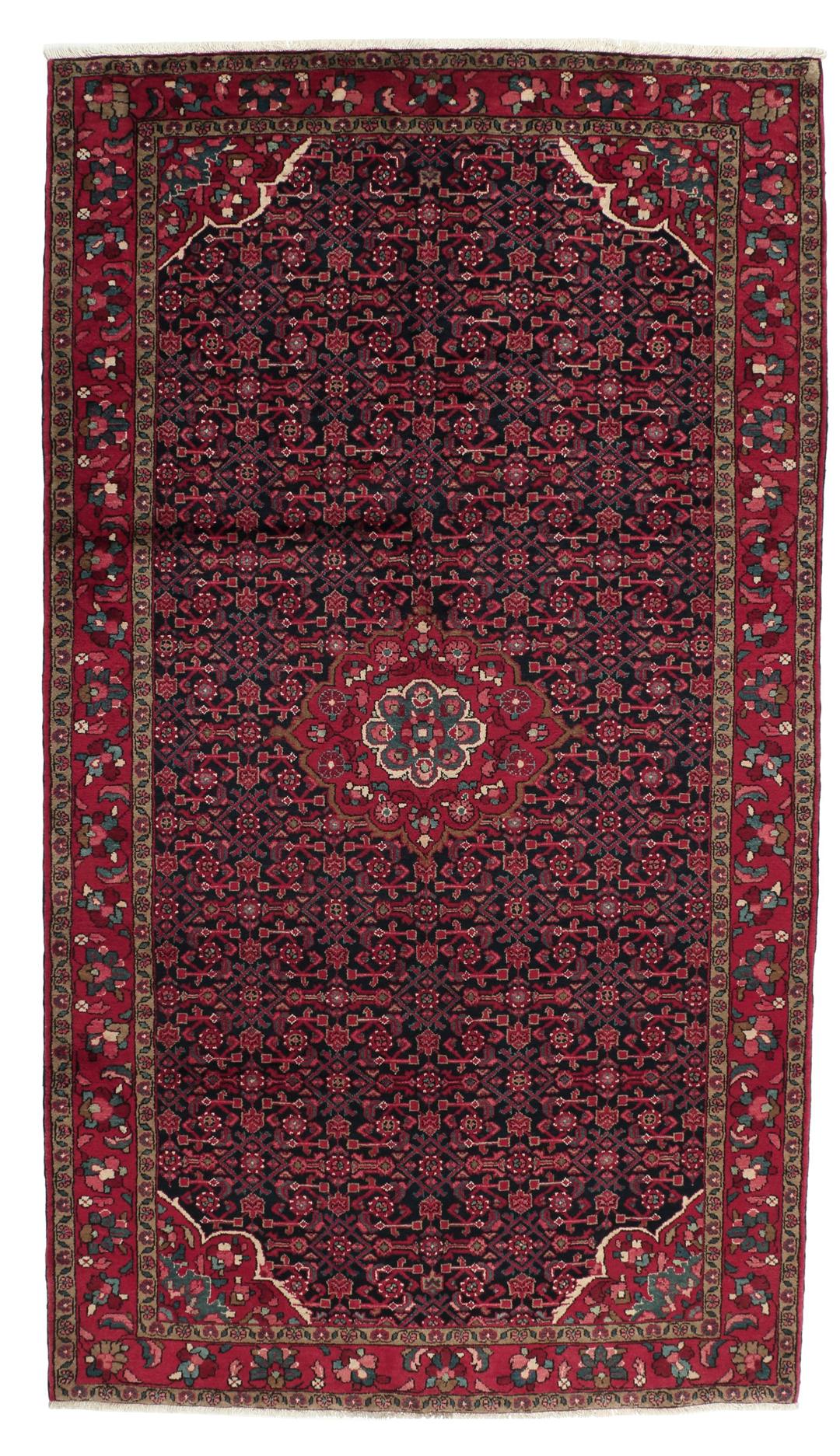
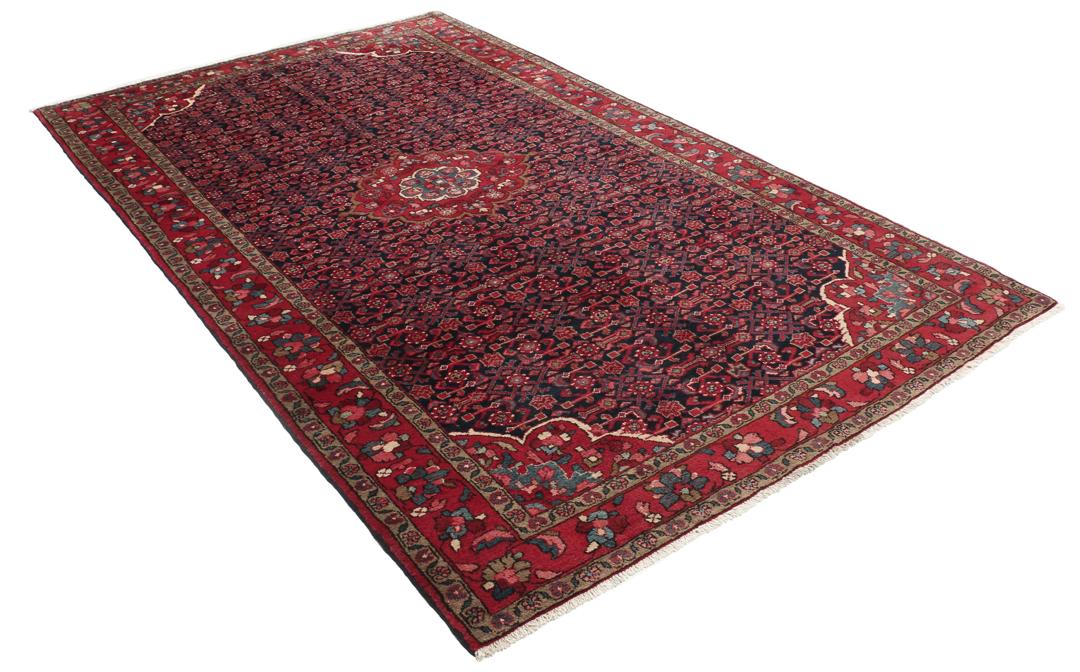
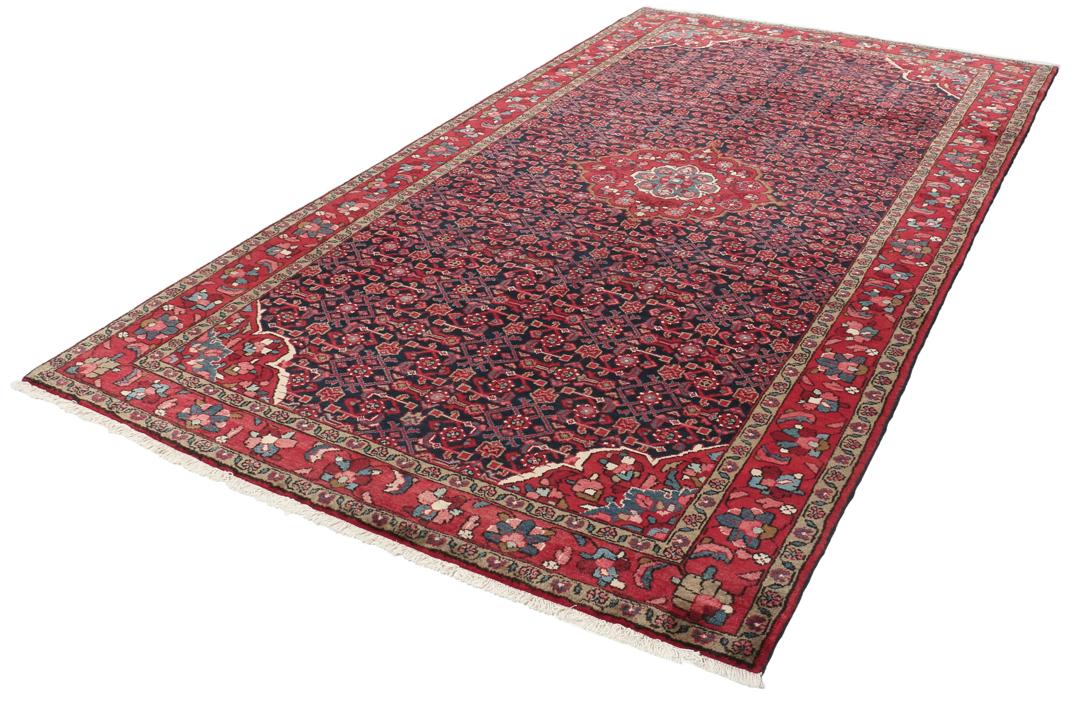
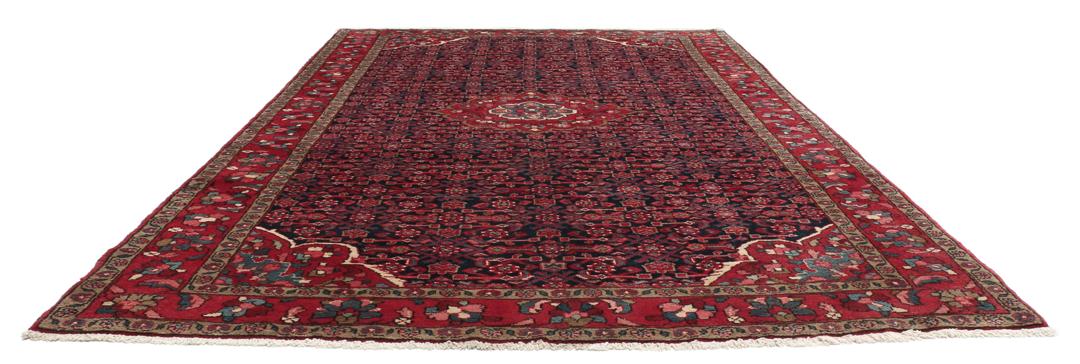
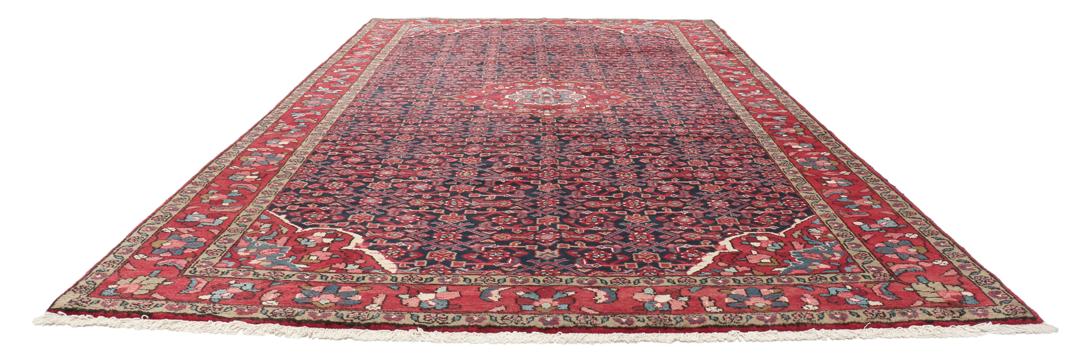
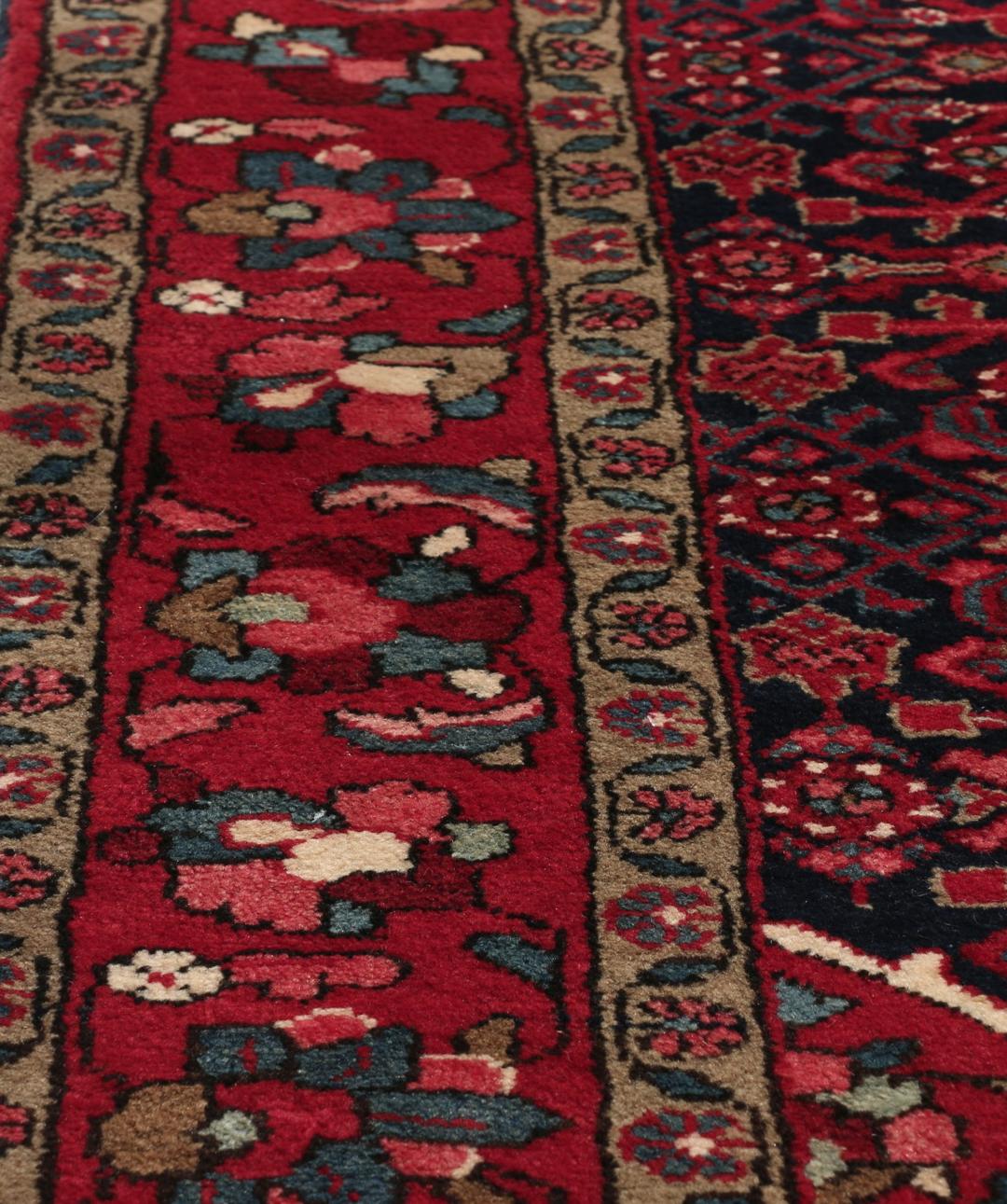
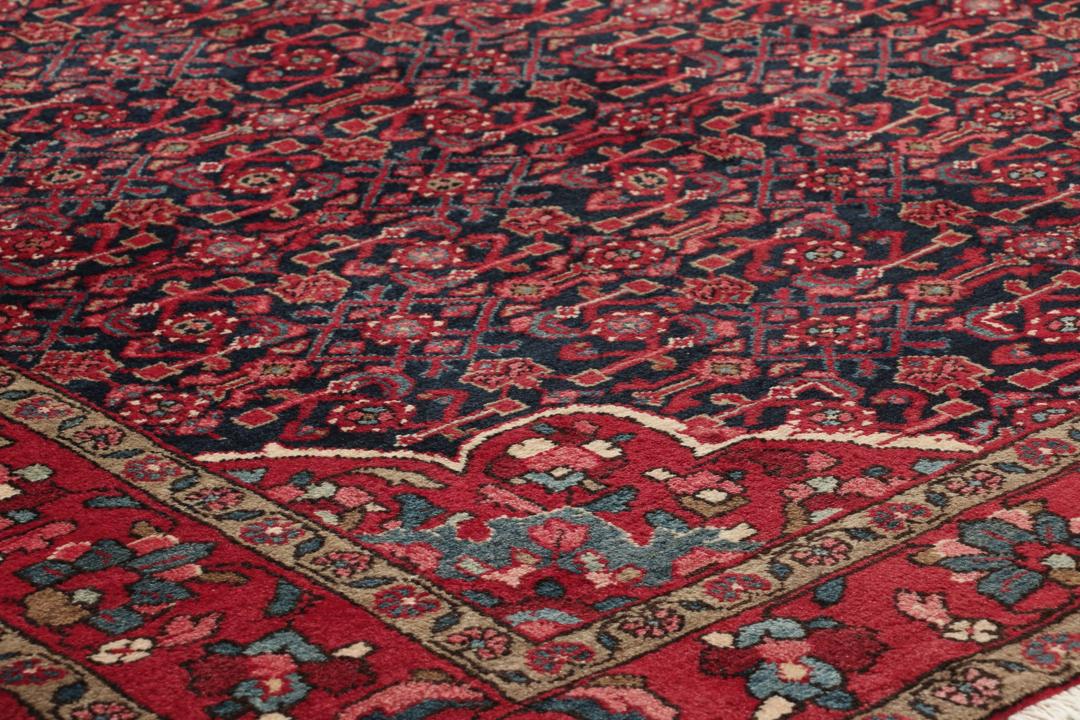
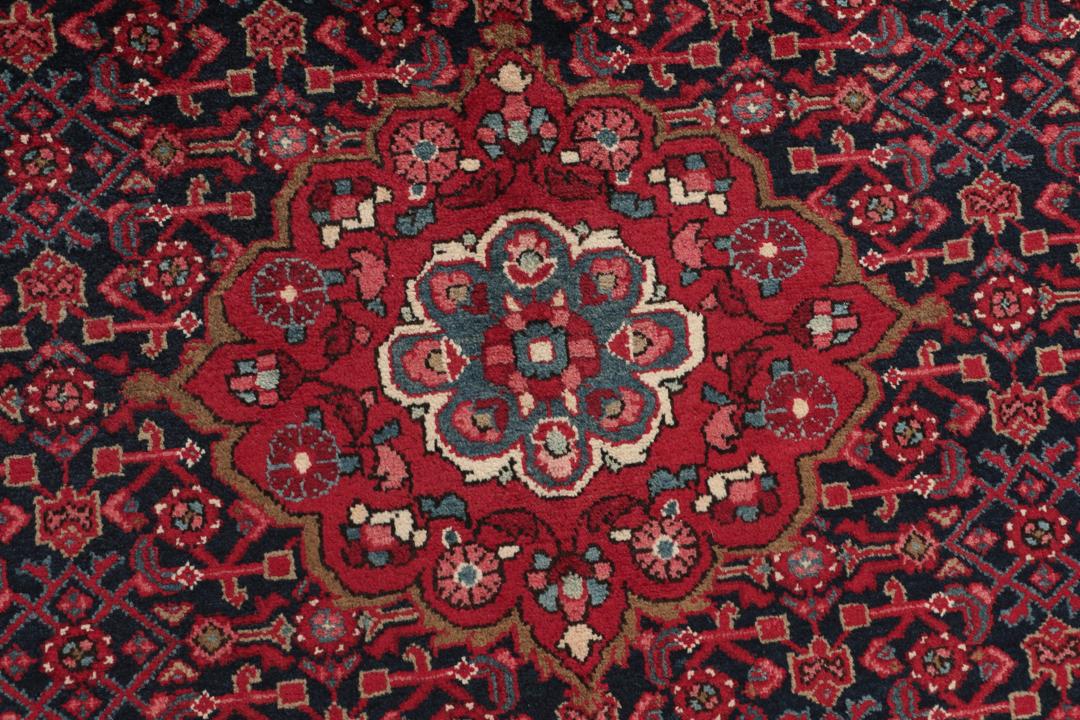
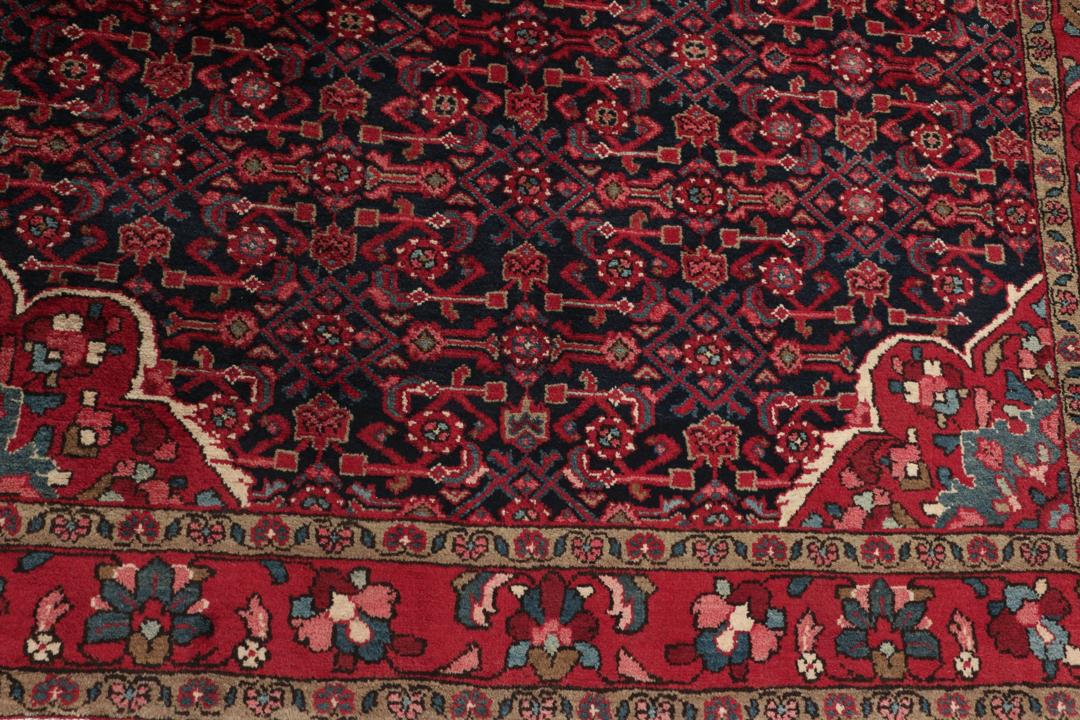
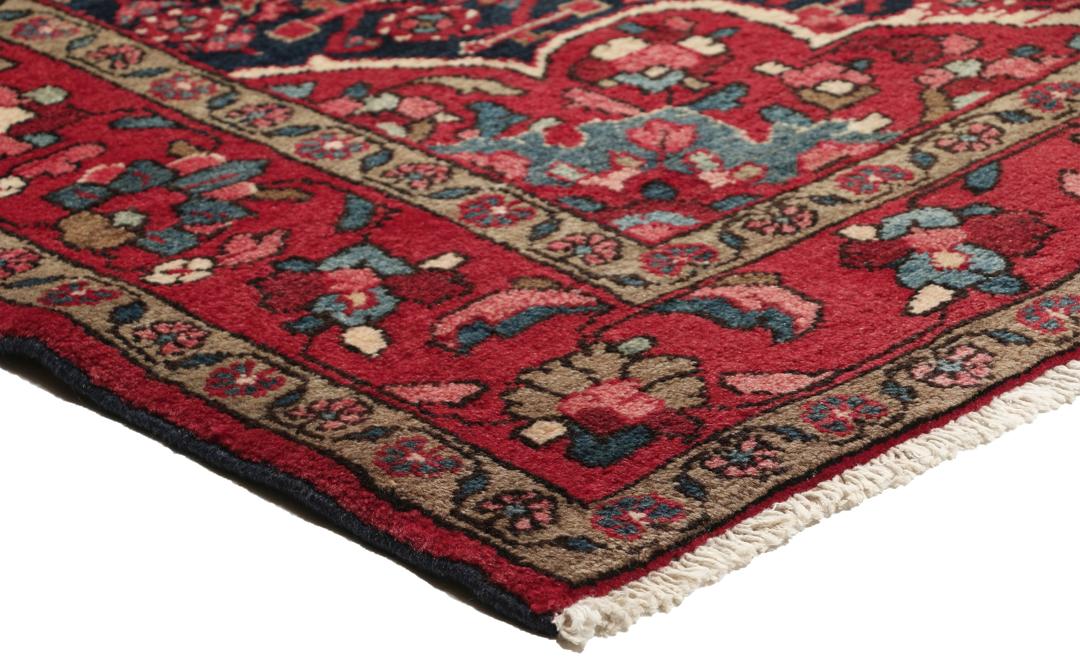
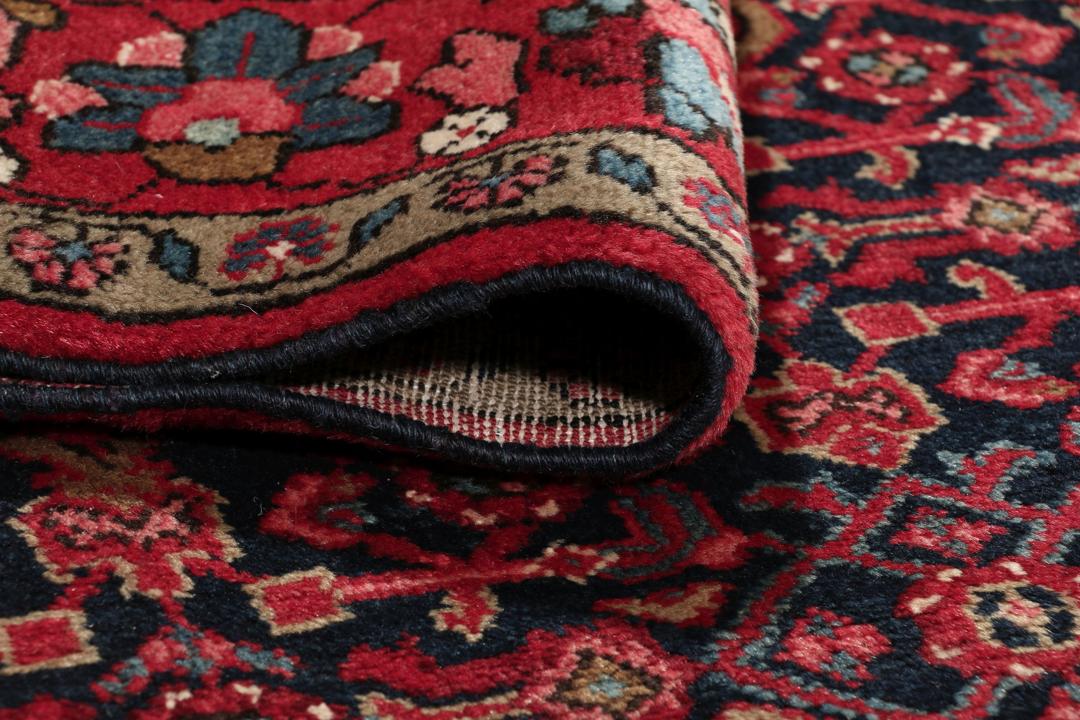
Design-wise, these rugs are celebrated for their balanced compositions, often featuring a central medallion surrounded by a field filled with repeating floral or geometric motifs. The use of deep red and dark blue is a hallmark of the tradition, creating a bold, timeless aesthetic that grounds a room. The borders are typically well-defined, providing a formal frame that highlights the complexity of the central design.
Collecting a Hamadan rug is an investment in a living heritage that has been passed down through generations of skilled families. These pieces are valued for their ability to bridge the gap between historical craft and contemporary home styling. By choosing a unique hand-knotted rug, you are preserving a cultural legacy and bringing a piece of history into your home that gains beauty and character as it ages.