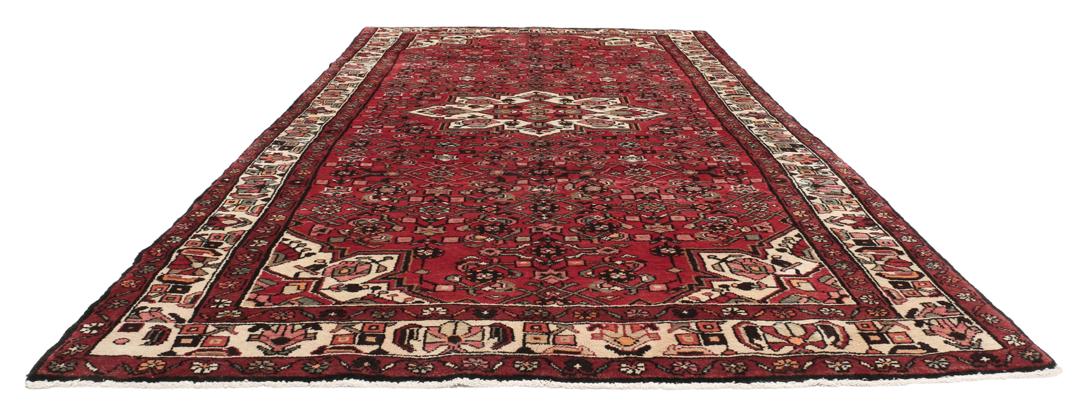
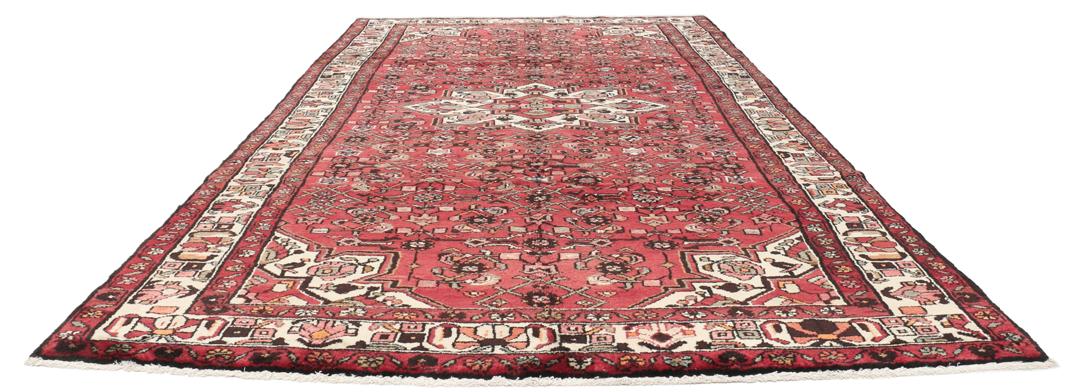
The Hamadan rug tradition hails from one of the oldest cities in the Middle East, a region with a deep-rooted history of textile production that stretches back centuries. Situated on the slopes of Mount Alvand, the area has long been a hub for trade and craftsmanship, allowing local weavers to develop a distinct visual language that has evolved over generations while remaining connected to their ancient roots.
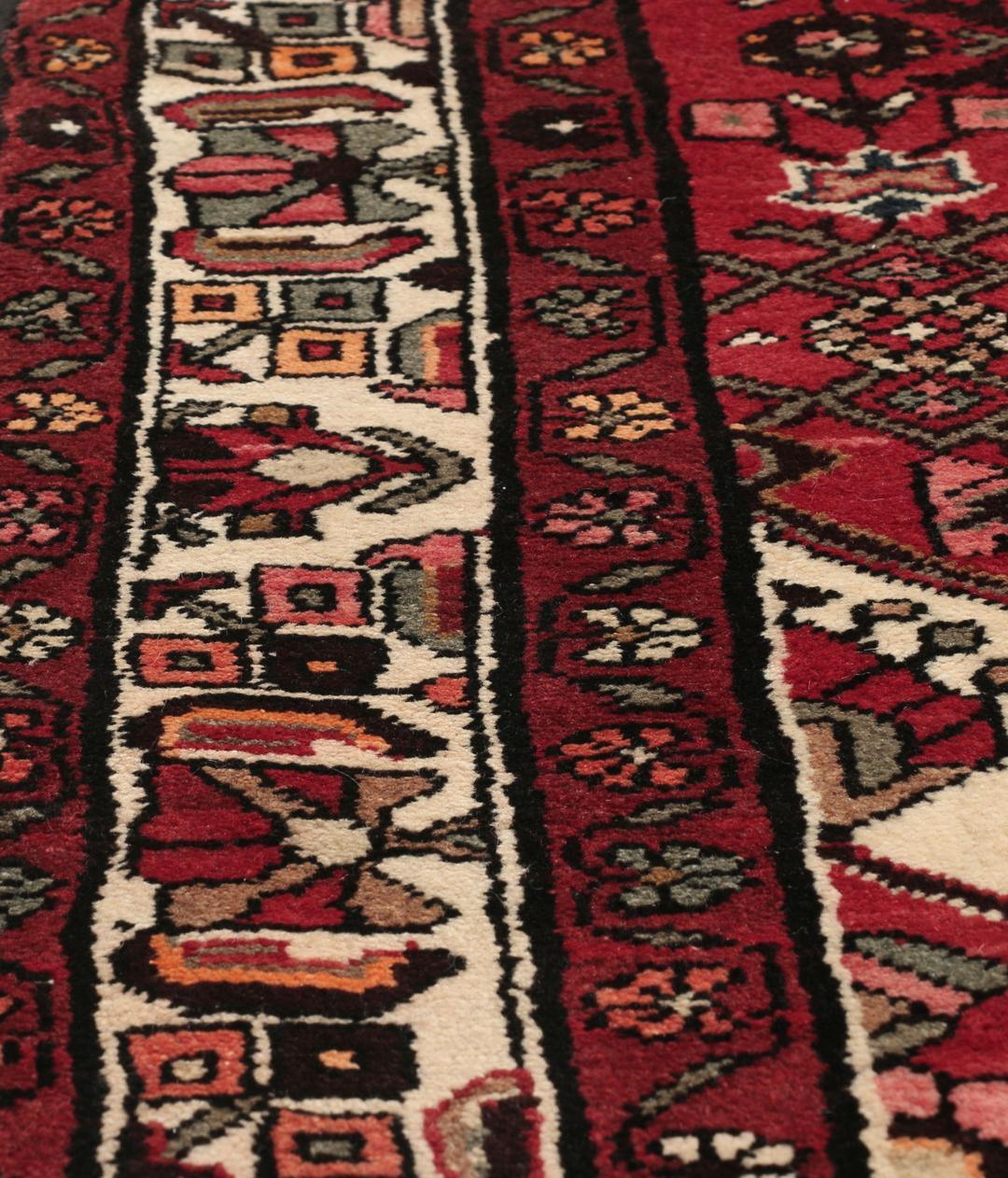
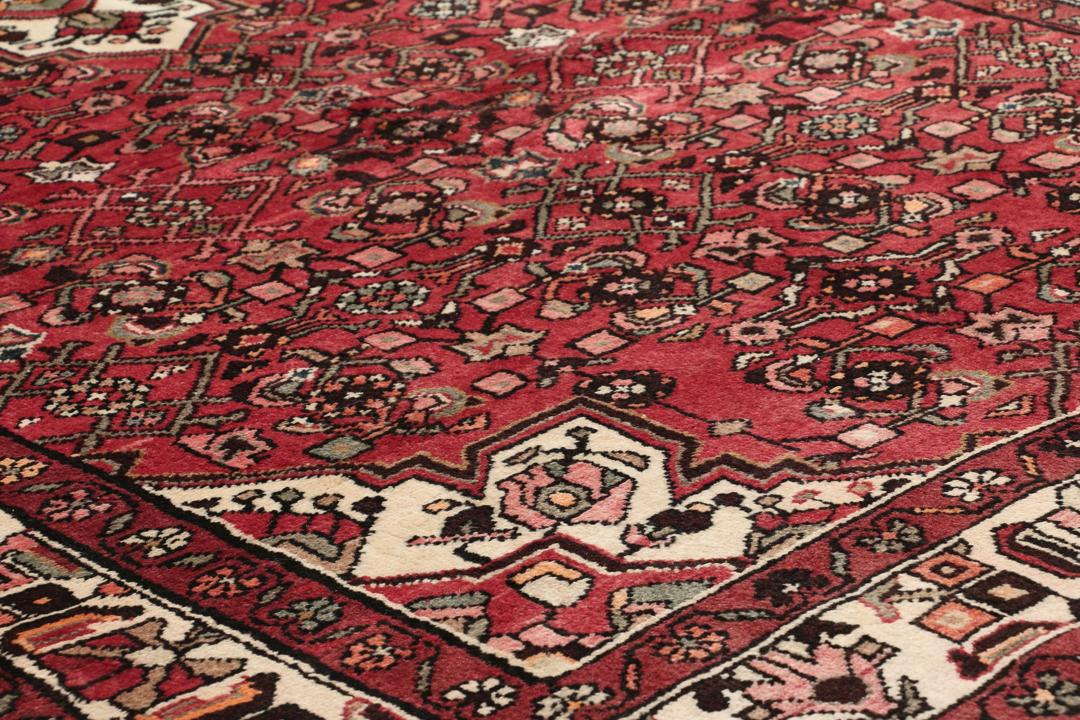
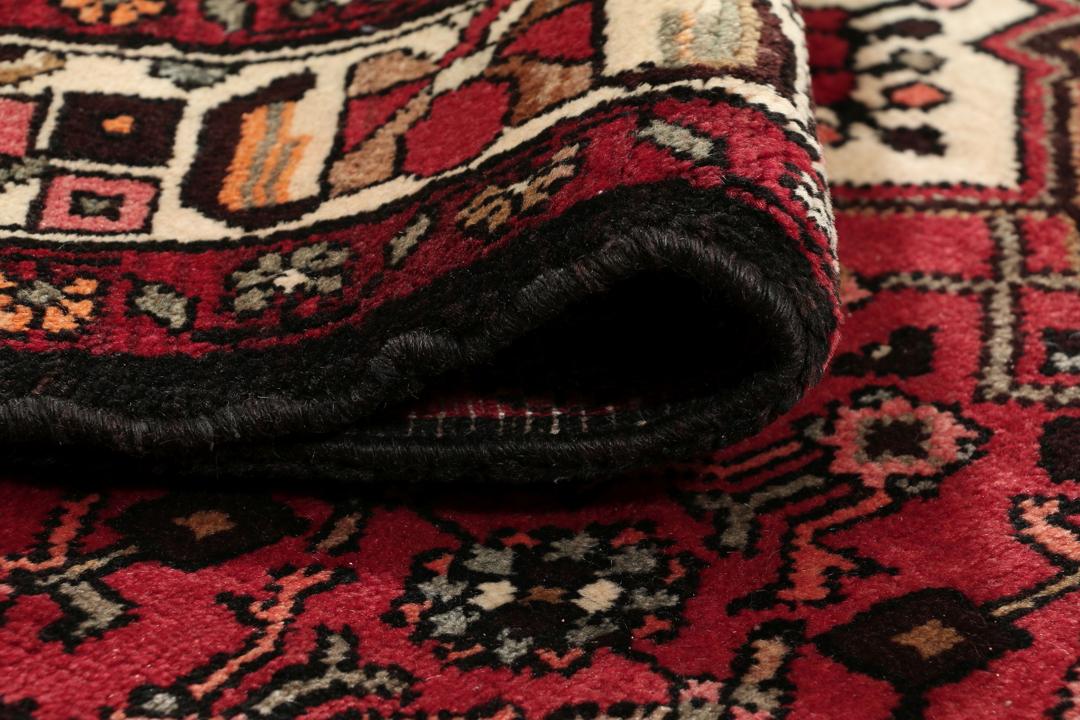
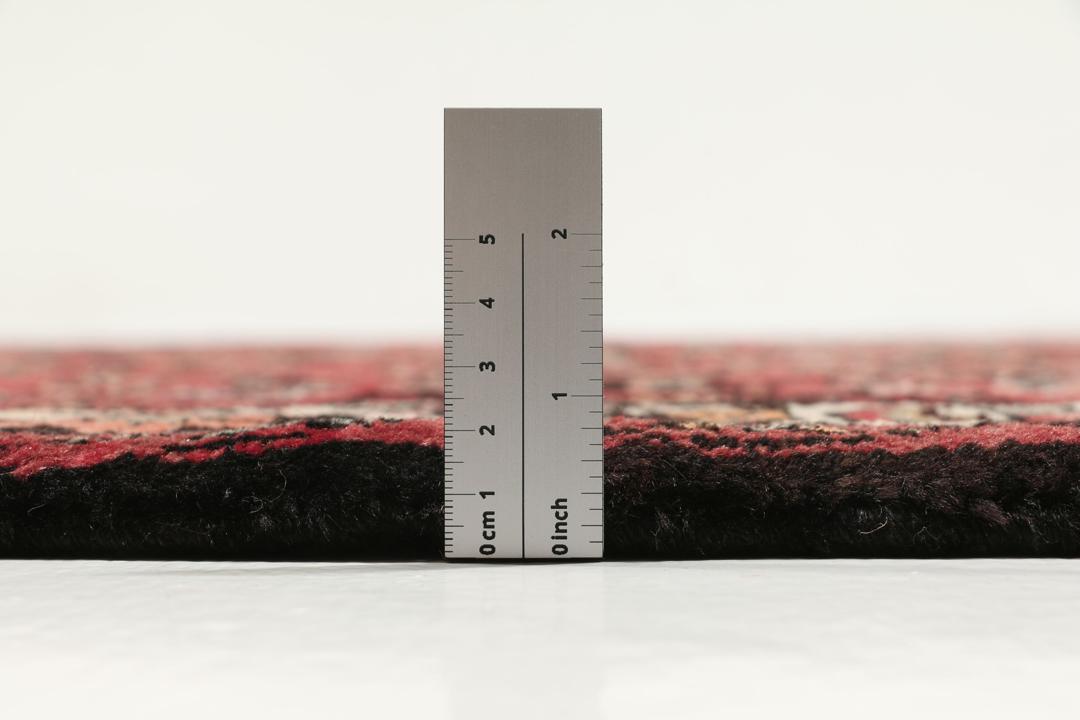
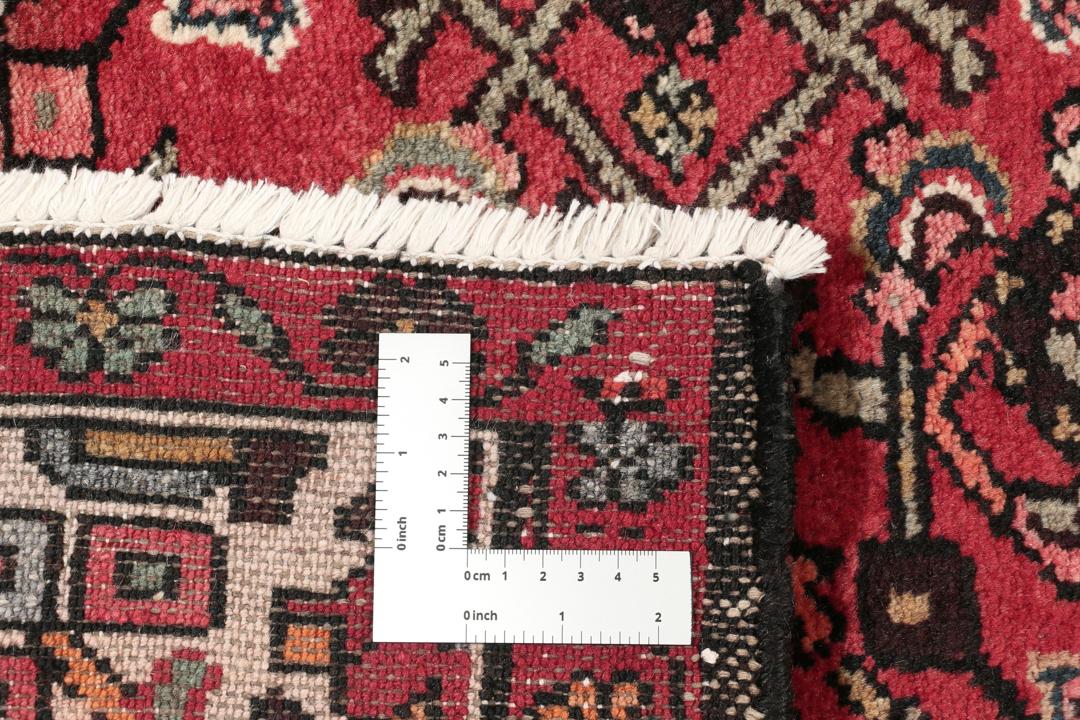
Technically, the Hamadan style is celebrated for its robust construction. The use of high-quality wool, combined with a sturdy foundation, results in a rug known for its resilience and longevity. This practical approach to weaving ensures that these pieces are not only beautiful to look at but also capable of withstanding the rigours of daily life, which is a hallmark of the regional craft.
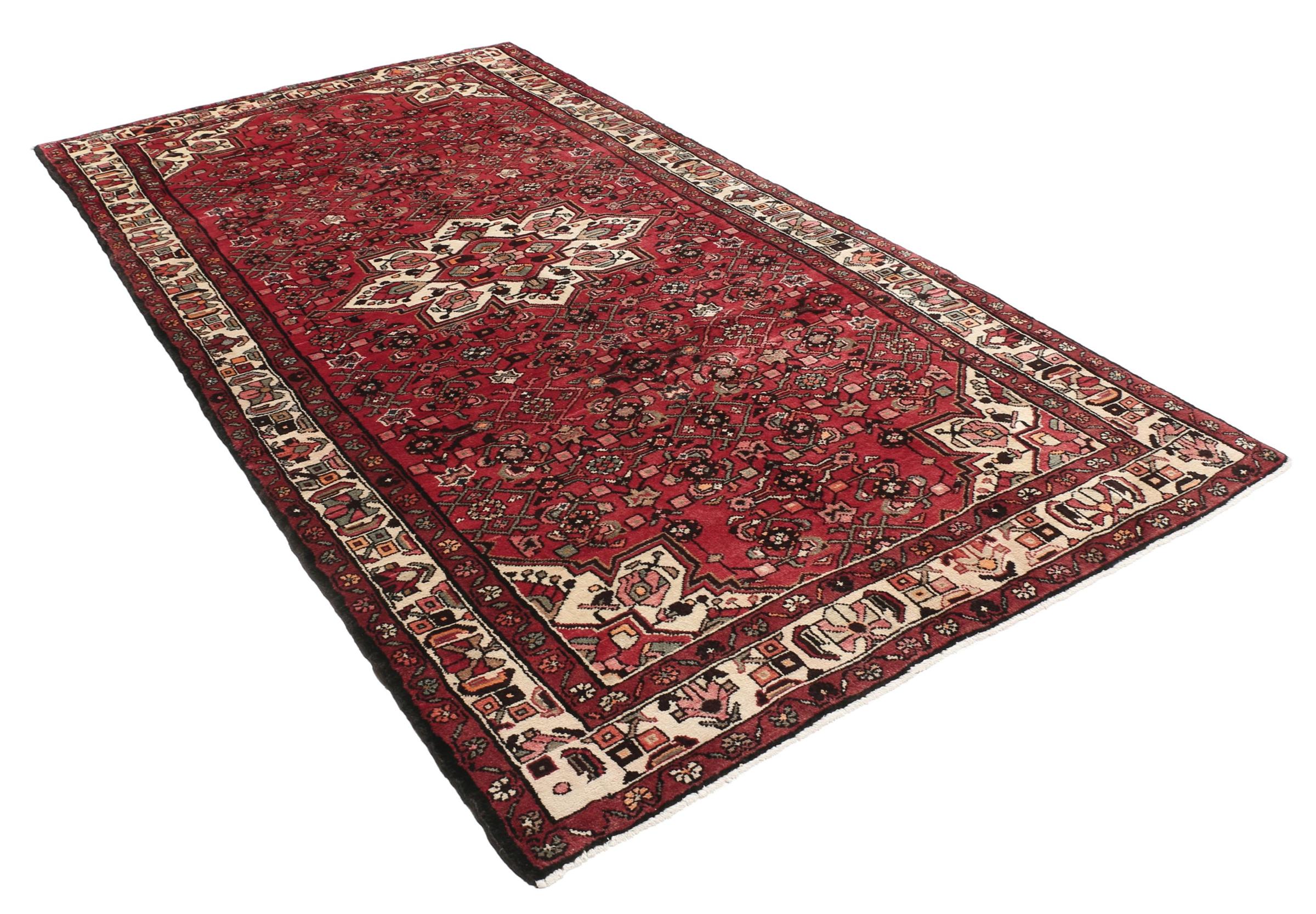
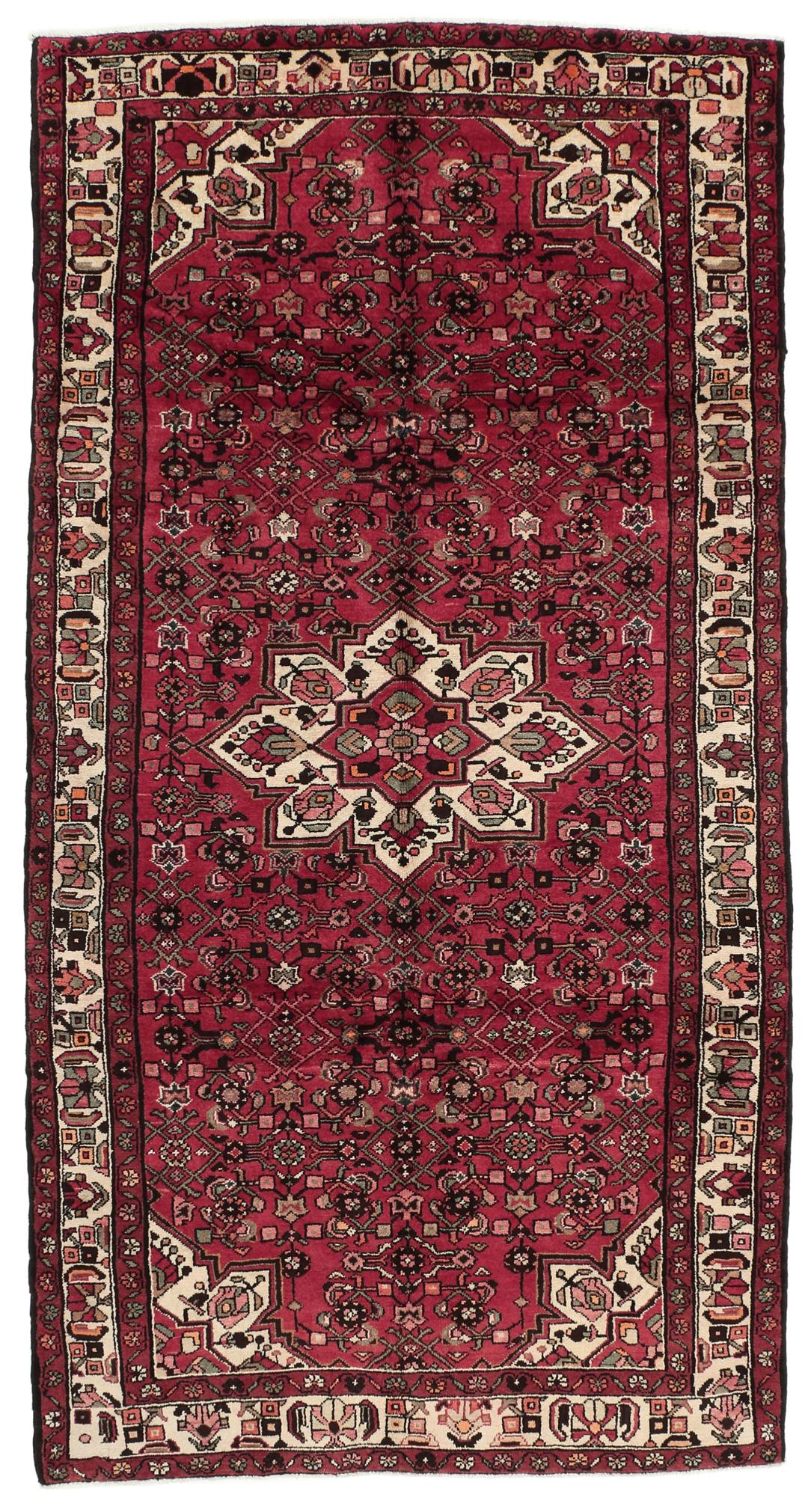
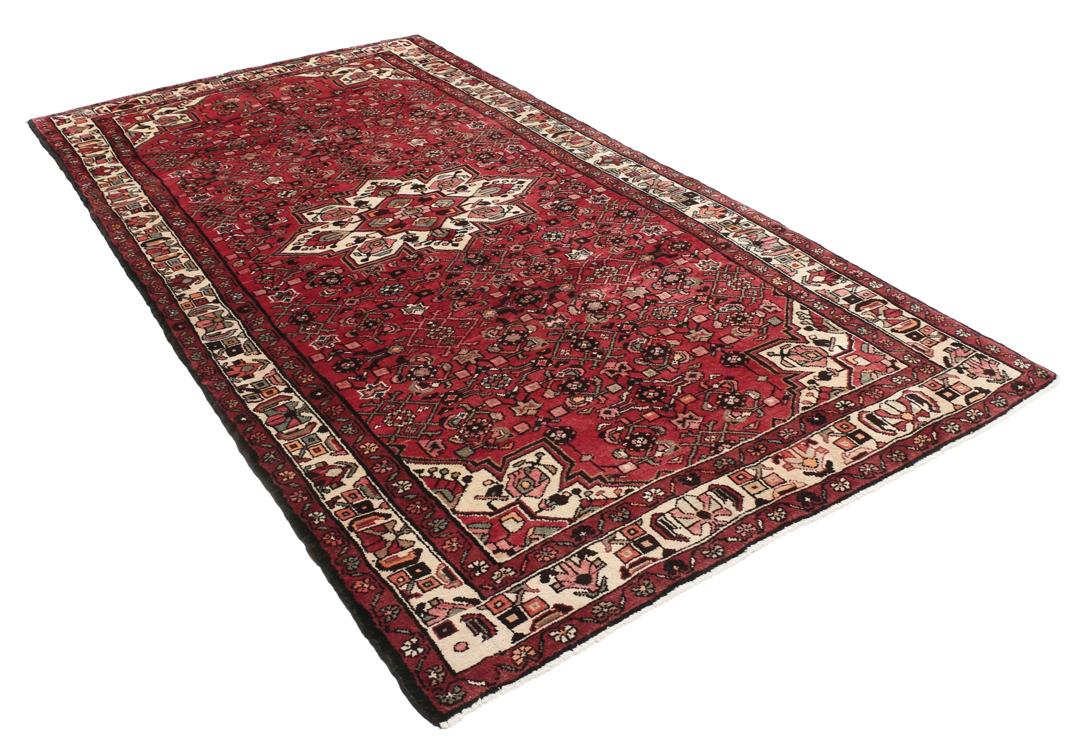
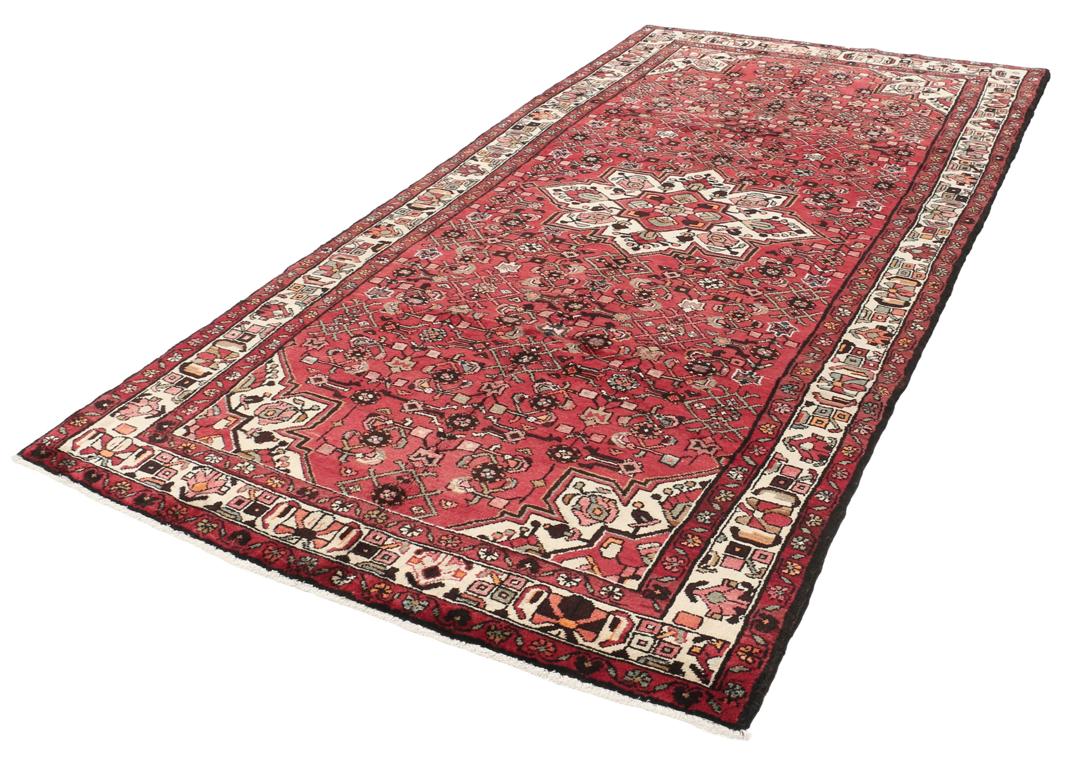
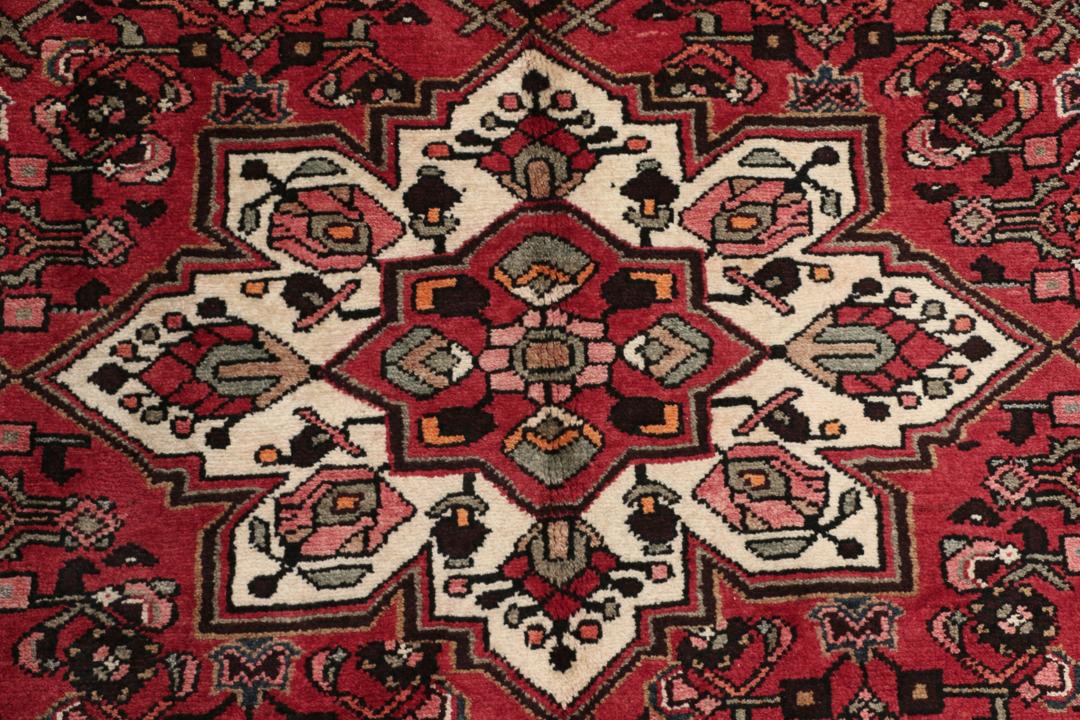
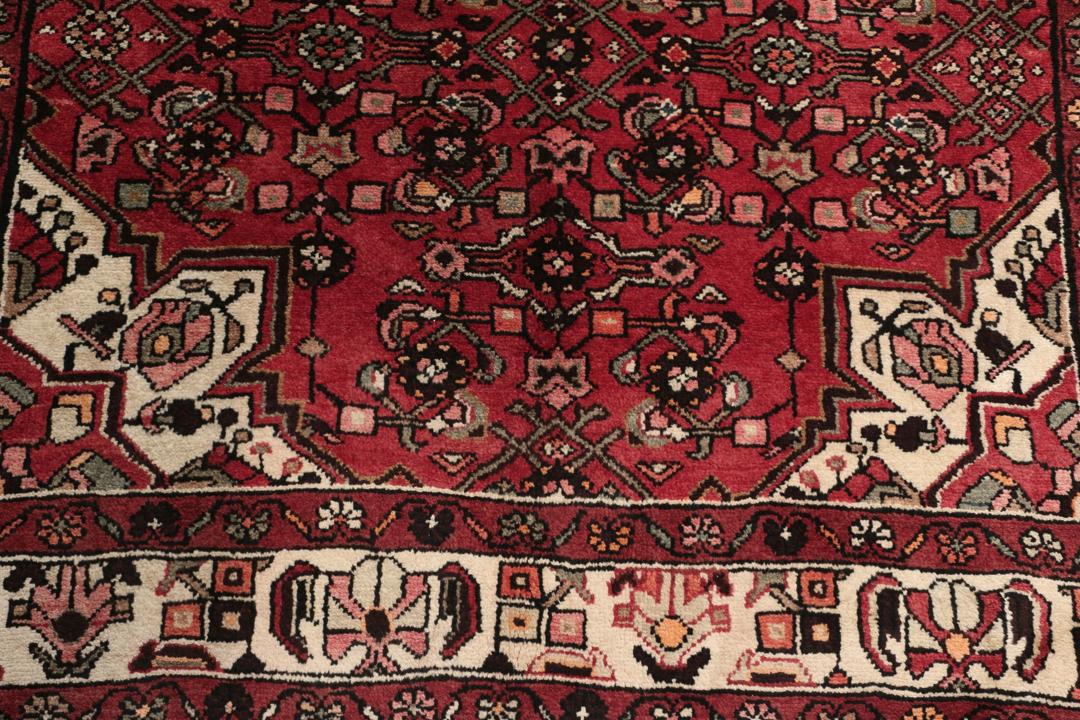
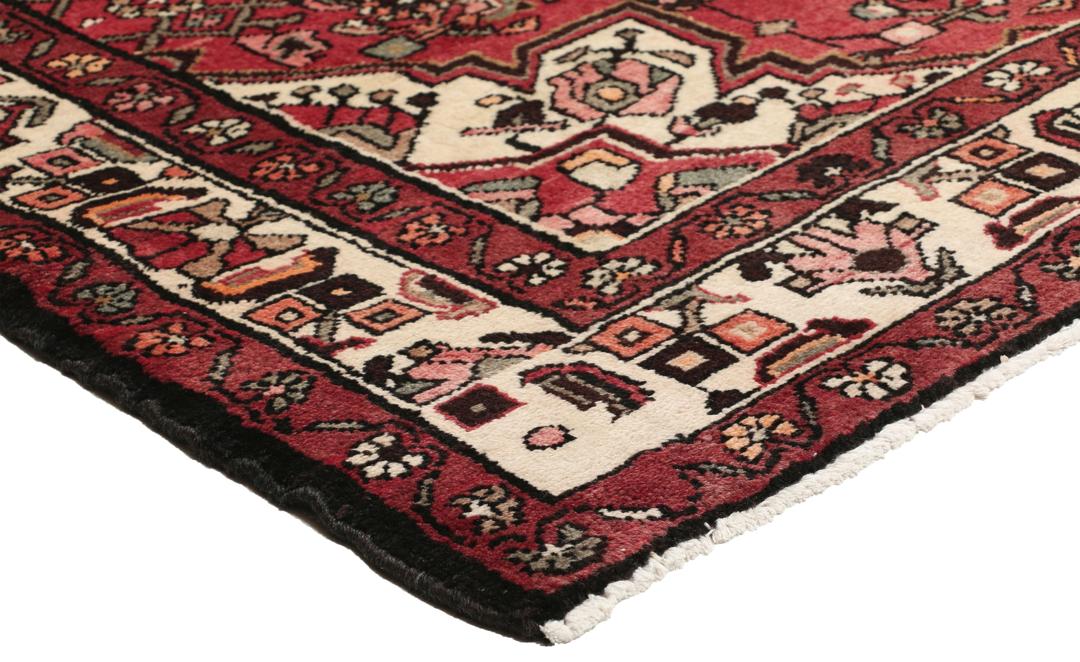
Visually, these rugs are defined by their expressive use of motifs, often featuring a central medallion surrounded by intricate floral or geometric patterns. The borders are typically well-defined, framing the central field in a way that provides a sense of balance and harmony. While traditional styles often favour warm tones, the specific interplay of colours in each rug makes every example a unique reflection of the weaver's artistic choices.
Owning a piece from this tradition is an opportunity to connect with a rich cultural heritage. These rugs are highly valued by collectors and enthusiasts who appreciate the skill required to maintain such an intricate craft. By choosing this rug, you are preserving a legacy of artistry and adding a layer of historical depth to your home that goes far beyond simple decoration.