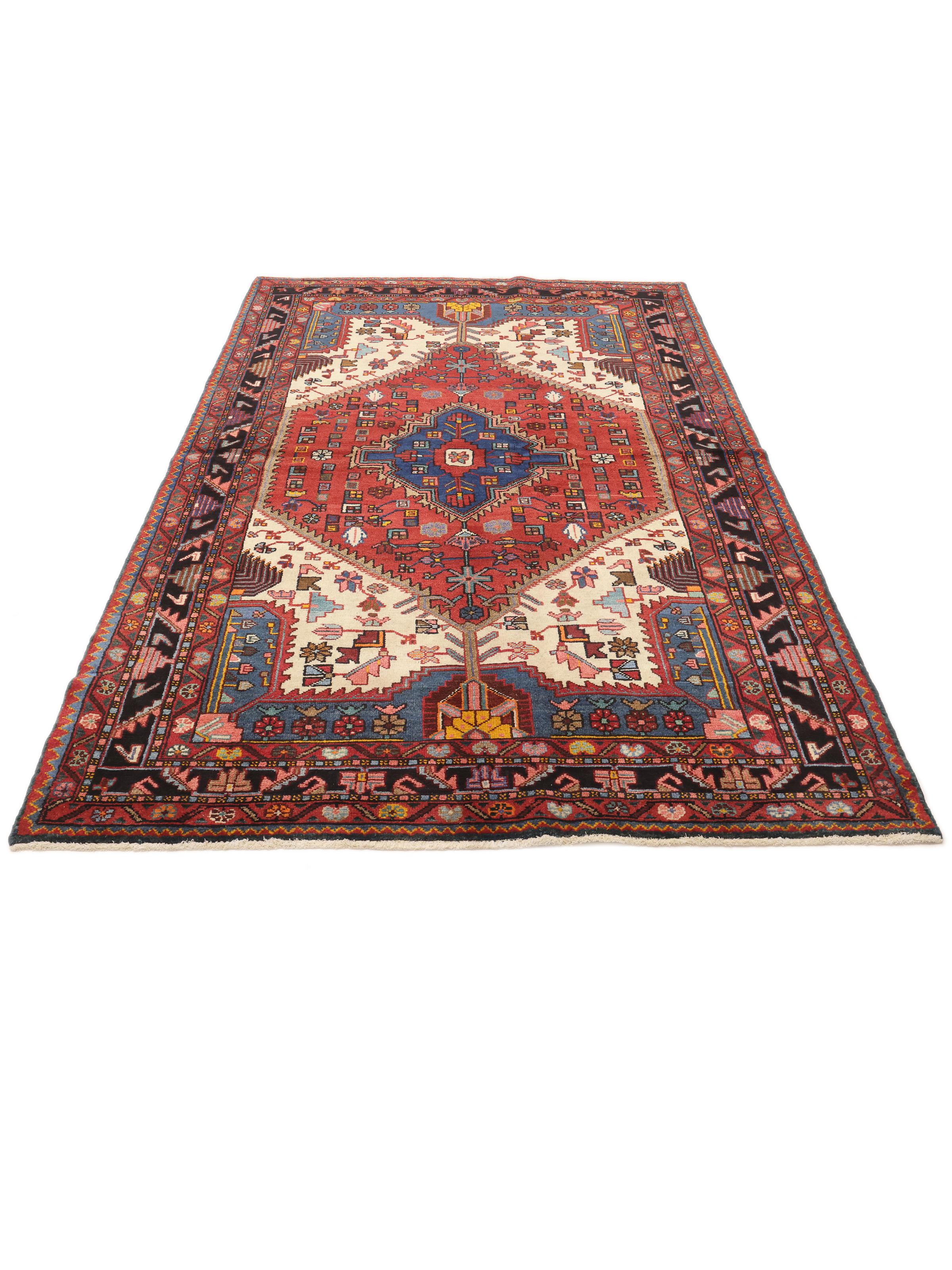
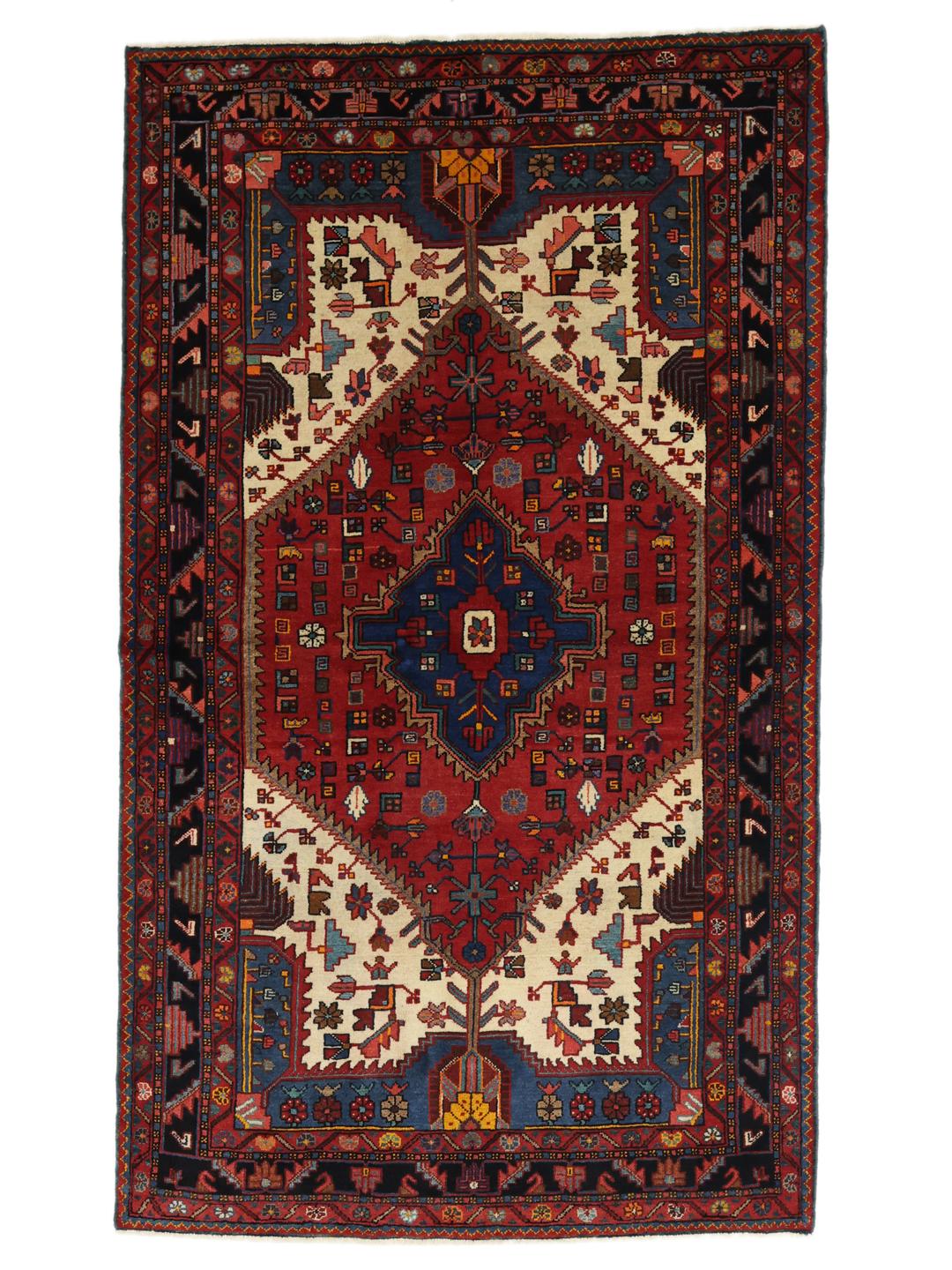
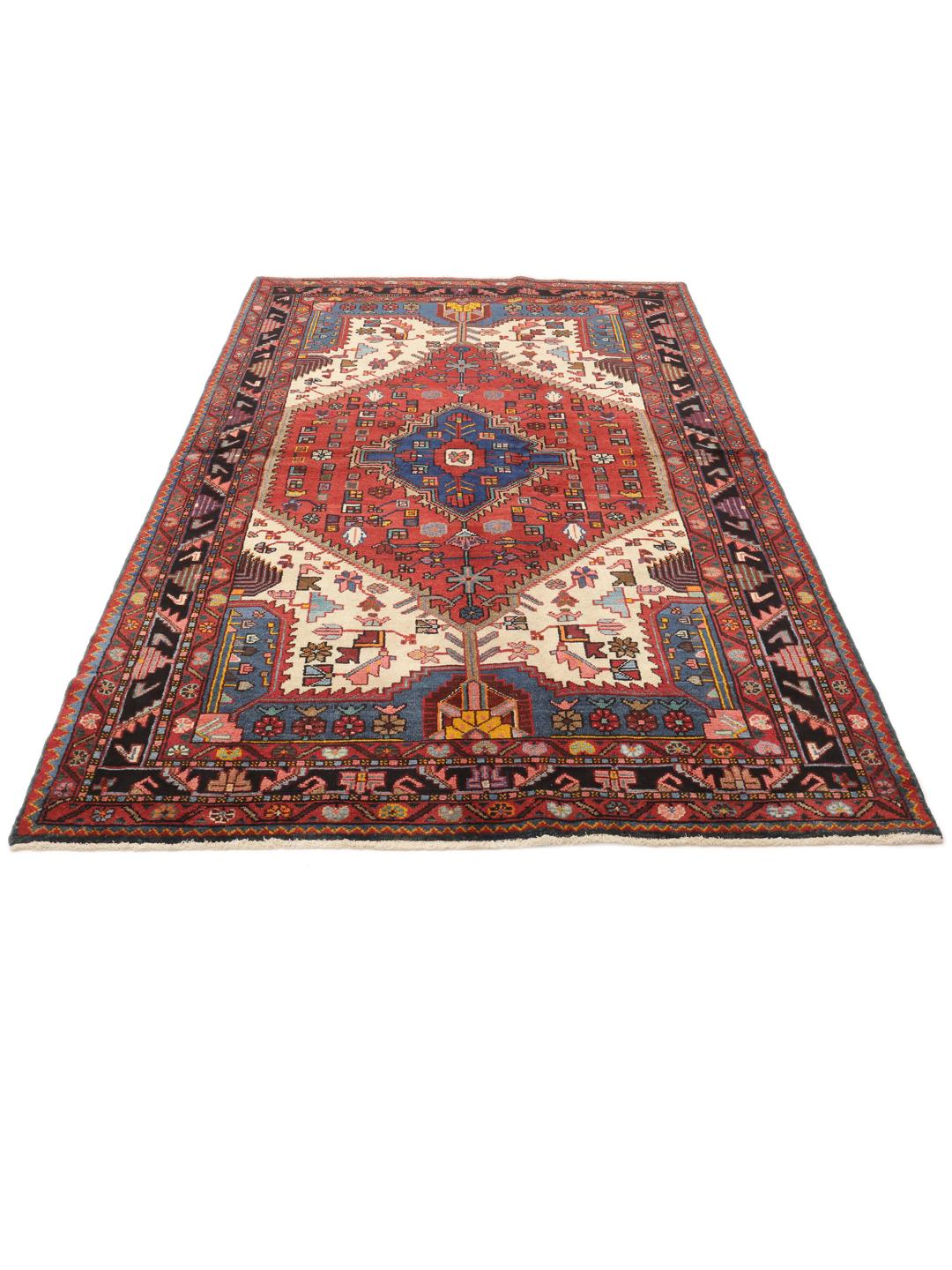
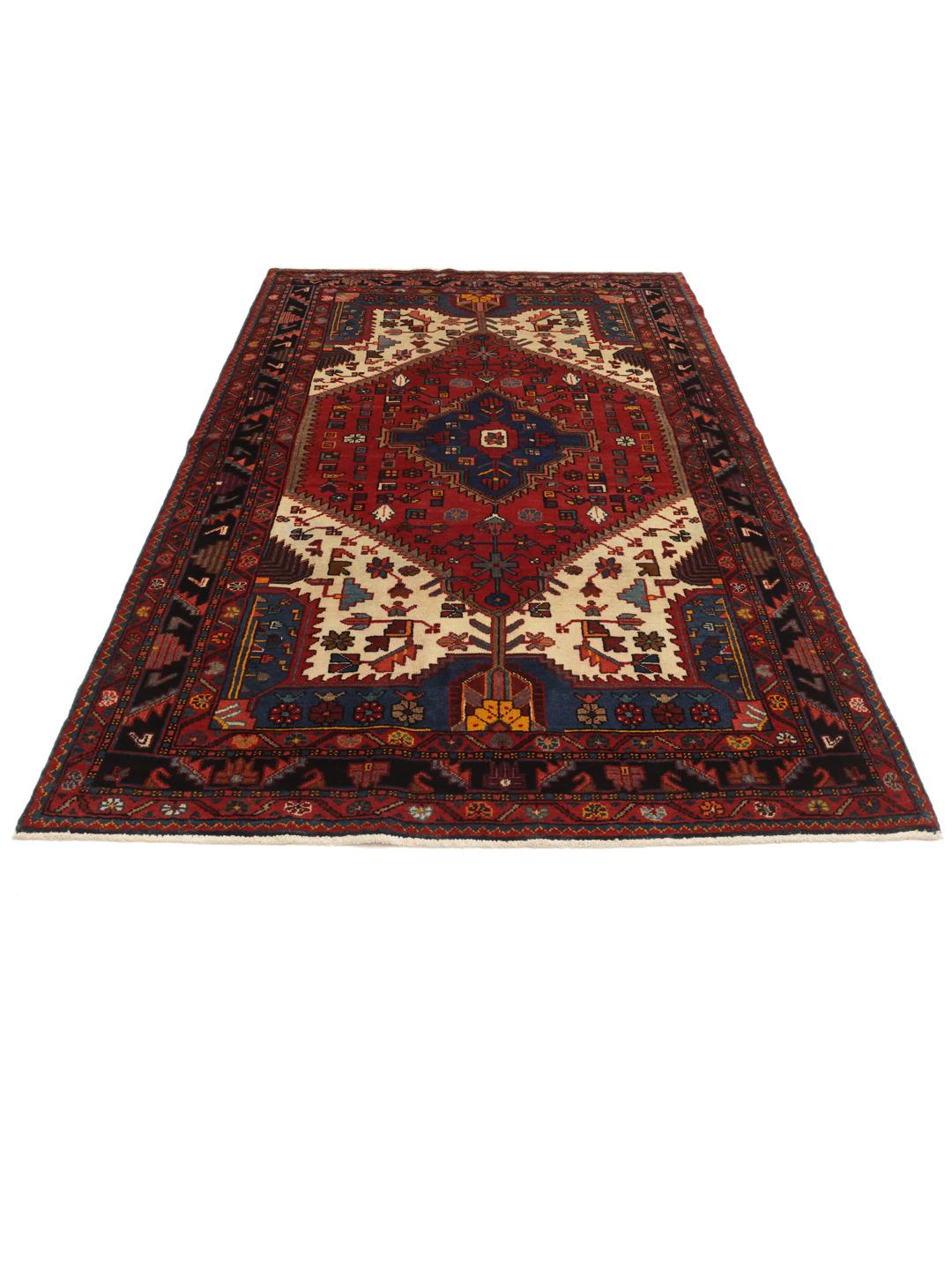
Hamadan rugs originate from one of the oldest cities in the Middle East, a region with a deep-rooted tradition of weaving that dates back centuries. Located on the ancient Silk Road, the city of Hamadan became a major hub for trade and craftsmanship, allowing local weavers to synthesise various regional styles into their own distinct aesthetic. This historical crossroads position has made Hamadan a name synonymous with authentic, village-style rug production.
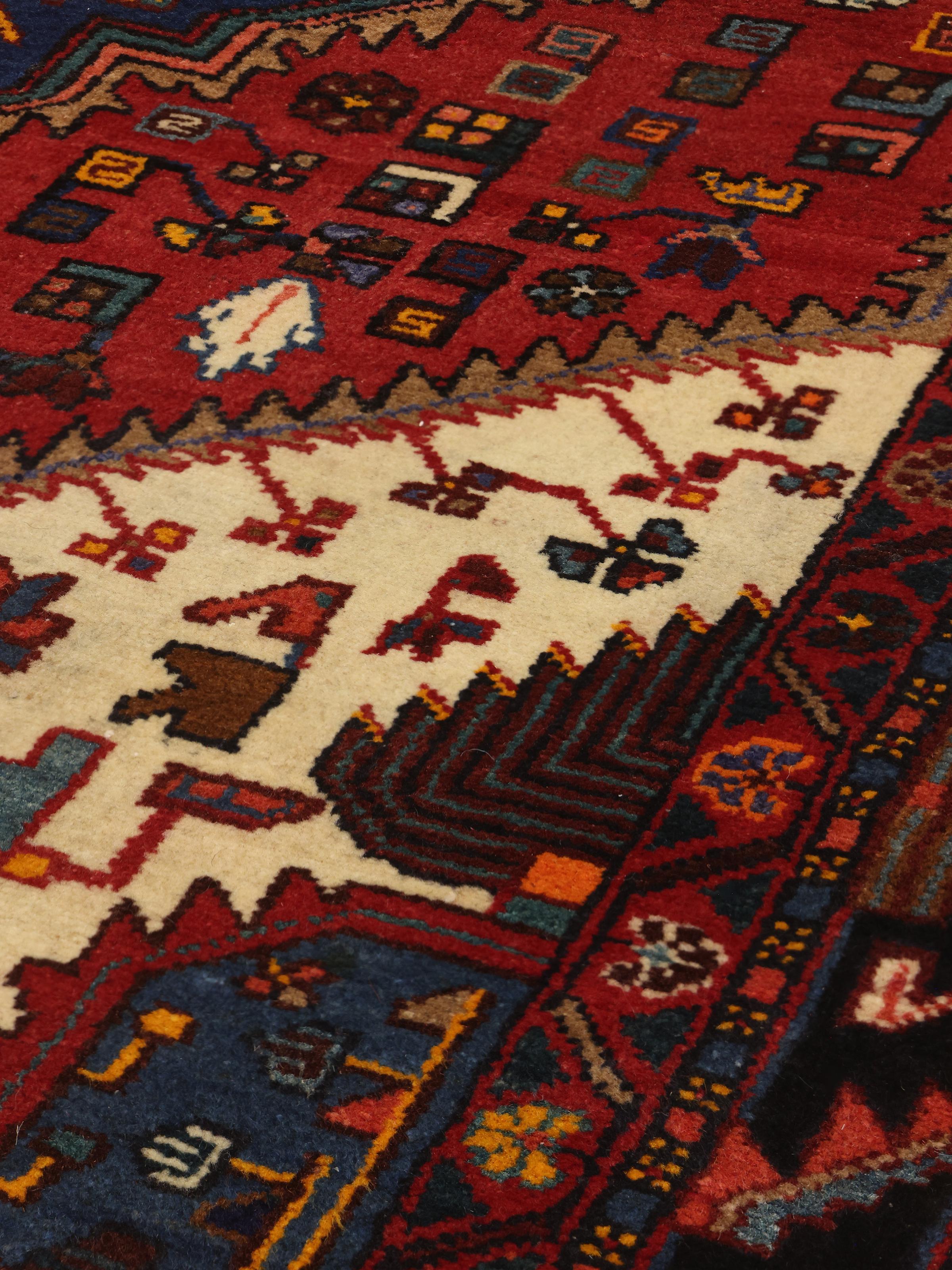
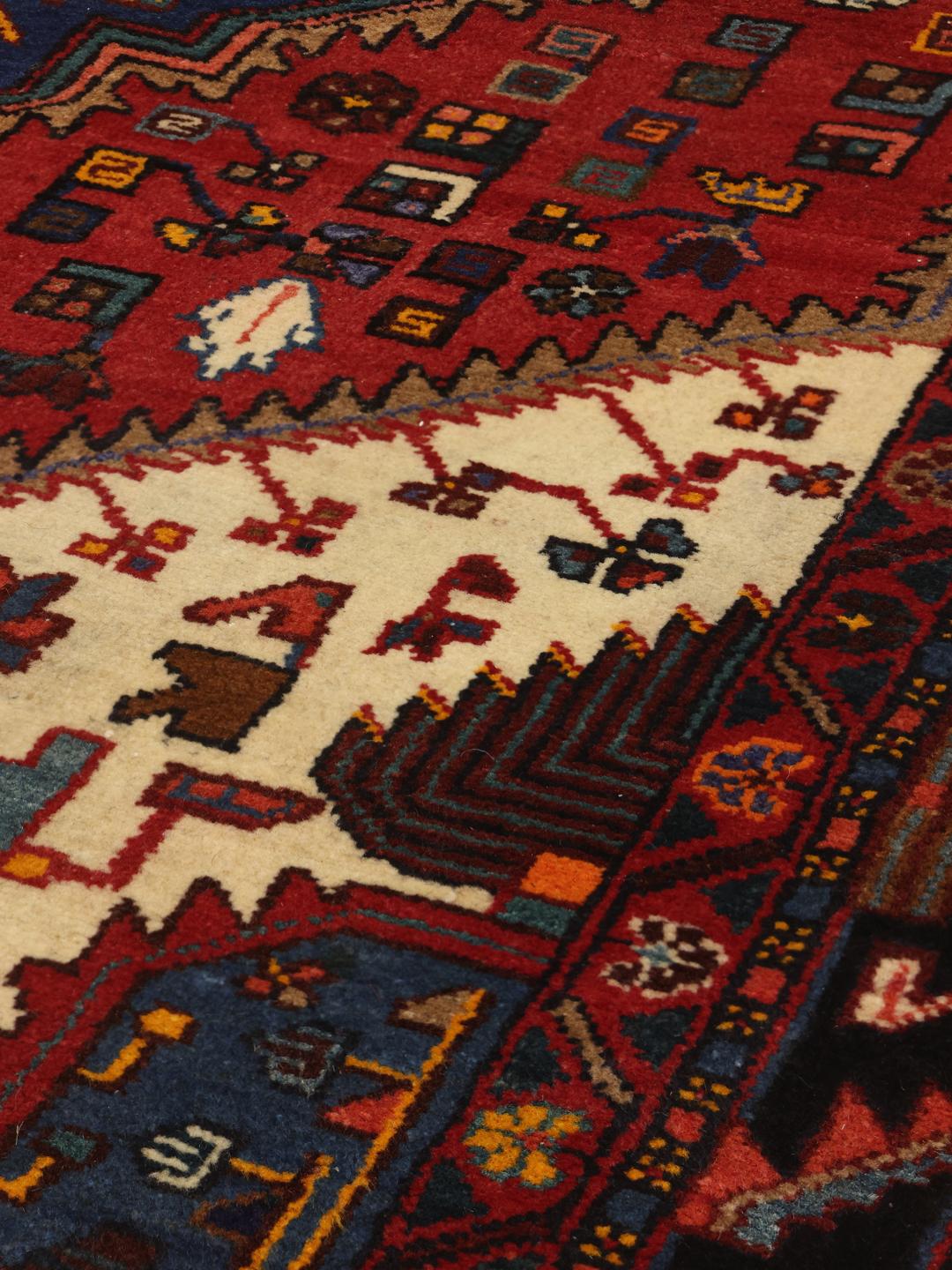
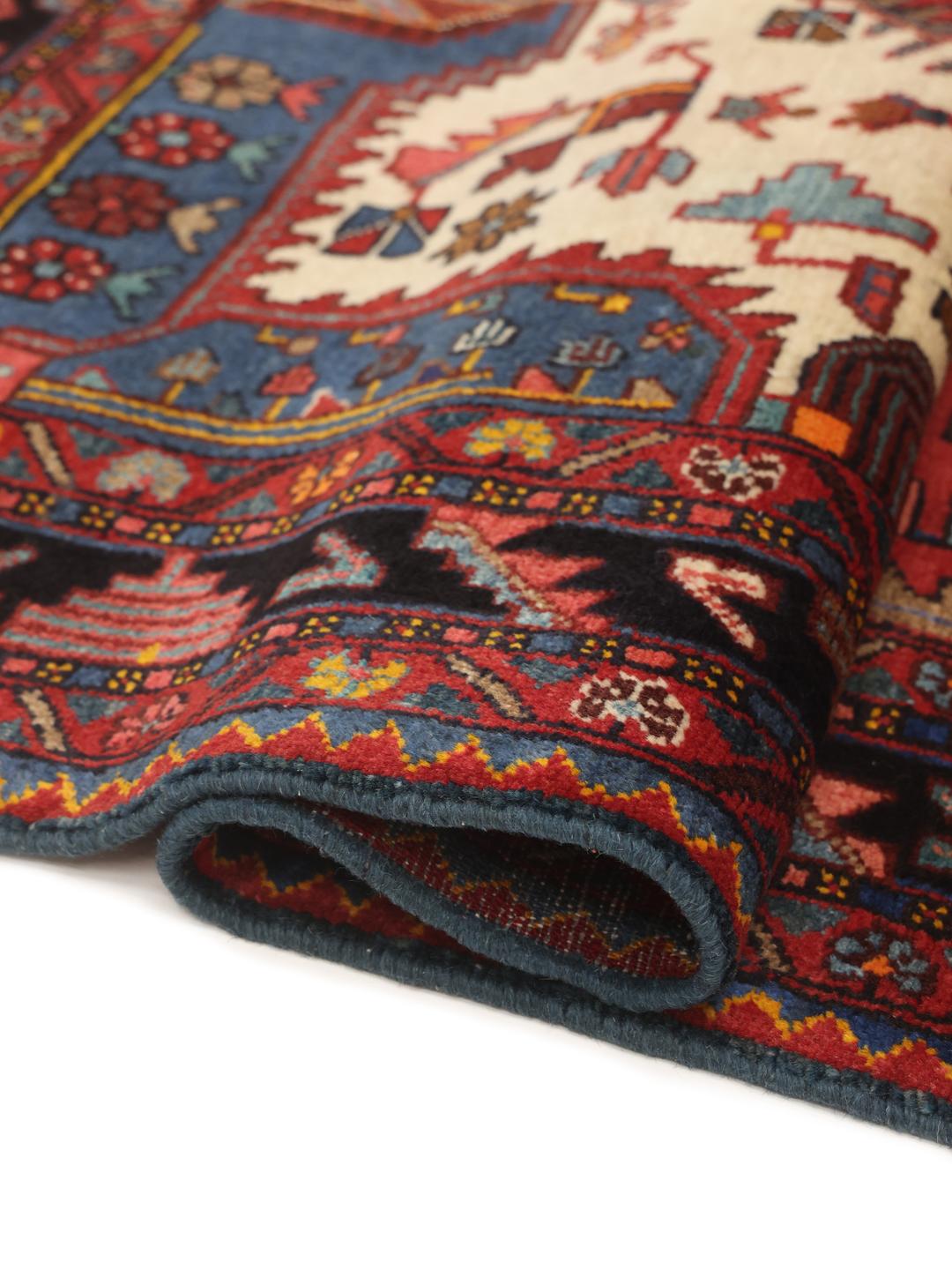
The term Hamadan refers to a vast region of hundreds of villages, each contributing its own unique variations to the craft. Traditionally, these rugs are known for their durability, often featuring a sturdy foundation that allows them to withstand the rigours of daily life. The use of high-quality Wool is a hallmark of this tradition, selected for its resilience and ability to take vibrant, deep dyes that mellow beautifully over time.
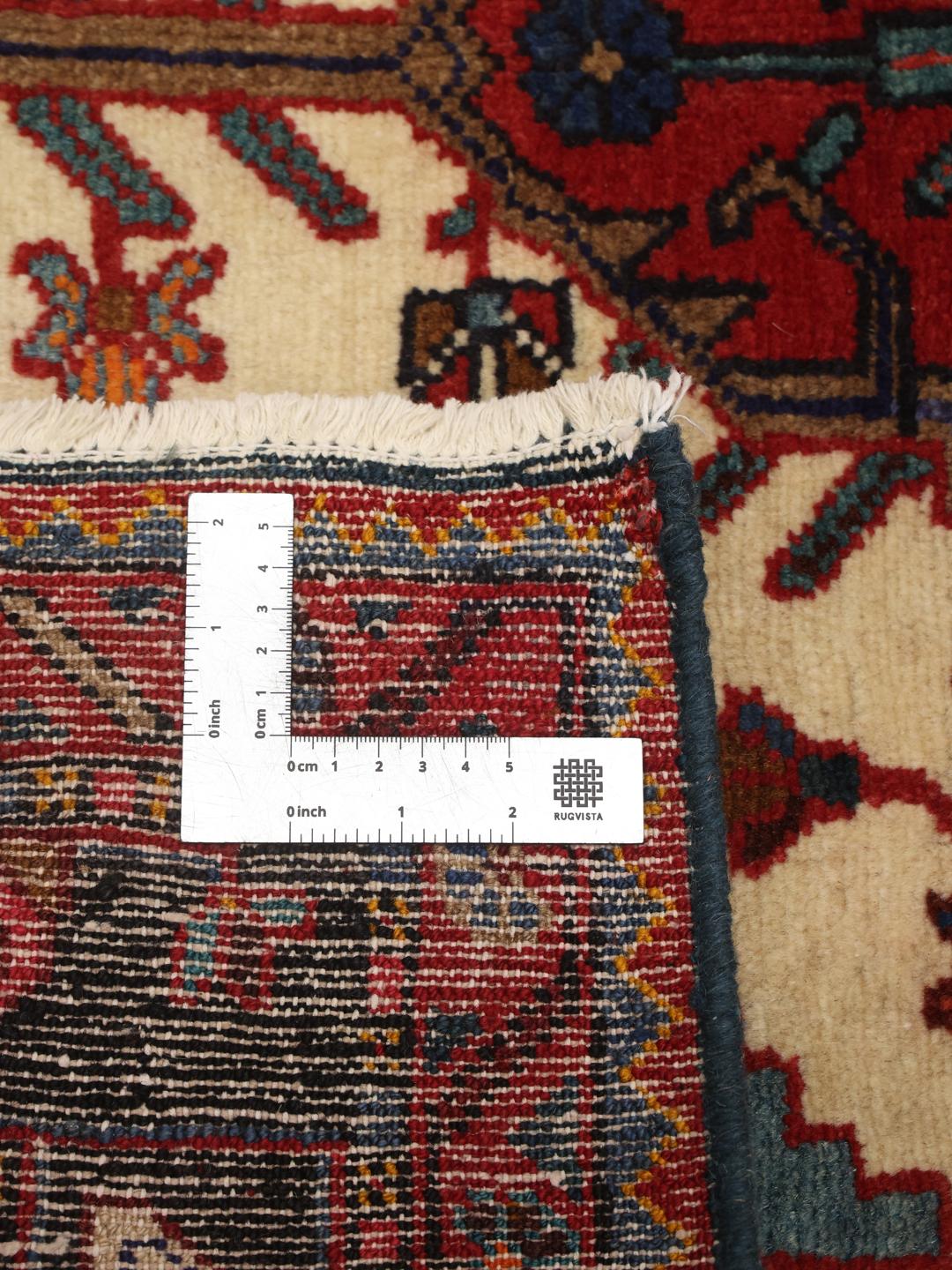
Visually, Hamadan rugs are celebrated for their diverse repertoire of designs. Many feature a central medallion, often stylised in a geometric or floral fashion, reflecting the influence of tribal and nomadic aesthetics. The borders are typically well-defined, frequently showcasing repeating motifs that frame the central field. It is common to see a bold use of colour, with deep reds and blues forming the backbone of the traditional palette.
Collecting a rug from this tradition is an act of preserving a living history. Because these rugs are woven by hand, they carry the spirit of the maker and the cultural identity of the region. They are highly valued not just for their aesthetic appeal, but for their ability to bring a sense of history and human connection into a modern home, serving as a testament to a craft that has survived for generations.