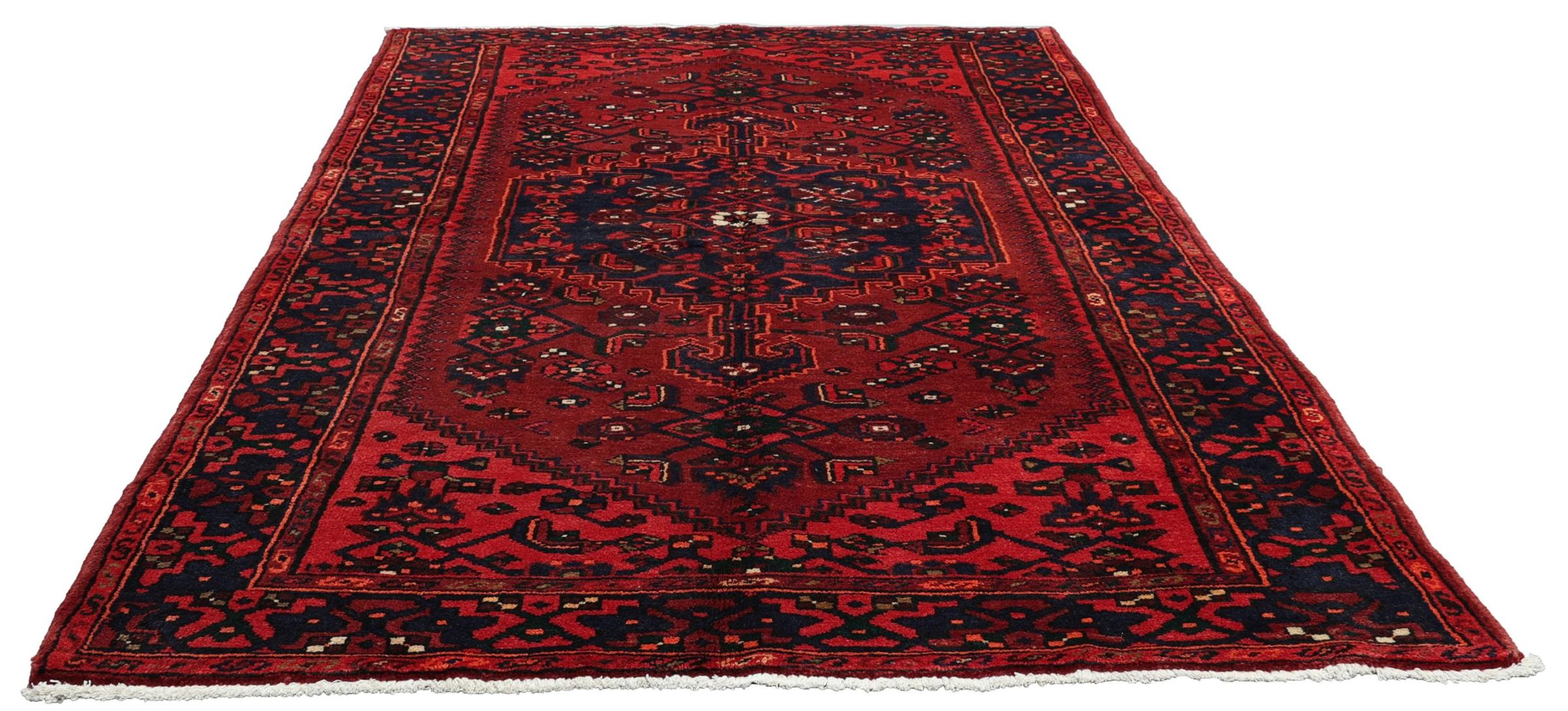
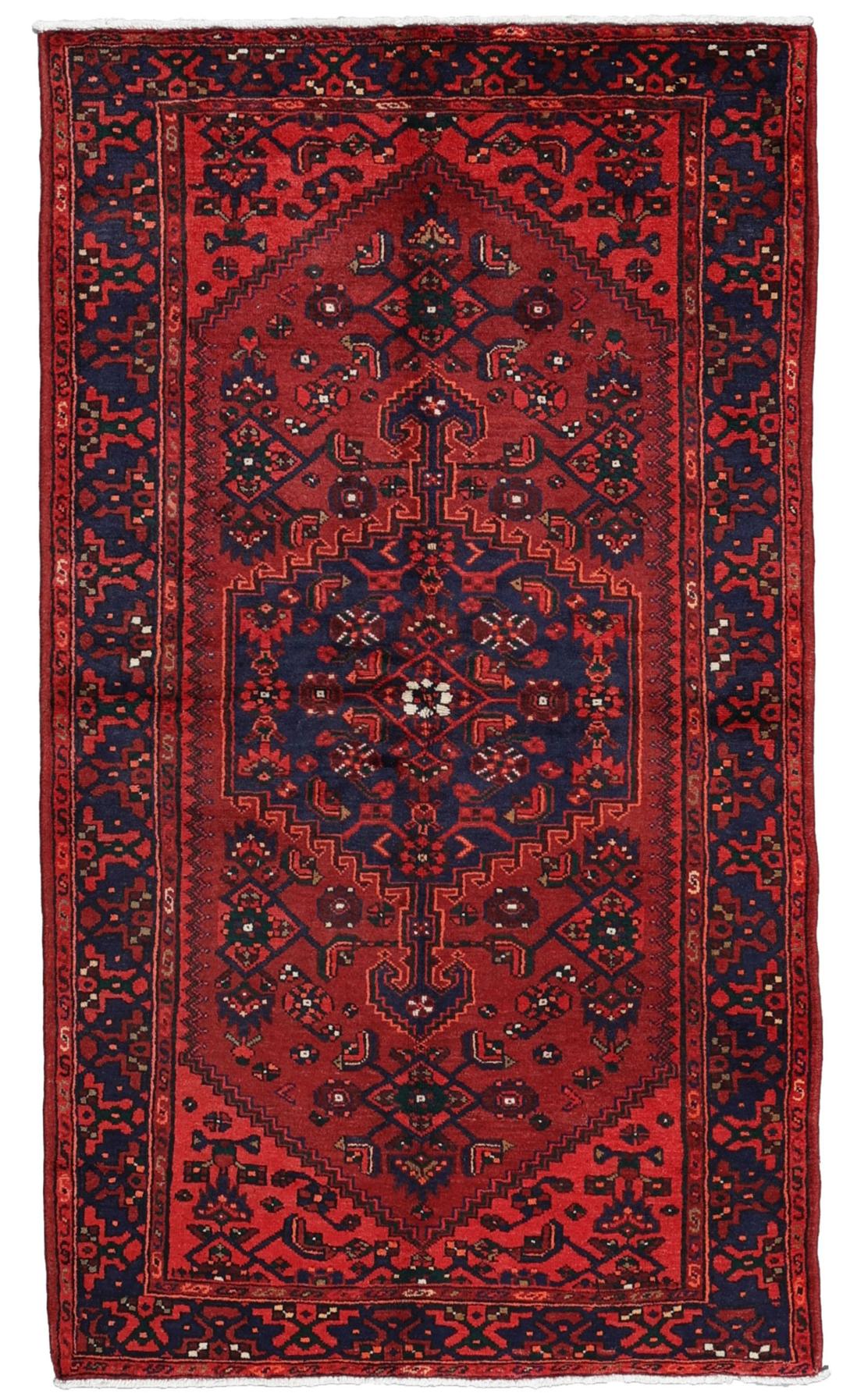
Hamadan rugs take their name from one of the oldest cities in the world, located in the western part of the Middle East. This region has been a major centre for weaving for centuries, situated on ancient trade routes that allowed for the exchange of design ideas and techniques. Rugs from this area are celebrated for their diverse tribal influences and their ability to reflect the unique spirit of the weaving communities that produce them.
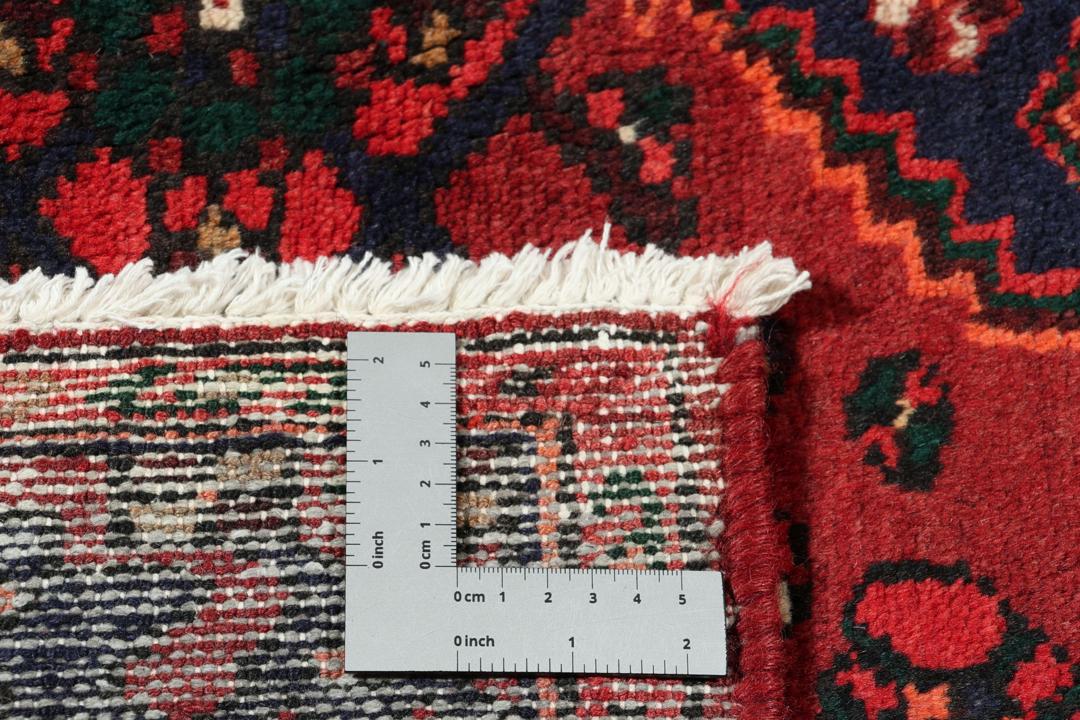
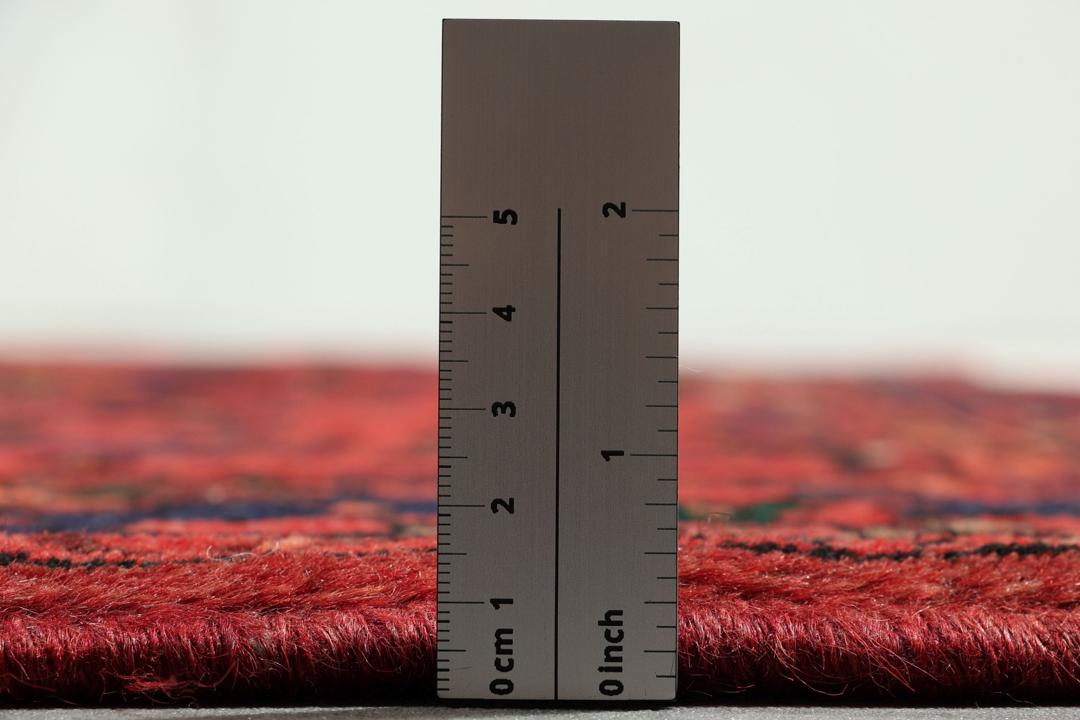
The term Hamadan serves as an umbrella for a wide variety of styles, yet they share a common commitment to durability and local tradition. Many of these rugs are made using high-quality local Wool, which is known for its resilience and ability to take vibrant, long-lasting dyes. The regional technique often involves a sturdy foundation, ensuring that the rugs remain flat and stable even in active areas of the home.
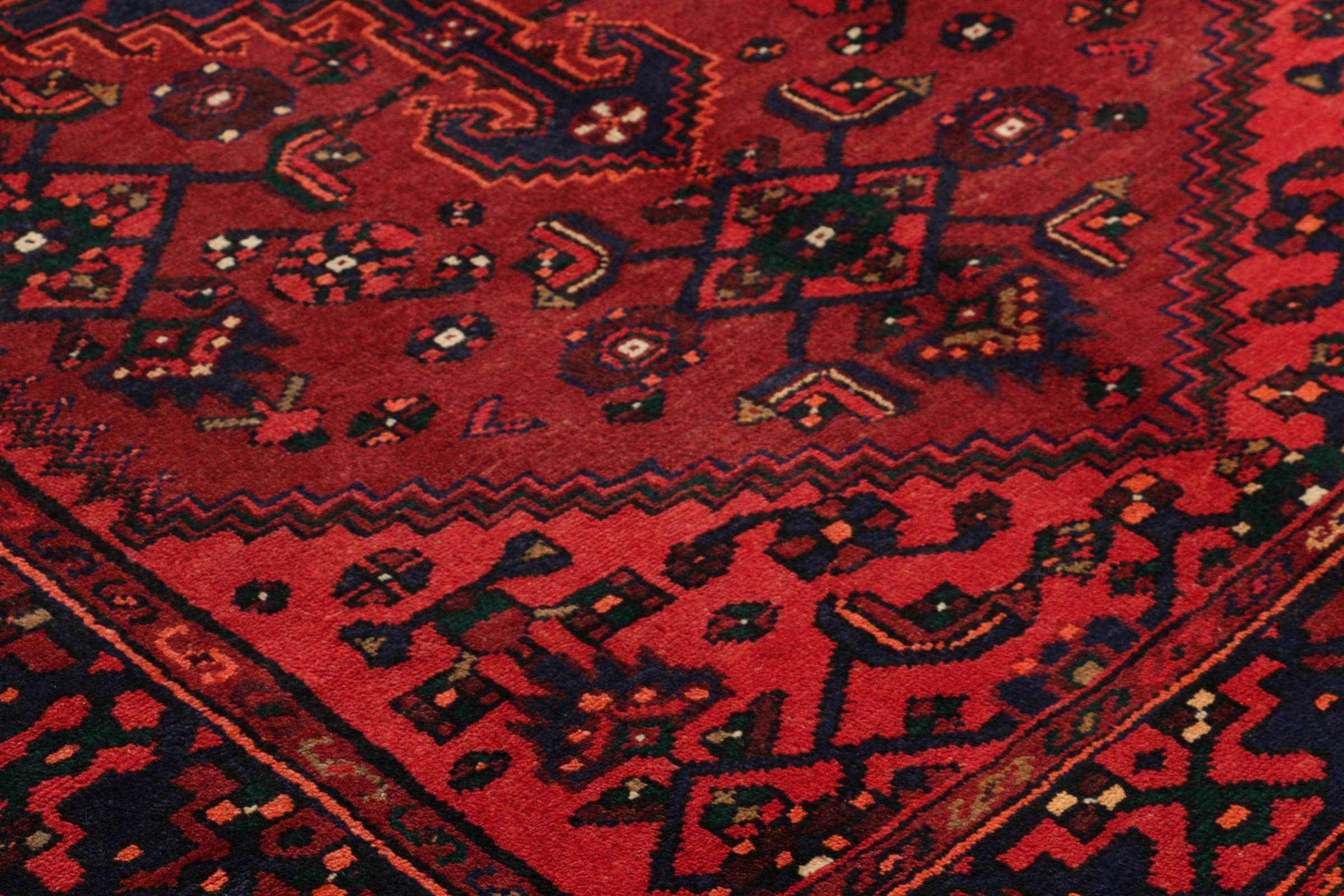
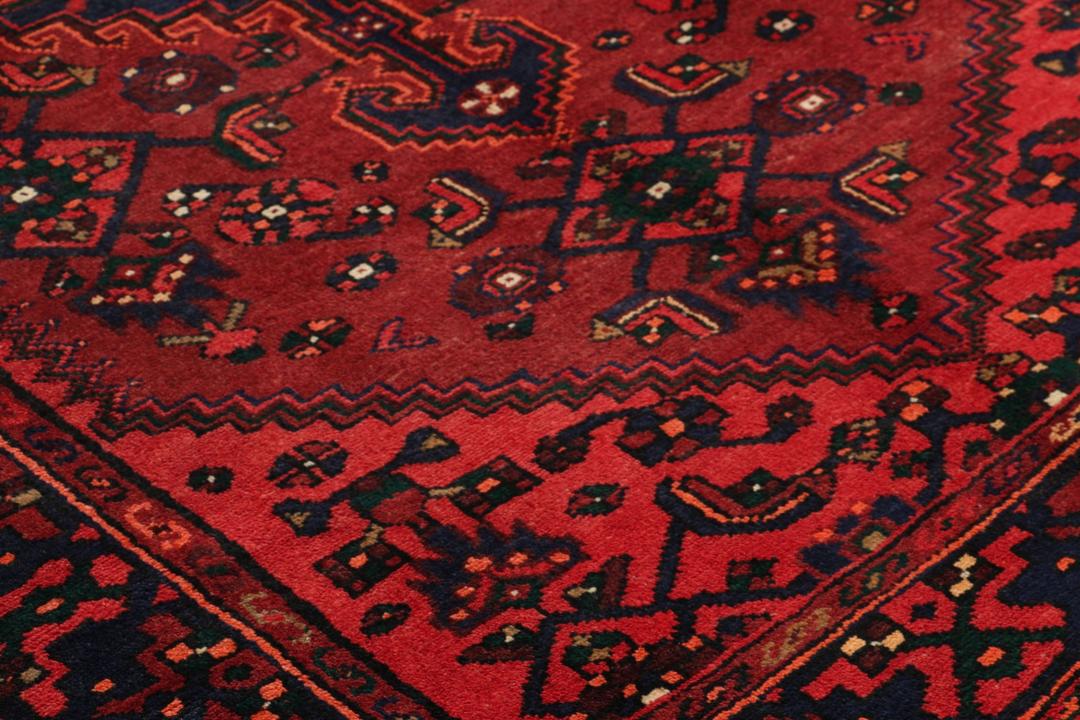
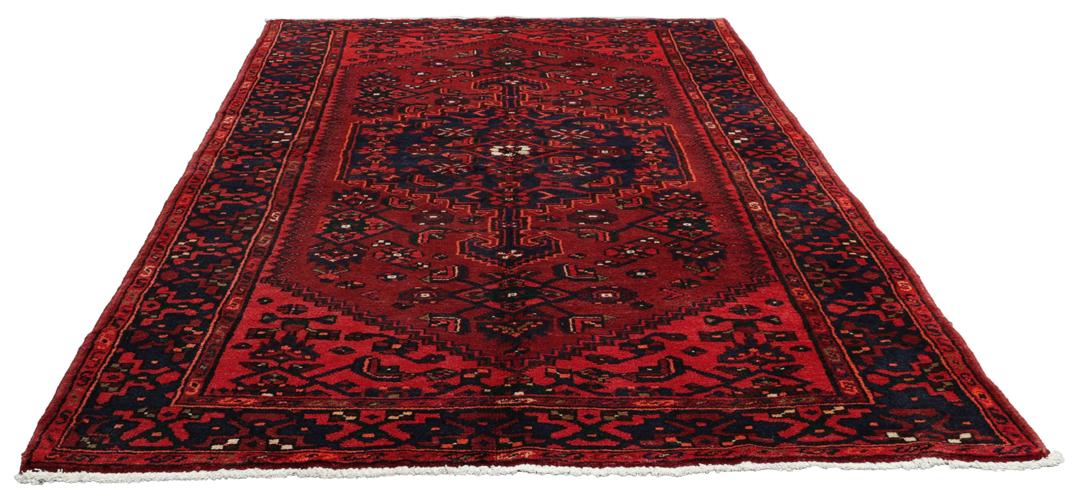
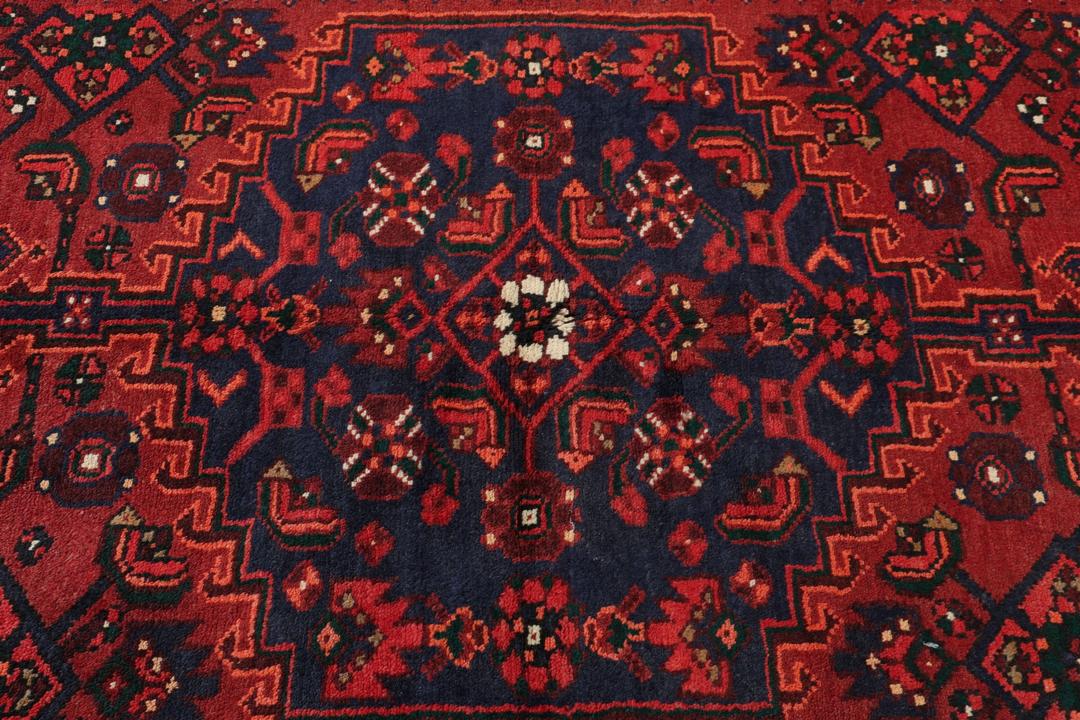
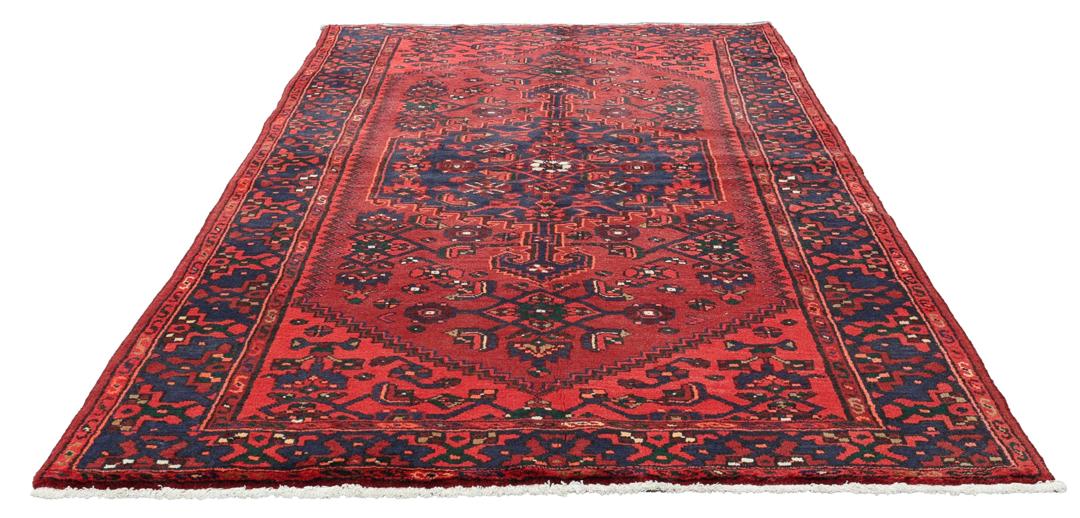
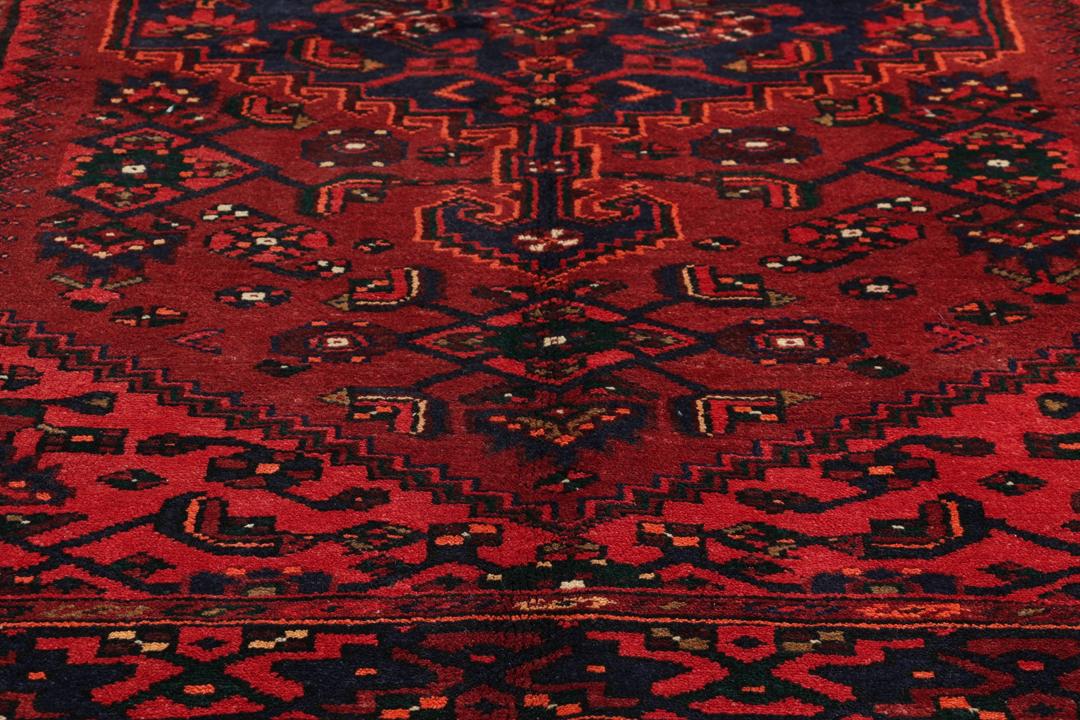
Visually, these rugs are often defined by their bold geometric patterns and central medallions, which are sometimes surrounded by intricate floral or botanical motifs. The borders are typically well-defined, framing the field in a way that highlights the central design. While many follow traditional colour palettes of reds and blues, the variation in patterns is endless, as each weaver introduces their own creative touches and regional symbols.
Collecting a piece from this tradition is an investment in cultural heritage. These rugs are valued not just for their aesthetic beauty, but for the skill and history they represent. Owning a Hamadan is a way to bring a piece of Middle Eastern craft into your home, providing a timeless quality that bridges the gap between the past and the present.