Hamadan rugs hail from one of the oldest cities in the Middle East, a region with a deep-rooted history in textile production. For centuries, the surrounding villages have produced these distinct rugs, each drawing on the specific cultural influences of its local weavers. This tradition has evolved into a style celebrated for its durability and its ability to blend tribal motifs with a more formal, structured aesthetic.
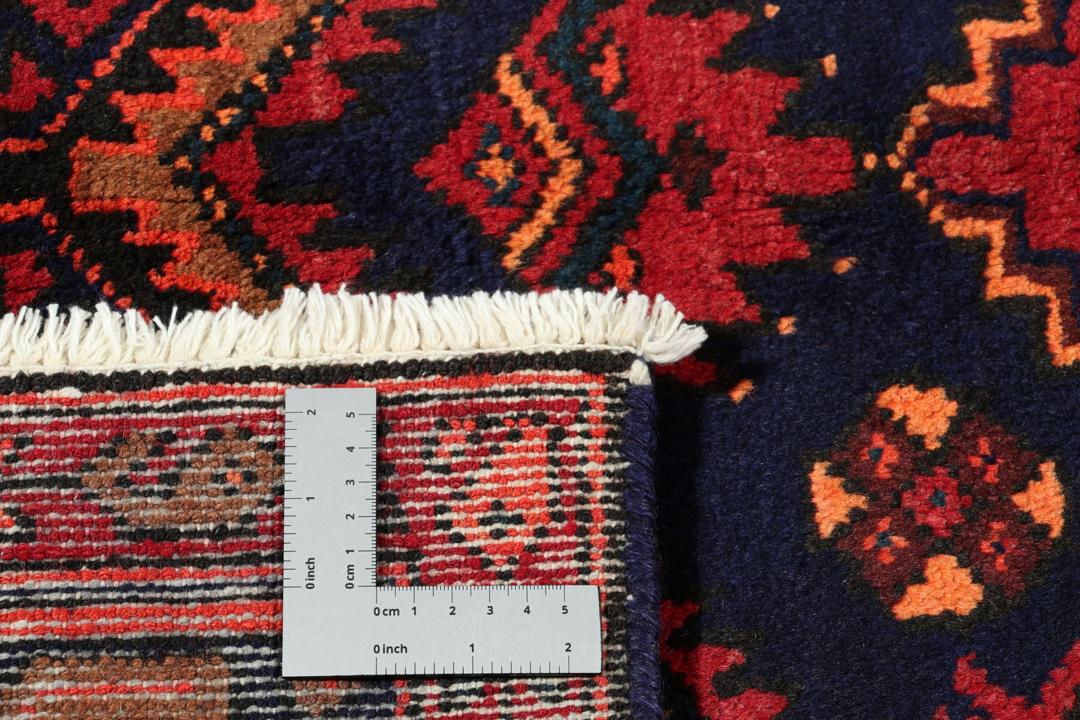
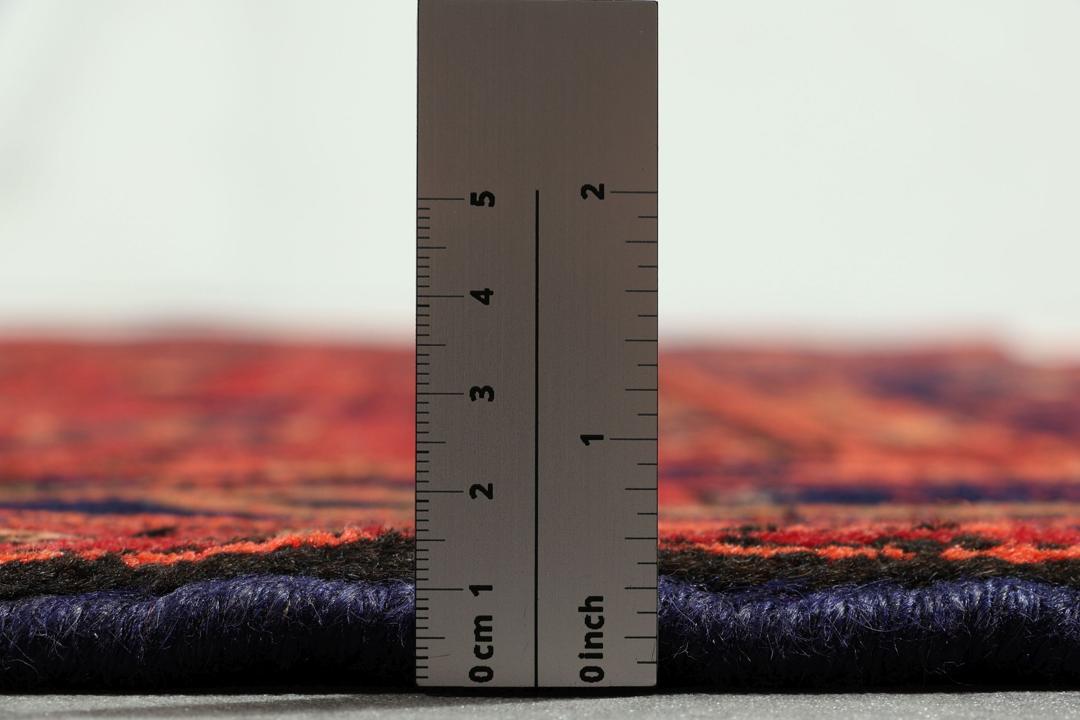
The term Hamadan refers to a broad category of rugs that share a common origin and construction philosophy. These rugs are typically known for their robust nature, often featuring a sturdy cotton foundation that provides the necessary support for a thick, resilient Wool pile. This combination of materials is a hallmark of the region's craft, prioritising a rug that can endure the demands of daily life while maintaining its structural integrity.
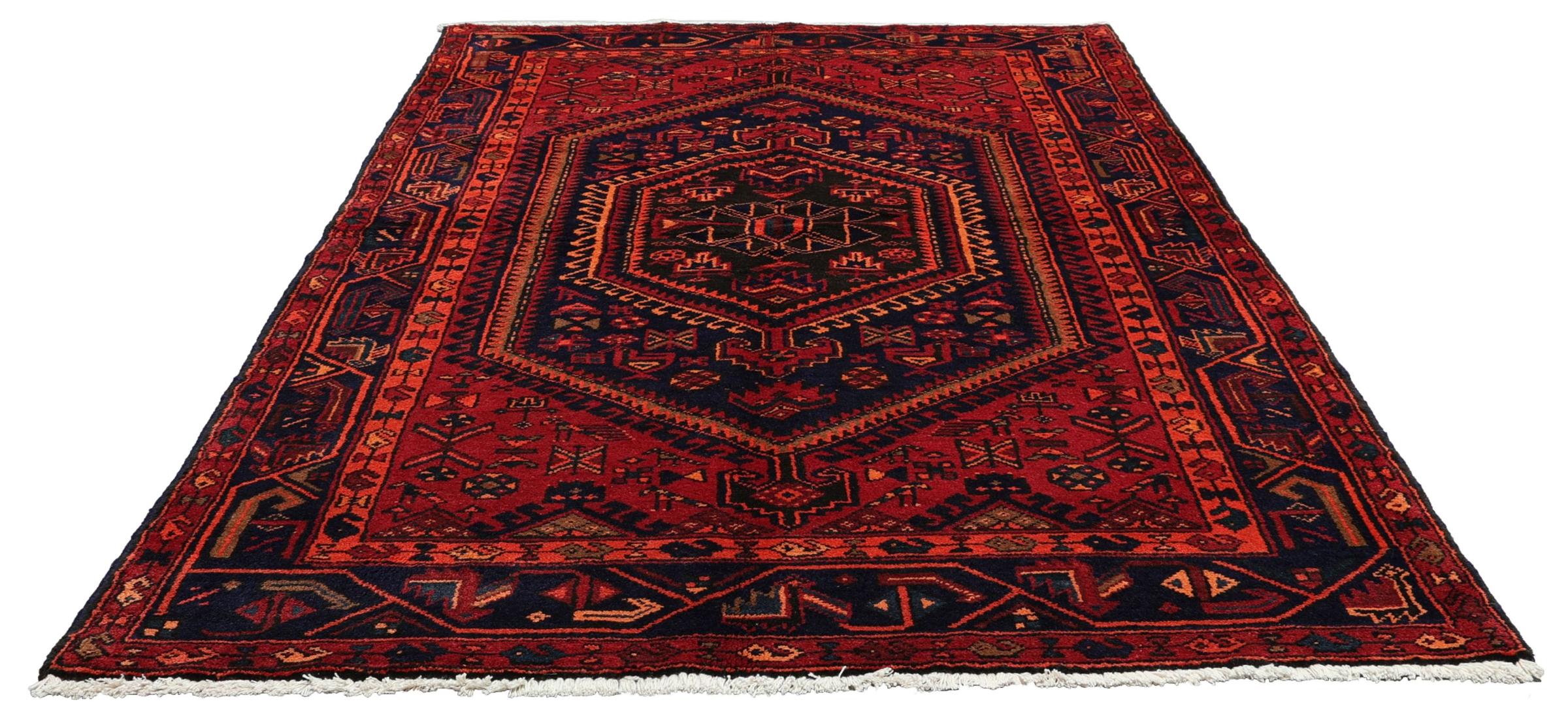
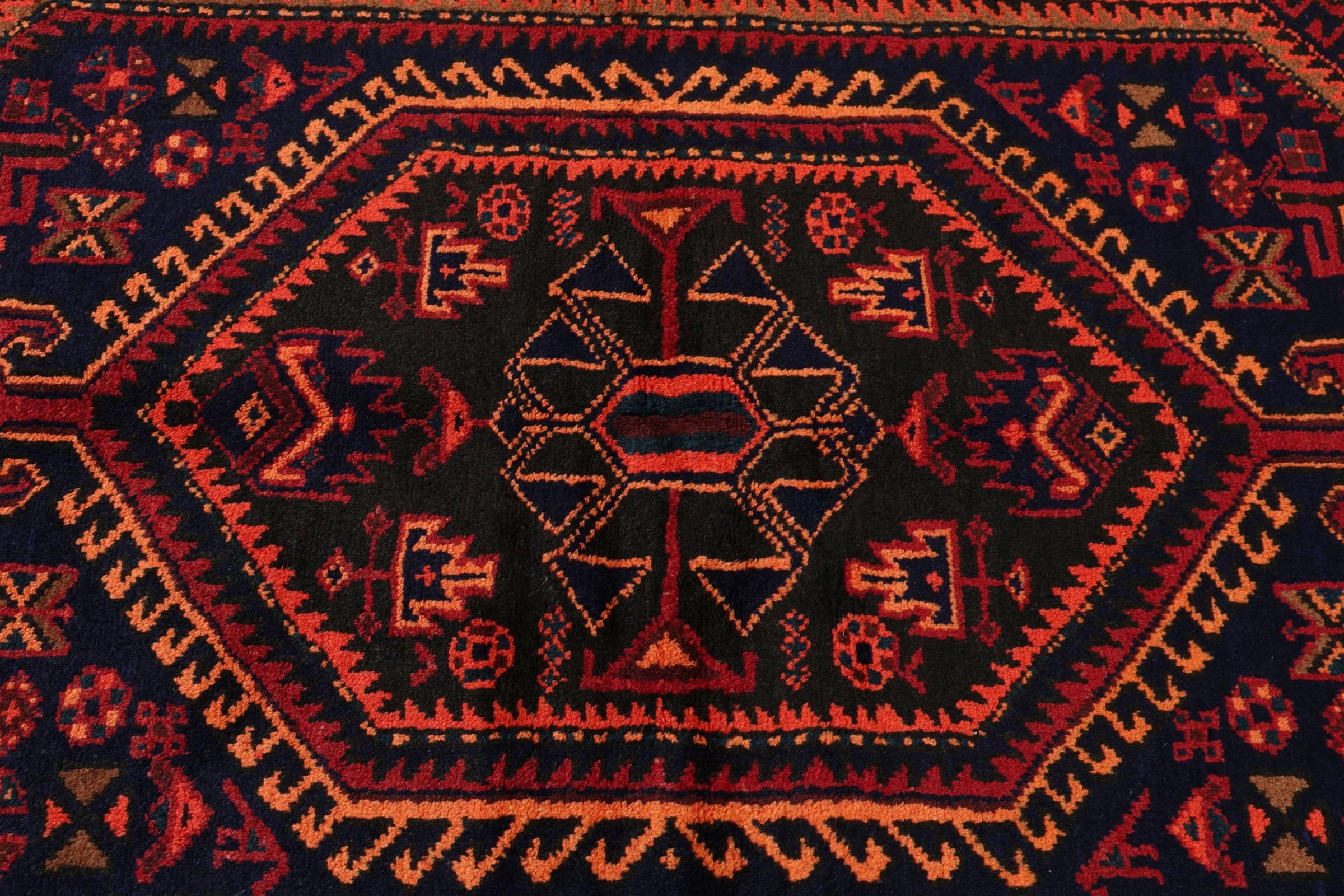
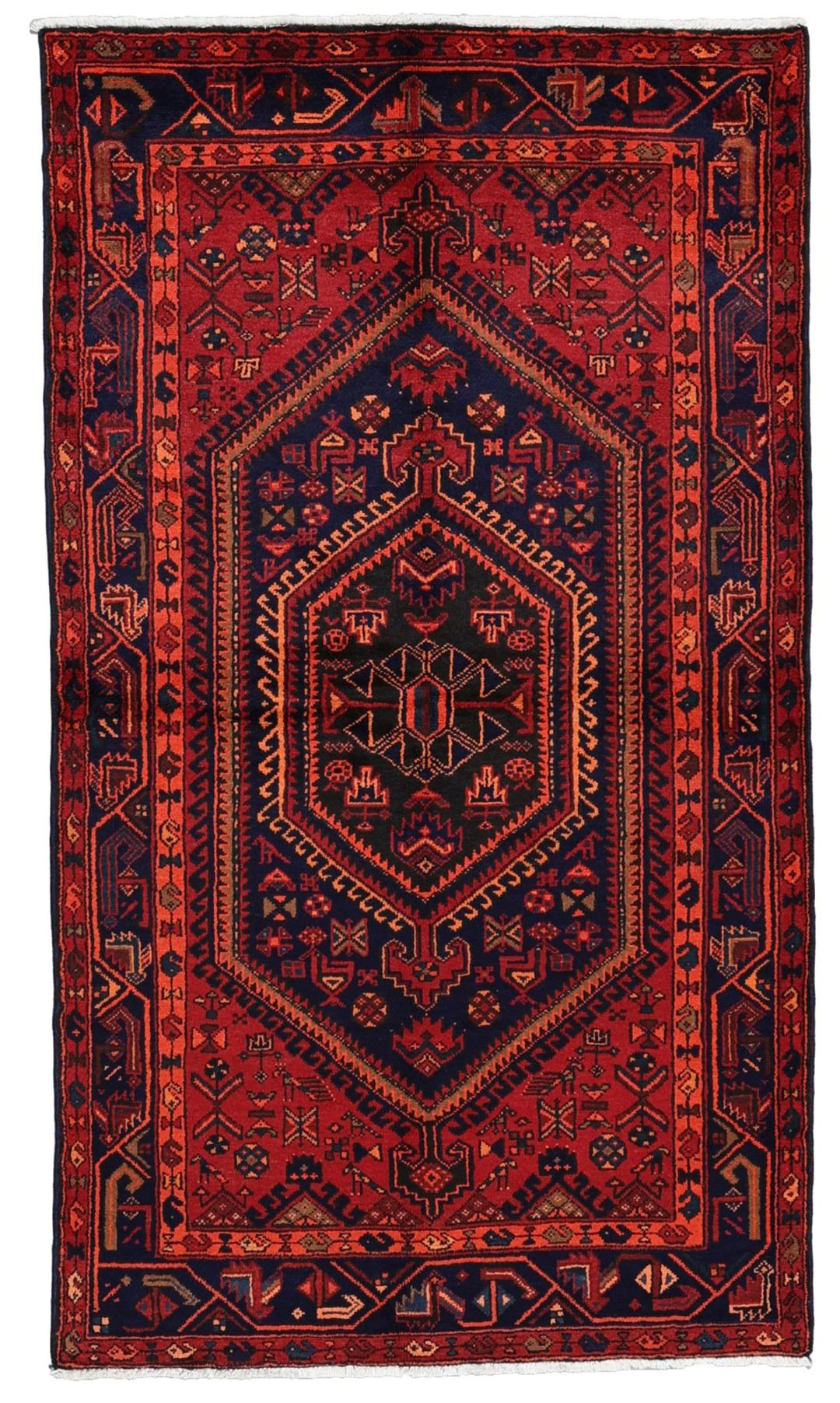
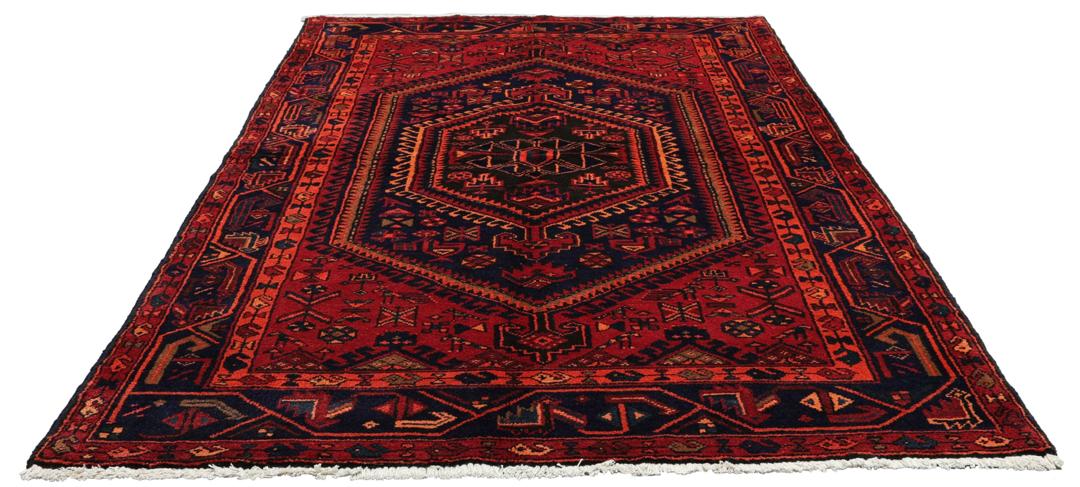
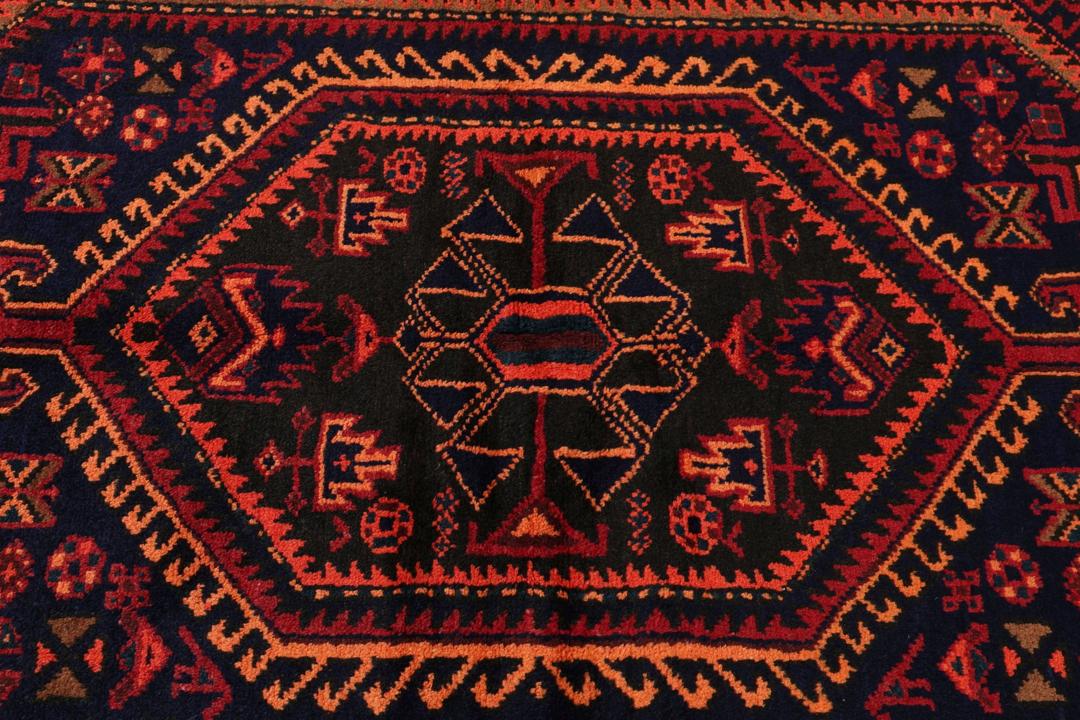
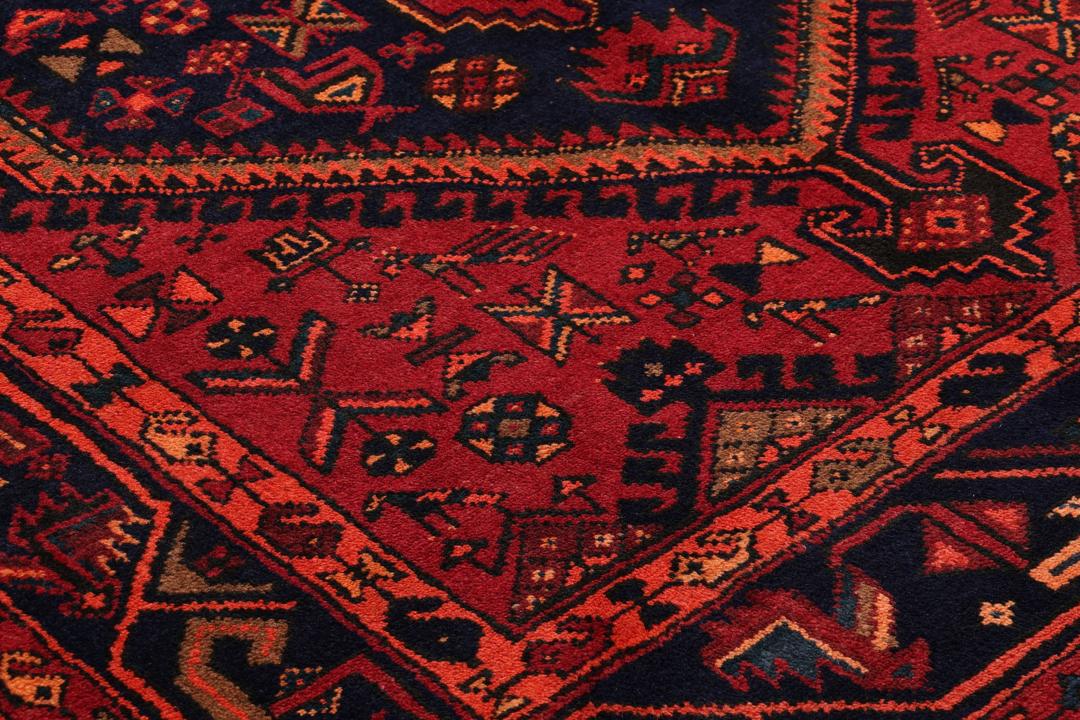
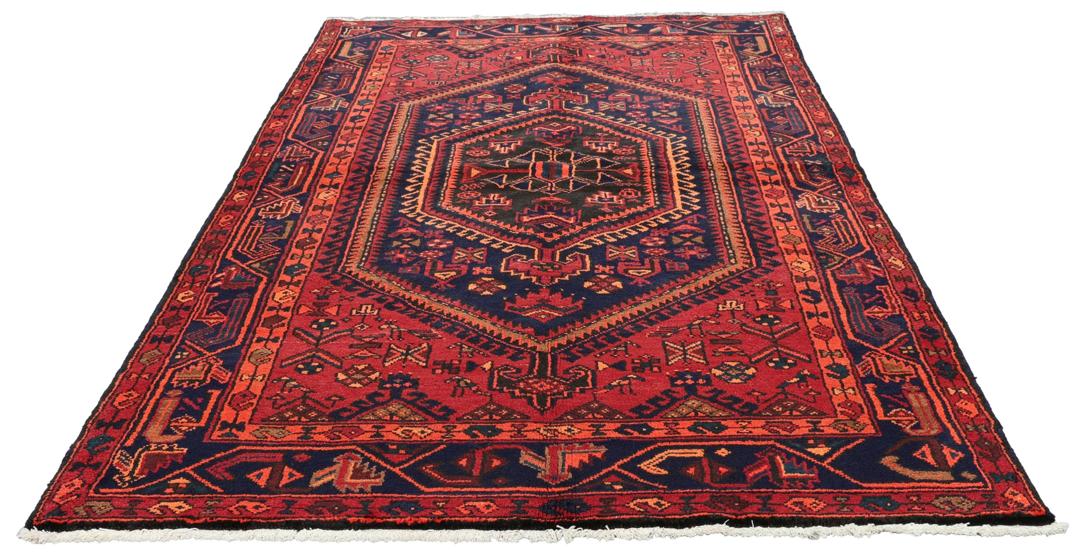
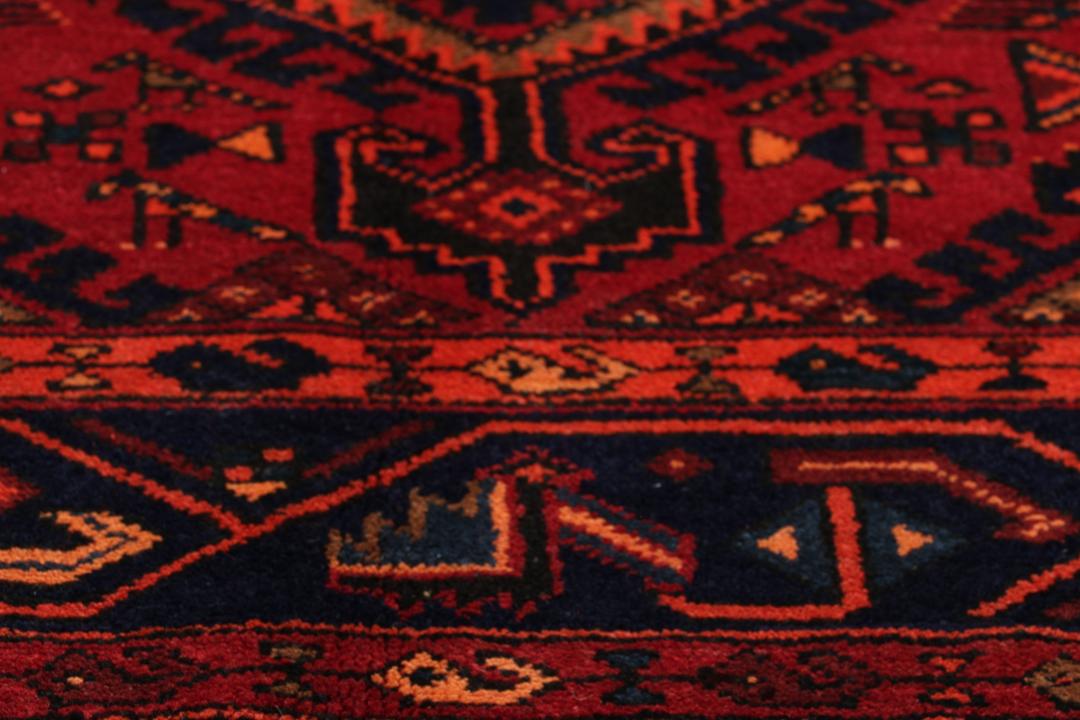
Visually, these rugs are defined by a rich vocabulary of geometric shapes and stylised floral elements. It is common to see central medallions surrounded by intricate borders filled with repeating motifs. The use of vibrant, deep dyes is a classic signature, with red and blue remaining the most iconic colour choices. Each rug serves as a narrative canvas, reflecting the artistic vision of the individual weaver through subtle variations in pattern and hue.
Collecting a piece from this tradition is an investment in human skill and regional history. These rugs are valued not only for their aesthetic beauty but also for their authenticity. By bringing a Hamadan rug into your home, you are continuing a legacy of craft, securing a functional heirloom that carries the warmth and character of its origins.