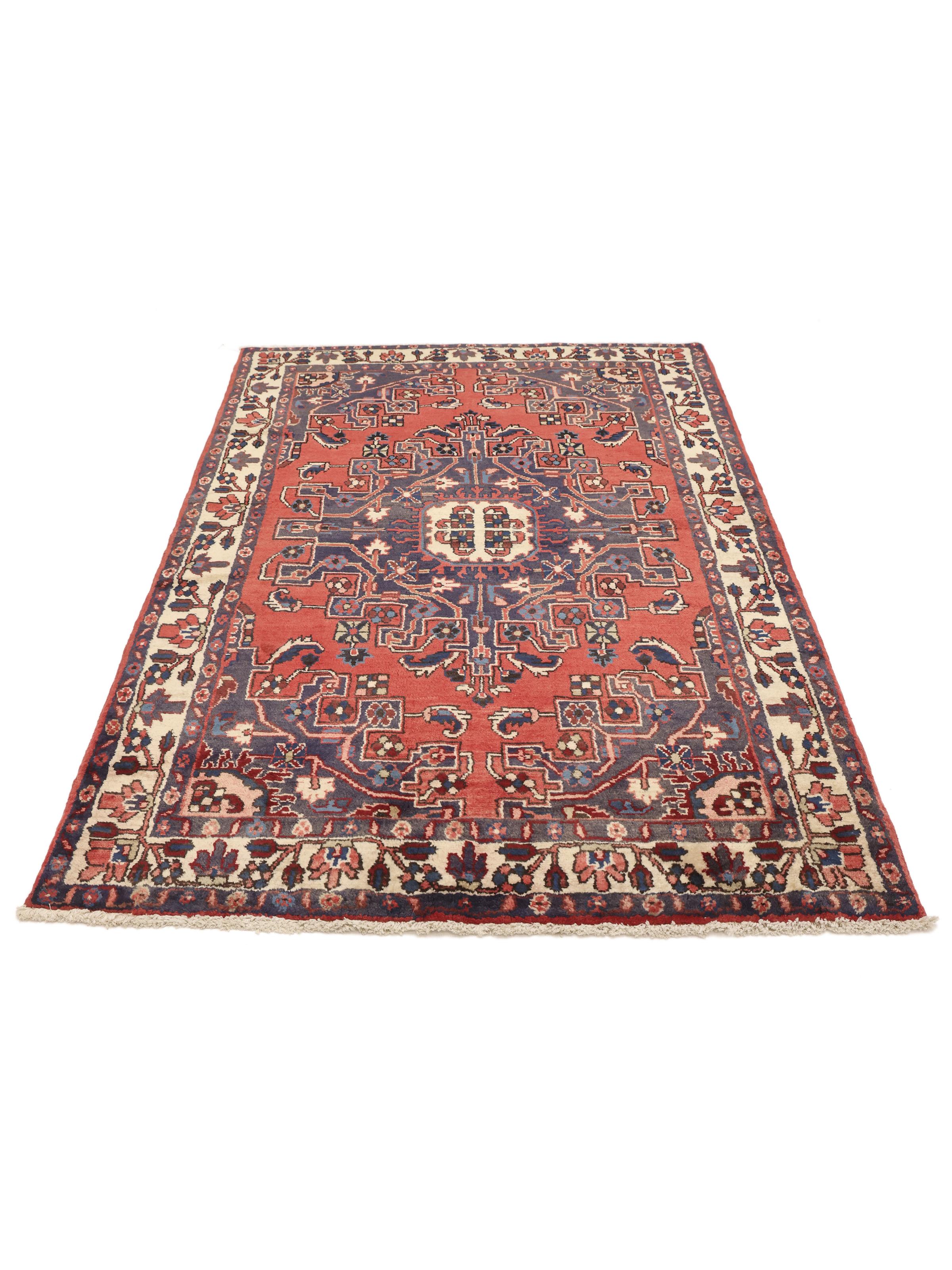
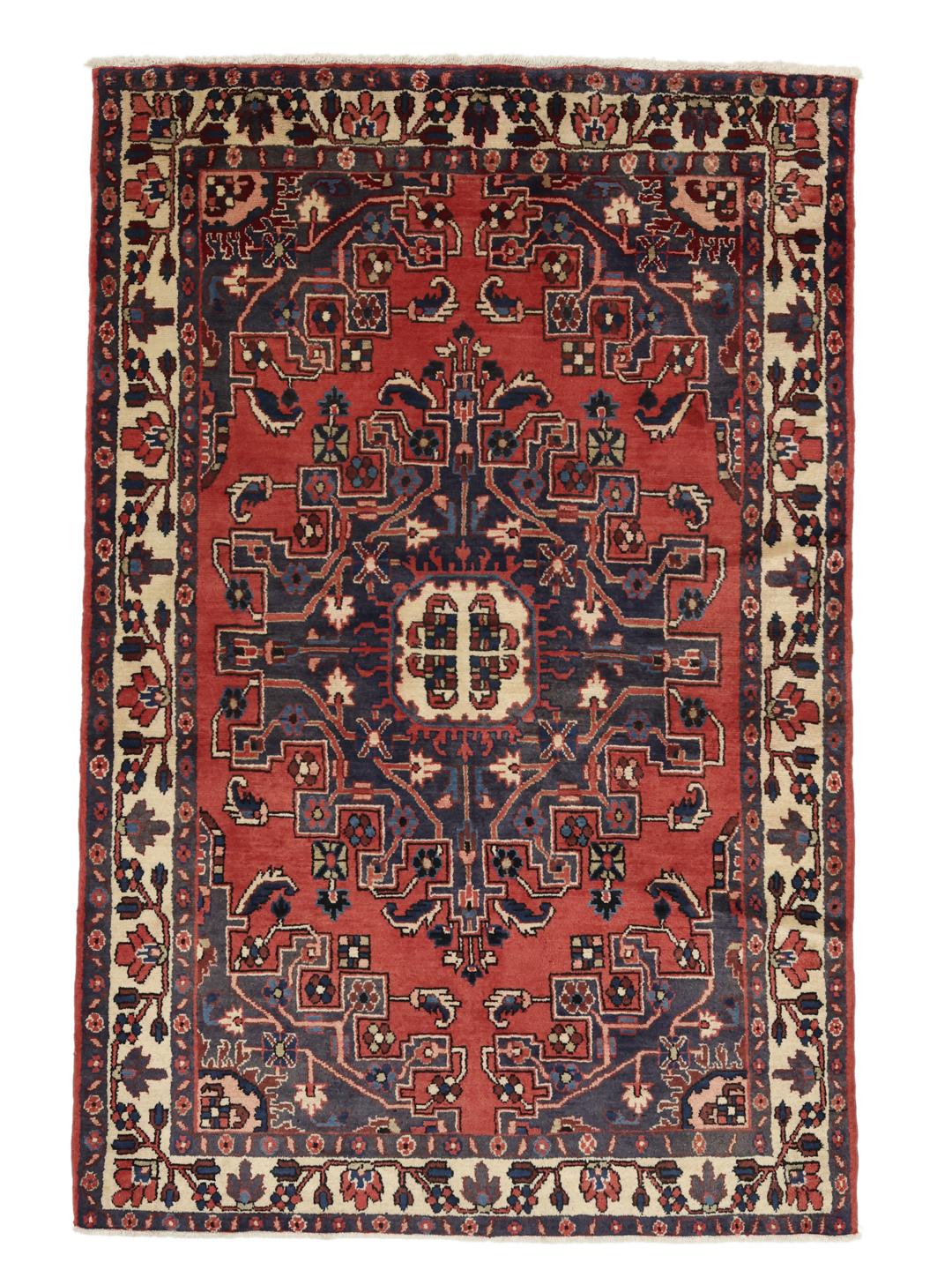
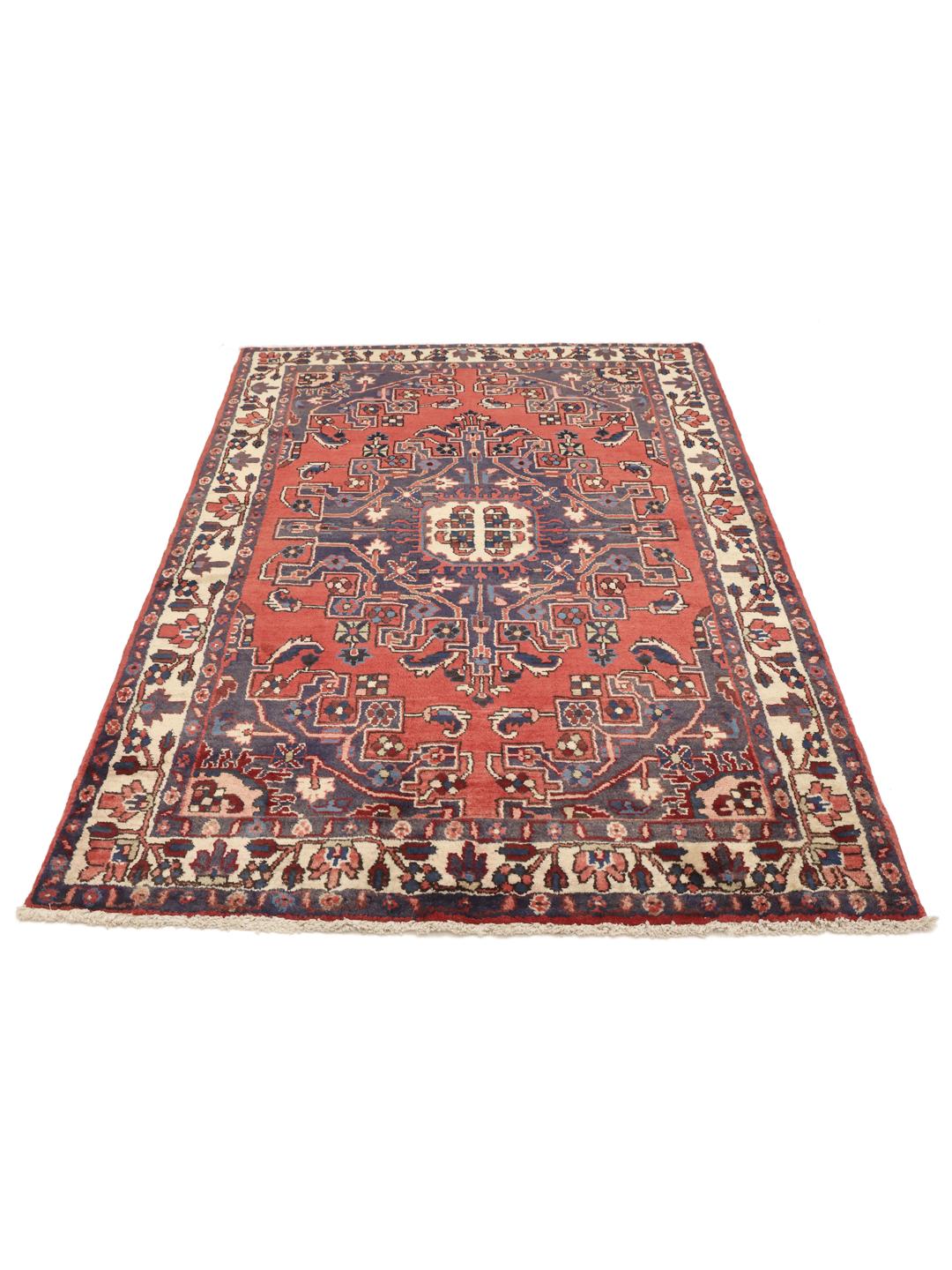
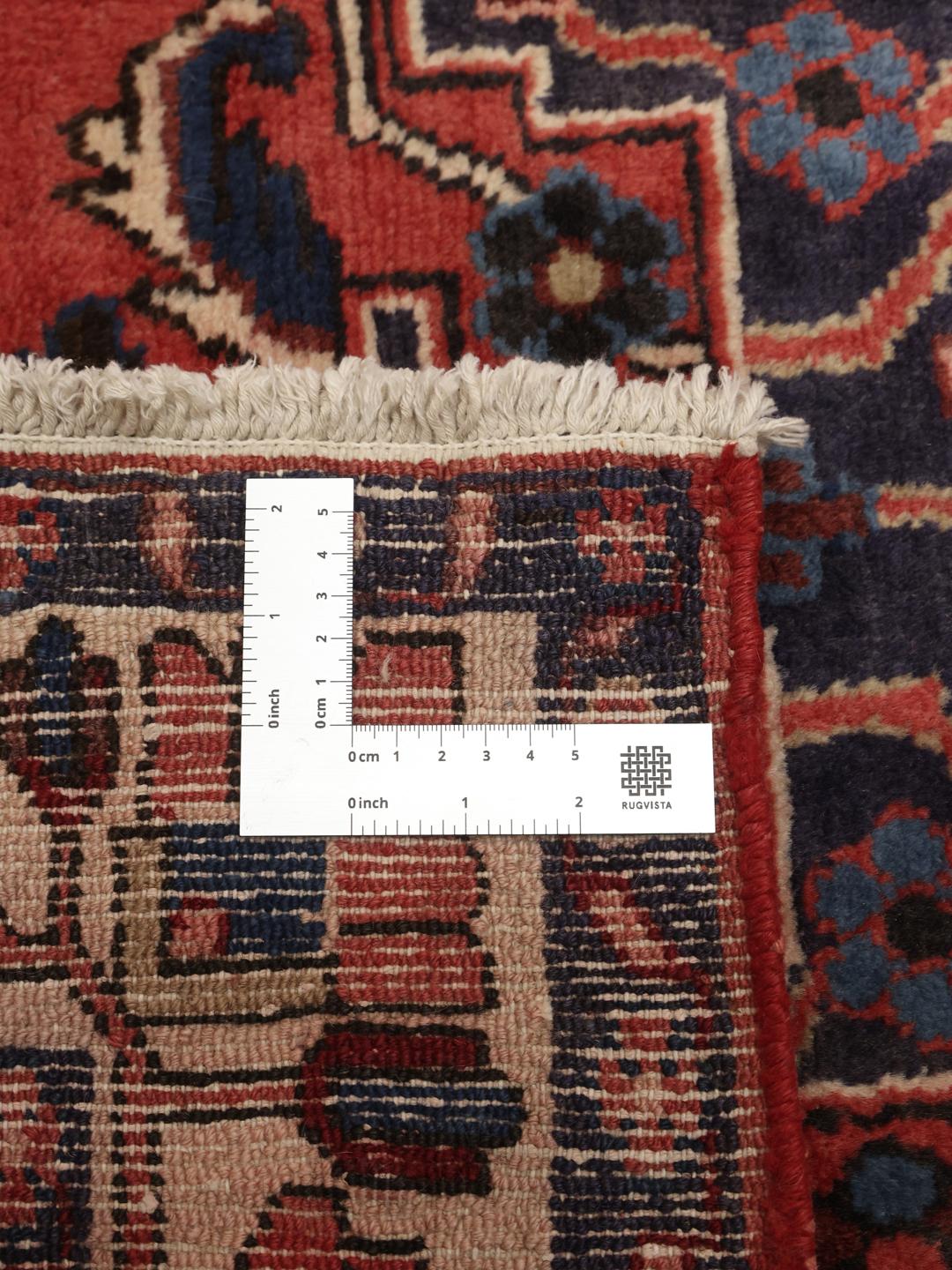
The Hamadan region, located in the mountainous west of the Middle East, is one of the oldest and most prolific rug-weaving centres in the world. Rugs from this area are celebrated for their incredible diversity in design, as the region comprises hundreds of individual villages, each with its own unique approach to patterns, colours, and weaving techniques.
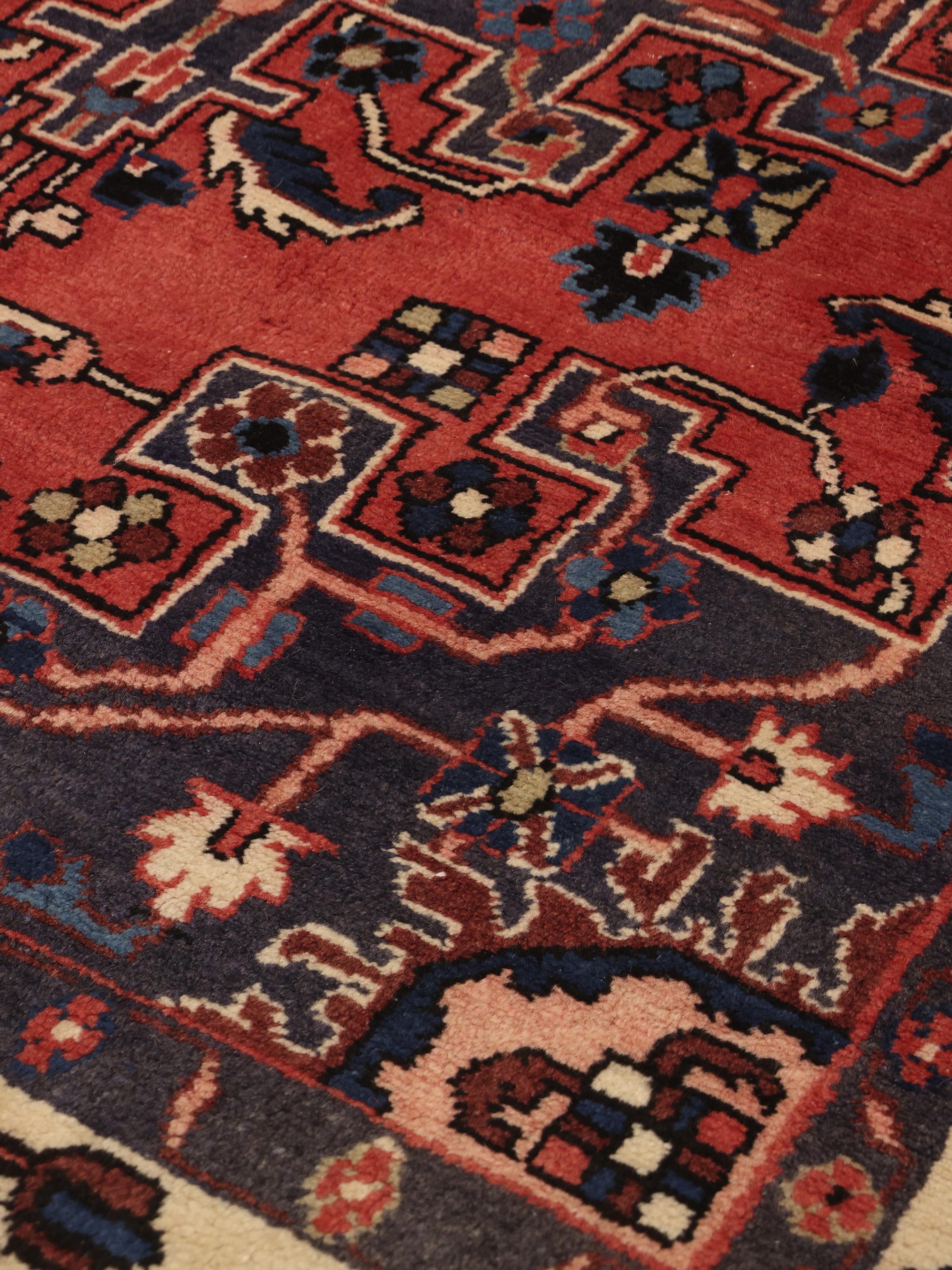
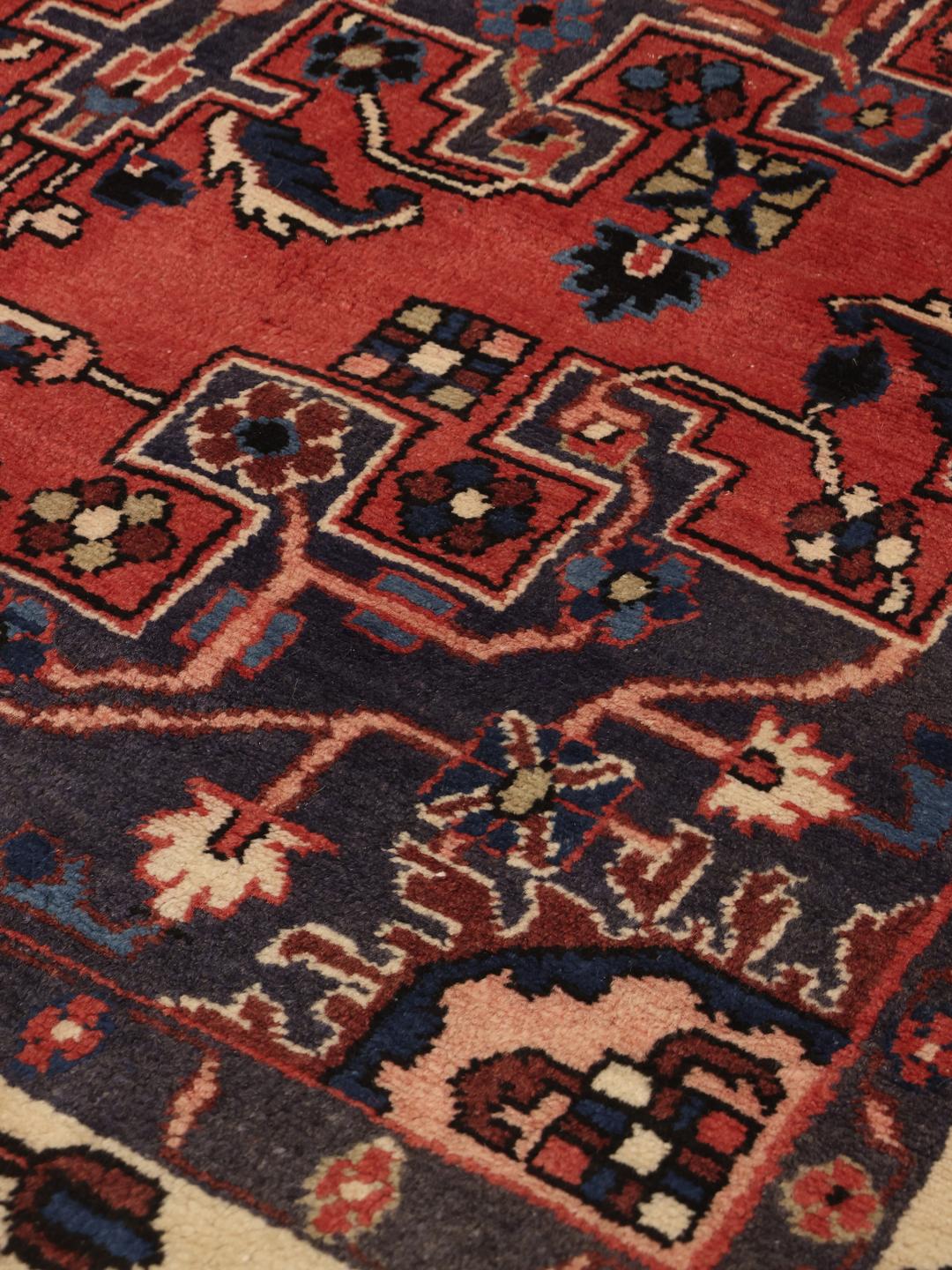
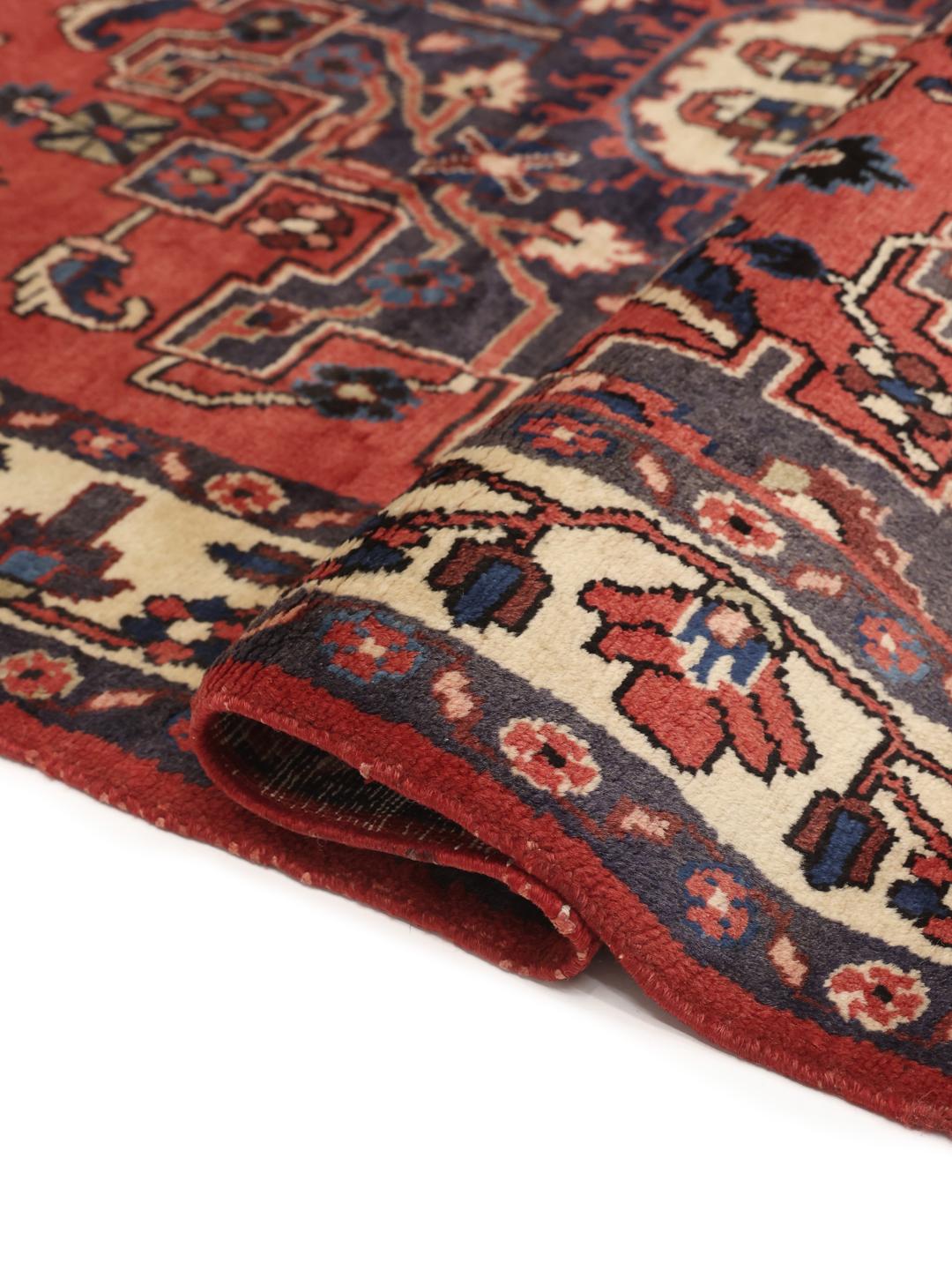
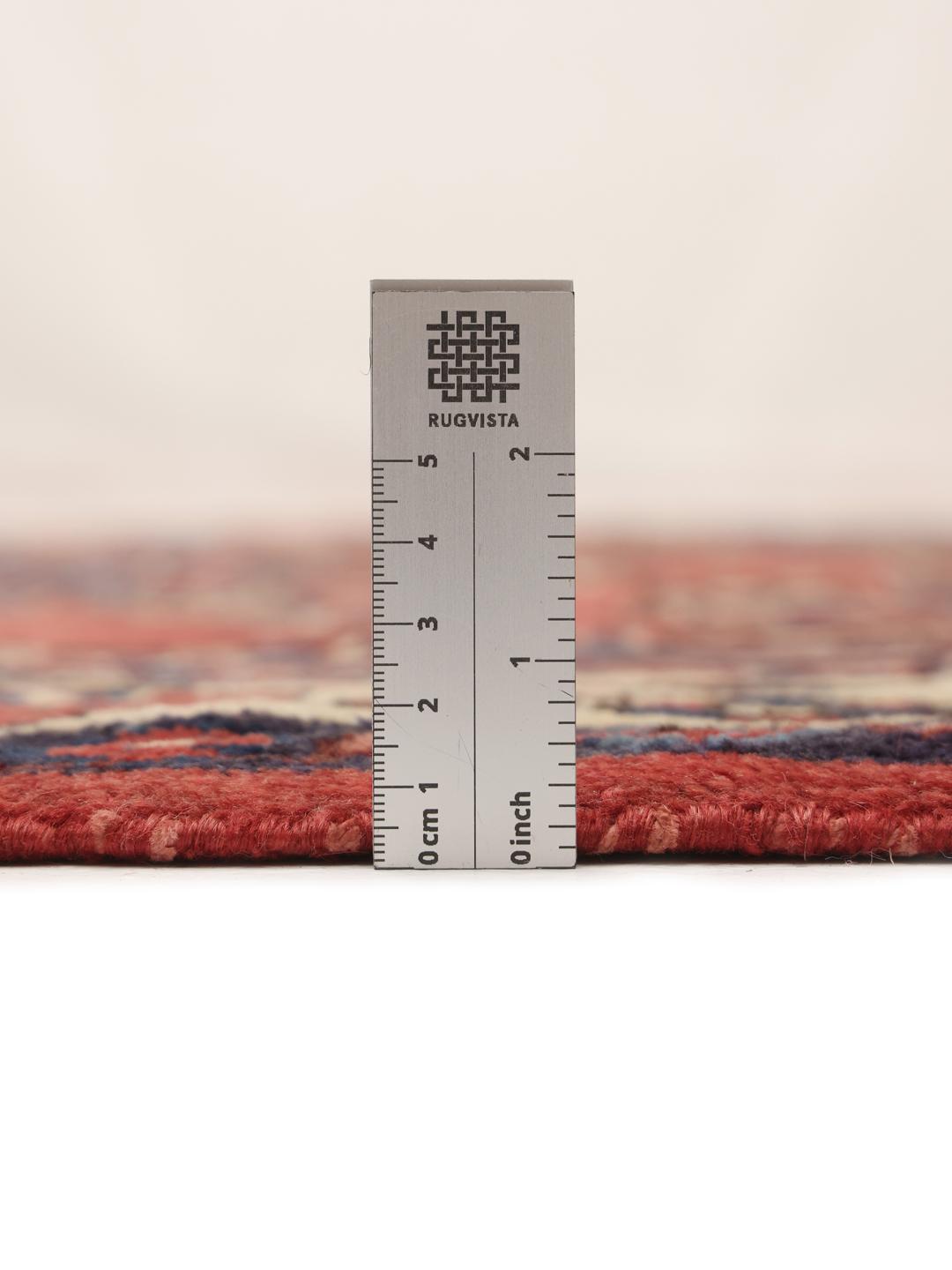
Understanding the quality of these rugs begins with the foundation. By using natural materials for both the pile and the base, the weavers ensure that the final piece is not only visually stunning but also physically enduring. The wool used is often sourced from local mountain flocks, known for its high lanolin content, which gives the finished rug a natural lustre and a soft, resilient touch that improves with age.
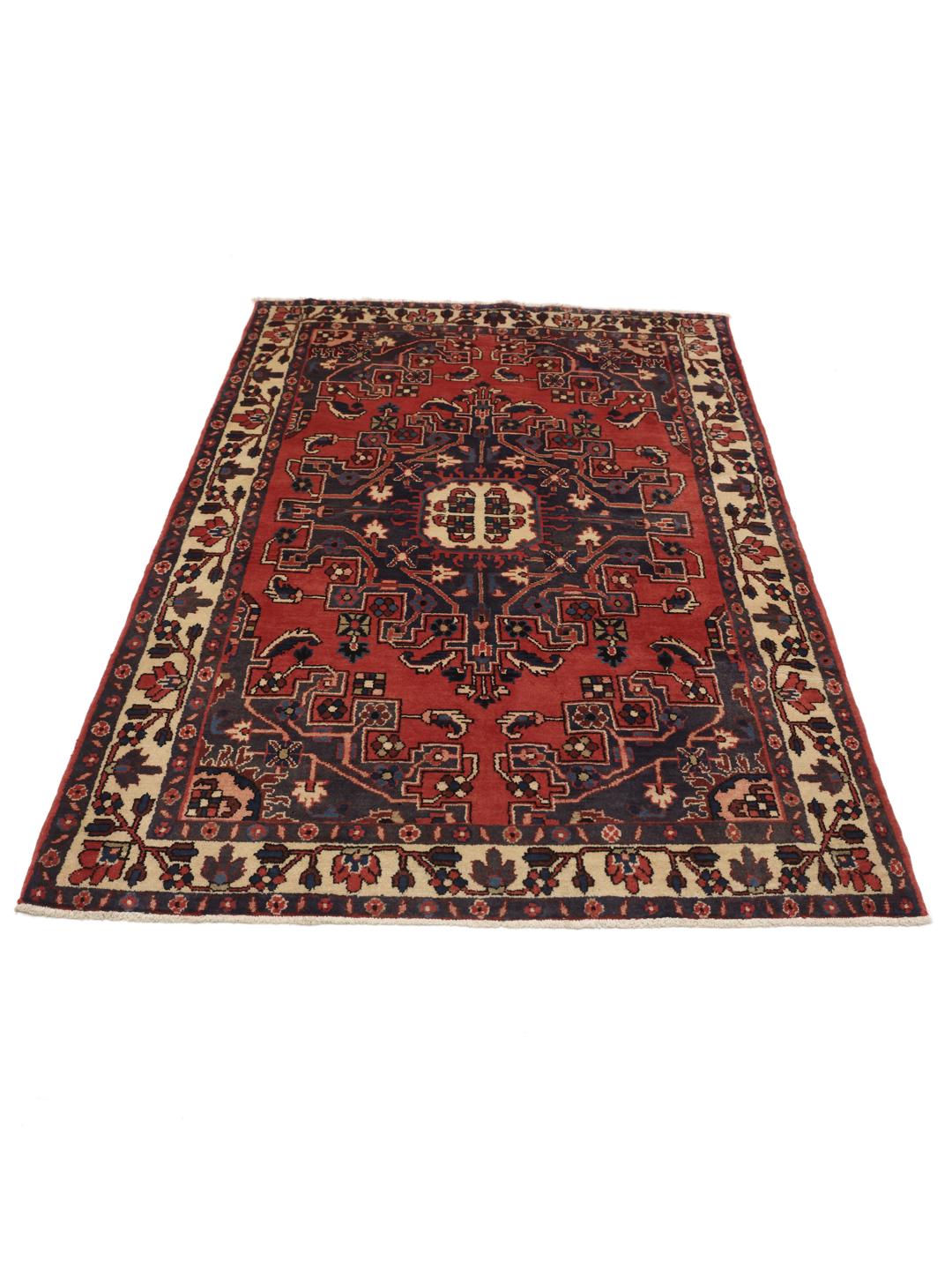
The design language of Hamadan rugs is remarkably varied, though they often feature bold central medallions surrounded by geometric floral motifs or repeating boteh patterns. These rugs are known for their strong, earthy palettes, where deep reds, indigos, and warm beiges are used to create complex, rhythmic designs that tell a story of regional identity and artistic expression.
Collectors value these rugs for their authenticity and the sheer variety they offer. Owning a Hamadan is an opportunity to connect with a long-standing cultural heritage, as these pieces are not merely decorative items but expressions of a living craft. They are prized for their ability to blend into various interior settings while remaining distinctly recognisable as products of a storied, time-honoured tradition.