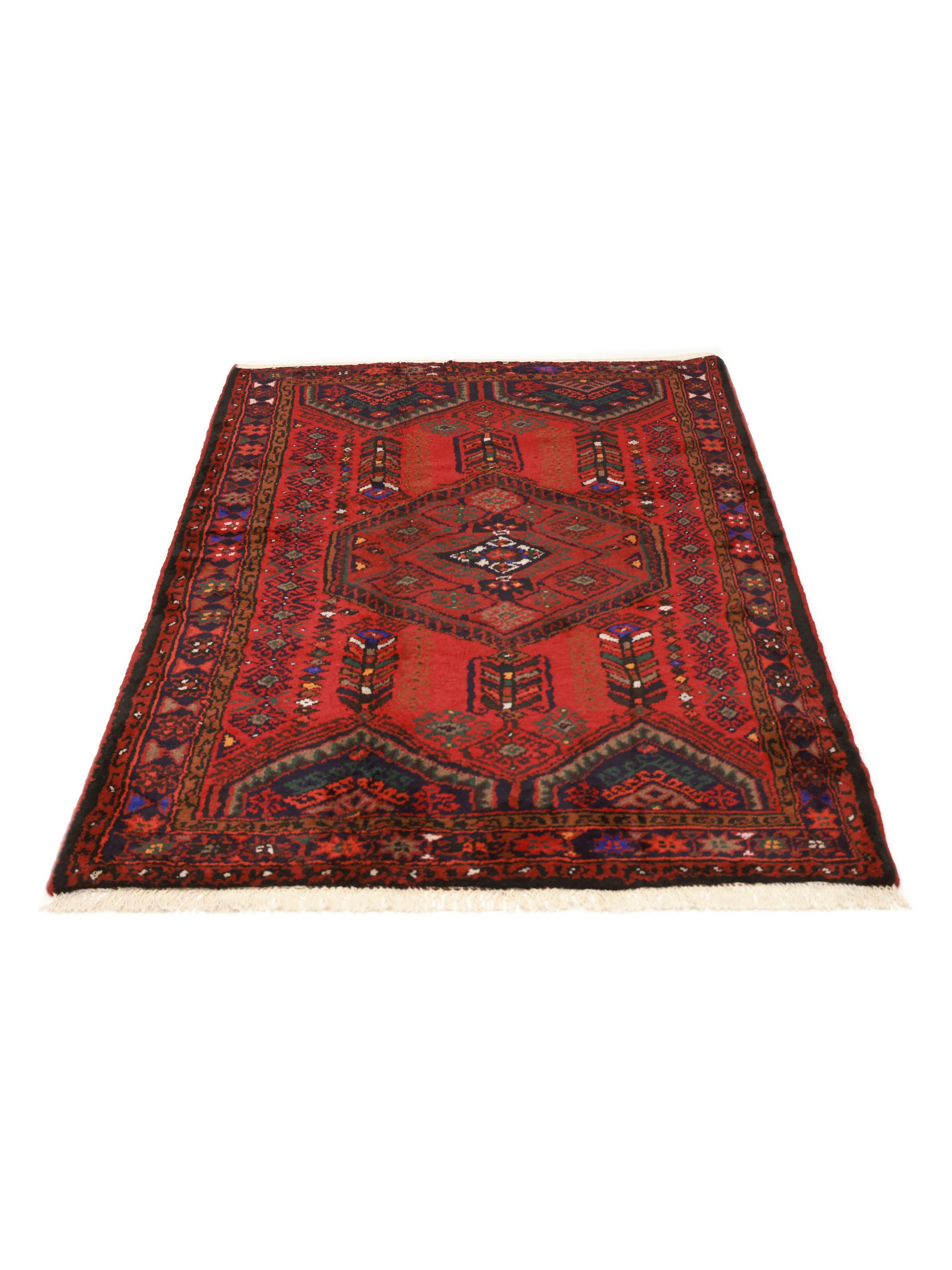
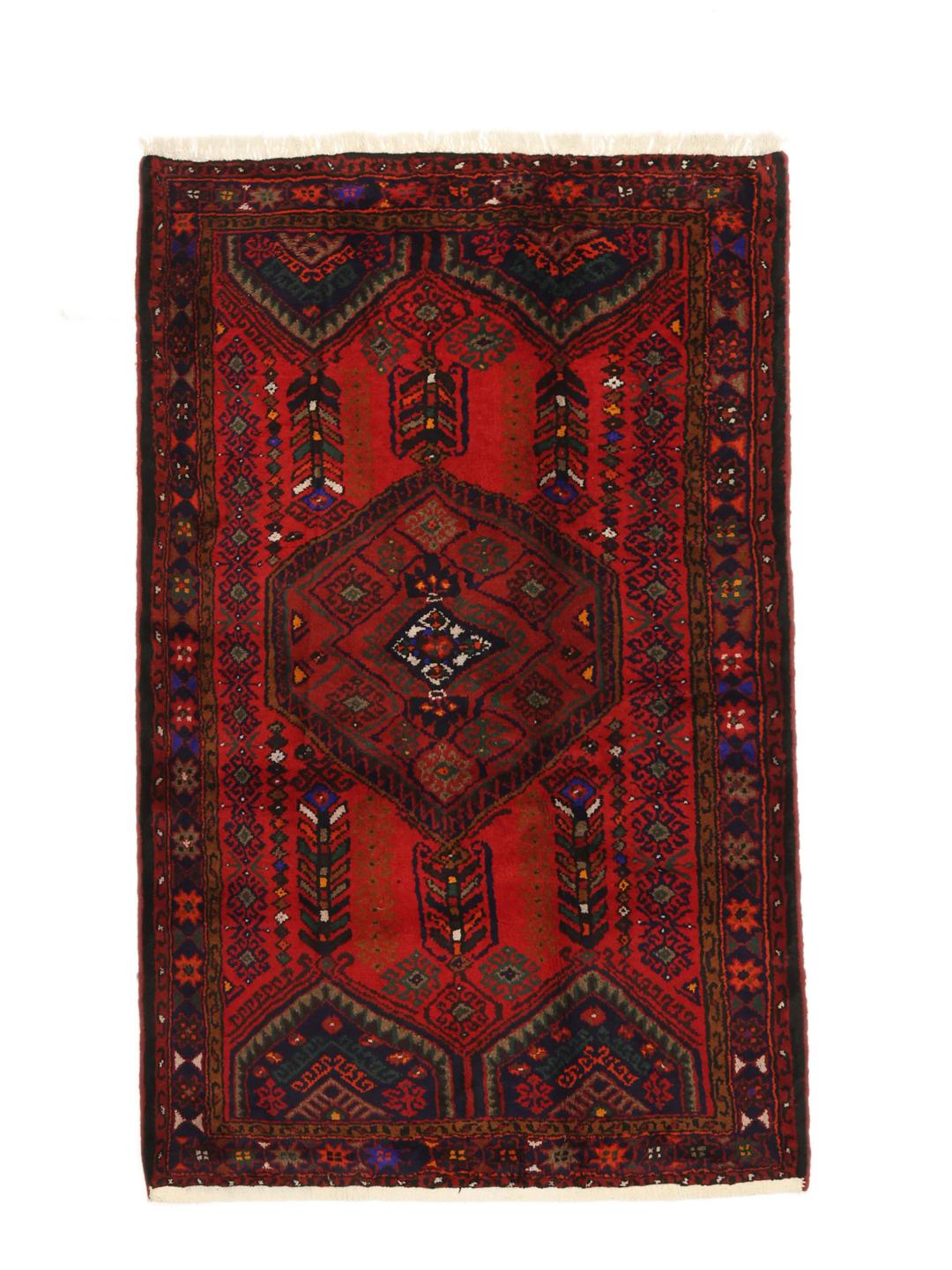
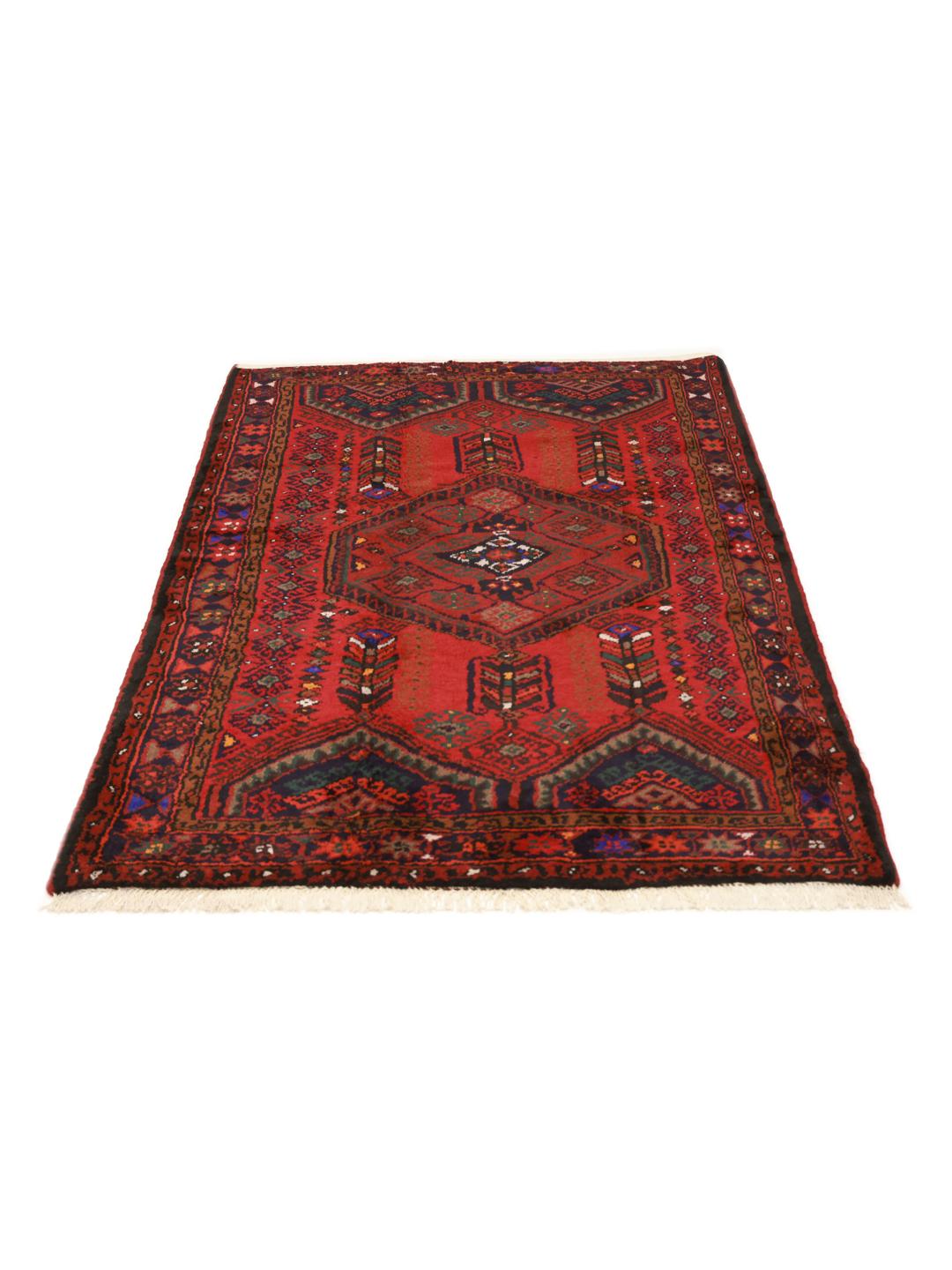
Hamadan is one of the most prolific and storied weaving regions in the Middle East, located in the western part of the region. This historic city has long served as a hub for the surrounding villages, which collectively produce a vast array of unique rugs. The tradition of weaving in this area is deeply embedded in the local culture, with each village often contributing its own distinct stylistic interpretation to the broader regional identity.
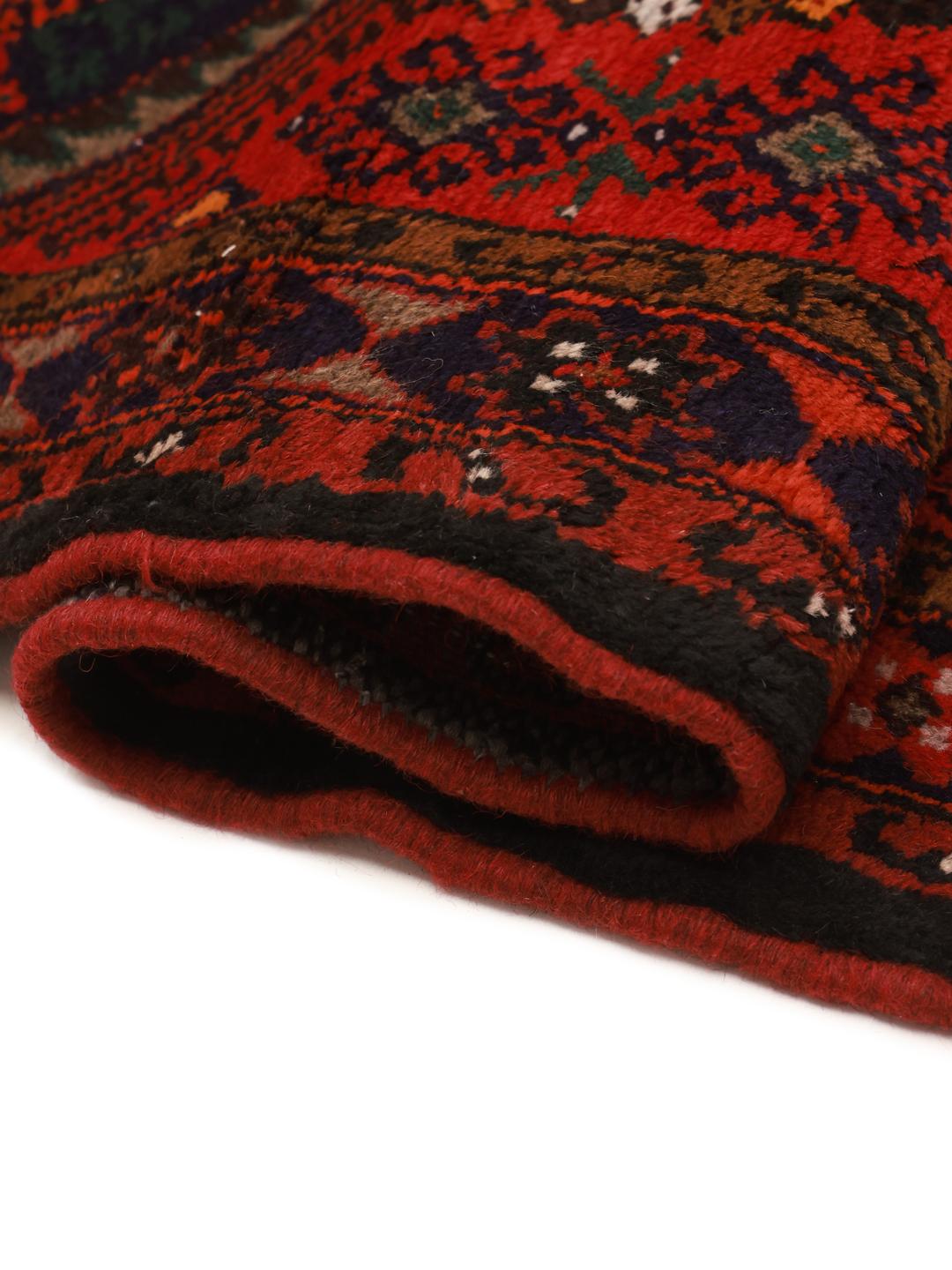
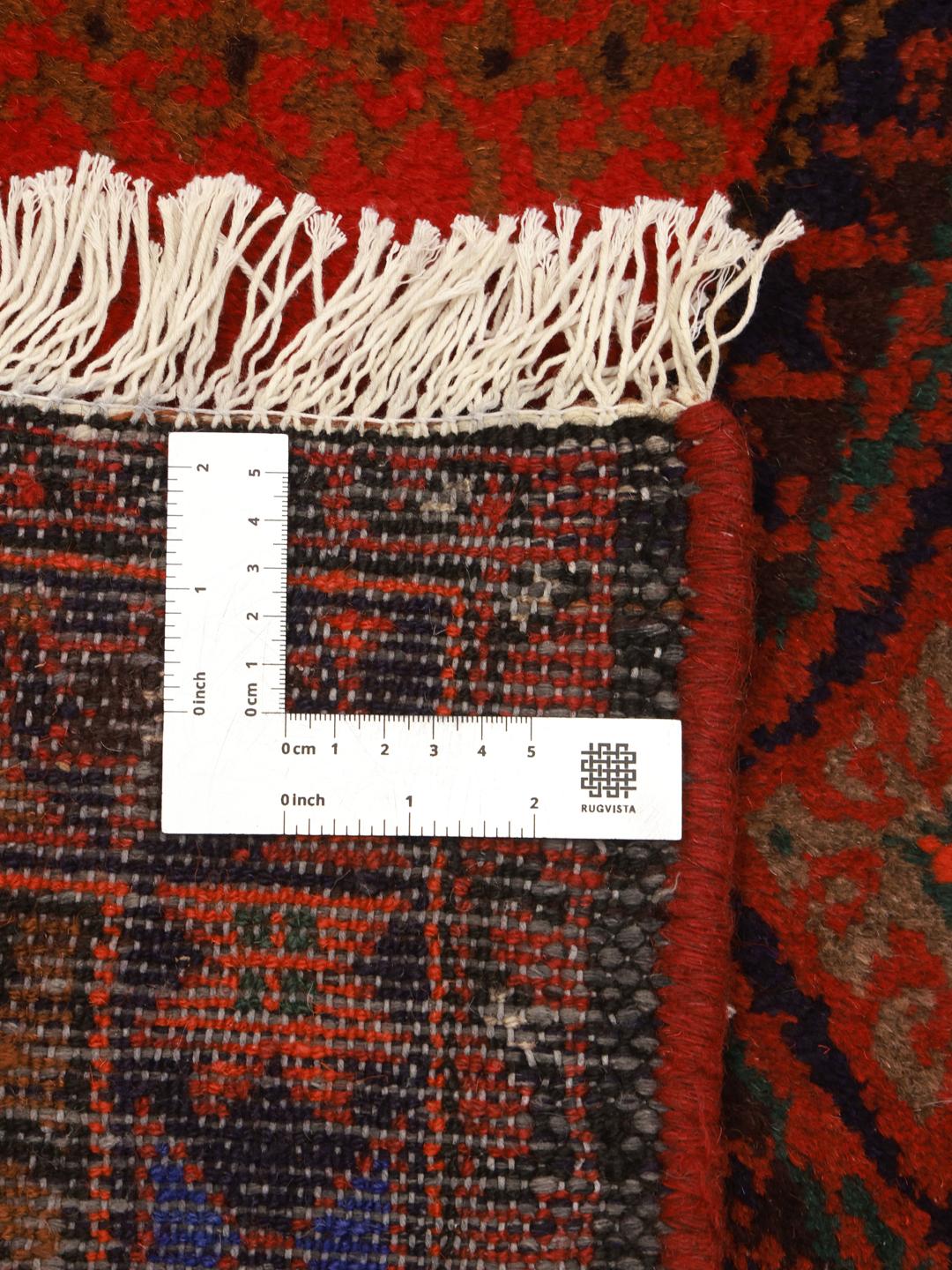
The term Hamadan refers not to a single design, but to a diverse family of rugs that share a common foundation of regional craft. These rugs are renowned for their durability and the use of high-quality, local wool. The construction process often utilises a specific knotting technique that has been refined over centuries, ensuring that the rugs can withstand the rigours of daily life while retaining their structural integrity.
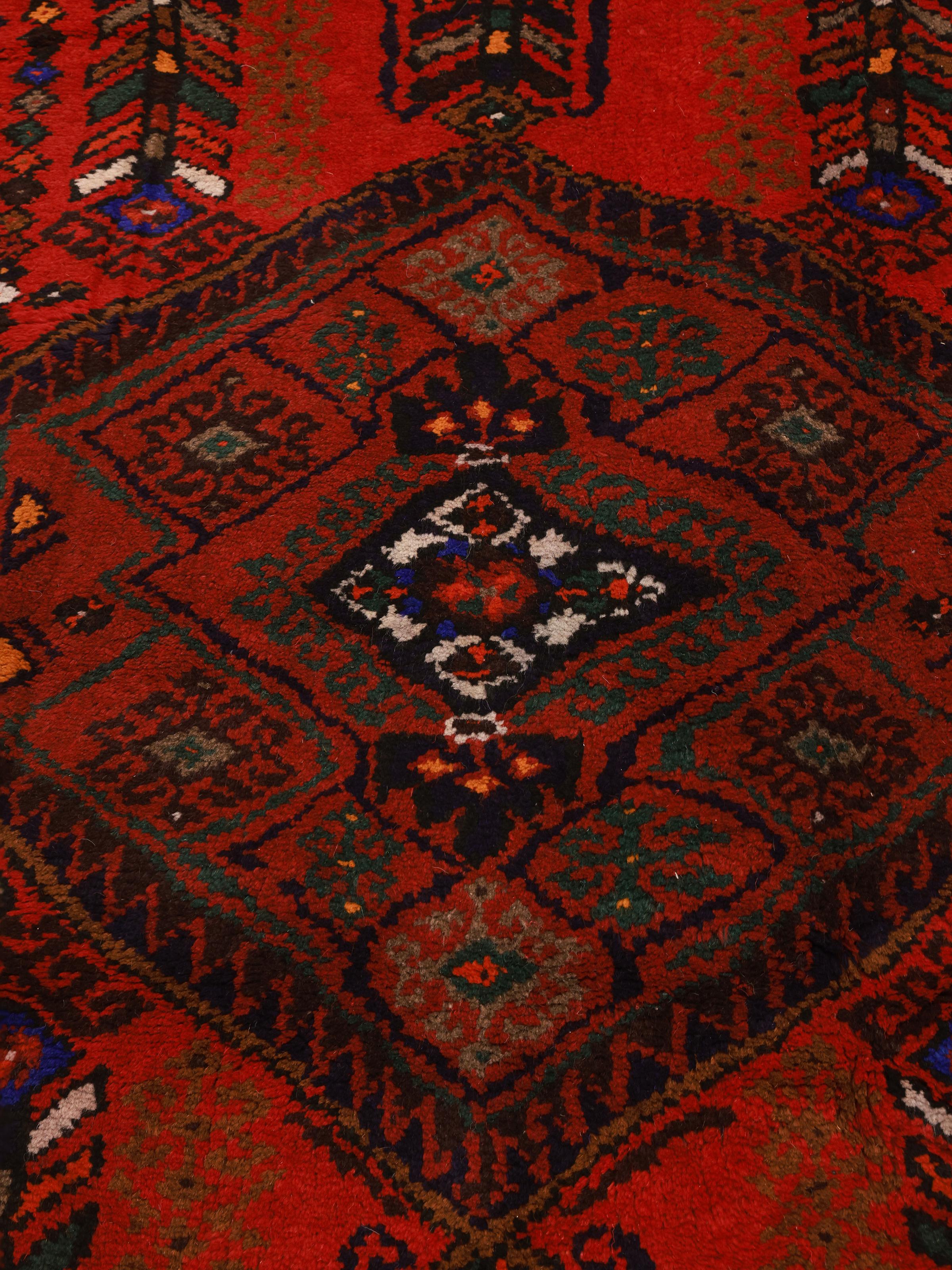
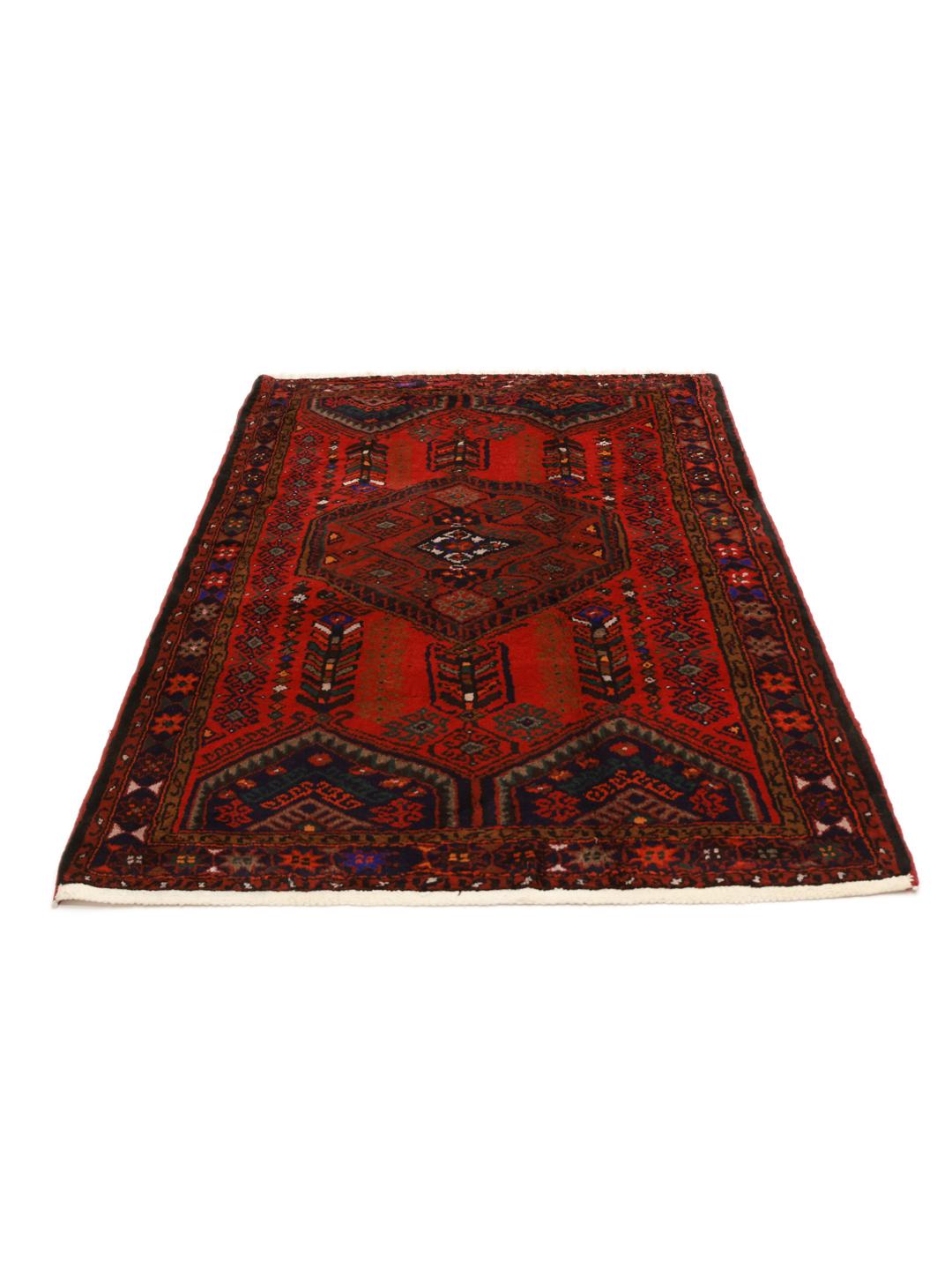
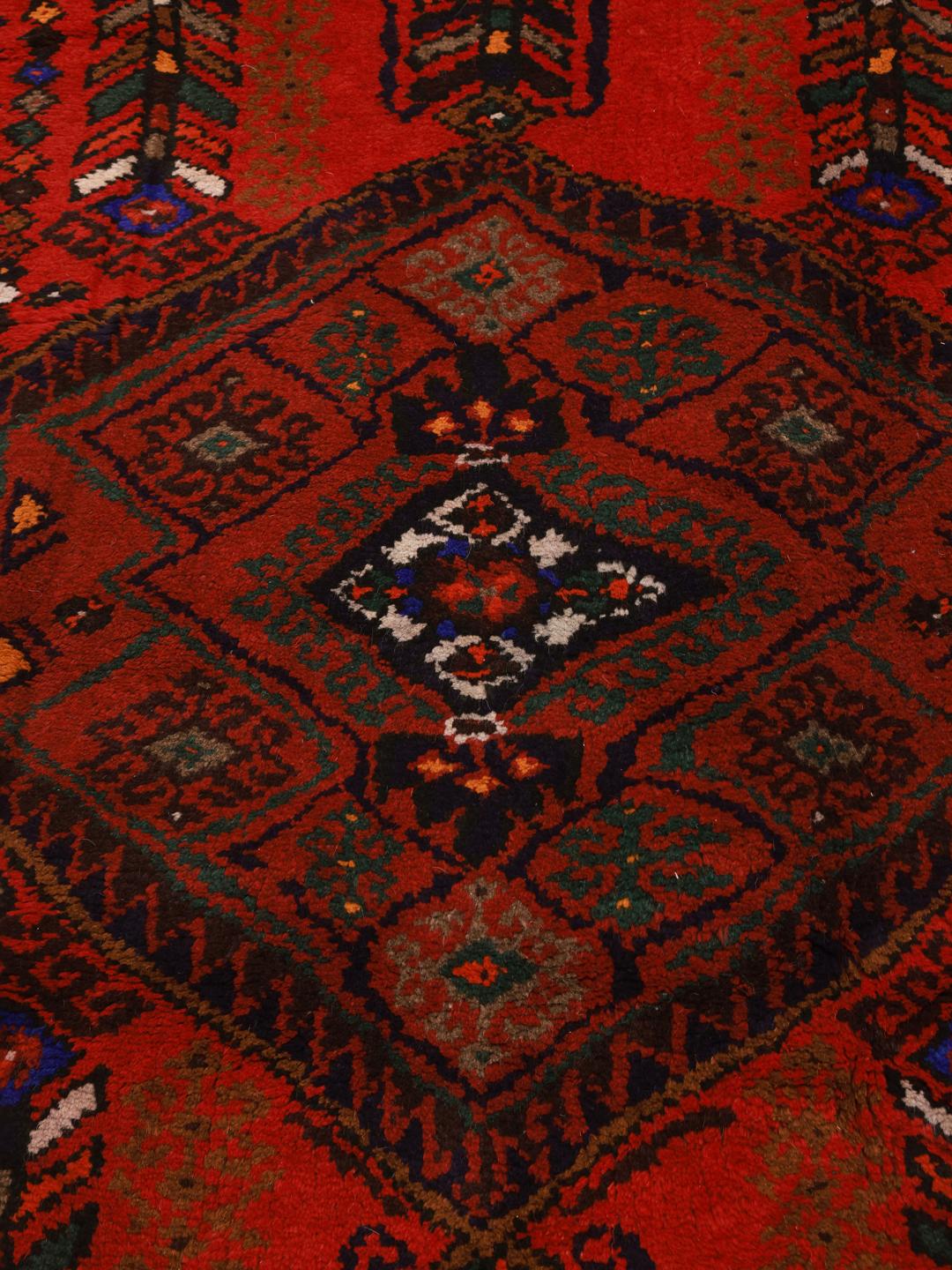
Visually, these rugs are celebrated for their bold geometric patterns and vibrant colour palettes. Common motifs include stylised floral designs, central medallions, and repeating tribal symbols that tell stories of the weavers' environments and cultural heritage. The use of deep reds, blues, and earthy tones is a hallmark of the style, creating a sense of warmth and vitality that has made these rugs popular among collectors and homeowners alike for generations.
Collecting a rug from this tradition means acquiring a piece of living history. Because these rugs are produced by hand across many different villages, each one captures the specific aesthetic preferences and skill of its maker. They are valued for their authenticity and the way they bring a sense of grounded, human-made beauty into contemporary interiors, serving as a bridge between ancient craft practices and modern living.